To investigate the clinical characteristics, risk factors, and impacts of chronic graft-versus-host disease (cGvHD) on survival outcomes in patients with severe aplastic anemia (SAA) following haploidentical hematopoietic stem cell transplantation (haplo-HSCT), a cohort of 530 patients was analyzed. The findings revealed that 156 patients developed cGvHD, with a 5-year cumulative incidence of 29.6% (72.4% mild, 17.9% moderate, 9.6% severe). Multivariate analysis identified patient age ≥18 years (hazard ratio [HR] = 1.38, P = 0.044) and a history of grade II-IV acute GvHD (HR = 1.69, P = 0.002) as independent risk factors for cGvHD development. For severe cGvHD, risk factors included previous antithymocyte globulin treatment (HR = 2.99, P = 0.035) and a history of grade III-IV acute GvHD (HR = 4.37, P = 0.010). No significant difference in OS was observed between cGvHD and non-cGvHD groups, but the 5-year OS rate was significantly lower in patients with moderate to severe cGvHD compared to those without the condition (84.3% vs. 95.1%, P = 0.006). Among patients with cGvHD, patients with severe cGvHD had significantly lower 5-year OS (80.0%) than those with mild (97.3%) or moderate (96.4%) cGvHD (P = 0.007). These findings contribute to understanding cGvHD in SAA patients after haplo-HSCT, aiding in personalized management to improve outcomes.
Haploidentical haematopoietic stem cell transplantation (haplo-HSCT) provides curative potential for older patients with haematological malignancies. Since multiple haploidentical donors may be available for a given patient, identifying factors that influence transplant outcomes, particularly donor-related characteristics, is critical. This study aimed to identify donor factors that are associated with transplant outcomes, particularly focusing on the impact of donor age on overall survival (OS), disease-free survival (DFS), and transplant-related mortality (TRM) in patients aged ≥55 yr undergoing haplo-HSCT. This retrospective study included 460 patients aged ≥55 yr with acute leukaemia or myelodysplastic syndromes who underwent haplo-HSCT. Multivariate analysis was used to assess the association between donor factors and transplant outcomes, with subgroup comparisons for younger (<33 yr) versus older (≥33 yr) donors. Multivariate analysis showed that increasing donor age was significantly associated with inferior OS (HR 1.22, 95% CI: 1.10 to 1.36; P < .001), poorer DFS (HR 1.20, 95% CI: 1.09 to 1.32; P < .001), and higher TRM (HR 1.20, 95% CI: 1.07 to 1.34; P = .001). Compared with donors aged ≥33 yr, younger donors (<33 yr) were associated with better OS (80.8% versus 67.6%, P = .002), improved DFS (73.8% versus 62.6%, P = .002), and lower TRM (16.6% versus 24.2%, P = .03). This study indicated that donor age significantly influences the outcomes of haplo-HSCT in patients ≥55 yr. Younger donors, particularly those aged <33 yr, were associated with better OS and DFS and lower TRM, suggesting that younger donors may be preferred for older patients undergoing haplo-HSCT.
Post-transplant relapse remains a major clinical challenge in Philadelphia chromosome–positive acute lymphoblastic leukemia (Ph + ALL). Real-time quantitative PCR (RQ-PCR) for BCR::ABL1 is the current standard for measurable residual disease (MRD) monitoring, whereas digital PCR (dPCR) offers substantially higher analytical sensitivity. Whether this increased sensitivity translates into additional prognostic value after allogeneic hematopoietic stem cell transplantation (allo-HSCT) remains unclear. In this prospective study (NCT06211166), 270 patients with Ph + ALL were longitudinally monitored after allo-HSCT. MRD was assessed in parallel using dPCR, RQ-PCR, and MFC. Based on the first post-transplant MRD detection pattern, patients were categorized into four groups: double-negative (n = 80), dPCR–single-positive (n = 158), RQ-PCR–single-positive (n = 3), and double-positive (n = 29). The dPCR–single-positive pattern was the most prevalent MRD status, accounting for 58.5
Poor hematopoietic reconstitution (PHR), a serious complication after chemotherapy or radiotherapy in patients with hematological or solid malignancies, which lacks effective treatment options because its underlying pathogenesis remains unclear. Bone marrow macrophages (BM MΦs) are multifunctional, plastic cells essential in hematopoiesis though our previous study demonstrated distinct hematopoietic regulatory role between M1 and M2 subtypes. However, the specific phenotype of M2-MΦ and pathways involved in hematopoietic support remain unclear. Here, we identified a novel population of BM-MΦs, SELENOP+ MΦs, that exhibit an M2-biased phenotype with hematopoietic stem cell (HSC)-supporting ability. These cells were markedly impaired in patients with poor graft function (PGF) after allogeneic HSC transplantation, potentially because of defective autocrine GAS6-AXL (ligand-receptor) signaling. Both in vitro and BM MΦ-specific AXL knockdown mouse models confirmed that reduced AXL activity contributed to MΦ dysfunction and the downstream reduction in IGF1 secretion. Notably, treatment with GAS6 partially restored the HSC-supporting ability of impaired BM MΦ from PGF patients in vitro. Overall, our study identified an HSC-supportive SELENOP+ MΦ subset regulated by GAS6-AXL signaling, offering novel therapeutic insights for impaired hematopoiesis.
This study aimed to analyze the clinical characteristics and prognostic factors in therapy-related acute myeloid leukemia (t-AML) patients with RUNX1::RUNX1T1 fusion. A retrospective analysis was performed. Twenty-three t-AML patients with RUNX1::RUNX1T1 were included as the case group. Ninety-two de novo AML patients with RUNX1::RUNX1T1 were randomly selected using the case-pair method in a 1:4 ratio who matched for (1) sex, (2) age (± 5 years), (3) time of diagnosis (± 3 years). A total of 115 AML patients with RUNX1::RUNX1T1 were enrolled. The CR rate after two cycles in t-AML patients with RUNX1::RUNX1T1 was same to that in de novo AML patients with RUNX1::RUNX1T1(95.6
Objective: To evaluate the efficacy and prognostic factors of haploidentical haematopoietic stem cell transplantation (haplo-HSCT) for paroxysmal nocturnal haemoglobinuria (PNH). Methods: We retrospectively analyzed 36 PNH patients (2 classic PNH, 34 AA-PNH syndrome) undergoing haplo-HSCT (G-CSF/ATG-based protocol) from June 2013 to December 2024, with BU/CY/ATG (n = 28) or BU/CYlow/FLU/ATG (n = 8) conditioning and uniform GVHD prophylaxis. Results: The overall myeloid engraftment rate was 100
Blinatumomab, a CD19/CD3 bispecific T-cell engager, is frequently used for B-cell acute lymphoblastic leukemia (B-ALL) prior to allogeneic hematopoietic stem cell transplantation (allo-HSCT). Although its efficacy in achieving measurable residual disease negativity is well established, its profound B-cell depletion and potential immunomodulatory effects may exacerbate post-transplant viral reactivation risks, particularly in the context of the inherent immunosuppression associated with allo-HSCT. In this matched retrospective cohort study, we identified 97 consecutive B-ALL patients who received blinatumomab prior to allo-HSCT between January 2021 and December 2024. Using 1:2 propensity score matching based on gender, age, and pre-transplant chemotherapy regimen, we selected 194 control patients from the same period who underwent allo-HSCT without prior blinatumomab exposure. Clinical outcomes were compared between the two cohorts. By day 100, EBV viremia incidence was significantly higher in the blinatumomab group (41.5
The Endothelial Activation and Stress Index (EASIX) is a prognostic score including creatinine, lactate dehydrogenase, and thrombocytes. Its prognostic value in the context of haploidentical SCT (haplo-HSCT) remains to be fully elucidated. To explore the significance of pre-transplant EASIX for clinical outcome, we conducted a retrospective study in 434 consecutive patients who received haplo-HSCT with ATG/G-CSF-based protocol for the treatment of hematologic malignancies In multivariate analysis, the EASIX score was independently associated with graft-versus-host disease (GVHD)-free, relapse-free survival (GRFS, (HR = 1.2, P < 0.001)). The cutoff value of EASIX for GRFS was 1.6, with 3-year GRFS being 63% and 72% in the high- and low-risk groups, respectively ( P < 0.001). The cumulative incidences of grade III-IV aGVHD were 24% and 12% ( P = 0.004), and the 3-year cumulative incidences of moderate to severe cGVHD were 40% and 20% in the high- and low-risk groups, respectively ( P < 0.001). In the MDS subgroup, an optimal cutoff of 0.7 was established, and EASIX remained significantly associated with the GRFS (HR = 5.4, P = 0.02). Pre-transplant EASIX serves as an independent predictor for GRFS as an easily accessible tool.
Background We aim to investigate whether the myelodysplastic syndrome stem cell (MDS-SC)-based assay could be used to predict relapse and survival after treatment in patients with MDS with excess blasts (MDS-EB). Methods A total of 143 cases receiving allografting were prospectively enrolled. A single-cell proteogenomic technique was used to evaluate the characteristics of CD34 + MDS subsets. These cells were detected using multiparameter flow cytometry (MFC) at diagnosis and post-treatment. Results The MDS-SCs could be detected based on CD34 + CD38 − cocktail + immunophenotype by MFC, which exhibit greater stemness and quiescence than CD34 + CD38 − CD33 + MDS cells, CD34 + CD38 − CD45RA + MDS cells, and CD34 + CD38 − CD123 + MDS cells. A high-level of CD34 + CD38 − cocktail + MDS-SCs (≥ 0.1064%) before allograft independently predicted 3-year cumulative incidence of relapse (CIR, P < 0.001). No association of MDS cells evaluated by the traditional MFC method before transplantation with relapse was observed. Patients with positive CD34 + CD38 − cocktail + MDS-SCs (≥ 0.0081%) after allografting experienced a higher 3-year CIR (40.4% vs. 6.5%, P < 0.001) and lower disease-free survival (DFS, 57.4% vs . 85.1%, P < 0.001) than those with negative CD34 + CD38 − cocktail + MDS-SCs (< 0.0081%). Multivariate analysis revealed that positive CD34 + CD38 cocktail + MDS-SCs after transplantation independently predicted the CIR ( P < 0.001) and DFS ( P < 0.001). Patients with traditional MFC MRD positivity after allografting also had a higher CIR (60.0% vs. 12.8%, P < 0.001) and lower DFS (40.0% vs. 80.2%, P < 0.001) than those with negative results. Compared with the traditional MFC method, the MDS-SC-based assay has higher sensitivity and C-index for disease burden determination and MRD detection. Conclusions Our data suggest the superiority of the MDS-SC-based assay over the traditional MFC method for outcome prediction in MDS-EB patients.
Graft-versus-host disease (GVHD) is a common and potentially fatal complication after allogeneic hematopoietic stem cell transplantation (allo-HSCT). The impact of GVHD on the long-term survival of critically ill patients after allo-HSCT for hematological malignancies is underestimated. In this study, we aimed to elucidate the impact of concurrent GVHD on the long-term survival of critically ill patients after transplantation for hematological malignancies. Between January 2010 and June 2025, all critically ill patients after transplantation for hematological malignancies were retrospectively identified and included in this cohort. A total of 726 critically ill patients were finally analyzed. In total, 198 (27.3%) patients with concurrent GVHD and 528 (72.7%) patients without concurrent GVHD were included in the cohort. The 12-month overall survival rate of the cohort was 27.7%, which was significantly lower in patients with concurrent GVHD than in those without concurrent GVHD (16.2% versus 32.8%, log rank P < .001). Multivariate analyses revealed that concurrent GVHD (P = .002, hazard ratio [HR] 1.342, 95% confidence interval [CI] 1.117 to 1.613), relapse of hematological malignancies (P = .015, HR 1.510, 95% CI 1.083 to 2.105), sinusoidal obstruction syndrome (P = .048, HR 1.632, 95% CI 1.004 to 2.651), and ≥2 organ failures in the intensive care unit (P < .001, HR 1.864, 95% CI 1.559 to 2.228) were independent risk factors for overall survival. In conclusion, for critically ill patients who underwent allo-HSCT for hematologic malignancies, concurrent GVHD significantly reduced long-term survival.
Allogeneic hematopoietic stem cell transplantation (allo-HSCT) is a curative therapy for severe aplastic anemia (SAA), with donor sources including matched sibling donors (MSDs), haploidentical donors (HIDs), and unrelated donors (URDs). However, the optimal criteria for donor selection remain undefined. We performed a multicenter retrospective study of 795 consecutive SAA patients who underwent allo-HSCT between 2012 and 2020 across 11 transplant centers in China. The overall survival (OS), failure-free survival (FFS), and GVHD-free/FFS (GFFS) rates were 85.2%, 83.6%, and 76.1%, respectively. Donor-related variables including relationship, age, sex match, blood type, and HLA mismatches were evaluated. Multivariable Cox regression identified donor age ≥50 years as an independent risk factor for inferior GFFS (HR = 2.13), OS (HR = 2.09), and FFS (HR = 2.18) (all P < 0.001). To directly compare the prognostic weight of donor age versus HLA compatibility, we stratified patients into four subgroups according to donor type (HID vs. MSD) and donor age (<50 vs. ≥50 years). Kaplan-Meier analysis with log-rank testing revealed that recipients of haploidentical grafts from younger donors achieved superior OS and FFS compared with those transplanted from older HLA-matched sibling donors. These findings demonstrate that donor age has a greater influence on transplant outcomes than HLA matching. With continuous improvements in haploidentical transplantation techniques, selecting younger haploidentical donors may represent a more favorable strategy than choosing older matched sibling donors.
The wider application of posttransplant cyclophosphamide (PTCY) and granulocyte colony-stimulating factor (G-CSF)/antithymocyte globulin (ATG)-based protocols has revolutionized haploidentical hematopoietic stem cell transplantation (haplo-HSCT) by decreasing graft-versus-host disease and facilitating engraftment. In this study, we compared the clinical outcomes and the immune reconstitution of propensity score-matched (1:1:1) patients receiving PTCY (n = 45), ATG (n = 45), or PTCY plus ATG (n = 45). Patients in the ATG group had significantly higher overall survival (OS) (p = 0.029) and leukemia-free survival (LFS) (p = 0.034). CD3+ (p < 0.01) and CD8+ T-cell counts (p = 0.02) were greater at 3 months after transplantation in the ATG group. After adjustment for relevant covariables, Cox models revealed a significant association between CD8+ T-cell reconstitution and OS in all patients (p = 0.008); CD8+ T-cell recovery and LFS showed a similar trend (p = 0.034). Sensitivity analysis revealed stable results. Restricted cubic spline curve analysis to visualize the relationship between immune reconstitution and outcomes revealed that the CD8+ T-cell count at 3 months post-HSCT strongly correlated with survival prognosis. These findings demonstrate that conditioning regimens profoundly impact immune reconstitution, which may contribute to differences in survival prognosis. Moreover, increasing the probability of CD8+ T-cell reconstitution after HSCT may become an important strategy for improving outcomes.
Graft-versus-host disease (GVHD) are still key obstacles of haploidentical transplantation. Interleukin-2 (IL-2) could promote natural killer (NK) cells and T-regulatory cells (Tregs) cells expansion in vitro and in vivo. We explored whether low-dose IL-2 administration at an early stage could promote NK cells and Tregs reconstitution and reduce GVHD after haplo-HSCT. This cohort trial included 10 recipients of accepting IL-2 treatment and case-pairing 30 recipients without IL-2 treatment post haplo-HSCT. In contrast to the control group, the 5-year incidence of chronic GVHD (cGVHD) was lower (p = 0.018), and GVHD progression-free survival (GPFS) was better (p = 0.025) in the IL-2 group. Blood NK-cells, Treg cells, conventional T cells (Tcon) cells, and the expression of CD62L+ on Tregs and Tcon cells reconstitution were increased post-IL-2 treatment. NKG2A expression on NK cells increased significantly post-IL-2 treatment. Meanwhile, IL-2 administration shortly increased the plasma levels of IFN-Ƴ, TNF-a, IL-10, and IL-2 in subjects post haplo-HSCT. Relative to the control group, low-dose IL-2 increased NK cell counts and the expression of CD122, DNAM-1, and NKG2D on NK cells post transplantation. Administration of low-dose IL-2 after haplo-HSCT correlated with reduced cGVHD, which should be explored further with randomized trial.
Summary The 2022 European LeukemiaNet (ELN) recommendation redefined favourable‐risk CCAAT/enhancer binding protein alpha ( CEBPA )‐mutated acute myeloid leukaemia (AML) by in‐frame C‐terminal basic leucine zipper domain (bZIP) mutations rather than double CEBPA mutations. We analysed 411 CEBPA ‐mutated AML patients from six Chinese centres, classified as single‐mutant CEBPA bZIP‐other (sm CEBPA bZIP‐other ; n = 38), sm CEBPA bZIP‐inf ( n = 39), double‐mutant CEBPA other (dm CEBPA other ; n = 37) and dm CEBPA bZIP‐inf ( n = 297). Dm CEBPA bZIP‐inf patients were younger, had more de novo AML and showed distinct co‐mutation profiles, with more GATA binding protein 2 ( GATA2 ) and fewer nucleophosmin 1 ( NPM1 )/DNA methyltransferase 3 alpha ( DNMT3A ) mutations. Additionally, dm CEBPA bZIP‐inf patients had a higher composite complete remission (CRc) rate (94.6% vs. 84.2%–89.2%, p = 0.025) and better survival than the other three groups (3‐year overall survival [OS]: 80.0% vs. 57.4%–70.6%, p < 0.001; 3‐year disease‐free survival [DFS]: 74.5% vs. 45.4%–67.9%, p = 0.002). Multivariable Cox regression analysis showed that dm CEBPA bZIP‐inf and sm CEBPA bZIP‐inf had comparable survival, whereas dm CEBPA bZIP‐inf had better survival than sm CEBPA bZIP‐other and dm CEBPA other . However, among intensively treated patients, dm CEBPA bZIP‐inf was associated with superior survival compared with sm CEBPA bZIP‐inf (OS, hazard ratio [HR] = 1.542, p = 0.017; DFS, HR = 1.618, p = 0.014) and other two CEBPA groups in multivariable models. Among dm CEBPA bZIP‐inf patients, intensive chemotherapy (HR = 0.51, p = 0.012), adverse karyotype (HR = 1.52, p = 0.037), age ≥50 years (HR = 1.74, p = 0.044), neuroblastoma RAS viral oncogene homolog ( NRAS ) (HR = 1.64, p = 0.014) and colony‐stimulating factor 3 receptor ( CSF3R ) mutation (HR = 1.78, p = 0.049) were independent factors for OS. No significant difference in survival was observed between patients with CEBPA bZIP‐indel and CEBP bZIP‐ms mutations. In conclusion, the dm CEBPA bZIP‐inf subgroup displayed unique co‐mutation gene spectra and had better prognoses among the intensive treated cohort.
Pneumocystis jirovecii pneumonia (PJP) is a life-threatening opportunistic infection that occurs after allogeneic hematopoietic stem cell transplantation (allo-HSCT). The risk factors and prognostic factors for PJP under current transplantation and monitoring practices are not well understood. In this retrospective cohort study, we aimed to characterize the clinical features, identify risk factors for its occurrence, and determine prognostic factors of PJP for survival. Between 2012 and 2022, 8596 patients underwent allo-HSCT at the Peking University Institute of Hematology. From this cohort, 88 patients with PJP were retrospectively identified, and after 16 patients were excluded because of incomplete data or loss to follow-up, 72 patients were included in the final analysis. We also conducted a nested case-control study to identify risk factors associated with PJP onset. For every patient diagnosed with PJP, three control subjects were randomly chosen and matched by transplant date within 90 d and follow-up duration within 180 d. Finally, 72 PJP patients and 216 controls without PJP were analyzed. In this study, the prevalence of PJP post allo-HSCT was 1.0% (88/8596). Patients who developed PJP had significantly lower 5-yr overall survival (OS) (58.7% versus 84.3%; P < .001) and 5-yr disease-free survival (57.3% versus 82.0%; P < .001) and higher 5-yr nonrelapse mortality (33.0% versus 8.5%; P < .001) than the controls did. The median time from transplantation to PJP diagnosis was 10 mo, with 29.2% of cases occurring more than 1 yr post-HSCT. Multivariate analysis revealed that an age greater than 45 yr at transplantation, peak corticosteroid dose, and lower CD4+ T cell count were independent risk factors for developing PJP. Among patients with PJP, the presence of chronic graft-versus-host disease, coexisting EBV infection, anemia (hemoglobin <100 g/L), and respiratory failure were independent predictors of poor OS. Our findings revealed that patients with PJP had a poor prognosis. These results suggest that the standard duration of prophylaxis may be insufficient for many patients, underscoring the need for individualized, risk-adapted strategies. Early identification of high-risk patients could guide prolonged prophylaxis and improve outcomes.
Hematological diseases to be treated with HSCT are a definite indication for fertility preservation (FP). Ovarian tissue oocyte in vitro maturation (OTO-IVM) combined with ovarian tissue cryopreservation (OTC) may be a promising and urgent FP strategy for this population. This study aims to evaluate the efficacy of OTO-IVM for this population and identify which hematological diseases are more likely to benefit from OTO-IVM. This study included 44 hematological patients before HSCT who underwent the OTO-IVM combined with OTC for urgent FP. Patients were divided into the malignant hematological disease (MHD) and non-MHD groups and the OTO-IVM outcomes were retrospectively analysed. Donated ovarian tissues from MHD, non-MHD and control group were subjected to further molecular and pathological study. Patients with non-MHD exhibited significantly higher serum anti-Müllerian hormone (AMH) levels (4.36 ± 3.14 vs. 2.08 ± 1.57, p = 0.017) and a greater number of retrieved immature oocytes (10.58 ± 7.54 vs. 4.85 ± 3.26, p = 0.012) than those with MHD. Although the maturation rate showed a non-significant decreasing trend in the non-MHD group (35.80 ± 28.12 vs. 49.83 ± 33.96, p = 0.163), multivariable analysis demonstrated that non-MHD was associated with a lower per-patient IVM rate. The final number of MII oocytes did not differ significantly between groups (3.58 ± 4.07 vs. 2.23 ± 2.01, p = 0.264). Notably, increased apoptosis of ovarian stromal cells may contribute to impaired oocyte maturation competence in patients with aplastic anemia (AA). Consistently, AA ovarian tissues displayed activation of apoptotic signalling pathways and dysregulated T cell activation-associated gene expression compared with MHD and impaired oocyte development and maturation compared with control group. OTO-IVM combined with OTC appears feasible for urgent fertility preservation in hematological patients prior to HSCT. Our exploratory findings suggest that ovarian stromal cell apoptosis may contribute to reduced oocyte maturation competence in AA, which warrants further validation and optimization of maturation rates.
High-dose cyclophosphamide (Cy)-related cardiotoxicity (CT) during transplant conditioning in patients with severe aplastic anemia (SAA) is a life-threatening complication. To evaluate the efficacy and safety of a modified conditioning regimen to reduce CT in pediatric SAA. We conducted a prospective, single-arm clinical trial. The regimen was as follows: busulfan (Bu) 3.2 mg/kg/d on days -8 and -7, thiotepa (TT) 10 mg/kg/d on day -6, Cy 20 mg/kg/d on days -5 to -2, and antithymocyte globulin 2.5 mg/kg on days -5 to -2. Patients with high-risk SAA in a historical cohort who received the traditional Bu/Cy (Cy 50 mg/kg/d on days -5 to -2; BuCyhigh) regimen served as the control group. No severe CT was observed in the novel regimen group (BuCylowTT group). The 1-yr overall survival rate was significantly higher in the BuCylowTT group (100% versus 86.1%, P = .021). No graft failure or severe adverse events were observed in the BuCylowTT group. All patients achieved early neutrophil and platelet engraftment. The incidence of grades II-IV and III-IV acute graft-versus-host disease was comparable between the two groups (33.7% versus 28.6%, P = .455; 13.9% versus 5.56%, P = .285). Univariate analysis of the 1-yr overall survival indicated that prior antithymocyte globulin treatment and the conditioning regimen were associated with survival. The BuCylowTT regimen represents a promising alternative for pediatric patients with SAA at high risk of CT undergoing haploidentical hematopoietic stem cell transplantation.
OBJECTIVES:Comparisons of safety and efficacy of Allogeneic hematopoietic stem cell transplantation (allo-HSCT) following complete remission (CR) achieved by Chimeric antigen receptor T (CAR-T) cell therapy versus chemotherapy for B-cell acute lymphoblastic leukemia (B-ALL) have not been fully discussed. METHODS:We performed a comparison of transplant outcomes in 443 consecutive B-ALL patients who received allo-HSCT after achieving CR with CAR-T therapy (n = 50) or with chemotherapy (n = 393). The median follow-up time was 30 months (range: 1-62 months). RESULTS:The CAR-T group had a lower incidence of chronic graft-versus-host disease (30.9% vs. 44.0%, p = 0.020). We also found that the incidence of veno-occlusive disease was higher in the CAR-T group compared to the chemotherapy group (4% vs. 0.5%; p = 0.003). The study revealed that both the CAR-T and chemotherapy groups exhibited comparable overall survival (90.9% vs. 94.6%, p = 0.158) and relapse incidences (9.1% vs. 8.4%, p = 0.513). However, incidences of non-relapse mortality after transplantation were higher in the CAR-T group (10.9% vs. 4.3%, p = 0.016), and leukemia-free survival was lower in the CAR-T group compared to the chemotherapy group (80.0% vs. 86.8%, p = 0.040). CONCLUSIONS:Our data indicate that, in B-ALL patients, most treatment-related complications and survival were comparable between CAR T-cell therapy and chemotherapy followed by allo-HSCT.
 Xiaojun Huang (黄晓军)合作论文数Peking University People's Hospital;Institute of Hematology, Peking University;Center for Life Sciences949
 Xiaohui Zhang (张晓辉)合作论文数Institute of Hematology, Peking University People's Hospital763
 Yu Wang (王玉)合作论文数Beijing University First Hospital627
 Kaiyan Liu (刘开彦)合作论文数Peking University People's Hospital556
 Huan Chen (陈欢)合作论文数Peking University People‘s Hospital362
 Yuhong Chen合作论文数330
 Xiaodong Mo (莫晓冬)合作论文数Peking University People's Hospital, Qingdao312Han Wei合作论文数300Ying-Jun Chang合作论文数281
 Chenhua Yan (闫晨华)合作论文数Peking University People's Hospital277Feng-Rong Wang合作论文数260
 Daihong Liu (刘代红)合作论文数School of Medicine, Nankai University;Chinese PLA General Hospital231Jing-Zhi Wang合作论文数224Yuqian Sun合作论文数216Yuan-Yuan Zhang合作论文数160
 Xiangyu Zhao (赵翔宇)合作论文数Peking University People’s Hospital157Hai-Xia Fu合作论文数148
 Qian Jiang (江倩)合作论文数Peking University People's Hospital, Qingdao130
 Xiaosu Zhao (赵晓甦)合作论文数Peking University People's Hospital127
 Meng Lv (吕萌)合作论文数Peking University People's Hospital121
 Yifei Cheng (程翼飞)合作论文数Peking University People's Hospital115
 Hao Jiang (江浩)合作论文数Peking University People's Hospital112
 Yazhen Qin (秦亚溱)合作论文数.Institute of Hematology,Peking University People's Hospital,Beijing ,China97Tingting Han合作论文数95
 Feifei Tang (唐菲菲)合作论文数Peking University People's Hospital89Yanrong Liu (刘艳荣)合作论文数Peking University People's Hospital86Zhu Xiaolu合作论文数80Yun He合作论文数78
 Chen Yao (姚晨)合作论文数Peking University First Hospital;Clinical Research Institute, Peking University74
 Yuan Kong (孔圆)合作论文数Peking University People's Hospital74Zheng-Li Xu合作论文数68
 Daopei Lu (陆道培)合作论文数Peking University People's Hospital53Qifa Liu合作论文数40Yao Chen (陈瑶)合作论文数Peking University People's Hospital39
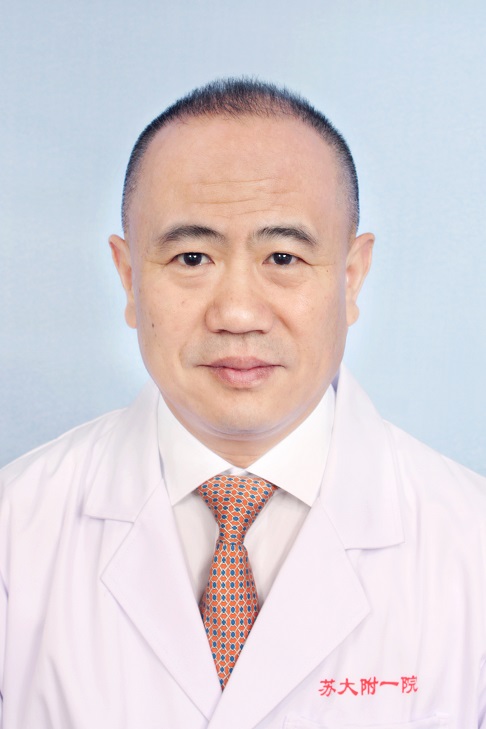 Depei Wu (吴德沛)合作论文数The First Affiliated Hospital of Soochow University;State Key Laboratory of Radiation Medicine and Protection, Soochow University37
 Guorui Ruan (阮国瑞)合作论文数Peking University People's Hospital37Kong Jun合作论文数36
 Jin Lu (路瑾)合作论文数北京大学血液病研究所35
 Ting Zhao (赵挺)合作论文数Taikang Medical School, Wuhan University;Taikang Center for Life and Medical Sciences, Wuhan University33Yaochen Zhang (张耀臣)合作论文数32Zhidong Wang合作论文数30Yueyun Lai (赖悦云)合作论文数30Pan Suo合作论文数28Xu-Ying Pei合作论文数27Ming-Rui Huo (霍明瑞)合作论文数27Chen-Cong Wang合作论文数25Wang Qianming合作论文数25
 Jinsong Jia (贾晋松)合作论文数Peking University People's Hospital25




