PURPOSE:Medical practice is complex, ambiguous and dynamic. It requires more than technical knowledge; it necessitates the application of wisdom. Unfortunately, integration of the wisdom construct into established U.S. medical competency frameworks has been difficult. This study explored this interdisciplinary problem by investigating how academic physicians define medical wisdom (MW) and discern barriers and facilitators to such integration. METHOD:Investigators conducted in-depth, semi-structured interviews with 19 faculty physicians at 3 U.S. academic medical centres. They probed physicians' definitions of MW and perceived barriers and facilitators to the development of MW. Interview data were analysed using thematic analysis (TA). TA results and insights from non-medical models of wisdom and complex problem-solving supported the creation of a model of MW. Polarity mapping of the moral economies of medical wisdom and medical science was utilized to clarify the challenges and opportunities of integrating these two philosophically distinct paradigms. RESULTS:TA of transcripts suggests physicians understand MW as consisting of interactions between 3 core components: adaptive capacity, values and technical knowledge. This finding and insights on their integration derived from non-medical models of wisdom supported the creation of a tripartite model of medical wisdom (TMMW) with features of complex adaptive systems (CAS). Polarity mapping of the moral economies of medical wisdom and medical science highlighted differences in assumptions, values and practices between the two paradigms. Barriers and facilitators identified through TA reinforced the relevance of these differences to difficulties in incorporating wisdom into established medical competency frameworks. CONCLUSIONS:Wise competence is the ability to integrate medical knowledge with clinical context and patient wishes to deliver patient-centered care. The TMMW offers a mental model of such integration with features of CAS and a critical role for metacognition. Introduction of MW models into established competency frameworks may benefit from explicit acknowledgement of each paradigm's underlying moral economies.
PurposeAmerican medical students exhibit higher rates of depression, anxiety, and psychological distress than age-matched members of the general population, yet the majority of students do not seek help for these conditions. A necessary precursor to help-seeking is disclosure, or the sharing of one's diagnosis or symptoms with others. This pilot study aims to explore mental health disclosure decision-making among medical students.DesignSemi-structured qualitative interviews.SettingStudents were interviewed virtually using Zoom.Participants20 students enrolled in nine American undergraduate medical education institutions (MD or DO).MethodInterviews were audio-recorded and transcribed. Using Constructivist Grounded Theory (CGT) and iterative cycles of analysis with focused and theoretical coding, a preliminary framework was developed to represent mental health disclosure decision-making among medical students.ResultsThe proposed framework presents three factors that impact students' disclosure decisions: Assessing Anticipated Outcomes, Evaluating Priorities, and Determining Appropriate Recipients. The framework also identifies two moderating variables-Disclosure Goals and Severity and Type of Symptoms-that affect students' perspectives on outcomes and recipients.ConclusionThis pilot study highlights the complexity of student disclosure decision-making. While limited by the small sample size, the results suggest the importance of considering student perspectives on disclosure recipients, communication surrounding disclosure outcomes, and the flexibility of student schedules when pursuing future projects related to medical student well-being and mental health disclosure.
Introduction/Objectives: Delivering optimal patient care is impacted by a physician’s ability to build trusting relationships with patients. Identifying techniques for rapport building is important for promoting patient-physician collaboration and improved patient outcomes. This study sought to characterize the approaches highly skilled primary care physicians (PCPs) use to effectively connect with diverse patients. Methods: Using an inductive thematic analysis approach, we analyzed semi-structured interview transcripts with 10 PCPs identified by leadership and/or colleagues for having exceptional patient communication skills. PCPs practiced in 3 diverse clinic settings: (1) academic medical center, (2) Veterans Affairs clinic, and (3) safety-net community clinic. Results and Conclusions: The thematic analysis yielded 5 themes that enable physicians to establish connections with patients: Respect for the Patient, Engaged Curiosity, Focused Listening, Mutual Participation, and Self-Awareness. Underlying all of these themes was a quality of authenticity, or a state of symmetry between one’s internal experience and external words and actions. Adopting these communication techniques while allowing for adaptability in order to remain authentic in one’s interactions with patients may facilitate improved connection and trust with patients. Encouraging physician authenticity in the patient-physician relationship supports a shift toward relationship-centered care. Additional medical education training is needed to facilitate authentic connection between physicians and patients.
Like other complex systems, medical education programs require a systematic continuous quality improvement (CQI) approach to drive effective improvement. Accreditation bodies in both undergraduate medical education (UME) and graduate medical education (GME) require programs to have effective CQI processes. Dashboards facilitate visualization and tracking of key metrics that impact medical education programming, thus driving excellence. Keys to developing useful dashboards include using existing program evaluation frameworks to identify desired outputs, determine acceptable evidence, and identify key data sources. In developing dashboards, it is important to consider data management including oversight and appropriate sharing of reports. When effectively developed and delivered to key parties, data dashboards serve as valuable tools to drive improvement of medical education programing. The purpose of this paper is to provide guidance for dashboard implementation and use in medical education, with a focus on UME and GME, based on available literature and experiences in our own institutions.
Background The diagnostic process is a dynamic, team-based activity that is an important aspect of ward rounds in teaching hospitals. However, few studies have examined how academic ward teams operate in areas such as diagnosis in the handoff of overnight admissions during ward rounds. This study draws key lessons from team interactions in the handoff process during ward rounds. Objective To describe how ward teams operate in the handoff of patients admitted overnight during ward rounds, and to characterize the role of the bedside patient evaluation in this context. Design A qualitative ethnographic approach using field observations and documentary analysis. Participants Attending physicians, medical residents, and medical students on general medicine services in a single teaching hospital. Approach Thirty-five hours of observations were undertaken over a 4-month period. We purposively approached a diverse group of attendings who cover a range of clinical teaching experience, and obtained informed consent from all ward team members and observed patients. Thirty patient handoffs were observed across 5 ward teams with 45 team members. We conducted thematic analysis of researcher field notes and electronic health record documents using social cognitive theories to characterize the dynamic interactions occurring in the real clinical environment. Key Results Teams spent less time during ward rounds on verifying history and physical examination findings, performing bedside evaluations, and discussing differential diagnoses than other aspects (e.g., reviewing patient data in conference rooms) in the team handoff process of overnight admissions. Several team-based approaches to diagnosis and bedside patient evaluations were observed, including debriefing for learning and decision-making. Conclusions This study highlights potential strengths and missed opportunities for teaching, learning, and engaging directly with patients in the ward team handoff of patients admitted overnight. These findings may inform curriculum development, faculty training, and patient safety research.
We aimed to determine whether a Case-Based Collaborative Learning (CBCL) curriculum, developed from the clinical experience of U.S.-based clinicians in collaboration with Rwandan medical faculty, is acceptable, feasible to implement, and effective as a virtual educational tool for medical students in a resource-limited, global health setting. In this CBCL distance learning education, students were actively engaged and understood the case material and asked probing and insightful questions. Course evaluations showed that 106 of the 120 total student responses (88.3%) said that the difficulty level was “about right”, while only 11/120 (9.2%) said it was “too easy” and 3/120 (2.5%) said it was “too hard” providing evidence that even though the cases were largely based on clinical encounters at an American academic medical center, they are understandable, and at the appropriate level of difficulty for Rwanda-based medical students. Qualitative analysis from student comments found the CBCL method most helpful for students to develop diagnostic frameworks, and the practice of clinical reasoning using CBCL was engaging and interactive. This method of a virtual, international CBCL approach, was feasible, effective, and acceptable for students. A large majority of students found the sessions to be of appropriate difficulty and engaging. From the global health and inter-cultural exchange perspective, this collaboration demonstrates feasibility and acceptability of international partnerships. Using virtual, video conferencing technology, similar future collaborations can improve capacity building in lower-resource settings.
Objectives: Training in emotion management is not a standard part of medical education. This study's objective was to understand physicians' challenges navigating emotion (their own and their patients') and identify areas for intervention to support physician wellness and enhance patient care.Methods: In 2019, we surveyed 103 physicians in emergency medicine, internal medicine, family medicine, and neurology. Participants quantitatively reported emotion training, emotions that were challenging, and barriers to addressing emotion. They provided qualitative examples of emotion challenges and successes that we analyzed using an inductive thematic analysis.Results: There were no significant differences in responses by specialty. Only 10% reported receiving emotion management training, with no evidence that more recently trained physicians received more. Those who had received training on emotion reported greater comfort in dealing with patients' emotions and were more likely to engage in teaching on emotion. There were gender and career stage differences regarding which emotions physicians found most challenging. The authors identified central themes of emotion-related challenges and successes.Conclusions: Targeted educational initiatives are needed to advance physicians' ability to navigate emotion in clinical encounters. Practice implications: Developing strategies for managing patients' emotions may better prepare physicians for navigating the emotional demands of practicing medicine.
Background Mistreatment of health care professionals by patients is an ongoing problem. We aimed to construct and evaluate a curriculum that would prepare health care professionals for mistreatment by patients. Methods Lessons learned from 15 interviews and 2 focus groups with health care professionals were distilled into a multi-modal curriculum including didactics, simulation videos and role-play scenarios aimed to improve confidence in addressing mistreatment. This curriculum was disseminated at five educational workshops to health care professionals of various training groups and experience levels. Pre- and post-surveys were distributed to assess changes in participant’s perspectives on readiness to address mistreatment. The signed-rank test was implemented to compare pre- and post- data. Results Participants were more likely to agree post-workshop that they had the right words to say, had a plan for what to do, and were more willing to speak up when they themselves or someone else was mistreated ( p < .001). They were also more likely to agree post-workshop that there was something they could do to address patient mistreatment ( p < .001). Conclusions Participant familiarity and confidence in responding to patient mistreatment increased. Our curriculum may serve as a foundation for institutions seeking to equip their educators, health care professionals, and trainees with strategies for addressing this important issue.
Purpose: Identifying areas of student underperformance and providing tailored support are critical to ensuring medical students become competent clinicians. The Student Guidance Program (SGP) at Stanford School of Medicine uses an innovative executive coaching-based remediation model to support academically struggling medical students. It focuses on the dyad relationship, applying executive coaching principles to remediation, and cultivating an affirming student-focused relationship rooted in positive psychology. The program’s goal is to improve clinical skills. Approach: We developed an executive coaching-based model to support struggling students using coaching and remediation principles, 1–5 practices from a survey of peer institutions’ strategies, and input from educational leaders. We identified underperforming students using standardized patient clinical performance exams that assessed domains of history, physical exam, communication, and clinical reasoning skills at 2 timepoints: (1) after completion of the preclerkship curriculum and (2) after one year of required clerkships. SGP completion required either passing a reassessment exam or successful completion of 3 required clerkships. In one-on-one sessions, faculty incorporated an executive coaching framework 4—helping students build self-awareness and acceptance, self-identify contributors to academic difficulties, reflect on their performance, identify desired outcomes, and create an individualized plan that includes “whole-person” care. Tools used included a review of exam performance, role playing, reinforcing organizational frameworks, and feedback. Students were also paired with faculty for direct observation of patient encounters. Between 2017 and 2021, we collected student metrics and program evaluations. A mixed-methods approach was used for evaluations collected confidentially via Qualtrics, which consisted of 23 Likert-style and 8 open-ended questions. We performed descriptive analyses of quantitative data and thematic analyses of qualitative data. Outcomes: Forty-one students (38 unique) participated in SGP: 28 during preclerkships, 13 during clerkships, and 3 in both settings. Mean age upon entry was 27.7 years, with 3 (8%) female, 35 (92%) male, and 12 (32%) students underrepresented in medicine. Median number of sessions per student was 6, ranging from 1 to 33 over an average of 9.5 months; each session lasted 45–90 minutes. Eighty-eight percent of preclerkship students who went on to complete the clerkship clinical performance exam passed. Of the 26 students exiting SGP thus far, 19 students (10 preclerkship, 9 clerkship) completed evaluations (73% response rate). Students rated the SGP experience highly (mean 4.3 out of 5). SGP provided an important opportunity for growth and development (4.4); coaches helped students achieve individualized goals (4.3), were supportive, affirming, and focused on promoting success (4.7); and SGP helped acquire self-reflection skills (4.3), increased motivation (4.3), and increased commitment to pursuing their clinical skills and academic goals (4.3). In open-ended responses, students appreciated having dedicated coaching sessions that included targeted feedback with practice and skill development. Coaches were instrumental in developing learning plans and identifying personalized learning strategies; coaching was “high yield” and students recommended program expansion beyond remediation. Students felt SGP created a positive learning environment and reduced stigma associated with remediation. Students were encouraged to become better clinicians, learned how to incorporate feedback, and used SGP as an opportunity for growth. The challenges with SGP included scheduling, timing, and frequency of coaching sessions. Significance: The results demonstrate that an executive coaching-based approach to remediation improves clinical skills. This model includes a focus on the dyad relationship, executive coaching principles, and an individualized “whole-person” approach in a context-specific learning environment. Student feedback has led to program expansion, including adding 2 new coaches. Our outcomes are promising and support the use of an executive coaching-based model alongside remediation strategies to improve clinical skills. Future areas of inquiry include long-term follow-up of students to assess clinical performance beyond medical school.
This chapter was inadvertently published with the author’s last name as Ostenberg. This has now been corrected to appear as Lars Osterberg.
Effectively addressing social determinants of health in clinical care can be challenging, and screening for such social needs is often overlooked. The COVID-19 pandemic has exacerbated health disparities and the impacts of social determinants of health, increasing the importance of both effective screening and intervention to address social needs. In response, the student-run free clinics at Stanford University sought to meet this need amongst our patient population by developing an evidence-based social needs screening (SNS) and referral protocol and integrating it into our novel telehealth model. The new protocol was implemented significantly more consistently compared to our previous checklist-based SNS, and more need was identified amongst our patient population than with the checklist-based, pre-pandemic screen. The new screening and referral protocol facilitated comprehensive patient care that addresses the social determinants of health in the clinical setting by improving our ability to identify patient social needs and refer such patients to community organizations. In describing the development, design, and implementation of this SNS, we hope to provide an example strategy for addressing social determinants of health within a student-run free clinic setting, and to encourage other student-run clinics and/or free clinics to similarly expand locally relevant social needs services.
Abstract BackgroundMistreatment of medical professionals by patients is an ongoing problem. We aimed to construct and evaluate a curriculum that would prepare medical professionals for mistreatment by patients. MethodsLessons learned from 15 interviews and 2 focus groups with medical professionals were distilled into a multi-modal curriculum including didactics, simulation videos and role-play scenarios aimed to improve confidence in addressing mistreatment. This curriculum was disseminated at five educational workshops to medical professionals of various training groups and experience levels. Pre- and post-surveys were distributed to assess changes in participant’s perspectives on readiness to address mistreatment. The signed-rank test was implemented to compare pre- and post- data. ResultsParticipants were more likely to agree post-workshop that they had the right words to say, had a plan for what to do, and were more willing to speak up when they themselves or someone else was mistreated (p < .001). They were also more likely to agree post-workshop that there was something they could do to address patient mistreatment (p < .001).ConclusionsParticipant familiarity and confidence in responding to patient mistreatment increased. Our curriculum may serve as a foundation for institutions seeking to equip their educators, providers, and trainees with strategies for addressing this important issue.
We performed a cross-sectional study of HIV-positive patients from the Lusigetti Sub-County Hospital's Comprehensive Care Clinic (LCCC) to assess the adherence rate and potential barriers to Highly Active Antiretroviral Therapy (HAART).
Healthcare providers’ implicit biases negatively impact the quality of patient care. Education to promote bias awareness is the first step to mitigating this negative effect. Implicit bias education is particularly relevant to volunteers at student-run free clinics, where patients often belong to underserved populations who are most vulnerable to providers’ implicit bias. No prior studies have reported the development and evaluation of an implicit bias curriculum in this setting. We developed an evidence-based health equity curriculum for undergraduate student volunteers at a student-run free clinic and report preliminary results of a pilot study. The training program was regarded as highly informative and relevant to clinical practice by students, and their qualitative feedback was organized thematically. Our data suggest that volunteers experienced increases in empathy after participating in this implicit bias training, despite not demonstrating a significant change in implicit biases. Further study of educational interventions to modify unconscious bias and provider empathy is warranted to augment the efficacy of these interventions and their benefit to patient care.
BACKGROUND:The prevalence and detrimental effect of physician burnout requires new strategies for supporting physicians. In this project, we describe the development, and assessment, of a "Balint-like" physician support group that provided social cohesion and delivered novel didactic curricula for building resilience.METHODS:The project began with a nine-month facilitated peer-support group for physicians that met every other week. Based on input from the first group, tailored content was developed to address physician wellness needs. These curricula were delivered to participants in the second nine-month Balint-like group. We then conducted semi-structured interviews with 7 hospitalists and 2 outpatient primary care physicians who participated in the Balint-like groups to explore the intervention's value and to identify remaining unmet physician wellness needs. Using an inductive thematic analysis approach, we identified a set of institutional-, community- and individual-level factors affecting physician wellness and corresponding intervention opportunities.RESULTS:Physicians spoke of systems-level factors that contributed to distress, and proposed infrastructure, both physical and procedural, that they felt could better support physician wellness. They highlighted the emotional challenges of daily work, and the need for a forum by which to process these interactions in order to maintain their own wellness. Participants reported that participation in Balint-like groups provided this forum and served to help the physicians normalize struggles, reduce isolation and provide new strategies for navigating challenging interactions.CONCLUSIONS:Institutional infrastructure, in the form of regular, psychologically-safe forums for processing with peers and learning relational strategies for preserving wellness, may mitigate physician distress. This project provides a model for how to develop and deliver a low-cost physician wellness program that can be tailored to the needs of individual clinical units.
Physician burnout is common across specialties and largely driven by demands of the current health care industry. However, the obvious need for systems change does not address the unavoidable impact of providing care to those who suffer. An intentional, developmental, longitudinal approach to resiliency training would not distract from fixing a broken system or blame physicians for their distress. Existing models and approaches to resilience training are promising but limited in duration, scope, and depth. We call for and describe a career-long model, introduced early in undergraduate medical training, extending into graduate medical education, and integrated throughout professional training and continuing medical education, in intrapersonal and interpersonal skills that help physicians cope with the emotional, social, and physical impact of care provision.
Rapid changes in healthcare organization and practice environments, increasingly driven by business models and commercial interests, are associated with widespread burnout and dissatisfaction among healthcare professionals and pose barriers to humanistic relationship-centered quality care. Studies show burnout and significant stress currently affect over half of US physicians and nurses. Clinicians’ ability to provide compassionate care is significantly challenged. Most solutions to date have included individual interventions designed to enhance well-being and promote resilience. We examined organizational factors that inhibit or promote humanistic practice by faculty physicians in today’s healthcare environment. In this qualitative study, physician faculty who completed a one-year faculty development program in humanism at eight US academic medical centers provided written answers to two open-ended questions: a) What institutional or specific organizational unit-related factors promote humanism for you and others? b) What institutional or specific organizational unit-related factors inhibit or pose barriers, to humanism for you and others? 74% (68/92) of the physicians participated. The constant comparative method was used to analyze responses. We found that organizational culture was the central theme. Motivators of humanism included leadership supportive of humanistic practice, responsibility to role model humanism, organized activities promoting humanism, and practice structures that facilitate humanism. Factors that inhibited humanism included “top down” organizational culture, non-supportive leadership, time and bureaucratic pressures, and non-facilitative practice structures. Our findings suggest that organizational culture is, at a minimum, equally important as individual interventions. We describe features of organizational culture that reinforce humanistic practice and care in healthcare institutions and offer recommendations for organizational change that support the primacy of humanistic, compassionate, high quality patient care.
The importance of safe, effective, and cost-effective prescribing habits can hardly be overstated in the current pay-for-value environment. The prescribing process taught in most medical curricula focuses primarily on accurate medical indications. While this may be of utmost importance from the clinician’s perspective, it falls short of addressing the other key elements of highly effective prescribing. These other elements are often paramount in the minds of patients. A patient-centric framework that associates and incorporates the necessary components of optimal prescribing is overdue. Building this framework into medical curricula will foster increased teamwork among providers and enhance shared decision making between patients and clinicians. In addition to establishing accurate medical indications, prescribing teams need to assure every prescribed medication is desired, effective, affordable, and safe for patients who receive them. Prescription writing is an honorable prerogative, and doing so safely, effectively, and cost-effectively requires both teamwork and technology. Highly effective prescribing teams can implement the IDEAS (Indicated, Desired, Effective, Affordable, Safe) framework through appropriate and deliberate delegation. By empowering members of the care team to support and educate patients, this framework will allow physicians to focus on ensuring appropriate indications and real-world effectiveness. This novel IDEAS framework serves as an important mental model for medical trainees and reinforces sound prescribing habits among seasoned clinicians. High-touch and high-tech partnerships have the potential to maximize the triple aim (i.e., improving the patient’s experience of care, improving the health of populations, and reducing the per capita cost of health care). In an era when costs overwhelm quality, providing a fiduciary framework to instill responsibility for optimal prescribing, especially among young physician–leaders, is invaluable.
 William T Branch合作论文数Division of General Internal Medicine and Geriatrics, Emory University9
 Raja Praveen合作论文数6Elizabeth A. Rider合作论文数Vanderbilt University6Kim Yoona A合作论文数5
 Terrence Blaschke合作论文数Medicine Department, Stanford University5
 Victor Froelicher合作论文数Division of Cardiovascular Medicine, School of Medicine, Stanford University;Stanford Cardiovascular Institute, School of Medicine, Stanford University;Cardea Associates, Inc;Sports Cardiology Clinic Stanford Health Care Orgainization5
 Juan Pablo Frías合作论文数Los Angeles Institute for Metabolic Research5Dat Do合作论文数5
 Arthur Derse合作论文数Center for the Study of Bioethics, Medical College of Wisconsin5MaryAnn C Gilligan合作论文数4Valbona H Gashi合作论文数4Amy Weil合作论文数4Marina Raikhel合作论文数4MJ Lipinski合作论文数4
 Janet Hafler合作论文数Department of Pediatrics, Yale School of Medicine, Yale University4
 Dana Dunne合作论文数Infectious Diseases, Internal Medicine, Yale School of Medicine, Yale University4
 Morrison Shane D合作论文数Div Plast Surg, Univ Washington4
 Arjan Harxhi合作论文数Service of Infectious Disease, University Hospital Center of Tirana4Sarnquist Clea合作论文数Department of Pediatrics, Stanford University School of Medicine;Department of Pediatrics, Stanford University School of Medicine4Banushi Vilson H合作论文数4
 Richard M. Frankel合作论文数Indiana University School of Medicine;Regenstrief Institute4
 Barry A. Franklin合作论文数GPS For Success;Beaumont Health;William Beaumont School of Medicine, Oakland University;School of Medicine, Wayne State University4J.Edwin Atwood合作论文数4
 Yvonne Maldonado合作论文数Division of Infectious Diseases, Department of Pediatrics, Stanford University4
 Debra K. Litzelman合作论文数Indiana University Regenstrief Institute for Health Care4Margaret Plews-Ogan合作论文数4
 Rachel Schwartz合作论文数3J West合作论文数3
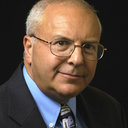 Jeff Unger合作论文数3
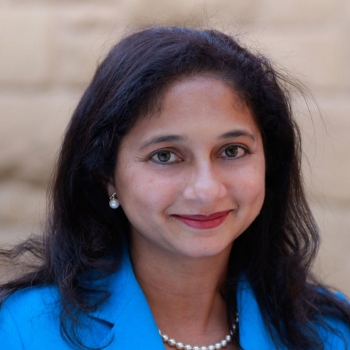 Preetha Basaviah合作论文数Medicine Department, Stanford University3
 Ebba Holme Hansen合作论文数3Arne Christensen合作论文数3
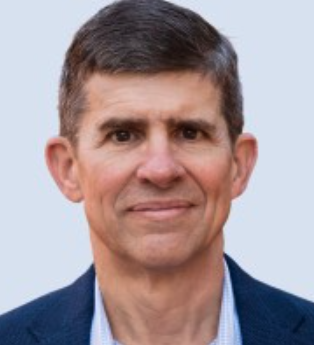 George Savage合作论文数Fulcrum Neuroscience;LifeSpeed Ventures3Sonoo Thadaney合作论文数2Ruby E Reed合作论文数2Natalie May合作论文数2Naunihal Virdi合作论文数2JE ATWOOD合作论文数2David Mahoney合作论文数2Sylvia Bereknyei Merrell合作论文数2
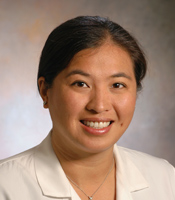 Wei Wei Lee合作论文数Department of Medicine, The University of Chicago2
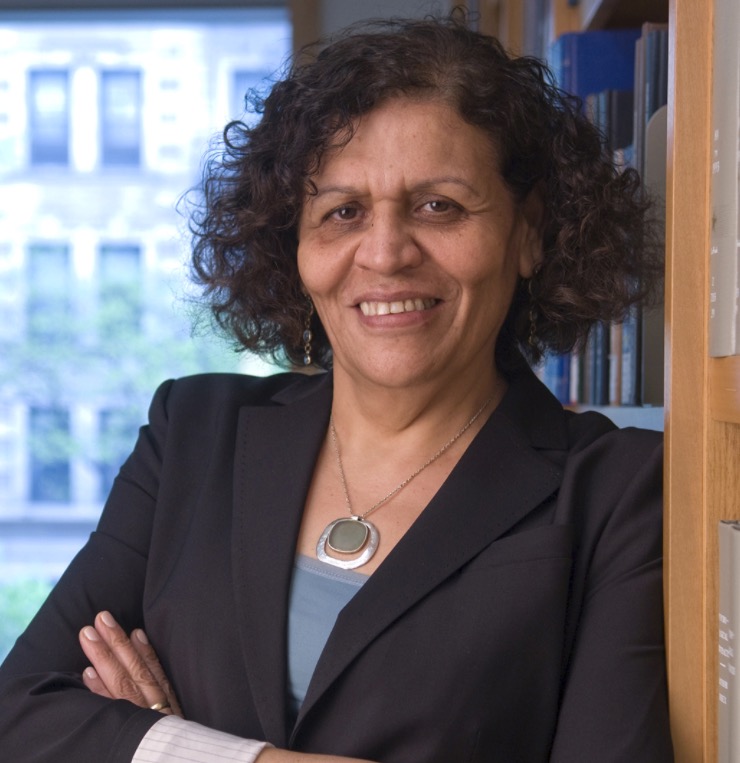 Nabila El Bassel合作论文数School of Social Work, Columbia University2
 James Woodruff合作论文数2
 Robin E Gearing合作论文数Sch Social Work, Columbia Univ2Hooper Kambria合作论文数2
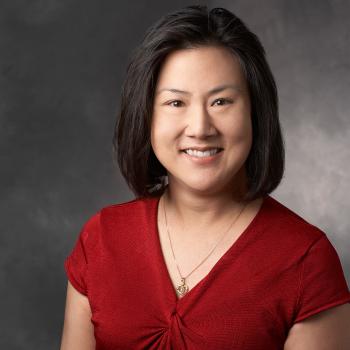 Anne Lynn S. Chang合作论文数Department of Dermatology, Stanford University;Advanced Basal Cell Carcinoma Clinic, Stanford Cancer Center2Erika Schillinger合作论文数2




