BACKGROUND:Prenatal genetic screening and diagnostic testing (PS&D) requires pregnant patients to make time-sensitive, high-stakes decisions that often involve multifaceted risk assessments and deeply personal values. These decisions are becoming increasingly complex as the clinical integration of new genomic science and technologies advances alongside parallel changes in maternal-foetal medicine, neonatology, and reproductive health services. Despite these changes, there is limited guidance on how best to prepare patients to formulate PS&D decisions with significant implications for obstetric outcomes. The goal of this study was to characterise pregnant patients' perceptions of the decision-making process and identify facilitators and barriers for them to make informed decisions about their PS&D options. METHODS:We conducted a qualitative study of pregnant and postpartum individuals receiving obstetric care within a large healthcare system. Participants, enroled across early pregnancy, late pregnancy, and postpartum periods, completed in-depth semi-structured interviews exploring their experiences, preferences, and needs related to PS&D decision-making. Interviews were recorded, transcribed verbatim, and analysed by a multidisciplinary team using inductive thematic analysis, supported by iterative coding, memoing, and theme identification. RESULTS:Most participants were < 35 years of age (48 of 61) and had a prior pregnancy (42 of 61). Four major subthemes emerged around a central concept of trust affecting medical decision-making: (1) Trust as a means of navigating the complexity of PS&D: Patients relied heavily on their obstetric (OB) providers to interpret complex information and guide decisions, particularly as testing decisions became more consequential and time sensitive. (2) Trust as a prerequisite for informed decision-making: Patients emphasised that psychological safety and relational continuity were necessary before they could ask questions, disclose concerns, or integrate medical information with personal values. (3) Erosion of trust due to perceived bias, judgement, or assumptions: Provider bias, whether expressed through communication style, assumptions about patient preferences, or perceived judgement, undermined trust and impeded informed, values-aligned decisions. (4) Structural barriers in prenatal care models: Limited continuity, time constraints, and triaged group-based care created obstacles to building trust and compounded difficulties in discussing sensitive topics across multiple providers. CONCLUSIONS:Our findings suggest that trust is a core component of informed PGT decision-making and central to supporting patient-centred communication amid uncertainty, cascading decisions, and evolving genomic technologies. Strategies to build and maintain trust, particularly within multi-provider prenatal care models, are essential to enabling informed, values-concordant prenatal decision-making. System-level interventions that promote continuity, unbiased communication, and structured agenda-setting help strengthen prenatal care delivery and improve patient experience and outcomes. PATIENT OR PUBLIC CONTRIBUTION:Patients were involved in three main aspects of the study: (1) identifying the need for research that supports PS&D decision-making through our prior work with patients as part study participation in focus groups, interviews, and survey studies, (2) contributing to the development of the interview guide through direct feedback to the instrument's questions and methods of data collection, and (3) participating in the study interview and providing their perspectives on how to support them and other pregnant patients as they face a myriad of pre and posttest decisions.
This paper explores the concept of "community-engaged research" (CEnR) within the context of Veteran health care delivery and reintegration programs. A multi-sector expert panel (msExP) was formed to evaluate and make recommendations on Veteran community reintegration research and programs. The panel consisted of Veterans, care partners, clinical providers, researchers, community stakeholders, and subject matter experts. The paper examines the composition and lifecycle of the panel, highlighting the characteristics and experiences of the participants. Shifts in the panel's purpose and engagement levels occurred in response to unanticipated disruptions, particularly the COVID-19 pandemic. The transformation of the panel emphasizes the importance of aligning individual and group needs and deepening intrapersonal relationships Findings based on observations, surveys, and interviews with panel members contribute to the field of community-engaged research by demonstrating the utility of catalytic validity that balances group and individual development. As part of a broader study on Veteran reintegration, the panel and its development over time allowed for various perspectives on Veteran experiences and reintegration within the community that shaped the overall project. Despite the challenges of developing and maintaining a panel alongside a research study, feedback from the panel members on their participation provides insight into the potential for future working alliances in community-engaged health research.
INTRODUCTION:The loss of 50,000,000 people during the 1918 influenza pandemic was blamed on war, unsanitary conditions, and lack of vaccines and preparation. Nine decades later, a similar virus (H1N1) killed 285,000 people, and again, the response was that preparation was ineffective, inefficient, and inequitable. Less than a decade later, preparedness for the coronavirus disease 2019 (COVID-19) outbreak revealed the United States was not prepared. This study's objectives were: 1) to develop a deeper understanding of leadership practices that led to successful responses to the COVID-19 pandemic, and 2) to learn about the underlying principles and practices that may help in preparing for the next pandemic. METHODS:Senior leaders (14/23 or 61%) from across a multisite, multicountry integrated health system were recruited using maximum variation sampling. Individual recorded interviews (averaging 20 minutes) were based on principles of Appreciative Inquiry and critical incident reporting. Iterative consensus coding produced 6 major themes: self- and situation awareness, teamwork, readiness, inspirational leadership, internal communication, and external communication. RESULTS:Beyond individual leadership decisions, organizational culture, shared cognition, and history may play a major role in shaping system-wide responses to catastrophic events like the COVID-19 pandemic. DISCUSSION:Lack of preparation for dealing with novel events and one-way communication may be risk factors for chaotic and ineffective responses. CONCLUSION:Senior leaders must balance clinical necessity with humanistic values and purpose. Situation awareness and attention to organizational culture may improve the quality, timeliness, and effectiveness of responses to the next pandemic threat.
Storylines of Family Medicineis a 12-part series of thematically linked mini-essays with accompanying illustrations that explore the many dimensions of family medicine, as interpreted by individual family physicians and medical educators in the USA and elsewhere around the world. In ‘II: foundational building blocks—context, community and health’, authors address the following themes: ‘Context—grounding family medicine in time, place and being’, ‘Recentring community’, ‘Community-oriented primary care’, ‘Embeddedness in practice’, ‘The meaning of health’, ‘Disease, illness and sickness—core concepts’, ‘The biopsychosocial model’, ‘The biopsychosocial approach’ and ‘Family medicine as social medicine.’ May readers grasp new implications for medical education and practice in these essays.
This pilot study is the first formal exploration of the concept of "Organizational Professionalism" (OP) among health system leaders in high-performing healthcare organizations. Semi-structured key informant interviews with 23 leaders from 8 healthcare organizations that were recipients of the Malcolm Baldrige National Quality Award (MBNQA) or Baldrige-based state quality award programs explored conceptualization, operationalization, and measurement of OP. Further exploration and understanding of OP in healthcare organizations has the potential to establish and sustain professional and ethical organizational cultures that bolster trust through the sound implementation of laws, policies, and procedures to support the delivery of high-quality patient care.
OBJECTIVES:Decisional conflict and regret about prenatal genetic screening and diagnostic tests may have important consequences in the current pregnancy and for future reproductive decisions. Identifying mechanisms that reduce conflict associated with the decision to use or decline these options is necessary for optimal patient counseling. METHODS:We conducted a cluster-randomized controlled trial of a shared decision-making tool (NEST) at the beginning of prenatal care. Enrolled patients completed follow-up surveys at the time of testing (QTT) and in the second-third trimester (QFF), including the Decision Conflict Scale (DCS). Total DCS scores were analyzed using a multivariate linear mixed-effect model. RESULTS:Of the total number of participants (n=502) enrolled, 449 completed the QTT and QFF surveys. The mean age of participants was 31.6±3.8, with most parous at the time of study participation (n=321; 71.7 %). Both the NEST (the intervention) and control groups had lower median total DCS scores at QFF (NEST 13.3 [1.7, 25.0] vs. control 16.7 [1.7, 25.0]; p=0.24) compared to QTT (NEST 20.8 [5.0, 25.0] vs. control 18.3 [3.3, 26.7]; p=0.89). Participants exposed to NEST had lower decisional conflict at QFF compared to control (β -3.889; [CI -7.341, -0.437]; p=0.027). CONCLUSIONS:Using a shared decision-making tool at the start of prenatal care decreased decisional conflict regarding prenatal genetic testing. Such interventions have the potential to provide an important form of decision-making support for patients facing the unique type of complex and preference-based choices about the use of prenatal genetic tests.
Introduction: Imposter phenomenon (IP), feeling as if a person does not belong, has been reported in medical students at various rates. In medical literature, this phenomenon has often been defined as a 'syndrome', but other studies have described it as a dynamic experience that can have various impacts on different people at different time points. Although studies have linked IP with other phenomena such as burnout in residents and physicians, no studies have examined its aetiology nor how these feelings are experienced by medical students. Methods: With the use of social identity theory as a framework, the authors analysed 233 reflective essays for elements of IP across eight cohorts of medical students from two institutions. Students responded to a prompt that asked: 'What was one part of your identity that you thought you would have to change in order to become a physician?' Included reflections were analysed using the framework method. Results: Elements of IP were identified in 121 reflections (52%) and were categorised into three major themes: (1) Comparing oneself to an idealised image of a medical student, (2) Comparing oneself to an idealised image of a physician and (3) Concerns about presentation of self to others. Each theme contained two or more sub-themes. Commonly, students discussed how their own personality traits, experiences, backgrounds and identities cast doubt on their sense of belonging in medicine. Discussion: The results of this study were consistent across both institutions, suggesting that imposter feelings are common among all first-year medical students. However, the extent of the impact of these feelings on their identity formation depends on the individual lived experiences of students and the context in which these feelings arise. Encouraging reflective journaling and sharing of stories from all stages of education can normalise imposter feelings during the development of the professional identity as a physician.
PURPOSE:Prenatal genetic screens and diagnostic tests are vital components of prenatal care. The first prenatal visit is a critical time in the decision-making process when patients decide whether to use these tests in addition to address a series of other essential prenatal care aspects. We conducted this study to examine the role of a shared decision-making (SDM) instrument to support these discussions. METHODS:We conducted a cluster randomized controlled trial of patients allocated to an SDM tool or usual care at their first prenatal visit. Participants completed a baseline survey to measure decision-making needs and preferences. Direct observation was conducted and analyzed using the OPTION scale to measure SDM during prenatal genetic testing discussions. RESULTS:Levels of SDM were similar across groups (P = 0.081). The highest levels of SDM were observed during screening test discussions (NEST 2.4 ± 0.9 v. control 2.6 ± 1.0). Lowest levels were observed in discussions about patients' preference for risk versus diagnostic information (NEST 1.0 ± 1.1 v. control 1.2 ± 1.3). CONCLUSION:Study findings demonstrate the need for targeted patient-focused and provider-focused efforts to improve SDM to enhance patients' informed decision making about these options. Importantly, patients' baseline knowledge and attitudes need to be considered given that patients with less knowledge may need more carefully crafted communication. HIGHLIGHTS:Choices about whether, when, and how to use prenatal genetic tests are highly preference-based decisions, with patients' baseline attitudes about these options as a major driver in health care discussions.The decision-making process is also shaped by patient preferences regarding a shared or informed decision-making process for medical decisions that are highly personal and have significant ramifications for obstetric outcomes.There is a need to develop targeted efforts to improve decision making and enhance patients' ability to make informed decisions about prenatal genetic tests in early pregnancy.
From the 12th Century, when the word referred to taking religious vows, to its present meaning as a constellation of organized practices requiring special training, legal liability, and covenants with individual patients and society, professionalism has played an important role in the practice of medicine. Until relatively recently, the concepts of professionalism and professional behavior were rooted in timeless ideals that individual physicians were expected to achieve in training and practice. As an ideal type, professionalism was seen as a quality or characteristic residing in the individual physician. By the same measure, the period of rapid technological and social change that marked the early to mid-20th Century made clear that timelessness, as it applied to professionalism, had its limitations. Where once sharing bad or sad news with patients was viewed as harmful, the right to know one's diagnosis is now enshrined in law and taken for granted in education and practice. Moreover, research shows that knowing one's diagnosis is often beneficial, not harmful, to individuals and families. In response to changing norms and technological advances, medical educators have introduced new models of professionalism that stress the role of social context and relationships in training and practice. One innovative approach is based on the concept of professional identity formation, the moment-by-moment process of becoming and being a physician. Identity formation occurs primarily through story-telling and other forms of self-expression in the context of a community of peers who learn to practice medicine with technical proficiency, kindness, and self-awareness together.
BackgroundElectronic health records (EHRs) can accelerate documentation and may enhance details of notes, or complicate documentation and introduce errors. Comprehensive assessment of documentation quality requires comparing documentation to what transpires during the clinical encounter itself. We assessed outpatient primary care notes and corresponding recorded encounters to determine accuracy, thoroughness, and several additional key measures of documentation quality.MethodsPatients and primary care clinicians across five midwestern primary care clinics of the US Department of Veterans Affairs were recruited into a prospective observational study. Clinical encounters were video-recorded and transcribed verbatim. Using the Physician Documentation Quality Instrument (PDQI-9) added to other measures, reviewers scored quality of the documentation by comparing transcripts to corresponding encounter notes. PDQI-9 items were scored from 1 to 5, with higher scores indicating higher quality.ResultsEncounters (N = 49) among 11 clinicians were analyzed. Most issues that patients initiated in discussion were omitted from notes, and nearly half of notes referred to information or observations that could not be verified. Four notes lacked concluding assessments and plans; nine lacked information about when patients should return. Except for thoroughness, PDQI-9 items that were assessed achieved quality scores exceeding 4 of 5 points.ConclusionsAmong outpatient primary care electronic records examined, most issues that patients initiated in discussion were absent from notes, and nearly half of notes referred to information or observations absent from transcripts. EHRs may contribute to certain kinds of errors. Approaches to improving documentation should consider the roles of the EHR, patient, and clinician together.
Introduction:Few studies have explored how U.S. military Veterans perceive outreach events designed to aid in their transition out of military service. Responding to this gap, the authors examined first-hand perspectives of Veterans who attend events in the context of seeking resources to support readjustment to civilian life. Methods:Using a naturalistic fieldwork approach, U.S. military Veterans and National Guard members were interviewed and screened for the presence of probable invisible injury (mental health condition or traumatic brain injury) at Veteran outreach events. A qualitative constant comparative approach, with open and axial coding, identified cross-cutting themes that were subsequently evaluated by an expert panel. Results:Across 14 outreach events, 44 participants were interviewed about their health screening and experiences at outreach events. Three major themes were present in the interviews: 1) participants reported support during readjustment but stressed mismatch between their unique needs and information available, 2) Veterans face barriers in transition due to stigma around disclosure and knowledge accessibility, and 3) Veterans discussed balancing relationship disruptions at home and in the workplace while establishing wider social and professional networks. Discussion:Veterans expressed interest in assistance with bureaucratic hurdles, described concerns about employment and reintegration, and identified the need for trust and disclosure in a safe space. Subject matter experts recommend viewing the transition as a multi-stage process aided by use of peers, inclusive policies, and recognition that mental health screening and treatment should be continual. Closer attention to the format, personnel, and content available in post-deployment events should be considered.
Veterans with mental health or cognitive conditions who are separating from military service often face challenges transitioning to civilian life. However, questions remain about the relationship between reintegration and key psychosocial and well-being outcomes for veteran populations with invisible injuries soon after military separation. We investigated cross-sectional relationships between reintegration difficulties and health and well-being outcomes based on data from standardized measures with 75 US veterans. Reintegration difficulties were associated with low mental health functioning, lower social support, and lower flourishing. Reporting fewer perceived limitations with reintegration was positively associated with physical functioning, and higher levels of participation were positively associated with social support. Findings from this study suggest that among post-9/11 military veterans with mental health or cognitive conditions, fewer difficulties with reintegration are associated with greater social support, higher mental health-related quality of life, and lower levels of post-traumatic stress and somatic symptoms.
Researchers need approaches for analyzing complex phenomena when assessing contingency relationships where specific conditions explain an outcome only when combined with other conditions. Using a mixed methods design, we paired configurational methods and qualitative thematic analysis to model contingency in veteran community reintegration outcomes, identifying combinations of conditions that led to success or lack of success in community reintegration among US military veterans. This pairing allowed for modeling contingency at a detailed level beyond the capabilities of either approach alone. Our analysis revealed multiple contingent relationships at work in explaining reintegration, including social support, purpose, cultural adjustment, and military separation experiences. This study contributes to the field of mixed methods by pairing a mathematical cross-case method with a qualitative method to model contingency.
Background As women comprise a greater proportion of military service members, there is growing recognition of how their experiences in the early phase of military to civilian transitions have an important influence on their health and reintegration outcomes. Qualitative accounts of women veterans can inform programs that support transitioning service members. Objectives We examined narratives of civilian reintegration among women veterans to understand their experiences of adjusting to community life while coping with mental health challenges. Methods/Participants We interviewed 16 post-911 era women who were within 5 years of separating from military service and developed a case study based on three participants. Main approach Interviews were audio-recorded and transcribed verbatim. Inductive thematic analysis was conducted to establish categories about reintegration. Immersion/crystallization techniques were used to identify exemplary cases that illustrated salient themes. Key results Women veterans identified establishing a future career direction, drawing on social support, and navigating health care services as major factors influencing how they adjusted to civilian life. In addition, participants also highlighted the navigation of complex and intersecting identities (i.e., wife, mother, employee, friend, veteran, patient, etc.), further magnified by gender inequalities. These women performed emotional labor, which is often rendered invisible and oriented toward their family and loved ones, while simultaneously monitoring self-care activities. During the early period of reintegration, they described how they felt marginalized in terms of accessing healthcare compared to their military spouses and male veteran peers. Conclusions Our case study suggests that there are key gaps in addressing healthcare and readjustment needs for women servicemembers, a high priority VA group, as they transition into post-military life. It is important to consider innovative ways to address specific needs of women in veteran-focused policies and programs.
The term qualitative research refers to a family of primarily non-numeric methods for describing, analyzing, and interpreting the lived experiences of people in their day to day lives. Originally developed to study social problems such as poverty, juvenile delinquency, and race relations, qualitative research methods have been used in the health sciences since the 1960s to better understand the socialization of medical professionals and the culture of medical education and practice. More recently, qualitative research has been employed in health services research to address and improve the quality and safety of care. While quantitative researchers generally ask “what” or “how many” questions, qualitative researchers generally ask, “why” or “how”? Publishing qualitative research comes with a number of challenges, among them, manuscript length, unfamiliarity of reviewers with qualitative traditions, and sample sizes that, by design, are difficult to generalize from. In addition, while there is general agreement about the quality of evidence and types of research designs used in quantitative studies, the same is not yet the case for qualitative and mixed methods research although a variety of useful guidelines have recently appeared. From the perspective of journal editors, we raise and offer guidance on three important questions: (1) Is the study under review suitable for this journal? (2) What is the rationale for using qualitative methods to carry out the research? (3) What are editors/reviewers looking for in a qualitative submission? In unpacking the third question, we describe common strategies editors use and challenges that we have encountered in the abstract, background, methods, results, discussion, and conclusions sections of qualitative submissions we and our colleagues have reviewed.
Since 2003, Indiana University School of Medicine (IUSM) has undertaken an unique and courageous experiment—the Relationship-centered Care Initiative (RCCI) 1 , a four-year effort to initiate self-sustaining culture change throughout the entire medical school. The intent was to foster widespread reflection on, and mindfulness of, the values being conveyed in everyday personal interactions and organizational behavior. The goal was to cultivate a social and professional learning environment (the informal curriculum) that consistently reinforced and exemplified the values and principles of the competency-based formal curriculum in the domains of professionalism, communication, ethics and self-awareness.
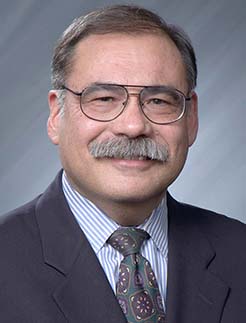 Thomas S. Inui合作论文数Regenstrief Institute for Health Care, School of Medicine, Indiana University23
 Debra K. Litzelman合作论文数Indiana University Regenstrief Institute for Health Care13
 Brownsyne Tucker Edmonds合作论文数12
 Nicholas Rattray合作论文数Department of Anthropology, University of Arizona11
 Ann H Cottingham合作论文数11
 David L. Mossbarger合作论文数10
 Judith Hall合作论文数Department of Psychology, College of Science, Northeastern University10Fatima Mckenzie合作论文数10
 Debra Roter合作论文数Johns Hopkins Bloomberg School of Public Health10
 Amber Barnato合作论文数School of Medicine, The Dartmouth Institute for Health;Policy & Clinical Practice;Geisel School of Medicine;Dartmouth-Hitchcock Norris Cotton;Cancer Center9
 Matthias Marianne S合作论文数Purdue University Indianapolis, University of Kansas9Penelope R. Williamson合作论文数9Anthony L. Suchman合作论文数9
 Mindy E Flanagan合作论文数Ctr Hlth Serv & Outcomes Res, Indiana Univ8Salyers Michelle P合作论文数7Wocial Lucia D合作论文数7
 Janet E. Panoch合作论文数7T. Robert Vu合作论文数6Diana Natividad合作论文数6
 Howard B Beckman合作论文数6
 Pål Gulbrandsen合作论文数Division of Health Services Research and psychiatry, Institute of Clinical Medicine, Faculty of Medicine, University of Oslo6
 William T Branch合作论文数Division of General Internal Medicine and Geriatrics, Emory University6
 Danielle Blanch-Hartigan合作论文数National Cancer Institute6
 Wendy Levinson合作论文数Institute of Medical Science, Temerty Faculty of Medicine, University of Toronto6
 Alicia A Bergman合作论文数6
 Jh Isaacson合作论文数5Cripe Larry D合作论文数5
 True Gala合作论文数Center for Health Equity Research and Promotion, Philadelphia Veterans Affairs Medical Center5
 Dana Gelb Safran合作论文数National Quality Forum5MaryAnn C Gilligan合作论文数4Amy Weil合作论文数4
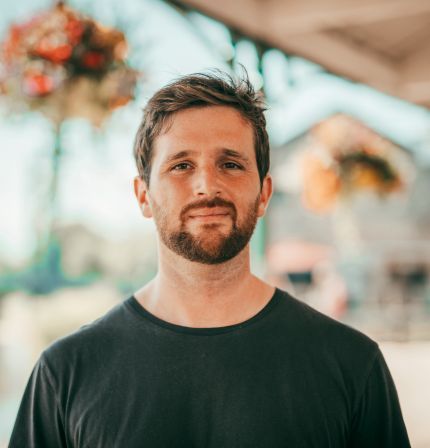 Robert Smith合作论文数Science, Technology and Innovation Studies, School of Social and Political Science, The University of Edinburgh4
 Janet Hafler合作论文数Department of Pediatrics, Yale School of Medicine, Yale University4
 Dana Dunne合作论文数Infectious Diseases, Internal Medicine, Yale School of Medicine, Yale University4
 William B. Ventres合作论文数Family Practice Residency Program, Universidad Nacional Experimental del Táchira4Kukla Marina合作论文数Roudebush VA Medical Center, Indianapolis, IN, USA.4Franks Zamal合作论文数4
 Lynda Lahti Anderson合作论文数4
 Patricia R. Ebright合作论文数Department of Adult Health, IU School of Nursing4Elizabeth A. Rider合作论文数Vanderbilt University4
 Ming Tai-Seale合作论文数Texas A&M University4Francesca C. Dwamena合作论文数4
 Arthur Derse合作论文数Center for the Study of Bioethics, Medical College of Wisconsin4
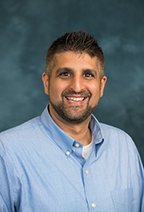 Neil K. Mehta合作论文数School of Public Health, University of Michigan4
 Orit Karnieli-Miller合作论文数Faculty of Social Welfare and Health Studies, The University of Haifa4Margaret Plews-Ogan合作论文数4
 Jennifer Elston Lafata合作论文数Division of Pharmaceutical Outcomes and Policy, Eshelman School of Pharmacy, The University of North Carolina at Chapel Hil4
 Lars Osterberg合作论文数Medicine Department, Stanford University4Katrina Spontak合作论文数3




