RATIONALE:Advanced polysomnographic (PSG) metrics reflecting the physiological causes and consequences of sleep apnea may enable precision medicine in research settings, but their feasibility in routine clinical practice has yet to be demonstrated. OBJECTIVE:Assess (1) the generalizability of PSG metrics from research to clinical cohort, and (2) their associations with a broad range of comorbid diseases, many of which have not been previously examined. METHODS:PSG metrics including endotypes (eg, loop gain) and physiological burdens (eg, hypoxic burden) were estimated from diagnostic polysomnographs of 6,427 participants at Mass General Brigham (MGB; Boston, MA). Comorbid conditions analyzed from MGB's medical record system included 9 representative cardio-metabolic and respiratory diseases, as well as 408 prevalent diseases. Associations were assessed using modified Poisson and LASSO regression. RESULTS:The sample included 62% females, age: 52.9 ± 16.8 years, and apnea-hypopnea index (AHI) 21.4 ± 15.9 events/hr. Associations between endotypes and demographics/obesity-related factors were consistent with prior observational studies (median difference in β = 0.03SD). After adjusting for AHI, older age was associated with lower heart rate (-0.40SD) and arousal burdens (-0.23SD), while higher BMI was associated with increased hypoxic burden (0.25SD). Having demonstrated that there is reasonable concordance with published data, our subsequent analysis identified distinct and clinically meaningful associations between advanced PSG metrics and comorbid conditions. Specifically, elevated loop gain, ventilatory burden, and hypoxic burden were associated with hypertension, diabetes, and renal failure; increased ventilatory instability was associated with cardiovascular disease; and reduced collapsibility and ventilatory instability with chronic airway obstruction. Even after LASSO-based selection, no single PSG metric consistently predicted risk across all comorbidities; ventilatory instability showed the most associations among endotypic traits, and heart rate burden among physiological burdens, underscoring the heterogeneity of OSA pathophysiology. CONCLUSIONS:Phenome-wide analyses of a large clinical cohort demonstrate the real-world feasibility and clinical relevance of extracting advanced PSG metrics, supporting their potential to identify personalized, mechanism-specific intervention targets for sleep apnea.
Obstructive sleep apnea (OSA) is associated with a wide range of comorbidities, but the extent to which these follow predictable, age-dependent patterns is not well understood. Identifying such patterns could provide insight into OSA heterogeneity and its links to physiological measures of OSA. We trained age-dependent topic models (ATM) on longitudinal electronic health records from 36,426 patients with OSA in the Mass General Brigham Biobank. ATM organizes incident diagnoses into distinct comorbidity "topics," whose age-specific disease loadings represent predictive patterns linking related diagnoses across the life course. We applied the trained model to compute individual-level topic scores in independent data: a cohort of 11,689 OSA cases and 22,695 matched controls, and a cohort of 6,220 patients with polysomnography (PSG)-derived physiological measures. We identified 19 distinct age-dependent comorbidity profiles, all significantly associated with OSA case status (FDR-adjusted p<0.05). Topics reflected recognizable clusters including metabolic, neuropsychiatric, and immune-mediated conditions, and several were distinguished by age-of-onset of key comorbidities, such as early- vs late-onset asthma. Seventeen of the 19 topics were significantly associated with at least one of 13 PSG-derived physiological measures, including associations between cardiometabolic topics and the apnea-hypopnea index, sleep apnea specific hypoxic burden, and respiratory event-specific heart rate burden. These findings indicate that age-dependent comorbidity patterns distinguish meaningful OSA subtypes with differing prognoses and endophenotype associations. ATM offers insight into complex OSA comorbidity and suggests that age-informed, topic-based stratification may improve individualized risk assessment, interpretation of PSG findings, and targeting of clinical interventions. One Sentence Summary:Analysis of age-specific patterns in comorbidities of obstructive sleep apnea reveals insights for personalized care and risk stratification.
Over the past century, sleep has transitioned from the domain of artists, poets, and philosophers to the realm of scientists and clinicians. In the 20th century, pioneering sleep researchers and clinicians advanced their respective fields by forming organizations such as the American Academy of Sleep Medicine (AASM). For 50 years, the AASM has played a leading role in creating and shaping the field of sleep medicine, leveraging the multi-disciplinary expertise of its members to forge a new medical specialty. The organization emerged from a meeting in 1975, where academics whose research focused on sleep gathered to evaluate the necessity of establishing a new professional society to represent the nascent sleep disorders centers that were beginning to open across the country. The formation of the AASM was led by Dr. William Dement and other pioneers who played crucial roles in establishing the field through the clinical application of sleep research. Through the AASM, they created the building blocks of a medical specialty by developing accreditation and certification programs, diagnostic classifications, clinical practice guidelines, clinical training programs, peer-reviewed scientific journals, and a clinical and scientific meeting. Their persistent efforts eventually secured for the sleep medicine specialty both national recognition and broad acceptance within the medical community. Today, the field of sleep medicine remains strong as sleep physicians and other members of the clinical sleep team provide high-quality, comprehensive care for patients who have sleep and circadian disorders. Built on this solid foundation, the AASM and its members will continue to shape the future of sleep medicine.
Background:Obstructive sleep apnea (OSA) is associated with a wide range of comorbidities, but large-scale phenome-wide analyses in clinical biobanks remain under-reported. In this study, we identified common comorbidities enriched in patients with OSA, tested the temporality of these associations, and analyzed relevant associations with summary sleep recording data. Methods:48,251 participants with OSA in the Mass General Brigham healthcare system were identified using a natural language processing phenotyping algorithm and/or evidence of an elevated apnea-hypopnea index (AHI). Controls were matched (2:1) on demographics, body mass index (BMI), and healthcare utilization. Associations with 358 incident and 563 cross-sectional diseases were tested using Modified Poisson regression, adjusting for covariates. Sensitivity analyses examined timing by binning data in years relative to the first OSA diagnosis. Selected laboratory results were obtained based on associated diseases. Associated diseases were tested with sleep recording statistics (n ≤18,348). Findings:179 incident and 421 cross-sectional diseases were associated with OSA at Bonferroni significance. 37 diseases had Bonferroni-significant sex interactions. Several associations were significant years before the first recorded OSA diagnosis. Four red blood cell laboratory measures were significant ten years prior to the first diagnosis. One incident and 47 cross-sectional diseases were associated with the AHI and/or chronic hypoxemia. Interpretation:Obstructive sleep apnea is associated with enrichment of hundreds of diseases, several of which are supported by orthogonal polysomnographic evidence. Leveraging early signs of OSA in clinical data may help to identify at-risk patients.
Obstructive sleep apnea (OSA) is a prevalent disorder associated with numerous comorbidities, including cardiometabolic and neuropsychiatric diseases. Heterogeneity in presentation and multi-morbidity complicates disease management. This analysis adopts a validated data-driven approach, age-dependent topic modeling (ATM; PMID 37814053), to group OSA-related diagnoses into longitudinal trajectories, elucidating comorbidity progression and its relationship with OSA. We analyzed longitudinal electronic health records (EHR) from 38,600 OSA patients in the Mass General Brigham (MGB) system using 411 diagnoses previously associated with OSA. OSA status was ascertained with a validated algorithm incorporating EHR and available polysomnography (PSG). ATM analysis then grouped incident EHR diagnoses into age-dependent patterns (topics) optimized to predict future diagnoses from any given age. Model weights were used to calculate individualized risk scores for each topic, which were standardized and tested for association with OSA in a separate validation cohort of 7,774 OSA cases and 15,294 controls, matched 2:1 on propensity score (accounting for age, sex, BMI, ancestry, and healthcare utilization), and further adjusted for residual confounding. ATM identified 17 distinct age-dependent comorbidity topics in OSA patients. Of these, 14 were significantly associated (p< 0.05/17) with higher scores in OSA cases, representing greater risk for diverse conditions including neuropsychiatric, cardiometabolic, and respiratory disorders. The strongest associations were observed for: 1. A neuropsychiatric topic (β=0.43, p< 1.88e-222), progressing from mood disorders (early-adulthood) to insomnia (middle-age) and cognitive decline (old-age). 2. A respiratory-cardiovascular topic (β=0.35, p< 1.35e-147), progressing from chronic respiratory infections (childhood) to hearing loss and hypertension (middle-age), and cardio-vascular disease (old-age). For example, a 60-year-old with prior mood disorders and incident insomnia is expected to score high in the neuropsychiatric topic, a scenario observed more frequently in OSA, suggesting risk of later cognitive decline. This study highlights associations between OSA and distinct multimorbidity patterns and suggests age-dependent comorbidity progression as a framework for understanding comorbidity burden in OSA. These findings have potential to guide targeted management strategies and interventions. Future work will integrate longitudinal data and OSA endotypes to further investigate disease heterogeneity and explore physiologically relevant pathways. This study was supported by NIH R01HL153805 and the AASM Foundation 338-SR-24.
Patients with circadian rhythm disorders (CRDs) are commonly misdiagnosed. Up to 22% of patients diagnosed with primary insomnia have been shown to have a bedtime out of phase with their circadian sleep time, suggesting a circadian etiology instead. Such misdiagnoses lead to expensive and unsuccessful medication trials with risk for significant morbidity. In contrast, first-line treatments for CRDs, such as timed melatonin and light exposure, are low risk and efficacious for CRD in controlled settings (Burke et al). However, there is currently a lack of effectiveness studies to reaffirm these CRD treatments are also useful in less-controlled, real-world, clinical care settings. We aim to describe patient characteristics and outcomes among patients treated at a circadian disorder specialty clinic over the last 7 years to offer insight on effectiveness of CRD treatments in clinical settings. We conducted a retrospective descriptive analysis including patients treated for CRDs at the Brigham and Women’s Faulkner Circadian Clinic from 2017 – 2024. CRD treatment protocols were based on national guidelines and implemented prior to study initiation. Diagnostic evaluation included clinical history, sleep diaries, actigraphy, and dim-light melatonin onset saliva testing when appropriate and financially attainable for patients. Descriptive statistics included frequency of comorbidities and medication use. Chi-squared tests were performed to assess the association between two categorical variables. Preliminary data from July 1, 2017-Aug 1, 2019 demonstrate 133 patients met inclusion criteria. Among them were 117 with Delayed Sleep Wake Phase Disorder (SWPD) 12 with Advanced SWPD, one with jet lag and 3 with a non-24 hour disorder. The mean number of visits was = 3.32, std(1.50). There was a significant difference in improvement of symptoms when instructions about melatonin timing and brand was given (X-squared = 22.863, df = 1, p-value = 1.74e-06). Preliminary analysis suggests significant effectiveness of CRD treatments even after after adjusting for comorbidities and medication use.
Obtaining an adequate amount of sleep is necessary for optimal alertness, performance, and safety. Inability to get sufficient sleep can be due to work type or schedule, socioeconomic factors, timing of the sleep period, or the presence of sleep disorders. Insufficient sleep contributes to decreased performance, increased accidents, decreased productivity, and higher healthcare costs. Certain occupations influence the sleep duration or timing for workers. Safety in some occupations is influenced by the adequacy and quality of sleep and thus protocols are required to reduce potential errors. Implementation of a fatigue management program (FMP) can improve productivity and safety. Including a sleep disorders screening program can further maximize the benefits of an FMP.
Abstract Introduction Non-24-hour sleep-wake rhythm disorder (N24SWD) is a circadian rhythm disorder characterized by an inability to entrain to the 24-hour environment. It can occur in both blind and sighted individuals- usually with a longer sleep period, advanced temperature rhythm, and higher sensitivity to light than normal controls. Current therapies, derived from treating N24SWD in the blind and the human phase response curve, typically involve timed melatonin administration. It is more complex in sighted individuals, requiring multiple time cues such as light, melatonin, social interactions, feeding, and activity. We present two cases of non-24 sleep-wake disorder in sighted individuals who were successfully treated with circadian entrainment. Report of case(s) Report of Cases: Case 1: Sighted 31-year-old unemployed male with ADHD, presented with an irregular sleep pattern. He reported a lack of routine, prolonged dim basement computer use, and a circadian rhythm appearing longer than 24 hours. Actigraphy and sleep diaries confirmed N24SWD. Comprehensive measures, including timed light and melatonin therapy, blue light blocking glasses, and activity scheduling, led to a subjective "miraculous" improvement, with follow-up actigraphy confirming resolution. Case 2: Sighted 23-year-old female with autism and affective disorders presented with shifting sleep times alternating with prolonged video-game use. Actigraphy and sleep diaries were consistent with N24SWD. Following a prescribed schedule with light therapy, timed melatonin, and activity scheduling led to circadian alignment, confirmed by sleep diaries and patient report. Conclusion Effectively managing N24SWD in sighted individuals is challenging, as evidenced by limited treatment success and total cases documented in the literature, including challenges in long-term patient adherence. This case series highlights two successful instances of entrainment using a combination of timed melatonin, bright and low light therapy and activity scheduling, supported by actigraphy and diaries reflecting adaptation. These cases provide insights into contributors to the development of N24SWD and methods for resolving them. Support (if any)
Internal circadian phase assessment is increasingly acknowledged as a critical clinical tool for the diagnosis, monitoring, and treatment of circadian rhythm sleep-wake disorders and for investigating circadian timing in other medical disorders. The widespread use of in-laboratory circadian phase assessments in routine practice has been limited, most likely because circadian phase assessment is not required by formal diagnostic nosologies, and is not generally covered by insurance. At-home assessment of salivary dim light melatonin onset (DLMO, a validated circadian phase marker) is an increasingly accepted approach to assess circadian phase. This approach may help meet the increased demand for assessments and has the advantages of lower cost and greater patient convenience. We reviewed the literature describing at-home salivary DLMO assessment methods and identified factors deemed to be important to successful implementation. Here, we provide specific protocol recommendations for conducting at-home salivary DLMO assessments to facilitate a standardized approach for clinical and research purposes. Key factors include control of lighting, sampling rate, and timing, and measures of patient compliance. We include findings from implementation of an optimization algorithm to determine the most efficient number and timing of samples in patients with Delayed Sleep-Wake Phase Disorder. We also provide recommendations for assay methods and interpretation. Providing definitive criteria for each factor, along with detailed instructions for protocol implementation, will enable more widespread adoption of at-home circadian phase assessments as a standardized clinical diagnostic, monitoring, and treatment tool.
The Internet is a common source of sleep information but may be subject to commercial bias and misinformation. We compared the understandability, information quality, and presence of misinformation of popular YouTube videos on sleep to videos with credible experts. We identified the most popular YouTube videos on sleep/insomnia and 5 videos from experts. Videos were assessed for understanding and clarity using validated instruments. Misinformation and commercial bias were identified by consensus of sleep medicine experts. The most popular videos received, on average, 8.2 (± 2.2) million views; the expert-led videos received, on average, 0.3 (± 0.2) million views. Commercial bias was identified in 66.7
STUDY OBJECTIVES Philips Respironics issued a voluntary recall of positive airway pressure (PAP) devices used to treat obstructive sleep apnea in June 2021. We surveyed sleep medicine clinicians from the American Academy of Sleep Medicine membership to assess the impact of the recall on clinicians and patients. METHODS One hundred and thirty-six clinicians participated between June 2022 and November 2022. Participants reported their treatment recommendations for patients impacted by the recall; their patients' behaviors regarding the recall; the recall's impact on themselves as clinicians and on their patients; and the approximate time their patients were waiting for a replacement device. RESULTS Clinicians most commonly reported first learning about the recall from Philips (25.0%), while patients most commonly first heard about the recall from news sources (34.5%). Most clinicians (62.4%) reported that they recommended patients continue using a recalled device. In comparison, only 9.3% of clinicians reported encouraging patients to stop using their recalled device. Clinicians reported that patients continued (59.9%) treatment with their recalled device, while 26.5% stopped treatment. Clinicians reported that over one-third of their patients are still waiting for a replacement machine. 86.8% of clinicians reported their stress levels were impacted due to the recall and 91.5% of clinicians reported the recall impacted their patients' health and well-being. 83.3%of clinicians reported the recall impacted their patients' trust in medicine. CONCLUSIONS Clinicians reported that the Philips recall impaired the vast majority of their patients' health and trust in medicine and that many patients are still waiting for replacement devices.
BackgroundEvaluation and interpretation of the literature on obstructive sleep apnea (OSA) allows for consolidation and determination of the key factors important for clinical management of the adult OSA patient. Toward this goal, an international collaborative of multidisciplinary experts in sleep apnea evaluation and treatment have produced the International Consensus statement on Obstructive Sleep Apnea (ICS:OSA). MethodsUsing previously defined methodology, focal topics in OSA were assigned as literature review (LR), evidence-based review (EBR), or evidence-based review with recommendations (EBR-R) formats. Each topic incorporated the available and relevant evidence which was summarized and graded on study quality. Each topic and section underwent iterative review and the ICS:OSA was created and reviewed by all authors for consensus. ResultsThe ICS:OSA addresses OSA syndrome definitions, pathophysiology, epidemiology, risk factors for disease, screening methods, diagnostic testing types, multiple treatment modalities, and effects of OSA treatment on multiple OSA-associated comorbidities. Specific focus on outcomes with positive airway pressure (PAP) and surgical treatments were evaluated. ConclusionThis review of the literature consolidates the available knowledge and identifies the limitations of the current evidence on OSA. This effort aims to create a resource for OSA evidence-based practice and identify future research needs. Knowledge gaps and research opportunities include improving the metrics of OSA disease, determining the optimal OSA screening paradigms, developing strategies for PAP adherence and longitudinal care, enhancing selection of PAP alternatives and surgery, understanding health risk outcomes, and translating evidence into individualized approaches to therapy.
Circadian sleep-wake disorders are common. Because they represent conflict between the timing of the patient's endogenous rhythms and desired timing of sleep, the presenting complaints may include both difficulty of sleep initiation or maintenance and undesired or unplanned daytime or early evening sleepiness. Therefore, circadian disorders may be misdiagnosed as either a primary insomnia or a hypersomnia disorder, depending on which complaint is more troublesome for the patient. Objective information about sleep and wake patterns over long periods is crucial for accurate diagnosis. Actigraphy provides long-term information about the rest/activity pattern about an individual. However, caution should be applied in interpretation of the results because the information provided only includes information of movements, and activity is only an indirect circadian phase marker. Timing of light and melatonin therapy is critical for successful treatment of circadian rhythm disorders. Therefore, results of actigraphy are useful and should be used in conjunction with additional measurements, including 24 hours sleep-wake history, sleep log, and melatonin measurements.
Scoring a polysomnogram is an essential skill for sleep medicine trainees to meet Accreditation Council for Graduate Medical Education Sleep Medicine Milestones. Appraisal is based on faculty evaluation rather than objective competency assessment. We developed a computer-based polysomnogram scoring curriculum, utilizing the mastery learning method, then compared achievement of competency using the new curriculum against standard institutional training. The scoring program consisted of a pretest assessment, sequential acquisition of knowledge utilizing online modules, a posttest, and competency assessment. Fellows needed to demonstrate mastery of each module before moving ahead. Competency was demonstrating ≥ 90
Two patients with delayed sleep-wake phase disorder (DSWPD) demonstrated improvement in sleep quality and duration, reduction in symptoms, and elimination of the need for hypnotic or stimulant medications after changing their sleep schedules in response to the coronavirus disease 2019 (COVID-19) pandemic lockdown work schedule changes. These cases highlight the impact of work schedules on patient health and raise questions about approaches to workplace schedule requirements postpandemic.
The aim of this retrospective analysis is to determine the most frequently prescribed medications for the treatment of NREM parasomnias and evaluate reported outcomes. We performed a retrospective chart review of all patients with NREM parasomnia diagnosed within Brigham and Women’s Hospital (BWH) clinics examining the date of diagnosis, date of starting therapy, comorbidities, type of medication prescribed, and the reported change in symptoms or side effects at follow-up visits. From 2012 to 2019, 110 patients (59 females, 51 male) at BWH clinics received a diagnosis of NREM parasomnia, including sleepwalking and night terrors. The mean age was 44. Comorbidities included obstructive sleep apnea (OSA) (46%), periodic limb movement syndrome (PLMS) (13%), insomnia (19%), Restless leg syndrome (RLS) (9%), epilepsy (4%), and REM behavior disorder (RBD) (9%). Initial treatment strategies include behavioral and safety counseling only (34%), pharmacological treatment (29%), treatment of any comorbidity (28%), and combined treatment of any of the above (9%). Improvement was reported with: treatment of OSA (n = 23 52% reported improvement), melatonin (n = 8, improvement reported by 88%.,benzodiazepine (n = 7, improvement reported by 57%). Treating comorbid conditions is a frequent treatment strategy, often associated with symptom improvement. The pharmacologic treatment most commonly included melatonin and benzodiazepines. Comprehensive management should include behavioral and safety recommendations, assessment of comorbid conditions, and individually tailored pharmaceutical treatment.
The coronavirus disease 2019 (COVID-19) pandemic is a reminder that global infectious disease outbreaks are not new and they have the potential to cause catastrophic morbidity and mortality, disrupt health care delivery, demand critical decision making in the absence of scientific certainty, interrupt trainee education, inflict economic damage, and cause a spike in demand for health care services that exceeds societal capacity. In this article, we look back at how the sleep medicine community adapted to challenges imposed by the COVID-19 pandemic. To mitigate viral transmission perhaps the single most effective and efficient adaptation was the rapid adoption of telemedicine. Many additional strategies were taken up virtually overnight, including more home sleep apnea testing, reconsideration of potential risks of positive airway pressure therapy, a reduction or cessation of laboratory services, and deployment of workers to provide frontline care to infected patients. During some periods, critical shortages in essential personal protective equipment, respiratory assist devices, and even oxygen added to logistical challenges, which were exacerbated by persistent financial threats and insufficient staffing. Through ongoing innovation, resiliency, and adaptability, breakthroughs were made in assigning staff responsibilities and designing workflows, using clinical spaces, obtaining legislative support, and achieving professional society collaboration and guidance so that the missions of providing health care, teaching, and academic pursuits could continue. Here we summarize what we have learned through these critical months and highlight key adaptations that deserve to be embraced as we move forward. Khosla S, Beam E, Berneking M, et al. The COVID-19 pandemic and sleep medicine: a look back and a look ahead. J Clin Sleep Med. 2022;18(8):2045–2050.
Division of Pulmonary, Asthma, and Sleep Medicine, Department of Pediatrics, Stanford University School of Medicine, Palo Alto, California; Limina Sleep Consulting LLC, Pittsburgh, Pennsylvania; Department of Internal Medicine, Division of Infectious Disease, Mayo Clinic, Rochester, Minnesota; Concentra, Inc, GrandRapids,Michigan; Division of Pulmonary and Sleep Medicine, Mayo Clinic, Jacksonville, Florida; Division of Sleep and Circadian Disorders, Department of Medicine, Brigham and Women’s Hospital, Boston, Massachusetts; North Dakota Center for Sleep, Fargo, North Dakota; ProHealth Care Sleep Center, Delafield, Wisconsin; Division of Pulmonary and Critical Care Medicine, Department of Medicine, Northwestern University Feinberg School of Medicine, Chicago, Illinois; Division of Sleep Medicine, Perelman School of Medicine, University of Pennsylvania, Philadelphia, Pennsylvania; Corporal Michael Crescenz VA Medical Center, Philadelphia, Pennsylvania
 Milena K Pavlova合作论文数Brigham and Women's Hospital, Harvard Medical School10
 Stuart Fun Quan合作论文数Division of Sleep Medicine, Harvard Medical School9
 Batool-Anwar Salma合作论文数7Kirsch Douglas Benjamin合作论文数7Zab Mohsenifar合作论文数6
 Sogol Javaheri合作论文数Brigham and Women’s Hospital, Harvard Medical School6
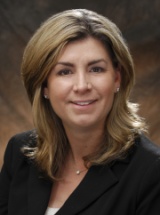 Ilene M. Rosen合作论文数Division of Sleep Medicine, Department of Medicine, Perelman School of Medicine, University of Pennsylvania5
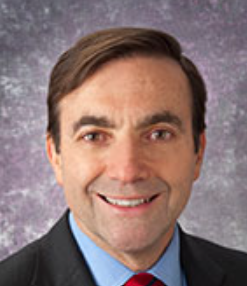 Patrick J. Strollo Jr.合作论文数Division of Pulmonary, Allergy, Critical Care, and Sleep Medicine, Department of Medicine, School of Medicine, University of Pittsburgh5
 Susan Redline合作论文数Division of Sleep Medicine, Harvard Medical School;Division of Sleep and Circadian Disorders, Departments of Medicine and Neurology, Brigham and Women's Hospital;Division of Pulmonary Medicine, Department of Medicine, Beth Israel Deaconess Medical Center5
 Atul Malhotra合作论文数University of California San Diego5
 Rohit Budhiraja合作论文数Midas Communication Technologies Pvt. Ltd.5
 Najib T. Ayas合作论文数Department of Medicine, Faculty of Medicine, The University of British Columbia5
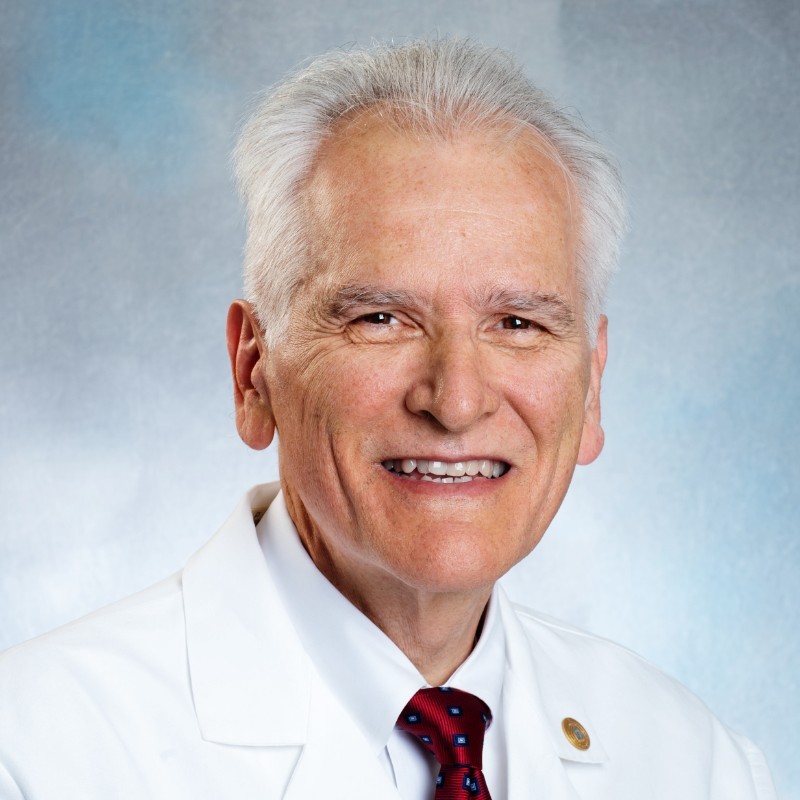 Charles A. Czeisler合作论文数Division of Sleep Medicine, Harvard Medical School;Division of Sleep and Circadian Disorders, Departments of Medicine and Neurology, Brigham and Women's Hospital5
 Brian E. Cade合作论文数Brigham and Women's Hospital;Harvard Medical School5
 Shanthakumar Wilson Rajaratnam合作论文数Turner Institute for Brain and Mental Health, School of Psychological Sciences, Monash University5
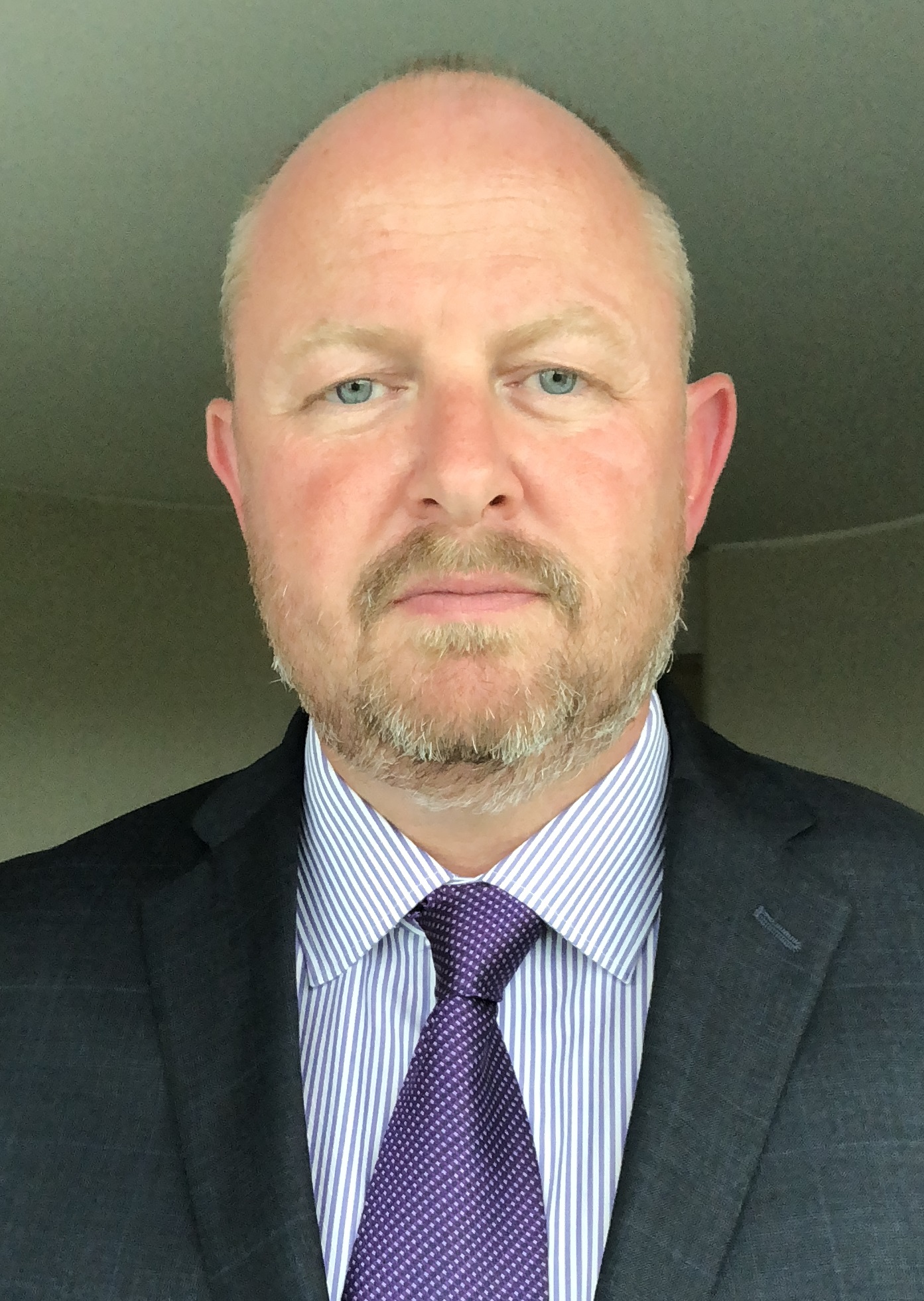 Steven W. Lockley合作论文数Department of Medicine, Brigham and Women's Hospital, Harvard Medical School5Alex Raichel合作论文数Bioengineering Department, University of Texas at Arlington4
 Jeanne F. Duffy合作论文数Division of Sleep Medicine, Harvard Medical School4
 Scott Sands合作论文数Monash Institute of Medical Research, Monash University4
 Ali Azarbarzin合作论文数4RD MEYER合作论文数3Seema Khosla合作论文数3
 Richard J. Schwab合作论文数Hospital of the University of Pennsylvania;University of Pennsylvania Medical Center;Division of Sleep Medicine, Department of Medicine, Perelman School of Medicine, University of Pennsylvania3Gurubhagavatula Indira合作论文数3
 Murray Jade M合作论文数School of Psychology and Psychiatry, Monash University3
 Rebecca Robbins合作论文数a Department of Communication, Cornell University3
 Edward Weaver合作论文数3Kannan Ramar合作论文数3
 David Kristo合作论文数Pulmonary and Critical Care Medicine Service, Walter Reed Army Medical Center3Paul A. Kvale合作论文数3
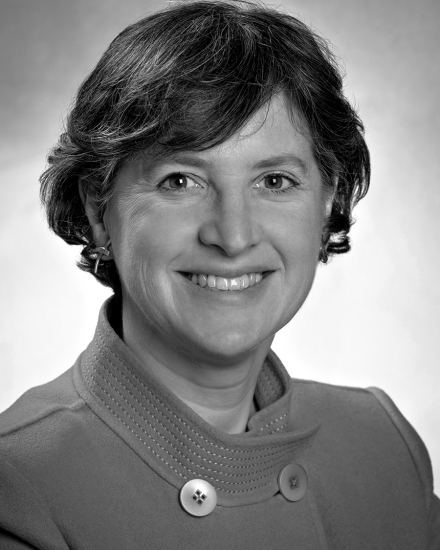 Elizabeth B Klerman合作论文数Dept. of Medicine, Brigham & Women's Hospital3Afifa Shamim-Uzzaman合作论文数2Wagner Peter D.合作论文数2Erin Bremer合作论文数2Michael Berneking合作论文数2Brittany Meyer合作论文数2Susheel P. Patil合作论文数2Alice Cai合作论文数2EK Larkin合作论文数2Shannon Sullivan合作论文数Department of Psychiatry and Behavioral Sciences, School of Medicine, Stanford University;Division of Pulmonary, Asthma and Sleep Medicine, Department of Pediatrics, School of Medicine, Stanford University2
 Jay Iyer合作论文数2S. Batool-Anwar合作论文数2P. R. Westbrook合作论文数2
 Dennis Hwang合作论文数2
 Sabra M Abbott合作论文数The Ken & Ruth Davee Department of Neurology, Feinberg School of Medicine, Northwestern University2
 Christine Won合作论文数Pulmonary, Critical Care & Sleep Medicine, Internal Medicine, Yale School of Medicine, Yale University2
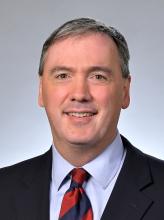 Philip Gehrman合作论文数Department of Psychiatry, School of Medicine, University of Pennsylvania;Philadelphia VA Medical Center;Department of Psychology, School of Arts and Sciences, University of Pennsylvania2Badr M Safwan合作论文数2Gottlieb Daniel J合作论文数2




