Background The Complementary and Alternative Health Belief Questionnaire (CHBQ) measures medical students’ attitudes towards Complementary Medicine (CM). The aim of the study was to examine the validity and reliability of the German translation of the CHBQ. Methods Data for the psychometric evaluation of the German translation were drawn from a study that investigated attitudes towards CM in (a sample of) medical students at Charité - Universitätsmedizin Berlin. Construct validity was determined via an exploratory factor analysis (EFA). Internal consistency was examined using Cronbach’s alpha and split-half reliability. Results The CHBQ was returned by 278 students, and was fully completed by 260 students (mean age 23.7 years; ± 4.3 SD), 69.2% were female). EFA revealed a single factor solution for all 10 items of the scale. All items, except one, had good item discrimination (range: 0.5–0.8), acceptable mean inter-item-correlation (0.39) and similar median correlation (0.38). Reliability was very good (α = 0.86) and further confirmed by split-half reliability (0.91). Conclusions The German version of the CHBQ is a valid and reliable instrument for measuring students’ attitudes towards CM.
Background:Complementary and Integrative Medicine (CIM), including self-care healthy life-style promotion strategies, is widely used in Germany. Aim of this study was to assess the use of self-care and lifestyle interventions as well as mental/emotional state experienced during the COVID-19 pandemic. Methods:An exploratory cross-sectional online study was conducted with adults in Germany through an online survey. Custom-developed questions in respiratory disease-status (including COVID-19), CIM-based self-care/lifestyle interventions and dietary patterns, and mental/emotional state as well as parameters for wellbeing (World Health Organization Well-Being Index, WHO-5) and self-efficacy (General Self-Efficacy Short Scale, GSE-3) were assessed. Data was analyzed using frequency and parametric measures. Results:The online survey was performed from January to March 2021 and included 1,138 participants (81.5% female; mean age: 49.2 ± 13.7 years; 54.9% holding a university degree) living in Germany, of which 62 had had a positive SARS-CoV-2 test, 4 an influenza infection and 375 participants other respiratory infections. The following individual health promotion strategies were reported: spending time in nature (90%; n = 1,024), physical activity (69.3%; n = 789), naturopathic remedies (63.1%; n = 718), plant-based diet (56.3%; n = 640), and Mind-Body interventions (54.7%; n = 623). No differences in strategies between individuals with respiratory diseases or the sample overall were found. Well-being had a mean value of 15.2 ± 5 (WHO-5) and self-efficacy 4.1 ± 0.6 (GSE-3). Nearly 8% reported a low mental/emotional state regarding the COVID-19 pandemic. Conclusion:Self-care and lifestyle interventions during the COVID-19 pandemic were reported by participants who were predominantly female, middle-aged, and well-educated. Most participants showed an overall balanced mental/emotional state. Further studies should include a representative control group from the general population. Clinical trial registration:clinicaltrials.gov, identifier NCT04653727.
Komplementärmedizin (CM) wird häufig genutzt. Ziel war es, die Einstellung von Medizinstudierenden zu CM im Allgemeinen und ihre Einstellung zur CM in der universitären Forschung und Lehre zu ermitteln. Eine explorative Querschnittsstudie unter Medizinstudierenden wurde mittels einer Online-Befragung durchgeführt. Die Einstellung zu CM wurde mit dem CAM Health Belief Questionnaire (CHBQ, Range 10–70, neutral 40; ein höherer Wert bedeutet eine positivere Einstellung) erhoben. Darüber hinaus bewerteten die Studierenden die wahrgenommene Bedeutung der CM-Hochschulforschung und -lehre (Bereich 1–7; eine höhere Punktzahl bedeutet mehr Zustimmung). Von 1256 kontaktierten Studierenden nahmen 349 (27,8 %) (Durchschnittsalter 23,7 ± 4,3 Jahre, 69,0 % weiblich) teil. Die Einstellung zu CM mittels CHBQ war eher neutral (Mittelwert 44,2 ± 10,7). Die Medizinstudierenden befürworteten die universitäre CM-Forschung (Mittelwert 5,4 ± 1,5) und stimmten mehrheitlich nicht zu, dass CM derzeit ausreichend an der Universität gelehrt wird (Mittelwert 3,4 ± 1,7). Obwohl Medizinstudierende eine eher neutrale Einstellung zu CM angaben, deuten unsere Ergebnisse darauf hin, dass Medizinstudierende Forschung und Lehre im Bereich CM befürworten. Complementary medicine (CM) is often used. The aim was to assess the attitude of medical students towards CM in general and their opinion about the importance of CM university research and teaching. An exploratory cross-sectional study was conducted among medical students using an online survey. The attitude towards CM was assessed by the CAM Health Belief Questionnaire (CHBQ, range 10–70, neutral 40; a higher score indicates a more positive attitude). Furthermore, students rated the perceived importance of CM university research and teaching (range 1–7; a higher score indicates more agreement). Out of 1256 contacted students, 349 (27.8 %) students (mean age 23.7 ± 4.3 years, 69.0 % female) participated. The attitude towards CM based on the CHBQ was rather neutral (mean 44.2 ± 10.7). Medical students favored CM university research (mean 5.4 ± 1.5) and mostly did not agree that CM is currently taught sufficiently at the university (mean 3.4 ± 1.7). Although medical students reported a rather neutral attitude towards CM, our findings indicate that medical students promoted research and teaching in CM.
Background: Complementary medicine (CM) is often used as an opportunity for preventive health measures and supportive self-care practices. This study aimed to explore the use of self-care practices and preventive health strategies and the aspects of the experienced emotions during the COVID-19 pandemic in a population with an affinity for CM. Methods: The authors conducted an exploratory cross-sectional study using an anonymous 41-item online survey in the German language. The survey respondents were recruited among adults with an affinity for CM (e.g., as targeted through their memberships in CM associations) from September 2020 to February 2021. A selection of self-care methods, mainly from CM, was presented in the questionnaire. Numerical rating scales (NRSs), ranging from 0 = minimum to 10 = maximum, were used to measure the intensity of different emotions experienced during the pandemic. Statistical analysis was carried out descriptively. Results: A total of 1605 participants (80.6% female; mean age: 55.4 ± 12.6 [SD] years; 43.9% holding a university degree) were included. The use of self-care methods for health promotion during the pandemic was reported by 86.8% of the respondents. Respondents favored staying in nature (85.6%), healthy nutrition (85.6%), and physical activities (83.6%). More than 60% of the respondents made use of vitamin C and/or D, herbal medicines, nutritional supplements, relaxation techniques, breathing exercises, homeopathy, or meditation for health promotion. The analysis of emotional status by NRS (0-10) revealed the lowest mean ± SD (standard deviation) for "feeling lonely" (2.6 ± 2.9) and "feeling anxious" (2.8 ± 2.6), and the highest mean for "feeling connected to others" (6.2 ± 2.5) and "well-being" (5.8 ± 2.4). Conclusions: Participants used a wide variety of self-care methods and prevention strategies to promote their health during the COVID-19 pandemic and showed, overall, a balanced emotional status. Further research should include a control group representative of the general population, to investigate the possible impact of self-care strategies. Clinical Trial Registration Number: "Deutsches Register Klinischer Studien" (German Clinical Trial Register); registration number: DRKS00022909.
Type 2 diabetes is associated with insulin resistance, adipose hypertrophy and increased lipolysis. The heritability of these traits has been determined by associating them with a family history of diabetes.Abdominal subcutaneous fat biopsies were obtained from 581 subjects in a cross-sectional study. Fat cells were isolated, and the difference between measured and expected fat-cell volume was used to determine adipose morphology (degree of hypertrophy or hyperplasia). Spontaneous lipolytic activity was determined in explants of adipose tissue by measuring glycerol release. Insulin-stimulated lipogenesis was assessed by measuring the incorporation of radiolabelled glucose into fat-cell lipids. Information on parental history of diabetes was gathered by a questionnaire.Adipose morphology correlated positively with lipolysis (P < 0.0001) and inversely with insulin-stimulated lipogenesis (P < 0.008). Also, 24% of probands had a family history of diabetes, which was associated with higher body mass index (BMI) scores, and more insulin resistance (HOMAIR) and adipose hypertrophy. Lipolytic activity was increased, and insulin-stimulated lipogenesis decreased, in probands with a parental history of diabetes. The results for HOMAIR, lipolysis and adipose morphology remained significant after adjusting for proband BMI. A maternal history of diabetes was associated with increased adipose lipolytic activity in probands.A family history of diabetes is independent of proband BMI, but associated with adipocyte hypertrophy and enhanced lipolysis, which suggests that these factors are genetically linked to diabetes. Moreover, the influence on lipolysis was only observed in probands with a maternal history of diabetes, thereby supporting an epigenetic impact.
Introduction: Complementary medicine (CM) is often used by patients and offered by physicians. The attitude of medical students toward CM in Germany has been given little research attention. The aim was to assess the attitude of medical students toward CM in general and their opinion about the importance of CM university research and teaching. Methods: An exploratory cross-sectional study among medical students at the Charite-Universitatsmedizin Berlin was performed at the beginning of the summer term 2019 using an online survey. The attitude toward CM was assessed by the Complementary and Alternative Medicine Health Belief Questionnaire (CHBQ, range 10-70, neutral at 40; a higher score indicates a more positive attitude toward CM). Furthermore, students rated their own CM use and the perceived importance of CM university research and teaching (range 1-7; a higher score indicates more agreement). The study was approved by the Charite Ethics Committee (institutional review board). Results: Out of 1256 contacted students, 349 (27.8%) students (mean age 23.7 +/- 4.3 years, 69.0% female) participated. The attitude toward CM based on the CHBQ was rather neutral (mean 44.2 +/- 10.7) and more positive among females than males (mean 46.1 +/- 10.7 vs. 40.6 +/- 9.5, p < 0.001). Medical students favored CM university research (mean 5.4 +/- 1.5) and mostly did not agree that CM is currently taught sufficiently at the university (mean 3.4 +/- 1.7). The lifetime prevalence of student's own CM use was 48.4% of respondents (79.1% females). Conclusion: Although medical students, in this sample with a high percentage of females, reported a rather neutral attitude toward CM, the authors' findings indicate that medical students promoted research and teaching in CM. Further multicenter cross-sectional studies in German and European medical universities should be undertaken to explore students' attitudes and wishes regarding the integration of CM in university teaching, research, and patient care.
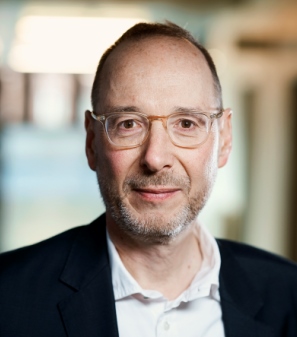 Benno Brinkhaus合作论文数Charite University Hospital Berlin, Berlin, Germany7
 ROTTER G E合作论文数6
 Sylvia Binting合作论文数6Maximilian Hinse合作论文数Institute of Social Medicine, Epidemiology and Health Economics, Charité-Universitätsmedizin Berlin4
 Miriam Ortiz合作论文数3
 Christian S. Kessler合作论文数2
 Georg Seifert合作论文数2Tatjana Tissen-Diabaté合作论文数2
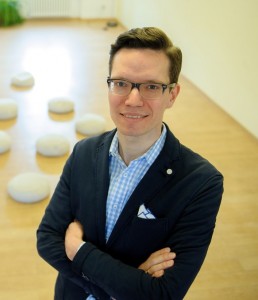 Holger Cramer合作论文数Department of Internal and Integrative Medicine, Faculty of at the University of Duisburg-Essen2
 Michael Jeitler合作论文数2
 Barbara Stockigt合作论文数2
 Andreas Michalsen合作论文数Institute of Social Medicine, Epidemiology and Health Economics, Charité – Universitätsmedizin Berlin2Michael Teut合作论文数2Avital Erehman合作论文数1Daniela A Koppold合作论文数1
 Sarah B. Blakeslee合作论文数1Farid I Kandil合作论文数1




