Coronaviruses (CoVs) maintain large RNA genomes that frequently undergo mutations and recombination, contributing to their evolution and emergence. In this study, we find that SARS-CoV-2 has greater RNA recombination frequency than other human CoVs. In addition, CoV RNA recombination primarily occurs at uridine (U)-enriched RNA sequences. Therefore, we next evaluate the role of SARS-CoV-2 NSP15, a viral endonuclease that targets uridines (EndoU), in RNA recombination and virus infection. Using a catalytically inactivated EndoU mutant (NSP15H234A), we observe attenuated viral replication in vitro and in vivo. However, the loss of EndoU activity also dysregulates inflammation resulting in similar disease in vivo despite reduced viral loads. Next-generation sequencing (NGS) demonstrates that loss of EndoU activity disrupts SARS-CoV-2 RNA recombination by reducing viral sub-genomic mRNA but increasing recombination events that contribute to defective viral genomes (DVGs). Overall, the study demonstrates that NSP15 plays a critical role in regulating RNA recombination and SARS-CoV-2 pathogenesis.
The evolution of SARS-CoV-2 variants and their respective phenotypes represents an important set of tools to understand basic coronavirus biology as well as the public health implications of individual mutations in variants of concern. While mutations outside of Spike are not well studied, the entire viral genome is undergoing evolutionary selection, particularly the central disordered linker region of the nucleocapsid (N) protein. Here, we identify a mutation (G215C), characteristic of the Delta variant, that introduces a novel cysteine into this linker domain, which results in the formation of a disulfide bond and a stable N-N dimer. Using reverse genetics, we determined that this cysteine residue is necessary and sufficient for stable dimer formation in a WA1 SARS-CoV-2 background, where it results in significantly increased viral growth both in vitro and in vivo. Finally, we demonstrate that the N:G215C virus packages more nucleocapsid per virion and that individual virions are larger, with elongated morphologies.
Viruses interact with numerous host factors to facilitate viral replication and to dampen antiviral defense mechanisms. We currently have a limited mechanistic understanding of how SARS-CoV-2 binds host factors and the functional role of these interactions. Here, we uncover a novel interaction between the viral NSP3 protein and the fragile X mental retardation proteins (FMRPs: FMR1, FXR1-2). SARS-CoV-2 NSP3 mutant viruses preventing FMRP binding have attenuated replication in vitro and reduced levels of viral antigen in lungs during the early stages of infection. We show that a unique peptide motif in NSP3 binds directly to the two central KH domains of FMRPs and that this interaction is disrupted by the I304N mutation found in a patient with fragile X syndrome. NSP3 binding to FMRPs disrupts their interaction with the stress granule component UBAP2L through direct competition with a peptide motif in UBAP2L to prevent FMRP incorporation into stress granules. Collectively, our results provide novel insight into how SARS-CoV-2 hijacks host cell proteins and provides molecular insight into the possible underlying molecular defects in fragile X syndrome.
Viruses interact with numerous host factors to facilitate viral replication and to dampen antiviral defense mechanisms. We currently have a limited mechanistic understanding of how SARS-CoV-2 binds host factors and the functional role of these interactions. Here, we uncover a novel interaction between the viral NSP3 protein and the fragile X mental retardation proteins (FMRPs: FMR1 and FXR1-2). SARS-CoV-2 NSP3 mutant viruses preventing FMRP binding have attenuated replication in vitro and have delayed disease onset in vivo. We show that a unique peptide motif in NSP3 binds directly to the two central KH domains of FMRPs and that this interaction is disrupted by the I304N mutation found in a patient with fragile X syndrome. NSP3 binding to FMRPs disrupts their interaction with the stress granule component UBAP2L through direct competition with a peptide motif in UBAP2L to prevent FMRP incorporation into stress granules. Collectively, our results provide novel insight into how SARS-CoV-2 hijacks host cell proteins for efficient infection and provides molecular insight to the possible underlying molecular defects in fragile X syndrome.
SARS-CoV-2 Omicron variants emerged in 2022 with >30 novel amino acid mutations in the spike protein alone. While most studies focus on receptor binding domain changes, mutations in the C-terminus of S1 (CTS1), adjacent to the furin cleavage site, have largely been ignored. In this study, we examined three Omicron mutations in CTS1: H655Y, N679K, and P681H. Generating a SARS-CoV-2 triple mutant (YKH), we found that the mutant increased spike processing, consistent with prior reports for H655Y and P681H individually. Next, we generated a single N679K mutant, finding reduced viral replication in vitro and less disease in vivo. Mechanistically, the N679K mutant had reduced spike protein in purified virions compared to wild-type; spike protein decreases were further exacerbated in infected cell lysates. Importantly, exogenous spike expression also revealed that N679K reduced overall spike protein yield independent of infection. Although a loss-of-function mutation, transmission competition demonstrated that N679K had a replication advantage in the upper airway over wild-type SARS-CoV-2 in hamsters, potentially impacting transmissibility. Together, the data show that N679K reduces overall spike protein levels during Omicron infection, which has important implications for infection, immunity, and transmission.
 Vineet Menachery合作论文数Department of Pediatrics, School of Medicine, Emory University5
 Kumari G Lokugamage合作论文数5
 David H. Walker合作论文数Department of Pathology, University of Texas Medical Branch;Graduate School of Biomedical Sciences, University of Texas Medical Branch;UTMB Center for Biodefense and Emerging Infectious Disease, University of Texas Medical Branch5
 Bryan A Johnson合作论文数Department of Microbiology and Immunology, University of Texas Medical Branch, Galveston, TX, USA4
 Jessica A Plante合作论文数Department of Pathology, and4R Elias Alvarado合作论文数3Patricia A. Crocquet-Valdes合作论文数3Michelle N Vu合作论文数3
 Dorothea R Morris合作论文数Dept Microbiol & Immunol, Univ Texas Med Branch3Plante Kenneth合作论文数Institute for Human Infections and Immunity, University of Texas Medical Branch3Jordyn Walker合作论文数2Dimitriya H Garvanska合作论文数2Josephine Kerzel Duel合作论文数2Yiyang Zhou合作论文数2
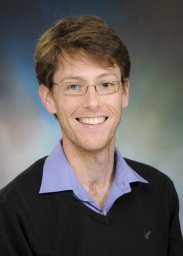 Routh Andrew合作论文数2
 Blanca Lopez Mendez合作论文数2Nilsson Jakob合作论文数2
 Filip Mundt合作论文数2
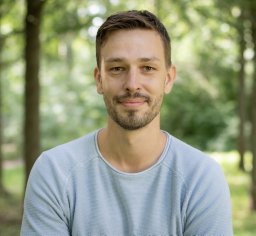 Coscia Fabian合作论文数2
 Anna K Overby合作论文数2
 Rickard Lindqvist合作论文数Department of Clinical Microbiology, Umeå University2Weisser Melanie合作论文数Institute of Molecular Biology and Biophysics, Swiss Federal Institute of Technology (ETH Zürich),2
 Matthias Mann合作论文数Department of Proteomics and Signal Transduction, Max-Planck-Institute of Biochemistry;Novo Nordisk Foundation Center for Protein Research, Faculty of Health and Medical Sciences, University of Copenhagen;Ludwig-Maximilians-University2
 Emma Charlotta Nilsson合作论文数2Caroline M Dumas合作论文数1William K. Russell合作论文数1Hannah C. Kubinski合作论文数1David J Shirley合作论文数1Margaret G Mills合作论文数1
 Bruno Martorelli Di Genova合作论文数1Madaline M Schmidt合作论文数1Jessica W Crothers合作论文数1Hannah W Despres合作论文数1
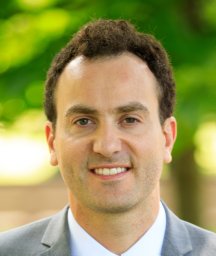 Craig Schindewolf合作论文数Department of Microbiology and Immunology, University of Texas Medical Branch1
 Emily Adaline Bruce合作论文数Dept Microbiol & Mol Genet, Univ Vermont1
 Pamela J. Bjorkman合作论文数Division of Biology and Biological Engineering, California Institute of Technology;Merkin Institute, California Institute of Technology1
 Andrew Stanley Pekosz合作论文数Bloomberg School of Public Health, Johns Hopkins University;Center for Global Health, Johns Hopkins University1
 Bryan Ballif合作论文数1
 Alex Greninger合作论文数Department of Global Health, School of Public Health, University of Washington;Department of Laboratory Medicine and Pathology, University of Washington1
 Scott C. Weaver合作论文数Department of Pathology, University of Texas Medical Branch, The University of Texas Medical Branch at Galveston;Institute for Human Infections and Immunity, The University of Texas Medical Branch at Galveston;Galveston National Laboratory1
 Padmanabhan Roychoudhury合作论文数Department of Laboratory Medicine & Pathology, University of Washington1
 Keith Jerome合作论文数Virology Division, Department of Laboratory Medicine and Pathology, University of Washington;Vaccine and Infectious Disease Division, Fred Hutchinson Cancer Research Center1
 Mark S Ladinsky合作论文数1




