OBJECTIVES:This qualitative study aimed to explore the perspectives of Canadian global surgeons with experience developing surgical education partnerships with low- and middle-income countries (LMICs) for the purpose of identifying factors for success. DESIGN:A purposive sample of leaders from global surgery programmes at Canadian Faculties of Medicine participated in virtual semi-structured interviews. A six-phase thematic analysis was performed using a constructivist lens on verbatim transcripts by three independent researchers. Key factors for success were thematically collated with constant comparison and inter-investigator triangulation in NVivo software until theoretical saturation was reached. PARTICIPANTS:Fifteen surgeons, representing 11 subspecialties at 6 Canadian academic institutions and a combined experience across 6 continents, were interviewed between January and June 2022. RESULTS:Four facilitators for success of global surgery training programmes were identified, with a strong undertone of relationship-building permeating all subthemes: (1) facilitative skill sets and infrastructure, (2) longitudinal engagement, (3) local ownership and (4) interpersonal humility. Participants defined facilitative skill sets to include demonstrated surgical competence and facilitative infrastructure to include pre-existing local networks, language congruency, sustainable funding and support from external organisations. They perceived longitudinal engagement as spanning multiple trips, enabled by strong personal motivation and arrangements at their home institutions. Ownership of projects by local champions, including in research output, was noted as key to preventing brain drain and catalysing a ripple effect of surgical trainees. Finally, interviewees emphasised interpersonal humility as being crucial to decolonising the institution of global surgery with cultural competence, reflexivity and sustainability. CONCLUSIONS:The interviewed surgeons perceived strong cross-cultural relationships as fundamental to all other dimensions of success when working in low-resource capacity-building. While this study presents a comprehensive Canadian perspective informed by high-profile leadership in global surgery, a parallel study highlighting LMIC-partners' perspectives will be critical to a more complete understanding of programme success.
The Global SurgeryGlobal surgery Program at the University of Toronto aims to increase surgical expertise in underserved communities around the world, with a focus in low- and middle-income countries. On the suggestion of our colleagues and in the footsteps of the world-renowned Canadian surgeon Dr. Norman Bethune, we realized that ChinaChina, with an increasing cardiovascularCardiovascular disease burden and a population exceeding 1.2 billion, offered an opportunity like no other. In this chapter, we reflect on our 23 years of experience in the region, recounting how we began in 1998 as a small initiative to increase access to cardiacCardiac surgery in areas that had little of it, but have now evolved into a multidisciplinary effort across 160 medical institutions and 29 subspecialties. In doing so, we have established cardiacCardiac surgery training programs at 11 centers, mimicking the “Competency by Design” curriculum implemented here in Canada by the Royal College. We also successfully advocated for health coverage for over 95% of Chinese citizens, while additionally welcoming 142 trainees for observerships to Canada. Not only have these experiences taught us many invaluable lessons, we have also been very fortunate to witness one of the most remarkable socioeconomic developments in recent Chinese history.
Current surgical technique to fix the tricuspid valve regurgitation carry a high percentage (up to 37%) of recurrence of severe tricuspid valve regurgitation in mid-term follow up. There is a need for anatomically and physiologically correct Tricuspid annulus device. Our ring is developed in the way that mimics the normal anatomy & physiology of Tricuspid annulus. The aim of this study is to test three prototypes and choose the proper prototype that is tested and suitable to conform well to the normal shape of the tricuspid annulus with no distortion of the movement during the different phases of the cardiac cycle. We used an acute open heart model in sheep as an animal model to test three prototypes. We used adult sheep (6 males and 6 females), body weight 60–70 Kg, age: 1–3 years old. We followed the protocol of open heart model in animals. Post Prototype implantation, Tricuspid valve leaflet coaptation was verified with no induced tricuspid regurgitation. On the other hand, there was no ring distortion or ring material fracture. All the three prototypes conformed well to the normal shape of the tricuspid annulus with no distortion of the movement during the different phases of the cardiac cycle (both in systole and diastole). All the three tested prototypes seemed to be effective and reproducible.
Background & aims: Secondary prevention can improve outcomes in high risk patients. This study investigated the magnitude of cardiovascular risk reduction associated with consumption of a modified portfolio diet in parallel with medical management.Design: 30 patients with type II diabetes, 6 weeks post bypass surgery received dietary counseling on a Modified Portfolio Diet (MPD) (low fat, 8 g/1000 kcal viscous fibres, 17 g/1000 kcal soy protein and 22 g/1000 kcal almonds). Lipid profiles, endothelial function and markers of glycemic control, oxidative stress and inflammation were measured at baseline and following two and four weeks of intervention. Seven patients with no diet therapy served as time controls.Results: Consumption of the MPD resulted in a 19% relative reduction in LDL (1.9 +/- 0.8 vs 1.6 +/- 0.6 mmol/L, p < 0.001) with no change in HDL cholesterol. Homocysteine levels dropped significantly (10.1 +/- 2.7 vs 7.9 +/- 4 mu mol/L, p = 0.006) over the study period. Flow mediated dilatation increased significantly in treated patients (3.8 +/- 3.8% to 6.5 +/- 3.6%, p = 0.004) while remaining constant in controls (p = 0.6). Endothelial progenitor cells numbers (CD34+, CD 133+ and UEA-1+) increased significantly following MPD consumption (p < 0.02) with no difference in migratory capacity. In contrast, time controls showed no significant changes.Conclusion: Dietary intervention in medically managed, high risk patients resulted in important reductions in risk factors. (C) 2014 Elsevier Ltd and European Society for Clinical Nutrition and Metabolism. All rights reserved.
We recently identified sphingosine-1-phosphate (S1P) signaling and the cystic fibrosis transmembrane conductance regulator (CFTR) as prominent regulators of myogenic responsiveness in rodent resistance arteries. However, since rodent models frequently exhibit limitations with respect to human applicability, translation is necessary to validate the relevance of this signaling network for clinical application. We therefore investigated the significance of these regulatory elements in human mesenteric and skeletal muscle resistance arteries. Mesenteric and skeletal muscle resistance arteries were isolated from patient tissue specimens collected during colonic or cardiac bypass surgery. Pressure myography assessments confirmed endothelial integrity, as well as stable phenylephrine and myogenic responses. Both human mesenteric and skeletal muscle resistance arteries (i) express critical S1P signaling elements, (ii) constrict in response to S1P and (iii) lose myogenic responsiveness following S1P receptor antagonism (JTE013). However, while human mesenteric arteries express CFTR, human skeletal muscle resistance arteries do not express detectable levels of CFTR protein. Consequently, modulating CFTR activity enhances myogenic responsiveness only in human mesenteric resistance arteries. We conclude that human mesenteric and skeletal muscle resistance arteries are a reliable and consistent model for translational studies. We demonstrate that the core elements of an S1P-dependent signaling network translate to human mesenteric resistance arteries. Clear species and vascular bed variations are evident, reinforcing the critical need for further translational study.
Surgery induces a state of insulin resistance (IR) which may be aggravated by current fasting practices. Oral preoperative carbohydrate (CHO) loading may reduce postoperative IR and subsequently complications. The current study was designed to determine whether CHO loading would blunt the development of postoperative IR, reduce preoperative discomfort and improve clinical outcomes in elective coronary artery bypass or spinal surgical patients. Thirty‐eight patients were randomized to receive a CHO supplement the evening before (100g CHO) and two hours prior to surgery (50g CHO) or fast for 12 hours preoperatively. Insulin sensitivity was measured using the short insulin tolerance test and homeostasis model assessment (HOMA). Patient discomfort was measured immediately before surgery using visual analog scales. Insulin sensitivity was not significantly different between groups. However, the treated group experienced a significantly smaller rise in glucose levels following surgery (p=0.03) and had higher postoperative HOMA‐β scores (p=0.02). Supplemented patients were also significantly less thirsty (p=0.01), hungry (p=0.04) and anxious (p=0.01) before surgery and experienced a significantly shorter hospital stay (p=0.008). CHO loading improved outcomes, warranting re‐evaluation of fasting practices in this population. This research was supported by a CIHR student fellowship.
Coronary artery bypass grafting (CABG) surgery with cardiopulmonary bypass (CPB) is associated with the production of reactive oxygen species resulting in cardiomyocyte death due to apoptosis. In experimental animal models, oxidative stress also upregulates the receptor for advanced glycation end products (RAGE) and its ligands the S100 calcium binding proteins - the proapototic S100B and the antiapototic S100A1 and S100A6. In 14 patients (11 male, 3 female) mean age 63.5 years ± 11.6 (SD) undergoing coronary artery bypass grafting (CABG) surgery with cardiopulmonary bypass (CBP) (n=9), aortic valve replacement (n=2) or mitral valve replacement (n=2), we investigated the plasma levels of RAGE and its ligands pre- and post-surgery and determined a possible association with the apoptotic proteins Bcl 2 (anti) and BAX (pro) in left ventricular biopsies. Plasma levels of S100 proteins and RAGE were detected by ELISA. Bcl 2 and BAX protein and mRNA levels were measured by Western blot and quantitative PCR respectively. We preformed Student's t-test, linear regression analysis and Pearson's correlation to define a possible association. Significant increases were detected in plasma levels of S100B (P = 0.027) and RAGE (P = 0.026) post- versus pre-surgery. A significant decrease was seen in plasma levels of S100A6 post-surgery (P = 0.003) and no change was detected in S100A1 plasma levels as evaluated by ELISAs. There was a positive correlation between plasma levels of S100B post surgery and the ventricular BAX/Bcl 2 mRNA expression ratio (n = 12, P = 0.0057, r = 0.742). Also, a negative correlation was detected between the plasma levels of S100A6 post surgery and the ventricular BAX/Bcl 2 mRNA expression ratio (n = 12, P = 0.036, r = -0.608). In CABG surgery with CPB or valve replacement, plasma levels of S100B and RAGE increase post surgery with a concomitant decrease in S100A6. There is a positive correlation between S100B and a negative correlation between S100A6 levels post-surgery and the ventricular BAX/Bcl 2 ratio indicating a potential apoptotic state in the ventricle. In conclusion, these findings suggest a positive correlation between S100B, RAGE and the apoptotic markers Bcl 2 and BAX, in a population of patients undergoing CABG surgery with CPB or valve replacment.
BackgroundThe molecular basis of bicuspid aortic valve development and susceptibility to early calcification remain poorly understood. MicroRNAs are essential post-transcriptional modulators of gene expression which coordinate and integrate multiple regulatory pathways involved in normal and abnormal development. We performed microRNA profiling to identify potential novel pathways differentially regulated in bicuspid vs. tricuspid aortic valves.Methods & resultsAortic valve leaflets were obtained intraoperatively from patients with stenotic bicuspid (BAV) and tricuspid aortic valves (TAV) at the time of valve replacement (N = 10 each). Total RNA extracted from some of the tissue samples was directly labeled with biotin and hybridized to the GenoExplorer™ microRNA (Human) Chip. This microarray contains 1583 human miRNA probes and provides a comprehensive and comparative profile analyses of miRNA expression Fluorescent signals were scanned with the GenePix® 4000B Microarray Scanner. The other tissue samples were either flash frozen for molecular analysis or fixed in formalin and sectioned for histology and histochemical analysis. Microarray analysis revealed 40 differentially expressed miRNA sequences in BAV vs. TAV samples. Nineteen miRNAs including miRNA-152, -373, -30e, and -145 were up-regulated and amongst the 21 miRNAs that were down-regulated were miRNA-125b, -1260, -27a, and -141 (Figure). These findings were confirmed by quantitative RT-PCR. Notably, expression of miRNA-141, a known repressor of the master osteogenic transcription factor DLX-5 and a regulator of bone morphogenetic protein (BMP-2), was 14.9-folds lower in BAV vs. TAV. BAV leaflet tissues also demonstrated higher BMP2 expression compared to TAV tissues.ConclusionWe identify a novel miRNA profile in calcific BAV vs. TAV leaflet tissues. Specifically, marked downregulation of miRNA-141 in BAV may serve to regulate abnormal cell fate decisions and BMP-2-dependent calcification leading to altered susceptibility towards calcific aortic stenosis. BackgroundThe molecular basis of bicuspid aortic valve development and susceptibility to early calcification remain poorly understood. MicroRNAs are essential post-transcriptional modulators of gene expression which coordinate and integrate multiple regulatory pathways involved in normal and abnormal development. We performed microRNA profiling to identify potential novel pathways differentially regulated in bicuspid vs. tricuspid aortic valves. The molecular basis of bicuspid aortic valve development and susceptibility to early calcification remain poorly understood. MicroRNAs are essential post-transcriptional modulators of gene expression which coordinate and integrate multiple regulatory pathways involved in normal and abnormal development. We performed microRNA profiling to identify potential novel pathways differentially regulated in bicuspid vs. tricuspid aortic valves. Methods & resultsAortic valve leaflets were obtained intraoperatively from patients with stenotic bicuspid (BAV) and tricuspid aortic valves (TAV) at the time of valve replacement (N = 10 each). Total RNA extracted from some of the tissue samples was directly labeled with biotin and hybridized to the GenoExplorer™ microRNA (Human) Chip. This microarray contains 1583 human miRNA probes and provides a comprehensive and comparative profile analyses of miRNA expression Fluorescent signals were scanned with the GenePix® 4000B Microarray Scanner. The other tissue samples were either flash frozen for molecular analysis or fixed in formalin and sectioned for histology and histochemical analysis. Microarray analysis revealed 40 differentially expressed miRNA sequences in BAV vs. TAV samples. Nineteen miRNAs including miRNA-152, -373, -30e, and -145 were up-regulated and amongst the 21 miRNAs that were down-regulated were miRNA-125b, -1260, -27a, and -141 (Figure). These findings were confirmed by quantitative RT-PCR. Notably, expression of miRNA-141, a known repressor of the master osteogenic transcription factor DLX-5 and a regulator of bone morphogenetic protein (BMP-2), was 14.9-folds lower in BAV vs. TAV. BAV leaflet tissues also demonstrated higher BMP2 expression compared to TAV tissues. Aortic valve leaflets were obtained intraoperatively from patients with stenotic bicuspid (BAV) and tricuspid aortic valves (TAV) at the time of valve replacement (N = 10 each). Total RNA extracted from some of the tissue samples was directly labeled with biotin and hybridized to the GenoExplorer™ microRNA (Human) Chip. This microarray contains 1583 human miRNA probes and provides a comprehensive and comparative profile analyses of miRNA expression Fluorescent signals were scanned with the GenePix® 4000B Microarray Scanner. The other tissue samples were either flash frozen for molecular analysis or fixed in formalin and sectioned for histology and histochemical analysis. Microarray analysis revealed 40 differentially expressed miRNA sequences in BAV vs. TAV samples. Nineteen miRNAs including miRNA-152, -373, -30e, and -145 were up-regulated and amongst the 21 miRNAs that were down-regulated were miRNA-125b, -1260, -27a, and -141 (Figure). These findings were confirmed by quantitative RT-PCR. Notably, expression of miRNA-141, a known repressor of the master osteogenic transcription factor DLX-5 and a regulator of bone morphogenetic protein (BMP-2), was 14.9-folds lower in BAV vs. TAV. BAV leaflet tissues also demonstrated higher BMP2 expression compared to TAV tissues. ConclusionWe identify a novel miRNA profile in calcific BAV vs. TAV leaflet tissues. Specifically, marked downregulation of miRNA-141 in BAV may serve to regulate abnormal cell fate decisions and BMP-2-dependent calcification leading to altered susceptibility towards calcific aortic stenosis. We identify a novel miRNA profile in calcific BAV vs. TAV leaflet tissues. Specifically, marked downregulation of miRNA-141 in BAV may serve to regulate abnormal cell fate decisions and BMP-2-dependent calcification leading to altered susceptibility towards calcific aortic stenosis.
BACKGROUND: Myocardial ischemia triggers the expression of multiple angiogenic factors including vascular endothelial growth factor and its receptors. However, vascular endothelial growth factor does not act in isolation.OBJECTIVE: To identify other genes important in the angiogenic response to clinically relevant myocardial ischemia.METHODS AND RESULTS: Paired intraoperative biopsies of ischemic and nonischemic myocardium were obtained from 12 patients with acute coronary syndromes (ACS) undergoing urgent coronary artery bypass graft surgery. Real-time polymerase chain reaction demonstrated significant upregulation of angiopoietin-2 (Ang-2) in ischemic myocardium, to a greater extent than other classical angiogenic factors. Microarray gene profiling identified Ang-2 to be among the top 10 differentially upregulated genes, in addition to genes involved in inflammation, cell signalling, remodelling and apoptosis.CONCLUSIONS: The present document is the first report of microarray analysis of patients with ACS, and supports an important role for Ang-2 in the angiogenic response to severe ischemia in the human heart. Common gene expression patterns in ACS may provide opportunities for targeted pharmacological and cellular intervention.
Objective Many surgeons consider the tricuspid valve to be a second-class structure. Our objective was to determine the normal anatomy and dynamic characteristics of the tricuspid valve apparatus in vivo and to discern whether this would aid the design of a tricuspid valve annuloplasty ring model. Methods Sixteen sonomicrometry crystals were placed around the tricuspid annulus, at the bases and tips of the papillary muscles, the free edges of the leaflets, and the right ventricular apex during cardiopulmonary bypass in 5 anesthetized York Hampshire pigs. Animals were studied after weaning of cardiopulmonary bypass on 10 cardiac cycles of normal hemodynamics. Results Sonomicrometry array localizations demonstrate the multiplanar shape of the tricuspid annulus. The tricuspid annulus reaches its maximum area (97.9 ± 25.4 mm2) at the end of diastole and its minimum area (77.3 ± 22.5 mm2) at the end of systole, and increases again in early diastole. Papillary muscles shorten by 0.8 to 1.5 mm (11.2%) in systole, and chordae tendineae straighten by 0.8 to 1.7 mm (11.4%) in systole. Conclusions The shape of the tricuspid annulus is a multiplanar 3-dimensional one with its highest point at the anteroseptal commissure and its lowest point at the posteroseptal commissure, and the anteroposterior commissure is in a middle plane in between. The tricuspid annulus area reaches its maximum during diastole and its minimum during systole. The papillary muscles contract by the same amount of chordal straightening. The optimal tricuspid annuloplasty ring may be a multiplanar 3-dimensional one that mimics the normal tricuspid annulus.
Shukla, Praphulla C. PhD; Singh, Krishna K. PhD; Lovren, Fina PhD; Pan, Yi MD; Leong-Poi, Howard MD; Errett, Lee MD; Stanford, William L. PhD; Schneider, Michael D. MD; Parker, Thomas G. MD; Verma, Subodh MD, PhD Author Information
We present a case of a 39 year-old female with a history of intravenous drug use (IVDU), diagnosed with staphylococcus aureus endocarditis. On initial presentation, the transthoracic echocardiogram showed evidence of multivalvular involvement and severe aortic regurgitation. She was started on
Abstract #4219 Krishna K Singh, Praphulla C Shukla, Adrian Quan, St Michaels Hosp, Toronto, ON, Canada; Mohammed Al-Omran, King Saud Univ, Riyadh, Saudi Arabia; Paul Jurasz, Univ of Alberta, Edmonton, AB, Canada; Fina Lovren, Yi Pan, Christine Brezden-Masley, St Michaels Hosp, Toronto, ON, Canada; Alistair J Ingram, McMaster Univ, Hamilton, ON, Canada; Lee Errett, Hwee Teoh, Subodh Verma, St Michaels Hosp, Toronto, ON, Canada Krishna K Singh, 2009 Finalist and Presenting Author
 Subodh Verma合作论文数Department of Pharmacology and Toxicology, Temerty Faculty of Medicine, University of Toronto;Division of Cardiac Surgery, St. Michael's Hospital21
 Cyril David Mazer合作论文数Department of Anesthesiology and Pain Medicine, Temerty Faculty of Medicine, University of Toronto13
 Yi Pan合作论文数12Hwee Teoh合作论文数Terrence Donnelly Laboratories;Division of Respirology and Department of Critical Care;University of Toronto;Terrence Donnelly Laboratories, University of Toronto12Adrian Quan合作论文数12Fina Lovren合作论文数11Shukla Praphulla C合作论文数Whitaker Cardiovascular Institute, Boston University School of Medicine10
 Krishna K. Singh合作论文数Departments of Surgery, University of Toronto9
 Daniel Bonneau合作论文数Department of Surgery, Temerty Faculty of Medicine, University of Toronto;Division of Cardiovascular and Thoracic Surgery, St. Michael's Hospital8
 David Latter合作论文数Department of Surgery, Temerty Faculty of Medicine, University of Toronto7
 Mary Keith合作论文数7
 Mohammed Al-Omran合作论文数Department of Surgery, Temerty Faculty of Medicine, University of Toronto6F Briet合作论文数5Paul E. Szmitko合作论文数5Yves Leclerc合作论文数4F Lovren合作论文数4
 Christine Brezden-Masley合作论文数Institute of Health Policy, Management and Evaluation, University of Toronto;Marvelle Koffler Breast Centre, Mount Sinai Hospital;Li Ka Shing Knowledge Institute, St Michael’s Hospital;Lunenfeld-Tanenbaum Research Institute4
 Richard D Weisel合作论文数Department of Surgery, Temerty Faculty of Medicine, University of Toronto;Toronto General Hospital Research Institute4
 Howard Leong-Poi合作论文数Institute of Medical Science, Temerty Faculty of Medicine, University of Toronto;Keenan Research Centre for Biomedical Science, St. Michael's Hospital;Division of Cardiology, St. Michael's Hospital4Paul Jurasz合作论文数4D. Latter合作论文数4Anish R Kadakia合作论文数3
 William Stanford合作论文数Department of Cellular and Molecular Medicine, University of Ottawa;Sprott Centre for Stem Cell Research, The Ottawa Hospital Research Institute;Department of Biochemistry, Microbiology and Immunology, University of Ottawa3
 Guilin Wang合作论文数3G. Proteau合作论文数2Susan Tran合作论文数2Michael A Kuliszewski合作论文数2Iw Fong合作论文数2Muhammad Uzair Khalid合作论文数2Pwm Fedak合作论文数2
 Hosam Fawzy合作论文数Department of Surgery, Temerty Faculty of Medicine, University of Toronto;St. Michael’s Hospital, Temerty Faculty of Medicine, University of Toronto;University of Tanta2
 Mitesh Badiwala合作论文数Department of Surgery, Temerty Faculty of Medicine, University of Toronto2
 John Freedman合作论文数Department of Laboratory Medicine and Pathobiology, Temerty Faculty of Medicine, University of Toronto2
 Mark Peterson合作论文数Department of Physical Medicine and Rehabilitation, Medical School, University of Michigan;Michigan Institute for Data Science, University of Michigan2Liao Christine合作论文数2
 Thomas Wolever合作论文数Department of Nutritional Sciences, University of Toronto;Department of Medicine, University of Toronto;Division of Endocrinology and Metabolism, St. Michael’s Hospital;INQUIS Clinical Research2
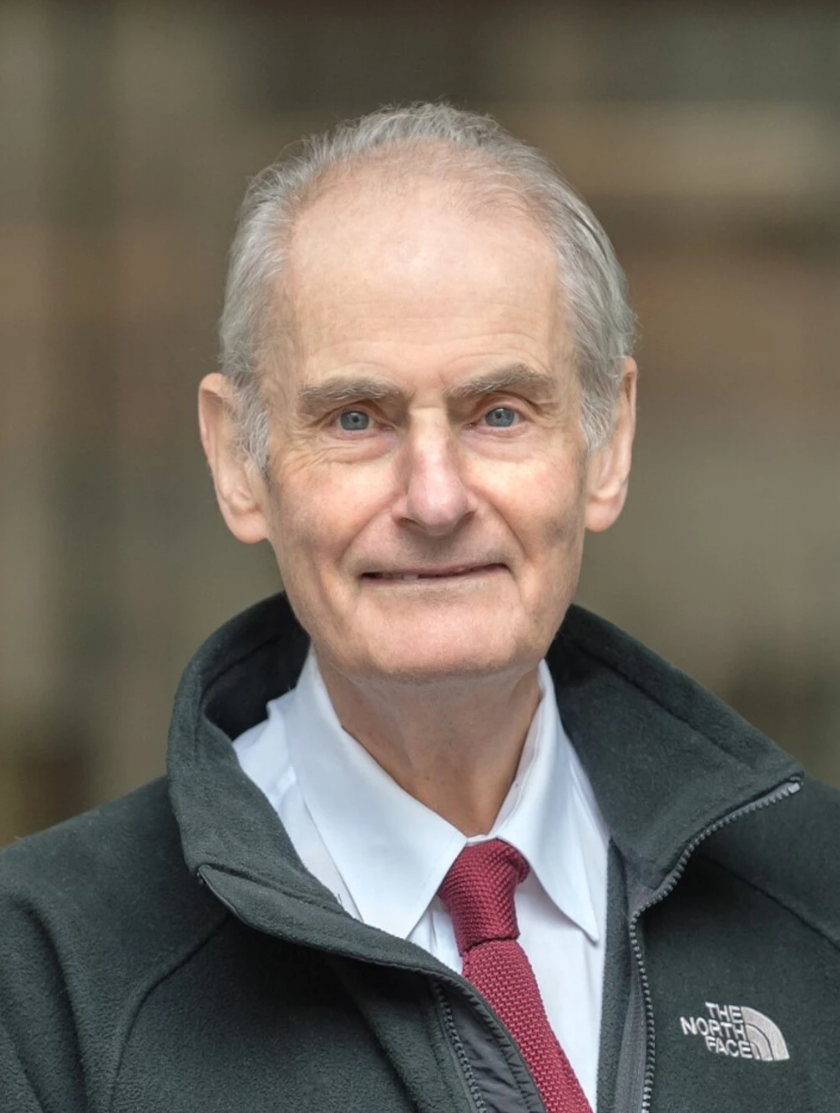 David Jenkins合作论文数Department of Nutritional Sciences, Temerty Faculty of Medicine, University of Toronto;Department of Medicine, Temerty Faculty of Medicine, University of Toronto;Clinical Nutrition and Risk Factor Modification Centre, St. Michael’s Hospital;Division of Endocrinology and Metabolism, Department of Medicine, St. Michael’s Hospital;Division of Gastroenterology, Department of Medicine, Toronto General Hospital2Alistair J. Ingram合作论文数Division of Nephrology, McMaster University2Shehla Izhar合作论文数2Thomas G Parker合作论文数2Praphulla C Shukla合作论文数2D Wigglesworth合作论文数2Sara Arab合作论文数1B Yanagawa合作论文数1A Al-Hesayen合作论文数1M Petracek合作论文数1Marcus J. Burnstein合作论文数1Amro Serag合作论文数1




