The quasiparticle effective mass m^* of the three-dimensional uniform electron gas (UEG) is a fundamental Fermi-liquid parameter whose value and density dependence have remained controversial for decades. Using renormalized perturbation theory with explicit counterterms, we determine m^* in the metallic regime (r_s ≤ 6) from first principles by two complementary routes – the self-energy and the forward-scattering four-point vertex via the p-wave spin-symmetric Landau parameter F_1^s – that agree within uncertainties at each density through sixth renormalized order. The resulting m^*/m remains close to unity throughout the metallic regime, with a shallow non-monotonic density dependence – a minimum near r_s≈ 1 followed by a gentle upturn – reflecting the interplay of exchange and dynamical screening in the self-energy, and disfavoring strong monotonic suppression. This finding supports a physical picture for the metallic UEG in which dominant charge correlations are concentrated in nearly forward scattering and generate only a weak F_1^s component.
We present TensorCircuit-NG, a next-generation quantum software platform designed to bridge the gap between quantum physics, artificial intelligence, and high-performance computing. Moving beyond the scope of traditional circuit simulators, TensorCircuit-NG establishes a unified, tensor-native programming paradigm where quantum circuits, tensor networks, and neural networks fuse into a single, end-to-end differentiable computational graph. Built upon industry-standard machine learning backends (JAX, TensorFlow, PyTorch), the framework introduces comprehensive capabilities for approximate circuit simulation, analog dynamics, fermion Gaussian states, qudit systems, and scalable noise modeling. To tackle the exponential complexity of deep quantum circuits, TensorCircuit-NG implements advanced distributed computing strategies, including automated data parallelism and model-parallel tensor network slicing. We validate these capabilities on GPU clusters, demonstrating a near-linear speedup in distributed variational quantum algorithms. TensorCircuit-NG enables flagship applications, including end-to-end QML for CIFAR-100 computer vision, efficient pipelines from quantum states to neural networks via classical shadows, and differentiable optimization of tensor network states for many-body physics.
We investigate the N-queens problem as a lattice gas – a model in which N queens are placed on an N × N chessboard with pairwise repulsive interactions along shared rows, columns, and diagonals – from the perspective of statistical mechanics. The ground states are exactly the Q(N) solutions of the classical N-queens problem, with entropy per queen s_0 ≈ln N - γ (γ≈ 1.944). This entropy reflects a characteristic constraint hierarchy: each successive geometric constraint – columns, then diagonals – reduces the entropy from the free-placement value ln N by a definite constant. We derive the exact high-temperature energy E/N → 5/3 as N →∞. Extensive Monte Carlo simulations with 10^8 sweeps per temperature point for N = 8–1024 reveal that the specific heat per queen C_v/N converges to a universal function of T as N →∞. The converged curve features a non-divergent peak C_v^max/N ≈ 1.63 at T^* ≈ 0.235 J, establishing the absence of a thermodynamic phase transition. Combined with the trivially exact high-temperature entropy S(∞)/N = (1/N) lnN^2N, the convergence of C_v/N enables a thermodynamic integration of C_v/T from T = ∞ to T = 0 that recovers the ground-state entropy – and hence the Simkin constant γ – purely from Monte Carlo data. This provides an independent thermodynamic route to a fundamental combinatorial constant. Thermodynamic integration yields γ_ MC = 1.946 ± 0.003 at N = 1024, within 0.1% of the precise combinatorial value γ= 1.94400(1). We further present a transfer-matrix-based tensor network formulation that encodes the non-attacking constraints into a rank-9 site tensor with 17 nonzero elements, providing a complementary exact-enumeration route.
We train a pair of autoregressive models to construct zero-mean control variates to mitigate the sign problem in quantum Monte Carlo simulations. The two autoregressive networks are confined to the positive- and negative-sign sectors with strictly disjoint support, and each is exactly normalized over its sector. Their difference is therefore structurally zero-mean, providing an unbiased auxiliary observable whose correlation with the sign estimator controls the variance reduction. We implement the method within the stochastic series expansion framework, which we extend to frustrated lattices by developing an incremental loop-topology update. Sign-ergodic sampling is achieved through a twist channel, which is the unique sign-changing mechanism on non-bipartite lattices. We implement the control variates as autoregressive transformers with an end-of-sequence parity mask that enforces exact sign-sector resolution, while the incremental loop-count change and cumulative frustration parity are incorporated as topological features. On the triangular-lattice Heisenberg antiferromagnet, we benchmark the method in the small-N limit. The control variate reduces the standard error of the average sign by up to an order of magnitude and that of the energy estimator by a factor of three to five, remaining effective even when the average sign drops below 10^-3. This work lays out the framework and provides a proof-of-principle demonstration that autoregressive control variates can effectively mitigate the sign problem. Scaling to larger systems with physics-informed architectures is the subject of future work.
We develop a deep variational free energy framework to compute the equation of state of hydrogen in the warm dense matter region. This method parameterizes the variational density matrix of hydrogen nuclei and electrons at finite temperature using three deep generative models: a normalizing flow model for the Boltzmann distribution of the classical nuclei, an autoregressive transformer for the distribution of electrons in excited states, and a permutational equivariant flow model for the unitary backflow transformation of electron coordinates in Hartree-Fock states. By jointly optimizing the three neural networks to minimize the variational free energy, we obtain the equation of state and related thermodynamic properties of dense hydrogen for the temperature range where electrons occupy excited states. We compare our results with other theoretical and experimental results on the deuterium Hugoniot curve, aiming to resolve existing discrepancies. Our results bridge the gap between the results obtained by path-integral Monte Carlo calculations at high temperature and ground-state electronic methods at low temperature, thus providing a valuable benchmark for hydrogen in the warm dense matter region.
Superconducting quantum computing is one of the most mature solid-state platforms for quantum computation, with processors exceeding one hundred qubits. Yet further scaling toward fault-tolerant quantum computing is increasingly constrained by calibration complexity. Conventional scripts are brittle to anomalous signals, and expert judgment is bounded by cognitive bandwidth and serial operation time, failing to keep pace with system scale. Here we report Vibe Calibration, an autonomous calibration system orchestrated by large language model agents, which distills expert tacit knowledge into reusable Skills. Each Skill is organized as a decision tree that packages parameterized measurement commands, quantitative acceptance criteria, and audit records, enabling autonomous execution and self-healing. We capture this knowledge through a three-phase human-in-the-loop distillation process and fine-tune a large language model on validated trajectories. On a 112-qubit processor with frequency-tunable transmons, the system autonomously completes calibration of 108 out of 112 qubits in 4.7 hours, achieving a 4–5× speedup over manual calibration of the full 112 qubits. A cross-validated comparison with expert manual calibration on a 16-qubit subset shows agreement on 14 out of 16 qubits. More importantly, the model demonstrates transferable calibration workflows across devices. While low-level control scripts require minor interface adaptation for different hardware platforms, the core decision logic and task orchestration generalize to new processors, demonstrating a reusable laboratory interface rather than a memorized script.This work demonstrates, for the first time, fully autonomous calibration of a hundred-qubit superconducting processor through reusable and auditable Skills, removing a critical barrier to scalable quantum hardware operation.
Proton ordering in water ice is a paradigmatic order-disorder transition in a locally constrained system. The ice rules require exactly two hydrogens close to each oxygen, restricting the disorder to an exponentially large yet strongly correlated manifold of hydrogen-bond configurations. Within this constrained space, meV-scale energy differences drive the transition from disordered ice Ih to ordered ice XI, while distinct configurations are separated by eV-scale barriers. These barriers hinder equilibration in experiments, and efficient sampling of this space with the required energy accuracy has remained a long-standing challenge in simulation. We address this by combining a machine learning interatomic potential with loop updates that preserve the ice rules and continuous updates of atomic coordinates, enabling equilibrium sampling with ab initio accuracy and capturing configurational entropic effects. In systems of up to 360 water molecules, with over 10^6 samples retained per temperature point, the simulations reveal clear first-order transition signatures at 83 K: a negative Binder cumulant, a bimodal potential energy distribution, and a sharp step in the lattice aspect ratio. Nuclear quantum effects are estimated to lower the transition temperature by approximately 20 K, bringing the prediction closer to the experimental value of 72 K.
We solve the time-dependent Schrödinger equation by learning the score function, the gradient of the log-probability density, on Bohmian trajectories. In Bohm's formulation of quantum mechanics, particles follow deterministic paths under the classical potential supplemented by a quantum potential depending on the score function of the evolving density. These non-crossing Bohmian trajectories form a continuous normalizing flow governed by the score. We parametrize the score with a neural network and minimize a self-consistent Fisher divergence between the network and the score of the resulting density. We prove that the zero-loss minimizer of this self-consistent objective recovers Schrödinger dynamics for nodeless wave functions, a condition naturally met in quantum vibrations of atoms. We demonstrate the approach on wavepacket splitting in a double-well potential and anharmonic vibrations of a Morse chain. By recasting real-time quantum dynamics as a self-consistent score-driven normalizing flow, this framework opens the time-dependent Schrödinger equation to the rapidly advancing toolkit of modern generative modeling.
Protonated methane, CH5+, is a highly fluxional molecule with large spatial motions of the hydrogen atoms. The molecule's anharmonic effects and the delocalized wavefunction of the hydrogen atoms significantly affect the excitation spectrum of the molecule. The neural canonical transformation (NCT) approach, which we previously developed to solve the vibrational spectra of molecules and solids, is a powerful method that effectively treats nuclear quantum effects and anharmonicities. Using NCT with wavefunctions in atomic coordinates rather than normal coordinates, we successfully calculate the ground and excited states of CH5+. We found that the wavefunctions for the ground state, as well as for low- and high-energy excited states, show preferences for the three stationary points on the potential energy surface. This work extends the applicability of the NCT approach for calculating excited states to fluxional molecules without fixed geometry.
Low-dimensional quantum magnets, particularly highly frustrated ones, exhibit strong spin fluctuations, which can be probed via nuclear magnetic resonance (NMR). However, numerical simulations of NMR relaxation rates, like the spin-lattice relaxation rate 1/T1, remain challenging for the real-time evolution or analytical continuation. Here we develop an imaginary-time approach for computing 1/T1 using thermal tensor networks (thermoTNs). We demonstrate the accuracy and versatility of the method by applying it to one-dimensional chain and twodimensional lattice models. Our results show that the critical exponents eta and z nu can be extracted from the low-temperature scaling behaviors of simulated 1/T1 data near the quantum critical points. We subsequently employ this method to investigate three representative quantum magnets: the Ising chain compound CoNb2O6, and the triangular-lattice quantum antiferromagnets Ba8CoNb6O24 and the AYbSe2 series (A = Na, K, Cs). On triangular lattice, the simulated 1/T1 data clearly track the transition from spin-ordered states to quantum spin liquids (QSLs), highlighting NMR relaxation rate as a sensitive probe for QSL in these actively studied systems. Moreover, the approach can be extended to transport properties like the thermal conductivity, by substituting relevant operators. We show that thermoTN, equipped with imaginary-time proxies, serves as a powerful and sensitive tool for simulating equilibrium and nonequilibrium phenomena in frustrated quantum magnets and correlated systems in general.
The time-dependent Schr & ouml;dinger equation (TDSE) in real space is fundamental to understanding the dynamics of many-electron quantum systems, with applications ranging from quantum chemistry to condensed matter physics and materials science. However, solving the TDSE for complex fermionic systems remains a significant challenge, particularly due to the need to capture the time-evolving many-body correlations, while the antisymmetric nature of fermionic wavefunctions complicates the function space in which these solutions must be represented. We propose a general-purpose neural network framework for solving the real-space TDSE, Fermionic Antisymmetric Spatiotemporal Network, which treats time as an explicit input alongside spatial coordinates, enabling a unified spatiotemporal representation of complex, antisymmetric wavefunctions for fermionic systems. This approach formulates the TDSE as a global optimization problem, avoiding step-by-step propagation and supporting highly parallelizable training. The method is demonstrated on five benchmark problems: a one-dimensional harmonic oscillator, interacting fermions in a time-dependent (TD) harmonic trap, three-dimensional hydrogen orbital dynamics, a laser-driven hydrogen atom, and a laser-driven H2 molecule, achieving excellent agreement with reference solutions across all cases. These results demonstrate the method's accuracy and flexibility within the bound-state manifold across various dimensions and interaction regimes. While the current localized Ansatz inherently restricts the description of extensive ionization and continuum states, the method demonstrates the capability to stably simulate coherent multi-electron dynamics over extended time windows. Our framework offers a highly expressive alternative to traditional basis-dependent or mean-field methods, opening new possibilities for ab initio simulations of TD quantum systems, with applications in quantum dynamics, molecular control, and ultrafast spectroscopy.
Graph-based collaborative filtering has achieved strong performance in recommendation, but it still suffers from global sparsity, noisy feedback, and long-tail effects. In such regimes, standard graph contrastive learning (GCL) may amplify spurious interactions instead of extracting reliable preference signals. We propose a signal purification and enrichment framework for GCL in long-tail recommendation. A dual-view backbone couples a structural GNN view with a low-rank SVD view to jointly capture local and global collaborative signals. On top of it, a popularity-debiased homogeneous augmentation module constructs user–user and item–item graphs to inject homophily into tail nodes while suppressing head-node dominance. Furthermore, a tail-aware vicinal debiasing module builds pseudo-clean sets, performs trusted neighborhood interpolation, and applies frequency-inverse reweighting to generate denoised targets and soft labels for sparse interactions. Extensive experiments on four real-world datasets (Yelp, Gowalla, Amazon-Book, and Tmall) show that our method consistently outperforms strong GCL and long-tail baselines in Recall@20 and NDCG@20, especially on tail users and items.
Accurate de novo molecular and materials design requires structure-property models that generalize beyond known regimes. Although pretrained atomistic models achieve strong in-distribution accuracy after fine-tuning, their reliability under out-of-distribution (OOD) conditions remains unclear. We identify a critical failure mode in downstream adaptation: standard fine-tuning induces representation collapse, erasing pretrained chemical and structural priors and severely degrading OOD performance. To address this limitation, we propose multi-task fine-tuning (MFT), which jointly optimizes downstream property prediction with a physically grounded force-field objective inherited from pretraining. This approach preserves essential chemical priors while enabling task-specific adaptation. Across molecular and materials benchmarks, MFT consistently improves OOD generalization, approaching the theoretical limit set by in-distribution accuracy, while outperforming standard fine-tuning, training from scratch, and state-of-the-art task-specific models. These results establish safe adaptation as a central requirement for large atomistic models and position MFT as a practical and data-efficient pathway toward robust molecular and materials discovery.
The spatial modulation of electron density into a wave-like pattern, known as charge density wave (CDW), represents a fundamental quantum state that often coexists with superconductivity, quantum Hall states and axion insulating phases. Conventional CDWs are mediated by longitudinal acoustic phonons, exhibit picometer-scale lattice distortions (10-12-10-11 m), and typically vanish upon approaching the atomic limit. Here, we report a series of anomalous CDW behaviors in the 2D superatomic superconductor Au6Te12Se8. Remarkably, its CDW is governed by transverse phonons and exhibits a real-space displacement of ~ 4 Ångström, which is an order of magnitude larger than that in conventional CDW. Furthermore, we observe a dimensional response persisting up to micrometer-scale thickness, a regime where other materials are already considered as bulk. Through liquid helium-temperature transmission electron microscopy, ultrafast pump-probe spectroscopy and transport measurements, we demonstrate a prominent enhancement of the CDW transition temperature (TCDW) from < 2 K in the bulk to 110 K upon approaching the "superatomic limit". Our findings not only reveal anomalous facets of both CDW and superatomic materials, but the competition between this anomalous CDW and superconductivity opens avenues for exploring unconventional electron-phonon interactions.
We investigate a computable and empirically implementable framework for continuous-time mean–variance optimal portfolio selection with random market coefficients. The market model is built on a tractable multifactor stochastic volatility structure, which captures state-dependent risk premia, stochastic volatility, and dynamic cross-asset dependence. The optimal control is characterized by stochastic Riccati equations. On the computational side, we design an iterative BSDE-based procedure to approximate the stochastic Riccati equation from above and below, where the initial upper and lower bounds are obtained by solving two linear BSDEs. We then apply a logarithmic transformation to remove the singularity in the SRE, and solve the resulting transformed equation using both Deep BSDE and DBDP methods. The linear BSDE bounds also provide effective initial-value estimates, improving the convergence speed and training stability of the Deep BSDE solver. Empirical experiments based on sector ETF data show that the proposed multifactor mean–variance strategy produces smooth target-return wealth dynamics, with improved drawdown control and downside-risk protection relative to benchmark strategies. These results demonstrate the practical potential of combining stochastic Riccati equations, neural BSDE solvers, and multifactor market modeling for dynamic asset allocation.
Accurate crystal structure prediction (CSP) requires accounting for finite-temperature and nuclear quantum effects, yet first-principles evaluation of the free energy surface (FES) remains prohibitive for high-throughput searches. We observe that the self-consistent harmonic approximation (SCHA) FES, as a function of nuclear centroid positions, shares the same mathematical structure as a potential-energy surface and can therefore be directly learned by a deep neural network potential. The resulting deep free energy (DF) model, constructed via a two-level concurrent-learning workflow, evaluates free energies, forces, and stresses in a single forward pass. Applied to the La-Sc-H system at 200 GPa and 300 K, DF-based CSP reproduces the stability of the experimentally observed LaH10 and LaSc2H24, and discovers an unreported thermodynamically stable clathrate hydride: P4/mmm LaScH8. Benchmarked on the LaH10 system, the DF model achieves a 1.72*10^6-fold cost reduction relative to DFT-level SSCHA. The DF framework provides a scalable route for incorporating finite-temperature and nuclear quantum effects into high-throughput crystal structure prediction.
We propose two distinct crosscap states for the two-dimensional (2D) Ising field theory. These two crosscap states, identifying Ising spins or dual spins (domain walls) at antipodal points, are shown to be related via the Kramers-Wannier duality transformation. We derive their Majorana free field representations and extend bosonization techniques to calculate correlation functions of the 2D Ising conformal field theory (CFT) with different crosscap boundaries. Away from criticality, we develop a conformal perturbation theory to calculate the Klein bottle entropy (norm-square of the crosscap overlap) as a universal scaling function [Phys. Rev. Lett. 130, 151602 (2023)]. For the Ising field theory, our analytical results support the conjectured monotonicity of the Klein bottle entropy under relevant perturbations. The formalism provides a general framework for studying perturbed 2D CFTs on non-orientable manifolds.
Exact sampling from the Boltzmann distribution of spin glasses remains an outstanding challenge: Markov chain Monte Carlo methods suffer from critical slowing down and metastable trapping, while modern neural autoregressive samplers such as variational autoregressive networks are approximate and, in the absence of exact reference samples, cannot be rigorously benchmarked. Here we present an exact autoregressive sampling algorithm for planar Ising spin glasses based on the Kac–Ward theory. Under the chain-rule factorization, sequentially fixing spins induces boundary-localized external fields, which destroy the zero-field structure required for exact evaluation. By encoding these fields with a planarity-preserving auxiliary spin construction, the conditional partition functions are mapped to an extended zero-field Ising model and exactly evaluated using the Kac–Ward determinant formula. The method generates strictly independent and identically distributed samples with exact normalized likelihoods at a computational cost of 𝒪(N^5/2) for N spins, thereby providing an exact baseline for benchmarking neural autoregressive samplers.
Detailed balance underlies conventional Markov-chain Monte Carlo (MCMC) algorithms. Yet in classical systems, breaking detailed balance generates irreversible probability currents and can accelerate sampling. Whether irreversibility can similarly enhance quantum MCMC remains an intriguing question. Here we show that irreversibility provides a new route to improving the recent quantum-enhanced MCMC (QEMC), which combines quantum proposals with classical acceptance. By introducing state-dependent proposals that break detailed balance while preserving the target stationary distribution, we develop an irreversible quantum-enhanced Monte Carlo (IQEMC). Guided by Landau-Zener transitions, IQEMC promotes large energy descents from high-energy states while maintaining stable transitions near low-energy states. On spin-glass benchmarks, IQEMC outperforms QEMC without increasing computational complexity and, unlike the annealing baseline, exhibits a spectral gap that increases with system size and annealing speed. These results establish irreversibility as a physically grounded mechanism for enhancing quantum MCMC.
Reinforcement fine-tuning played an instrumental role in enhancing the instruction-following and reasoning abilities of large language models. In this work, we employ reinforcement fine-tuning for materials design, in which discriminative machine learning models are used to provide rewards to the autoregressive transformer-based materials generative model CrystalFormer [Sci. Bull. 70, 3522 (2025)]. By optimizing the reward signals-such as energy above the convex hull and material property figures of merit-reinforcement fine-tuning infuses knowledge from discriminative models into generative models. The resulting model, CrystalFormer-RL, shows enhanced stability in generated crystals and successfully discovers crystals with desirable yet conflicting material properties, such as substantial dielectric constant and band gap simultaneously. Notably, we observe that reinforcement fine-tuning not only enables the property-guided material design but also unlocks property-based material retrieval behavior of pretrained generative model. The present framework opens an exciting gateway to the synergies of the machine learning ecosystem for materials design.
 Matthias Troyer合作论文数Swiss Joint Research Center, Microsoft;Stellenbosch University19
 Xi Dai (戴希)合作论文数Department of Physics, The Hong Kong University of Science and Technology;University of California Santa Barbara14
 Pan Zhang (张潘)合作论文数Institute of Theoretical Physics, Chinese Academy of Sciences13
 Hong-Hao Tu合作论文数12
 Zi Cai (蔡子)合作论文数School of Physics and Astronomy, Shanghai Jiao Tong University9
 Liu Jinguo合作论文数Chinese Acad Sci, Inst Phys8
 Wei Tang合作论文数Department of Physics and Astronomy, Ghent University8
 Linfeng Zhang (张林峰)合作论文数DP Technology;AI for Science Institute, Beijing8Hsiang-Hsuan Hung合作论文数8
 Xincheng Xie (谢心澄)合作论文数School of Physics, Peking University;Interdisciplinary Center for Theoretical Physics and Information Sciences, Fudan University;Department of Physics, Fudan University6
 Xingyu Zhang (张行愚)合作论文数School of Information Science and Engineering, Shandong University6
 Wei Li (李伟)合作论文数Institute of Theoretical Physics, Chinese Academy of Sciences;University of Chinese Academy of Sciences6
 Han Wang (王涵)合作论文数Laboratory of Computational Physics, Institute of Applied Physics and Computational Mathematics6
 Kebin Zhou (周克斌)合作论文数College of Chemistry and Chemical Engineering, University of Chinese Academy of Sciences6Hao Xie合作论文数5
 Tao Xiang (向涛)合作论文数Beijing National Laboratory for Condensed Matter Physics, Institute of Physics, Chinese Academy of Sciences;University of Chinese Academy of Sciences5
 Peng Zhang (张鹏)合作论文数School of Computer Science and Technology, College of Intelligence and Computing, Tianjin University5
 Yinghai Wu (吴英海)合作论文数School of Physics, Huazhong University of Science and Technology5
 Song Cheng (程嵩)合作论文数Yanqi Lake Beijing Institute of Mathematical Sciences and Applications5Qi Zhang合作论文数4Shuo-Hui Li合作论文数4
 Congjun Wu合作论文数Department of Physics, University of California, San Diego4
 Zhong Fang (方忠)合作论文数Institute of Physics, Chinese Academy of Sciences;University of Chinese Academy of Sciences4
 Heng Fan (范桁)合作论文数Lab of Solid State Quantum Information & Computation, Institute of Physics, Chinese Academy of Sciences;University of Chinese Academy of Sciences4
 Yupeng Wang (王玉鹏)合作论文数Institute of Physics, Chinese Academy of Sciences;University of Chinese Academy of Sciences4
 Yehua Liu合作论文数Zhejiang University, Zhejiang University4Haijun Liao (廖海军)合作论文数4
 Youjin Deng (邓友金)合作论文数Division of Quantum Physics and Quantum Information, Hefei National Laboratory for Physical Sciences at Microscale, University of Science and Technology of China;Division of Theoretical Physics, Department of Modern Physics, University of Science and Technology of China4
 Shu Chen (陈澍)合作论文数Key Laboratory of Condensed Matter Theory and Computation, Institute of Physics, Chinese Academy of Sciences;University of Chinese Academy of Sciences4
 Mauro Iazzi合作论文数4
 Jun Wang (汪军)合作论文数Department of Computer Science, University College London;MediaGamma Limited4Xiang Chen合作论文数3
 Dong Zheng合作论文数Kuaishou Technology3
 Zhaoyu Han合作论文数Dept Phys, Stanford Univ3
 Xiansheng Cai合作论文数Dept Phys, Univ Massachusetts3Sirui Wang (王思睿)合作论文数Meituan Inc3
 Sachi Arafat合作论文数Fac Comp & Informat Technol, King Abdulaziz Univ3
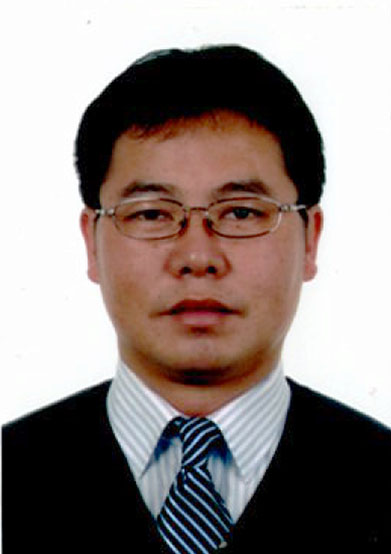 Youguo Shi (石友国)合作论文数Beijing National Laboratory for Condensed Matter Physics, Institute of Physics, Chinese Academy of Sciences3
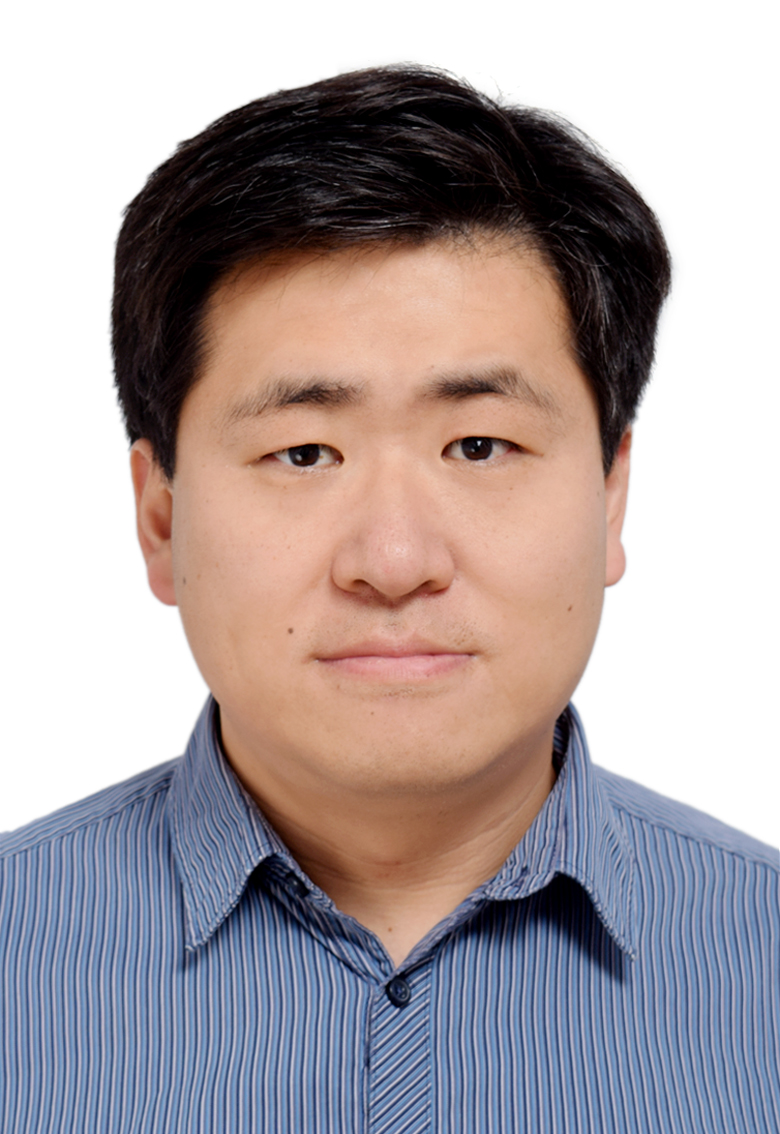 Yang Qi (戚扬)合作论文数Department of Physics, Fudan University3
 Kun Chen合作论文数University of Science and Technology of China, Univ. of Sci. and Technol. of China3
 Yang Dan合作论文数School of Materials Science and Engineering, Nanyang Technological University;TUM CREATE;School of Materials Science and Engineering, Nanyang Technological University3
 Ingo Frommholz合作论文数Department of Computer Science and Technology, University of Bedfordshire3
 Massimo Melucci合作论文数Department of Information Engineering University of Padua3
 Hua Jiang (江华)合作论文数Interdisciplinary Center for Theoretical Physics and Information Sciences, Fudan University3
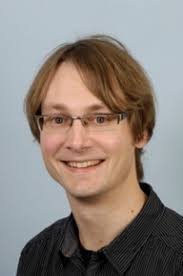 Philippe Corboz合作论文数Institute for Theoretical Physics, Institute of Physics, University of Amsterdam3
 Gregory Fiete合作论文数Department of Physics, College of Science, Northeastern University;Center for Quantum Matter and Correlated Electron Theory, Northeastern University3Run-Ze Chi合作论文数2Yangzhao Sun合作论文数2Kai Xu (许凯)合作论文数Institute of Physics, Chinese Academy of Sciences;University of Chinese Academy of Sciences2




