Tyrosine kinase inhibitor(TKI)combined with immunotherapy regimens are now widely used for treating advanced hepatocellular carcinoma(HCC),but their clinical efficacy is limited to a subset of patients.Considering that the vast majority of advanced HCC patients lose the opportunity for liver resection and thus cannot provide tumor tissue samples,we leveraged the clinical and image data to construct a multimodal convolutional neural network(CNN)–Transformer model for predicting and analyzing tumor response to TKI–immunotherapy.We employed an automatic liver tumor segmentation system,based on a two-stage 3D U-Net framework,to delineate lesions by first segmenting the liver parenchyma and then precisely localizing the tumor.This approach effectively addresses the variability in clinical data and significantly reduces bias introduced by manual intervention.Next,we developed a clinical model using only pretreatment clinical information,a CNN model using only pretreatment magnetic resonance imaging data,and an advanced multimodal CNN–Transformer model fusing both imaging and clinical parameters from a training cohort(n=181)and then compared their predictive performances in an independent cohort(n=30).In the validation cohort,the area under the curve(95%confidence interval)values were 0.720(0.710–0.731),0.695(0.683–0.707),and 0.785(0.760–0.810),respectively,indicating that the multimodal model significantly outperformed the single-modality baseline models across validations.Finally,single-nucleus sequencing with the surgical tumor specimens reveals tumor ecosystem diversity associated with treatment response,providing a preliminary biological validation for the prediction model.In summary,this multimodal model effectively integrates imaging and clinical features of HCC patients,has a superior performance in predicting tumor response to TKI–immunotherapy,and provides a reliable tool for optimizing personalized treatment strategies.
FGFR2 fusion is a common alteration in malignancies, including intrahepatic cholangiocarcinoma (iCCA). While FGFR2 fusion has oncogenic properties, iCCA patients harboring this alteration demonstrate favorable prognosis, remaining a paradox. Here, we delineated the transcriptomic landscape of FGFR2 fusion-positive iCCA. We observed transcriptional features related to PI3K-AKT signaling in tumor cells and reduced neutrophil infiltration, particularly of the PD-L1+ neutrophil subtype. Mechanistically, FGFR2 fusion was associated with reduced H3K27ac enrichment at the CXCL3 promoter and decreased CXCL3 expression in tumor cells, which may contribute to impaired neutrophil recruitment to tumor tissues. In preclinical models, pharmacological FGFR inhibition increased CXCL3 levels and neutrophil infiltration. Combining neutrophil blockade with clinically available FGFR inhibitors enhanced antitumor activity. In conclusion, this study provides mechanistic insights into the paradox between the oncogenic properties of FGFR2 fusion and favorable clinical outcomes in FGFR2 fusion-positive iCCA, and suggests a potential strategy to optimize FGFR2-targeted therapies.
BACKGROUND:Sympathetic signalling plays a critical role in the initiation and progression of various malignancies. However, its specific contribution to intrahepatic cholangiocarcinoma (iCCA) remains poorly understood. OBJECTIVE:This study aimed to investigate the effects and underlying mechanisms of sympathetic signalling on tumour and immune cells, and to explore the potential efficacy of targeting sympathetic pathways in iCCA characterised by perineural invasion (PNI). DESIGN:Single-cell RNA sequencing was employed to elucidate the impact of PNI on iCCA. In vivo and in vitro experiments were conducted to decipher the molecular mechanisms. Preclinical models were used to investigate the therapeutic potential of targeting sympathetic signalling. RESULTS:Tyrosine hydroxylase-positive sympathetic nerve fibres were detected in PNI+ iCCA, accompanied by elevated norepinephrine (NE). We constructed an atlas of PNI+ iCCA at single-cell transcriptional level, characterised by MDK overexpression and reduced infiltration of CD56dimCD16+ natural killer (NK) cells. Mechanistically, NE was found to upregulate MDK expression via the ADRB2/PI3K-AKT/p65 axis, thereby promoting tumour progression of PNI+ iCCA. Furthermore, NE might induce NK cell ferroptosis by triggering an imbalance in glutamate/cysteine metabolism in PNI+ iCCA via ADRB2. Loss of sympathetic innervation in mice reduced NE concentrations and MDK expression, while increasing NK cell infiltration and inhibiting tumour growth. Preliminary results suggested that blockers of β-adrenergic receptors suppressed iCCA progression. CONCLUSION:This study uncovers a novel neuro-immune-tumour axis in iCCA and provides a mechanistic rationale for targeting β-adrenergic signalling as a possible therapeutic strategy for PNI+ iCCA.
BACKGROUND AND AIMS:Primary sclerosing cholangitis (PSC) is a progressive cholestatic liver disease with a high risk of malignancy and limited therapeutic options. Both the American Association for the Study of Liver Diseases (AASLD) and the European Association for the Study of the Liver (EASL) recommend structured baseline evaluation, fibrosis staging and longitudinal surveillance. However, real-world adherence to these practices in North America remains unclear. METHODS:We conducted a retrospective cohort study of 1300 patients with PSC enrolled in the Consortium for Autoimmune Liver Diseases (CALiD) registry between 2018 and 2024 across 19 centres in North America. Guideline adherence was assessed for diagnostic measures at baseline (colonoscopy to establish IBD status and noninvasive fibrosis staging) and longitudinal surveillance (colonoscopy in PSC-IBD, abdominal imaging for hepatobiliary cancer surveillance and CA 19-9 testing). Prescribing patterns for ursodeoxycholic acid (UDCA) were also characterised. Multivariable logistic regression was used to evaluate demographic, clinical and socioeconomic predictors of adherence. RESULTS:At diagnosis, 78.8% of eligible patients with available data underwent colonoscopy to establish IBD status, and 45% underwent noninvasive fibrosis staging. During follow-up, only 30%-35% of patients with PSC-IBD underwent colonoscopy annually, while abdominal imaging for hepatobiliary cancer surveillance declined from 74% at Year 1 to 51% by Year 4. CA 19-9 testing was documented in 47% over 5-year period. UDCA was prescribed in 51% at baseline, with median dose of 12.5 mg/kg/day. Socioeconomic factors, including lower education and household income, were associated with reduced adherence, while cirrhosis strongly predicted completion of surveillance imaging. CONCLUSIONS:Adherence to guideline-based care in PSC remains suboptimal in North America Suboptimal adherence was observed for strongly recommended practices with longstanding guideline support (colonoscopy to establish IBD status; annual CRC surveillance in PSC-IBD) as well as practices where guideline consensus has evolved more recently or where societies differ (baseline fibrosis assessment; hepatobiliary cancer imaging). Efforts to standardise care and address socioeconomic barriers are urgently needed to improve outcomes.
BACKGROUND:Patients with intrahepatic cholangiocarcinoma have a poor prognosis and high postoperative recurrence rates. Immunochemotherapy has been approved as a first-line treatment for advanced biliary tract cancer. We aimed to explore the activity and safety of camrelizumab, an anti-PD-1 immunotherapy, combined with capecitabine chemotherapy in the adjuvant treatment of patients with resected intrahepatic cholangiocarcinoma. METHODS:ACC was a single-arm, single-centre, open-label, phase 2 trial in adult patients (aged 18-75 years) with R0-resected, pathologically confirmed intrahepatic cholangiocarcinoma (staged as IA with G3 classification or IB-III per the American Joint Committee on Cancer staging system [8th edition, 2017]) done at Zhongshan Hospital, Fudan University (Shanghai, China). Eligible patients had no extrahepatic metastases, an Eastern Cooperative Oncology Group performance status of 0 or 1, and adequate organ function. 4-8 weeks after surgery, patients received eight 21-day cycles of intravenous camrelizumab (200 mg on day 1 of each cycle) plus oral capecitabine (1250 mg/m2 twice daily on days 1-14, followed by a 7-day rest period). The primary endpoint was recurrence-free survival, assessed in the full analysis set (FAS), which included patients who had received at least one dose of either drug. Safety was assessed in the safety set, which included patients who received at least one dose of either drug and completed at least one post-baseline safety assessment following enrolment. This study is registered with ClinicalTrials.gov (NCT04295317) and is currently ongoing but no longer recruiting new patients. FINDINGS:Between Sept 7, 2020, and Nov 18, 2022, 65 patients were enrolled (median age 64 years [IQR 54-70]) and included in the FAS and safety set. 40 (62%) patients were male and 25 (38%) were female. At the data cutoff of Nov 19, 2024, the median follow-up duration was 33·73 months (IQR 24·86-40·38) and 36 (55%) of 65 patients had recurrence (24 [67%] with intrahepatic recurrence only, six [17%] with both intrahepatic and extrahepatic recurrence, and six [17%] with extrahepatic recurrence only). Median recurrence-free survival was 24·29 months (95% CI 13·54-not reached). The most common treatment-related adverse events (occurring in ≥10% of patients) were reactive cutaneous capillary endothelial proliferation (45 [69%] patients), nausea (21 [32%] patients), hand-foot syndrome (19 [29%] patients), pruritus (11 [17%] patients), fatigue (11 [17%] patients), and dizziness (nine [14%] patients). Grade 3 treatment-related adverse events occurred in 15 (23%) patients, the most common of which was elevated bilirubin (two [3%] patients). Serious treatment-related adverse events were reported in four (6%) patients, including one case each of myocarditis, myalgia, type 1 diabetes, and hypothyroidism. No grade 4 treatment-related adverse events or treatment-related deaths occurred. INTERPRETATION:The combination of camrelizumab and capecitabine showed promising activity with an acceptable safety profile in the adjuvant setting for patients with resected intrahepatic cholangiocarcinoma. Further validation of this immunochemotherapy regimen is warranted in larger, multicentre trials. FUNDING:Clinical Research Special Fund, Zhongshan Hospital, Fudan University.
BackgroundImmune checkpoint blockade, particularly targeting programmed death 1 (PD-1) and programmed death ligand 1 (PD-L1), shows promise in treating hepatocellular carcinoma (HCC). However, acquired resistance, especially in patients with 'hot tumours', limits sustained benefits. Lysine-specific demethylase 1 (LSD1) plays a role in converting 'cold tumours' to 'hot tumours', but its involvement in PD-1 inhibitor resistance in HCC is unclear.MethodsLSD1 and PD-L1 expression, along with CD8+ T cell infiltration, were assessed using immunohistochemistry in HCC tissues, correlating these markers with patient prognosis. The impact of LSD1 deletion on tumour cell proliferation and CD8+ T cell interactions was examined in vitro. Mouse models were used to study the combined effects of LSD1 inhibition and anti-PD-1 therapy on tumour growth and the tumour microenvironment (TME). The clinical relevance of LSD1, CD74 and effector CD8+ T cells was validated in advanced HCC patients treated with PD-1 blockade.ResultsLSD1 overexpression in HCC patients correlated with reduced PD-L1 expression, less CD8+ T cell infiltration and poorer prognosis. LSD1 deletion increased PD-L1 expression, boosted effector CD8+ T cells in vitro and inhibited tumour growth in vivo. While anti-PD-1 monotherapy initially suppressed tumour growth, it led to relapse upon antibody withdrawal. In contrast, combining LSD1 inhibition with anti-PD-1 therapy effectively halted tumour growth and prevented relapse, likely through TME remodelling, enhanced CD8+ T cell activity and improved CD74-mediated antigen presentation. Clinically, low LSD1 expression was associated with better response to anti-PD-1 therapy.ConclusionLSD1 deletion reshapes the TME, enhances CD8+ T cell function and prevents acquired resistance to anti-PD-1 therapy in HCC. The combination of LSD1 inhibitors and PD-1 blockade offers a promising strategy for overcoming resistance in advanced HCC.Key points Uncovering the synthetic lethality resulting from LSD1 deletion and PD1 inhibitor co-administration, evaluating their combined effects on tumour growth and TME remodelling. Elucidating the mechanism underlying the combined therapy of LSD1 deletion with PD1 inhibition for HCC. Exploring the implications of LSD1, CD74 and effector CD8+ T cell expression levels in advanced HCC patients undergoing anti-PD1 treatment.
Intratumoral heterogeneity (ITH) in hepatocellular carcinoma (HCC), driven by malignant cells plasticity, underlies differential responses to immune checkpoint inhibitors (ICIs). Single-nucleus sequencing revealed that hypoxic stress regulated malignant cellular plasticity, promoting transitions from an innate immune-responsive state to a non-responsive state with elevated lipid metabolism and angiogenesis. Whole-transcriptome sequencing revealed CircARSB was upregulated in responders and indicated better prognosis under ICIs treatment. Mechanistically, under normoxia, CircARSB activated the type I interferon-mediated innate immune pathway, whereas under hypoxia, it underwent m6A methylation and interacted with MOV10 to inhibit lipid metabolism. Exosomal CircARSB suppressed angiogenesis and facilitated ICI-responsive Kupffer cell subclusters. In vivo, under tyrosine kinase inhibitor (TKI)-alleviated hypoxia, adeno-associated virus (AAV)-delivered CircARSB remodeled the ICI-responsive tumor microenvironment by promoting CD8+ T cell infiltration, M1 macrophage polarization, and IFN-β production. Clinically, an MRI-based radiomics model (Circ-DWI with HIF1A-ADC) was developed to guide personalized treatment ICIs, alone or in combination with TKIs or CircARSB. Collectively, hypoxia-related CircARSB emerges as a promising biomarker for therapeutic response stratification and a potential target to enhance the efficacy of ICIs-based therapy in HCC.
Background Numerous studies have demonstrated limited survival benefits of transarterial chemoembolization (TACE) alone in the treatment of intermediate-stage hepatocellular carcinoma (HCC) beyond up-to-seven criteria. The advent of immunotherapy, particularly immune checkpoint inhibitors (ICIs), has opened new avenues for HCC treatment. However, TACE combined with ICIs has not been investigated for patients with intermediate-stage HCC beyond the up-to-seven criteria. The study aims to evaluate the efficacy and safety of this treatment strategy for such patients.Methods In this single-arm, prospective, phase II study, we enrolled eligible patients with HCC who were treated with TACE plus programmed cell death protein 1 (PD-1) inhibitors (sintilimab) from April 2021 to February 2023. The study’s primary objectives were to assess progression-free survival (PFS) and safety. Secondary objectives included measuring the objective response rate (ORR) and disease control rate (DCR) as per both Response Evaluation Criteria in Solid Tumors (RECIST) V.1.1 and modified RECIST (mRECIST) criteria, as well as overall survival (OS). Additionally, we conducted correlation analyses to identify predictors influencing the efficacy of tumor treatment.Result 20 patients participated in this study, with a median follow-up duration of 22.0 months. Median PFS was 8.4 months (95% CI: 4.7 to 19.7) according to both RECIST V.1.1 and mRECIST. The ORR was 30.0% (95% CI: 14.6% to 51.9%) per RECIST 1.1% and 60% (95% CI: 38.7% to 78.1%) per mRECIST. DCR was 95.0% (95% CI: 76.4% to 99.1%) according to both RECIST V.1.1 and mRECIST. Median OS was not yet reached. Notably, 20% (4/20) of patients underwent successful conversion to curative surgical resection. Treatment-related adverse events (TRAEs) mainly included elevated aspartate aminotransferase levels (19/20, 95.0%), elevated alanine aminotransferase levels (18/20, 90.0%), hypothyroidism (18/20, 90.0%), and reduced appetite (10/20, 50.0%). Among all participants, only one experienced grade 3 TRAE (myocarditis). We employed the Elastic Net regression model to analyze radiomic features from tumor and peritumoral areas to predict the efficacy of this treatment strategy.Conclusion TACE plus PD-1 inhibitors demonstrated promising efficacy and an acceptable safety profile, suggesting it as a potential treatment option for patients with intermediate-stage HCC beyond up-to-seven criteria. Furthermore, our study indicates that specific image-based features may serve as predictors for patients likely to benefit from this treatment approach.Trial registration number NCT04842565.
OBJECTIVE:This study aims to analyze the occurrence of recompensation after transjugular intrahepatic portosystemic shunt (TIPS) for patients with cirrhosis and portal hypertension and its impact on mortality risk. METHODS:The clinical data of 621 cirrhotic patients who underwent TIPS creation were retrospectively analyzed. Patients were categorized into a recompensation group (n = 126) and a non-recompensation group (n = 495). Binary logistic regression was used to identify independent predictors of recompensation. Kaplan-Meier (KM) survival curves were employed to assess the differences in survival between the two groups, and the Cox proportional hazards model was utilized to analyze the risk factors for mortality. RESULTS:At 12 months after TIPS placement, 20.3 % of patients achieved recompensation. The recompensation group demonstrated significant improvements in both Child-Pugh and MELD scores (P < 0.05). Sarcopenia and platelet count (PLT) were identified as independent predictors of recompensation. The cumulative survival rate in the recompensation group was significantly higher than that of the non-recompensation group (HR = 2.275, 95 % CI = 1.606-3.223, Log-rank P < 0.001). Age, sarcopenia, and the occurrence of recompensation were identified as independent factors that influenced mortality risk. CONCLUSION:TIPS was associated with recompensation in certain patients, and the occurrence of recompensation is significantly associated with improved long-term survival.
The relationship between vitamin D intake and asthma prevalence, as well as the control of asthma symptoms, remains a contentious issue in clinical settings. This study aims to clarify the relationship between vitamin D intake and asthma outcomes. In this study, three logistic regression models were employed to investigate the association between vitamin D intake and the prevalence of asthma. And a generalized additive model with a smoothing spline were utilized to explore the linear association. Additionally, subgroup analyses were conducted to assess potential effect modification by various factors. For asthmatic patients, the cox proportional hazards models were used to examine the relationship between vitamin D intake and mortality outcomes. And the restricted cubic splines were applied to assess non-linear relationships and threshold effect analyses were conducted to identify potential optimal levels of vitamin D intake that could significantly impact the risk of death from asthma. The data for this analysis were sourced from the National Health and Nutrition Examination Survey database. The logistic regression analyses revealed a significant inverse association between vitamin D intake and asthma prevalence, with each unit increase in logarithmic vitamin D intake (Log VITD) associated with an 8
Expression of transmembrane protein 106A (TMEM106A) has been reported to be dysregulated in several types of cancers. However, the role of TMEM106A in hepatocellular carcinoma (HCC) is still unknown. In the present study, we demonstrate that TMEM106A is markedly downregulated in HCC compared with normal liver tissue. In particular, tumor-specific DNA methylation of TMEM106A is frequently observed in tumor tissues from HCC patients. Immunohistochemistry and pyrosequencing reveal a significant relationship between TMEM106A methylation and downregulation of protein expression. Receiver operating characteristic (ROC) curve analysis reveals that methylation of TMEM106A in tumor samples is different from that in non-malignant adjacent tissues of HCC patients. Moreover, HCC patients with TMEM106A hypermethylation have a poor clinical prognosis. 5-Aza-2'-deoxycytidin treatment of hypermethylated TMEM106A in highly metastatic HCC cells increases the expression of TMEM106A. Functional assays reveal that overexpression of TMEM106A significantly suppresses the malignant behavior of HCC cells in vitro and decreases tumorigenicity and lung metastasis in vivo. Mechanistically, TMEM106A inhibits epithelial mesenchymal transition (EMT) of HCC cells through inactivation of the Erk1/2/Slug signaling pathway. In conclusion, our findings demonstrate that TMEM106A is an inhibitor of HCC EMT and metastasis, and TMEM106A is often transcriptionally downregulated by promoter methylation, which results in reduced levels of TMEM106A protein and predicts poor survival outcomes for HCC patients.
Background: The natural history of primary sclerosing cholangitis (PSC) among African Americans (AA) is not well understood. Methods: Transplant-free survival and hepatic decompensation-free survival were assessed using a retrospective research registry from 16 centers throughout North America. Patients with PSC alive without liver transplantation after 2008 were included. Diagnostic delay was defined from the first abnormal liver test to the first abnormal cholangiogram/liver biopsy. Socioeconomic status was imputed by the Zip code. Results: Among 850 patients, 661 (77.8%) were non-Hispanic Whites (NHWs), and 85 (10.0%) were AA. There were no significant differences by race in age at diagnosis, sex, or PSC type. Inflammatory bowel disease was more common in NHWs (75.8% vs. 51.8% p=0.0001). The baseline (median, IQR) Amsterdam-Oxford Model score was lower in NHWs (14.3, 13.4-15.2 vs. 15.1, 14.1-15.7, p=0.002), but Mayo risk score (0.03, -0.8 to 1.1 vs. 0.02, -0.7 to 1.0, p=0.83), Model for End-stage Liver Disease (5.9, 2.8-10.7 vs. 6.4, 2.6-10.4, p=0.95), and cirrhosis (27.4% vs. 27.1%, p=0.95) did not differ. Race was not associated with hepatic decompensation, and after adjusting for clinical variables, neither race nor socioeconomic status was associated with transplant-free survival. Variables independently associated with death/liver transplant (HR, 95% CI) included age at diagnosis (1.04, 1.02-1.06, p<0.0001), total bilirubin (1.06, 1.04-1.08, p<0.0001), and albumin (0.44, 0.33-0.61, p<0.0001). AA race did not affect the performance of prognostic models. Conclusions: AA patients with PSC have a lower rate of inflammatory bowel disease but similar progression to hepatic decompensation and liver transplant/death compared to NHWs.
BACKGROUND & AIMS:Recurrent primary biliary cholangitis (rPBC) develops in approximately 30% of patients and negatively impacts graft and overall patient survival after liver transplantation (LT). There is a lack of data regarding the response rate to ursodeoxycholic acid (UDCA) in rPBC. We evaluated a large, international, multi-center cohort to assess the performance of PBC scores in predicting the risk of graft and overall survival after LT in patients with rPBC. METHODS:A total of 332 patients with rPBC after LT were evaluated from 28 centers across Europe, North and South America. The median age at the time of rPBC was 58.0 years [IQR 53.2-62.6], and 298 patients (90%) were female. The biochemical response was measured with serum levels of alkaline phosphatase (ALP) and bilirubin, and Paris-2, GLOBE and UK-PBC scores at 1 year after UDCA initiation. RESULTS:During a median follow-up of 8.7 years [IQR 4.3-12.9] after rPBC diagnosis, 52 patients (16%) had graft loss and 103 (31%) died. After 1 year of UDCA initiation the histological stage at rPBC (hazard ratio [HR] 3.97, 95% CI 1.36-11.55, p = 0.01), use of prednisone (HR 3.18, 95% CI 1.04-9.73, p = 0.04), ALP xULN (HR 1.59, 95% CI 1.26-2.01, p <0.001), Paris-2 criteria (HR 4.14, 95% CI 1.57-10.92, p = 0.004), GLOBE score (HR 2.82, 95% CI 1.71-4.66, p <0.001), and the UK-PBC score (HR 1.06, 95% CI 1.03-1.09, p <0.001) were associated with graft survival in the multivariate analysis. Similar results were observed for overall survival. CONCLUSION:Patients with rPBC and disease activity, as indicated by standard PBC risk scores, have impaired outcomes, supporting efforts to treat recurrent disease in similar ways to pre-transplant PBC. IMPACT AND IMPLICATIONS:One in three people who undergo liver transplantation for primary biliary cholangitis develop recurrent disease in their new liver. Patients with recurrent primary biliary cholangitis and incomplete response to ursodeoxycholic acid, according to conventional prognostic scores, have worse clinical outcomes, with higher risk of graft loss and mortality in similar ways to the disease before liver transplantation. Our results supportsupport efforts to treat recurrent disease in similar ways to pre-transplant primary biliary cholangitis.
Protein tyrosine phosphatases (PTPs) are involved in malignant transformation and metastasis. According to one of our previous studies, Slingshot homolog 1 (SSH1), a member of PTPs, is significantly associated with the survival of intrahepatic cholangiocarcinoma (iCCA) patients. However, the underlying mechanisms of SSH1 in iCCA remain largely elusive. Here, the expression and clinical significance of SSH1 were assessed using the iCCA patient samples. The results showed that SSH1 was dramatically up-regulated in iCCA tissues and elevated SSH1 expression was associated with worse overall survival of iCCA patients. Overexpression of SSH1 accelerated the proliferation, migration, and invasion of iCCA cells, and also inhibited cell apoptosis. Furthermore, the downstream signaling pathway of SSH1 in iCCA was explored and it was revealed that the increased expression of SSH1 could activate the p38 mitogen-activated protein kinase (MAPK) pathway and enhance the expression of C-X-C motif chemokine ligand 8 (CXCL8). Notably, the high correlation of SSH1 with CXCL8 jointly indicated the poor prognosis in iCCA patients. Thus, our study suggests SSH1 as a potentially promising target for iCCA, which promoted iCCA progression through a potential p38 MAPK-CXCL8 axis.
 Jia Fan (樊嘉)合作论文数Zhongshan Hospital, Fudan University;Liver Cancer Institute, Fudan University;Shanghai Medical College, Fudan University27
 Jian Zhou (周健)合作论文数Shanghai Sixth People’s Hospital Affiliated to Shanghai Jiao Tong University School of Medicine20
 Yuqi Feng (冯钰锜)合作论文数School of Biomedical Engineering and Health, Wuhan Textile University18
 Zhi Dai (代智)合作论文数Zhongshan Hospital, Fudan University16
 Zheng Wang合作论文数Liver Canc Inst, Fudan Univ14
 George N. Ioannou合作论文数Department of Medicine, University of Washington;Division of Gastroenterology, University of Washington;Department of Hepatology, VA Puget Sound Health Care System10
 Yinghong Shi (史颖弘)合作论文数Zhongshan Hospital, Fudan University;Liver Cancer Institute, Fudan University10
 Zhaoyou Tang (汤钊猷)合作论文数Institutes of Biomedical Sciences, Fudan University;Liver Cancer Institute, Fudan University8Zhenbin Ding合作论文数Fudan University, Fudan University8Lisa M. Forman合作论文数7David Assis合作论文数Digestive Diseases, Internal Medicine, Yale School of Medicine, Yale University7Cai Wen-Jing合作论文数7
 Morishima Chihiro合作论文数Department of Laboratory Medicine & Pathology, University of Washington7
 Stuart Gordon合作论文数Gastroenterology-Hepatology, William Beaumont Hospital7
 Guo-Ming Shi (施国明)合作论文数Zhongshan Hospital, Fudan University7
 Cynthia Levy合作论文数7Liou Iris W合作论文数6
 Ellina Lytvyak合作论文数6
 Kai Zhu (朱铠)合作论文数Shanghai Institute of Cardiovascular Diseases, Fudan University6
 Xin-Rong Yang (杨欣荣)合作论文数Zhongshan Hospital, Fudan University6Aldo J. Montano-Loza合作论文数6
 Bi-Feng Yuan (袁必锋)合作论文数School of Public Health, Wuhan University6
 Craig Lammert合作论文数6
 Renuka Bhattacharya合作论文数5
 Qing Chen (陈青)合作论文数复旦大学附属妇产科医院乳腺科5
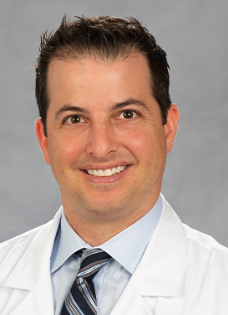 David S. Goldberg合作论文数Division of Digestive Health & Liver Diseases, Department of Medicine, Miller School of Medicine, University of Miami5
 Qiang Gao (高强)合作论文数Institutes of Biomedical Sciences, Fudan University;Zhongshan Hospital, Fudan University5
 Xiaowu Huang (黄晓武)合作论文数Zhongshan Hospital, Fudan University5Hai-Ying Zeng合作论文数5Aiwu Ke合作论文数5
 Jason Lee Burkhead合作论文数Department of Biology, Colorado State University5
 Christopher Lawson Bowlus合作论文数Division of Gastroenterology and Hepatology, UC Davis Medical Center5
 Daniel S Pratt合作论文数5
 Scott W. Biggins合作论文数Department of Medicine, School of Medicine, University of Pittsburgh5
 Shuangjian Qiu (邱双健)合作论文数Zhongshan Hospital, Fudan University5Jun-Xian Du合作论文数4
 Gui-Qi Zhu合作论文数4Zheng-Jun Zhou合作论文数4
 Tiantian Ye (叶甜甜)合作论文数School of Biomedical Engineering and Health, Wuhan Textile University4
 Yiming Zhao合作论文数4Xiaoying Wang (王晓颖)合作论文数4
 Yi Qin (秦毅)合作论文数4
 Huichuan Sun (孙惠川)合作论文数Zhongshan Hospital, Fudan University;Liver Cancer Institute, Fudan University4
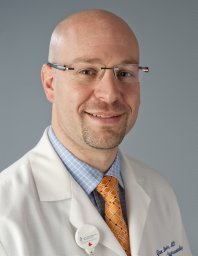 Alan Bonder合作论文数Division of Gastroenterology, Tufts Medical Center4Guo-Huan Yang合作论文数4
 Hongguang Zhu (朱虹光)合作论文数School of Basic Medical Sciences, Fudan University4Shao-Lai Zhou (周少来)合作论文数4Peiran Huang合作论文数3Qi Pan合作论文数3




