BACKGROUND AND AIMS:Primary sclerosing cholangitis (PSC) is a progressive cholestatic liver disease with a high risk of malignancy and limited therapeutic options. Both the American Association for the Study of Liver Diseases (AASLD) and the European Association for the Study of the Liver (EASL) recommend structured baseline evaluation, fibrosis staging and longitudinal surveillance. However, real-world adherence to these practices in North America remains unclear. METHODS:We conducted a retrospective cohort study of 1300 patients with PSC enrolled in the Consortium for Autoimmune Liver Diseases (CALiD) registry between 2018 and 2024 across 19 centres in North America. Guideline adherence was assessed for diagnostic measures at baseline (colonoscopy to establish IBD status and noninvasive fibrosis staging) and longitudinal surveillance (colonoscopy in PSC-IBD, abdominal imaging for hepatobiliary cancer surveillance and CA 19-9 testing). Prescribing patterns for ursodeoxycholic acid (UDCA) were also characterised. Multivariable logistic regression was used to evaluate demographic, clinical and socioeconomic predictors of adherence. RESULTS:At diagnosis, 78.8% of eligible patients with available data underwent colonoscopy to establish IBD status, and 45% underwent noninvasive fibrosis staging. During follow-up, only 30%-35% of patients with PSC-IBD underwent colonoscopy annually, while abdominal imaging for hepatobiliary cancer surveillance declined from 74% at Year 1 to 51% by Year 4. CA 19-9 testing was documented in 47% over 5-year period. UDCA was prescribed in 51% at baseline, with median dose of 12.5 mg/kg/day. Socioeconomic factors, including lower education and household income, were associated with reduced adherence, while cirrhosis strongly predicted completion of surveillance imaging. CONCLUSIONS:Adherence to guideline-based care in PSC remains suboptimal in North America Suboptimal adherence was observed for strongly recommended practices with longstanding guideline support (colonoscopy to establish IBD status; annual CRC surveillance in PSC-IBD) as well as practices where guideline consensus has evolved more recently or where societies differ (baseline fibrosis assessment; hepatobiliary cancer imaging). Efforts to standardise care and address socioeconomic barriers are urgently needed to improve outcomes.
BACKGROUND:Cholestasis from primary sclerosing cholangitis (PSC) frequently causes pruritus. However, the prevalence of pruritus and its management have not been well studied. Investigating the Cholestatic Pruritus of Primary Sclerosing Cholangitis (ItCh-PSC) includes a retrospective medical record review to determine the prevalence, severity, and treatment patterns of pruritus. METHODS:Data was collected at 5 academic medical centers in the United States. Medical records were searched for the terms "itch" and "pruritus" and data abstracted related to itch severity, number of encounters, and treatment. RESULTS:Among 724 patients with PSC, 359 (50%) of patients had a documented history of pruritus, including 40%, 39%, and 21% with mild, moderate, or severe itch. Itch was less common in those with small ducts compared to large duct PSC (p=0.02) and more frequent in those of Hispanic versus non-Hispanic ethnicity (p=0.001). Compared to patients with mild itch, patients with moderate or severe itch were younger, and had more elevated liver biochemistries, more encounters with itch, and more frequently prescribed 2 or more anti-pruritic medications. Bile acid-binding resins were prescribed in 36%, hydroxyzine in 23%, rifampin in 11%, and fenofibrate in 4% of patients with any itch. The prevalence and severity of pruritus were not affected by cirrhosis, hepatic decompensation, or inflammatory bowel disease. CONCLUSION:Itch is common in patients with PSC and is often associated with multiple prescriptions of antipruritic agents. Effective treatments for pruritus in patients with PSC remain an unmet need.
PURPOSE OF REVIEW:To synthesize current knowledge on the genetic, immunopathogenic, and clinical presentations of systemic sclerosis (SSc) and primary biliary cholangitis (PBC) with a focus on their co-occurrence as a clinically relevant overlap syndrome. This narrative review summarizes preclinical and clinical studies addressing SSc-PBC overlap. RECENT FINDINGS:Genomic studies highlight shared susceptibility loci between SSc and PBC. Furthermore, SSc-PBC overlap patient sera reveals anticentromere antibodies which cross-react with an antigenic motif on pyruvate dehydrogenase-E2 (structural core of pyruvate dehydrogenase complex catalyzing formation of acetyl coA), the most common target of antimitochondrial antibodies in PBC. Similar profibrotic cytokines and T regulatory cell profiles are identified in sera and skin and liver biopsies of patients with SSc and PBC respectively. Analysis of clinical phenotypes reveals that SSc-PBC overlap patients have reduced incidence of pulmonary fibrosis and pulmonary arterial hypertension compared to SSc alone, and less severe hepatic involvement compared to PBC alone. SUMMARY:SSc-PBC overlap remains an understudied disease process. This review summarizes current knowledge and outlines future directions to guide research and improve care for patients with this distinct clinical overlap.
Hepatotoxicity from oncologic drugs represents an increasing clinical burden for patients, providers, and the health care system. The complexity of clinical presentations, multi-drug regimens, and the need to control the underlying cancer while preserving liver function, results in significant diagnostic and therapeutic challenges. These challenges are best met with a careful and systematic approach with multi-disciplinary management decisions between oncology and hepatology providers. This contemporary review discusses the known pathophysiology and patterns of hepatotoxicity for key drug classes and agents, including unique presentations such as sinusoidal obstruction syndrome, key aspects of the diagnostic approach, and principles of management.
BACKGROUND & AIMS:Management of patients with autoimmune hepatitis (AIH)-related decompensated cirrhosis is challenging because of the risk of treatment-related complications and lack of clinical recommendations. We investigated the predictive factors for treatment benefit in AIH-related decompensated cirrhosis at diagnosis and developed an algorithm to guide treatment decisions in clinical practice. METHODS:This retrospective, international, multicenter study included 232 patients with histologically confirmed AIH-related decompensated cirrhosis at diagnosis. The sub-hazard ratio (SHR) of mortality was determined by competing risk analysis, considering liver transplantation (LT) as competing event. A decision tree analysis was used to develop a treatment algorithm. RESULTS:At diagnosis, 89% of patients had ascites, and 41% had overt hepatic encephalopathy (OHE). Treated patients (n = 214; 92%) had higher aminotransferases, bilirubin, and modified hepatic activity index. The SHR of mortality was lower in treated patients (0.438; 95% confidence interval [CI], 0.196-0.981; P = .045). Patients without OHE grade 3/4 and Model for End-Stage Liver Disease-Sodium (MELD-Na) ≤28 at diagnosis were more likely to benefit from treatment. In these patients, a decline in MELD-Na ≥11 after 4 weeks of treatment had a 100% negative predictive value for death/LT. Forty-nine percent of treated patients recompensated during follow-up. Twenty percent of patients had to discontinue treatment, 65% during the first 4 weeks, and only 4% due to infectious complications. OHE ≥grade 2 and MELD-Na at diagnosis predicted the need for treatment discontinuation. CONCLUSIONS:Immunosuppression is beneficial in patients with AIH-related decompensated cirrhosis and active disease. OHE and MELD-Na at diagnosis, along with a decline in MELD-Na at 4 weeks of treatment, are the most important determinants of outcome and can guide treatment decisions.
Background: The natural history of primary sclerosing cholangitis (PSC) among African Americans (AA) is not well understood. Methods: Transplant-free survival and hepatic decompensation-free survival were assessed using a retrospective research registry from 16 centers throughout North America. Patients with PSC alive without liver transplantation after 2008 were included. Diagnostic delay was defined from the first abnormal liver test to the first abnormal cholangiogram/liver biopsy. Socioeconomic status was imputed by the Zip code. Results: Among 850 patients, 661 (77.8%) were non-Hispanic Whites (NHWs), and 85 (10.0%) were AA. There were no significant differences by race in age at diagnosis, sex, or PSC type. Inflammatory bowel disease was more common in NHWs (75.8% vs. 51.8% p=0.0001). The baseline (median, IQR) Amsterdam-Oxford Model score was lower in NHWs (14.3, 13.4-15.2 vs. 15.1, 14.1-15.7, p=0.002), but Mayo risk score (0.03, -0.8 to 1.1 vs. 0.02, -0.7 to 1.0, p=0.83), Model for End-stage Liver Disease (5.9, 2.8-10.7 vs. 6.4, 2.6-10.4, p=0.95), and cirrhosis (27.4% vs. 27.1%, p=0.95) did not differ. Race was not associated with hepatic decompensation, and after adjusting for clinical variables, neither race nor socioeconomic status was associated with transplant-free survival. Variables independently associated with death/liver transplant (HR, 95% CI) included age at diagnosis (1.04, 1.02-1.06, p<0.0001), total bilirubin (1.06, 1.04-1.08, p<0.0001), and albumin (0.44, 0.33-0.61, p<0.0001). AA race did not affect the performance of prognostic models. Conclusions: AA patients with PSC have a lower rate of inflammatory bowel disease but similar progression to hepatic decompensation and liver transplant/death compared to NHWs.
Autoimmune hepatitis (AIH) is a rare chronic liver disease with an increasing incidence in many countries. Chronic autoimmune responses against the liver can cause hepatic and extrahepatic symptoms, decreased quality of life and reduced liver transplant-free survival if inadequately treated. Although standard treatment with corticosteroids and thiopurines improves the life expectancy of patients with AIH, remission rates and tolerability are generally overestimated and the development of alternative first-line and salvage therapies has been disappointingly slow compared to in rheumatological diseases or inflammatory bowel disease. Other gaps include the lack of disease-specific diagnostic markers for AIH. Similarly, the new entity of drug-induced autoimmune-like hepatitis underscores the need to re-evaluate previous diagnostic criteria. The International AIH Group (IAIHG) has initiated a series of research workshops over the last decade to promote the identification of research gaps and subsequently improve the pace of scientific progress by stimulating collaboration between expert centres. This review reports on the results of the 5th Research Workshop, held in Hannover, Germany in June 2024, and summarises the progress made since the 4th Workshop in 2022. Patient representatives from the European Reference Network (ERN) Rare Liver Youth Panel participated in the workshop. The specific objectives of this year's 5th Workshop were: (1) To further improve diagnostics. (2) Initiate clinical trials including knowledge transfer on drugs from extrahepatic immune-mediated diseases, including B cell-depleting CAR T cells. (3) Utilisation of multi-omics approaches to improve the understanding of disease pathogenesis. (4) Application of machine learning-based approaches established in oncology or transplantation medicine to improve diagnosis and outcome prediction in AIH.
This report introduces a Brighton Collaboration (BC) case definition for autoimmune hepatitis (AIH), which has been classified as a priority adverse event of special interest (AESI), as there were possible cases seen following COVID-19 vaccination. The case definition was developed by a group of subject matter and BC process experts to facilitate safety data comparability across pre- and post-licensure clinical trials, as well as pharmacovigilance activities in multiple settings with diverse resources and healthcare access. The usual BC case definition development process was followed in an expedited manner, and took two months to complete, including finalising the manuscript for publication, instead of the usual 1 year development time. It includes a systematic review of the literature and an expert consensus to define levels of diagnostic certainty for AIH, and provides specific guidelines for data collection and analysis. Histology, serological and biochemical tests and exclusion of alternate diagnosis were considered necessary to define the levels of certainty (definitive, probable and possible). AEFI reports of suspected AIH were independently classified by the WG members to test its useability and these classifications were used to finalise the case definition. The document underwent peer review by external AIH experts and a Reference Group of vaccine safety stakeholders in high-, low- and middle-income countries to ensure case definition useability, applicability, and scientific integrity. The expedited process can be replicated for development of other standardised case definitions for priority AESIs for endemics and epidemics. While applicable to cases reported following immunisation, the case definition is independent of lapsed time following vaccination and, as such, can also be used to determine background incidence for vaccinated and unvaccinated control groups in studies of causal association. While use of this case definition is also appropriate for the study of safety of other products including drugs, it is not meant to guide clinical case management.
Hepatobiliary complications of Cystic Fibrosis (CF) constitute a significant burden for persons with CF of all ages, with advanced CF liver disease in particular representing a leading cause of mortality. The causes of the heterogeneity of clinical manifestations, ranging from steatosis to focal biliary cholestasis and biliary strictures, are poorly understood and likely reflect a variety of environmental and disease-modifying factors in the setting of underlying CFTR mutations. This review summarizes the current understanding of the pathophysiology of hepatobiliary manifestations of CF, and discusses emerging disease models and therapeutic approaches that hold promise to impact this important yet incompletely addressed aspect of CF care.
Cholestatic liver diseases, including primary biliary cholangitis (PBC) and primary sclerosing cholangitis (PSC), result from an impairment of bile flow that leads to the hepatic retention of bile acids, causing liver injury. Until recently, the only approved treatments for PBC were ursodeoxycholic acid (UDCA) and obeticholic acid (OCA). While these therapies slow the progression of PBC in the early stage of the disease, approximately 40% of patients respond incompletely to UDCA, and advanced cases do not respond. UDCA does not improve survival in patients with PSC, and patients often have dose-limiting pruritus reactions to OCA. Left untreated, these diseases can progress to fibrosis and cirrhosis, resulting in liver failure and the need for transplantation. These shortcomings emphasize the urgent need for alternative treatment strategies. Recently, nuclear hormone receptors have been explored as pharmacological targets for adjunct therapy because they regulate enzymes involved in bile acid metabolism and detoxification. In particular, the peroxisome proliferator-activated receptor (PPAR) has emerged as a therapeutic target for patients with PBC or PSC who experience an incomplete response to UDCA. PPARα is predominantly expressed in the liver, and it plays an essential role in the regulation of cytochrome P450 (CYP) and uridine 5’-diphospho-glucuronosyltransferase (UGT) enzymes, both of which are critical enzyme families involved in the regulation of bile acid metabolism and glucuronidation, respectively. Importantly, PPARα agonists, e.g., fenofibrate, have shown therapeutic benefits in reducing elevated markers of cholestasis in patients with PBC and PSC, and elafibranor, the first PPAR (dual α, β/δ) agonist, has been FDA-approved for the second-line treatment of PBC. Additionally, newer PPAR agonists that target various PPAR isoforms (β/δ, γ) are under development as an adjunct therapy for PBC or PSC, although their impact on glucuronidation pathways are less characterized. This review will focus on PPAR-mediated bile acid glucuronidation as a therapeutic pathway to improve outcomes for patients with PBC and PSC.
Primary biliary cholangitis (PBC) and primary sclerosing cholangitis (PSC) are characterized by the destruction of the small bile ducts and the formation of multifocal biliary strictures, respectively, impairing bile flow. This leads to the hepatic accumulation of bile acids, causing liver injury and the risk of progression to cirrhosis and liver failure. First-line therapy for PBC is ursodeoxycholic acid, although up to 40% of treated individuals are incomplete responders, and there is no effective therapy for PSC, highlighting the need for better therapeutic options in these diseases. In addition, pruritus is a common symptom of cholestasis that has severe consequences for quality of life and is often undertreated or untreated. Nuclear receptors are pharmacological targets to treat cholestasis due to their multifactorial regulation of hepatic enzymatic pathways, particularly in bile acid metabolism. The peroxisome proliferator-activated receptor (PPAR) is of significant clinical interest due to its role in regulating bile acid synthesis and detoxification pathways. PPAR agonism by fibrates has traditionally been explored due to PPARα’s expression in the liver; however, recent interest has expanded to focus on newer PPAR agonists that activate other PPAR isoforms, for example, δ, γ, alone or in combination. Several PPAR agonists have been investigated as second-line therapy for people living with PBC, including the recent accelerated United States Food and Drug Administration approval of elafibranor and seladelpar. This review evaluates available data on the efficacy and safety of the five PPAR agonists investigated for the treatment of cholestasis and associated pruritus in PBC and PSC, namely fenofibrate, bezafibrate, saroglitazar, elafibranor, and seladelpar.
 James Lorenzen Boyer合作论文数Department of Medicine, Yale University School of Medicine;Yale-New Haven Hospital;West Haven VA Hospital46
 Marina Silveira合作论文数Digestive Diseases, Internal Medicine, Yale School of Medicine, Yale University16
 Christopher Lawson Bowlus合作论文数Division of Gastroenterology and Hepatology, UC Davis Medical Center15
 Cynthia Levy合作论文数14
 Nisanne S Ghonem合作论文数13Lisa M. Forman合作论文数11Gina Gallucci合作论文数10
 Stuart Gordon合作论文数Gastroenterology-Hepatology, William Beaumont Hospital10
 Richard Bucala合作论文数Department of Pathology, School of Medicine, Yale University10
 Craig Lammert合作论文数10
 Lin Leng合作论文数Rheumatology, Internal Medicine, Yale School of Medicine, Yale University9
 Carol Soroka合作论文数Digestive Diseases, Internal Medicine, Yale School of Medicine, Yale University8
 Tamar Taddei合作论文数Digestive Diseases, Internal Medicine, Yale School of Medicine, Yale University7
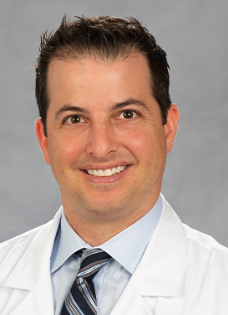 David S. Goldberg合作论文数Division of Digestive Health & Liver Diseases, Department of Medicine, Miller School of Medicine, University of Miami7Lei Yu (于磊)合作论文数7
 Cara L Mack合作论文数The Siragusa Transplantation Center, Children's Memorial Hospital;Northwestern Memorial Hospital, Northwestern University Medical School;Northwestern Memorial Hospital, Northwestern University Medical School7Aldo J. Montano-Loza合作论文数7
 Dhanpat Jain合作论文数Pathology Faculty, Yale School of Medicine, Yale University6
 Ellina Lytvyak合作论文数6Steven K. Herrine合作论文数6Laura Cusack合作论文数5Joseph Zepeda合作论文数5
 Alessio Gerussi合作论文数Sackler Faculty of Medicine, Tel Aviv University5
 Scott Roberts合作论文数Department of Health Behavior & Health Education, School of Public Health, University of Michigan;Alzheimer’s Disease Center, University of Michigan5
 Shi-Ying Cai合作论文数Department of Medicine, Yale School of Medicine, Yale University5
 Yanhong Deng (邓艳红)合作论文数The Sixth Affiliated Hospital, Sun Yat-sen University5
 K. Rajender (Raj) Reddy合作论文数Department of Medicine, Perelman School of Medicine, University of Pennsylvania;Division of Gastroenterology, University of Pennsylvania5
 Victor J. Navarro合作论文数Jefferson Health5
 Joost Drenth合作论文数Amsterdam UMC5
 Leina S. Alrabadi合作论文数Pediatrics Department, Stanford University5
 Daniel S Pratt合作论文数5Swathi Krishnan合作论文数4Adam Auclair合作论文数4
 Olivier Barbier合作论文数and Faculty of Pharmacy, Laval University4
 Christoph Schramm合作论文数4
 Maria Ciarleglio合作论文数Biostatistics, Yale School of Public Health, Yale School of Medicine, Yale University4
 John Moore Vierling合作论文数Department of Surgey, Baylor College of Medicine4
 Ahn Joseph合作论文数Department of Hepatology, Loyola University Medical Center4Schlansky Barry合作论文数4
 Cristoferi Laura合作论文数4
 Gerrit Grieb合作论文数4
 Jürgen Bernhagen合作论文数Institute for Stroke and Dementia Research, Ludwig-Maximilians-Universitat Munchen4Christopher L. Hemme合作论文数4
 Simona Rossi合作论文数4Richard Dean合作论文数3Maryam Yazdanfar合作论文数3Catherine McCrann合作论文数3Daniel Dykas合作论文数3




