A seven-residue fragment derived from the active-site region of carbonic anhydrase spontaneously forms Zn2+-binding amyloid fibrils that catalyze carbon dioxide hydration with catalytic efficiencies surpassing all previous carbonic anhydrase mimics and approaching those of natural enzymes. Cryo-electron microscopy at 2.2 Å resolution, supported by perturbed angular correlation spectroscopy, solid-state NMR, molecular dynamics simulations and QM/MM calculations, reveals a supramolecular active site that recapitulates key structural and mechanistic features of the enzyme despite arising from a fundamentally different protein fold. Guided by structure-activity relationships, minimal sequence modifications fallowed for further optimization to reach carbon dioxide hydration activity of 1.3 × 10⁶ M-1 s-1. Extending this strategy to a conserved motif from superoxide dismutase yielded copper-binding catalytic amyloids that promote superoxide dismutation near the diffusion limit. Together, these findings establish conserved catalytic motifs as a rich source of functional catalysts and demonstrate that they encode sufficient information to construct highly active supramolecular active sites independently of the globular protein fold. More broadly, they demonstrate that complex catalytic function can emerge from remarkably simple self-assembling peptide architectures, providing an experimentally tractable framework for investigating the fundamental principles that underlie enzymatic catalysis.
Flavor esters are organic compounds widely used in the food industry to enhance the aroma and taste of products. However, most chemical processes for the production of these flavoring compounds use toxic organic solvents. Some organic solvents derived from petroleum can leave behind residual traces in food products, which may raise concerns about potential health risks and contamination. In this study, we employ Eversa Transform 2.0, a commercial lipase derived from the lipase from Thermomyces lanuginosus, to produce geranyl butyrate in aqueous media. The chemical process was optimized using the Taguchi method, and a conversion of 93% was obtained at the optimal reaction conditions of: 1:5 molar ratio (v/v), 15% biocatalyst load (w/w), at 50 °C, in 6 h. Classic (molecular dynamics) and quantum (density functional theory) simulations unveiled amino acid residues involved in the stabilization of the enzyme-substrate complex. Detailed QM/MM mechanistic studies identified the nucleophilic attack of the deacylation reaction as the rate-limiting step of the entire mechanism, which has a free energy barrier of 14.0 kcal/mol.
The selective hydrolysis of the extremely stable phosphoester, peptide and ester bonds of molecules by bio-inspired metal-based catalysts (metallohydrolases) is required in a wide range of biological, biotechnological and industrial applications. Despite the impressive advances made in the field, the ultimate goal of designing efficient enzyme mimics for these reactions is still elusive. Its realization will require a deeper understanding of the diverse chemical factors that influence the activities of both natural and synthetic catalysts. They include catalyst-substrate complexation, non-covalent interactions and the electronic nature of the metal ion, ligand environment and nucleophile. Based on our computational studies, their roles are discussed for several mono- and binuclear metallohydrolases and their synthetic analogues. Hydrolysis by natural metallohydrolases is found to be promoted by a ligand environment with low basicity, a metal bound water and a heterobinuclear metal center (in binuclear enzymes). Additionally, peptide and phosphoester hydrolysis is dominated by two competing effects, i.e. nucleophilicity and Lewis acid activation, respectively. In synthetic analogues, hydrolysis is facilitated by the inclusion of a second metal center, hydrophobic effects, a biological metal (Zn, Cu and Co) and a terminal hydroxyl nucleophile. Due to the absence of the protein environment, hydrolysis by these small molecules is exclusively influenced by nucleophile activation. The results gleaned from these studies will enhance the understanding of fundamental principles of multiple hydrolytic reactions. They will also advance the development of computational methods as a predictive tool to design more efficient catalysts for hydrolysis, Diels-Alder reaction, Michael addition, epoxide opening and aldol condensation.
The synthesis and structures of nitrile complexes of V(N[tBu]Ar)3, 2 (Ar = 3,5-Me2C6H3), are described. Thermochemical and kinetic data for their formation were determined by variable temperature Fourier transform infrared (FTIR), calorimetry, and stopped-flow techniques. The extent of back-bonding from metal to coordinated nitrile indicates that electron donation from the metal to the nitrile plays a less prominent role for 2 than for the related complex Mo(N[tBu]Ar)3, 1. Kinetic studies reveal similar rate constants for nitrile binding to 2, but the activation parameters depend critically on the nature of R in RCN. Activation enthalpies range from 2.9 to 7.2 kcal·mol-1, and activation entropies from -9 to -28 cal·mol-1·K-1 in an opposing manner. Density functional theory (DFT) calculations provide a plausible explanation supporting the formation of a π-stacking interaction between a pendant arene of the metal anilide of 2 and the arene substituent on the incoming nitrile in favorable cases. Data for ligand binding to 1 do not exhibit this range of activation parameters and are clustered in a small area centered at ΔH‡ = 5.0 kcal·mol-1 and ΔS‡ = -26 cal·mol-1·K-1. Computational studies are in agreement with the experimental data and indicate a stronger dependence on electronic factors associated with the change in spin state upon ligand binding to 1.
The unique properties of metal-organic frameworks (MOFs) such as their large surface area and high porosity have attracted considerable attention in recent decades. The MOFs are a promising class of materials for developing highly efficient biosensors due to these same properties. This bibliometric analysis focused on the use of MOFs as enzyme-coupled materials in biosensor construction and aimed to provide a comprehensive overview of the research field by analyzing a collected database. The analysis included identifying the countries that have published the most, the most prominent applications, and trends for future directions in the field. The study used three databases with different numbers of documents, differentiated by research areas, with refinements made to the search as needed. The results suggest that MOF-derived biosensors are a growing field, with the Republic of China emerging as a significant contributor to research in this area. The study also used computational processing of trend analysis and geocoding to reveal these findings.
Steady-state fluorescence spectroscopy has a central role not only for sensing applications, but also in biophysics and imaging. Light switching probes, such as ruthenium dipyridophenazine complexes, have been used to study complex systems such as DNA, RNA, and amyloid fibrils. Nonetheless, steady-state spectroscopy is limited in the kind of information it can provide. In this paper, we use time-resolved spectroscopy for studying binding interactions between amyloid-β fibrillar structures and photoluminescent ligands. Using time-resolved spectroscopy, we demonstrate that ruthenium complexes with a pyrazino phenanthroline derivative can bind to two distinct binding sites on the surface of fibrillar amyloid-β, in contrast with previous studies using steady-state photoluminescence spectroscopy, which only identified one binding site for similar compounds. The second elusive binding site is revealed when deconvoluting the signals from the time-resolved decay traces, allowing the determination of dissociation constants of 3 and 2.2 μM. Molecular dynamic simulations agree with two binding sites on the surface of amyloid-β fibrils. Time-resolved spectroscopy was also used to monitor the aggregation of amyloid-β in real-time. In addition, we show that common polypyridine complexes can bind to amyloid-β also at two different binding sites. Information on how molecules bind to amyloid proteins is important to understand their toxicity and to design potential drugs that bind and quench their deleterious effects. The additional information contained in time-resolved spectroscopy provides a powerful tool not only for studying excited state dynamics but also for sensing and revealing important information about the system including hidden binding sites.
Eversa & REG; Transform 2.0 is a lipase derived from Thermomyces lanuginosus produced by a genetically modified microorganism. It has a low production cost, high substrate specificity, and high catalytic activity in organic synthesis. The Taguchi method was used to evaluate the best conditions for the enzymatic esterification of glycerol with acetic acid. A yield of 84.8% was obtained, under the optimal conditions (temperature = 40 degrees C; molar ratio glycerol/acid = 1:1; biocatalyst = 15% w/w; time = 12.5 h). After the statistical analysis, the temperature was found to be the most significant parameter influencing the reaction conversion. A theoretical study was carried out to generate a homology model of the enzyme, based on other natural lipases. Molecular docking, molecular dynamics, and QM/MM simulations were applied to understand the mechanism of esterifi-cation and to derive thermodynamic and kinetic data. The nucleophilic attack step was identified as the rate-limiting step for both acylation (13.1 kcal/mol) and deacylation (13.8 and 12.9 kcal/mol) reaction mecha-nisms. Although the enzyme is capable of esterifying all three alcohol groups of glycerol, the esterification of the primary alcohols is thermodynamically more favorable (5 kcal/mol), especially at higher temperatures, than their secondary counterpart.
In this study, hydrolytic activities of hetero- and homobinuclear metallovariants of an asymmetric (I) or symmetric (II) ligand with the Fe-III-Zn-II, Zn-II-Zn-II, and Cu-II-Cu-II cores (i.e., I-FZ, I-ZZ, and I-CC or IIFZ, IIZZ, and IICC, respectively) are investigated using DFT calculations through four distinct mechanisms: dissociative (DA), substrate-assisted (SA), water-assisted (WA), and associative (AS). Additionally, the effects of different nucleophiles (mu-OH, terminal-OH, and -O2H3), coordination numbers, para substituents (-CH3, -Cl, and -NO2) of the linker, and an external electric field on the energetics of these reactions are computed. The geometries, spin ground states, and substrate binding modes of the three metal centers for both asymmetric (I) and symmetric (II) ligands differ from each other. There is no Lewis acid activation of the bis(2,4-dinitrophenyl) phosphate (BDNPP) substrate, and hydrolysis is predominantly controlled by the nucleophilicity of the metal-bound hydroxyl ion. The electronic nature of the metal ions determines the activities of their complexes, and the homobinuclear I-ZZ is found to be the most active complex. However, complexes formed with ligand I are not more active than their ligand-II-containing counterparts for all metal ions. The DFT calculations suggest that the DA pathway is the energetically most feasible among the four pathways. The terminal hydroxyl group is the strongest nucleophile, and the electron-donating -CH3 group is the most suitable para substituent in the linker. Whereas the introduction of an external electric field along the reaction axis lowers the barrier for I-FZ, it leaves that unchanged for I-ZZ and increases that for I-CC. These combined results in this study highlight the influence of distinct critical chemical factors such as the electronic nature of the metal ions, the ligand environment, as well as the linker and nucleophile on phosphoester hydrolysis. Insights gained will guide the design of the next generation of versatile metal complexes for a wide range of reactions and applications.
Due to the numerous failed clinical trials of anti-amyloid drugs, microtubule associated protein tau (MAPT) now stands out as one of the most promising targets for AD therapy. In this study, we report for the first time the structure-dependent MAPT aggregation inhibition of carbon nitride dots (CNDs). CNDs have exhibited great promise as a potential treatment of Alzheimer's disease (AD) by inhibiting the aggregation of MAPT. In order to elucidate its structure-activity relationship, CNDs were separated via column chromatography and five fractions with different structures were obtained that were characterized by multiple spectroscopy methods. The increase of surface hydrophilic functional groups is consistent with the increase of polarity from fraction 1 to 5. Particle sizes (1-2 nm) and zeta potentials (~-20 mV) are similar among five fractions. With the increase of polarity from fraction 1 to 5, their MAPT aggregation inhibition capacity was weakened. This suggests hydrophobic interactions between CNDs and MAPT, validated via molecular dynamics simulations. With a zebrafish blood-brain barrier (BBB) model, CNDs were observed to cross the BBB through passive diffusion. CNDs were also found to inhibit the generation of multiple reactive oxygen species, which is an important contributor to AD pathogenesis.
In this study, chemical promiscuity of a binuclear metallohydrolase Streptomyces griseus aminopeptidase (SgAP) has been investigated using DFT calculations. SgAP catalyzes two diverse reactions, peptide and phosphoester hydrolyses, using its binuclear (Zn-Zn) core. On the basis of the experimental information, mechanisms of these reactions have been investigated utilizing leucine p-nitro aniline (Leu-pNA) and bis(4-nitrophenyl) phosphate (BNPP) as the substrates. The computed barriers of 16.5 and 16.8 kcal/mol for the most plausible mechanisms proposed by the DFT calculations are in good agreement with the measured values of 13.9 and 18.3 kcal/mol for the Leu-pNA and BNPP hydrolyses, respectively. The former was found to occur through the transfer of two protons, while the latter with only one proton transfer. They are in line with the experimental observations. The cleavage of the peptide bond was the rate-determining process for the Leu-pNA hydrolysis. However, the creation of the nucleophile and its attack on the electrophile phosphorus atom was the rate-determining step for the BNPP hydrolysis. These calculations showed that the chemical nature of the substrate and its binding mode influence the nucleophilicity of the metal bound hydroxyl nucleophile. Additionally, the nucleophilicity was found to be critical for the Leu-pNA hydrolysis, whereas double Lewis acid activation was needed for the BNPP hydrolysis. That could be one of the reasons why peptide hydrolysis can be catalyzed by both mononuclear and binuclear metal cofactors containing hydrolases, while phosphoester hydrolysis is almost exclusively by binuclear metallohydrolases. These results will be helpful in the development of versatile catalysts for chemically distinct hydrolytic reactions.
Organophosphates constitute environmentally hazardous molecules that are commonly used in agriculture and various industries and as chemical warfare agents. They are extremely stable compounds with a half-life of up to thousands of years. Because of the lack of a protection against their harmful activities in the environment, recently intensive efforts have been made to design synthetic molecules for their hydrolytic degradation. These molecules include both peptidic (short peptides, three-stranded coiled coils, and four-helix bundles) and nonpeptidic (polyoxometalates, metal-organic frameworks, and organometallic complexes) compounds that are often inspired by the catalytic cores of hydrolytic enzymes. However, because of their structural simplicity, the current synthetic analogs are significantly less efficient than natural enzymes. They lack the effective combination of various chemical factors that provides enormous rate acceleration to enzymes. In this review, we discuss the recent progress made in the design of enzymatic mimics with potential applications in the decontamination of organophosphates.
To protect water resources, halt waterborne diseases, and prevent future water crises, photocatalytic degradation of water pollutants arouse worldwide interest. However, considering the low degradation efficiency and risk of secondary pollution displayed by most metal-based photocatalysts, highly efficient and environmentally friendly photocatalysts with appropriate band gap, such as carbon dots (CDs), are in urgent demand. In this study, the photocatalytic activity of gel-like CDs (G-CDs) was studied using diverse water pollution models for photocatalytic degradation. The degradation rate constants demonstrated a remarkably enhanced photocatalytic activity of G-CDs compared with most known CD species and comparability to graphitic carbon nitride (g-C3N4). In addition, the rate constant was further improved by 1.4 times through the embedment of g-C3N4 in G-CDs to obtain CD-C3N4. Significantly, the rate constant was also higher than that of g-C3N4 alone, revealing a synergistic effect. Moreover, the use of diverse radical scavengers suggested that the main contributors to the photocatalytic degradation with G-CDs alone were superoxide radicals (O2−) and holes that were, however, substituted by O2− and hydroxyl radicals (OH) due to the addition of g-C3N4. Furthermore, the photocatalytic stabilities of G-CDs and CD-C3N4 turned out to be excellent after four cycles of dye degradation were performed continuously. Eventually, the nontoxicity and environmental friendliness of G-CDs and CD-C3N4 were displayed with sea urchin cytotoxicity tests. Hence, through various characterizations, photocatalytic degradation and cytotoxicity tests, G-CDs proved to be an environmentally friendly and highly efficient future photocatalyst.
The hydrolysis of extremely stable peptide and phosphoester bonds by metalloenzymes is of great interest in biotechnology and industry. However, due to various shortcomings only a handful of these enzymes have been used for industrial applications. Therefore, in the last two decades intensive scientific efforts have been made in rational development of small molecules to imitate the activities of natural enzymes. Despite these efforts, their currently available synthetic analogues are inferior in terms of selectivity, catalytic rate, and turnover and the designing of efficient artificial metalloenzymes remains a distant goal. This is a challenging area of research that necessitates a rigorous integration between experiments and theory. The realization of this goal requires knowledge of the catalytic activities of both enzymes and their existing analogues and an effective fusion of that knowledge. This article reviews several studies in which a plethora of computational techniques have been successfully employed to investigate the functioning of two chemically promiscuous mono- and binuclear metalloenzymes (insulin degrading enzyme and glycerophosphodiesterase) and two synthetic analogues. These studies will help us derive fundamental principles of peptide and phosphoester hydrolysis and pave the way to design efficient small molecule catalysts for these reactions. This article is categorized under: Structure and Mechanism > Reaction Mechanisms and Catalysis
Gram-negative bacteria are some of the biggest threats to public health due to a large prevalence of antibiotic resistance. The difficulty in treating bacterial infections, stemming from their double membrane structure combined with efflux pumps in the outer membrane, has resulted in a much greater need for antimicrobials with activity against these pathogens. Tunicate host defense peptide (HDP), Clavanin A, is capable of not only inhibiting Gram-negative growth but also potentiating activity in the presence of Zn(II). Here, we provide evidence that the improvements of Clavanin A activity in the presence of Zn(II) are due to its novel mechanism of action. We employed E. coli TD172 (ΔrecA::kan) and the terminal deoxynucleotidyl transferase dUTP nick end labeling (TUNEL) assay to show in cellulae that DNA damage occurs upon treatment with Clavanin A. In vitro assays demonstrated that Zn(II) ions are required for the nuclease activity of the peptide. The quantum mechanics/molecular mechanics (QM/MM) calculations were used to investigate the mechanism of DNA damage. In the rate-determining step of the proposed mechanism, due to its Lewis acidity, the Zn(II) ion activates the scissile P-O bond of DNA and creates a hydroxyl nucleophile from a water molecule. A subsequent attack by this group to the electrophilic phosphorus cleaves the scissile phosphoester bond. Additionally, we utilized bacterial cytological profiling (BCP), circular dichroism (CD) spectroscopy in the presence of lipid vesicles, and surface plasmon resonance combined with electrical impedance spectroscopy in order to address the apparent discrepancies between our results and the previous studies regarding the mechanism of action of Clavanin A. Finally, our approach may lead to the identification of additional Clavanin A like HDPs and promote the development of antimicrobial peptide based therapeutics.
Hydrogen atom transfer (HAT) reactions to the planar triorganotin radical Sn(Si(tBu)2Me)3 from HMo(CO)3C5H5 and HCr(CO)3C5R5 (R=H, Me) have been investigated at room temperature in toluene or pentane solution. Sn(Si(tBu)2Me)3 and HMo(CO)3C5H5 react rapidly to yield the previously unreported tin hydride HSn(Si(tBu)2Me)3 and [Sn(Si(tBu)2Me)3]+[Mo(CO)3C5H5]−. Similarly, Sn(Si(tBu)2Me)3 and HCr(CO)3C5H5 react at a slower rate to produce HSn(Si(tBu)2Me)3 and a complex formulated as Cp(CO)2CrCOSn(Si(tBu)2Me)3 based on its solubility in toluene, infrared spectrum, and computational studies. A product with identical spectroscopic properties to the proposed Cp(CO)2CrCOSn(Si(tBu)2Me)3 is obtained rapidly in the reaction of Sn(Si(tBu)2Me)3 and [Cr(CO)3C5H5]2. Reaction of Sn(Si(tBu)2Me)3 and HCr(CO)3C5Me5 does not occur at a significant rate at room temperature nor does reaction of Cr(CO)3C5Me5 and HSn(Si(tBu)2Me)3. Fast exchange between HCr(CO)3C5H5 and [Cr(CO)3C5H5]2 results in a single broad peak in the cyclopentadienyl area for mixtures of these two complexes in toluene-d8 at room temperature implying that Cr–Cr bond cleavage and also hydrogen atom transfer (HAT) are faster than the NMR time scale. Computational studies accurately reflect experimental observations. The computed Sn–H bond dissociation enthalpy (BDE) of only 66.7kcal/mol in HSn(Si(tBu)2Me)3 places it near the values for M-H BDE in HM(CO)3C5H5 (M=Cr, Mo) leading to a near equilibrium situation with respect to HAT. Reaction of Sn(Si(tBu)2Me)3 and elemental Hg forms the linear trinuclear HgSn2 cluster Hg[Sn(Si(tBu)2Me)3]2. The crystal structures of Hg[Sn(Si(tBu)2Me)3]2 and BrSn(Si(tBu)2Me)3 are reported.
Reaction of [Pd(IPr)2] (IPr = 1,3-bis(2,6-diisopropylphenyl)imidazol-2-ylidene) and O2 leads to the surprising discovery that at low temperature the initial reaction product is a highly labile peroxide complex cis-[Pd(IPr)2(η2-O2)]. At temperatures ≳ -40 °C, cis-[Pd(IPr)2(η2-O2)] adds a second O2 to form trans-[Pd(IPr)2(η1-O2)2]. Squid magnetometry and EPR studies yield data that are consistent with a singlet diradical ground state with a thermally accessible triplet state for this unique bis-superoxide complex. In addition to reaction with O2, cis-[Pd(IPr)2(η2-O2)] reacts at low temperature with H2O in methanol/ether solution to form trans-[Pd(IPr)2(OH)(OOH)]. The crystal structure of trans-[Pd(IPr)2(OOH)(OH)] is reported. Neither reaction with O2 nor reaction with H2O occurs under comparable conditions for cis-[Pd(IMes)2(η2-O2)] (IMes = 1,3-bis(2,4,6-trimethylphenyl)imidazol-2-ylidene). The increased reactivity of cis-[Pd(IPr)2(η2-O2)] is attributed to the enthalpy of binding of O2 to [Pd(IPr)2] (-14.5 ± 1.0 kcal/mol) that is approximately one-half that of [Pd(IMes)2] (-27.9 ± 1.5 kcal/mol). Computational studies identify the cause as interligand repulsion forcing a wider C-Pd-C angle and tilting of the NHC plane in cis-[Pd(IPr)2(η2-O2)]. Arene-arene interactions are more favorable and serve to further stabilize cis-[Pd(IMes)2(η2-O2)]. Inclusion of dispersion effects in DFT calculations leads to improved agreement between experimental and computational enthalpies of O2 binding. A complete reaction diagram is constructed for formation of trans-[Pd(IPr)2(η1-O2)2] and leads to the conclusion that kinetic factors inhibit formation of trans-[Pd(IMes)2(η1-O2)2] at the low temperatures at which it is thermodynamically favored. Failure to detect the predicted T-shaped intermediate trans-[Pd(NHC)2(η1-O2)] for either NHC = IMes or IPr is attributed to dynamic effects. A partial potential energy diagram for initial binding of O2 is constructed. A range of low-energy pathways at different angles of approach are present and blur the distinction between pure "side-on" or "end-on" trajectories for oxygen binding.
Reaction of three equivalents of MesCNO (Mes=2,4,6-trimethylphenyl) with one equivalent of [Pd(IPr)(P(p-tolyl)3)] in toluene yields the solid complex [Pd(IPr)(NCMes)(κ2-O–NC-Mes(–N–C(O)Mes))]. Three major steps are proposed to be involved in the reaction based on spectroscopic studies as well as literature precedents for related cycloadditions: i. oxidation of the coordinated phosphine ligand to phosphine oxide ii. oxygen atom transfer forming a CO bond from the N–O bond of MesCNO, and iii. cycloaddition of a final MesCNO ligand to yield product.Addition of two equivalents of NO at low temperature to the in situ generated peroxide complex [Pd(IPr)2(η2-O2)] generates the N-bonded complex trans-[Pd(IPr)2(NO2)2] in keeping with a literature precedent reported for similar complexes. Insight into the energetics of this reaction are probed by DFT calculations using the truncated ligand complex [Pd(IMe)2]. The computed enthalpy of binding of two moles of NO2 to form [Pd(IMe)2(NO2)2] is −112kcal/mol indicating that its preparation from [Pd(IMe)2], N2 and 2O2 is thermodynamically favorable by −96kcal/mol. Crystal structures of [Pd(IPr)(NCMes)(κ2-O–NC-Mes(–N–C(O)Mes))] and trans-[Pd(IPr)2(NO2)2] are reported.
The kinetics of the reaction of Ph3SnH with excess •Cr(CO)3C5Me5 = •Cr, producing HCr and Ph3Sn-Cr, was studied in toluene solution under 2-3 atm CO pressure in the temperature range of 17-43.5 °C. It was found to obey the rate equation d[Ph3Sn-Cr]/dt = k[Ph3SnH][•Cr] and exhibit a normal kinetic isotope effect (kH/kD = 1.12 ± 0.04). Variable-temperature studies yielded ΔH‡ = 15.7 ± 1.5 kcal/mol and ΔS‡ = -11 ± 5 cal/(mol·K) for the reaction. These data are interpreted in terms of a two-step mechanism involving a thermodynamically uphill hydrogen atom transfer (HAT) producing Ph3Sn• and HCr, followed by rapid trapping of Ph3Sn• by excess •Cr to produce Ph3Sn-Cr. Assuming an overbarrier of 2 ± 1 kcal/mol in the HAT step leads to a derived value of 76.0 ± 3.0 kcal/mol for the Ph3Sn-H bond dissociation enthalpy (BDE) in toluene solution. The reaction enthalpy of Ph3SnH with excess •Cr was measured by reaction calorimetry in toluene solution, and a value of the Sn-Cr BDE in Ph3Sn-Cr of 50.4 ± 3.5 kcal/mol was derived. Qualitative studies of the reactions of other R3SnH compounds with •Cr are described for R = nBu, tBu, and Cy. The dehydrogenation reaction of 2Ph3SnH → H2 + Ph3SnSnPh3 was found to be rapid and quantitative in the presence of catalytic amounts of the complex Pd(IPr)(P(p-tolyl)3). The thermochemistry of this process was also studied in toluene solution using varying amounts of the Pd(0) catalyst. The value of ΔH = -15.8 ± 2.2 kcal/mol yields a value of the Sn-Sn BDE in Ph3SnSnPh3 of 63.8 ± 3.7 kcal/mol. Computational studies of the Sn-H, Sn-Sn, and Sn-Cr BDEs are in good agreement with experimental data and provide additional insight into factors controlling reactivity in these systems. The structures of Ph3Sn-Cr and Cy3Sn-Cr were determined by X-ray crystallography and are reported. Mechanistic aspects of oxidative addition reactions in this system are discussed.
 Rajeev Prabhakar合作论文数University of Miami8Burjor Captain合作论文数Department of Chemistry and Biochemistry, University of South Carolina6
 Carl D. Hoff合作论文数College of Arts and Sciences, University of Miami6
 Vindi M Jayasinghe-Arachchige合作论文数Dept Chem, Univ Miami5
 Manuel Temprado合作论文数5Xiaochen Cai (蔡晓晨)合作论文数Dept Chem, Univ Miami4Subhojit Majumdar合作论文数4Paulo G.S. Junior合作论文数3Lukun Wang合作论文数3
 Jose C. S. dos Santos合作论文数3Jack V Davis合作论文数2Jiawen Yang合作论文数2N. Sreerag Moorkkannur合作论文数2
 Gaurav Sharma合作论文数2Lucas P. Coutinho合作论文数2Parth Rathee合作论文数University of Miami2Rafael Leandro Fernandes Melo合作论文数2
 Ada Amelia Sanders Lopes合作论文数2
 Qiaoyu Hu (胡乔宇)合作论文数Innovation Center for AI and Drug Discovery, East China Normal University2
 Emel Kirbas Cilingir合作论文数Dept Chem, Univ Miami2Wei Zhang合作论文数Department of Chemistry, University of Miami2
 Jiuyan Chen合作论文数2
 Keenan J Mintz合作论文数Dept Chem, Univ Miami2
 Braulio C.L.B. Ferreira合作论文数2
 Yiqun Zhou合作论文数Department of Chemistry, University of Miami;C-Dots, LLC;Department of Chemistry, University of Miami2Ahmed E. ElMetwally合作论文数2Palluccio Taryn D合作论文数2
 Anjaneyulu Koppaka合作论文数Department of Chemistry, University of Miami2
 Elena V Rybak-Akimova合作论文数2
 Steven P. Nolan合作论文数Nolan Group, Department of Chemistry, Ghent University2
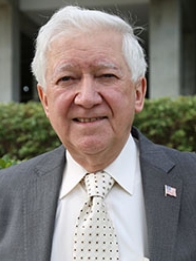 Roger M. Leblanc合作论文数Department of Chemistry, College of Arts and Sciences, University of Miami2
 Catherine S J Cazin合作论文数School of Chemistry;University of St Andrews;School of Chemistry, University of St Andrews2
 Maria Rios合作论文数2
 Marcos Mattos合作论文数2M. V. P. ROCHA合作论文数1
 Angel Martí合作论文数Department of Chemistry, Rice University1Artemis Pessoa Guimarães合作论文数1Misael Bessa Sales合作论文数1Zhi Mei Sonia He合作论文数1Gledson Vieira Lima合作论文数1Rita Karolinny Chaves de Lima合作论文数1Samuel A. Juliano合作论文数1Maria Cristiane Martins de Souza合作论文数1Roberta Bussons Rodrigues Valério合作论文数1Juliana de França Serpa合作论文数1José Edvan Marques Júnior合作论文数1Ana Katia de Sousa Braz合作论文数1Brian Walters合作论文数1Nathan Smith合作论文数1




