OBJECTIVES:To evaluate the efficacy of an early delivered physical therapy intervention and to determine if timing of the intervention affects developmental outcomes. STUDY DESIGN:This multisite, three-arm, intervention-controlled trial compared the efficacy of SPEEDI Early (NICU start), SPEEDI_Late (starting 15 weeks later), and usual care (UC) to improve development, measured with the Bayley Scales of Infant and Toddler Development, 3rd edition, and parent-child dyadic interaction on the Emotional Availability Scale. SPEEDI is a motor-based, problem-solving intervention provided by an interventionist in collaboration with a caregiver. RESULTS:Eighty-three infants born very preterm with mean gestational age at birth of 26.5 ± 2.0 weeks were enrolled between 35-42 weeks of corrected gestational age. Combining SPEEDI groups, there was no difference between SPEEDI and UC. However, infants in SPEEDI_Early had significantly better cognitive scaled scores than infants in the SPEEDI_Late group through 24 months of age. Adjusting for baseline motor skills, infants in SPEEDI_Early had higher gross motor scaled scores through 24 months of age. A change in parent-child interaction in response to SPEEDI supports the intervention's theoretical model and provides a possible mechanism of action. CONCLUSIONS:Intervention which engages parents in supporting development in infants born very preterm may result in long-term developmental improvements when started in the neonatal intensive care unit. Delaying services by even 3 months appears to reduce efficacy of the intervention.
BACKGROUND AND AIMS:It remains unclear whether different factors influence 30- and 90-day readmission rates. We identified predictors of 90-day mortality in a global cohort of hospitalised patients with cirrhosis. METHODS:Variables associated with 30- and 90-day post-discharge readmission, liver transplantation (LT), and mortality were compared in prospectively enrolled, non-electively hospitalised adult patients with cirrhosis. RESULTS:We enrolled 4208 patients from 125 centres across 37 countries. Alcohol-related liver disease was the most common aetiology of cirrhosis (40%), followed by hepatitis B virus infection (21%); 47% were readmitted, 8% received liver transplantation (LT), and 23% died within 90 days post-discharge. In multivariable analysis, country income was significantly associated with both 30- and 90-day readmission rates, the receipt of LT, and mortality within 30 and 90 days post-discharge (all p-values < 0.001). Independent predictors of higher rates of 30- and 90-day readmissions, respectively, were disease severity (p < 0.001, p = 0.003), prior ascites (p = 0.025, p = 0.016), prior hospitalisation (p < 0.001), hyponatremia (p < 0.001, p = 0.008), and in-hospital vasopressor use (p = 0.002, p = 0.011). Prior variceal bleeding independently predicted higher 90-day readmission rates, whereas age, disease severity, mechanical ventilation, and in-hospital vasopressor use (all, p < 0.001) increased odds of 30- and 90-day post-discharge death. Additionally, admission (p = 0.011) and nosocomial (p = 0.022) infections increased the odds of 90-day post-discharge death. CONCLUSION:In a global cohort of hospitalised patients with cirrhosis, patients in high-income countries exhibited the highest rates of 30- and 90-day readmission, alongside lower mortality rates and a higher incidence of LT. Variables that predict 30-day readmission also predicted 90-day readmission. Understanding these disparities is essential for achieving health equity.
BACKGROUND & AIMS:Frailty predicts mortality in liver transplant candidates, but its impact on hospitalizations in general hepatology outpatients-and whether related components such as functional capacity provide additional prognostic value- remains unclear. METHODS:We analyzed data from the North American Consortium for the Study of End-Stage Liver Disease (NACSELD), a multicenter prospective ambulatory cirrhosis cohort. Frailty was assessed using the Liver Frailty Index, categorized as robust (≤3.2), prefrail (3.2-4.4), and frail (≥4.4), and the Duke Activity Status Index. The primary outcome was hospitalization at 6 months. RESULTS:Among 1007 patients, at enrollment, 12.9% were robust, 70.6% were prefrail, and 16.5% were frail. Twenty-four percent of the cohort was hospitalized within 6 months, and hospitalization rates increased with frailty at 3 months (5%, 12%, and 21%, respectively; P = .001) and almost doubled by 6 months (11%, 21%, and 31%, respectively; P = .002). In multivariable modeling, the Liver Frailty Index (odds ratio, 1.6; P = .03) or the Duke Activity Status Index (odds ratio, 0.99; P = .04), after controlling for Model for End-stage Liver Disease 3.0, Charlson Comorbidity Index, cirrhosis etiology, diabetes, prior cirrhosis complications, admission medications, and Child-Turcotte-Pugh score remained independently associated with 6-month hospitalization risk. The Liver Frailty Index and the Duke Activity Status Index were inversely correlated (Pearson -0.37; P < .001); with every 0.1 unit increase in the Liver Frailty Index, the Duke Activity Status Index decreased by 0.95 units. Low 6-month mortality underpowered the association of the Liver Frailty Index with mortality. CONCLUSION:Measures of frailty (by Liver Frailty Index) and functional capacity (by Duke Activity Status Index) independently predict 6-month hospitalization in ambulatory patients with cirrhosis. One-third of frail patients and almost one-quarter of prefrail patients with a median Model for End-stage Liver Disease 3.0 of 11 required hospitalization by 6 months. Routine assessment with the Liver Frailty Index may improve risk stratification and guide interventions to reduce health care utilization.
BACKGROUND:The prevalence of chronic kidney disease (CKD), defined as a glomerular filtration rate (GFR) of <60 mL/min/1.73 m2 for >3 months, is rising in the global population. OBJECTIVE:To assess the global prevalence of CKD in cirrhosis and how it impacts the prognosis of these patients. DESIGN:The Chronic Liver Disease Evolution and Registry for Events and Decompensation consortium prospectively enrolled non-electively admitted cirrhosis patients from 127 sites globally, each with up to 100 patients. Data collected were demographics, comorbid conditions, cirrhosis history, hospital course and patient outcomes. Patients were divided into those with (CKD+) and without CKD (CKD-) and compared. We also compared patients from different World Bank income strata. RESULTS:Of 7040 inpatients enrolled, the global prevalence of CKD was 18.17%, with the highest prevalence observed in high-income countries (HICs), which paralleled their higher prevalence of metabolic syndrome. CKD+ patients had lower median enrolment GFR (32 (21, 44) mL/min/1.73 m2) when compared with CKD- patients (88 (63, 117) mL/min/1.73 m2, p<0.0001), associated with a more complex history of cirrhosis complications, with ascites occurring in 76.5% of CKD+ versus 61.1% of patients with CKD- (p<0.0001). The most common in-hospital complication was the development of AKI (59.4%) in CKD+ versus 27% in CKD- patients (p<0.0001). CKD was associated with higher in-hospital and 30-day postdischarge mortality (both p<0.0001). CONCLUSIONS:The presence of CKD negatively impacts the prognosis of admitted patients with cirrhosis in a global cohort. Meticulous management of ascites and lifestyle changes, especially in HICs, may improve the outcome of these patients.
BACKGROUND & AIMS:Validated cutoffs for liver failure with cirrhosis are required to define acute-on-chronic liver failure. We sought to determine the cutoff for serum bilirubin and international normalized ratio (INR), and influence of complications on inpatient mortality with the goal of defining liver failure and inpatient mortality prediction. METHODS:The derivation cohort for variables associated with mortality included 7239 patients with cirrhosis admitted nonelectively worldwide (CLEARED consortium) and followed until death/discharge. Admission variables, MELD 3.0, original MELD, and hepatic encephalopathy (HE) were used to create a decision rule to classify inpatient death using cutoffs to maximize negative predictive value and decision-tree models sorted each predictor's relative contribution. For external validation, data from 3 Mayo Clinic sites were used. RESULTS:A total of 7239 patients were included from 115 centers across 6 continents among whom 808 (11.2%) died in-hospital. Cutoffs maximizing negative predictive value for in-hospital transplant-free mortality were bilirubin ≤7.5 mg/dL, creatinine ≤1.5 mg/dL, INR ≤1.5, MELD ≤27, and MELD 3.0 ≤28. On decision tree analysis, the relative contributions to mortality were HE (42.2%), infection (22.2%), INR (18.6%), bilirubin (12.7), and creatinine (4.3%). Using only liver-specific variables, patients with bilirubin ≤7.5, INR ≤1.5, and without HE had only 3.3% mortality, whereas patients with bilirubin >7.5, INR >1.5, and HE had 33% mortality. External validation in 1634 patients from Mayo transplant evaluation cohort showed similar patterns for inpatient mortality prediction. CONCLUSIONS:Cutoffs associated with mortality are admission bilirubin >7.5 mg/dL, INR >1.5, creatinine >1.5 mg/dL, MELD >27, and MELD 3.0 >28. Liver failure may therefore be identified by the serum bilirubin >7.5 mg/dL and INR >1.5, with HE and admission infections as contributors toward mortality.
Background & Aims: Preventing hepatic encephalopathy (HE) recurrence in cirrhosis, which is associated with an altered gut-liver-brain axis, is an unmet need. Benefits of fecal microbiota transplantation (FMT) have been shown in phase I studies, but route and dose-related questions remain. Methods: We performed a phase II randomized, placebo-controlled, double-blind, clinical trial of capsule and enema FMT in patients with cirrhosis and HE on lactulose and rifaximin. Participants were randomized into four groups (3 active doses; 2 active and 1 placebo dose; 1 active and 2 placebo doses; 3 placebo doses). Each patient received two capsules and one enema (either placebo or FMT) and were followed for 6 months. The primary outcome was FMT-related (serious) adverse events ([s]AEs)/AEs using intention-to-treat analysis. Secondary outcomes were HE recurrence, all-cause hospitalizations, death, donor engraftment, and quality-of-life. FMT was from a vegan or omnivorous donor. Results: We enrolled 60 patients (15/group) with similar baseline characteristics. FMT was safe, with no FMT-related SAEs/AEs reported. Overall SAEs (p = 0.96) or death (p = 1.0) were similar. There were significant differences in HE recurrence between groups (p = 0.035, Cramer's V = 0.39). On post hoc analysis, recurrence was highest in the all-placebo vs. any FMT group (40% vs. 9%; odds ratio 0.15, 95% CI 0.04-0.64). Within the FMT groups, HE recurrence rates were similar regardless of route, doses, or donor type. Quality of life improved in FMT-recipient groups. Engraftment was highest in those with high pre-FMT Lachnospiraceae and lower in those whose HE recurred. Conclusions: FMT was safe in patients with cirrhosis and HE on maximal therapy, with no FMT-related AEs reported, regardless of dose, route, or donor type. On post hoc analysis, HE recurrence was highest in the placebo-only group and linked with lower baseline Lachnospiraceae and reduced donor engraftment.
BACKGROUND AND AIMS:Prognosticating outcomes such as hospitalizations in outpatients with cirrhosis is challenging, especially with changing etiologies and demographics. This study aims to determine the impact of multi-omic strategies on outcome prediction. APPROACH AND RESULTS:NACSELD3 enrolls outpatients with cirrhosis with controlled/eradicated etiologies from 10 centers and follows them systematically. At baseline, clinical/demographic and cirrhosis details were recorded and saliva and serum samples were collected for microbiome and metabolome analysis, respectively. Multi-omic bioinformatic studies to determine the interaction of microbiota and metabolites with the clinical prediction of 6-month hospitalizations were performed. Five hundred sixty-five patients (60.2 y, 68% men, 35% alcohol, 33% metabolic dysfunction-associated steatohepatitis, 21%, eradicated HCV with MELD 3.0 12) were enrolled. One hundred sixty-three (29%) required 6-month hospitalizations; most (75%) were liver-related. Those hospitalized had worse cirrhosis severity and comorbidity indices but similar demographics and oral health variables. Salivary microbiome alpha-diversity was lower (1.96±0.48 vs. 2.09±0.45, p =0.018) with greater pathobionts ( Streptococcus , Treponema, Enterococcaceae) and lower commensal genhospitalized/noera ( Veillonella, Prevotella, Haemophilus , Lachnospiraceae spp) at baseline. Serum metabolomics showed significant separation at baseline between hospitalized/non-hospitalized patients using supervised analyses with microbial-origin (phenyllactate, secondary bile acids, indoles), choline moieties, and polyamine/GABA (3-ureidopropionate/spermidine) metabolites being most prominent. Area under the curve using random forest for clinical, microbial, and metabolomic variables was higher than that of these individually. Latent factor analysis showed clinical variables (MELD 3.0, hemoglobin, and albumin) with the greatest impact, followed by salivary microbiota and then serum microbiome for hospitalization prediction. CONCLUSIONS:In a multicenter North American outpatient cirrhosis cohort with controlled etiologies, serum metabolomics and salivary microbiome add to clinical variables to prognosticate 6-month hospitalization.
BACKGROUND AND AIMS:Reducing avoidable readmissions in cirrhosis is challenging. Enhanced engagement using health information technology (HIT) interventions and caregivers lowered readmissions in an open-label study of the Patient Buddy App (PBA). Aim: Multicenter trial of PBA versus standard of care (SOC) to reduce avoidable readmissions. APPROACH AND RESULTS:An open-label, randomized clinical trial was performed at 3 sites to study the effect of PBA (HIT) versus SOC in cirrhosis inpatients with adult caregivers (dyads). Initial randomization was 1:1:1 between SOC, HIT only, and HIT+ visits. However, due to COVID-19, an unplanned study redesign required a combined HIT versus SOC. Primary outcome: Avoidable readmissions (decided by a blinded monitoring board). Secondary outcomes were all-cause readmission and stakeholder input. PBA focused on medication adherence, cognitive testing, and symptoms, and was remotely monitored by study staff. In all, 464 subjects (232 dyads) were enrolled [Virginia Commonwealth University (VCU): 120, Mayo: 40, Department of Veterans Affairs (VA): 72; 116 dyads/group]. Avoidable readmissions were significantly higher in SOC versus HIT (19.8% vs. 10.3%, p =0.04) with OR of 2.14 (95% CI 1.01-4.54) and remained significant even after removing pre-COVID HIT+ visits patients (19.8% vs. 9.3%, p =0.040) with OR of 2.41 (95% CI 1.02-5.69). All-cause readmissions were higher in SOC versus HIT (48% vs. 30%, p =0.005). App evaluation/engagement: 1660 alerts were sent; mostly related to HE. Most dyads were satisfied with the app. CONCLUSIONS:In a multicenter randomized clinical trial of 464 cirrhosis inpatients and their CGs across several practice settings, the PBA was associated with lower avoidable readmissions at 30 days post-discharge compared to SOC.
Importance: Parent recall is the primary method for measuring positioning practices such as tummy time in infants. Concerns regarding the accuracy of parent recall have been raised in the literature. To date, no study has examined the agreement of tummy time recall measures with gold-standard methods. Objective: To assess the agreement between parental recall versus direct observation of tummy time in infants, and to explore the impact of prematurity on this relationship. Design: Cross-sectional observational study, spanning 1 yr. Setting: Participants' homes Participants: Thirty-two infant-parent dyads (19 full-term, 13 preterm), with infants ages 3 to 6 mo and caregivers ages older than 18 yr. Outcome and Measures: Home-recorded videos of infant play across 3 days were used as a proxy for direct observation of tummy time and compared with a 12-item parent recall survey. Results: Parent recall had a significant moderate correlation (r = .54, p = .002) with direct observation in full-term infants but was not correlated (p = .23) with direct observation in preterm infants. On average, parents of preterm infants overestimated tummy time by 2.5 times per day compared with direct observation. Conclusions and Relevance: For full-term infants, parent recall measures of tummy time exhibit an acceptable level of agreement with direct observation and can be reliably used over shorter periods. Parents of preterm infants may display a bias in recalling tummy time, leading to overestimations. To accurately assess tummy time in this population, a combination of subjective and objective measures should be explored.
Cirrhosis-related neurocognitive impairment caused by covert or minimal hepatic encephalopathy (CHE) affects psychosocial function, increases risk of overt hepatic encephalopathy (OHE) development, and worsens survival.1,2 However, detection in clinical practice is challenging.2 One modality used for screening and prediction of outcomes related to cirrhosis is the EncephalApp Stroop, but it can require up to 10 minutes. Furthermore, the assessment comprises of distinct stages of difficulty, with an easier "Off" stage and a more challenging "On" stage.3 To alleviate these concerns, QuickStroop, which takes <1 minute, was developed. This uses only the first 2 runs of the Off stage of the EncephalApp Stroop, where number signs presented in red, green, or blue need to be matched quickly to their respective colors.4 A prior study showed these versions were comparable cross-sectionally to diagnose CHE.4 However, the utility of QuickStroop to predict cirrhosis-related outcomes is unclear.5-7 Our aim was to determine the ability of QuickStroop to determine time to development of OHE and OHE-related hospitalizations, all-cause hospitalizations, and death in outpatients with cirrhosis.
INTRODUCTION:Perception of the ascites burden and its effects on quality of life may be different between sexes. This study assessed sex differences in perception of ascites burden and its impact on health-related quality of life (HRQoL) in patients with recurrent or refractory ascites. METHODS:The North American Consortium for the Study of End-stage Liver Disease prospectively enrolled outpatients with cirrhosis and large ascites requiring repeat large volume paracenteses. Demographics, laboratory results, comorbidities, medications, frailty measurements, and self-reported questionnaires related to functional status, physical activities, and HRQoL (generic = Short Form 36 and ascites specific = Ascites Questionnaire) were compared between sexes. RESULTS:In total, 392 men (59.6 ± 10.7 years) and 184 women (59.5 ± 11.1 years) with predominantly alcohol-related liver disease (51% and 43%, respectively) and median Model for End-Stage Liver Disease-Na: 13 were enrolled. Both groups had similar comorbidities and cirrhosis complications, ascites duration and severity, and frailty scores ( P = 0.94). Women had more symptoms related to their ascites (Ascites Questionnaire score = 66 ± 21 vs 60 ± 21 in men, P = 0.001) (higher value = feeling worse). 35% of women felt depressed vs 22% of men ( P = 0.0009), with lower mental but not physical functioning components of Short Form 36 ( P = 0.019). Women continued to conduct their daily activities as adequately as men as indicated by Duke Status Activity Index ( P = 0.27) and Godin Leisure Activity Index ( P = 0.47). DISCUSSION:Women with cirrhosis and ascites experienced worse emotional HRQoL than men without difference in daily function. Our analyses underscore the differences in the lived experience of women vs men with cirrhosis and highlight the need for patient-reported metrics to provide patient-centered care.
Background. Managing Cancer and Living Meaningfully (CALM) is a brief, evidence-based psychotherapy designed to help patients with advanced cancer cope with the practical and profound challenges of their illness. However, no study has systematically examined CALM in adults with brain metastases, despite the well-documented incidence of distress in this growing population. The primary aim of this trial was to assess the feasibility and acceptability of CALM in adults with brain metastases. Methods. Patients with brain metastases (N = 13) and elevated symptoms of depression and/or death anxiety enrolled in this single-arm trial. CALM was administered in 6 biweekly sessions, with outcomes assessed at baseline and post-intervention. Feasibility was assessed based on established metrics including enrollment and retention rates. Acceptability was measured by post-session surveys and post-intervention interviews. Preliminary signal change on measures of psychological distress was explored. Results. Of the 13 enrolled participants, 11 completed baseline assessments and initiated treatment: 73% female, Mage = 58 years (SD = 12.9; range = 37-75). Nine completed the study (81% retention rate). Overall, participants reported high perceived benefits and would recommend the program to others. Baseline to post-intervention assessments indicated improvements in depression, death anxiety, generalized anxiety, post-traumatic stress, suicidal ideation, and spiritual well-being. Life quality, substance use, and fear of cancer recurrence remained relatively stable. Conclusions. CALM is feasible and acceptable and may improve psychological distress in adults with brain metastases. The findings of this study align with our previous trial of patients with malignant glioma and support a future National Institute of Health Obesity Related Behavioral Intervention Trials phase II randomized pilot trial of CALM in neuro-oncology.
Background: Preventing hepatic encephalopathy (HE) recurrence in cirrhosis, which is associated with an altered gut-liver-brain axis, is an unmet need. Fecal microbiota transplantation (FMT) is beneficial in smaller HE studies, but route and dose-related questions remain. Methods: We performed a phase-2 randomized, placebo-controlled, double-blind, clinical trial of capsule and enema FMT in cirrhosis and HE already on lactulose and rifaximin. Subjects were randomized 1:1:1:1 into receiving 3 active/0-placebo, 2 active/1-placebo, 1 active/2-placebo, and 0 active/3-placebo doses. Each patient received two capsule and one enema FMT administration and were followed for six months for the primary outcome: FMT-related safety including HE-recurrence. Intention-to-treat analysis was employed. Secondary outcomes were all-cause hospitalization, donor engraftment from and quality-of-life (QOL). FMT was from either a vegan or an omnivorous donor. Registration: www.clinicaltrials.gov NCT03796598. Results: Between August 2019 and June 2023, 60 patients (15/group) with similar baseline characteristics were enrolled. FMT was safe; only signals were related to HE recurrence, which was significantly different between groups (p=0.035, Cramer’s V=0.39). Recurrence was highest in all-placebo vs any FMT (40% vs 9%, p=0.001, OR: 0.15). Within FMT recipients, HE-recurrence rates were similar regardless of route, doses, or donor type. Other outcomes and adverse events were similar between groups. QOL improved in all FMT-recipient groups. Donor microbiome engraftment was highest in those with high pre-FMT stool Lachnospiraceae (beneficial microbe). Engraftment was lower in those whose HE ultimately recurred. On regression, FMT receipt, better physical QOL, and Lachnospiraceae relative abundance were associated with protection from HE recurrence. Conclusions: In a Phase 2 double-blind, placebo-controlled, randomized clinical trial in cirrhosis with HE on maximal therapy, FMT regardless of dose, route, or donor was safe and showed differences in HE recurrence. HE recurrence was highest in the placebo-only group and linked with lower baseline beneficial Lachnospiraceae and reduced donor engraftment. Trial Registration: Registration: www.clinicaltrials.gov NCT03796598. Funding: VA Merit Review I01CX001076 Declaration of Interest: None for any author. Ethical Approval: Aas approved by the Richmond VA Medical Center IRB before study activities were commenced.
 Jasmohan S. Bajaj合作论文数Division of Gastroenterology, Hepatology and Nutrition, Department of Internal Medicine, School of Medicine, Virginia Commonwealth University;Virginia Commonwealth University Medical Center;Richmond Veterans Administration Medical Center202
 Patrick S. Kamath合作论文数Division of Gastroenterology and Hepatology, Department of Internal Medicine, Mayo Clinic118
 Florence S H Wong合作论文数Division of Gastroenterology, Faculty of Medicine, University of Toronto112
 K. Rajender (Raj) Reddy合作论文数Department of Medicine, Perelman School of Medicine, University of Pennsylvania;Division of Gastroenterology, University of Pennsylvania103
 Jacqueline O'Leary合作论文数Division of Digestive and Liver Diseases, Department of Internal Medicine, UT Southwestern Medical Center89
 Puneeta Tandon合作论文数VA-CT Healthcare System85
 Guadalupe Garcia-Tsao合作论文数Department of Medicine, School of Medicine, Yale University;Digestive Diseases Section, VA-Connecticut Healthcare System84
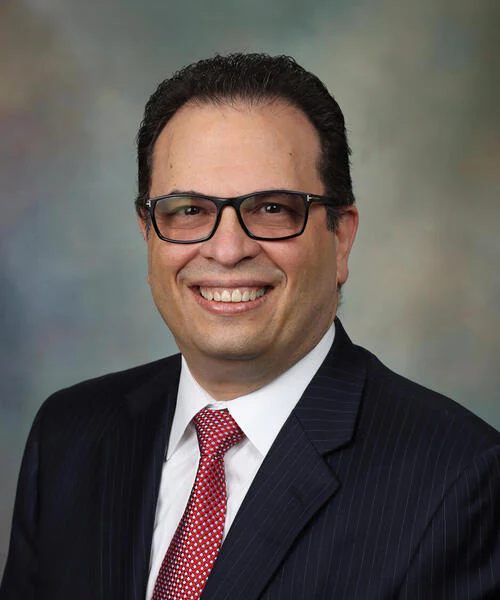 Hugo E. Vargas合作论文数Mayo Clinic80
 Paul J. Thuluvath合作论文数The Institute for Digestive Health & Liver Disease at Mercy77
 Ram Subramanian合作论文数Department of Medicine, School of Medicine, Emory University75
 Scott W. Biggins合作论文数Department of Medicine, School of Medicine, University of Pittsburgh72Michael B. Fallon合作论文数66
 Jennifer Lai合作论文数School of Medicine, University of California San Francisco62Benedict Maliakkal合作论文数Albany Medical College60
 Douglas M. Heuman合作论文数Department of Veteran Affairs47Michael Fuchs合作论文数43Andrew Fagan合作论文数42
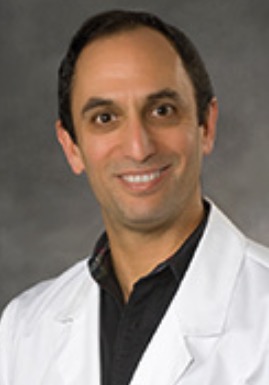 Richard K. Sterling合作论文数Department of Medicine, School of Medicine, Virginia Commonwealth University;Department of Internal Medicine, School of Medicine, Virginia Commonwealth University42
 Arun J. Sanyal合作论文数Division of Gastroenterology, Hepatology and Nutrition, Department of Internal Medicine, School of Medicine, Virginia Commonwealth University42
 James B Wade合作论文数37Velimir A. Luketic合作论文数Virginia Commonwealth Univ37
 Melanie White合作论文数School of Medicine Sciences, Faculty of Medicine and Health, The University of Sydney36Edith Gavis合作论文数34Jawaid Shaw合作论文数Division of Gastroenterology, Hepatology and Nutrition, Virginia Commonwealth University and Richmond VA Medical Center30
 R. Todd Stravitz合作论文数Stravitz-Sanyal Institute for Liver Disease and Metabolic Health, Virginia Commonwealth University29
 Puneet Puri合作论文数Department of Internal Medicine, Virginia Commonwealth University Health System29Dace S. Svikis合作论文数University of Minnesota26Brian Bush合作论文数25
 Jacob George合作论文数Faculty of Medicine and Health, The University of Sydney25
 Ramazan Idilman合作论文数Department of Gastroenterology, Ankara University Medical School25
 Andres Duarte合作论文数Feinberg School of Medicine, Northwestern University24Acharya Chathur合作论文数Department of Medicine, University of Pittsburgh Medical Center Pasavant24
 Torre-Delgadillo Aldo合作论文数23
 Hailemichael Desalegn Mekonnen合作论文数Medical Department, St. Paul's Hospital Millennium Medical College22Unser Ariel B合作论文数22Hayes Peter C合作论文数22Mark Topazian合作论文数22Masoumeh Sikaroodi合作论文数22
 Patrick Gillevet合作论文数Microbiome Analysis Center, College of Science, George Mason University;School of Systems Biology, College of Science, George Mason University22
 Zhujun Cao (曹竹君)合作论文数21
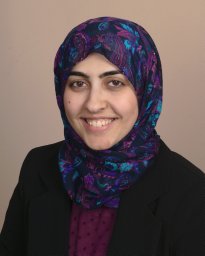 Somaya Albhaisi合作论文数Division of Hospital Medicine, Virginia Commonwealth University Medical Center21Scott Matherly合作论文数21
 Ashok Kumar Choudhury合作论文数Institute of Liver & Biliary Sciences21
 Qing Xie (谢青)合作论文数Ruijin Hospital, School of Medicine, Shanghai Jiao Tong University21Nicole a Noble合作论文数20
 Shiv Kumar Sarin合作论文数Department of Hepatology, Institute of Liver and Biliary Sciences;Jawaharlal Nehru Center for Advanced Scientific Research20
 Sumeet Kumar Asrani合作论文数Baylor University Medical Center, Baylor Scott & White Health;Baylor Scott & White Heart and Vascular Hospital - Dallas;Baylor Scott & White Medical Center - Waxahachie18
 Ashish Goel合作论文数16Danielle Adebayo合作论文数16




