Female cancer survivors (FCS) have a higher risk of infertility compared to women without a history of cancer. Consuming healthful diets could improve female fertility and promote healthy cancer survivorship. As an initial step to intervention development, this study explores FCS and healthcare provider (HCP) perspectives regarding nutrition and fertility. We conducted semi-structured interviews with 11 HCPs and a secondary analysis of qualitative data from 20 FCS. Data were analyzed using directed content analysis. Two broad themes were identified with several interrelated subthemes: (1) Barriers to Optimal Nutrition: Subthemes: Time Constraints (Both HCPs and FCS); Absence of Standardized Guidelines due to perceived lack of Research and Education (HCPs); Unclear and Insufficient Dietary Guidance (FCS) and (2) Ideas and Opinions about Fertility Nutrition: Subthemes: Skeptic Acknowledgment of Potential (HCPs); Motivation to Change Nutrition Behavior (FCS). Healthful nutrition may improve fertility in women and would be of particular importance for FCS who are at an increased risk of infertility. Addressing the challenges in adopting a healthful diet is essential for creating effective interventions.
This article has been retracted: please see Elsevier policy on Article Correction, Retraction and Removal (https://www.elsevier.com/about/policies-and-standards/article-withdrawal).This abstract has been retracted at the request of the Authors.The abstract was withdrawn from the 39th NASPAG Annual Clinical and Research Meeting but published as an oral presentation. As the abstract was not presented it is being retracted.
Advancements in cancer treatments and associated increased survival rates have led to a growing number of girls and women facing reproductive health challenges as a result of their oncologic treatments. Radiation and chemotherapy have been demonstrated to have adverse effects on fertility. Ovarian damage as a result of radiation and chemotherapy has been the subject of extensive study. Less well understood are the uterine changes mediated by these treatment modalities. Uterine damage from radiation therapy is related to dose, regimen, and patient age. Certain chemotherapies have demonstrated similar effects. Women with uterine damage have a lower likelihood of conceiving and a higher risk of pregnancy complications, including early pregnancy loss, preterm labor, and low birth weight infants. Surgical, medical, and genetic therapies are being evaluated to protect the uterus from treatment-related injury. Pre- and post-treatment consultation with oncofertility specialists is critical in assessing a patient's risk of uterine injury from a proposed cancer treatment plan as well as understanding treatment-induced injury to optimize fertility preservation.
Breast cancer is the most common malignancy among women of reproductive age, with many women affected before or soon after childbearing. Treatments frequently increase the risk of ovarian injury and infertility, making early family-building decisions and timely counseling essential. Extended adjuvant endocrine therapy can further complicate pregnancy planning; however, recent evidence—including results from the POSITIVE trial—demonstrates that temporarily interrupting treatment to pursue childbearing and breastfeeding is safe for appropriately selected patients. In addition to fertility loss, many patients experience sexual dysfunction and diminished quality of life due to prolonged estrogen deprivation. Despite the availability of successful fertility preservation technologies, many survivors report inadequate counseling and limited access, particularly among minorities and underserved populations. This manuscript reviews fertility risk stratification, preservation options—including implications of ovarian tissue freezing—sexual health management, contraception, and survivorship care. Emphasis is placed on early, individualized counseling, equitable access, and multidisciplinary collaboration to optimize reproductive and sexual health in cancer care.
Guidelines regarding the optimal use and timing of anti-Mullerian hormone (AMH) screening in childhood cancer survivors to evaluate for the risk of premature ovarian insufficiency or reduced fertility potential are lacking. We conducted a systematic review of the current evidence supporting AMH screening of female childhood cancer survivors with the overall objective to identify gaps in the literature needing further study, to allow for future data-driven recommendations. Search terms included "cancer, fertility, and anti-Mullerian hormone." We included original research articles that had ≥20 female childhood cancer survivors and excluded studies not including pediatric oncology survivors (≤18 years of age), did not include raw AMH values, were a mixed pediatric/young adult population which were minority pediatric, or did not separate pediatric from adult AMH data. In total, 17 studies (8 case-control, 5 cross-sectional, and 4 longitudinal prospective cohorts), encompassing 1106 total survivors met inclusion criteria and were further evaluated. Three studies evaluated the relationship of AMH to antral follicle count with generally good concordance. Four studies analyzed longitudinal changes in AMH with chemotherapy demonstrating that most patients will have an acute drop in AMH during therapy, and recovery of AMH over time is dependent on treatment intensity. No studies evaluated the optimal timing or interval of AMH testing. AMH correlates well with other markers of ovarian reserve, but there is insufficient data regarding the utility of AMH to predict the ability to conceive or timing of menopause. Optimal AMH screening initiation, duration, and intervals also require further study.
IntroductionPediatric, adolescent, and young adult patients undergoing a hematopoietic cell transplant (HCT) and cellular therapies (CT) are at risk for significant gonadal dysfunction secondary to preconditioning with alkylating agents and total body irradiation. Guidelines recommend that patients receiving gonadotoxic therapies be offered a fertility preservation consultation. Patients also report improved satisfaction with fertility counseling when performed by a reproductive specialist. Children's Hospital Colorado established the Fertility Preservation (FP) and Reproductive Late Effects Program in January 2020. However, referrals to the FP team continue to be underutilized in HCT patients, and the type of counseling provided by HCT providers is variable.ObjectivesWe aim to increase the number of patients who receive counseling from the FP team prior to HCT or CT by incorporating a fertility bundle into the existing workflow.MethodsAll patients 0-30 years who received an HCT, CT, and/or gene therapy between January 2020 and September 2023 were identified using electronic medical records. A retrospective chart review identified those who had a documented FP team consult prior to implementation of the intervention. A fertility bundle, consisting of a pre-selected fertility referral order and a fertility counseling reminder in the pre-transplant workup checklist, was included in the transplant workflow in August 2023. Prospective data are being collected. Descriptive statistics were used for analysis.Results216 patients were evaluated pre-implementation and met inclusion criteria. A total of 31.5% [N=68] (autologous=25.8% [N=22], allogeneic=37.7% [N=40], CART=25% [N=6]) patients received a fertility consult prior to HCT or CT. Of those who received a consultation, 57.4% [N=39] (autologous=54.5% [N=12], allogeneic=62.5% [N=25], CART=33% [N=2]) pursued fertility preservation prior to therapy. Following implementation of the fertility bundle, 10 patients have thus far met inclusion criteria. 70% [N=7] had a documented fertility consultation prior to receiving HCT or CT [Risk Ratio 2.22; 95% Confidence Interval 1.42-3.49; p=0.011]. Of those who did receive a consultation, 71.4% [N=5] pursued fertility preservation.ConclusionsDespite the known significant risks to fertility associated with HCT and CT, we found that at our institution, a minority of patients were being referred for formal fertility consultation, highlighting the need for improvement. The implementation of a fertility bundle is showing early benefit with an increase in patients who receive formal consultation. We also hope to implement a best practice alert to aid in identifying patients who warrant a FP consultation. While the number of individuals who pursue FP also appears to be increasing, further data are being collected to better understand barriers to pursuing FP.
Background Prader-Willi Syndrome (PWS) is a genetic imprinting syndrome associated with high rates of endocrinopathies such as growth hormone deficiency, thyroid dysfunction, and primary and central hypogonadism. True puberty is absent, delayed, or incomplete in many individuals with PWS, although premature adrenarche is common. The literature on hypogonadism in females with PWS is sparse and no guidelines exist for hypogonadism treatment. We aimed to characterize bleeding patterns and current practices of hormone replacement therapy (HRT) in adolescent and young adult PWS females at a single center in order to inform the development of future studies to improve health outcomes for this population. Methods After IRB exemption (#23-1715), we performed a retrospective chart review on females, ages 5 to 25 years, with the diagnosis of Prader-Willi Syndrome seen at Children's Hospital Colorado between 1/1/13 and 9/1/23. Demographic and clinical data were collected and entered into a secure REDCap database. Descriptive statistics were reported as means and standard deviations for continuous variables and as frequency and percent for categorical variables. Complete hypogonadotropic hypogonadism (HH) is defined as undetectable or pre-pubertal LH (< 0.3 mIU/mL) or lack of thelarche by 13yo. Partial hypogonadism is defined as LH >0.3 mIU/mL and estradiol < 20 pg/mL or absence of menses by 15yo. Results A total of 51 patients met inclusion criteria (Table 1). The majority of patients (84%) 13 years or older met criteria for hypogonadism. Twenty-one patients were diagnosed with hypogonadism, of whom 8 experienced premature adrenarche and 1 was diagnosed with true precocious puberty. Eight patients had complete HH and 13 had partial hypogonadism. No patients had primary hypogonadism. Onset of vaginal bleeding ranged from 10-19yo (avg 15.2) with 6 patients reporting spontaneous spotting or oligomenorrhea (13.3yo [10-15]) and 8 developed bleeding after starting HRT. Eighteen patients were prescribed HRT (14.8yo [12-18]). Progesterone replacement was added in 11 patients 1.6 years (average) after initiating HRT. A total of 9 patients (50%) discontinued HRT with 6 (66.7%) restarting (18mo average [range 2mo-4 years]) after discontinuation. Breakthrough bleeding was the most common reason for discontinuation (44.4%). Conclusions Hypogonadism is common among adolescent and young adult PWS females. Rates of HRT discontinuation are high due to breakthrough bleeding. Our findings highlight the need to identify feasible approaches to HRT, management of side effects, and long-term strategies for estrogen replacement in this population to improve HRT compliance.
BackgroundPrimary ovarian insufficiency (POI) and radiation-induced uterine injury (RIUI) affect 12-82% and 30% of cancer survivors receiving at-risk therapies for cancer and non-malignant conditions, respectively. Significant research has focused on methods to mitigate ovarian and uterine injury prior to therapy, but less attention has been directed towards standardizing the evaluation and treatment of primary ovarian insufficiency (POI) and uterine injury in survivorship. The objective of this study is assess if current practice patterns are consistent with recommended guidelines of care for adolescent cancer survivors and to identify gaps in the management and treatment of radiation-induced uterine injury.MethodsThis retrospective study included data of female cancer survivors ages 20-51 years at the time of study recruitment who were treated with pelvic radiation or total body irradiation (TBI) from September 2009 – September 2019. We received approval from the Institutional Review Board (IRB) to abstract data from the Electronic Medical Record (EMR) at the Children's Hospital Colorado (CHCO) and University of Colorado. The cohort of patients who received pelvic or total body irradiation were identified and we calculated rates of referral to an oncofertility provider, rates of assessment of uterine volume and subsequent birth outcomes.Results41 patients met criteria for inclusion in the cohort with a median age of 35 years. Of these, 23 (56%) were referred to an oncofertility specialist, 5 (12%) received a pelvic ultrasound which documented uterine volume after radiation therapy, and 5 (12%) were found to have documented POI or infertility after treatment. 2 (4.8%) of the patients in this cohort had term deliveries after their radiation treatment.ConclusionsIn this study, only half of female cancer patients were referred to oncofertility consultation for fertility preservation and many patients had inadequate work-up for fertility preservation. Identifying gaps in timely referrals offers opportunities to improve access to fertility preservation options and reproductive outcomes among cancer survivors.
Study Objective The purpose of this study is to describe practices to prevent vaginal stenosis in pediatric and adolescent patients and to evaluate the strengths and weaknesses of available vaginal stents. Methods An online survey was distributed to North American Society for Pediatric and Adolescent Gynecology (NASPAG) members with an optional follow up focus group. Quantitative and qualitative data were synthesized to highlight physician practices and preferences using vaginal stents, strengths and weakness of stents, and ideal stent properties. Results Twenty physicians completed at least 50% of the survey and 4 participated in the focus group. Most were pediatric and adolescent gynecology (PAG) specialists (95%) with fellowship training (60%) and experience in managing Müllerian anomalies (80%). Physicians reported they “always” used a vaginal stent when performing vaginoplasty for distal vaginal agenesis with a graft (62.5%) or without a graft (37.5%), and for transverse vaginal septa (57.1%). The most common type of stents used were packed condoms (60%), tracheobronchial stents (40%), Foley catheters (35%), and custom stents (35%). Participants described an ideal vaginal stent as something that would stay in place, cause little discomfort, expand, and come in a variety of lengths. Conclusions There are limited vaginal stent options for the PAG population. Participants reported variability in stents used to prevent vaginal stenosis with commonly used vaginal stents having significant weaknesses. Future efforts are needed to identify and develop post-operative clinical guidelines to prevent vaginal stenosis.
Tumors of the breast and reproductive organs that occur in children, adolescents, and young adults (AYA) have different biological features and can present special challenges. Although prognosis for these tumors is generally favorable, the long-term effects of treatment can be debilitating. Treatments are often multimodal and may include surgery as well as chemotherapy and/or radiation, which can cause considerable distress and anxiety related to loss of femininity or masculinity, concern over future fertility, or sexual dysfunction. Thus, tumors of the reproductive organs in pediatric/AYA patients require special consideration of the treatment effects beyond the intended oncologic outcome. Multidisciplinary teams should be involved in their care and address issues of fertility, sexual dysfunction, and psychosexual concerns before treatment begins. This review addresses histology, risk factors, prognosis, staging and treatment of gynecologic, breast and testicular cancers in pediatric and AYA patients.
As pediatric, adolescent, and young adult cancer survival rates increase, emphasis is placed on reducing late effects, including reproductive complications and potential impact to fertility. Male survivors are at risk of abnormalities in sperm, hormone deficiencies, and sexual dysfunction. This can impact one's progression into puberty and ability to have a biological child and impacts quality of life following treatment. Access to reproductive care is important and requires patient assessment and appropriate referral to reproductive specialists. This review addresses reproductive complications associated with therapy, standard-of-care testing, and therapeutic interventions. The psychologic impact on psychosexual functioning is also addressed.
The incidence of cancers such as colorectal cancer, head and neck cancer, and melanoma has increased in younger patients. The number of cancer survivors is also increasing in the US. Pairing these facts together, there are many people with cancer for whom pregnancy and fertility concerns are crucial aspects of their oncologic and survivorship care. For these patients, understanding and having access to fertility preservation options is an essential part of their care. At JADPRO Live 2022, a panel of experts from diverse professions provided perspectives on the consequences for the treatment landscape after the Dobbs v. Jackson decision.
Background and objective The effects of hormonal contraception (HC) use on ovarian reserve (OR) markers in individuals seeking an infertility evaluation and the success of assisted reproductive technology (ART) warrant further investigation. Therefore, the aim of this study was to determine if women seeking an evaluation for unexplained infertility who used long-term (≥2 years) HC have lower ovarian reserve (OR) markers and higher uptake of ART compared to short-term (<2 years) or never HC users. Methods We performed a cross-sectional patient survey involving a retrospective medical chart review of patients seeking an evaluation for unexplained infertility at the University of Colorado Advanced Reproductive Medicine (CU ARM) clinic. Results Most participants (87%; 107/123) reported a history of HC use with 98 (79.7%) reporting long-term continuous use for two or more years. Median OR markers were similar between long-term and short-term/never HC users [anti-Müllerian hormone (AMH): 2.4 vs. 3.2, p=0.20; antral follicle count (AFC): 18 vs. 26, p=0.10; follicle-stimulating hormone (FSH): 7.6 vs. 6.3, p=0.26] and remained so after adjusting for age and diagnosis of polycystic ovarian syndrome (PCOS) or primary ovarian insufficiency (POI) in linear regression models. However, among HC users aged less than 30 years (n=9), those who had discontinued HC between two and three years prior to the assessment of their OR markers had a 6.20 ng/mL increase in AMH level compared to those who had discontinued HC less than two years prior to the assessment (p=0.02). Additionally, there was a marginally increased use of ART overall among long-term HC users compared to short-term/never HC users (64.3% vs. 44.0%, p=0.06), specifically in the use of in vitro fertilization (IVF) (58.7% vs. 18.2%, p=0.01). Among long-term HC users, ovulation induction was less likely to result in live birth compared to short-term/never HC users (8.9% vs. 62.5%, p<0.001); however, after adjusting for age, PCOS, POI, and type of ART used, there was no difference in the odds of live birth after ART between long-term HC users and short-term/never users. Conclusion While long-term HC users report increased use of ART, in particular IVF, the overall conception rates and live birth outcomes among ART users do not appear to be significantly affected by a history of long-term HC use.
Reproductive late effects after hematopoietic stem cell transplant can have a significant impact on cancer survivors' quality of life. Potential late effects include gonadal insufficiency, genital graft-versus-host disease, uterine injury, psychosexual dysfunction, and an increased risk of breast and cervical cancer in patients treated with total body irradiation. Despite guidelines, screening and treatment are not standardized among at-risk patients. Provider barriers include lack of knowledge of at-risk therapies and evidenced-based guidelines. Patient barriers include a reluctance to report symptoms and lack of awareness of treatment options. System barriers include inefficient implementation of screening tools and poor dissemination of guidelines to providers who serve as the medical home for survivors. This review guides the clinician in identifying and managing reproductive late effects after hematopoietic stem cell transplant to improve outcomes.
Background: Little is known about fertility and pregnancy outcomes in patients with anorectal malformations (ARM), particularly those with long common channel cloaca and cloacal exstrophy who may have impaired fertility. The purpose of this study is to describe pregnancy and offspring data from a cohort of patients with ARM. Methods: A retrospective review of female patients with ARM from our database, which includes patients operated on since 1980, was performed as well as a review of the literature. Demographic, operative, and self-reported fertility, obstetric, and offspring data were collected. Results: There were 37 females identified in our database who reported any pregnancy or having children. There were 59 pregnancies, 48 (81.3%) of which resulted in live birth. The most common mode of delivery was cesarean delivery. There were five patients with long channel cloaca (>3 cm) and one with cloacal exstrophy that reported 11 total pregnancies, eight of which resulted in live birth. Four cloaca patients in which the native vagina was pulled through were able to conceive spontaneously. Three patients with cloacal anomalies required in vitro fertilization to conceive; one was unsuccessful. No patients who underwent bowel partial vaginal replacement became pregnant. Women with ARM face many unique challenges in assisted reproduction, pregnancy, and delivery owing to their anatomy and associated anomalies. Conclusions: Women with recto-perineal, recto-vestibular, and cloacas in which the native vagina was pulled through are capable of spontaneous pregnancy. Assisted reproduction, however, may be needed those with more complex anomalies and surgical repairs. Level of evidence: IV. (c) 2022 Elsevier Inc. All rights reserved.
An estimated 500,000 cancer survivors of reproductive age in the United States will live to experience the long-term consequences of cancer treatment. Therefore, a focused aspect of cancer care has appropriately shifted to include quality of life in survivorship. Infertility is a late effect of therapy that affects 12% of female survivors of childhood cancer receiving any cancer treatment in large cohort studies and results in a 40% decreased likelihood of pregnancy in young adults of ages 18-39 years. Nonfertility gynecologic late effects such as hypoestrogenism, radiation-induced uterine and vaginal injury, genital graft-versus-host disease after hematopoietic stem cell transplant, and sexual dysfunction also significantly affect quality of life in survivorship but are underdiagnosed and require consideration. Several articles in the special edition "Reproductive Health in Adolescent and Young Adult Cancer Survivorship" address infertility, genital graft-versus-host disease, and psychosexual functioning in survivorship. This review article focuses on other adverse gynecologic outcomes of cancer therapies including hypogonadism and hormone replacement therapy, radiation-induced uterovaginal injury, vaccination and contraception, breast and cervical cancer screening, and pregnancy considerations in survivorship.
BACKGROUND: Nonsexually acquired genital ulcers have been described among girls who are prepubertal after various viral illnesses due to mucosal inflammation from an immunologic response. Until recently, nonsexually acquired genital ulcers have only been associated with viral infections. CASE: We present a case of an adolescent girl developing nonsexually acquired genital ulcers after both her first and second coronavirus disease 2019 (COVID-19) vaccine doses. Her course followed an expected timeline for severity and resolution of ulcers. CONCLUSIONS: Aphthous ulcers may arise from inflammatory effects of COVID-19 vaccination. Clinical monitoring after COVID-19 vaccination from all formulations should include assessment for nonsexually acquired genital ulcers if vaginal pain is reported.
 Leena Nahata合作论文数Department of Pediatrics, The Ohio State University College of Medicine10
 Moravek Molly B合作论文数10
 Anazodo Antoinette合作论文数Kids Cancer Centre (KCC),, Sydney Children's Hospital10
 Teresa Woodruff合作论文数Department of Obstetrics, Gynecology, and Reproductive Biology, College of Human Medicine, Michigan State University;Department of Biomedical Engineering, College of Engineering, Michigan State University9Veronica I Alaniz合作论文数8Veronica Gomez-Lobo合作论文数8
 Karen Hampanda合作论文数a Department of Health and Behavioral Sciences, University of Colorado Denver7Holly R. Hoefgen合作论文数6
 Lillian R Meacham合作论文数6Huguelet Patricia S合作论文数6Krista Childress合作论文数6
 Stephen Mitchell Scott合作论文数6Maggie Dwiggins合作论文数5Olivia Frias合作论文数5
 Stacy Whiteside合作论文数5
 Steven R. Lindheim合作论文数Department of Obstetrics and Gynecology, Boonshoft School of Medicine, Wright State University;Division of Reproductive Endocrinology and Infertility, Wright State University5Erin Foust合作论文数4
 H. Irene Su合作论文数Division of Reproductive Endocrinology and Infertility, Department of Obstetrics, Gynecology, & Reproductive Sciences, School of Medicine, University of California, San Diego4
 Gwendolyn P. Quinn合作论文数Department of Obstetrics and Gynecology, Grossman School of Medicine, New York University4
 Yasmin Jayasinghe合作论文数Department of Obstetrics & Gynaecology, Melbourne Medical School, Faculty of Medicine, Dentistry and Health Sciences, The University of Melbourne4
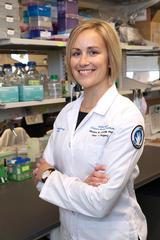 Monica M Laronda合作论文数Endocrinology, Department of Pediatrics, Feinberg School of Medicine, Northwestern University4
 Maryam Lustberg合作论文数School of Medicine, Yale University;Cancer Center, Yale University;Center for Breast Cancer, Smilow Cancer Hospital4
 Mahmoud Salama合作论文数Department of Gynecological Endocrinology and Reproductive Medicine, Innsbruck Medical University4Courtney Finlayson合作论文数4
 Shuo Xiao合作论文数Shaanxi Microelectronics Research Institute4
 Kyle Orwig合作论文数Department of Obstetrics, Gynecology & Reproductive Sciences, University of Pittsburgh;Magee-Womens Research Institute, University of Pittsburgh4
 Alex J. Polotsky合作论文数Department of Obstetrics and Gynecology, University of Colorado Denver School of Medicine4Janie Benoit合作论文数3Tara Schafer-Kalkhoff合作论文数3Deb Schmidt合作论文数3Cassandra Roeca合作论文数3Nao Suzuki合作论文数3Mary Ellen Pavone合作论文数3
 Joshua Johnson合作论文数3Kate McCracken合作论文数3
 Karen Burns合作论文数Interdepartmental Division of Critical Care Medicine, Department of Medicine, Temerty Faculty of Medicine, University of Toronto;St. Michael’s Hospital;Canadian Frailty Network3
 Sender Leonard S合作论文数3Rotz Seth合作论文数3Erin Rowell合作论文数3Jenna Sopfe合作论文数3
 Richard Anderson合作论文数Centre for Reproductive Health, Institute for Regeneration and Repair, The University of Edinburgh3
 Mary Sammel合作论文数Department of Biostatistics & Informatics, Colorado School of Public Health, University of Colorado;Center for Innovative Design & Analysis, Colorado School of Public Health, University of Colorado3
 Robert E. Brannigan合作论文数Northwestern University, Feinberg School of Medicine, USA3Mahmoud Kassem合作论文数2Julie Friedman合作论文数2Marcella Fasano合作论文数2Jeffrey Van Deusen合作论文数2Ricardo M. Marinho合作论文数2Mary Birdsall合作论文数2




