Study Design Retrospective Cohort Study. Objectives To evaluate the accuracy of the ACS-NSQIP Pediatric Surgical Risk Calculator in predicting postoperative complications and mortality following pediatric spinal deformity surgery. Predicted risks were compared with observed outcomes from the ACS-NSQIP Pediatric database, stratified by scoliosis etiology, fusion level, and surgical approach. Methods We performed a retrospective analysis of pediatric patients who underwent spinal deformity correction between 2012 and 2023 using the ACS-NSQIP Pediatric database. Patients were categorized as idiopathic or neuromuscular scoliosis. Predicted risks were compared with observed 30-day outcomes including mortality, surgical site infection, pneumonia, and urinary tract infection. Predictive performance was assessed using the Brier score across discrimination and calibration dimensions. Results A total of 58,010 patients were included (45,211 idiopathic; 12,799 neuromuscular). Overall, the calculator predicted a 2.74% complication rate vs an observed rate of 9.54% (Brier: 0.00462; 5.35% of maximum), reflecting poor discrimination and substantially underestimated absolute risk. The most frequent complications were surgical site infection (2.12%), pneumonia (0.99%), and urinary tract infection (0.64%), each demonstrating adequate individual-level discrimination and calibration. Stratified analyses showed adequate performance for idiopathic scoliosis patients undergoing 0-12 level fusions, while discrimination was poor for ≥13 level fusions. Performance was substantially worse among neuromuscular scoliosis patients across all fusion levels. Surgical approach did not meaningfully affect performance. Conclusions The calculator reliably predicts select individual complications but underestimates overall risk in high-complexity cases, particularly extensive fusions and neuromuscular scoliosis. Incorporating deformity-specific and surgical complexity variables may improve preoperative risk stratification and counseling.
BACKGROUND AND OBJECTIVES:Adequate understanding of health information has been shown to be a stronger determinant of health than several demographic factors, including age, income, or employment status. However, existing neurosurgical patient education materials (PEMs) may be too complex for the average American and may contribute to poor health literacy. Large language model chatbots may provide a rapid and low-cost means of rewriting existing PEMs at a lower reading level to improve patient understanding and overall health literacy. METHODS:Neurosurgical PEMs pertaining to stroke, laminectomy, pituitary tumors, epilepsy, and hydrocephalus published by the top 100 US hospitals were collected. For all PEMs, common measures of reading level and difficulty were generated, including Flesch Kincaid Grade Level, Flesch Reading Ease (FRE), Gunning Fog Index, Automated Readability Index, Coleman-Liau Index, and the Simple Measure of Gobbledygook Index readability score. ChatGPT-4 was then used to rewrite 25 randomly selected PEMs at or near the reading level of the average American (eighth-grade reading level). The rewritten PEMs were assessed for readability using the same measures of reading level and difficulty. RESULTS:The mean FRE for PEMs on all 5 common neurosurgical conditions were significantly greater than corresponding scores for an eighth-grade reading level ( P < .001). The mean Kincaid value, Automated Readability Index, Coleman-Liau score, Gunning Fog Index, and Simple Measure of Gobbledygook Index for PEMs on each condition were all significantly greater than an eighth-grade reading level ( P < .01). The mean FRE score for rewritten PEMs on each topic were significantly lower than nonrewritten materials ( P < .01) except spinal stenosis ( P = .104) and were validated for accuracy. CONCLUSION:Existing PEMs published by the top US hospitals for common neurosurgical conditions may be too complicated for the average American that reads at an eighth-grade level. Large language model chatbots can be used to efficiently rewrite these PEMs at a lower reading level while maintaining the accuracy of the material.
Epilepsy affects approximately 50 million individuals worldwide, with nearly one-third suffering from drug-resistant epilepsy (DRE). For these patients, localizing the epileptogenic zone (EZ) is critical for effective surgical intervention but often requires implantation of intracranial electrodes and days to weeks in the hospital to record seizures. This study evaluates the efficacy of neural fragility, a dynamical network-based metric, as a computational biomarker for the identification of epileptogenic nodes during resting-state intracranial EEG (iEEG). Because EZ can never be truly validated in human iEEG data due to the absence of ground truth, we use in-silico data with pre-defined EZs, generated with a phenomenological network model, to assess the predictive accuracy of neural fragility in localizing seizure-generating regions. Results demonstrate a bimodal distribution of fragility scores, with a threshold-based classification accurately identifying epileptogenic nodes in 45% and 54% of simulations for two different datasets. While findings highlight the potential of neural fragility for EZ localization, variability in predictions suggests a need to determine physical and phenomenological factors driving prediction accuracies. Future work will focus on parameter optimization of dynamical network models, integration of additional network features, and validation of the model with clinically derived (iEEG) data that include surgical success results.Clinical Relevance— This research advances computational methods for epilepsy surgical planning, aiming to improve patient outcomes through more precise epileptogenic zone localization.
DNA methylation marks have recently been used to build models known as epigenetic clocks, which predict calendar age. As methylation of cytosine promotes C-to-T mutations, we hypothesized that the methylation changes observed with age should reflect the accrual of somatic mutations, and the two should yield analogous aging estimates. In an analysis of multimodal data from 9,331 human individuals, we found that CpG mutations indeed coincide with changes in methylation, not only at the mutated site but with pervasive remodeling of the methylome out to ±10 kilobases. This one-to-many mapping allows mutation-based predictions of age that agree with epigenetic clocks, including which individuals are aging more rapidly or slowly than expected. Moreover, genomic loci where mutations accumulate with age also tend to have methylation patterns that are especially predictive of age. These results suggest a close coupling between the accumulation of sporadic somatic mutations and the widespread changes in methylation observed over the course of life. Koch and colleagues report that epigenetic clocks mirror age predictions based on the accumulation of somatic mutations and show that somatic mutations at CpG sites coincide with extensive remodeling of the surrounding methylome.
OBJECTIVE:Whereas a scalp electroencephalogram (EEG) is important for diagnosing epilepsy, a single routine EEG is limited in its diagnostic value. Only a small percentage of routine EEGs show interictal epileptiform discharges (IEDs) and overall misdiagnosis rates of epilepsy are 20% to 30%. We aim to demonstrate how network properties in EEG recordings can be used to improve the speed and accuracy differentiating epilepsy from mimics, such as functional seizures - even in the absence of IEDs. METHODS:In this multicenter study, we analyzed routine scalp EEGs from 218 patients with suspected epilepsy and normal initial EEGs. The patients' diagnoses were later confirmed based on an epilepsy monitoring unit (EMU) admission. About 46% ultimately being diagnosed with epilepsy and 54% with non-epileptic conditions. A logistic regression model was trained using spectral and network-derived EEG features to differentiate between epilepsy and non-epilepsy. Of the 218 patients, 90% were used for training and 10% were held out for testing. Within the training set, 10-fold cross validation was performed. The resulting tool was named "EpiScalp." RESULTS:EpiScalp achieved an area under the curve (AUC) of 0.940, an accuracy of 0.904, a sensitivity of 0.835, and a specificity of 0.963 in classifying patients as having epilepsy or not. INTERPRETATION:EpiScalp provides an accurate diagnostic aid from a single initial EEG recording, even in more challenging epilepsy cases with normal initial EEGs. This may represent a paradigm shift in epilepsy diagnosis by deriving an objective measure of epilepsy likelihood from previously uninformative EEGs. ANN NEUROL 2025;97:907-918.
Neural radiance fields and Gaussian splatting have recently transformed computer vision by enabling photorealistic representations of complex scenes. However, they have seen limited applications in real-world robotics tasks, such as trajectory optimization. This is due to the difficulty in reasoning about collisions in radiance models and the computational complexity associated with operating in dense models. This article addresses these challenges by proposing SPLANNING, a risk-aware trajectory optimizer operating in a Gaussian Splatting model. This article first derives a method to rigorously upper bound the probability of collision between a robot and a radiance field. Then, this article introduces a normalized reformulation of Gaussian splatting that enables efficient computation of this collision bound. Finally, this article presents a method to optimize trajectories that avoid collisions in a Gaussian splat. Experiments show that SPLANNING outperforms state-of-the-art methods in generating collision-free trajectories in cluttered environments. The proposed system is also tested on a real-world robot manipulator.
Objective: Evaluate the independent effect of age on baseline neurocognitive performance. Study Design: Baseline ImPACT scores from tests taken by 7454 athletes aged 12-22 from 2009 to 2019 were split into three age cohorts: 12-14 years (3244), 15-17 years (3732), and 18-22 years (477). Linear regression analyses were used to evaluate the effect of age on ImPACT composite scores while controlling for demographic differences, medication-use, and symptom burden. Significance values have been set at p < 0.05. Results: Linear regression analyses demonstrated that increased age does not significantly affect symptom score (beta = 0.06, p = 0.54) but does improve impulse control (beta = -0.45, p < 0.0001), verbal memory (beta = 0.23, p = 0.03), visualmotor (beta = 0.77, p < 0.0001), and reaction time (beta = -0.008, p < 0.0001) scores. However, age did not have an effect on visual memory scores (beta = -0.25, p = 0.07). Conclusions: Age was shown to be an independent modifier of impulse control, verbal memory, visual motor, and reaction time scores but not visual memory or symptom scores. This underscores the previous literature showing developmental differences as age increases among the adolescent athlete population. This data also indicates the need for repeat neurocognitive baseline testing every other year as baseline scoring is likely to change as athletes become older.
Considering various data modalities, such as images, videos, and text, humans perform causal reasoning using high-level causal variables, as opposed to operating at the low, pixel level from which the data comes. In practice, most causal reasoning methods assume that the data is described as granular as the underlying causal generative factors, which is often violated in various AI tasks. This mismatch translates into a lack of guarantees in various tasks such as generative modeling, decision-making, fairness, and generalizability, to cite a few. In this paper, we acknowledge this issue and study the problem of causal disentangled representation learning from a combination of data gathered from various heterogeneous domains and assumptions in the form of a latent causal graph. To the best of our knowledge, the proposed work is the first to consider i) non-Markovian causal settings, where there may be unobserved confounding, ii) arbitrary distributions that arise from multiple domains, and iii) a relaxed version of disentanglement. Specifically, we introduce graphical criteria that allow for disentanglement under various conditions. Building on these results, we develop an algorithm that returns a causal disentanglement map, highlighting which latent variables can be disentangled given the combination of data and assumptions. The theory is corroborated by experiments.
The Brain Imaging Data Structure (BIDS) is a community-driven standard for the organization of data and metadata from a growing range of neuroscience modalities. This paper is meant as a history of how the standard has developed and grown over time. We outline the principles behind the project, the mechanisms by which it has been extended, and some of the challenges being addressed as it evolves. We also discuss the lessons learned through the project, with the aim of enabling researchers in other domains to learn from the success of BIDS.
Generating safe motion plans in real-time is necessary for the wide-scale deployment of robots in unstructured and human-centric environments. These motion plans must be safe to ensure humans are not harmed and nearby objects are not damaged. However, they must also be generated in real-time to ensure the robot can quickly adapt to changes in the environment. Many trajectory optimization methods introduce heuristics that trade-off safety and real-time performance, which can lead to potentially unsafe plans. This paper addresses this challenge by proposing Safe Planning for Articulated Robots Using Reachability-based Obstacle Avoidance With Spheres (SPARROWS). SPARROWS is a receding-horizon trajectory planner that utilizes the combination of a novel reachable set representation and an exact signed distance function to generate provably-safe motion plans. At runtime, SPARROWS uses parameterized trajectories to compute reachable sets composed entirely of spheres that overapproximate the swept volume of the robot's motion. SPARROWS then performs trajectory optimization to select a safe trajectory that is guaranteed to be collision-free. We demonstrate that SPARROWS' novel reachable set is significantly less conservative than previous approaches. We also demonstrate that SPARROWS outperforms a variety of state-of-the-art methods in solving challenging motion planning tasks in cluttered environments. Code, data, and video demonstrations can be found at .
BACKGROUND:International medical graduates (IMGs) comprise ∼25% of physicians in the United States. Differences in promotion rates from assistant to associate to full professorship based on medical school location have been understudied. We aim to stratify odds of professional advancement by 3 categories: IMG with U.S. residency, IMG with international residency, and U.S. medical with U.S. residency training. METHODS:We created and queried a database after exclusions of 1334 neurosurgeons including multiple demographic factors: academic productivity and promotion rates. Stratified logistic regression modeled odds of promotion including the variables: decades out of training, Scopus h-index, gender, and training location. Odds ratios (ORs) and 95% confidence intervals (CIs) for each variable were calculated. RESULTS:Significant predictors of increased associate versus assistant professorship included decades out of training (OR = 2.519 [95% CI: 2.07-3.093], P < 0.0001) and Scopus h-index (OR = 1.085 [95% CI: 1.064-1.108], P < 0.0001) while international medical school with U.S. residency (OR = 0.471 [95% CI: 0.231-0.914], P = 0.0352) was associated with decreased promotion. Significant predictors of associate versus full professorship were decades out of training (OR = 2.781 [95% CI: 2.268-3.444], P < 0.0001) and Scopus h-index (OR = 1.064 [95% CI: 1.049-1.080], P < 0.0001). Attending medical school or residency internationally was not associated with odds of full professorship. CONCLUSIONS:Time out of residency and Scopus h-index were associated with higher academic rank regardless of career level. Attending medical school internationally with U.S. residency was associated with lower odds of associate professorship promotion over 10 years. There was no relationship between IMG and full professorship promotion. IMGs who attended residency internationally did not have lower promotion rates. These findings suggest it may be harder for IMGs to earn promotion from assistant to associate professor in neurosurgery.
Objective/ background Chronic headaches and sports-related concussions are among the most common neurological morbidities in adolescents and young adults. Given that the two can overlap in presentation, studying the effects of one on another has proven difficult. In this longitudinal study, we sought to assess the relationship between chronic headaches and concussions, analyzing the role of historic concussions on chronic headaches, as well as that of premorbid headaches on future concussion incidence, severity, and recovery. Methods This multi-center, longitudinal cohort study followed 7,453 youth athletes who were administered demographic and clinical surveys as well as a total of 25,815 Immediate Post-concussion Assessment and Cognitive Testing (ImPACT) assessments between 2009 and 2019. ImPACT was administered at baseline. Throughout the season concussions were examined by physicians and athletic trainers, followed by re-administration of ImPACT post-injury (PI), and at follow-up (FU), a median of 7 days post-concussion. Concussion incidence was calculated as the total number of concussions per patient years. Concussion severity and recovery were calculated as standardized deviations from baseline to PI and then FU in Symptom Score and the four neurocognitive composite ImPACT scores: Verbal Memory, Visual Memory, Processing Speed, and Reaction Time. Data were collected prospectively in a well-organized electronic format supervised by a national research-oriented organization with rigorous quality assurance. Analysis was preformed retrospectively. Results Of the eligible athletes, 1,147 reported chronic headaches (CH) at the start of the season and 6,306 reported no such history (NH). Median age of the cohort was 15.4 ± 1.6 years, and students were followed for an average of 1.3 ± 0.6 years. A history of concussions (OR 2.31, P < 0.0001) was associated with CH. Specifically, a greater number of past concussions ( r 2 = 0.95) as well as concussions characterized by a loss of consciousness ( P < 0.0001) were associated with more severe headache burden. The CH cohort had a greater future incidence of concussion than the NH cohort (55.6 vs. 43.0 per 100 patient-years, P < 0.0001). However, multivariate analysis controlling for demographic, clinical, academic, and sports-related variables yielded no such effect (OR 0.99, P = 0.85). On multivariable analysis the CH cohort did have greater deviations from baseline to PI and FU in Symptom Score (PI OR per point 1.05, P = 0.01, FU OR per point 1.11, P = 0.04) and Processing Speed (OR per point 1.08, P = 0.04), suggesting greater concussion severity and impaired symptomatic recovery as compared to the NH cohort. Conclusion A history of concussions was a significant contributor to headache burden among American adolescents and young adults. However, those with chronic headaches were not more likely to be diagnosed with a concussion, despite presenting with more severe concussions that had protracted recovery. Our findings not only suggest the need for conservative management among youth athletes with chronic headaches, they also indicate a potential health care gap in this population, in that those with chronic headaches may be referred for concussion diagnosis and management at lower rates than those with no such comorbidity.
OBJECTIVE: Bibliometrics assessing academic produc-tivity plays a significant role in neurosurgeons' career advancement. This study aimed to evaluate the influence of multiple author profiles on Scopus on neurosurgeon author -level metrics (h-index, document number, citation number).METHODS: A list of 1671 academic neurosurgeons was compiled through public searches of hospital and faculty websites for 115 neurosurgical residency training pro-grams. The h-index, document number, and citation number for each neurosurgeon were collected using the Scopus algorithm. For surgeons with multiple profiles, total docu-ment number and citation number were calculated by summing results of each profile. Cumulative h-indices were calculated manually. Comparisons were made be-tween surgeons with a single Scopus profile and surgeons with multiple profiles. RESULTS: A total of 124 neurosurgeons with multiple profiles were identified. Gender distribution (P = 0.47), years in practice (P = 0.06), subspecialty (P = 0.32), and academic rank (P = 0.16) between neurosurgeons with a single profile versus multiple profiles were similar. Primary profile h-index median was 16 (interquartile range [IQR]: 8-34), combined profiles median was 20 (IQR: 11-36), and percent loss median was 17.3% (IQR: 3%-33%) (P < 0.001). For document number, primary profile median was 46 (IQR: 16-127), combined profiles median was 55 (IQR: 22-148), and percent loss median was 16.2% (IQR: 7%-36%) (P < 0.001). For citation number, primary profile median was 1030 (IQR: 333-4082), combined profiles median was 1319 (IQR: 546-4439), and percent loss median was 14.1% (IQR: 4%-32%) (P < 0.001).CONCLUSIONS: U.S. academic neurosurgeons with mul-tiple existing profiles on Scopus experience a 17.3% loss in h-index, a 16.2% loss in document number, and a 14.1% loss in citations, heavily undercounting their perceived academic productivity.
Decision forests (Forests), in particular random forests and gradient boosting trees, have demonstrated state-of-the-art accuracy compared to other methods in many supervised learning scenarios. In particular, Forests dominate other methods in tabular data, that is, when the feature space is unstructured, so that the signal is invariant to a permutation of the feature indices. However, in structured data lying on a manifold (such as images, text, and speech) deep networks (Networks), specifically convolutional deep networks (ConvNets), tend to outperform Forests. We conjecture that at least part of the reason for this is that the input to Networks is not simply the feature magnitudes, but also their indices. In contrast, naive Forest implementations fail to explicitly consider feature indices. A recently proposed Forest approach demonstrates that Forests, for each node, implicitly sample a random matrix from some specific distribution. These Forests, like some classes of Networks, learn by partitioning the feature space into convex polytopes corresponding to linear functions. We build on that approach and show that one can choose distributions in a manifold-aware fashion to incorporate feature locality. We demonstrate the empirical performance on data whose features live on three different manifolds: a torus, images, and time-series. Moreover, we demonstrate its strength in multivariate simulated settings and also show superiority in predicting surgical outcome in epilepsy patients and predicting movement direction from raw stereotactic EEG data from non-motor brain regions. In all simulations and real data, Manifold Oblique Random Forest (MORF) algorithm outperforms approaches that ignore feature space structure and challenges the performance of ConvNets. Moreover, MORF runs fast and maintains interpretability and theoretical justification.
The AANS/CNS Joint Section on Tumors (JST) awards are given for tumor research and clinical achievements. Associations between scholarly awards and academic productivity in neurosurgery have not been thoroughly investigated. We explore associations between JST awards and measures of academic productivity to evaluate the relationship between scholarly output, fellowship training, and awarded recognition. Demographic information was collected from public data of 1671 academic neurosurgeons comprising 115 Accreditation Council for Graduate Medical Education accredited institutions. h -index was queried from Scopus. The mean-Relative Citation Ratio (RCR) and weighted-RCR were gathered from the NIH iCite database from 2002-2020. JST award reception was determined from the JST official resource. RCR, h -index, and NIH funding were compared between neurosurgeons who received JST awards and those who did not, using multivariable linear regression. Analysis showed w-RCR was higher among award recipients (β=15.02; 95% CI:4.741,25.29; p <0.01), while m-RCR was not significantly different (β=-0.049, 95%CI 0.2214,0.1238; p =0.5336). h -index was higher among award winners (β=2.155; 95% CI 1.164,3.147; p =0.0008). Award recipients also received greater NIH funding ( p <0.0001) and were positively associated with Oncology/Skull Base, General, and Radiosurgery subspecialty training. Receiving a JST award may be correlated with a more productive research career and establishes benchmark metrics for JST award winning. To our knowledge, this is one of the first analyses on this type of award winning in neurosurgery using both the h -index and the more recently created RCR.
Causal inference studies whether the presence of a variable influences an observed outcome. As measured by quantities such as the "average treatment effect," this paradigm is employed across numerous biological fields, from vaccine and drug development to policy interventions. Unfortunately, the majority of these methods are often limited to univariate outcomes. Our work generalizes causal estimands to outcomes with any number of dimensions or any measurable space, and formulates traditional causal estimands for nominal variables as causal discrepancy tests. We propose a simple technique for adjusting universally consistent conditional independence tests and prove that these tests are universally consistent causal discrepancy tests. Numerical experiments illustrate that our method, Causal CDcorr, leads to improvements in both finite sample validity and power when compared to existing strategies. Our methods are all open source and available at github.com/ebridge2/cdcorr.
BACKGROUND:Flexion-extension magnetic resonance imaging (MRI) has potential to identify cervical pathology not detectable on conventional static MRI. Our study evaluated standard quantitative and novel subjective grading scales for assessing the severity of cervical spondylotic myelopathy in dynamic sagittal MRI as well as in static axial and sagittal images. METHODS:Forty-five patients underwent both conventional and flexion-extension MRI prior to anterior cervical discectomy and fusion from C4 through C7. In addition to measuring Cobb angles and cervical canal diameter, grading scales were developed for assessment of vertebral body translation, loss of disc height, change in disc contour, deformation of cord contour, and cord edema. Data were collected at all levels from C2-C3 through C7-T1. Variations in measurements between cervical levels and from flexion through neutral to extension were assessed using Mann-Whitney, Kruskal-Wallis, and two-way ANOVA tests. RESULTS:Cervical canal diameter, vertebral translation, and posterior disc opening changed significantly from flexion to neutral to extension positions (P < 0.01). When comparing operative versus nonoperative cervical levels, significant differences were found when measuring sagittal cervical canal dimensions, vertebral translation, and posterior disc opening (P < 0.01). Degenerative loss of disc height, disc dehydration, deformation of ventral cord contour, and cord edema were all significantly increased at operative levels versus nonoperative levels (P < 0.01). CONCLUSIONS:Flexion-extension MRI demonstrated significant changes not available from conventional MRI. Subjective scales for assessing degenerative changes were significantly more severe at levels with operative cervical spondylotic myelopathy. The utility of these scales for planning surgical intervention at specific and adjacent levels is currently under investigation.
A fundamental problem in many sciences is the learning of causal structure underlying a system, typically through observation and experimentation. Commonly, one even collects data across multiple domains, such as gene sequencing from different labs, or neural recordings from different species. Although there exist methods for learning the equivalence class of causal diagrams from observational and experimental data, they are meant to operate in a single domain. In this paper, we develop a fundamental approach to structure learning in non-Markovian systems (i.e. when there exist latent confounders) leveraging observational and interventional data collected from multiple domains. Specifically, we start by showing that learning from observational data in multiple domains is equivalent to learning from interventional data with unknown targets in a single domain. But there are also subtleties when considering observational and experimental data. Using causal invariances derived from do-calculus, we define a property called S-Markov that connects interventional distributions from multiple-domains to graphical criteria on a selection diagram. Leveraging the S-Markov property, we introduce a new constraint-based causal discovery algorithm, S-FCI, that can learn from observational and interventional data from different domains. We prove that the algorithm is sound and subsumes existing constraint-based causal discovery algorithms.
Over the past 10 years, the drive to improve outcomes from epilepsy surgery has stimulated widespread interest in methods to quantitatively guide epilepsy surgery from intracranial EEG (iEEG). Many patients fail to achieve seizure freedom, in part due to the challenges in subjective iEEG interpretation. To address this clinical need, quantitative iEEG analytics have been developed using a variety of approaches, spanning studies of seizures, interictal periods, and their transitions, and encompass a range of techniques including electrographic signal analysis, dynamical systems modeling, machine learning and graph theory. Unfortunately, many methods fail to generalize to new data and are sensitive to differences in pathology and electrode placement. Here, we critically review selected literature on computational methods of identifying the epileptogenic zone from iEEG. We highlight shared methodological challenges common to many studies in this field and propose ways that they can be addressed. One fundamental common pitfall is a lack of open-source, high-quality data, which we specifically address by sharing a centralized high-quality, well-annotated, multicentre dataset consisting of >100 patients to support larger and more rigorous studies. Ultimately, we provide a road map to help these tools reach clinical trials and hope to improve the lives of future patients.
 Tanvir Choudhri合作论文数24
 Theodore C Hannah合作论文数Icahn Sch Med Mt Sinai, Dept Neurosurg, New York, NY 10029 USA19
 Sridevi V. Sarma合作论文数Department of Biomedical Engineering, Whiting School of Engineering, Johns Hopkins University18
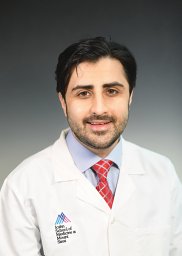 Muhammad Ali合作论文数Icahn Sch Med Mt Sinai, Dept Neurosurg, New York, NY 10029 USA13John Durbin合作论文数11
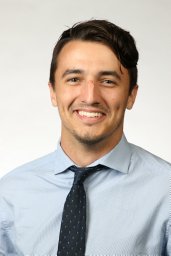 Nickolas Dreher合作论文数Neurological Surgery, The Icahn School of Medicine at Mount Sinai11Gometz Alex合作论文数11Zachary Spiera合作论文数10
 Naoum Fares Marayati合作论文数Icahn Sch Med Mt Sinai, Dept Neurosurg, 1468 Madison Ave,Annenberg Bldg,8th Floor,Room 88, New York, NY 10029 USA10
 Alexander J Schupper合作论文数Icahn Sch Med Mt Sinai, Dept Neurosurg, New York, NY 10029 USA10Inati Sara K合作论文数10
 Kareem A. Zaghloul合作论文数Department of Neurosurgery, University of Pennsylvania10
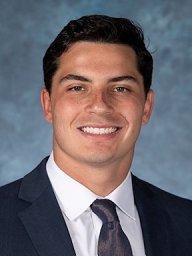 Addison Quinones合作论文数Icahn Sch Med Mt Sinai, Dept Neurosurg, New York, NY 10021 USA8Zerubabbel K Asfaw合作论文数Department of Neurosurgery, Icahn School of Medicine at Mount Sinai8
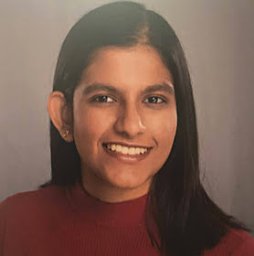 Roshini Kalagara合作论文数Department of Neurosurgery, Icahn School of Medicine at Mount Sinai8Juan Bulacio合作论文数8
 Jorge A. González-Martínez合作论文数Department of Neurological Surgery, School of Medicine, University of Pittsburgh8Lily McCarthy合作论文数7Jennifer Hopp合作论文数Univ Maryland, Baltimore, MD 21201 USA7
 Nathan E. Crone合作论文数Department of Neurology, Johns Hopkins School of Medicine7Vikram Vasan合作论文数6
 Eugene Hrabarchuk合作论文数Dept Neurosurg, Mt Sinai Hlth Syst6
 Kristin M Gunnarsdottir合作论文数Johns Hopkins University6Zachary Fitzgerald合作论文数5
 Jennifer Haagensen合作论文数5Jennifer B Dai合作论文数5
 Chester Huynh合作论文数Inst Computat Med, Johns Hopkins Univ5
 Iahn Cajigas合作论文数Brain and Cognitive Sciences, Massachusetts Institute of Technology Cambridge5
 Emily Johnson合作论文数5
 Rachel June Smith合作论文数4Alexander F. Post合作论文数4Nek Asghar合作论文数4
 Stephanie Chen合作论文数Department of Neurosurgery, University of Miami Miller School of Medicine4Lisa Genadry合作论文数4Jonathan R. Jagid合作论文数4
 William S. Anderson合作论文数School of Medicine, Johns Hopkins University4
 Ram Vasudevan合作论文数3Angel O Claudio合作论文数3Akbar Y Maniya合作论文数3Damian Brusko合作论文数3JT Kostman合作论文数3Troy Li合作论文数3
 Fiona McAuley合作论文数Univ Calif San Francisco3
 Jonathan T Dullea合作论文数Icahn Sch Med Mt Sinai, Dept Neurosurg, 1 Gustave Levy Pl, New York, NY 10029 USA3Syed Haider合作论文数3Joon-Yi Kang合作论文数3
 Dhruv Shankar合作论文数3
 Isabelle M Germano合作论文数3
 Stanislaw Sobotka合作论文数Department of Physiology, University of Rochester Medical Center3




