The endoplasmic reticulum (ER) orchestrates the folding of the large amounts of membrane and secretory proteins that are synthesized during the process of osteogenesis. The unfolded protein response (UPR) resulting from accumulation of misfolded proteins in the ER lumen either promotes or inhibits osteoblast differentiation in vitro depending on magnitude and duration. All three transducers of the UPR, namely, IRE, PERK, and ATF6 proteins, have been implicated in skeletal biology, yet their specific contribution to osteoblast differentiation and function in vivo has not been investigated systematically. Here, the skeletal consequences of deleting each of them (ie, Ire1α, Perk, or Atf6) in the osteoblast lineage using the Osx1-Cre transgene were determined. Mice with deletion of Ire1α in Osx1+ osteoblast precursors exhibited a marked reduction in osteoblast number, bone mass, and strength. Primary bone marrow cultures of osteoprogenitors lacking Ire1α had significantly reduced proliferation, alkaline phosphatase activity, and survival. Analyses of bulk RNA-seq data revealed suppression of osteogenic signature by Ire1α deletion in Osx1+ cells and predicted suppression of β-catenin activity. Mechanistically, Ire1α augments nuclear translocation and transcriptional activity of β-catenin in Osx1+ cells. In contrast, deletion of Perk or Atf6 genes in the osteoblast lineage using the Osx1-Cre transgene did not alter bone mass or strength. Collectively, these studies demonstrate that IRE1, but not other UPR transducers, promote physiological bone accrual in part by boosting β-catenin activity in osteoprogenitors.
Aging, once viewed as an irreversible process, is now considered a modifiable process. Recent advances in cellular reprogramming reveal that transient expression of reprogramming factors can reverse molecular hallmarks of aging while preserving somatic cell identity. This ‘partial reprogramming’ rejuvenates tissues, restores regenerative capacity, and, in some models, extends lifespan without the tumorigenic risks of full dedifferentiation. In this review, we summarize genetic and chemical strategies for partial reprogramming, discuss their tissue-specific effects in vivo, and evaluate their implications for tissue regeneration and age-related disease. We further examine key challenges for clinical translation, including safety, delivery strategies, and temporal control of reprogramming.
Partial reprogramming has emerged as a promising strategy to ameliorate aging phenotypes, yet its cellular targets and mechanisms remain poorly defined. Cellular senescence is a central hallmark of aging and a plausible mediator of reprogramming-induced rejuvenation. Here we show that genetic and chemical partial reprogramming act directly on senescent cells without restoring proliferative capacity. OSKM expression or a reduced two-compound regimen, tranylcypromine and RepSox (2c), attenuates senescence-associated secretory activity, restores mitochondrial homeostasis and apoptotic priming, and improves functional and inflammatory parameters in aged mice, establishing senomorphic, identity-preserving reprogramming as a potentially safer aging intervention. ### Competing Interest Statement The authors have declared no competing interest.
Activation-induced cytidine deaminase (AID) converts cytosines to uracils in actively transcribed switch regions to initiate the formation of DNA double-strand breaks required for immunoglobulin class switch recombination (CSR). How AID targets switch regions remains a key unanswered question. Using multimodal live-cell single-molecule imaging of mouse B cells, we demonstrate that intronic switch regions promote robust transcription by enhancing polymerase engagement and persistent transcriptional bursts, resulting in the formation of a dynamic RNA hub consisting of numerous nascent switch transcripts tethered to the IgH locus. We further demonstrate that AID interacts with switch region RNA in vivo and that this interaction is required for recruitment of AID to the IgH locus. Together, our findings show that the RNA hub formed by nascent switch region transcripts may be a part of a "class switch recombination center" and drives the recruitment of AID to the IgH locus to initiate CSR.
Cellular senescence is an evolutionarily conserved stress response that contributes to tissue repair and tumor suppression, yet its accumulation is also linked to aging and disease. Whether physiological senescence can be exploited by oncogenic events to promote tumorigenesis is unknown. Postpartum mammary gland involution is a major adult tissue remodeling event, resembling wound healing, and is closely associated with postpartum breast cancer. Here, we show that during mammary gland involution in mice, a p16Ink4a-dependent senescence response is induced in alveolar luminal cells. Eliminating senescent cells disrupts tissue remodeling and delays involution, demonstrating their physiological importance. However, in a postpartum breast cancer model where oncogenic activation coincides with involution, removing involution-associated senescent cells extended tumor latency. Mechanistically, senescent cells enhance tumor cell plasticity via the senescence-associated secretory phenotype, fostering metastasis. Our findings reveal that senescence, while required for postpartum tissue remodeling, can be hijacked to facilitate tumorigenesis, defining senescence as a unifying mechanism linking tissue repair to tumorigenesis.
Efficient, scalable, and cost-effective production of mammalian cells and biotherapeutic particles remains a major challenge for both research and clinical applications. Conventional 2D and 3D culture systems suffer from low volumetric yields, poor scalability, and high costs. Previously, we developed collagen hydrogel tube microbioreactors (ColTubes) that support high-density, high-viability cell culture by preventing excessive cell aggregation and minimizing hydrodynamic stress. However, ColTubes exhibit adhesion to culture vessels and to each other, and leaked cells frequently attach to outer tube surfaces - behaviors that would limit scalability. Here we introduce AlgColTubes: collagen hydrogel tubes coated with a thin, ionically crosslinked alginate layer to overcome these limitations. Scanning electron microscopy confirms that alginate penetrates the collagen wall and forms a stable interpenetrating hydrogel network, whose depth can be tuned by coating concentration and duration. The alginate coating remains structurally intact under static and dynamic culture conditions without impairing nutrient transport or cell growth. AlgColTubes eliminate tube-tube and tube-vessel adhesion, and prevent exogenous cell attachment to the outer surface, while maintaining cell viability and proliferation comparable to uncoated ColTubes. Their unique architecture - an adhesive collagen interior and non-adhesive alginate exterior - further enables a truncated-tube format for continuous release of biotherapeutic particles through open tube ends. We demonstrate that lentivirus is released from truncated AlgColTubes in a segment length-dependent manner, reaching ~100% release efficiency at 1-mm segment lengths. AlgColTubes provide a scalable, cost-effective platform for high-yield cell and particle manufacturing, with broad potential across basic research, translational studies, and industrial bioprocessing.
BackgroundCitrate synthase (CS) is a key rate-limiting enzyme in the tricarboxylic acid (TCA) cycle and plays a crucial role in cancer progression. However, the mechanism by which CS promotes liver cancer growth remains unclear. The aim of this study is to elucidate the role of CS and its post-translational modifications (PTMs) in the initiation and progression of hepatocellular carcinoma (HCC).MethodsLiquid chromatography-tandem mass spectrometry (LC-MS/MS) was used to detect protein lysine succinylation in human liver cancer and adjacent non-cancerous tissues. A HCC model was established in male C57BL/6 mice through intraperitoneal injection of DEN. The expression of SIRT5 and CS in HCC mice was assessed by RT-qPCR, immunohistochemistry, and Western blotting. HepG2 cells were cultured, and co-immunoprecipitation (Co-IP) was performed to evaluate the interaction between SIRT5 and CS. Western blotting was used to measure the succinylation levels of CS. In addition, Mito-Tracker Red CMXRos staining, reactive oxygen species (ROS) measurement, ATP level assay, EdU cell proliferation assay, colony formation assay, TUNEL staining, and flow cytometry were used to investigate the effects of CS succinylation and desuccinylation on mitochondrial function and cell proliferation in hepatocellular carcinoma cells.ResultsA total of 358 differentially modified proteins were identified in human liver cancer tissues. These differentially modified proteins were primarily enriched in the mitochondria, and CS exhibited high levels of succinylation in HCC tissues. In mouse liver cancer tissues, SIRT5 expression was reduced while CS expression was increased. Furthermore, SIRT5 was found to interact with CS, mediating the de-succinylation of CS at the lysine 375 site. Additionally, succinylation at the K375 site of CS was shown to enhance mitochondrial activity and ATP content in HepG2 cells, while reducing intracellular ROS levels and promoting cell proliferation. In contrast, de-succinylation of CS at the K375 site significantly impaired mitochondrial function and ATP levels, increased ROS levels, and induced apoptosis in HepG2 cells.ConclusionSuccinylation of CS is crucial for maintaining mitochondrial function and promoting cell proliferation in liver cancer cells. Targeting SIRT5-mediated de-succinylation of CS may represent a promising therapeutic strategy for the treatment of hepatocellular carcinoma.
Mammary organoids bridge the gap between reductionist 2D systems and in vivo models by recapitulating bilayered epithelial architecture, branching, hormone responsiveness, and, in advanced platforms, functional readouts of lactation. This review synthesizes organoid models across the reproductive cycle, including branching morphogenesis, pregnancy-induced alveologenesis and milk secretion, and involution; it also surveys emerging directions, including embryonic/pluripotent and cross-species systems, as well as co-culture and organ-on-chip platforms that incorporate stromal, adipose, and immune elements. We outline priorities for building more complex, physiologically faithful ex vivo models that will enable mechanistic dissection of mammary development, yield comparative and translational insights, and create scalable platforms for perturbation and screening, advancing lactation research, breast cancer studies, and women's health in general.
Inducing cellular senescence in mouse embryonic fibroblasts (MEFs) is a robust tool to study the molecular mechanisms underlying senescence establishment and their heterogeneity. This protocol provides a detailed guide to generate MEFs and routinely induce senescence in MEFs using several DNA damage-dependent and DNA damage-independent induction methods.
Traditional livestock farming is resource-intensive and environmentally unsustainable, highlighting the need for alternative methods of meat production. Cell-cultured meat, produced through the in vitro expansion and differentiation of animal cells, offers a promising solution to supplement conventional meat sources. However, the emerging industry faces a significant challenge-achieving large-scale, cost-effective cell production. In this study, we developed a microbioreactor system based on RGD peptide-modified alginate hydrogel tubes (Alg-Tubes) to address this challenge. AlgTubes provide a cell-friendly, three-dimensional microenvironment that supports efficient mass transport while minimizing shear stress, thereby significantly enhancing cell viability and yield. This system overcomes key limitations of traditional bioreactors, such as shear-induced cell damage and cell aggregation. Using AlgTubes, we successfully expanded mouse (C2C12) and quail (QM7) myoblasts, achieving cell densities exceeding 1.0 x 10⁸ cells/mL-an order of magnitude higher than those typically attainable in conventional stirred-tank bioreactors. Upon induction, the cells could be differentiated into mature myotubes. Co-culturing myoblasts with stromal cells further improved cell yield. By substantially increasing cell density, AlgTubes can significantly reduce the required culture volume, thereby lowering labor, reagent consumption, equipment usage, facility space, and overall manufacturing costs. This innovative system holds strong potential for enabling the large-scale, economically viable production of cultured meat.
Mesenchymal stem cells (MSCs) offer significant therapeutic potential, but traditional 2D culture on rigid substrates results in progressive cell enlargement and senescence, reducing proliferative capacity and therapeutic potency. This poses a major challenge for widespread clinical application. We explored a novel strategy for placenta-derived MSCs combining 2D expansion with 3D spheroid culture to address these limitations. Our research shows that culturing MSCs as 3D spheroids significantly reduces individual cell size and size distribution compared to 2D culture. Spheroid formation is feasible in chemically defined media with minimal cell death, and is enhanced by extracellular matrix protein supplementation. Although MSCs do not proliferate in 3D suspension, an alternating 2D/3D culture protocol, transitioning cells between 2D flasks and 3D spheroids after each passage, effectively slows MSC enlargement and senescence over long periods. This alternating method also preserves MSC immunomodulatory function, unlike continuous 2D culture which leads to its loss. For scalability, we developed an RGD-functionalized alginate hydrogel tube (AlgTube) system that mimics this alternating environment, supporting both adherent growth and chemically triggered spheroid formation. This alternating 2D/3D culture strategy and the scalable AlgTube platform provide a foundation for developing next-generation MSC manufacturing technologies to meet future clinical demands.
Traditional livestock farming is resource-intensive and environmentally unsustainable, necessitating alternative methods for meat production. Cell cultured meat, produced by expanding and differentiating animal cells, offers great potential for substituting for conventional animal meat. Nevertheless, it is still limited by the scalability and efficiency of current cell culture technologies. In this study, we developed an RGD peptide-modified alginate hydrogel microtube microbioreactor (AlgTubes) to support the scalable culture of anchor-dependent cells, such as myoblasts and adipocytes, for cell-cultured meat production. AlgTubes provide a cell-friendly 3D microenvironment that enhances cell viability, growth, and yield while overcoming limitations of conventional bioreactors, such as shear stress, aggregation, and diffusion constraints. We successfully expanded mouse (C2C12) and quail (QM7) myoblasts in AlgTubes, achieving cell densities exceeding 1.0 × 10⁸ cells/mL, far surpassing traditional stirred-tank bioreactors. Differentiation resulted in the formation of mature myotubes. Co-culturing myoblasts with mesenchymal stem cells or fibroblasts further improved yield and viability, particularly under differentiation conditions. By significantly increasing cell culture density, AlgTubes can substantially reduce culture volume, lowering labor requirements, reagent costs, equipment needs, facility space, and manufacturing expenses. ### Competing Interest Statement Competing financial interests: Y.L. owns equity in CellGro Technologies, LLC. This financial interest has been reviewed by the University's Individual Conflict of Interest Committee and is currently being managed by the University. The Good Food Institute, , 2020 GFI Competitive Grant National Heart, Lung, and Blood Institute, , R33HL163711 National Cancer Institute, , R33CA235326 Eunice Kennedy Shriver National Institute of Child Health and Human Development, , R21HD114044
Recent studies have revealed a structural role for DNA ligase 4 (Lig4) in the maintenance of a repair complex during non-homologous end joining (NHEJ) of DNA double-strand breaks. In cultured cell lines, catalytically inactive Lig4 can partially alleviate the severe DNA repair phenotypes observed in cells lacking Lig4. To study the structural role of Lig4 in vivo, a mouse strain harboring a point mutation to Lig4's catalytic site was generated. In contrast to the ablation of Lig4, catalytically inactive Lig4 mice are born alive. These mice display marked growth retardation and have clear deficits in lymphocyte development. We considered that the milder phenotype results from inactive Lig4 help to recruit another ligase to the repair complex. We next generated a mouse strain deficient for nuclear Lig3. Nuclear Lig3-deficient mice are moderately smaller and have elevated incidences of cerebral ventricle dilation but otherwise appear normal. Strikingly, in experiments crossing these two strains, mice lacking nuclear Lig3 and expressing inactive Lig4 were not obtained. Timed mating revealed that fetuses harboring both mutations underwent resorption, establishing an embryonic lethal genetic interaction. These data suggest that Lig3 is recruited to NHEJ complexes to facilitate end joining in the presence (but not activity) of Lig4.
Background:Mesenchymal stem cells (MSCs) hold great promise for treating a variety of human diseases; however, their clinical translation is hindered by challenges in large-scale expansion while preserving therapeutic potency and maintaining small cell size. Conventional 2D culture on rigid substrates induces MSC senescence and enlargement, compromising their function and biodistribution. Methods:We present an alternating 2D/3D culture strategy that combines adherent monolayer expansion with transient spheroid formation to mitigate these limitations. Placenta-derived MSCs were cultured under optimized spheroid conditions, with extracellular matrix supplementation and chemically defined media to enhance viability. To address scalability, we developed RGD-functionalized alginate hydrogel tubes (AlgTubes) that enable dynamic transitions between adherent and spheroid states for continuous culture. Results:Spheroid culture significantly reduced cell size and enhanced immunomodulatory function. The alternating 2D/3D protocol slowed MSC enlargement and senescence over multiple passages while preserving anti-inflammatory activity. Extracellular matrix supplementation and chemically defined media further improved cell viability. AlgTubes successfully supported the alternating culture strategy in a continuous and scalable format. Conclusions:The alternating 2D/3D culture system effectively overcomes limitations of conventional MSC expansion by mitigating enlargement, delaying senescence, and preserving both proliferative capacity and immunoregulatory potency. Combined with AlgTube technology, this work demonstrates a promising strategy for MSC manufacturing.
Sirtuins, as NAD+-dependent deacetylases, are widely found in eubacteria, archaea, and eukaryotes, and they play key roles in regulating cellular functions. Among these, SIRT7 stands out as a member discovered relatively late and studied less extensively. It is localized within the nucleus and displays enzymatic activity as an NAD+-dependent deacetylase, targeting a diverse array of acyl groups. The role of SIRT7 in important cellular processes like gene transcription, cellular metabolism, cellular stress responses, and DNA damage repair has been documented in a number of studies conducted recently. These studies have also highlighted SIRT7's strong correlation with human diseases like aging, cancer, neurological disorders, and cardiovascular diseases. In addition, a variety of inhibitors against SIRT7 have been reported, indicating that targeting SIRT7 may be a promising strategy for inhibiting tumor growth. The purpose of this review is to thoroughly look into the structure and function of SIRT7 and to explore its potential value in clinical applications, offering an essential reference for research in related domains.
We present a protocol to evaluate the impact of senescence secretome on reprog-ramming to pluripotency using both cellular and mouse models. First, we describe the in vitro reprogramming procedure using conditioned medium derived from senescent cells. Next, to explore the impact of senescence on in vivo reprogram-ming, we detail the steps to identify senescent and reprogrammed cells in mouse skeletal muscle, followed by semi-automatic quantification. This protocol can be used to study the effect of paracrine senescence on cellular plasticity. For complete details on the use and execution of this protocol, please refer to von Joest et al. (2022).1
Cell-type biomarkers are useful in stem-cell manufacturing to monitor cell purity, quantity, and quality. However, the study on cell-type markers, specifically for stem cell manufacture, is limited. Emerging questions include which RNA transcripts can serve as biomarkers during stem cell culture and how to discover these biomarkers efficiently and precisely. We developed a scoring function system to identify RNA biomarkers with RNA-seq data for systems that have a limited number of cell types. We applied the method to two data sets, one for extracellular RNAs (ex-RNAs) and the other for intracellular microRNAs (miRNAs). The first data set has RNA-seq data of ex-RNAs from cell culture media for six different types of cells, including human embryonic stem cells. To get the RNA-seq data from intracellular miRNAs, we cultured three types of cells: human embryonic stem cells (H9), neural stem cells (NSC), hESC-derived endothelial cells (EC) and conducted small RNA-seq to their intracellular miRNAs. Using these data, we identified a set of ex-RNAs/smRNAs as candidates of biomarkers for different types of cells for cell manufacture. The validity of these findings was confirmed by the utilization of additional data sets and experimental procedures. We also used deep-learning-based prediction methods and simulated data to validate these discovered biomarkers.
D-chiro-inositol (DCI) is an isomer of inositol, abundant in many foods, such as beans and buckwheat, with insulin-sensitizing, anti-inflammatory, and antioxidant effects. DCI has been used to relieve insulin resistance in diabetes and polycystic ovary syndrome in combination with inositol or D-pinitol. Here, we investigated the effect of DCI on aging and stress resistance in C. elegans. We found that DCI could prolong the lifespan of C. elegans by up to 29.6 %. DCI significantly delayed the onset of neurodegenerative diseases in models of C. elegans. DCI decreased the accumulation of A beta 1-42, alpha-synuclein, and poly-glutamine, the pathological causes of Alzheimer's, Parkinson's, and Huntington's diseases, respectively. DCI significantly increased the stress resistances against pathogens, oxidants and heat shock. Moreover, D-chiro-inositol reduced the content of ROS and malondialdehyde by increasing the total antioxidant capacity and the activity of superoxide dismutase and catalase. Above effects of DCI requires the transcription factors FOXO/DAF-16 and Nrf-2/SKN-1. DCI also increased the expression of downstream genes regulated by FOXO/DAF-16 and Nrf-2/SKN-1. In conclusion, DCI enhanced the antioxidant capacity and healthy lifespan of C. elegans by activating DAF-16, SKN-1, and HSF-1. Our results showed that DCI could be a promising antiaging agent that is worth further research on the mech-anism and health supplemental application of DCI.
Muscle regeneration is associated with transient induction of cellular senescence. However, the role of senescence in muscle regeneration of young mice remains unclear. Using a mouse model deficient in both Cdkn1a and Cdkn2a, we find that a marked reduction in senescent cells correlates with delayed muscle regeneration. Single-cell RNA sequencing reveals a heterogeneous senescence program composing of multiple cell types. Notably, senescent fibro-adipogenic progenitors (FAPs) upregulate Mcl-1 to acquire apoptosis resistance. Moreover, removing senescent FAPs using a Mcl-1 inhibitor S63845 impairs muscle regeneration. Furthermore, we find that senescent FAPs promotes myogenic differentiation in a paracrine manner. Hence, these results highlight the beneficial role of senescent stromal cells in supporting muscle regeneration.### Competing Interest StatementThe authors have declared no competing interest.
 Stavros Manolagas合作论文数Center for Osteoporosis and Metabolic Bone Diseases, Division of Endocrinology and Metabolism, Department of Internal Medicine, College of Medicine, University of Arkansas for Medical Sciences;Veterans Administration;Anabonix Inc.114
 Maria Almeida合作论文数Center for Osteoporosis and Metabolic Bone Diseases, University of Arkansas for Medical Sciences94
 Robert L. Jilka合作论文数VA Medical Center Calcium Research Laboratory 4801 Linwood Boulevard 64128 Kansas City MO61
 Charles A. O Brien合作论文数Central Arkansas Veterans Healthcare System;Department of Orthopaedic Surgery, College of Medicine, University of Arkansas for Medical Sciences;Division of Endocrinology and Metabolism, Department of Internal Medicine, College of Medicine, University of Arkansas for Medical Sciences52Teresita Bellido合作论文数School of Medicine, Indiana University40Iyer Srividhya合作论文数Center for Osteoporosis and Metabolic Bone Diseases, University of Arkansas for Medical Sciences and the Central Arkansas Veterans Healthcare System36
 Robert S. Weinstein合作论文数Center for Osteoporosis and Metabolic Bone Diseases, University of Arkansas for Medical Sciences33Elena Ambrogini合作论文数24Aaron Warren合作论文数22
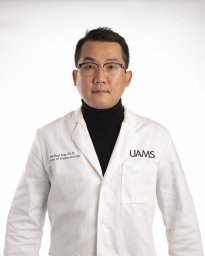 Ha-Neui Kim合作论文数School of Dentistry, Seoul National University18Bartell Shoshana M合作论文数17A. Warren合作论文数16Kefei Yu合作论文数15Plotkin Lilian I合作论文数14
 Manuel Serrano合作论文数Institute for Research in Biomedicine;ICREA12Aurelie Chiche合作论文数11
 Yuguo Lei合作论文数Department of Biomedical Engineering, Pennsylvania State University11JR Chen合作论文数10Julie Crawford合作论文数10
 Val Lowe合作论文数Mayo Clinic Comprehensive Cancer Center;Department of Radiology, Mayo Clinic10Marta Martín-Millán合作论文数8AM Vertino合作论文数8Jinhu Xiong (熊金虎)合作论文数8
 Daohong Zhou合作论文数Department of Biochemistry & Structural Biology, University of Texas Health San Antonio;Mays Cancer Center, University of Texas Health San Antonio;Center for Innovative Drug Discovery , University of Texas Health San Antonio8W. Joseph Thompson合作论文数8Paul Hasty合作论文数8Serra Ucer合作论文数7
 Haibo Zhao合作论文数Washington Univ, Sch Med, Dept Pathol & Immunol, St Louis, MO 63110 USA7
 Rafael De Cabo合作论文数Translational Gerontology Branch, National Institute on Aging, National Institutes of Health7Marta Martin-Millan合作论文数7
 Paula K. Roberson合作论文数Department of Biostatistics, College of Public Health, University of Arkansas for Medical Sciences;Department of Pediatrics, College of Medicine, University of Arkansas for Medical Sciences;Geriatric Research Education & Clinical Center7
 Rifat Pamukcu合作论文数RxMP Therapeutics, Inc.7
 Filipa Ponte合作论文数6
 Stavroula Kousteni合作论文数Columbia University6
 Manuel Collado合作论文数Spanish National Cancer Research Center (CNIO),6DL Bodenner合作论文数5H Peng合作论文数5Masani Shahnaz合作论文数Dept Microbiol & Mol Genet, Michigan State Univ5
 Melda Onal合作论文数Center for Osteoporosis and Metabolic Bone Diseases, University of Arkansas for Medical Sciences5
 Chih Lin Hsieh合作论文数Keck School of Medicine, University of Southern California5JianHui Chang合作论文数5
 Marilina Piemontese合作论文数Center for Osteoporosis and Metabolic Bone Diseases, University of Arkansas for Medical Sciences;Central Arkansas Veterans Healthcare System;Center for Osteoporosis and Metabolic Bone Diseases, University of Arkansas for Medical Sciences5
 María A. Blasco合作论文数Telomeres and Telomerase Group, Molecular Oncology Program, Spanish National Cancer Research Centre5Mathieu von Joest合作论文数4Stuart Berryhill合作论文数4R. S. Shelton合作论文数4K Han合作论文数4




