In catastrophic pelvic hemorrhage where REBOA or balloon occlusion is not feasible, infrarenal aortic cross-clamping can provide rapid proximal control to enable definitive hemostasis—illustrated by this 17-year survival case.
Liver resection is the primary curative treatment for early-stage hepatocellular carcinoma (HCC); however, high recurrence rates remain a major challenge in the absence of effective prognostic and preventive strategies. Here, we identified surgery-induced C-C motif chemokine ligand 11 (CCL11) as a pivotal driver of HCC recurrence through dual mechanisms of immunosuppression and tumor invasiveness. Elevated postoperative circulating CCL11 levels correlated strongly with HCC recurrence and poorer survival, and their integration with clinical parameters enhanced the predictive accuracy of HCC recurrence. Mechanistically, hepatic injury-induced CCL11 recruited immunosuppressive CCR5+CD206+ M2-like macrophages into the residual liver. These macrophages exhibited enhanced PD-L1 expression via activation of the CCL11/IKK/IκB/NF-κB1 axis and promoted regulatory T cell (Treg) induction from naïve CD4+ T cells. Concurrently, CCL11-CCR3 signaling in HCC cells activated PI3K/AKT/MafK to upregulate MMP13, enhancing the invasion ability of HCC cells. In orthotopic models, CCL11 enrichment increased tumor burden and extrahepatic metastases, while post-resection anti-CCL11 therapy reduced HCC recurrence and extended the survival rate of tumor-bearing mice. Our findings unveil CCL11 as a master regulator of the pro-tumorigenic niche post-resection, driving recurrence through coordinated immune evasion and promoting tumor invasiveness. Targeting the CCL11-CCR5/CCR3 axis presents a promising strategy to improve HCC surgical outcomes.
Biliary tract cancer (BTC), including intrahepatic, perihilar, and distal cholangiocarcinoma, as well as gallbladder carcinoma, comprises a heterogeneous group of aggressive malignancies with poor prognosis and limited therapeutic options. Current BTC therapies include surgical resection for early-stage disease, systemic chemotherapy (notably gemcitabine plus cisplatin), molecularly guided targeted therapy, and immunotherapy. However, clinical outcomes remain suboptimal owing to delayed diagnosis, marked tumor heterogeneity, limited available biomarkers, and high postoperative recurrence rates. In this review, we synthesize recent evidence from clinical trials and translational studies on BTC, extract actionable insights for tailored interventions and locoregional therapies, summarize ongoing neoadjuvant therapy trials, and outline practical frameworks for future trial designs and research directions.
Lipid metabolic reprogramming in the hepatocellular carcinoma (HCC) tumor microenvironment (TME) drives immunosuppression, yet the critical mediators orchestrating tumor-immune crosstalk remain elusive. Here, we identify arachidonic acid (ARA), synthesized via the rate-limiting enzyme FADS1, as a novel oncometabolite that accumulates in TME and fuels hepatocarcinogenesis. Genetic or pharmacological inhibition of FADS1 attenuates ARA level, thereby enhancing CD8+ T cell infiltration and cytotoxicity. Using CRISPR-Cas9 screening of metabolic genes in T cell differentiation, we uncover the ARA pathway as a negative regulator of liver-resident memory CD8+ T cells (TRM). These CXCR6+ TRM exhibit antigen specificity but are impaired by FADS1 overexpression or ARA exposure, compromising anti-tumor immunity during tumor rechallenge. Mechanistically, ARA specifically disrupts IL-15-dependent metabolic fitness in CXCR6+ TRM. Therapeutically, targeting the FADS1-ARA axis synergizes with anti-PD-1 and GPC3-CAR-T therapies. Thus, our study identifies a promising target for ARA-enriched immunosuppressive TME, aiming to improve the effectiveness of immunotherapies in HCC.
BACKGROUND Situs inversus totalis (SIT) is a rare congenital condition characterized by complete mirror-image reversal of the thoracic and abdominal organs. This anatomical anomaly poses unique challenges for major abdominal surgeries, particularly liver transplantation, due to altered vascular and visceral orientation. While successful liver transplantations in patients with SIT have been reported, technical guidance remains limited. CASE REPORT We report a case of a 67-year-old woman with end-stage liver disease due to idiopathic cirrhosis and complete SIT. She had a prior splenectomy, hepatocellular carcinoma treated with transarterial chemoembolization, and a preoperative MELD score of 40. A full-size graft from a donation after brain death donor was used. The transplantation was performed using a modified piggy-back technique, without venovenous bypass. Due to reversed anatomy, a wide triangular end-to-side cavo-caval anastomosis was applied to ensure venous outflow. The graft was positioned in the left upper quadrant, without fixation. Vascular and biliary anastomoses were completed without tension or kinking. Total operative time was 485 min, with minimal blood loss. Postoperative recovery was uneventful, and the patient was discharged on day 77. Six-month follow-up revealed no complications. CONCLUSIONS Liver transplantation in patients with SIT is feasible and safe when appropriate technical modifications are used. The modified piggy-back technique provides a reliable solution for venous reconstruction and graft stability in the context of reversed anatomy.
Background and aims: Despite growing evidence linking pretransplant exposure to immune checkpoint inhibitors (ICIs) to increased allograft rejection risk after liver transplantation (LT), a lack of comparative studies to definitively establish the correlation between ICI exposure and adverse short-term outcomes after LT exists. This study aimed to analyze the impact of preoperative ICI exposure on short-term post-LT prognosis and allograft rejection risk. Methods: This retrospective cohort study included 121 recipients who underwent LT for hepatocellular carcinoma (HCC) between June 2019 and March 2023. The recipients were categorized into ICI (n = 35) and non-ICI (n = 86) exposure groups based on pretransplant ICI exposure. Demographics, clinical characteristics, and short-term outcomes were compared between the cohorts. Kaplan-Meier analysis evaluated the impact of ICI exposure on graft survival. Univariate and multivariate logistic regression models assessed the impact of patient characteristics on allograft rejection. Results: Recipients with or without ICI exposure exhibited comparable demographic baseline characteristics. The incidences of early allograft dysfunction and biliary and vascular complications were similar between both groups. Post-transplant infection incidence was 37.1% and 20.9% in the ICI and non-ICI groups, respectively (P = 0.064). Allograft rejection rates were significantly higher in the ICI group than in the non-ICI group (22.9% vs. 5.8%, P = 0.015). The ICI group exhibited a higher 90-day post-transplant mortality rate than that of the non-ICI group (14.3% vs. 2.3%, P = 0.034). Logistic regression analyses demonstrated that allograft rejection independently correlated with 90-day post-transplant mortality, with ICI exposure being an independent risk factor for allograft rejection. In recipients with ICI exposure, a shorter interval between ICIs and LT (washout period) was significantly associated with a higher allograft rejection risk, with the optimal washout period identified as 21 days for predicting 90-day rejection-free survival (P = 0.0001). Moreover, in recipients with allograft rejection, the peripheral CD4+/CD8+ T cell ratio was much lower in the ICI group than in the non-ICI group. Conclusions: Pretransplant ICI exposure was an independent risk factor for allograft rejection and was significantly associated with 90-day post-transplant mortality after LT for HCC. A ≤21-day washout period was significantly associated with allograft rejection. Future multicenter studies with larger cohorts and prospective designs are essential to validate these findings, confirm causality, and establish standardized clinical guidelines for ICI use before transplantation. Trail registration: ClinicalTrials.gov NCT05913583.
Centrosome aberrations are a common feature in human cancer cells. Our previous studies demonstrated that the centrosomal protein Tax1 binding protein 2 (TAX1BP2) inhibits centrosome overduplication and is underexpressed in hepatocellular carcinoma (HCC). Here, we report that Intratumoral TAX1BP2 promotes tumor lymphocyte infiltration and enhances the efficacy of anti-PD-1 therapy. Clinically, we discovered that a hallmark of low TAX1BP2 expression in HCC tumors is T cell exclusion, whereas re-depression of TAX1BP2 in preclinical models restores antitumor immunity and potentiates anti-PD-1 efficacy. Mechanistically, we identified that reconstitution of intratumor TAX1BP2 triggers the type I interferon (IFN-I) response and subsequent facilitation of a subtype of CD27+CD8+ T cell recruitment. Furthermore, we demonstrated that Intratumor TAX1BP2 upregulates STING by inhibiting the hyperactivation of DNMT1, and EZH2 is linked to endogenous LKB1 activity.
BACKGROUND:Pre-transplant exposure to immune checkpoint inhibitors (ICIs) significantly increases the risk of allograft rejection after liver transplantation (LT); however, whether ICI-related rejection leads to increased graft loss remains controversial. Therefore, this study aimed to investigate the association between ICI-related allograft rejection and perioperative graft loss. METHODS:This was a retrospective analysis of adult liver transplant recipients with early biopsy-proven T-cell-mediated rejection (TCMR) at Liver Transplantation Center of Sun Yat-sen Memorial Hospital from June 2019 to September 2024. The pathological features, clinical characteristics, and perioperative graft survival were analyzed. RESULTS:Twenty-eight patients who underwent early TCMR between June 2019 and September 2024 were included. Based on pre-LT ICI exposure, recipients were categorized into ICI-related TCMR (irTCMR, n = 12) and conventional TCMR (cTCMR, n = 16) groups. Recipients with irTCMR had a higher median Banff rejection activity index (RAI) (6 vs . 5, P = 0.012) and more aggressive tissue damage and inflammation. Recipients with irTCMR showed higher proportion of treatment resistance, achieving a complete resolution rate of only 8/12 compared to 16/16 for cTCMR. Graft loss occurred in 5/12 of irTCMR recipients within 90 days after LT, with no graft loss in cTCMRs recipients. Cox analysis demonstrated that irTCMR with an ICI washout period of <30 days was an independent risk factor for perioperative graft loss (hazard ratio [HR], 6.540; 95% confidence interval [CI], 1.067-40.067, P = 0.042). CONCLUSION:IrTCMR is associated with severe pathological features, increased resistance to treatment, and higher graft loss in adult liver transplant recipients.
Basic and translational research (B&TR) in liver transplantation (LT) underwent considerable changes and shifts over the past decade. To capture the current landscape and future potential of B&TR in LT, we conducted an online survey within the International Liver Transplantation Society (ILTS) community. The survey aimed to collect comprehensive data on the respondents' characteristics, qualifications, experiences, and research activities, providing the present state and future directions of B&TR in LT. Between October 2023 and January 2024, an online survey consisting of 35 key items was distributed to the ILTS community through newsletters and social media channels. Data were analyzed using a combination of quantitative and qualitative methods. The survey gathered 153 valid responses, with 79% of respondents possessing relevant experience in B&TR and 76% reporting concurrent clinical duties. Some 62% hold faculty positions, with 34% identifying as MDs and 44% holding combined MD/PhD degrees. About 71% of scientists with clinical duties reported challenges in conducting B&TR, with 57% citing a lack of time and 41% pointing to insufficient funding. Nevertheless, 69% of respondents currently receive research funding, with 58% supported by government or public sources. Among early career researchers, 57% reported receiving average or poor mentoring, and 30% indicated insufficient protected time for research. Looking ahead, advancing technologies, machine learning/artificial intelligence, multi-omics, xenotransplantation, and machine perfusion were highlighted as areas with the potential to significantly shift the paradigm in the near future. Our survey captured insights from B&TR scientists within the ILTS, identifying both challenges and opportunities for future developments and aiding in the strategic direction of the society's initiatives.
Background The reprogramming of lipid metabolism is identified as correlated with immune suppression in hepatocellular carcinoma (HCC). The lipid metabolic barriers established in the HCC microenvironment limit CD8+ T cell infiltration and impair its anti-tumor immunity. It is urgent to explore the underlying mechanisms and develop novel therapeutic targets, shifting tumors from 'cold' to 'hot.' Methods First, we utilized the CRIPSR-Cas9 library targeting over 3000 metabolic genes transfected into naive P14 CD8+ T cells to screen the disadvantageous metabolic pathways in the chronic LCMV infection model in vivo. Next, the seahorse assay was performed to monitor the mitochondrial function of CD8+ T cells using the mito stress test. The potential interplay among the indicated rate-limiting enzyme, lipid metabolites, and screened metabolic pathways was identified and validated in clinical cohorts from the Queen Mary Hospital. Finally, the therapeutic effects of targeting the above elements were evaluated in a patient-derived orthotopic xenograft (PDOX) HCC model. Results Based on CRISPR screening, we found the arachidonic acid (ARA) metabolism to be the disadvantageous metabolic pathway that impairs the formation of liver-resident memory CD8+ T cells (TRM with CXCR6+CD69+ phenotype), as shown in Figure 1 (IDDF2024-ABS-0426 Figure 1). Functionally, supplemented with ARA, it was harmful to the metabolic fitness and function (the secretion of IFNγ and TNFα) of TRM isolated from tumor tissue ex vivo in a dose-dependent manner (IDDF2024-ABS-0426 Figure 2). Clinically, the accumulated ARA controlled by rate-limit enzyme fatty acid desaturase 1 (FADS1) was significantly associated with low infiltration of TRM (IDDF2024-ABS-0426 Figure 3). Therapeutically, targeting the inhibition of FADS1 activity reducing the ARA accumulation in the HCC microenvironment by using D5D-IN-326 significantly increased the efficacy of GPC3-CAR-T cell in the PDOX HCC model with advanced stage (IDDF2024-ABS-0426 Figure 4). Conclusions We identified the role of the FADS1-ARA metabolism axis mediating the crosstalk between lipid oncometabolite and T-cell metabolism. Decreasing ARA accumulation could be a novel metabolic engineering approach to increase CD8+ T cell residency and immunotherapy accessibility in a translational application for HCC patients.
 Nancy Kwan Man (萬鈞)合作论文数Clinical and Translational Research Laboratory, Department of Surgery, School of Clinical Medicine, University of Hong Kong35
 Kevin Tak Pan Ng (吳德斌)合作论文数Department of Surgery, School of Clinical Medicine, The University of Hong Kong30
 Jiang Liu合作论文数23
 Tao Ding合作论文数School of Clinical Medicine, The University of Hong Kong18
 Chung-Mau Lo (盧寵茂)合作论文数Department of Surgery, School of Clinical Medicine, LKS Faculty of Medicine, University of Hong Kong16
 Wai Ho Oscar Yeung合作论文数Department of Surgery, School of Clinical Medicine, The University of Hong Kong13
 Wen-rui Wu合作论文数12
 Yeung Wai Ho合作论文数12Liu Hui合作论文数12
 Xinxiang Yang合作论文数11
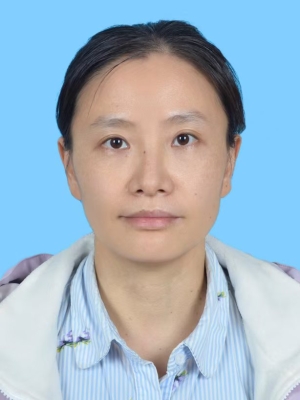 Chao Liu (刘超)合作论文数Zhongshan School of Medicine, Sun Yat-sen University11Lei-Bo Xu合作论文数10Wenqi Qiu合作论文数7
 Jiye Zhu (朱继业)合作论文数Peking University People's Hospital6Qingmei Zhang合作论文数5Fa-Peng Zhang合作论文数5
 Zhenggang Zhu (朱正纲)合作论文数Zhoushan Branch, Shanghai Ruijin Hospital, Shanghai Jiaotong University School of Medicine5
 Zhiwei Chen (陳志偉)合作论文数Department of Microbiology, School of Clinical Medicine, The University of Hong Kong;AIDS Institute, Li Ka Shing Faculty of Medicine, The University of Hong Kong5
 Jiahong Dong (董家鸿)合作论文数Beijing Tsinghua Changgung Hospital5Zeng Shi-Nuan合作论文数4Xinjun Lu合作论文数4Jianfang Li合作论文数4Wei-Yi Zhang合作论文数4
 Mamatha Bhat合作论文数Banting & Best Diabetes Centre, Temerty Faculty of Medicine, University of Toronto;Toronto General Hospital Research Institute, University Health Network4
 Bing-Ya Liu (刘炳亚)合作论文数Ruijin Hospital, Shanghai Jiao Tong University School of Medicine4
 Liping Su (苏丽萍)合作论文数Ruijin Hospital, School of Medicine, Shanghai Jiao Tong University4
 Paulo Martins合作论文数OU Health Transplant Institute4Haoming Lin (林浩铭)合作论文数4T. L. Shirley Chiu合作论文数3
 Jinyang Li合作论文数Innovent Biologics Guoqing Academy3
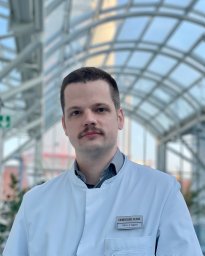 Zoltan Czigany合作论文数Dept Surg & Transplantat, Univ Hosp RWTH Aachen3
 Juliet Emamaullee合作论文数Department of Surgery, University of Southern California3RunYing Long (龙润莹)合作论文数3YuanZhi Fan (樊远志)合作论文数3
 Al-Adra David P合作论文数Department of Surgery, University of Alberta3Liu Xiao Bing合作论文数3
 Chen Li (李琛)合作论文数Ruijin Hospital, Shanghai Jiao Tong University School of Medicine3
 Weiping Wang (汪卫平)合作论文数Department of Pharmacology and Pharmacy, LKS Faculty of Medicine, The University of Hong Kong3
 Eliano Bonaccorsi-Riani合作论文数Cirurgião do Hospital3
 Albert Chi-Yan CHAN (陳智仁)合作论文数Division of Liver Transplantation, Department of Surgery, School of Clinical Medicine, Li Ka Shing Faculty of Medicine, The University of Hong Kong3Meicen Wu合作论文数2Jiaqi Wang合作论文数2Juliana Pavan-Guimaraes合作论文数2Tingfeng Yu合作论文数2Hoi Chung Shiu合作论文数2Yin Fan Lam合作论文数2Jinzhao Liu合作论文数2Kwan Man合作论文数2




