IntroductionWheat is the primary raw material for traditional Baijiu Daqu fermentation, yet its role as a carrier of functional microbiota and its contribution to Daqu quality remain poorly understood.MethodsA total of 135 wheat samples representing five geographic regions and nine cultivars were subjected to sensory evaluation, physicochemical analysis, and 16S rRNA gene and ITS amplicon sequencing. Microbial community composition, predicted functional potential, and their associations with wheat quality traits were analyzed using PICRUSt2, Mantel tests, and correlation analyses.ResultsSensory evaluation indicated that the cultivation environment had a greater impact on Daqu quality than wheat cultivar, with wheat from the Dayi region and the MM916 cultivar exhibiting the most favorable characteristics. Sequencing identified 1,732 bacterial and 484 fungal amplicon sequence variants (ASVs), revealing significant geographic and varietal differences in microbial communities, while core taxa dominated by Pseudomonadota and Basidiomycota were consistently detected across all samples. Functional prediction suggested that microbial communities were primarily enriched in metabolic pathways, particularly carbohydrate metabolism, energy metabolism, and cofactor and vitamin metabolism. Spatial variation was observed in starch and sucrose metabolism, acetoin biosynthesis, and enzymes such as β-glucosidase and alcohol dehydrogenase. Wheat quality traits, especially protein, starch, and wet gluten content, were significantly associated with microbial composition and predicted functions. Thirty-two genera, including Sphingomonas, Pedobacter, and Martelella, showed strong correlations with these quality traits.DiscussionGeographic origin and wheat cultivar jointly shape the microbial communities and functional potential of brewing wheat, providing pre-existing microbial resources that may influence early Daqu fermentation and flavor formation. These findings offer a microbiome-based framework for evaluating and selecting high-quality wheat for Baijiu production.
Formerly considered nonfunctional “junk DNA,” pseudogenes have been re-evaluated in light of technological advances in bioinformatics and high-throughput sequencing. The limited research to date on pseudogenes in hexaploid common wheat (Triticum aestivum L.) is largely confined to individual gene families, thus hindering our understanding of the long-term evolutionary dynamics among the A, B, and D subgenomes. Using the IWGSC RefSeq v2.1 genome assembly, we performed genome-wide identification, classification, and analysis of pseudogenes in wheat, including their distribution, evolutionary history, and parental gene functions. Marked asymmetries in pseudogene abundance, distribution, evolutionary dynamics, and constraints were detected among the subgenomes. The B subgenome harbored significantly more pseudogenes and showed distinct evolutionary patterns compared with the A and D subgenomes. Pseudogenes were strongly associated with transposable elements and peaks in their formation were incongruent with ancient genomic upheavals of wheat ancestral lineages. The parent genes were predominantly enriched in non-core functions and showed tissue-specific expression. The findings provide direct evidence for long-term asymmetric, post-polyploidization evolution in wheat, enhance our understanding of polyploid genome evolution, and offer a methodological framework for research on other genetically complex polyploid crops.
Hybrid rice breeding crossbreeds different rice lines and cultivates the resulting hybrids in fields to select those with desirable agronomic traits, such as higher yields. Recently, genomic selection has emerged as an efficient way for hybrid rice breeding. It predicts the traits of hybrids based on their genes, which helps exclude many undesired hybrids, largely reducing the workload of field cultivation. However, due to the limited accuracy of genomic prediction models, breeders still need to combine their experience with the models to identify regulatory genes that control traits and select hybrids, which remains a time-consuming process. To ease this process, in this paper, we proposed a visual analysis method to facilitate interactive hybrid rice breeding. Regulatory gene identification and hybrid selection naturally ensemble a dual-analysis task. Therefore, we developed a parametric dual projection method with theoretical guarantees to facilitate interactive dual analysis. Based on this dual projection method, we further developed a gene visualization and a hybrid visualization to verify the identified regulatory genes and hybrids. The effectiveness of our method is demonstrated through the quantitative evaluation of the parametric dual projection method, identified regulatory genes and desired hybrids in the case study, and positive feedback from breeders.
为研究全香型杂交稻亲本产量性状的配合力、遗传力及性状间相关性,利用6个香型三系不育系(品香A、J91A、J92A、3758A、德香074A、宜香1A),与7个香型恢复系(德恢9466、旌玉香针、旌香占、R9315、R9451、农香39、19香),按照NC Ⅱ设计的原理,共组配了 42个全香型杂交稻组合,对产量相关的11个性状进行配合力、遗传力、相关性分析,并比较所配组合与生产大面积应用的宜香优2115的竞争优势.结果表明:(1)各亲本间不同的性状一般配合力差异较大,本试验就不育系而言,品香A综合表现较为优异,其产量、穗长、每穗实粒数、结实率、粒长、长宽比性状的一般配合力均为正效应.恢复系是旌香占综合表现优异,其产量、有效穗数、穗长、每穗实粒数、结实率、千粒质量、粒长、粒宽、长宽比性状一般配合力为正效应.(2)11个性状的一般配合力方差占比均大于50.00%,粒长和长宽比这2个性状占比高达100%,表明亲本间的加性效应在这些性状中占主要作用,穗长、千粒质量、粒宽和长宽比4个性状母本(不育系)一般配合力方差的占比均大于60.00%,母本效应占主要作用.产量、每穗粒数、结实率和粒长这4个性状父本(恢复系)一般配合力方差占比大于50.00%,父本效应占主要作用.(3)穗长、着粒密度、千粒质量、粒长、粒宽和长宽比6个性状的狭义和广义遗传力都大于60.00%,说明这6个性状受到环境的影响相对较小,在杂交选育时,在早期世代选择就有较好的效果.(4)产量与每穗实粒数和结实率呈极显著正相关,这说明增加每穗实粒数是提高产量的有效途径.(5)全香型杂交稻在有效穗数、每穗粒数、每穗实粒数、着粒密度、长宽比5个性状上比宜香优2115更有竞争优势.品香A和旌香占产量性状一般配合力高,容易组配出产量高的杂交稻组合,具有较大的育种利用潜力.
Heterosis has been widely used in rice breeding, especially in improving rice yield. But it has rarely been studied in rice abiotic stress, including the drought tolerance, which is becoming one of the most important threaten in decreasing rice yield. Therefore, it is essential to studying the mechanism underlying heterosis in improving drought tolerance of rice breeding. In this study, Dexiang074B (074B) and Dexiang074A (074A) served as maintainer lines and sterile lines. Mianhui146 (R146), Chenghui727 (R727), LuhuiH103 (RH103), Dehui8258 (R8258), Huazhen (HZ), Dehui938 (R938), Dehui4923 (R4923), and R1391 served as restorer lines. The progeny were Dexiangyou (D146), Deyou4727 (D4727), Dexiang 4103 (D4103), Deyou8258 (D8258), Deyou Huazhen (DH), Deyou 4938 (D4938), Deyou 4923 (D4923), and Deyou 1391 (D1391). The restorer line and hybrid offspring were subjected to drought stress at the flowering stage. The results showed that Fv/Fm values were abnormal and oxidoreductase activity and MDA content were increased. However, the performance of hybrid progeny was significantly better than their respective restorer lines. Although the yield of hybrid progeny and restorer lines decreased simultaneously, the yield in hybrid offspring is significantly lower than the respective restorer line. Total soluble sugar content was consistent with the yield result, so we found that 074A can enhance drought tolerance in hybrid rice.
随着气候变暖加剧,高温干旱已严重影响中国水稻生产及可持续发展,培育耐高温干旱优质水稻品种是解决消费需求和绿色发展的重要措施.四川省农业科学院水稻高粱研究所2003年用耐热恢复系泸恢17与旱稻种质Kalinga Ⅲ杂交F2代单株作母本,高配合力恢复系蜀恢527作父本杂交,采用系谱选育、高温干旱胁迫筛选、南繁加速稳定的方法育成恢复系泸恢107.泸恢107集聚了耐高温干旱、高配合力、高品质等有利性状,利用该恢复系配组的5个杂交水稻组合表现出大穗大粒、产量高、品质优等特点,已通过国家或省级品种审定.
四川省2019年审定了 3个镉低积累粳稻新品种,为土壤镉污染区的水稻种植提供了品种支撑.镉低积累粳稻与杂交稻在栽培技术上存在区别,而种植者对此掌握不够,导致实际生产上难以获得高产.笔者团队在多年试验示范基础上,形成了川育镉低积累粳稻配套高产栽培技术,并在生产上验证了技术的可行性.本文对这一技术进行介绍,并提出了技术尚需进一步探究和完善的问题.
猪支原体肺炎又称猪喘气病,是由猪肺炎支原体引起猪的一种呼吸道传染病,在世界上广泛流行,对养猪业造成较为严重的经济损失.防治此类疫病应选择预防为主、源头控制原则,积极开展猪支原体肺炎的免疫预防.淘汰隐性带菌、生长缓慢的猪只,对发病猪群采取隔离治疗,加强营养均衡饲养和卫生防疫管理,从而阻断支原体在猪群的传染.
AbstractThe objective of the study was to understand the genetic basis of eight traits conferring grain appearance and yield in a recombinant inbred line (RIL8) derived from a cross between cultivated Indica rice varieties Dexiang074B and Pujiang6. We conducted whole genome re‐sequencing for the two parental lines and genotyping by sequencing (GBS) for the RIL8 population. Next, we aligned the clean reads to the rice genome Nipponbare IRGSP 1.0, constructed the genetic linkage map (GLM), and performed the quantitative trait loci (QTL) analysis. In total, 2631 high‐quality markers were generated for 315 RIL8 samples. We identified a rice GLM containing 12 linkage groups (total map distance: 1946.71 cM; average map distance: 0.74 cM) and 98 QTLs related to the rice yield, including 31 high credible QTLs. In addition, 39 QTLs were identified to be associated with the G*E interaction. While most of the QTLs were co‐localized with previously reported rice QTLs, some novel QTLs were identified for the first time in this study. These findings provide a genetic basis for developing cultivated rice with good economic characteristics based on molecular breeding technologies.
德粳6号是四川省农业科学院水稻高粱研究所用从江苏省农科院引进的中间材料苏粳19与本所选育的优质保持系泸香618B杂交,再与苏粳14杂交,经系统选育而成的镉低积累粳稻新品种,米质达部颁三级,2019年通过四川省审定,本文介绍了该品种的选育过程、特征特性及栽培技术要点.
[目的]比较不同氮肥水平下香型杂交水稻品种产量及其构成特点,筛选对氮环境具有广适性的高产香型杂交水稻品种,为香型杂交水稻高产氮高效栽培和育种提供依据.[方法]以长江上游和四川近年审定的8个香型杂交水稻品种和3个非香型杂交水稻品种为材料,在低(施氮0 kg/hm2)、中(施氮120 kg/hm2)、高(施氮210 kg/hm2)3个施氮水平下进行大田裂区试验,通过对比、相关分析和通径分析研究不同氮水平下各品种籽粒产量差异和产量构成特点.[结果]供试香型杂交水稻品种产量水平整体高于非香型对照品种冈优725和Ⅱ优838,但低于F优498;不同氮水平下香型水稻品种间产量差异显著,品种产量差异主要体现在低氮下的产量和中氮增加到高氮时的产量变化.施氮增加了有效穗和每穗粒数,进而提高了颖花量和单穗重从而使水稻增产,香型品种施氮平均产量增幅小于非香型品种.与非香型品种相比,香型杂交水稻有效穗和千粒重优势明显,但每穗粒数和单穗重低于非香型品种.低氮下,香型水稻产量与有效穗数、每穗粒数和颖花量显著正相关,中、高氮水平下产量与产量构成因子均不显著,主要原因在于中、高氮下产量因子间相互抑制作用加剧.通径分析表明,颖花量均是不同氮水平下香型水稻产量的最大贡献因子,其次为单穗重.水稻品种产量在不同氮水平间呈现一定的直线相关性,中氮和高氮下产量相关性较好,但低氮和中氮下相关性略差.[结论]德优4727、德香146和花香7号在低氮水平下颖花量大,中、高氮水平下各产量因子相对协调,因而在不同施氮水平下均能收获较高籽粒产量,是本研究筛选出的高产高效香型杂交水稻品种.
为探究不同保存温度和反复冻融次数对鸭疫里默氏杆菌DNA的影响,研究了不同保存温度和反复冻融次数对不同浓度梯度组鸭疫里默氏杆菌DNA样品浓度及荧光定量Ct值的影响.根据OmpA基因保守序列设计了鸭疫里默氏杆菌荧光定量PCR特异性引物,产物大小为112 bp,退火温度为56℃.荧光定量循环阈值Ct值随DNA浓度的下降而升高.常温保存的DNA样品7 d后出现明显降解,保存温度为4、-20、-80℃时则对荧光定量PCR检测效率影响不大.较高浓度的A、B组DNA样品Ct值未受冻融次数的影响,而浓度较低的C、D组则在冻融21次后Ct值明显升高.研究建立了鸭疫里默氏杆菌荧光定量PCR鉴定方法,Ct值随DNA浓度的下降而升高,DNA样品应低于4℃保存,低浓度DNA应避免反复冻融.
泸98A是四川省农业科学院水稻高粱研究所育成的水稻三系不育系,其保持系及其所配组合具有稳定的镉(Cd)低积累特性.泸98A已配组8个杂交稻组合通过品种审定,代表性品种泸优9803被湖南省农委认定为Cd低积累品种.泸98A不育性稳定,可恢性好,异交习性好,产量配合力高,所配组合具有高直链淀粉特性,适宜作米粉加工专用稻开发.介绍了泸98A的选育经过、特征特性以及泸98B及Cd低积累水稻的筛选与鉴定方法.
为屠宰环节PCV3分子流行病学调查诊断提供参考,根据猪圆环病毒3型(Porcine circovirustype 3,PCV3)特异性序列设计引物,通过敏感性试验、特异性试验、重复性试验及测序验证,建立的PCR方法能扩增出649 bp的目标片段,其具有较好的敏感性,可扩增的最低模板浓度为0.143 ng/μL;并用建立的PCR方法对屠宰场送检的376份组织样品进行检测结果表明,PCV3平均阳性率为12.9%.
为确诊湖南省芷江县某鹅场雏鹅发病死亡的原因,采集病料进行细菌分离培养、染色镜检、PCR鉴定和药敏试验.结果:接种病料在含新生牛血清和酵母的胰蛋白胨大豆琼脂培养基生长出圆形、水润、半透明菌落;分离菌革兰氏染色镜检为革兰氏阴性小杆菌,经PCR鉴定为鸭疫里氏杆菌(命名为RAZJ01);分离菌株对头孢他啶、头孢噻肟、阿莫西林、氨苄西林敏感,对氟苯尼考、恩诺沙星中度敏感,对青霉素G、强力霉素、阿米卡星、卡那霉素等耐药.结论:确诊雏鹅发病死亡原因为鸭疫里氏杆菌感染,可采用敏感药物进行防治.
恢复系是三系杂交稻(Oryza sativa)重要的亲本之一,挖掘其高产基因,对提高杂交稻的产量水平具有重要意义.本研究利用水稻三系恢复系'泸恢8258'与'扬恢34'构建重组自交系群体(recombinant inbred lines,RIL)作为材料,在四川德阳、遂宁、泸州3个环境下,考察了单株生物量、收获指数、单株产量、有效穗、每穗颖花数、每穗实粒数、结实率、千粒重8个产量相关的性状.在构建了一张包含184个DNA标记的遗传连锁图谱基础上,利用Windows QTL Cartographer 2.5检测产量相关性状的数量性状位点(quantitative trait locus,QTL),8个性状在3个环境下共检测到62个QTL,分布在12条染色体上.共有2个QTL在3个环境下同时检测到,分别是控制千粒重的qTGW3和控制每穗实粒数的qFGP6-1,增效等位基因来自'泸恢8258',对表型的贡献率分别为5.92%(德阳)、7.79%(遂宁)、19.04%(泸州)和8.80%(德阳)、10.90%(遂宁)、4.96%(泸州).共有17个QTL在其中的两个环境下被检测到,分别是控制单株生物量的qBYP6-2、qBYP9,控制收获指数的qHI3-1、qHI3-2、qHI12,控制单株产量的qYP3-2、qYP12,控制单株有效穗的qEP2-1、qEP9-2,控制每穗颖花数的qSP6-1、qSP12,控制每穗实粒数qFGP2-1、qFGP2-2、qFGP6-2、qFGP12-2,控制结实率的qSSR2、qSSR6-1.在两个环境下检测到的17个QTL中,增效等位基因来自'泸恢8258'的有11个,分别是qHI3-1、qHI3-2、qBYP6-2、qBYP9、qYP3-2、qEP2-1、qEP9-2、qSSR2、qSSR6-1、qSP6-1、qFGP6-2,其他6个QTL增效等位基因来自'扬恢34'.8个性状检测到的QTL中,除每穗颖花数和每穗实粒数外,其他性状检测到的QTL增效等位基因大多来自'泸恢8258'.这些研究结果为水稻产量相关性状的精细定位、克隆、分子标记辅助选择提供理论和技术支撑.
笔者利用超微粉碎的中药制剂大百芩散和石苦秦散,开展对大肠杆菌、沙门菌、支原体、巴氏杆菌的体外抑菌试验,及犊牛、羔羊添加饲喂试验.石苦秦散超微粉对大肠杆菌、沙门菌的最低抑菌浓度(Minimum inhibitory concentration,MIC)值为15.6 mg/mL,大百芩散超微粉对支原体、巴氏杆菌的MIC值为31.2 mg/mL;犊牛、羔羊添加饲喂试验中,添加石苦秦散和大百芩散的实验组平均日增重高,且无流涕、咳嗽或腹泻发生.结果 表明,2种中药制剂对4种供试病原菌有很好的抑制作用,可作为犊牛、羔羊生长期的养殖保健药物应用于生产.
为了定位与发掘水稻产量性状高配合力数量性状座位(QTL),本研究按照不完全双列杂交(NCⅡ)设计,以泸恢8285与扬恢34杂交构建的重组自交系群体(RIL),分别与泸98A、Ⅱ-32A、冈46A杂交构建的双列杂交群体作为试验材料,在德阳、遂宁和泸州3种环境下对单株生物量、收获指数、单株产量、有效穗数、每稳颖花数、每穗实粒数、结实率和千粒重等性状的一般配合力进行QTL定位.结果 表明,3种环境下共检测到50个QTL,单个QTL对表型的贡献率变幅在3.26%~34.26%之间,其中qEP2-2、qSP2-2、qFGP2-2、qTGW1和qTGW25个QTL在3种环境下均有检出,qHI3、qEP7、qSP7、qSSR12-1和qTGW3-2 5个QTL在2种环境下检出,其他的QTL仅在其中1种环境下检出.此外,有27个QTL增效等位基因来自泸恢8258.本研究结果为进一步开展相关基因的精细定位、克隆和分子辅助选择育种奠定了基础.
为建立快速、准确的检测牛呼吸道主要病原菌牛支原体(Mycoplasma bovis)、牛多杀性巴氏杆菌(Pasteurella multocida)及牛结核分枝杆菌(M.tuberculosis)的方法,对牛支原体oppD基因序列、牛多杀性巴氏杆菌Pm-kmt基因序列、牛结核分枝杆菌IS6110基因序列分别设计特异性引物,对单一PCR检测方法进行优化后建立三重PCR检测方法.结果 表明:三重PCR的最佳扩增条件为94℃预变性10 min;94℃1 min,60℃50s,72℃1 min,循环30次;72℃延伸10 min°建立的三重PCR方法能对同一样本中的3种病原菌进行扩增,特异性强°牛支原体、牛多杀性巴氏杆菌和牛结核分枝杆菌的最低检测DNA浓度分别为5.306×10⁻³ ng/ μL、3.075×10⁻²ng/μL和1.605×10-4ng/μL.建立的三重PCR方法临床检测牛支原体肺炎鼻拭子、牛结核分枝杆菌、结核菌素与单一PCR检测方法的阳性符合率为100%.三重PCR检测方法可用于牛支原体、牛多杀性巴氏杆菌、牛结核分枝杆菌的单一和混合感染鉴别诊断,具有快速、准确、简便的特点.
 WeiHang Wu (吴位珩)合作论文数54Jiakui Zheng (郑家奎)合作论文数重庆大学生物工程学院48JingE Xu (徐景峨)合作论文数47QianHua Yang (杨乾华)合作论文数47Kaifeng Jiang (蒋开锋)合作论文数Rice and Sorghum Institute, Sichuan Academy of Agricultural Sciences46YingJiang Cao (曹应江)合作论文数38XianQi Wan (万先齐)合作论文数32Bo Yu (余波)合作论文数32ShuMei You (游书梅)合作论文数31
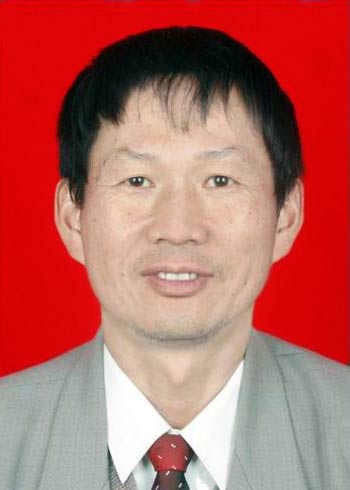 Maosheng Yang (杨茂生)合作论文数Guizhou Academy of Agricultural Sciences29Kaizhi Shi合作论文数23
 Tao Zhang (张涛)合作论文数Rice and Sorghum Research Institute, Sichuan Academy of Agricultural Sciences23Jing Luo (罗婧)合作论文数22Tao ZHANG (张涛)合作论文数21QiYue Sun (孙启跃)合作论文数17ZhaoXiang Li (李昭祥)合作论文数15LingLing Jiang (姜玲玲)合作论文数14Jian Qin (秦俭)合作论文数14Mei Liao (廖梅)合作论文数14XiaoJiao Guo (郭小蛟)合作论文数12Lei Gao (高磊)合作论文数12YiMing Cai (蔡一鸣)合作论文数11Ling Pu (蒲龄)合作论文数10YuanJiang Tang (唐远江)合作论文数10RongQing Ren (任荣清)合作论文数9Jing Liu (刘镜)合作论文数9SiXuan Zhou (周思旋)合作论文数9
 Chengcai Chu (储成才)合作论文数College of Agriculture, South China Agricultural University;Guangdong Laboratory for Lingnan Modern Agriculture9
 Hai Xu (徐海)合作论文数Agronomy College of Shenyang Agricultural University8
 Zhengjin Xu (徐正进)合作论文数Shenyang Agricultural University8CiKai Wei (魏赐开)合作论文数7ShengKun Yang (杨胜坤)合作论文数7ShuHui Pan (潘淑惠)合作论文数7HuiJun Jia (贾惠珺)合作论文数7
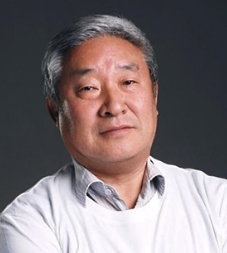 Wenfu Chen (陈温福)合作论文数Agronomy College of Shenyang Agricultural University7YunPing Liu (刘运平)合作论文数6Ling LONG (龙玲)合作论文数5MingCai Xiao (肖明才)合作论文数5GuoFu Yu (余国富)合作论文数5ShiWen Tan (谭诗文)合作论文数5YueQian Yang (杨粤黔)合作论文数5YaNan Zhang (张亚楠)合作论文数5tingyou wan (万廷友)合作论文数4
 Feng Jin (金峰)合作论文数College of Plant Science, Jilin University4Jiayu Wang合作论文数4Cui Tian (田翠)合作论文数4YunWu Xiao (肖云武)合作论文数4XianLin Ni (倪先林)合作论文数4




