Propeller phase control offers a promising route for directional noise reduction in distributed propulsion systems. In this study, a high-fidelity tonal-noise prediction framework is established by coupling computational fluid dynamics with the Ffowcs Williams-Hawkings equation and validated against wind-tunnel measurements. The noise characteristics of a single propeller, a counter-rotating propeller pair, and a three-propeller system are then analyzed to clarify the effects of rotational speed and phase difference on far-field noise directivity. Based on these results, a phase-angle optimization model is developed for a three-propeller system to minimize the average sound pressure level within a prescribed noise-sensitive sector. The optimized phase combination reduces the average sound pressure level in the target region by 6.65 dB relative to the in-phase case. Additional analyses show that phase-angle variation changes propeller thrust and torque by less than 0.2% and that the optimized noise-reduction benefit deteriorates when phase errors increase to about 5–10°. The present work provides a useful reference for directional noise reduction in distributed-propulsion VTOL fixed-wing UAVs.
Cultivating critical thinking ability is an essential goal of higher education. Peer review is an effective means of critical thinking training widely used in open-ended assignment. However, there is a challenge in the teaching practice due to inexperience, subjectivity, and randomness of students’ grading, resulting in low accuracy. To address this issue, we introduce PAStudio, a peer assessment pedagogical tool. It utilizes a pairwise comparison method based on a binary system to significantly reduce the grading difficulty for inexperienced students. It requires students to evaluate projects across multiple dimensions using predefined grading criteria, thereby reducing the subjectivity and complexity of the grading process. To better assist students in iterative project improvement and manage the workload of reviews in PAStudio, we have designed an assessment workflow based on the Swiss system for multiple rounds of pairwise comparison. In this workflow, as reviewers, the student’s assessment rounds are acceptable, and the assessment workload for each round is limited. As the submitter, the student receives two constructive comments from different peers. The process forms a formative feedback loop. In PAStudio, we have also developed functionality to avoid superficial comments using the Bidirectional Encoder Representations from Transformers (BERT) model. As the reviewer writes comments, the system rates them on a five-level scale. A comment rated “Fail” cannot be submitted to the system. To calculate a project’s score accurately, we propose an algorithm based on Technique for Order Preference by Similarity to an Ideal Solution (TOPSIS). This algorithm considers the results of all rounds and the opponent’s strength to calculate the assignment’s overall performance comprehensively. PAStudio incorporated gamification elements such as dynamic leaderboards and badges to boost competition and engagement and enhance assignment quality. We analyzed learning data from the Swift Language Programming course from 2023 to 2024. When measured using Krippendorff’s Alpha, the inter-rater reliability between instructor and peer grading shows a good level of agreement, demonstrating the reliability of the peer grading mechanism. Furthermore, peer grading is significantly associated with enhanced students’ assignment performance and learning engagement, as measured by Kruskal-Wallis test. The results of the course questionnaires indicate that most students perceived the peer assessment approach positively and have greatly benefited from this method.
Near-sensor computing (NSC) has emerged as a promising paradigm for edge visual processing and data compression, to mitigate data transmission and computing overheads at IoT nodes. However, existing NSC still suffers from limited precision, reduced frame rate and low energy efficiency under complex DNN tasks due to inefficient analog memory, exponential computation overheads and considerable ADC burden. This paper introduces FALCON, a novel current-mode (CM) NSC architecture featuring in-current-register-processing (ICRP) unit and two-step multiply-and-accumulate (TS-MAC) for high-precision and low-latency feature extraction. Additionally, a reconfigurable ADC with embedded ReLU and pooling functionality is employed to improve ADC overhead and compression ratio. Implemented under a 55nm CIS process, FALCON achieves 12.92 TOPS/W with 7-bit weight precision and supports a frame rate of 3096 fps under 8 filters, with an iFOM of 10.1 pJ/pix•fps.
Solar-powered unmanned aerial vehicles (UAVs) are prone to excessive flexibility and structural instability because of their ultralightweight design. The NASA Helios aircraft incident exemplifies this risk, as structural flexibility was a major contributing factor to the pitch oscillations that led to structural breakup. Improving the stiffness-to-weight ratio of the tubular structures-the primary load-bearing members-is thus essential for improving aircraft performance. For this purpose, in this paper, sandwich pipe beams with longitudinal trapezoidal corrugated cores-either uniform or graded-were proposed, and their bending capacity was investigated. To overcome the computational complexity of such structures and enable iterative optimization, we extend the mechanics of structure genome (MSG), which, through its explicit and reversible macro-micro strain mapping, is further advanced to predict not only stiffness but also failure loads, thereby serving as the foundation of the model reduction framework. Case studies revealed that the framework reduces degrees of freedom to <5 % of those of the full finite element models while retaining high accuracy, with discrepancies of 2-6 % for stiffness and failure loads and 14.1 % for local buckling loads, enabling efficient evaluation and optimization of the proposed structures. An experimental study also validated the method's accuracy. Combined with Bayesian optimization, sandwich pipe beams with graded and uniform corrugated cores were optimized and compared with those with common isotropic cores. The optimization results revealed that the optimal beam with a corrugated core achieved 31.0 % and 32.3 % increases in bending stiffness and failure load, respectively, compared with those with a polymethacrylimide (PMI) core, whereas the weightiness of the graded core further decreased by 10.6 %, offering new insights for load-bearing structure design for solar-powered UAVs.
To meet the high energy efficiency requirements of solar-powered Unmanned Aerial Vehicles (UAVs), this paper proposes an optimization design framework for a rudder/differential thrust joint control strategy based on incremental nonlinear dynamic inversion, and this collaborative control strategy is further integrated into top-level trajectory optimization. In this framework, the additional aerodynamic forces and moments caused by the asymmetry of the propeller slipstream are precisely modeled. The results demonstrate that through a rational allocation between rudder control and differential thrust control, the extra flight power caused by horizontal turns can be reduced by 44.5%, and the overall average flight power decreases by 6.2%. In energy-optimal trajectory design, the introduction of differential thrust control contributes to minimizing unfavorable segments in the flight trajectory, resulting in increased solar energy absorption and reduced flight energy consumption. The results indicate that the average net residual power increases by 7.3%. The effectiveness of differential thrust control in enhancing the energy performance of solar-powered UAVs is verified in this research.
Solar-powered drones typically use flexible thin film material as skin materials to adapt to the high aspect ratio and low wing load wings. However, the thin film undergoes elastic deformation under aerodynamic loads, resulting in uncertain effects on the aerodynamic characteristics. To verify which turbulence model has higher prediction accuracy for the low Reynolds number aerodynamic characteristics of thin film wings, this paper conducted fluid-structure coupling analysis on thin film wings using both the S-A model and the Transition SST model. The influence of turbulence models on numerical analysis results was studied by comparing them with wind tunnel test results. The results indicate that: (1) Both models have high prediction accuracy for lift; (2) At low angles of attack, the two models have higher accuracy in predicting drag, while at high angles of attack, the predictive accuracy sharply decreases, and the S-A model has higher accuracy; (3) The prediction accuracy of pitch moment by the two models is worse than that of lift, while the Tran-SST model has higher accuracy. This has reference value for studying the aerodynamic characteristics of solar-powered drones.
Reinforcement learning is a powerful general artificial intelligence that has been introduced into aerodynamic shape optimization. Through consecutive interactions with an aerodynamic environment, an agent can learn an optimization policy marked by high efficiency and strong generalization. The present paper proposes an aerodynamic optimization method for improving high-lift performance of multi-element airfoils based on a reinforcement learning algorithm. The agent learns to make decisions on flap position modification according to velocity field features, so that the learned policy adapts better to various flow conditions. Two-Directional two-dimensional principal component analysis was used for order reduction of input velocity matrices and preserving flow features. The trained policy was verified in both the training condition and other similar conditions. It is indicated that the policy learned by this method is efficient and generalizable in addressing multi-element airfoil optimization problems in multiple flow conditions. The maximal lift coefficient can be increased significantly in few steps of flap position modification with the aerodynamic constraint satisfied.
As a commonly used configuration for advanced unmanned aerial vehicles (UAVs), the flying-wing configuration suffers from pitching moment trimming issues due to the lack of horizontal tail. The UAV either needs to unload lift at the trailing edge or needs to increase the wingtip twist angle at the cost of losing the lift-to-drag ratio. The commonly used methods for solving pitching moment trimming issues are compared and analyzed in this paper, and it is found that the method of trailing-edge twist has advantages under cruising lift coefficient. Furthermore, a trailing-edge twist deformation parameterized model that can deform multiple critical sections is designed with relevant grids. The multi-objective genetic algorithm is used to optimize the parameterized model and obtain the optimized results. Through comparative analysis, it is found that the optimized trailing-edge twist model has an advantage in distributing the pitching moment. By optimizing the distribution of aerodynamic forces and moments, cruise trim is achieved with only a 1.43% cost to the cruise lift-to-drag ratio compared to the initial model.
Over twenty Solar-Powered Unmanned Aerial Vehicle (SPUAV) designs exist worldwide, yet few have successfully achieved uninterrupted high-altitude flight. This shortfall is attributed to several factors that cause the actual performance of SPUAV to fall short of expectations. Existing studies identify the propeller slipstream as one of these adverse factors, which leads to a decrease in the lift–drag ratio and an increase in energy consumption. However, traditional design methods for SPUAVs tend to ignore the potential adverse effects of slipstream at the top-level design phase. We find that this oversight results in a reduction in the feasible mission region of SPUAVs from 109 days to only 46 days. To address this issue, this paper presents a high-fidelity multidisciplinary design framework for the energy/propulsion systems of SPUAVs that integrates the effects of a propeller slipstream. Specifically, deep neural networks are employed to predict the lift–drag characteristics of SPUAVs under various slipstream conditions, and the energy performance is further analyzed by evaluating the time-varying state parameters throughout a day. Subsequently, the optimal solutions for the energy/propulsion systems specific to certain latitudes and dates are obtained through optimization design. The effectiveness of the proposed design framework was demonstrated on a 30-m wingspan SPUAV. The results indicated that, compared to the traditional design method, the proposed approach led to designs that more effectively accomplished closed-loop flight in designated regions and prevented the reduction of the feasible mission region. Additionally, through the targeted retrofit of the energy/propulsion systems, SPUAVs exhibited enhanced adaptability to the solar radiation characteristics of different mission points, resulting in a further expansion of the feasible mission region. Furthermore, this research also explored the variation trends in optimal solutions across different latitudes and dates and investigated the reasons and physical mechanisms behind these variations.
Flight velocity and tilt angle are commonly employed to define the safe region for fixed-wing vertical take-off and landing (FW-VTOL) UAVs as they undergo tilting, referred to as the transition corridor. Nevertheless, the transition corridor only considers the aircraft's limitations in a quasi-stationary condition and ignores the additional constraints introduced by the aircraft's kinematic behavior. To obtain a more accurate safe state space, the concept of the dynamic envelope was proposed by previous researchers. The dynamic envelope of UAV represents the safe state space taking into account aerodynamic constraints and kinematic constraints. Solving the dynamic envelope has consistently remained a focal point of research in the field. This study introduces an innovative approach that employs reachability analysis to solve the dynamic envelope of the FW-VTOL UAV during the transition stage. Building upon this, it proposes a safety index for the transition path, optimized to determine the safest transition path. Subsequently, specific case studies verified the effectiveness of the solution process and optimization method. The designed optimal path enhances safety by 9.71% compared to the basic path, signifying its practical significance in mitigating risk during the transition stage of FW-VTOL UAVs. Furthermore, the attributes of the transition path are analyzed based on two aspects: (A) a comparison between the optimal transition path and the two-dimensional transition path with a constant angle of attack; (B) an examination of how key UAV design parameters influence the transition path's safety. Overall, the methodology and general rules proposed in this study provide a theoretical basis and technical support for improving the security of FW-VTOL UAVs in the transition stage.
Aerodynamic/stealth optimization is a key issue during the design of a stealth UAV. Balancing the weight of different incident angles of the RCS and combining stealth characteristics with aerodynamic characteristics are hotspots of aerodynamic/stealth optimization. To address this issue, this paper introduces a radar detection probability model to solve the weight balance problem of incident angles of the RCS and a penetration efficiency model to transfer the multi-object optimization into single-objective optimization. In this paper, a parameterized model of a flying-wing UAV is selected as the research object. A gradient-free optimization algorithm based on the genetic algorithm is used for maximizing efficiency. The optimization model balances the influence of the RCS mean value and RCS peak value on stealth performance. Moreover, the model achieves an optimal entire life cycle penetration efficiency coefficient by balancing aerodynamic and stealth optimization. The results show that the optimized model improves the penetration efficiency coefficient by 13.84% and increases maximum flight sorties by 1.8%. These results prove that the model has a reasonable combination of aerodynamic and stealth optimization for UAVs undertaking penetration missions.
Peer grading is widely used in high education as effective active learning but still faces challenges. We present the peer grading approach for Open-ended Programming Projects based on the binary and Swiss systems. First, we design a grading specification to improve the accuracy of scoring. Second, to make grading easier for inexperienced students, we utilize a pairwise comparison system based on the binary system. Third, we propose a score calculation algorithm based on Technique for Order Preference by Similarity to an Ideal Solution (TOPSIS) to improve grading accuracy. We developed an online peer review tool called Peer Review Studio (PRS) based on the approach. We carry out the method in the undergraduate programming course of 2023. We collect and analyze the learning data between 2022 and 2023. When measured by Krippendorff's alpha, the inter-rater reliability between instructor and peer grading is in good agreement. When measured by Kruskal-Wallis, students' project performance and learning engagement significantly improve in the first year of peer grading. The course questionnaire 2023 reveals that most students hold a positive attitude toward peer grading and have benefited significantly from this approach.
The recommendation performance in our Alipay advertising system may suffer from label noise in training data. Earlier approaches that relied on soft targets typically neglected global similarities. Here, we introduce a novel algorithm called Global-aware Model-free Self-Distillation (GMSD) to create soft targets using the information at the global scale. Specifically, we propose calculating the similarities between the target sample and cluster centers produced by clustering the training dataset. The direct calculation of global similarities requires computation across the full dataset, which is prohibitively expensive. Additionally, we develop a contrastive cluster loss (CCLoss) for limiting the distance between the data of the intra-class to be lower than that of the inter-class to promote samples to be drawn to accurate cluster clusters. Extensive experiments on public and industry datasets demonstrate that GMSD outperforms state-of-the-art self-distillation methods in efficiency and effectiveness.
This research to practice WIP paper presented a Blended Learning (BL) approach to teaching Data Structures and Programming in Python (DSPP) course. This approach increased students' learning engagement, academic performance, and course satisfaction. There is an intense need to study the BL approach in higher education, especially during the COVID-19 epidemic. Although BL pedagogy has achieved great success in college, there needs to be more quantitative research and practice in the computer programming course. This paper takes the DSPP course as an example to introduce the BL approach in detail. First, we designed the BL process for the computer programming course, which includes specific pre-class, in-class, and after-class activities. Second, we divide a course's knowledge and BL activities into remember, understand, apply, analyze, evaluate, and create levels according to Bloom's Taxonomy. So the knowledge and activities can be corresponding according to the cognitive level. We take a chapter in the DSPP course as an example to introduce it in detail. Third, to support the efficient implementation of BL activities, we have designed and developed several online learning systems, including an Online Judge system (OJ), Question&Anwser website (Q&A), and Peer Review Studio (PRS). To assess the effectiveness of the BL approach, we conducted the study at the DSPP course for undergraduate students in 2021 and 2023. In 2021, we taught the DSPP course in traditional pedagogy. In 2023, we began to implement BL pedagogy. By analyzing students' learning data, we compared the effect of the two pedagogy. We use the nonparametric independent-samples Kruskal-Wallis test to measure the changes in learning engagement, course performance, and student satisfaction. The results show that they were significantly improved in 2022. The course questionnaire of 2022 shows that most students prefer the BL approach.
This paper describes the development of a high-fidelity multi-level optimization framework to maximize the efficiency of a propeller. Specifically, the discrete adjoint method optimizes the airfoil cluster in a three-dimensional state. Subsequently, parametric perturbation and flow pattern reconstruction methods are applied to the optimization of the twist angle and chord length distribution. Additionally, we use the concepts of perturbation loss and additional efficiency to quantify the influence of the viscosity loss on the efficiency and the potential chord length optimization at each blade section. The precision during the optimization is consistent with that of Computational Fluid Dynamics (CFD), which agrees well with the experimental data. The results indicate that the proposed optimization framework can efficiently combine high fidelity and low computational costs and accurately quantify the influence of complex three-dimensional flow characteristics on the optimal shape of the propeller. With the aid of the proposed optimization criterion, the three-dimensional flow can reach the state that is most conducive to improving the propeller efficiency by adjusting the shape parameters. Overall, this research's methodology and general rules provide a reference for the propeller design of a high altitude long endurance UAV.
The design requirements for the propellers of vertical take-off and landing (VTOL) UAVs are contradictory in the cruise phase and VTOL phase. To alleviate the contradiction, the concept of passive variable-pitch propeller (PVPP) using the aerodynamic moment to change the pitch was proposed by previous researchers, which can adaptively adjust the pitch as the advance ratio changes. However, this type of PVPP has not been widely used due to its complex balance module. This paper constructs a new framework to design such PVPP to simplify its balance module and increase its utility. We proposed new methods to parameterize the shape of PVPP and established mathematical models for each optimization in the design process. Subsequently, a case study verified the feasibility of the design method to simplify the trim module. By optimizing the position of the blade-pivot axis, the design results can work efficiently in multiple working conditions and can also achieve the highest efficiency at a specific advance ratio, which is of practical significance for VTOL UAVs to reduce energy consumption and increase payload in mission profiles. We conducted additional analysis on the characteristics of PVPP based on two aspects: (A) the influence of the blade airfoil on the pitching moment characteristics of PVPP; (B) the comparison between the PVPP with normal layout and the PVPP with canard layout. Overall, the methodology and general rules proposed in this paper provide a theoretical basis and technical support for designing PVPP for UTOL UAVs.
This research to practice full paper presented a peer review approach to grading projects in computer courses. Educators commonly adopt project-based learning activities in computer courses to achieve the goal. Implementations of these projects typically involve hardly quantifiable dimensions, such as novelty, functionality, user-friendly, coding style, and document. Automated tools are not competent for project assessment. However, assessing projects by instructors can be labor intensive and generally involves a high degree of subjectivity. Peer review is widely used in high education as effective active learning in computer courses, especially in the past decade. Despite its many advantages, peer review still faces some challenges. Students need to be more expert in assessment and might make mistakes when grading, and instructors still need to make great efforts to supervise the process and ensure that students give fair scores to their peers. In addition, the social relationship between students could lead to subjective assessments and affect the fairness of grading. We present the peer review approach to grading projects in computer courses. First, we design a grading specification to improve the accuracy of scoring. Second, we propose a score calculation method based on Technique for Order Preference by Similarity to an Ideal Solution (TOPSIS) to calculate the assignment's final score, which is a multi-objective decision-making problem. Third, we give an anomaly detection algorithm based on Dixon's Q test to filter peer reviewers' unreasonable scores. Based on the approach, we designed a peer review workflow and developed an online peer review tool called Peer Review Studio (PRS). We carry out the method in the undergraduate computer course of 2022. We collect and analyze the learning data between 2020 and 2022. When measured by Krippendorff's alpha, the inter-rater reliability between instructor and peer grading is in good agreement. When measured by Kruskal-Wallis, students' project performance is significantly improved in the first year of peer review. Although learning engagement increases in 2022, there is no statistically significant difference with 2021. The course questionnaire of 2022 shows that most students approve of the peer review approach.
Infrared dim and small target detection is one of the crucial technologies in the military field, but it faces various challenges such as weak features and small target scales. To overcome these challenges, this article proposes IR-TransDet, which integrates the benefits of the convolutional neural network (CNN) and the Transformer, to properly extract global semantic information and features of small targets. First, the efficient feature extraction module (EFEM) is designed, which uses depthwise convolution and pointwise convolution (PW Conv) to effectively capture the features of the target. Then, an improved Residual Sim atrous spatial pyramid pooling (ASPP) module is proposed based on the image characteristics of infrared dim and small targets. The proposed method focuses on enhancing the edge information of the target. Meanwhile, an IR-Transformer module is devised, which uses the self-attention mechanism to investigate the relationship between the global image, the target, and neighboring pixels. Finally, experiments were conducted on four open datasets, and the results indicate that IR-TransDet achieves state-of-the-art performance in infrared dim and small target detection. To achieve a comparative evaluation of the existing infrared dim and small target detection methods, this study constructed the ISTD-Benchmark tool, which is available at https://linaom1214.github.io/ISTD-Benchmark .
The temperature of the solar cells on the upper surface of a solar unmanned aerial vehicle (UAV) wing is much higher than the atmospheric temperature during flight. The temperature difference will induce buoyancy-driven Görtler vortices that may influence the aerodynamic characteristics of the wing. In the present study, a hybrid RANS-LES-based approach was used to simulate the flow above a heated flat plate under different flow velocities (from 0.34 m/s to 0.63 m/s) and temperature differences (from 0 K to 60 K), and the influence of Görtler vortices on the flow was analyzed. The existence of buoyancy-driven Görtler vortices would induce velocity normal to the plate, and a negative velocity normal to the plate at the peak position would enhance the momentum exchange within the boundary layer, accelerate the transition, and increase the friction drag coefficient. The drag coefficient with a 60 K temperature difference is almost three times that with a 0 K temperature difference. With an increase in temperature difference or decrease in flow velocity, the intensity of Görtler vortices would increase. A couple of different buoyancy parameters were studied, and a combined parameter based on both the Reynolds number and Grashoff number was proposed as the index parameter of heated plate flow. The flow above a heated flat plate can be divided into three regions by the buoyancy parameter. When the buoyancy parameter is between 100 and 200, the Görtler vortices are stable, and the flow exhibits significant three-dimensional characteristics.
 Dongli Ma (马东立)合作论文数School of Aeronautic Science and Engineering, Beihang University24
 Muqing Yang (杨穆清)合作论文数School of Aeronautic Science and Engineering, Beihang University15
 Xiao Bai (百晓)合作论文数School of Computer Science and Engineering, Beihang University11
 Yuan Yao合作论文数7Xiaopeng Yang合作论文数6Yayun Yu合作论文数5
 Xinglu Xia合作论文数5
 Lei Zhou (周雷)合作论文数School of Health Science and Engineering, University of Shanghai for Science and Technology5Tianyi Chen合作论文数4
 Chen Wang合作论文数Jiangxi Research Institute, Beihang University4
 Jun Zhou合作论文数School of Information and Communication Technology, Griffith University;Institute for Integrated and Intelligent Systems, Griffith University;ARC Research Hub for Driving Farming Productivity and Disease Prevention, Griffith University4
 Yuhong Jia (贾玉红)合作论文数School of Aeronautic Science and Engineering, Beihang University4
 Edwin Hancock合作论文数Department of Computer Science, University of York;Beijing Advanced Innovation Centre for Big Data and Brain Compuring, Beihang University4Keran Cong合作论文数3
 Tao Gao合作论文数3Shaoqi Wang合作论文数3
 Xiang Wang (王翔)合作论文数School of Cyber Science and Technology, University of Science and Technology of China;School of Data Science, University of Science and Technology of China3
 Jin Zheng (郑锦)合作论文数School of Computer Science & Engineering, Beihang University3
 Jian Wang (王健)合作论文数College of Science, China University of Petroleum3
 Shuzhen Yao (姚淑珍)合作论文数School of Computer Science and Engineering, Beihang University3Guanxiong Li合作论文数2
 Chenyang Yang (杨晨阳)合作论文数School of Electronic and Information Engineering, Beihang University2
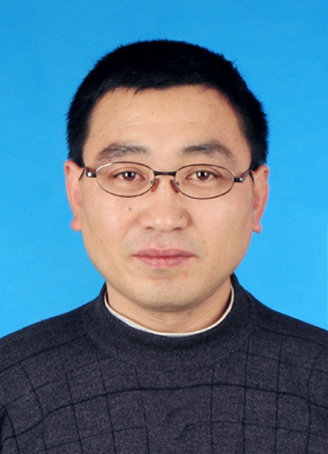 Jingmeng Liu (刘敬猛)合作论文数School of Automation Science and Electrical Engineering, Beihang University2
 Weihai Chen (陈伟海)合作论文数School of Automation Science and Electrical Engineering, Beihang University;Hangzhou Innovation Institute, Beihang University2
 Jianwei Niu (牛建伟)合作论文数School of Aeronautic Science and Engineering, Beihang University2Xiaohui Zeng (曾晓辉)合作论文数University of Chinese Academy of Sciences;Institute of Mechanics, Chinese Academy of Sciences2
 Jiancheng Fang (房建成)合作论文数School of Instrumentation and Optoelectronic Engineering, Beihang University2Ruihai Geng合作论文数1Xusheng Wang合作论文数1
 Lin Gu (谷林)合作论文数Center for Advanced Intelligence Project, RIKEN1
 Jian Lin合作论文数1Yizhu Guo合作论文数1Suihanjin Yu合作论文数1He-Mu Shi合作论文数1
 Fajun Yu (于法军)合作论文数Harbin Engineering University1Pengcheng Zhang合作论文数1Yong He合作论文数1
 Xing'an Liu合作论文数1
 Yang Liu合作论文数1Ang Li合作论文数1
 Jian Hu合作论文数School of Electronic Engineering and Computer Science, Queen Mary, University of London1
 Gang Chen合作论文数1Jianxin Li合作论文数1Yang Guo合作论文数1Ke Ding合作论文数1




