OBJECTIVE:This study investigates the prevalence of vocal tremor in specific vocal tract locations to provide insights that refine botulinum toxin injection treatments. METHODS:A retrospective analysis was conducted on clinical data from 36 patients diagnosed with vocal tremor who received botulinum toxin injections at the University of Pittsburgh Medical Center Voice, Airway & Swallow Center between 2006 and 2024. Tremor locations (true vocal folds, false vocal folds, palate, strap muscles, tongue) were assessed using dynamic flexible laryngoscopic imaging. RESULTS:Vocal tremor frequently involved multiple sites, with the most common locations being the true vocal folds (33 patients), palate (24 patients), and false vocal folds (23 patients). On average, patients exhibited tremor in 3 locations. CONCLUSION:Comprehensive laryngeal evaluation is crucial for tailoring botulinum toxin treatments. Future research should explore advanced diagnostic techniques and alternative therapies to address tremor in harder-to-treat locations.
Laryngeal procedures, in the current day, generally take the form of awake or sedated endoscopic procedures such as vocal fold augmentation, open laryngeal procedures such as thyroplasty, and microlaryngeal surgeries under general anesthesia. Chair height, distance of the surgeon from the patient, torso rotation, and positioning of the video screen are critical ergonomic considerations of awake endoscopic laryngeal procedures. Operating table height, cervical flexion angle, and the loupe declination angle are important ergonomic considerations during open laryngeal surgery, and bed height, arm support, surgeon torso length, hip flexion angle, and cervical flexion angle are key aspects of ergonomics in microlaryngeal surgery. This review should provide a framework for examining one’s own ergonomic positioning and environment when performing a range of laryngeal surgeries.
The number of women in otolaryngology is steadily increasing, with currently 30% to 40% of all US otolaryngology residents being female. Surgical instruments and equipments have historically been designed for a man's hand, and this puts female otolaryngologists at higher risk of work-related musculoskeletal disorders (WRMD). There are strategies to mitigate WRMDs in the OR which can be generally applied but can be further modified for women surgeons. Large-scale improvement must begin at the source, however, engaging industry in meaningful ways to elicit the design of more equitable operating rooms and equipment.
Purpose: The purpose of this study is twofold. First, we sought to replicate the reported factor structure of the Voice Disability Coping Questionnaire (VDCQ) in a sample of patients diagnosed with a chronic voice disorder. Second, we sought to examine how the factors of the VDCQ relate to perceived voice handicap and perceived stress in these patients. Method: Participants diagnosed with laryngeal dystonia (n = 78) and/or essential vocal tremor (n = 27) were recruited to participate in a cross-sectional survey research study. Participants completed the VDCQ, the Voice Handicap Index-10 (VHI-10), the Perceived Stress Scale-4 (PSS-4), and self-reported overall coping. Part 1 uses common factor analysis to test the hypothesized factor structure of the VDCQ. Part 2 uses structural equation modeling (SEM) to examine the hypothesized relationships between the VDCQ factors and the other measures. Results: Confirmatory factor analysis did not support the VDCQ's hypothesized three-or four-factor solutions. Subsequent exploratory factor analysis demonstrated a two-factor solution fit the data well, that is, Proactive Social Coping and Passive/Avoidant Coping. Results of the SEM demonstrate that the Passive/ Avoidant Coping factor is significantly associated with the VHI-10 and PSS-4 and inversely related to self-reported overall coping. Conclusions: Although neither the original three-or four-factor solution fit the data well, this study provides additional psychometric support for a two-factor solution of the VDCQ. These two factors closely resemble the initial factor structure and meaningfully relate to perceived vocal handicap, stress, and perceived overall coping. Supplemental Material: https://doi.org/10.23641/asha.30369775
Laryngeal electromyography (LEMG) is a technique used to characterize neuropathic injuries to the recurrent laryngeal nerve (RLN) and superior laryngeal nerve (SLN). The RLN and SLN innervate the laryngeal muscles to produce vocal fold (VF) motion and elongation, respectively. VF motion deficiencies can affect voice, swallowing, and breathing, which can greatly affect a patient's quality of life. Neuropathy-related VF motion deficiencies most often result from surgical interventions to the skull base, neck, or chest likely due to the circuitous route of the RLN. LEMG is ideally conducted by an electromyographer and an otolaryngologist using a team-approach. LEMG is a powerful diagnostic tool to better characterize the extent of neuropathic injury and thus clarify the prognosis for VF motion recovery. This updated review discusses current techniques to improve the positive and negative predictive values of LEMG using laryngeal synkinesis and quantitative LEMG. Synkinesis can be diagnosed by comparing motor unit potential amplitude during vocalization and sniff maneuvers when recording within adductor muscles. Quantitative turns analysis can measure motor unit recruitment to avoid subjective descriptions of reduced depolarization during vocalization, and normal values are >400 turns/s. By integrating qualitative, quantitative, and synkinetic data, a robust prognosis can help clinicians determine if VF weakness will recover. Based on LEMG interpretation, patient-centered treatment can be developed to include watchful waiting, temporary VF augmentation, or definitive medialization procedures and laryngeal reinnervation.
BACKGROUND/OBJECTIVE:Laryngeal electromyography (LEMG) is a useful diagnostic test in the evaluation of vocal fold paralysis (VFP). This study investigates factors that can make LEMG challenging to perform. METHODS:Patients with subacute unilateral VFP presented for LEMG were prospectively enrolled. Demographic data including BMI, previous neck surgery, and anatomic factors were collected. Patient-reported pain related to the procedure was recorded on a visual analogue scale (VAS). Electromyographer and otolaryngologist recorded a consensus rating of the perceived difficulty in performing the test and confidence in using the results for clinical decision-making. RESULTS:A total of 111 patients (56.8% female) were enrolled between August 2015 and August 2018. The mean age was 55 ± 14 years, and the average body mass index (BMI) was 28.5 ± 6.4. The mean patient-reported VAS score for pain was 35 ± 24. Notably, 31.2% of the tests were considered "very easy," 32.1% were considered "mildly challenging" and 23.9% and 12.8% were considered "moderately challenging" and "extremely challenging," respectively, by the clinicians. Common factors affecting LEMG difficulty included poorly palpable surface anatomy (50.5%) and patient intolerance (15.6%). Clinicians felt confident in 76.1% of the test findings. Bivariate analyses showed that prior neck surgery is associated with elevated VAS (p = 0.02), but clinician-perceived difficulty of performing the test is not associated with elevated VAS scores (p = 0.55). CONCLUSIONS:Majority of LEMG tests are well tolerated by patients. Physicians reported more confidence using LEMG for clinical decision-making when the test was easier to perform. Difficult surface anatomy and patient intolerance affects clinician confidence in integrating the test results with clinical care. LEVEL OF EVIDENCE:3 Laryngoscope, 134:831-834, 2024.
The North American Airway Collaborative (NoAAC) previously published a 3-year multi-institutional prospective cohort study showing variation in treatment effectiveness between 3 primary surgical techniques for idiopathic subglottic stenosis (iSGS). In this report, we update these findings to include 5 years of data evaluating treatment effectiveness. Patients in the NoAAC cohort were re-enrolled for 2 additional years and followed using the prespecified published protocol. Consistent with prior data, prospective observation of 487 iSGS patients for 5 years showed treatment effectiveness differed by modality. Cricotracheal resection maintained the lowest rate of recurrent operation (5%), followed by endoscopic resection with adjuvant medical therapy (30%) and endoscopic dilation (50%). These data support the initial observations and continue to provide value to providers and patients navigating longitudinal decision-making. Level of evidence: 2-prospective cohort study.
OBJECTIVES/HYPOTHESIS:To create a model of the anatomic distribution, recurrence, and growth patterns of recurrent respiratory papillomatosis (RRP).STUDY DESIGN:Prospective, multi-institutional cohort study.METHODS:Adult patients with a diagnosis of RRP evaluated between August 1, 2018 and February 1, 2021 at six participating centers were invited to enroll. At each office or operating room encounter, laryngologists recorded the location and size of RRP lesions using a 22-region schematic. A generalized linear mixed effects model was used to compare region variations in lesion prevalence and recurrence.RESULTS:The cohort comprised 121 patients: 74% were male, 81% had been diagnosed with adult-onset RRP, and a plurality (34%) had undergone 0 to 3 RRP interventions prior to enrollment. Across the study period, the odds of a lesion occurring in the glottis was significantly higher (odds ratio [OR]: 26.51; 95% confidence interval [CI]: 11.76-59.75, P < .001) compared with all other areas of the larynx and trachea. Within the true vocal folds, the membranous vocal folds had significantly higher odds (OR: 6.16; 95% CI: 2.66-14.30, P < .001) of lesion occurrence compared to the cartilaginous vocal folds. Despite these strong trends in lesion distribution, there were no differences in the odds of lesion recurrence, growth, or in the time to recurrence, between anatomic subsites.CONCLUSIONS:RRP lesions are most likely to occur in the glottis, particularly the membranous vocal folds, compared with other regions of the larynx or trachea. However, all lesions demonstrate similar behavior with respect to recurrence, growth, and time to recurrence regardless of anatomic location.LEVEL OF EVIDENCE:3 Laryngoscope, 132:2403-2411, 2022.
Objectives/HypothesisLaryngeal electromyography (LEMG) is a diagnostic tool for patients with suspected neurogenic abnormalities of the larynx. LEMG is often used with the assumption that any abnormality is symptom‐/disease‐related. We sought to determine the prevalence of abnormal LEMG findings in a group of healthy asymptomatic adults across a large age spectrum.Study DesignOpen, prospective study, gender‐match and age balanced by decade.MethodsForty‐six healthy participants (age 20–78) underwent LEMG, including 178 muscles. Participants had no history of voice problems, normal VHI‐10, and normal flexible laryngoscopy. Qualitative and quantitative LEMG (bilateral) were performed involving the thyroarytenoid–lateral cricoarytenoid muscle complex (TA‐LCA) and cricothyroid (CT) muscles. LEMG parameters included evaluation for fibrillation potentials, sharp waves, reduced recruitment, polyphasic potentials, electrical synkinesis, and measurement of turns per second.ResultsOf participants, 4% had at least one abnormal qualitative finding (slightly reduced recruitment or two to three discrete polyphasic potentials). There were no findings of fibrillation potentials or sharp waves. There were no abnormal qualitative findings in the CT muscles tested. Of participants, 16% had at least one abnormal synkinesis finding. LEMG qualitative abnormalities and quantitative abnormalities do not appear to correlate with gender or age.ConclusionAbnormal qualitative and quantitative LEMG findings were uncommon and minor in severity in our group of asymptomatic healthy adults. The likelihood of abnormal LEMG results in asymptomatic adults was 2.2% for qualitative findings, 9.3% for synkinesis, and 5.4% for turns/s.Level of Evidence3 Laryngoscope, 131:2065–2069, 2021
Objectives: To examine whether social determinants of health (SDH) factors are associated with time to diagnosis, treatment selection, and time to recurrent surgical intervention in idiopathic subglottic stenosis (iSGS) patients. Methods: Adult patients with diagnosed iSGS were recruited prospectively (2015-2017) via clinical providers as part of the North American Airway Collaborative (NoAAC) and via an online iSGS support community on Facebook. Patient-specific SDH factors included highest educational attainment (self-reported), median household income (matched from home zip code via U.S. Census data), and number of close friends (self-reported) as a measure of social support. Main outcomes of interest were time to disease diagnosis (years from symptom onset), treatment selection (endoscopic dilation [ED] vs cricotracheal resection [CTR] vs endoscopic resection with adjuvant medical therapy [ERMT]), and time to recurrent surgical intervention (number of days from initial surgical procedure) as a surrogate for disease recurrence. Results: The total 810 participants were 98.5% female, 97.2% Caucasian, and had a median age of 50 years (IQR, 43-58). The cohort had a median household income of $62 307 (IQR, $50 345-$79 773), a median of 7 close friends (IQR, 4-10), and 64.7% of patients completed college or graduate school. Education, income, and number of friends were not associated with time to diagnosis via multivariable linear regression modeling. Univariable multinominal logistic regression demonstrated an association between education and income for selecting ED versus ERMT, but no associations were noted for CTR. No associations were noted for time to recurrent surgical procedure via Kaplan Meier modeling and Cox proportional hazards regression. Conclusions: Patient education, income, and social support were not associated with time to diagnosis or time to disease recurrence. This suggests additional patient, procedure, or disease-specific factors contribute to the observed variations in iSGS surgical outcomes.
INTRODUCTION/AIMS:Temporary vocal fold injection (VFI) is a common treatment for acute and subacute vocal fold paralysis (VFP). Laryngeal electromyography (LEMG) is useful for diagnosing neurogenic causes of VFP. This study evaluated whether the presence of VFI material prevents interpretation of LEMG in patients with acute and subacute VFP. METHODS:Patients with acute and subacute unilateral VFP (onset ≤6 mo) who underwent temporary VFI within 3 mo preceding LEMG were evaluated. A matched control group that did not undergo VFI was also studied. The LEMG team (laryngologist and electromyographer) performed and interpreted LEMG using a pre-specified protocol, including qualitative and quantitative motor unit analysis. RESULTS:Eighteen patients with VFI underwent LEMG successfully with interpretation of spontaneous activity and motor unit recruitment. Fourteen patients were seen in follow-up to determine accuracy of established LEMG prognosis. Seven of seven subjects with poor LEMG prognosis did not recover vocal fold motion. Five of seven subjects with fair LEMG prognosis recovered vocal fold motion. Findings were similar for the control group. DISCUSSION:VFI augmentation material did not prevent interpretation of meaningful LEMG data in patients with acute and subacute VFP, and accurate prognoses of vocal fold motion recovery were established.
Needle biopsy is a well-established component in the evaluation of thyroid nodules. The biopsy is usually performed with an ultrasound guidance and consists of either fine-needle aspiration or core needle biopsy. Although these terms are often used interchangeably, their difference is important. To our knowledge, we discuss the first reported case of biopsy-proven laryngeal nerve injury and permanent vocal fold paralysis following ultrasound-guided core biopsy of the thyroid. We advocate this complication be discussed as part of the consent process.
OBJECTIVE:Cricoid chondronecrosis is a rare entity that has significant consequences for patients. Reports of its occurrence are scattered in the literature and currently there is no comprehensive review to help guide providers.METHODS:A case report from our institution is presented. A review of available literature is then provided with assessment of risk factors, signs and symptoms at presentation, laryngeal exam findings, radiologic findings, and surgical techniques.RESULTS:Twenty-four cases of cricoid chondronecrosis were reviewed from the literature. Patient age ranged from 8 months to 76 years. A history of endotracheal intubation for various reasons was present in all but two cases, and duration of intubation ranged from 6 hours to 28 days. Patients presented with airway compromise in all but two cases-one asymptomatic patient with prior tracheostomy and another with dysphagia after radiation. Dysphonia (n = 6) and dysphagia (n = 3) were less commonly present. Subglottic stenosis (n = 19) was the most common exam finding followed by vocal fold impairment (n = 11). When CT scan findings were reported, fragmentation of the cartilage and/or hypodensity of the central lamina were described in all but one case. Interventions ranged from observation on antibiotics and steroids to surgical therapies including tracheostomy, dilation, and posterior cricoid split, with or without stent placement.CONCLUSIONS:Cricoid chondronecrosis is a serious, rare entity that can occur even after a short period of endotracheal intubation. Providers must have a high level of suspicion in patients that present with upper airway dyspnea with a history of prior intubation.LEVEL OF EVIDENCE:Level 4.
BACKGROUND:Despite the impact of Parkinson disease (PD) on speech communication, there is no consensus regarding the effect of lead location on voice-related outcomes in subthalamic nucleus (STN) deep brain stimulation (DBS). OBJECTIVE:To determine the relationship of stimulation location to changes in cepstral analyses of voice following STN DBS. METHODS:Speech pathology evaluations were obtained from 14 PD subjects, before and after STN DBS, including audio-perceptual voice ratings (overall severity, loudness, hoarseness changes), measured indices of dysphonia (cepstral peak prominence and cepstral spectral index of dysphonia), and phonatory aerodynamics. The contact locations used for active stimulation at the time of postoperative voice evaluations were determined and assessed in relation to voice outcomes. RESULTS:Voice outcomes remained relatively unchanged on average. Stimulation locations in the anterior portion of the sensorimotor region of the left STN, however, were associated with improvements in voice severity scores, cepstral spectral index of dysphonia, shortness of breath, and phonatory airflow during connected speech. Posterior locations were associated with worsening of these outcomes. Variation in the medial-lateral or dorsal-ventral position on the left, and in any direction on the right, did not correlate with any voice outcome. CONCLUSION:Active contact placement within the anterior sensorimotor STN was associated with improved perceptual and acoustic-aerodynamic voice-related outcomes. These findings suggest an STN topography for improving airflow for speech, in turn improving how PD patients' voices sound.
The Hoarseness Guideline Update provides an evidence-based approach to a patient who presents to the clinic with hoarseness. The guidelines cover management decisions in acute and chronic dysphonia for patients of all ages before and after laryngeal examination. The present review discusses the process used to develop these guidelines, including limitations of the process and each key action statement.
Objectives/HypothesisThe incidence of cognitive impairment (CI) in the elderly general population is 10% to 20%. The incidence of CI in the elderly laryngology treatment–seeking population is unknown, and CI may impact decision making for elective medical/surgical treatment and negatively impact the outcome of voice/swallowing therapy. We sought to determine the prevalence of CI in elderly patients who are seeking laryngology care and to evaluate the feasibility of administering a cognitive screening instrument.Study DesignProspective, Cross‐sectional.MethodsOne hundred fifty patients (≥65 years old) without a previous diagnosis of CI, seeking laryngology evaluation, were administered the Montreal Cognitive Assessment (MoCA) test by a trained physician. Other members of the clinical team were blinded to the MoCA results.ResultsTwenty‐five percent of participants obtained a score diagnostic for at least mild CI. The results showed a correlation between the MoCA scores and 1) the time needed to complete the test, 2) participant age, and 3) participant education level. No differences were observed between gender, alcohol consumption, or use of medications that can affect cognition and MoCA score.ConclusionOne in four elderly laryngology treatment‐seeking patients were found to have undiagnosed CI. This finding warrants consideration for CI screening for these patients being evaluated for voice therapy and elective surgery. Treatment decision making in this population may benefit from additional family involvement.Level of Evidence2c Laryngoscope, 130: 2003–2007, 2020
 Clark A. Rosen合作论文数35Young VyVy N合作论文数15
 Michael C. Munin合作论文数University of Pittsburgh12R Jun Lin合作论文数8
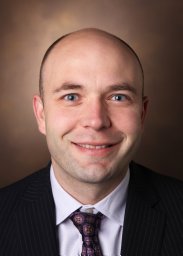 David O. Francis合作论文数7Priya Krishna合作论文数6
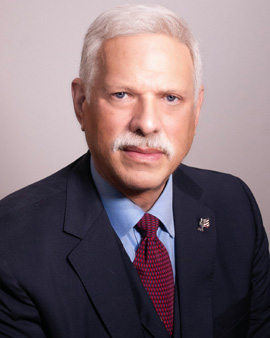 Robert T. Sataloff合作论文数Department of Otolaryngology, College of Medicine, Drexel University5Jackie Gartner-Schmidt合作论文数5Marshall E Smith合作论文数Division of Otolaryngology/Head and Neck Surgery, University of Utah5
 Andree-Anne Leclerc合作论文数4Shaum Sridharan合作论文数Med Ctr, Univ Pittsburgh4
 Joel Blumin合作论文数4Bryson Paul C合作论文数4
 Madden Lyndsay L合作论文数University of Pittsburgh, University of Pittsburgh Medical Center4
 Andrew J Mcwhorter合作论文数Our Lady of Lake Regional Medical Center-Voice Center, Louisiana State University4
 Jonathan M. Bock合作论文数4Milan R. Amin合作论文数4
 Amanda I Gillespie合作论文数4Michael S. Benninger合作论文数4
 David G. Lott合作论文数Mayo Clinic Comprehensive Cancer Center4
 Matthew S Clary合作论文数4Michael M. Johns合作论文数4Li-Ching Huang合作论文数3Rebecca J. Howell合作论文数3Michael J. Rutter合作论文数3
 Ahmed Soliman合作论文数3Cheryl Kinnard合作论文数3Matthew Mori合作论文数3
 Daniel Fink合作论文数3Samir Makani合作论文数3
 Catherine Anderson合作论文数3
 Seth H Dailey合作论文数Division of Otolaryngology-Head & Neck Surgery, Department of Surgery, University of Wisconsin-Madison3
 Philip Weissbrod合作论文数Department of Surgery, School of Medicine, University of California, San Diego3
 Robert J Lentz合作论文数Division of Allergy, Pulmonary and Critical Care Medicine, Vanderbilt University Medical Center3
 David Veivers合作论文数3
 Robbi A. Kupfer合作论文数Department of Otolaryngology-Head and Neck Surgery, Medical School, University of Michigan3
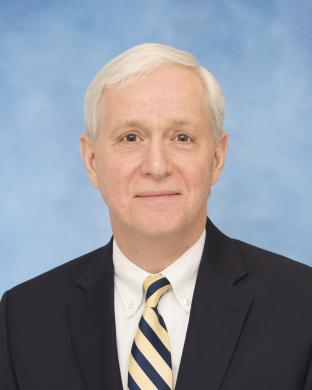 Norman D. Hogikyan合作论文数Department of Otolaryngology-Head and Neck Surgery, Medical School, University of Michigan3
 Dale C Ekbom合作论文数Department of Otolaryngology/Head and Neck Surgery, Mayo Clinic Rochester3Merati Albert L合作论文数3
 Rupali Shah合作论文数3
 Robert J Sinard合作论文数3de Alarcon Alessandro合作论文数3
 Gregory Postma合作论文数Department of Otolaryngology-Head and Neck Surgery, Medical College of Georgia, Augusta University3
 Paul Castellanos合作论文数3
 James J Daniero合作论文数Division of Pediatric Otolaryngology, Nemours/Alfred I. duPont Hospital for Children3
 Ongkasuwan Julina合作论文数Baylor College of Medicine3
 Elizabeth Guardiani合作论文数3
 Langerman Alexander J合作论文数Department of Surgery, University of Chicago3




