In plant tissue culture, the middle cell layer of the callus is crucial for establishing pluripotency and serves as the foundation for subsequent organ regeneration. Although several root apical stem cell regulators have been implicated in maintaining callus pluripotency, how they functionally coordinate to control the formation and proliferation of the middle callus layer remains unclear. Here, we identify a reciprocal transcriptional activation between the root stem cell regulators WOX5/7 and SCR in the middle callus layer of Arabidopsis. We further show that WOX5/7 and SCR form protein complexes that mutually enhance their transcriptional activities. Transcriptomic analysis reveals that WOX5/7 and SCR co-regulate a subset of cell cycle-related genes, explaining the reduced mitotic activity observed in the callus of wox5 wox7 double mutants and scr mutants. Together, these findings support a model in which WOX5/7 and SCR establish a reciprocal positive feedback loop in the middle cell layer that drives the robust callus proliferation by promoting cell cycle progression.
Embryonic pattern formation and cell specification require precise cell division and cell cycle regulation. Splicing factors and the splicing of precursor mRNA (pre-mRNA) play significant roles in embryo development. However, how splicing factors control embryonic patterning via RNA splicing remains unclear. Here, we show that the mutation of SUPPRESSORS OF MEC-8 AND UNC-52 1 (SMU1), a conserved subunit of the spliceosomal B complex, causes compromised cell fate of the hypophysis and quiescent center (QC), failed embryonic root apical meristem (RAM) formation, as evidenced by altered WUSCHEL-RELATED HOMEOBOX 5 (WOX5) expression and perturbed auxin signaling. This results in smu1 embryo lethality. The splicing efficiency of three out of four CYCLIN-DEPENDENT KINASE ACTIVATOR (CAK) genes is decreased, leading to reduced protein levels in smu1 embryos. These CAK genes are required for hypophysis specification and embryonic RAM formation. SMU1 binds CAK transcripts in vitro and in vivo. Restoring the expression of either CAK gene partially rescues the defects in smu1 embryos, leading to the formation of QC-like cells, continued embryo development, and even the production of viable seeds. Our data suggest that SMU1 binds to CAK transcripts and promotes their splicing, enabling cell cycle progression to promote embryonic RAM formation.
In multicellular organisms, communication between cells is vital for their fate determination. In plants, the quiescent center (QC) signals to adjacent stem cells to maintain them undifferentiated. However, how surrounding stem cells instruct the QC remains poorly understood. Here, we show that in the Arabidopsis root, microRNA160 (miR160) moves from stele stem cells (SSCs) to the QC, where it degrades the mRNAs of two auxin response factors, ARF10 and ARF17. This degradation relieves BRAVO from direct transcriptional repression, maintaining QC quiescence. We further identify that blocking miR160 movement due to DNA damage-induced SSC death and restricted symplastic transport reduces BRAVO and WOX5 expression, leading to QC division to replenish damaged stem cells during root regeneration. Together, our results demonstrate that a transcriptional axis initiated by mobile miR160 regulates the QC and stem cell behavior, advancing our understanding of the communication between stem cells and their surrounding cellular environment.
In tissue culture, a high concentration of auxin in the callus induction medium (CIM) stimulates cell division and subsequent callus formation, which acquires root primordium-like characteristics necessary for cell pluripotency. In Arabidopsis, WUSCHEL-RELATED HOMEOBOX5 (WOX5) and its closest homolog WOX7, which are abundant in the middle cell layer of mature callus, play a crucial role in maintaining pluripotency by promoting auxin accumulation and enhancing cytokinin sensitivity. However, the mechanism by which WOX5/7 regulate callus formation remains unclear. In this study, we found that mutations in WOX5/7 resulted in a significant down-regulation of genes involved in the G2M and S phases during callus induction. Loss-of-function mutants of WOX5/7 exhibited reduced callus formation, which was correlated with decreased expression of CYCB1;1 compared to the wild-type. Furthermore, we provided evidence that WOX5 physically interacts with PHYTOCHROME A SIGNAL TRANSDUCTION1 (PAT1), which spatio-temporally co-expresses with WOX5 in early-induced callus, and up-regulates a subset of cycle-regulating genes targeted by PAT1. Collectively, our findings suggest a critical role for the WOX5-PAT1 protein complex in regulating cell cycle progression, thereby promoting the continuous growth capacity of pluripotent callus.
Transcription factors (TFs) tightly control plant development by regulating gene expression. The phase separation of TFs plays a vital role in gene regulation. Many plant TFs have the potential to form phase-separated protein condensates; however, little is known about which TFs are regulated by phase separation and how it affects their roles in plant development. Here, we report that the rice (Oryza sativa) single Myb TF TELOMERE REPEAT-BINDING FACTOR 2 (TRBF2) is highly expressed in fast-growing tissues at the seedling stage. TRBF2 is a transcriptional repressor that binds to the transcriptional start site of thousands of genes. Mutation of TRBF2 leads to pleiotropic developmental defects and misexpression of many genes. TRBF2 displays characteristics consistent with phase separation in vivo and forms phase-separated condensates in vitro. The H1/H5 domain of TRBF2 plays a crucial role in phase separation, chromatin targeting, and gene repression. Replacing the H1/H5 domain by a phase-separated intrinsically disordered region from Arabidopsis (Arabidopsis thaliana) AtSERRATE partially recovers the function of TRBF2 in gene repression in vitro and in transgenic plants. We also found that TRBF2 is required for trimethylation of histone H3 Lys27 (H3K27me3) deposition at specific genes and genome wide. Our findings reveal that phase separation of TRBF2 facilitates gene repression in rice development.
Stem cells in plant meristems are kept undifferentiated by signals from surrounding cells and provide the basis for continuous organ formation. In the stem cell organizer of the Arabidopsis thaliana root, the quiescent centre (QC), the WOX5 transcription factor, functions as a central hub in regulating columella stem cell (CSC) homoeostasis. However, the processes mediating WOX5 function are only poorly understood. Here we identify the transcription factor HAN as a central mediator of WOX5-regulated stem cell maintenance. HAN is required for mitotic quiescence of QC and CSC maintenance and is sufficient to induce ectopic stem cells. WOX5 and HAN repress transcription of the differentiation factor gene CDF4 in a coherent feed-forward loop (cFFL), one output of which is the expression of the auxin biosynthesis gene TAA1 and maintenance of auxin response maxima in the organizer. These findings and mathematical modelling provide a mechanistic framework for WOX5 function in the root stem cell niche.
During Arabidopsis embryogenesis, the transition of the embryo's symmetry from radial to bilateral between the globular and heart stage is a crucial event, involving the formation of cotyledon primordia and concurrently the establishment of a shoot apical meristem (SAM). However, a coherent framework of how this transition is achieved remains to be elucidated. In this study, we investigated the function of DELAYED GREENING 1 (DG1) in Arabidopsis embryogenesis using a newly identified dg1-3 mutant. The absence of chloroplast-localized DG1 in the mutants led to embryos being arrested at the globular or heart stage, accompanied by an expansion of WUSCHEL (WUS) and SHOOT MERISTEMLESS (STM) expression. This finding pinpoints the essential role of DG1 in regulating the transition to bilateral symmetry. Furthermore, we showed that this regulation of DG1 may not depend on its role in plastid RNA editing. Nevertheless, we demonstrated that the DG1 function in establishing bilateral symmetry is genetically mediated by GENOMES UNCOUPLED 1 (GUN1), which represses the transition process in dg1-3 embryos. Collectively, our results reveal that DG1 functionally antagonizes GUN1 to promote the transition of the Arabidopsis embryo's symmetry from radial to bilateral and highlight the role of plastid signals in regulating pattern formation during plant embryogenesis.
BIG regulates ground tissue formative divisions by bridging the auxin gradient with SHR abundance in Arabidopsis roots. The formative divisions of cortex/endodermis initials (CEIs) and CEI daughter cells (CEIDs) in Arabidopsis roots are coordinately controlled by the longitudinal auxin gradient and the radial SHORT ROOT (SHR) abundance. However, the mechanism underlying this coordination remains poorly understood. In this study, we demonstrate that BIG regulates ground tissue formative divisions by bridging the auxin gradient with SHR abundance. Mutations in BIG gene repressed cell cycle progression, delaying the formative divisions within the ground tissues and impairing the establishment of endodermal and cortical identities. In addition, we uncovered auxin’s suppressive effect on BIG expression, triggering CYCLIND6;1 (CYCD6;1) activation in an SHR-dependent fashion. Moreover, the degradation of RETINOBLASTOMA-RELATED (RBR) is jointly regulated by BIG and CYCD6;1. The loss of BIG function led to RBR protein accumulation, detrimentally impacting the SHR/SCARECROW (SCR) protein complex and the CEI/CEID formative divisions. Collectively, these findings shed light on a fundamental mechanism wherein BIG intricately coordinates the interplay between SHR/SCR and auxin, steering ground tissue patterning within Arabidopsis root tissue.
Local accumulation of Polycomb Repressive Complex 2 (PRC2) is essential to gene silencing. Liquid-liquid phase separation (LLPS) mechanism is emerging as a paradigm to concentrate transcriptional machinery for effective gene regulation. Here, we elucidate that a rice single Myb transcription factor TRBF2 forms phase-separated droplets, which aggregate with PRC2 through direct protein interaction. Furthermore, TRB1, the closest homolog of TRBF2 in Arabidopsis , also forms phase-separated aggregates with PRC2. Mutants of TRBF2 and PRC2 component CLF display similar developmental defects, share common differentially expressed genes, and reduced H3K27me3 chromatin regions. Chromatin immunoprecipitation analysis supports that TRBF2 concentrates PRC2 at target loci to promote H3K27me3 deposition. Therefore, we propose that the aggregation of the plant-specific TRBs with PRC2 by the LLPS mechanism contributes to Polycomb silencing. One-Sentence Summary The phase-separated plant-specific single Myb transcription factor aggregates with PRC2 to facilitate Polycomb silencing.
Secreted peptide-mediated cell-to-cell communication plays a crucial role in the development of multicellular organisms. A large number of secreted peptides have been predicated by bioinformatic approaches in plants. However, only a few of them have been functionally characterized. In this study, we show that two CLAVATA3/EMBRYO SURROUNDING REGION-RELATED (CLE) peptides CLE16/17 are required for both stem cell differentiation and lateral root (LR) emergence in Arabidopsis . We further demonstrate that the CLE16/17 peptides act through the CLAVATA1-ARABIDOPSIS CRINKLY4 (CLV1-ACR4) protein kinase complex in columella stem cell (CSC) differentiation, but not in LR emergence. Furthermore, we show that CLE16/17 promote LR emergence probably via activating the expression of HAESA / HAESA-LIKE2 ( HAE / HSL2 ) required for cell wall remodeling. Collectively, our results reveal a CLV1-ACR4-dependent and -independent dual-function of the CLE16/17 peptides in root development.
RPA2A is a subunit of the conserved heterotrimeric replication protein A (RPA) in Arabidopsis, which is an essential replisome component that binds to single-stranded DNA during DNA replication. RPA2A controls a set of developmental processes, but the underlying mechanism is largely unknown. Here we show that RPA2A represses key flowering genes including FLOWERING LOCUS T (FT), AGAMOUS (AG) and AGAMOUS LIKE 71 (AGL71) to suppress floral transition by cooperating with the PRC2 complex. RPA2A is vigorously expressed in dividing cells and required for correct DNA replication. Mutation of RPA2A leads to early flowering, which is dependent on ectopic expression of key flowering genes including FT molecularly and genetically. RPA2A and PRC2 have common target genes including FT, AG and AGL71 supported using genetic analysis, transcriptome profiling and H3K27me3 ChIP-seq analysis. Furthermore, RPA2A physically interacts with PRC2 components CLF, EMF2 and MSI1, which recruits CLF to the chromatin loci of FT, AG and AGL71. Together, our results show that the replication protein RPA2A recruits PRC2 to key flowering genes through physical protein interaction, thereby repressing the expression of these genes to suppress floral transition in Arabidopsis.
BIG, a regulator of polar auxin transport, is necessary to regulate the growth and development of Arabidopsis. Although mutations in the BIG gene cause severe root developmental defects, the exact mechanism remains unclear. Here, we report that disruption of the BIG gene resulted in decreased quiescent center (QC) activity and columella cell numbers, which was accompanied by the downregulation of WUSCHEL-RELATED HOMEOBOX5 (WOX5) gene expression. BIG affected auxin distribution by regulating the expression of PIN-FORMED proteins (PINs), but the root morphological defects of big mutants could not be rescued solely by increasing auxin transport. Although the loss of BIG gene function resulted in decreased expression of the PLT1 and PLT2 genes, genetic interaction assays indicate that this is not the main reason for the root morphological defects of big mutants. Furthermore, genetic interaction assays suggest that BIG affects the stem cell niche (SCN) activity through the SCRSCARECROW (SCR)/SHORT ROOT (SHR) pathway and BIG disruption reduces the expression of SCR and SHR genes. In conclusion, our findings reveal that the BIG gene maintains root meristem activity and SCN integrity mainly through the SCR/SHR pathway.
多细胞生物体的生长发育依赖于细胞和细胞之间物质的交流和信号的传递.细胞命运的特化受到来自旁临细胞信息的调控.作为细胞-细胞通讯方式之一的蛋白质胞间运输广泛的存在于植物各种发育过程中.本文总结了近年来有关植物重要发育调控转录因子在细胞间移动的研究进展,综述了这些因子移动的细胞学基础和分子调控模型,并对今后蛋白胞间移动研究面临的挑战和需引入的新技术手段进行了展望.
茎顶端分生组织(shoot apical meristem, SAM)中的干细胞(stem cell, SC)具有自我更新和分化为各种细胞类型的潜能,是植物地上组织和器官生长发育的细胞源泉 [1] .干细胞团稳态的维持对植物的生长发育至关重要 [2] .早在20世纪50年代,便已有研究发现植物的茎尖分生组织病毒含量少,甚至没有病毒.如果将感染病毒的植株茎尖切割后进行组织培养,
Root stem cell niche (SCN) consists of a quiescent center (QC) and surrounding stem cells. Disrupted symplastic communication leads to loss of stemness in the whole SCN. Several SCN regulators were reported to move between cells for SCN maintenance. However, single mutant of these regulators is insufficient to abolish QC stemness despite the high differentiation rate in surrounding stem cells. To dissect the mechanism behind such distinct stemness in SCN, we combined the mis-expression strategy with pWOX5:icals3m system in which QC is symplastically isolated. We found the starch accumulation in QC could be synergistically repressed by WUSCHEL-RELATED HOMEOBOX 5 (WOX5), SHORT-ROOT (SHR), SCARCROW (SCR), and PLETHORA (PLT). Like PLTs, other core regulators also exhibited dimorphic functions by inhibiting differentiation at a higher dose while promoting cell division at a low protein level. Being located in the center of the intersected expression zones, QC cells receive the highest level of core regulators, forming the most robust stemness within SCN. WUSCHEL-RELATED HOMEOBOX 5 was sufficient to activate PLT1/2 expression, contributing to the QC-enriched PLTs. Our results provide experimental evidence supporting the long-standing hypothesis that the combination of spatial expression, synergistic function and dosage effect of core regulators result in spatially distinct stemness in SCN.
位于分生组织中的根尖干细胞在植物整个生命周期都维持多能性,并且持续不断地分裂,为根的生长提供新的细胞.干细胞自我更新和分化之间的平衡受复杂的基因调控网络控制.在这篇综述中,我们将讨论近期主要在拟南芥中所获得的有关根尖干细胞在胚胎确立、胚后维持和损伤后再生机制研究的进展.我们着重论述植物激素、关键转录因子、微小RNA和小肽在根尖干细胞中的调控作用.
干细胞是一类具有特化为不同细胞类型能力的多能性细胞,他为多细胞生物的器官发生、损伤修复和再生源源不断提供新细胞.干细胞的特化和维持需要复杂的基因调控网络来有序调控.此外,表观遗传调控在包括干细胞命运决定在内的许多生物学过程中发挥极其重要的作用.本文归纳了近年来对植物,主要是模式植物拟南芥(Arabidopsis thaliana(L.)Heynh.)根尖干细胞表观遗传调控方面的研究进展,重点论述了表观调控因子与控制干细胞的关键转录因子之间如何互作、调控植物根尖干细胞的自我更新和分化,并对今后研究的突破方向进行了展望.
Stem cells in plants and animals are maintained pluripotent by signals from adjacent niche cells. In plants, WUSCHEL HOMEOBOX (WOX) transcription factors are central regulators of stem cell maintenance in different meristem types, yet their molecular mode of action has remained elusive. Here we show that in the Arabidopsis root meristem, the WOX5 protein moves from the root niche organizer, the quiescent center, into the columella stem cells, where it directly represses the transcription factor gene CDF4. This creates a gradient of CDF4 transcription, which promotes differentiation opposite to the WOX5 gradient, allowing stem cell daughter cells to exit the stem cell state. We further show that WOX5 represses CDF4 transcription by recruiting TPL/TPR co-repressors and the histone deacetylase HDA19, which consequently induces histone deacetylation at the CDF4 regulatory region. Our results show that chromatin-mediated repression of differentiation programs is a common strategy in plant and animal stem cell niches.
The inflorescence of flowering plants is a highly organized structure, not only contributing to plant reproductive processes, but also constituting an important part of the entire plant morphology. Previous studies have revealed that the class-I KNOTTED1-like homeobox (KNOX) genes BREVIPEDICELLUS (BP or KNAT1), KNAT2, and KNAT6 play essential roles in inflorescence architecture. Pedicel morphology is known to contribute greatly to inflorescence architecture, and BP negatively regulates KNAT2 and KNAT6 to ensure that pedicels have a normal upward-pointing orientation. These findings indicate that a genetic network exists in controlling pedicel orientation, but how this network functions in the developmental process remains elusive. Here it is reported that the ARABIDOPSIS THALIANA HOMEOBOX GENE1 (ATH1) gene, which belongs to the BELL1-like homeodomain gene family, is a new member participating in regulating pedicel orientation in the class-I KNOX network. In a genetic screening for suppressors of isoginchaku-2D, a gain-of-function ASYMMETRIC LEAVES2 mutant that displays downward-pointing pedicels, a suppressor mutant was obtained. Characterization of this mutant revealed that the mutation corresponds to ATH1. Genetic analysis indicated that ATH1 acts mainly in the KNAT2 pathway. Yeast two-hybrid and bimolecular fluorescence complementation assays demonstrated that ATH1 physically interacts with KNAT2. The data indicate that the ATH1-KNAT2 complex acts redundantly with KNAT6, both of which are negatively regulated by BP during pedicel development.
 Hai Huang (黄海)合作论文数Center for Excellence in Molecular Plant Sciences, Chinese Academy of Sciences;University of Chinese Academy of Sciences6
 Hongchun Yang (杨红春)合作论文数College of Life Sciences, Wuhan University5
 Wang Hua合作论文数4
 Lin Xu (徐麟)合作论文数National Key Laboratory of Plant Molecular Genetics, Institute of Plant Physiology and Ecology, Chinese Academy of Sciences;University of Chinese Academy of Sciences4
 Yuxian Zhu (朱玉贤)合作论文数School of Life Sciences, Peking University;The Institute for Advanced Studies, Wuhan University4
 Yue Liu (刘越)合作论文数College of Life and Environmental Sciences, Minzu University of China4Yanzhuo Li合作论文数3Thomas Laux合作论文数3
 Qili Liu合作论文数School of Medicine, University of California San Francisco3
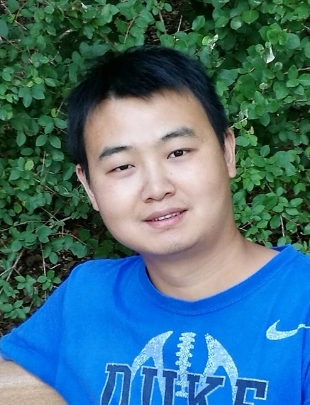 Guoyong Xu (胥国勇)合作论文数X-biotech Lab, The Institute for Advanced Studies, Wuhan University3
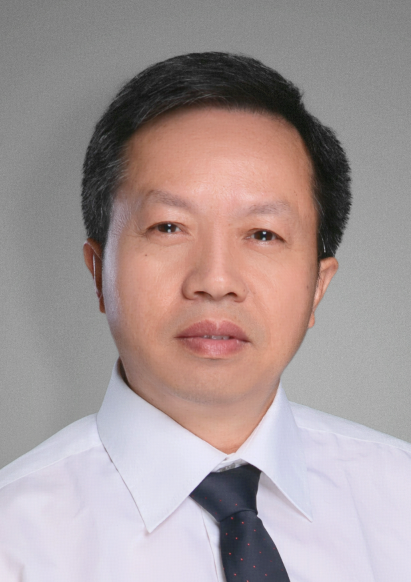 Shaoqing Li (李绍清)合作论文数College of Life Sciences, Wuhan University3Jingze Zhao (赵靖泽)合作论文数2Yi Yang合作论文数2Nan Shi合作论文数2Yuquan Xu合作论文数2Yulu Zhou合作论文数2Hua Xuan合作论文数2Zhongming Liu合作论文数2Yue Yu合作论文数2
 Yunkuan Liang (梁允宽)合作论文数College of Life Sciences, Wuhan University;State Key Laboratory of Hybrid Rice, Wuhan University2Li Yang合作论文数2Groot Edwin P合作论文数2
 Xiaozhen Yao合作论文数2
 Xiaofeng Cui (崔晓峰)合作论文数Institute of Plant Physiology and Ecology, Shanghai Institutes for Biological Sciences, Chinese Academy of Sciences2
 Kun Wang (王坤)合作论文数College of Life Sciences, Wuhan University2Ernst Aichinger合作论文数2Pengyue Sun合作论文数1Xinyue Pan合作论文数1Fengfeng Si合作论文数1
 Shinichiro Sawa合作论文数1Shuangchen Li合作论文数1Peng Sun合作论文数1Nengsong Liang合作论文数1Xinxin Bian合作论文数1Yaxin Qin合作论文数1
 Ning Zhai合作论文数1Federico Peruzzo合作论文数1
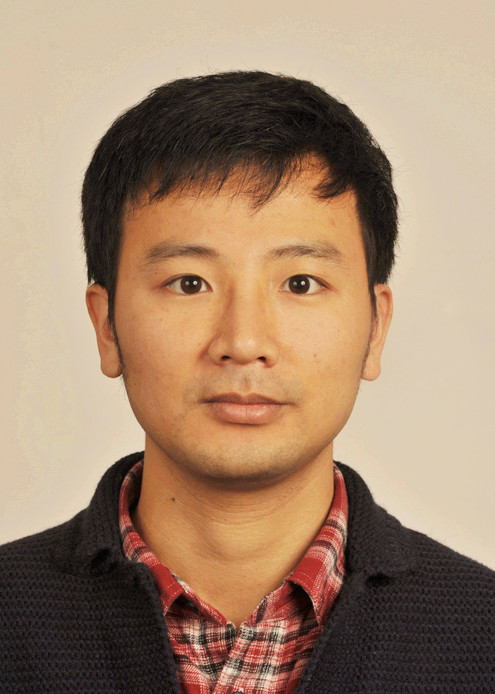 Qihua Ling (凌祺桦)合作论文数University of Chinese Academy of Sciences;National Key Laboratory of Plant Molecular Genetics, Center for Excellence in Molecular Plant Sciences, Chinese Academy of Sciences1Yifan Zhou合作论文数1Takashi Ishida合作论文数1Baoping Xue合作论文数1Wen Duan合作论文数1Meizhi Xu合作论文数1YANG Wan-dong (杨婉冬)合作论文数1Huanran Yuan合作论文数1Noortje Kornet合作论文数1Xu Gu合作论文数1Ruo-Xi Zhang合作论文数1
 Liu Manman合作论文数1




