Data harmonization is critical for establishing generalizable model on multicenter medical data. Traditional data harmonization strategies aim to align data distributions from different sources, but often lack mechanisms to learn hidden complementary and discriminative manifestations from multicenter data. To this end, we proposed a methodology for harmonizing multicenter data by matching their first and second order statistics in a shared space, which is framed in an optimization architecture to learn harmonized and discriminative latent features for downstream classification modeling. The developed method integrated representation learning, feature dimension reduction and selection within a unified framework. Several relational regularizations such as data attribute preservation and feature-task correlation have been explored and incorporated to encourage learning potential associations inherent in multicenter data. Extensive evaluations on three independent clinical datasets have demonstrated the efficacy of the proposed method in producing harmonized and distinguishing data for multicenter medical prediction modeling.
The absence of MRI sequences is a common occurrence in clinical practice, posing a significant challenge for prediction modeling of non-invasive diagnosis of glioma (GM) via fusion of multi-sequence MRI. To address this issue, we propose a novel unified reciprocal assistance imputation-representation learning framework (namely REPAIR) for GM diagnosis modeling with incomplete MRI sequences. REPAIR facilitates a cooperative process between missing value imputation and multi-sequence MRI fusion by leveraging existing samples to inform the imputation of missing values. This, in turn, facilitates the learning of a shared latent representation, which reciprocally guides more accurate imputation of missing values. To tailor the learned representation for downstream tasks, a novel ambiguity-aware intercorrelation regularization is introduced to equip REPAIR by correlating imputation ambiguity and its impacts conveying to the learned representation via a fuzzy paradigm. Additionally, a multimodal structural calibration constraint is devised to correct for the structural shift caused by missing data, ensuring structural consistency between the learned representations and the actual data. The proposed methodology is extensively validated on eight GM datasets with incomplete MRI sequences and six clinical datasets from other diseases with incomplete imaging modalities. Comprehensive comparisons with state-of-the-art methods have demonstrated the competitiveness of our approach for GM diagnosis with incomplete MRI sequences, as well as its potential for generalization to various diseases with missing imaging modalities.
PURPOSE:This study aims to develop an artificial intelligence model to predict severe radiation-induced oral mucositis (RIOM) in patients with locally advanced nasopharyngeal carcinoma (LA-NPC) and verify the risk factors associated with severe RIOM. METHODS AND MATERIALS:A total of 578 patients diagnosed with LA-NPC and undergoing radiotherapy were enrolled in this study. This cohort comprised 430 retrospective patients used for model development/validation, and 148 patients for the prospective verification study. Multifaceted data related to RIOM were collected to build an explainable multi-classifier fusion (MCF) model to identify severe RIOM associated risk factors. A prospective study was designed to validate the key risk factors. RESULTS:The MCF model demonstrated satisfactory performance in severe RIOM prediction when integrating all dosimetric, clinical, and oral features, with an AUC of 0.904, ACC of 0.849, SEN of 0.853 and SPE of 0.846 on the independent testing set. The dental calculus index of 2 was identified as a significant key risk factor for developing RIOM. The severe RIOM rate in the prospective intervention cohort was 8.1 % (95 % CI:4.3 %∼13.7 %), lower than that in the model development cohort, with a decrease of 31 % (95 % CI23.9 %∼36.8 %, p < 0.0001). CONCLUSIONS:The developed model can serve as a valuable tool for providing timely alerts for high-risk patients with the severe RIOM and assisting physicians in optimizing treatment management. The dental calculus index is a key independent risk factor for severe RIOM. The effective control of the dental calculus can significantly mitigate the onset of severe RIOM. CLINICALTRIALS:gov: NCT05858385.
Digital breast tomosynthesis (DBT) combined with full-field digital mammography (FFDM), known as the “combo-mode”, can enhance breast cancer detection and discrimination. However, the DBT is not yet a standard breast cancer screening modality in most hospitals, and the “combo-mode” also doubles the dose exposure to the patient more than FFDM alone. In this study, we synthesized DBT images from FFDM to reduce the extra radiation dose and explored a methodology to effectively integrate multifaceted information from both the synthetic DBT and real FFDM. An improved conditional generative adversarial network (cGAN) network was proposed for generating synthetic DBT with image quality qualified for breast mass discrimination. A novel multiple accuracy metrics scoring (MAMS) strategy was proposed for integrating multichannel and multimodality imaging information within a hierarchical fusion framework. We retrospectively collected 441 patients with both DBT and FFDM from Nanfang Hospital (NFH) and 143 patients with only FFDM from the Second Affiliated Hospital of Guangzhou University of Chinese Medicine (GDHCM), with regions of interest (ROIs) covering the malignant, benign, and normal tissues extracted for model training and validation. The synthesized DBT exhibited satisfactory image quality and comparable discrimination ability with the real DBT on the NFH dataset. The proposed MAMS achieved an accuracy of 80
OBJECTIVES:To evaluate the performance of different multi-modality fusion models for predicting radiation-induced oral mucositis (RIOM) following radiotherapy in patients with nasopharyngeal carcinoma (NPC). METHODS:We retrospectively collected the data from 198 patients with locally advanced NPC who experienced RIOM following radiotherapy at the Affiliated Tumor Hospital of Guangzhou Medical University from September, 2022 to February, 2023. Based on oral radiation dose-volume parameters and clinical features of NPC, basic classification models were developed using different combinations of feature selection algorithms and classifiers and integrated using a multi-criterion decision-making (MCDM)-based classifier fusion (MCF) strategy and its variant, the H-MCF model. The basic classification models, MCF model, the H-MCF model with a single modality or multiple modalities and other ensemble classifiers were compared for performances for predicting RIOM by assessing the area under the ROC curve (AUC), accuracy, sensitivity, and specificity. RESULTS:The H-MCF model, which integrated multi-modality features, achieved the highest accuracy for predicting severe RIOM with an AUC of 0.883, accuracy of 0.850, sensitivity of 0.933, and specificity of 0.800. CONCLUSIONS:Compared with each of the individual classifiers, the multimodal multi-classifier fusion algorithm combining clinical and dosimetric modalities demonstrates superior performance in predicting the incidence of severe RIOM in NPC patients following radiotherapy.
This study introduces an ensemble methodology, namely, hybrid feature ranking and classifier aggregation (HyFraCa), to integrate ensemble feature selection and ensemble classification in a composite framework. The proposed HyFraCa is embedded in a multi-criteria decision-making (MCDM)-based scheme for feature ranking and classifier weighting, with an effective aggregation rule that yields a consensus feature ranking from ensembles of heterogeneous classifiers and feature selectors. Experimental evaluations on 20 public UCI datasets demonstrated the superiority of HyFraCa in producing a more accurate and generalizable classification compared with state-of-the-art benchmark ensemble methods. HyFraCa also provides robust and reliable consensus feature rankings, which are favorable for real-world classification problems in which feature interpretability is emphasized.
Objective:The study aims to establish and validate an effective CT-based radiation pneumonitis (RP) prediction model using the multiomics method of radiomics and EQD2-based dosiomics. Materials and Methods:The study performed a retrospective analysis on 91 nonsmall cell lung cancer patients who received radiotherapy from 2019 to 2021 in our hospital. The patients with RP grade ≥1 were labeled as 1, and those with RP grade < 1 were labeled as 0. The whole lung excluding clinical target volume (lung-CTV) was used as the region of interest (ROI). The radiomic and dosiomic features were extracted from the lung-CTV area's image and dose distribution. Besides, the equivalent dose of the 2 Gy fractionated radiation (EQD2) model was used to convert the physical dose to the isoeffect dose, and then, the EQD2-based dosiomic (eqd-dosiomic) features were extracted from the isoeffect dose distribution. Four machine learning (ML) models, including DVH, radiomics combined with DVH (radio + DVH), radiomics combined with dosiomics (radio + dose), and radiomics combined with eqd-dosiomics (radio + eqdose), were established to construct the prediction model via eleven different classifiers. The fivefold cross-validation was used to complete the classification experiment. The area under the curve (AUC) of the receiver operating characteristics (ROC), accuracy, precision, recall, and F1-score were calculated to assess the performance level of the prediction models. Results:Compared with the DVH, radio + DVH, and radio + dose model, the value of the training AUC, accuracy, and F1-score of radio + eqdose was higher, and the difference was statistically significant (p < 0.05). Besides, the average value of the precision and recall of radio + eqdose was higher, but the difference was not statistically significant (p > 0.05). Conclusion:The performance of using the ML-based multiomics method of radiomics and eqd-dosiomics to predict RP is more efficient and effective.
Fusion of multimodal medical data provides multifaceted, disease-relevant information for diagnosis or prognosis prediction modeling. Traditional fusion strategies such as feature concatenation often fail to learn hidden complementary and discriminative manifestations from high-dimensional multimodal data. To this end, we proposed a methodology for the integration of multimodality medical data by matching their moments in a latent space, where the hidden, shared information of multimodal data is gradually learned by optimization with multiple feature collinearity and correlation constrains. We first obtained the multimodal hidden representations by learning mappings between the original domain and shared latent space. Within this shared space, we utilized several relational regularizations, including data attribute preservation, feature collinearity and feature-task correlation, to encourage learning of the underlying associations inherent in multimodal data. The fused multimodal latent features were finally fed to a logistic regression classifier for diagnostic prediction. Extensive evaluations on three independent clinical datasets have demonstrated the effectiveness of the proposed method in fusing multimodal data for medical prediction modeling.
目的:为解决乳腺图像肿块分类与深度学习应用的难题,提出一种基于乳腺影像报告与数据系统(BIRADs)多任务学习模型的肿块分类方法.方法:构建迁移学习的形态学和纹理特征提取器,并在此基础上引入多任务分类器,实现BIRADs诊断相关的边缘、形状、密度和微小性评估.研究通过训练策略、输入图像和模型架构系列实验和指标,分析评估模型性能.结果:在迁移学习策略下,Base模型和BIRADs模型性能均有显著提升.原始肿块图像作为输入的模型性能均优于掩模图像模型.在迁移学习和原始肿块输入下,BIRADs模型相较Base模型有更高的AUC值(0.830vs0.793)、准确率(0.747±0.024 vs 0.712±0.023)、精确率(0.643±0.032 vs 0.607±0.030)、召回率(0.774±0.037 vs 0.715±0.042)、F1-score(0.702±0.028 vs 0.656±0.029).多任务学习模型在乳腺肿块分类中具有显著优势.结论:BIRADs多任务学习模型结合临床知识与数据驱动方法显著提高肿块分类准确性和模型鲁棒性,有望提高乳腺癌诊断准确性.
BACKGROUND:Urinary stones comprise both single and mixed compositions. Knowledge of the stone composition helps the urologists choose appropriate medical interventions for patients. The parameters from the spectral computerized tomography (CT) analysis have potential values for identification of the urinary stone compositions.PURPOSE:The present study aims to identify the compositions of urinary stones in vivo using parameters from spectral CT and machine learning, based on multi-label classification modeling.METHODS:This retrospective study collected 252 urinary stone samples with single/mixed compositions (including carbapatite [CP], calcium oxalate monohydrate [COM], calcium oxalate dehydrate [COD], uric acid [UA], and struvite [STR]), which were confirmed by ex vivo infrared spectroscopy. Parameters were extracted from an energy spectrum analysis (ESA) of the spectral CT, including the effective atomic number (Zeff ), Zeff histogram, CT values at a given x-ray energy level, and material densities. These ESA parameters were utilized for composition analysis via a multi-label classification fusion framework, where 250 multi-label models were built and the classification decisions from the top performance models were integrated by a multi-criterion weighted fusion (MCWF) approach in order to reach a consensus prediction. An example-based metric A c c e x a m $Ac{c_{exam}}$ and label-based metric A c c l a b e l $Ac{c_{label}}$ were used for global and label-wise accuracy evaluations, respectively. The top-ranked parameters associated with discriminating the stone composition were also identified.RESULTS:The multi-label classification fusion framework achieved an overall A c c e x a m $Ac{c_{exam}}$ of 81.2%, with A c c l a b e l $Ac{c_{label}}$ of 86.7% (CP), 90.6% (COM), 80.6% (COD), 95.0% (UA), and 94.4% (STR) for each composition on the independent testing cohort 1, and A c c e x a m $Ac{c_{exam}}$ of 76.4% with A c c l a b e l $Ac{c_{label}}$ of 80.5% (CP), 88.7% (COM), 74.9% (COD), 94.4% (UA), and 98.5% (STR) on the independent testing cohort 2.CONCLUSION:The parameters extracted from the ESA on spectral CT can be utilized to characterize single or mixed stone compositions via multi-label classification modeling. The generalization capability of the proposed methodology still requires further verification.
目的:旨在利用影像组学和剂量组学的多组学方法,建立并验证一个有效的基于CT图像的放射性肺炎(RP)预测模型.方法:对2019年至2021年在广州医科大学附属肿瘤医院接受放疗的91例非小细胞肺癌患者进行回顾性分析.将除去临床靶区的全肺(Lung-CTV)作为感兴趣区域,从Lung-CTV区域的CT图像和剂量分布中提取影像组学和剂量组学特征.将单独的剂量体积直方图(DVH)特征、影像组学结合DVH(radio+DVH)特征、影像组学结合剂量组学(radio+dose)特征,分别输入11个不同的分类器来构建预测模型,采用五倍交叉验证法来完成分类实验.利用接受者操作特征(ROC)曲线下的面积(AUC)、准确性、精确性、召回率和F1值来评估预测模型的性能.结果:与DVH模型相比,radio+DVH和radio+dose的AUC值更高,差异有统计学意义(P<0.05).与DVH和radio+DVH模型相比,radio+dose的准确率和F1值更高,差异有统计学意义(P<0.05).结论:使用基于机器学习的影像组学和剂量组学的多组学方法预测RP的性能更好,有望为临床治疗提供指导.
Classifier diversity and accuracy, as well as an effective fusion architecture, are essential for building a successful ensemble system. In this study, we devised a hierarchical evolutionary ensemble framework, namely, HEH, for the aggregation of homogeneous and heterogeneous classifiers. In the HEH, a tree-like homogeneous-heterogeneous classifier architecture was established by feeding miscellaneous heterogeneous classifiers with genetically encoded diversified training datasets. A decision profile fusion incorporating class structural information of the training observations was employed to aggregate the homogeneous-heterogeneous classifiers in a hierarchical manner, guided by maximization of both diversity and accuracy within an evolutionary optimization framework. The proposed HEH was comprehensively evaluated on twenty-five public UCI datasets. The experimental results have demonstrated the superiority of this framework over state-of-the-art baseline ensemble methods, verifying it as a practical and effective paradigm for the homogeneous-heterogeneous classifiers ensemble.
An effective multi-classifier fusion (MCF) system is demanding in the clinical context in terms of integrating various diagnosis/prognosis predictive models to arrive at a stable and consentaneous medical decision. In this study, we introduced a novel MCF framework for a classifier ensemble with the evolutionary optimisation of random-projections (termed CLEER). The proposed CLEER generated a number of diverse base classifiers via training on the mapped data from the Bernoulli random projection. It innovatively framed the classifier fusion into an evolutionary computation architecture wherein the required diversity and accuracy were enforced by optimising the random projection components using a genetic algorithm. The efficacy of CLEER has been demonstrated via extensive evaluations using twenty public datasets from various research fields, as well as four clinical datasets. A comparative analysis showed that the ensemble diversity was effectively enhanced on using CLEER, and more accurate classifications were achieved as compared to the state-of-the-art benchmark ensemble methods. The proposed CLEER could serve as a potential tool for the fusion of diagnostic or prognostic models for assisting in medical decision making.
目的:比较基于Auto-Planning技术的自动肺癌容积旋转调强放射治疗(VMAT)计划与物理师手动设计的常规VMAT计划的剂量学差异,研究Auto-Planning技术在肺癌VMAT计划中的优化性能和临床应用价值.方法:随机选取25例已完成全程放疗的肺癌病例,应用Pinnacle3 V9.10计划系统分别进行基于Auto-Planning的自动计划(AP-VMAT)和常规手动计划(M-VMAT)设计,分析比较两组不同计划的肿瘤靶区剂量分布、危及器官受照剂量等剂量学参数.结果:两组计划的靶区覆盖度和危及器官限量均能满足临床要求.AP-VMAT计划靶区最大剂量略高于M-VMAT,但剂量适形度指数明显优于M-VMAT.与M-VMAT计划相比,AP-VMAT有效降低了脊髓受到的最大剂量和平均剂量,双肺的V30、平均剂量以及心脏的V40、V30、平均剂量都在一定程度上有所降低,差异有统计学意义(P<0.05).结论:对于肺癌VMAT放疗计划,AP-VMAT能够满足临床要求,且比M-VMAT具有更优的靶区适形度,同时可以有效降低脊髓、肺、心脏等危及器官的受照剂量,更好地保护正常组织.
目的探索基于多参数MRI影像组学特征融合的新型预测模型在高级别胶质瘤(high-grade glioma,HGG)和单发性脑转移瘤(solitary brain metastasis,SBM)中的鉴别价值.材料与方法收集121名(61名HGG和60名SBM)患者的多参数MRI扫描图像,在常规轴位MRI图像[T1WI、T2WI、T2加权液体衰减反转恢复(T2-weighted fluid attenuated inversion recovery,T2_FLAIR)和T1WI增强图像(post-contrast enhancement T1WI,CE_T1WI)]上勾画了肿瘤实性强化部分的体积(tumor volume of enhancement region,VOIET).通过合并HGG和SBM的类别信息,对不同MRI序列提取的影像组学特征进行融合,并定量比较了不同MRI序列及其组合的性能.结果从T1WI和T2_FLAIR序列中提取的图像特征的融合比来自其他单一序列或组合的特征具有更显著的预测性能,实现了受试者工作特征曲线下面积、准确率、敏感度和特异度分别为0.946、86.4%、84.1%和88.7%的良好鉴别性能.结论基于多参数MRI影像组学特征的融合模型通过整合肿瘤的多序列MR图像信息,可以实现对HGG和SBM的无创、高效鉴别.
目的 探讨非小细胞肺癌(NSCLC)不同肿瘤体积差异患者采用不同放疗技术的优势.方法 选择30例NSCLC患者,分别设计调强放疗(IMRT)和容积旋转调强放疗(VMAT)计划,统计分析靶区可给予最高剂量(D95 )、均匀度指数(HI)、适形度指数(CI)和危及器官照射体积等,并对结果 采用配对t检验分析.结果 整体VMAT计划的HI、肺的V5 小于IMRT计划,差异有统计学意义(P<0. 05 ),VMAT计划能给予的靶区剂量(D95 )大于IMRT计划,差异有统计学意义(P<0. 05 ),其他无统计学意义.按"靶肺体积比"分组后,靶肺体积比≤0. 1 组和0. 1 <靶肺体积比≤0. 2组:VMAT的HI 更低,差异有统计学意义(P<0. 05),其他无统计学意义;0. 2<靶肺体积比≤0. 3组:VMAT计划的HI、肺 的V5 小于IMRT计划,IMRT计划的V40低于VMAT计划,差异有统计学意义(P<0. 05),其他无统计学意义;0. 3 <靶肺体积比≤0. 4组:VMAT计划的HI小于IMRT计划,VMAT计划能给予的靶区剂量(D95 )大于IMRT计划,差异有统计学意义(P<0. 05),其他无统计学意义.结论 对NSCLC 不同肿瘤体积患者,靶区较小时IMRT计划和VMAT计划差异不明显,靶区较大时,VMAT计划在满足正常组织剂量体积前提下,能给予靶区更高剂量,计划更具优势.
Abstract Objective This study was to explore the most appropriate radiomics modeling method to predict the progression-free survival of EGFR-TKI treatment in advanced non-small cell lung cancer with EGFR mutations. Different machine learning methods may vary considerably and the selection of a proper model is essential for accurate treatment outcome prediction. Our study were established 176 discrimination models constructed with 22 feature selection methods and 8 classifiers. The predictive performance of each model were evaluated using the AUC, ACC, sensitivity and specificity, where the optimal model was identified. Results There were totally 107 radiomics features and 7 clinical features obtained from each patient. After feature selection, the top-ten most relevant features were fed to train 176 models. Significant performance variations were observed in the established models, with the best performance achieved by the logistic regression model using gini-index feature selection (AUC = 0.797, ACC = 0.722, sensitivity = 0.758, specificity = 0.693). The median R-score was 0.518 (IQR, 0.023–0.987), and the patients were divided into high-risk and low-risk groups based on this cut-off value. The KM survival curves of the two groups demonstrated evident stratification results (p = 0.000).
Multifaceted features decoded from mammographic images may describe various perspectives of the breast mass heterogeneity, in this study, we aimed to explore a methodology to effectively integrate multifaceted mass representations extracted from the digital breast tomosynthesis (DBT) and full-field digital mammography (FFDM) to enhance breast cancer discrimination. A novel multi-criterion decision making-based multi-channel fusion (MDMF) framework was proposed to fuse different breast mass representations processed in multi-channels built on the deep convolutional neural network (DCNN) and the multilayer perceptron (MLP) at the decision level. A hierarchical framework (HFMM) was also developed for multi-modality images and multi-channel fusion to integrate multimodality information from DBT and FFDM. We retrospectively collected 441 patients with both DBT and FFDM, and the regions of interest (ROIs) covering the malignant, benign, and normal tissues were extracted for validation. The MDMF achieved the area under the receiver operating characteristic curve (AUC) of 93.14%, 91.30%, 97.35% (FFDM) and 93.79%, 95.16%, 99.31% (DBT) respectively for the malignant, benign and normal mass. While the HFMM further boosted the performance to AUC of malignant 94.14%, benign 95.42% and normal mass 99.56% The matthews correlation coefficient (MCC) were 73.15% and 81.02% for FFDM and DBT accomplished by MDMF, and enhanced to 81.72% when integrating the multimodality information from DBT and FFDM via the proposed HFMM. The experimental results suggested that the proposed HFMM achieved superior discriminative performance when compared with the benchmark classification algorithms and fusion architectures, rendering it a practical tool for breast mass discrimination in breast cancer screening.
Objective. To develop and evaluate a multi-path synergic fusion (MSF) deep neural network model for breast mass classification using digital breast tomosynthesis (DBT). Methods. We retrospectively collected 441 patients who had undergone DBT in which the regions of interest (ROIs) covering the malignant/benign breast mass were extracted for model training and validation. In the proposed MSF framework, three multifaceted representations of the breast mass (gross mass, overview, and mass background) are extracted from the ROIs and independently processed by a multi-scale multi-level features enforced DenseNet (MMFED). The three MMFED sub-models are finally fused at the decision level to generate the final prediction. The advantages of the MMFED over the original DenseNet, as well as different fusion strategies embedded in MSF, were comprehensively compared. Results. The MMFED was observed to be superior to the original DenseNet, and multiple channel fusions in the MSF outperformed the single-channel MMFED and double-channel fusion with the best classification scores of area under the receiver operating characteristic (ROC) curve (87.03%), Accuracy (81.29%), Sensitivity (74.57%), and Specificity (84.53%) via the weighted fusion method embedded in MSF. The decision level fusion-based MSF was significantly better (in terms of the ROC curve) than the feature concatenation-based fusion (p< 0.05), the single MMFED using a fused three-channel image (p< 0.04), and the multiple MMFED end-to-end training (p< 0.004). Conclusions. Integrating multifaceted representations of the breast mass tends to increase benign/malignant mass classification performance and the proposed methodology was verified to be a promising tool to assist in clinical breast cancer screening.
目的 放射治疗已成为鼻咽癌最主要的治疗方法,选择何种放射治疗技术以及如何提高放射治疗计划的质量是现在研究的重点.本研究探讨早期鼻咽癌手动容积旋转调强放射治疗(manual volumetric modulated arc therapy,mVMAT)计划和自动调强放射治疗(automatic modulated radiation therapy,aIMRT)计划之问的剂量学差异,评估2种计划质量.方法 选取2017-01-01-2018-12-31广州医科大学附属肿瘤医院收治的15例早期鼻咽癌患者.采用Pinna-cle3计划系统对每位患者分别进行aIMRT计划和mVMAT计划的设计,统一给予计划肿瘤靶区(planning gross targetvolume,PGTV)处方剂量70 Gy/32次,采用配对t检验和非参数秩和检验进行统计分析.分别对肿瘤靶区剂量分布、均匀性指数(homogeneity index,HI)、适形性指数(conformal index,CI)、危及器官的受照剂量、机器跣数和计划设计时间进行评估.结果 2种计划均能满足临床处方剂量要求.2种计划PGTV的HI(t=-0.86,P>0.05)和CI(t=0.71,P>0.05)差异无统计学意义,平均剂量(Dm.)差异有统计学意义,t=2.42,P=0.03;PTV2的HI (t=0.79,P>0.05)和CI(t=-0.56,P>0.05)差异无统计学意义.2种计划脊髓的受照剂量差异有统计学意义,t=7.22,P<0.01;aIMRT计划中脊髓平均剂量减少了约8.00%.同时aIMRT计划对降低脑干、视神经、视交叉等危及器官的受照剂量亦具有一定的优势.mVMAT计划中机器跳数少于aIMRT计划(t=-6.17,P<0.01),平均机器跣数减少了约15.18%;但是,mVMAT计划设计时间大于aIMRT计划(t=25.29,P<0.01),平均设计时间增加了约217.78%.结论 相比手动VMAT计划,自动IMRT计划对早期鼻咽癌具有同等或相似的靶区适形度及剂量分布均匀性,降低危及器官的受照剂量,显著减少计划设计时间.自动IMRT计划具有临床可行性和有效性,可为早期鼻咽癌IMRT技术的选择提供数据参考与指导.
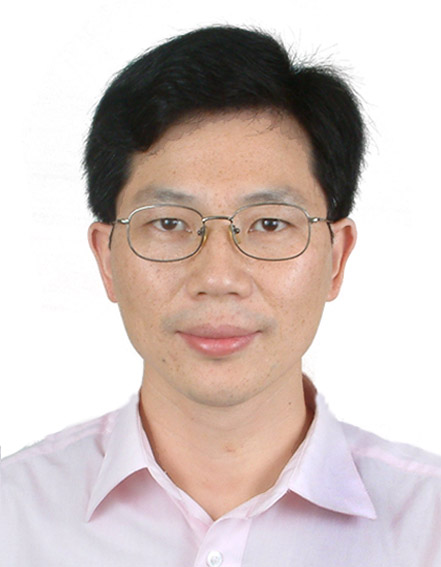 Shuxu Zhang (张书旭)合作论文数Affiliated Cancer Hospital and Institute of Guangzhou Medical University;South China University of Technology34
 GuoQian Zhang (张国前)合作论文数16Xin Zhen (甄鑫)合作论文数南方医科大学生物医学工程学院16RuiHao Wang (王锐濠)合作论文数14Lu Zhou (周露)合作论文数14HuiJun Li (李慧君)合作论文数13YingYing Peng (彭莹莹)合作论文数10HuaiYu Lei (雷怀宇)合作论文数9Hui Yu (余辉)合作论文数9
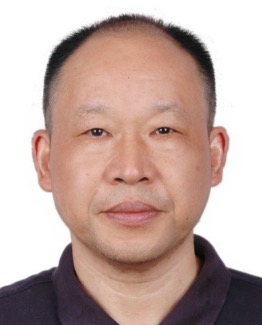 Linghong Zhou (周凌宏)合作论文数School of Biomedical Engineering, Southern Medical University8
 Yingying Peng (彭莹莹)合作论文数Affiliated Cancer Hospital and Institute of Guangzhou Medical University7Quanbin Zhang合作论文数6
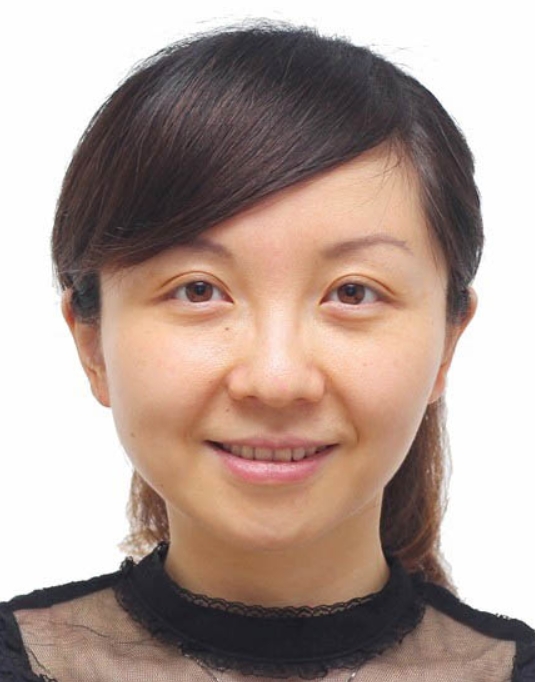 Ruimeng Yang (杨蕊梦)合作论文数Department of Radiology, The Second Affiliated Hospital, South China University of Technology6Qiang He合作论文数Southern Med Univ, Sch Biomed Engn, Guangzhou 510515, Guangdong, Peoples R China5
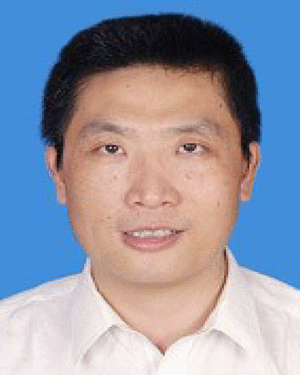 Xuetao Wang合作论文数5Yuliang Liao合作论文数4
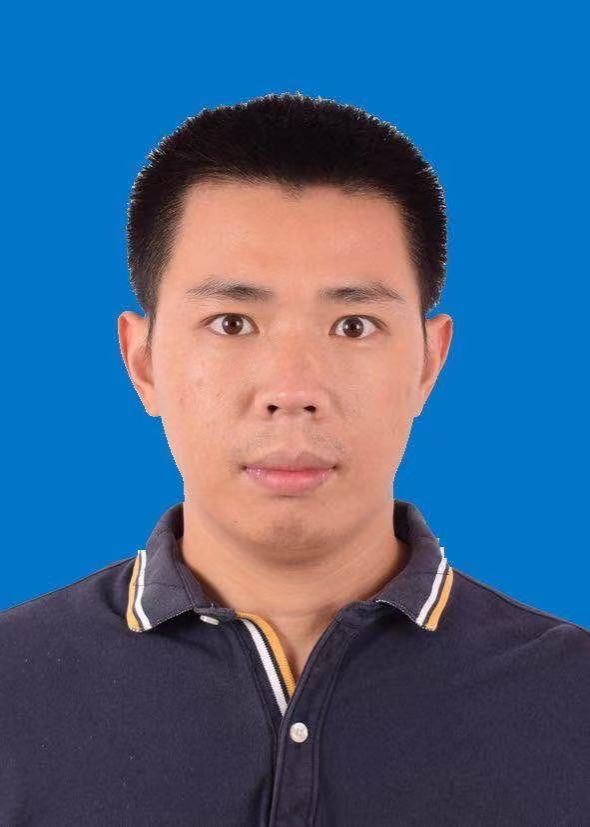 Yunhong Tian (田允鸿)合作论文数Affiliated Cancer Hospital and Institute of Guangzhou Medical University4
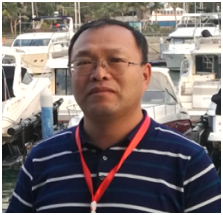 Kehong Yuan (袁克虹)合作论文数清华大学深圳研究生院4Zhongju Xiao (肖中举)合作论文数Shool of Basic Medical Sciences, Southern Medical University4
 Fangrong Liang合作论文数3Tianlan MO (莫天澜)合作论文数3Shuyu Wu合作论文数3WanZhen Li (李万祯)合作论文数3BoYu Liao (廖博玉)合作论文数3Lu Yang (阳露)合作论文数3JianMing Tan (谭剑明)合作论文数3
 Zhiwei Liao (廖志伟)合作论文数Affiliated Cancer Hospital and Institute of Guangzhou Medical University3GuoHui Shen (沈国辉)合作论文数3Ping Li (李萍)合作论文数3Hui-Zhi Qiu合作论文数2Wentao Chen合作论文数2Xuejun Gu合作论文数2
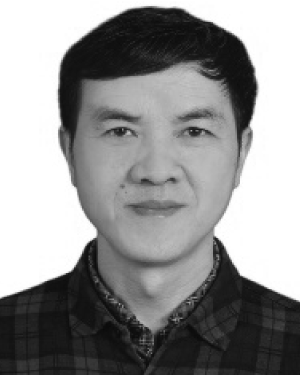 Peiliang Xie合作论文数2Jian Wanwei合作论文数Guangzhou Univ Chinese Med, Sch Med Informat Engn, Guangzhou, Peoples R China2Songgui LUO (罗松桂)合作论文数2Xiangdong Xu合作论文数2
 Bailin Zhang合作论文数2Peng Tang合作论文数2Jialiang Wu合作论文数Guangzhou Med Univ, Guangzhou Peoples Hosp 1, Dept Radiol, Guangzhou 510180, Guangdong, Peoples R China2
 Genggeng Qin合作论文数Southern Med Univ, Nanfang Hosp, Dept Radiol, Guangzhou 510515, Guangdong, Peoples R China2ShaoHui Jiang (蒋绍惠)合作论文数2ShengQu Lin (林生趣)合作论文数2WeiJun Zhang (张伟军)合作论文数2
 Geng Yang (杨耕)合作论文数2JianJun Shi (史建军)合作论文数2WeiGuo Chen (陈卫国)合作论文数2Lianzhong Lu (卢联中)合作论文数2Wei-Bing Chen合作论文数2
 Jun Wei (魏峻)合作论文数Department of Radiology
University of Michigan2
Jun Wei (魏峻)合作论文数Department of Radiology
University of Michigan2




