Use of immune checkpoint inhibitors (ICIs) has significantly improved patients' survival, especially in lung cancer. However, immunotherapy-related adverse events (irAEs) frequently occur and negatively impact patients' quality of life. While investigations into genetic predictors of irAEs remain ongoing, no robust genetic loci predictive of these toxicities have been definitively established to date. To investigate the pharmacogenomic markers related to irAEs of PD-1/PD-L1 inhibitors in lung cancer patients, we collected blood specimens from 1467 patients. After rigorous screening and quality control procedures, 785 of these patients were enrolled in a two-stage genome-wide association study (GWAS). The study comprised an initial discovery phase, in which 455 patients underwent microarray-based analysis, and a subsequent validation phase with an independent cohort of 330 patients. Of 688,783 SNPs genotyped using whole genome-wide microarray screening, 52 SNPs were validated using MassARRAY system. The potential impact of significant variants investigated by eQTL analysis. We identified three novel SNPs that are significantly associated with irAEs of PD-1/PD-L1 inhibitor treatments in these lung cancer patients in both discovery and validation cohorts, rs192921786 (discovery: P = 4.09 × 10⁻⁷, OR = 9.57; validation: P = 0.043, OR = 4.42) for pneumonitis, rs2498632 (discovery: P = 1.85 × 10⁻⁶, OR = 0.50; validation: P = 0.021, OR = 0.65) for anemia and rs17080141 (discovery: P = 9.11 × 10⁻⁷, OR = 3.16; validation: P = 0.027, OR = 1.86) for thrombocytopenia. Lung cancer patients with rs192921786 T allele, rs2498632 C allele, and rs17080141 A allele were more likely to suffer immunotherapy related pneumonitis, anemia and thrombocytopenia, respectively. In conclusion, rs192921786, rs2498632 and rs17080141 are novel candidate risk loci for pneumonitis, anemia, and thrombocytopenia in lung cancer patients receiving immunotherapy. These findings warrant further investigation and validation to assess their potential as predictive biomarkers.
BACKGROUND:Traditional Cox analysis identifies independent prognostic factors in recurrent glioblastoma (rGBM) but often overlooks their interrelationships. We aimed to develop a predictive nomogram integrating these multifaceted factors to establish a clinically applicable risk stratification model. MATERIALS AND METHODS:In a retrospective analysis of IDH-wildtype rGBM, we used Cox regression to evaluate prognostic factors including age, sex, Ki-67 index, Karnofsky Performance Status (KPS), time to first progression, number of recurrent lesions, tumor location, O6-methylguanine-DNA methyltransferase (MGMT) methylation status, and post-recurrence treatment. Significant predictors were used to construct a nomogram in R software, generating a risk stratification model by converting risk scores into categorical levels. The model underwent bootstrap validation. RESULTS:Our cohort included 206 patients with a median overall survival (OS) of 8.3 (95% CI, 7.2-9.4) months. Multivariate analysis revealed KPS > 50 (p = 0.009; HR 0.61, 95% CI: 0.42-0.88), MGMT methylation (p = 0.033; HR 0.68, 95% CI: 0.48-0.97), time to first recurrence >12 months (p = 0.048; HR 0.69, 95% CI: 0.47-1), single lesion (p = 0.005; HR 0.63, 95% CI: 0.46-0.87), and post-recurrence therapy (surgery: HR 0.35, 95% CI: 0.21-0.59; targeted therapy/Tumor-treating fields (TTF)/re-irradiation: HR 0.5, 95% CI: 0.35-0.71; both p < 0.001) were favorable independent prognostic factors for OS. The nomogram-based risk stratification model successfully stratified patients into low-, medium-, and high-risk groups, yielding distinct OS outcomes (13.9 vs. 6.5 vs. 3.98 months; p < 0.0001). Its predictive performance was confirmed with area under curve (AUC)s of 0.76, 0.72, and 0.73 at 6, 12, and 24 months, respectively. CONCLUSIONS:We developed and internally validated a nomogram-based risk stratification model for rGBM. By integrating key clinical and molecular factors, this tool accurately predicts patient survival.
This study explored the feasibility of adjuvant immunotherapy after NICT and surgery. A retrospective study was conducted on NSCLC patients who underwent NICT and surgery. Two patient groups were defined based on their adjuvant therapy after NICT and surgery: the Chemo group (chemotherapy alone) and the Immuno+Chemo group (chemotherapy combined with immunotherapy). Disease-free survival (DFS) and overall survival (OS) were also analyzed. In total, 209 patients were enrolled. The median DFS for the Immuno+Chemo group and the Chemo group was not reached vs. 26 months (hazard ratio [HR]: 0.498, 95% confidence interval [CI]: 0.315-0.787, p = 0.002). A significant difference in OS was also observed; however, the median OS was not reached in either group (HR: 0.526, 95% CI: 0.287-0.965, p = 0.034). Postoperative adjuvant chemotherapy combined with immunotherapy was significantly more effective than adjuvant chemotherapy alone in patients with NSCLC treated with NICT and surgery.
Background Platinum-based doublet chemotherapy is the current standard first-line treatment for patients with driver-gene-negative advanced non-small-cell lung cancer (NSCLC). However, its recurrence rate is relatively high. Accumulating evidence suggests that the addition of antiangiogenic agents to platinum-based chemotherapy can improve the survival outcomes for NSCLC patients. However, the optimal administration protocol for intravenous recombinant human endostatin (rh-endostatin), an antiangiogenic agent, remains uncertain at present. Aim This study aims to investigate the efficacy and safety of 5-d continuous intravenous infusion of rh-endostatin in combination with chemotherapy for patients with advanced NSCLC. The predictive biomarkers for this treatment regimen were further probed. Methods This prospective, single-arm multicenter study enrolled a total of 48 patients with advanced NSCLC who were histologically or cytologically confirmed but had not received any prior treatment from February 2021 to July 2022. Prior to chemotherapy, the patients received a continuous intravenous infusion of rh-endostatin (210mg) over a period of 120 hours, using an infusion pump. The chemotherapy regimen consisted of platinum in combination with either pemetrexed or paclitaxel, administered in cycles of 21 days. The primary endpoint of the study was progression-free survival (PFS), and the secondary endpoints included objective response rate (ORR), disease control rate (DCR), overall survival (OS), and assessment of adverse events (AEs). Results The median PFS (mPFS) was 6.7 months, the median OS (mOS) was 12.1 months, the ORR was 52.1%, and the DCR was 79.2%. The most common adverse effects were leukopenia (52.1%), anemia (33.3%) and thrombocytopenia (20.8%). These toxicities were deemed acceptable and manageable. In addition, we observed a correlation between higher serum carcinoembryonic antigen (CEA) levels and shorter PFS and OS. Conclusions The combination of a 5-day continuous intravenous infusion of rh-endostatin with chemotherapy demonstrated both safety and efficacy for the treatment of advanced NSCLC. Additionally, we found that baseline serum levels of CEA may serve as a predictor of the efficacy of rh-endostatin plus chemotherapy in NSCLC patients.
Background To investigate the efficacy of different doses of corticosteroids in treating severe coronavirus disease 2019 (COVID-19) pneumonia. Methods Between May 01, 2023, and June 20, 2023, 48 patients with severe COVID-19 pneumonia were treated at the Department of Respiratory and Critical Care Medicine of Jinan Fourth People's Hospital. The observation group (21 patients) received standard care and high-dose corticosteroids, (high-dose group). The control group (27 patients) received standard care and low-dose corticosteroids (low-dose group). We collected baseline data and recorded inflammatory marker levels after 3 days of treatment, body temperature recovery time, length of stay, and 28-day all-cause mortality. The results of outpatient follow-up were recorded after 1 month. Results There were no significant differences in 28-day mortality and length of stay. The number of days it took for body temperature to return to normal in the high-dose group was less than in the low-dose group. The high-dose group had significantly more reduced inflammatory factors (C-reactive protein (CRP), interleukin-6 (IL-6). A total of 20 discharged patients were given 8–16 mg of methylprednisolone, depending on chest computed tomography (CT) and clinical symptoms after 1 month; in all discharged patients using oral corticosteroids, CT features improved. Conclusion High-dose corticosteroids had a significantly positive effect on the reduction of inflammatory factors and shortening body temperature recovery time. In the treatment of severe COVID-19 pneumonia, early administration of high-dose, short-course corticosteroids should be implemented.
ObjectiveTumor-treating fields (TTFields) are a new therapeutic modality for patients with glioblastoma (GBM). However, studies on survival outcomes of TTFields are rarely reported in China. This study aimed to examine the clinical efficacy and safety of TTFields therapy for GBM in China.MethodsA total of 93 patients with newly diagnosed GBM (ndGBM) and recurrent GBM (rGBM) were included in our study retrospectively. They were divided into two groups based on whether they used TTFields. Progression-free survival (PFS), overall survival (OS), and toxicities were assessed.ResultsAmong the patients with ndGBM, there were 13 cases with TTFields and 39 cases with no TTFields. The median PFS was 15.3 [95% confidence interval (CI): 6.5–24.1] months and 10.6 (95% CI: 5.4–15.8) months in the two groups, respectively, with P = 0.041. The median OS was 24.8 (95% CI: 6.8–42.8) months and 18.6 (95% CI: 11.4–25.8) months, respectively, with P = 0.368. Patients with subtotal resection (STR) who used TTFields had a better PFS than those who did not (P = 0.003). Among the patients with rGBM, there were 13 cases with TTFields and 28 cases with no TTFields. The median PFS in the two groups was 8.4 (95% CI: 1.7–15.2) months and 8.0 (95% CI: 5.8–10.2) months in the two groups, respectively, with P = 0.265. The median OS was 10.6 (95% CI: 4.8–16.4) months and 13.3 (95% CI: 11.0–15.6) months, respectively, with P = 0.655. A total of 21 patients (21/26, 80.8%) with TTFields developed dermatological adverse events (dAEs). All the dAEs could be resolved or controlled.ConclusionTTFields therapy is a safe and effective treatment for ndGBM, especially in patients with STR. However, it may not improve survival in patients with rGBM.
Despite the wide reportage of prognostic factors for glioblastoma (GBM), it is difficult to determine how these factors interact to affect patients' survival. To determine the combination of prognostic factors, we retrospectively analyzed the clinic data of 248 IDH wild-type GBM patients and built a novel prediction model. The survival variables of patients were identified via univariate and multivariate analyses. In addition, the score prediction models were constructed by combining classification and regression tree (CART) analysis with Cox regression analysis. Finally, the prediction model was internally validated using the bootstrap method. Patients were followed for a median of 34.4 (interquartile range, 26.1-46.0) months. Multivariate analysis identified gross total resection (GTR) (HR 0.50, 95% CI: 0.38-0.67), unopened ventricles (HR 0.75 [0.57-0.99]), and MGMT methylation (HR 0.56 [0.41-0.76]) as favorable independent prognostic factors for PFS. GTR (HR 0.67 [0.49-0.92]), unopened ventricles (HR 0.60 [0.44 -0.82]), and MGMT methylation (HR 0.54 [0.38-0.76]) were favorable independent prognostic factors for OS. In the process of building the model, we incorporated GTR, ventricular opening, MGMT methylation status, and age. The model had six and five terminal nodules in PFS and OS respectively. We grouped terminal nodes with similar hazard ratios together to form three sub-groups with different PFS and OS (P < 0.001). After the internal verification of bootstrap method, the model had a good fitting and calibration. GTR, unopened ventricles, and MGMT methylation were independently associated with more satisfactory survival. The novel score prediction model which we construct can provide a prognostic reference for GBM.(c) 2023 Elsevier Ltd, BASO - The Association for Cancer Surgery, and the European Society of Surgical Oncology. All rights reserved.
Background: Glioblastoma (GBM) has a poor prognosis, and patients with epidermal growth factor receptor (EGFR) amplification have an even worse prognosis. Nimotuzumab is an EGFR monoclonal antibody thought to play a significant role in the treatment of GBM. This paper presents a retrospective cohort study that evaluates the clinical efficacy and safety of nimotuzumab in GBM. Materials and Methods: A total of 56 newly diagnosed patients with EGFR-positive GBM were included in our study. The patients were divided into radiotherapy (RT) + temozolomide (TMZ) + nimotuzumab (39 patients) and RT + TMZ (17 patients) groups based on whether or not nimotuzumab was added during RT. Progression-free survival (PFS), overall survival (OS), and toxicities were assessed. Results: The median follow-up time was 27.9 months (95% confidence interval [CI], 25.1-30.8). The median PFS was 12.4 months (95% CI, 7.8-17.0) and 8.2 months (95% CI, 6.1-10.3) in the 2 groups, respectively, P = .052. The median OS was 27.3 months (95% CI, 19.0-35.6) and 16.7 months (95% CI, 11.1-22.2), respectively, P = .018. In patients with unmethylated O6-methylguanine-DNA methyltransferase (MGMT) promoter, the PFS and OS were significantly better in patients treated with nimotuzumab than in those without nimotuzumab (median PFS: 19.3 vs 6.7 months, P = .001; median OS: 20.2 vs 13.8 months, P = .026). During the treatment period, no statistically significant difference in toxicity was noted between the 2 groups. Conclusion: Our retrospective cohort study suggests the efficacy of Nimotuzumab combined with concurrent RT with TMZ in patients with newly diagnosed EGFR-positive GBM, and specifically those with unmethylated MGMT promoter. Further prospective studies are warranted to validate our findings. Besides, nimotuzumab demonstrated good safety and tolerability.
Background Glioblastoma is characterized by rich vasculature and abnormal vascular structure and function. Currently, there is no standard treatment for recurrent glioblastoma (rGBM). Bevacizumab (BEV) has established role of inhibiting neovascularization, alleviating hypoxia in the tumor area and activating the immune microenvironment. BEV may exert synergistic effects with re-irradiation (re-RT) to improve the tumor microenvironment for rGBM. Purpose The purpose of this study was to evaluate the safety, tolerability, and efficacy of a combination of BEV and re-RT for rGBM treatment. Methods In this retrospective study, a total of 26 rGBM patients with surgical pathologically confirmed glioblastoma and at least one event of recurrence were enrolled. All patients were treated with re-RT in combination with BEV. BEV was administered until progression or serious adverse events. Results Median follow-up was 21.9 months for all patients, whereas median progression-free survival (PFS) was 8.0 months (95% confidence interval [CI]: 6.5–9.5 months). In addition, the 6-month and 1-year PFS rates were 65.4% and 28.2%, respectively. The median overall survival (OS), 6-month OS rate, and 1-year OS rate were 13.6 months (95% CI: 10.2–17.0 months), 92.3%, and 67.5%, respectively. The patient showed good tolerance during the treatment with no grade > 3 grade side event and radiation necrosis occurrence rate of 0%. Combined treatment of gross total resection (GTR) before re-RT and concurrent temozolomide during re-RT was an independent prognostic factor that affected both OS and PFS in the whole cohort (OS: 0.067, 95% CI: 0.009–0.521, p = 0.010; PFS: 0.238, 95% CI: 0.076–0.744, p = 0.038). Conclusion In this study, re-RT combined with concurrent and maintenance BEV treatment was safe, tolerable, and effective in rGBM patients. Moreover, GTR before re-RT and selective concurrent temozolomide could further improve patient PFS and OS.
To investigate the efficacy and safety of adjuvant radiotherapy (RT) in patients with central neurocytoma (CN). The study included 68 patients with CN retrospectively, was further divided into surgery + RT group (31 patients) and surgery alone group (37 patients). Progression-free survival (PFS), overall survival (OS), and adverse reactions (AEs) were compared between the two groups. The median follow-up duration was 82.2 (interquartile range, 64.7-104.5) months. Patients in the surgery + RT group tended to have longer PFS than those in the surgery alone group (5-year PFS rate: 92.7% vs. 86.3%; P = 0.074). There was no significant difference in OS between the two groups (5-year OS rate: 96.8% vs. 94.3%; P = 0.639). Subgroup analysis revealed a significant improvement in PFS in patients receiving RT after surgery in patients who underwent subtotal resection (STR) (P = 0.045). In the overall population, univariate multivariate analysis revealed that gross total resection (GTR) (P = 0.002), tumor location in the unilateral ventricle (P = 0.008), and MIB-1 (Ki-67) labeling index (LI) < 5% (P = 0.009) were favorable independent prognostic factors for PFS. Whereas tumor location in the unilateral ventricle (P = 0.043) was a favorable independent prognostic factor for OS. Moreover, RT patients experienced AEs (Grade 1–2, well-tolerated). Adjuvant RT in the treatment of CNs showed satisfactory safety, and postoperative RT could improve PFS in STR patients. Furthermore, GTR, tumor development in the unilateral ventricle, and MIB-1 LI < 5% were found to be favorable factors affecting the prognosis of CNs.
Nasopharyngeal carcinoma (NPC) is one of the most common malignant tumors of the head and neck, and it originates from the mucous epithelium of the nasopharynx. Because it is "hidden", the symptoms of NPC can easily be missed, and more than 70% of patients present with locally advanced disease at diagnosis. Concurrent radiation therapy with chemotherapy can significantly improve regional control of NPC. At present, distant metastasis is the main cause of treatment failure. At the end of the 20th century, clinical trial No. IG0099 in the United States confirmed the effectiveness of adjuvant chemotherapy (AC) for the first time. However, in the past 20 years, various clinical trials and meta-analyses conducted globally have yielded contradictory results regarding the effect of AC on locally advanced NPC. AC has changed from category 1 to the current category 2A in the National Comprehensive Cancer Network (NCCN) guidelines, and it remains controversial whether AC can significantly improve the survival of NPC patients. Here, we comprehensively analyzed the role of AC in locally advanced NPC by comparing some treatment methods. We conclude the role of AC in treating locally advanced NPC, based on the studies presented, remains undefined but is associated with increased toxicity.
Purpose The purpose of this study was to retrospectively analyze the safety and clinical efficacy of anlotinib combined with dose-dense temozolomide (TMZ) as the first-line therapy in the treatment of recurrent glioblastoma (rGBM). Patients and Methods We collected the clinical data of 20 patients with rGBM. All patients received anlotinib (12 mg daily, orally for 2 weeks, discontinued for 1 week, repeated every 3 weeks) combined with dose-dense TMZ (100 mg/m2, 7 days on with 7 days off) until the disease progressed (PD) or adverse effects (AEs) above grade 4 appeared. Grade 3 AEs need to be restored to grade 2 before continuing treatment, and the daily dose of anlotinib is reduced to 10 mg. The patients were reexamined by head magnetic resonance imaging (MRI) every 1 to 3 months. The therapeutic effect was evaluated according to Response Assessment in Neuro-Oncology (RANO) criteria. The survival rate was analyzed by Kaplan-Meier survival curve analysis. The baseline of all survival index statistics was the start of anlotinib combined with dose-dense of TMZ. National Cancer Institute-Common Terminology Criteria Adverse Events version 4.0 (NCI-CTCAE 4.0) was used to evaluate AEs. Results Twenty cases of rGBM were evaluated according to the RANO criteria after treatment with anlotinib and dose-dense TMZ, including five cases of stable disease (SD), thirteen cases of partial response (PR), one case of complete response (CR), and one case of PD. The median follow-up time was 13.4 (95% CI, 10.5–16.3) months. The 1-year overall survival (OS) rate was 47.7%. The 6-month progression-free survival (PFS) rate was 55%. In the IDH wild type group, the median PFS and median OS were 6.1 and 11.9 months, respectively. We observed that AEs associated with treatment were tolerable. One patient stopped taking the drug because of cerebral infarction. There were no treatment-related deaths. Conclusion Anlotinib combined with dose-dense TMZ for the first-line therapy showed good efficacy in OS, PFS, ORR, and DCR in the treatment of rGBM, and the AEs were tolerant. Randomized controlled clinical trials investigating the treatment of rGBM with anlotinib are necessary.
 She Lei合作论文数9Xuan Gong合作论文数2Liu Chao合作论文数2
 Zhaoqian Liu (刘昭前)合作论文数Institute of Clinical Pharmacology, Central South University;Xiangya Hospital, Central South University2
 Liangfang Shen (申良方)合作论文数Xiangya Hospital, Central South University2Xiujing Yao合作论文数1Ruyue Li合作论文数1Shuran Yang合作论文数1Anli Zuo合作论文数1Zihan Guo合作论文数1Jiameng Lu合作论文数1Xinyi Liu合作论文数1Wenhui Liu合作论文数1Dong-Feng Deng合作论文数1
 Fan Yang (杨帆)合作论文数The Second Qilu Hospital, Shandong University;School of Public Health, Shandong University1Jun-Yan Liu合作论文数1Xiang Ji合作论文数1QIAO Qing (乔青)合作论文数1Ting Zou (邹婷)合作论文数1
 Sijia Liu (刘思佳)合作论文数International Biomedicine-X Research Center, The Second Affiliated Hospital, Zhejiang University School of Medicine1Zhan Wang合作论文数1DeGan Lu (鲁德玕)合作论文数1XiangPing Li (李向平)合作论文数1Yintao Li合作论文数1Gao Yang合作论文数1
 Xiao-Yuan Mao合作论文数Central South University China, Central South University1Baimei He (何白梅)合作论文数1
 Nong Yang (杨农)合作论文数Hunan Cancer Hospital1
 Juan Chen (陈娟)合作论文数Ningxia Medical University1
 Pinhua Pan (潘频华)合作论文数Xiangya Hospital Central South University1Xiuyun Jiang (姜秀云)合作论文数1
 Wei Zhang (张伟)合作论文数Institute of Clinical Pharmacology, Central South University1
 Honghao Zhou (周宏灏)合作论文数Institute of Clinical Pharmacology, Central South University1
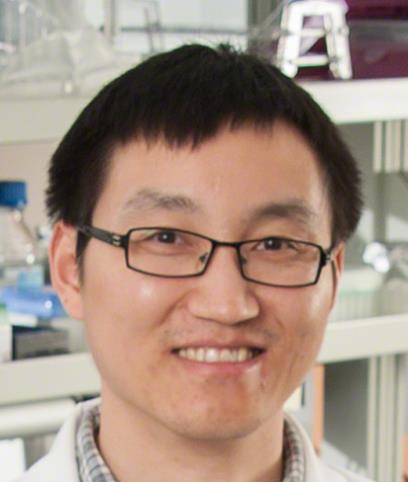 Heng Xu (许恒)合作论文数State Key Laboratory of Biotherapy, Sichuan University;Precision Medicine Center, West China Hospital, Sichuan University1
 Ji-Ye Yin (尹继业)合作论文数Institute of Clinical Pharmacology, Central South University;Xiangya Hospital, Central South University1Shuncui Gao (高顺翠)合作论文数1
 Jian-Ting Zhang合作论文数Department of Cell and Cancer Biology, College of Medicine and Life Sciences, University of Toledo1




