Three-dimensional (3D) histology provides volumetric insights into tissue microarchitectures across entire specimens, holding great promise for more accurate prognostication. However, existing methods are too slow for intraoperative consultations. We present ULTRA (ultrarapid cleared stimulated Raman with AI), a label-free, stain-free, fixation-free, and section-free platform that leverages the chemical specificity of stimulated Raman scattering (SRS) microscopy for rapid 3D histological analysis. Through the synergistic development of a one-step tissue-clearing protocol and unsupervised learning algorithms, ULTRA delivers high-resolution, formalin-fixed, paraffin-embedded (FFPE)-grade deep 3D virtual histology within 30 min, covering orders of magnitude more tissue than slide-based methods. In human surgical glioma samples, ULTRA accurately resolves key histological features in 3D and delineates depth-dependent tumor infiltration margins at single-cell resolution. By compressing 3D histology from days or hours to an intraoperative timescale, ULTRA addresses a critical clinical gap and enables more informed surgical decision-making in the operating room.
Owing to the subtle and heterogeneous features typically exhibited by early-stage tumors, magnetic resonance imaging (MRI) still faces limitations in the early identification of brain tumors. These features are obscured and difficult to identify, which frequently leads to misdiagnosis with conventional methods. However, the development of deep learning models is fundamentally limited by the relative scarcity of large-scale, accurately annotated clinical datasets. To address these limitations, we propose ViT-EBTC, a novel model for the early diagnosis of brain tumors based on a medical adaptation of the bidirectional encoder representation from image transformers. First, we propose a preprocessing pipeline for converting raw clinical 3D data into a structured format for model training, coupled with a tailored data augmentation strategy. Second, a model is designed with a vision transformer (ViT) backbone, which employs a discrete variational autoencoder (dVAE) as a visual tokenizer and a masked image modeling objective. Third, the backbone network is pre-trained on the large-scale ImageNet-1K dataset and subsequently fine-tuned on MR images to realize early brain tumor detection. Extensive experiments conducted on clinical datasets reveal that ViT-EBTC achieves superior performance compared with existing advanced algorithms, which verifies its reliability in early brain tumor screening.
Mitochondria are metabolic hubs that house their own genomes (mitochondrial DNA [mtDNA]), which encode components of the oxidative phosphorylation (OXPHOS) machinery. The mitochondrial central dogma not only governs compartmentalised metabolism but also intensively intertwines with multiple biological processes, and its dysregulation is a hallmark of cancer and metabolic diseases. In this review, we highlight recent advances in mitochondrial biogenesis from a metabolic perspective, with a particular emphasis on cancer. Metabolites act as donors for diverse chemical modifications, which have been systematically identified on mtDNA, rRNA, and tRNA. Besides, post-translational modifications of proteins involved in mtDNA replication, transcription, and translation has been revealed to connect metabolic signals with mitochondrial biogenesis. A comprehensive landscape of the mitochondrial central dogma has deepened our understanding of how mitochondria coordinate OXPHOS with other organelle-specific processes to obtain a flexible metabolic network, which potentiates tumor growth. Notably, non-canonical products and biological functions of the mitochondrial central dogma further reshape our concepts of cancer initiation and progression. Given that dysregulated mitochondrial biogenesis is found in multiple human disorders, including cancer, targeting this pathway offers new therapeutic opportunities. Genome-wide studies and drug screens have identified metabolic nodes and small molecules with potential to correct mitochondrial dysfunction in cancer, while emerging tools such as mtDNA editing enable precise intervention. Despite a maturing picture of mitochondrial biogenesis, many hidden players and functions remain to be uncovered to fully decipher mitochondrial biology in cancer.
Background: To evaluate the efficacy and safety of cisplatin combined with alternating temozolomide (TMZ) for recurrent high-grade glioma, as current treatments lack standardized protocols and predictive markers. Methods: This study evaluated cisplatin (20 mg/m 2 IV, days 1-3) and TMZ (125 mg/m 2 orally, days 1-7 and 15-21) in 35 patients, using the RANO criteria with 6-month progression-free survival (PFS-6) as the primary endpoint. The Kaplan-Meier analysis was applied for survival, and tumor molecular profiles were retrospectively assessed. Results: A median follow-up time was 61.2 months. The PFS-6 rate was 45.2%, and the median time to progression was 5.07 months. Four patients showed partial response, 16 had stable disease, and 11 had disease progression, with predominantly grade I to II toxicities. Low CD8+ tumor-infiltrating lymphocytes (TILs) correlated with improved disease control ( P = .031). Data from the CGGA showed that low CD8+ TILs were associated with better survival, while high CD8+ TILs indicated increased immune response and higher immune checkpoint expression, including programmed death 1 (PD-1). Conclusions: The cisplatin plus alternating TMZ regimen is feasible and safe for recurrent high-grade gliomas, with low CD8+ TILs potentially predicting favorable responses.
ABSTRACT Purpose There is ongoing debate regarding the therapeutic approach and prognosis for IDH‐mutant grade 4 astrocytoma, a newly defined subtype of diffuse glioma in the 2021 WHO classification system for central nervous system tumors (WHO CNS 5). The aim of this study was to explore the clinical outcome and prognosticators for newly diagnosed IDH‐mutant grade 4 astrocytoma based on our single institutional data. Methods This retrospective analysis included 53 consecutive patients with newly diagnosed IDH‐mutant grade 4 astrocytoma, who underwent radiotherapy between September 2021 and December 2023. All patients were administered concurrent and adjuvant temozolomide. Eleven patients received adjuvant tumor‐treating fields (TTFields). Results The median follow‐up was 15.7 months. Twenty patients had tumor relapse; three patients died, all of whom were without TTFields therapy. The median PFS for the entire cohort was 19.3 months, and the median OS was not reached. Univariate analysis indicated patients younger than 40 years (p = 0.11) or without homozygous deletion of CDKN2A/B (p = 0.11) tended to have better PFS. In addition, the TTFields group tended to have longer median PFS than the non‐TTFields group in both analyses before and after propensity score matching (PSM) (24.4 vs. 18.5 months, p = 0.097, before PSM; 24.4 vs. 15.9 months, p = 0.080, after PSM). No significant independent prognostic factor was found in the multivariate analysis. Conclusions The study reveals important insights into clinical practice for IDH‐mutant grade 4 astrocytoma. Younger age and tumor without deleted CDKN2A/B might be predictive of better outcomes. The addition of TTFields trended towards improved PFS, necessitating prospective clinical trials for further investigation.
BACKGROUND:High-frequency irreversible electroporation (H-FIRE) has gradually become an attractive alternative treatment of intracranial tumors due to its clinically favorable characteristics, such as mild muscle contractions, precise ablation margins, and preservation of vessel structures. Encouraging results have been obtained in pre-clinical trials with animal models. However, a more comprehensive understanding of spatiotemporal distributions of electric field and temperature in clinically relevant intracranial tissue during the treatment of H-FIRE is still required prior to its clinical implementation. PURPOSE:In this study, we performed the first attempt to numerically investigate the electric field and temperature distributions for the conformal ablation of intracranial tumors in patient-specific glioma tumor models. METHODS:Four representative 3D patient-specific glioma models were constructed based on T1-weighted MR images of four clinical patients. The treatment protocols of H-FIRE were optimized for the conformal ablation of these glioma patients by using a multi-objective optimization genetic algorithm. To alleviate the temperature increase during the H-FIRE administration, a new ablation procedure was designed and tested numerically. RESULTS:The results achieved in this study demonstrated that the conformal ablation of gliomas with differing sizes and shapes can be achieved by optimizing the number of electrodes, applied pulse voltage, active tip length, electrode gap, and electrode insertion depth. The temperature increases due to the administration of H-FIRE pulses can be effectively alleviated by introducing a pulse-off time between two ablation procedures. CONCLUSION:This study contributes to the field of H-FIRE in the treatment of intracranial tumors and promotes its clinical implementation.
H3K27-altered diffuse midline gliomas (H3-DMGs) represent aggressive tumors with fatal outcome and exceedingly rare cases have a long-term survival (LTS). We included 5 adult thalamic H3-DMG LTS and 13 short-term survivors (STS), and performed whole exome sequencing, RNA-seq and DNA methylation array. The median overall survival was 48.0 ± 12.1 months for LTS and 12.5 ± 5.9 months for STS. There was no significant difference in clinical characteristics and treatment received between LTS and STS. LTS exhibited more copy number gain and amplification (P = 0.007), and tumor microenvironment analysis revealed increased accumulation of M1 macrophage (P = 0.005) alongside a notable reduction in cancer-associated fibroblast in LTS (P = 0.037). The signatures of LTS and STS were signature 30 (similarity = 76.7
The central nervous system (CNS) is increasingly recognized as a critical modulator in the oncogenesis of glioblastoma multiforme (GBM), with interactions between cancer and local neuronal circuits frequently leading to epilepsy; however, the relative contributions of these factors remain unclear. Here, we report a coordinated intratumor shift among distinct cancer subtypes within progenitor-like families of epileptic GBM patients, revealing an accumulation of oligodendrocyte progenitor (OPC)-like subpopulations at the cancer-neuron interface along with heightened electrical signaling activity in the surrounding neuronal networks. The OPC-like cells associated with epilepsy express KCND2, which encodes the voltage-gated K+ channel KV4.2, enhancing neuronal excitability via accumulation of extracellular K+, as demonstrated in patient-derived ex vivo slices, xenografting models, and engineering organoids. Together, we uncovered the essential local circuitry, cellular components, and molecular mechanisms facilitating cancer-neuron interaction at peritumor borders. KCND2 plays a crucial role in mediating nervous system-cancer electrical communication, suggesting potential targets for intervention.
Tumor-treating fields (TTFields) therapy and radiotherapy may have synergistic anti-glioma effect based on preclinical studies. The combination of chemoradiation therapy (CRT) with TTFields therapy has noticeably attracted clinicians’ attention. This study aimed to provide insights into the clinical outcomes of patients with newly diagnosed glioblastoma who received either concurrent CRT and TTFields therapy or adjuvant TTFields therapy following CRT. The findings were based on a cohort of patients who were treated at Huashan Hospital (Shanghai, China). This retrospective study analyzed ndGBM patients’ clinical outcomes who were treated at Huashan Hospital and received TTFields therapy. Patients were categorized into two groups: one group received adjuvant TTFields therapy after completing CRT (referred to as the A-TTF group), while the other received TTFields therapy concurrently with CRT and continued TTFields after treatment (referred to as the CA-TTF group). The study evaluated treatment efficacy and toxicities, comparing outcomes between the two groups. Overall survival (OS) and progression-free survival (PFS) were analyzed using the Kaplan–Meier method. To mitigate confounding factors, efficacy was assessed using the Cox proportional hazards regression model, propensity score matching, and inverse probability of treatment weighting (IPTW) based on the propensity score. A total of 72 patients with ndGBM were included in the study. Among them, 41 patients received concurrent and adjuvant TTFields therapy in combination with CRT (CA-TTF group), and 31 patients received adjuvant TTFields therapy with temozolomide (A-TTF group). The median follow-up time was 18.0 months. No significant differences were observed in median PFS (14.2 vs. 15.0 months, P = 0.92) or OS (20.8 vs. 20.0 months, P = 0.92) between the CA-TTF and A-TTF groups. Skin toxicity was common, while manageable, with no significant difference between the two groups. Following IPTW adjustment, the hazard ratios for PFS and OS indicated a potential advantage for the CA-TTF group, although this difference was not statistically significant. Concurrent CRT and TTFields therapy emerged safe for newly diagnosed GBM patients. Although no significant survival differences were found between the CA-TTF and A-TTF groups, the potential benefit of concurrent TTFields warrants further investigation through large-scale clinical trials.
Glioblastoma (GBM) stands as the most aggressive and prevalent primary brain malignancy. Tumor Treating Fields (TTFields), an innovative therapy complementing chemotherapy for GBM treatment, which can significantly enhance overall survival, disease progression-free survival, and patient’s quality of life. However, there is a dearth of health economics evaluation on TTFields therapy both domestically and internationally. The study aims to assess the cost-effectiveness of TTFields + temozolomide (TMZ) in comparison to TMZ alone for newly diagnosed GBM patients. The intent is to provide robust economic evidence to serve as a foundation for policymaking and decision-making processes in GBM treatment. We estimated outcomes for newly diagnosed GBM patients over a lifetime horizon using a partitioned survival model with three states: Progression-Free Survival, Progression Disease, and Death. The survival model was derived from a real-world study in China, with long-term survival data drawn from GBM epidemiology literature. Adverse event rates were sourced from the EF-14 trial data. Cost data, validated by expert consultation, was obtained from public literature and databases. Utility values were extracted from published literature. Using Microsoft Excel, we calculated expected costs and quality-adjusted life years (QALYs) over 15 years from a health system perspective. The willingness-to-pay threshold was set at three times the Chinese per capita Gross Domestic Product (GDP) in 2022, amounting to CN¥242,928 (US37,655) /QALY. A 5
2059 Background: Our previous study showed A2B5+ glioma stem-like cell lysate-loaded DC vaccine (GSC-DCV) extended survival in recurrent GBM. Additionally, our earlier research indicates that A2B5+ GSCs, enriched with tumor-specific antigens like URGCP, have the potential to activate CD8+ T cells via dendritic cell antigen presentation. Recent research on recurrent GBM suggest aPD-1 mAb neoadjuvant therapy further extends survival. This study is intended to assess the safety and efficacy of this combined therapeutic approach. Methods: Patients with recurrent GBM (IDH1/2 -) post-radiotherapy and chemotherapy were enrolled. All patients received aPD-1 mAbs before surgery. Post-surgery, patients were randomly assigned to the monotherapy arm (aPD-1 mAbs and placebo) or combination therapy arm (aPD-1 mAbs and GSC-DCV), with treatments given every 3-6 weeks until disease progression or intolerable toxicity. The primary endpoint was OS, and secondary endpoints included PFS and trAEs. Results: A total of 21 patients were randomly assigned to the monotherapy (n=11) and combination therapy (n=10) arms. Patient characteristics were well-balanced. The monotherapy arm had a median OS of 8.2 months, while the combination arm showed a significantly longer OS of 22.7 months (HR, 0.2774; 95% CI, 0.0828 to 0.9291, P=0.0376). Multivariate Cox model analysis confirmed the independent prognostic impact of the combination therapy on patients with recurrent GBM (HR, 9.911; 95% CI, 1.520 to 64.623; P=0.016). There was no statistically significant difference in PFS between the two arms. Notably, patients in the combination group experienced a substantial improvement in post-progression survival (PPS) compared to the monotherapy group (7.8 m vs. 1.4 m; P=0.0266). The long survival benefit observed in the combination group was associated with continuous treatment, as cessation led to short-term tumor progression. Subgroup analysis based on tumor burden revealed that the combination therapy was significantly more effective in the low tumor burden cohort (mOS: 23.2 vs. 9.6 months; P=0.0162). No significant difference was observed in the monotherapy group between the two cohorts. High URGCP expression was significantly positively associated with OS in patients undergoing combination therapy (R2=0.8608, P=0.0061). Grade 1-2 trAEs were reported in 27.3% of patients in the monotherapy arm and 50.0% in the combination therapy arm. No grade 3 or higher trAEs occurred. Conclusions: The combination therapy has proven to be safe and well-tolerated. Although there was no significant improvement in PFS, patients achieved a sufficiently long OS benefit compared to the monotherapy arm. Notably, the combination therapy was particularly effective in patients with a low tumor burden through long-term, multi-course treatment. Clinical trial information: NCT04888611 .
Objectives This retrospective study aimed to explore the prognostic effect of cumulative score based on neutrophil-to-lymphocyte ratio (NLR), platelet-to-lymphocyte ratio (PLR), and fibrinogen in older adults diagnosed with glioblastoma (GBM). Design Retrospective study. Setting Huashan Hospital. Participants Patients aged over 60 years and diagnosed with GBM between 2010 and 2017. Main Outcome Measures Results of preoperative routine biochemistry and coagulation blood examinations were reviewed from medical records. Overall survival (OS) was considered a period from first resection surgery until death. Progression-free survival (PFS) was considered a period from initial operation until the date of tumor progression demonstrated in brain magnetic resonance imaging or death from any cause. If no event occurred, the last follow-up appointment was the end of the observation for OS or PFS. The Kaplan-Meier method was used to evaluate survival curves, and prognostic factors were analyzed by the Cox proportional hazards model. Results A total of 289 patients were included. Patients with higher levels of fibrinogen, NLR, and PLR had significantly shorter median OS ( p = 0.001, p = 0.016, and p = 0.002, respectively) and PFS ( p = 0.004, p = 0.022, and p = 0.009, respectively) compared with those with lower levels. Multivariate analyses showed a significant association between higher F-NLR-PLR score and reduced OS (adjusted hazard ratios [aHRs]: 1.356, 95% confidence interval [CI] 1.009-1.822 for scores 1-2 compared with 0; 5.974, 95% CI 2.811-12.698 for score 3 compared with 0). Similarly, a significant association between higher F-NLR-PLR score and reduced PFS was observed (aHR: 1.428, 95% CI 1.066-1.912 for scores 1-2 compared with 0; aHR: 2.860, 95% CI 1.315-6.223 for score 3 compared with 0). Conclusion Higher F-NLR-PLR score is associated with reduced OS and PFS in older adults with GBM, which helps identify patients at high risk and guide the individualized treatment in clinical practice.
Fewer than 5% glioblastoma (GBM) patients survive over five years and are termed long-term survivors (LTS), yet their molecular background is unclear. The present cohort included 72 isocitrate dehydrogenase (IDH)-wildtype GBM patients, consisting of 35 LTS and 37 short-term survivors (STS), and we employed whole exome sequencing, RNA-seq and DNA methylation array to delineate this largest LTS cohort to date. Although LTS and STS demonstrated analogous clinical characters and classical GBM biomarkers, CASC5 (P = 0.002) and SPEN (P = 0.013) mutations were enriched in LTS, whereas gene-to-gene fusions were concentrated in STS (P = 0.007). Importantly, LTS exhibited higher tumor mutation burden (P < 0.001) and copy number (CN) increase (P = 0.013), but lower mutant-allele tumor heterogeneity score (P < 0.001) and CN decrease (P = 0.026). Additionally, LTS demonstrated hypermethylated genome (P < 0.001) relative to STS. Differentially expressed and methylated genes both enriched in olfactory transduction. Further, analysis of the tumor microenvironment revealed higher infiltration of M1 macrophages (P = 0.043), B cells (P = 0.016), class-switched memory B cells (P = 0.002), central memory CD4+ T cells (P = 0.031) and CD4+ Th1 cells (P = 0.005) in LTS. We also separately analyzed a subset of patients who were methylation class-defined GBM, contributing 70.8% of the entire cohort, and obtained similar results relative to prior analyses. Finally, we demonstrated that LTS and STS could be distinguished using a subset of molecular features. Taken together, the present study delineated unique molecular attributes of LTS GBM.
Intraoperative histology is essential for surgical guidance and decision-making. However, frozen-sectioned hematoxylin and eosin (H&E) staining suffers from degraded accuracy, whereas the gold-standard formalin-fixed and paraffin-embedded (FFPE) H&E is too lengthy for intraoperative use. Stimulated Raman scattering (SRS) microscopy has shown rapid histology of brain tissue with lipid/protein contrast but is challenging to yield images identical to nucleic acid–/protein-based FFPE stains interpretable to pathologists. Here, we report the development of a semi-supervised stimulated Raman CycleGAN model to convert fresh-tissue SRS images to H&E stains using unpaired training data. Within 3 minutes, stimulated Raman virtual histology (SRVH) results that matched perfectly with true H&E could be generated. A blind validation indicated that board-certified neuropathologists are able to differentiate histologic subtypes of human glioma on SRVH but hardly on conventional SRS images. SRVH may provide intraoperative diagnosis superior to frozen H&E in both speed and accuracy, extendable to other types of solid tumors.
Abstract BACKGROUND In the EF-14 phase 3 trial, tumor treating fields (TTFields) plus temozolomide improved progression-free and overall survival versus temozolomide alone in newly diagnosed glioblastoma. However, the optimal duration and timing of TTFields treatment have not been reported yet. In this study, we aimed to analyze the relationship between the timing of TTFields use, the total duration of therapy, and daily compliance with overall survival in high-grade glioma (HGG) and, therefore, provided detailed suggestions for clinical use of TTFields. METHODS A total of 343 patients were screened retrospectively after resection or biopsy at two centers and received TTFields treatment from April 2019 to April 2023. All the patients were re-evaluated based on the 2021 WHO CNS5 Classification. We collected clinical data, including basic clinical information, pathology, surgery, radiotherapy, and TTFields. Follow-up for survival was performed for all patients in December 2023, and another follow-up is planned for June 2024. RESULTS After excluding non-HGG or lacking critical diagnostic information, 308 patients were included. Of these, 264 were Glioblastoma, IDH-wildtype, 27 were Astrocytoma, IDH-mutant, 3 were Oligodendroglioma, IDH-mutant, and 1p/19q-codeleted, and 14 were Diffuse midline glioma, H3 K27-altered, or Diffuse hemispheric glioma, H3 G34-mutant. Baseline characteristics were listed below: median age was 53 years; 56.82% male; median baseline KPS was 90; 75.97% underwent gross total resection; 51.30% received chemoradiation with concurrent TTFields. Only 26.30% of patients were still using TTFields by December 31, 2023. The median time difference between TTFields and surgery was 55.5 days. The overall TTFields median duration was 334 days, with a median compliance rate of 85%. By December 31, 2023, 59.09% of the patients were still alive. CONCLUSION The study group will continue to follow up on patients’ survival. Further analysis of the correlation between treatment duration, compliance or timing and survival will be performed.
Gliomas, the predominant form of brain cancer, comprise diverse malignant subtypes with limited curative therapies available. The insufficient understanding of their molecular diversity and evolutionary processes hinders the advancement of new treatments. Technical complexities associated with formalin-fixed paraffin-embedded (FFPE) clinical samples hinder molecular-level analyses of gliomas. Current single-cell RNA sequencing (scRNA-seq) platforms are inadequate for large-scale clinical applications. In this study, automated snRandom-seq is developed, a high-throughput single-nucleus total RNA sequencing platform optimized for archival FFPE samples. This platform integrates automated single-nucleus isolation and droplet barcoding systems with the random primer-based scRNA-seq chemistry, accommodating a broad spectrum of sample types. The automated snRandom-seq is applied to analyze 116 492 single nuclei from 17 FFPE samples of various glioma subtypes, including rare clinical samples and matched primary-recurrent glioblastomas (GBMs). The study provides comprehensive insights into the molecular characteristics of gliomas at the single-cell level. Abundant non-coding RNAs (ncRNAs) with distinct expression profiles across different glioma clusters and uncovered promising recurrence-related targets and pathways in primary-recurrent GBMs are identified. These findings establish automated snRandom-seq as a robust tool for scRNA-seq of FFPE samples, enabling exploration of molecular diversities and tumor evolution. This platform holds significant implications for large-scale integrative and retrospective clinical research. An automated high-throughput single-nucleus total RNA sequencing platform optimized for archival FFPE samples. It integrates automated single-nucleus isolation and droplet barcoding with random primer-based scRNA-seq chemistry, facilitating the analysis of rare clinical specimens and primary-recurrent tumor samples. Distinct expression profiles of ncRNAs and critical recurrence-related pathways are identified, highlighting its capability to explore tumor molecular diversity and evolution. image
The cerebrospinal fluid (CSF) border accommodates diverse immune cells that permit peripheral cell immunosurveillance. However, the intricate interactions between CSF immune cells and infiltrating cancer cells remain poorly understood. Here we use fate mapping, longitudinal time-lapse imaging and multiomics technologies to investigate the precise origin, cellular crosstalk and molecular landscape of macrophages that contribute to leptomeningeal metastasis (LM) progression. Mechanically, we find that dura-derived LM-associated macrophages (dLAMs) migrate into the CSF in a matrix metalloproteinase 14 (MMP14)-dependent manner. Furthermore, we identify that dLAMs critically require the presence of secreted phosphoprotein 1 (SPP1) in cancer cells for their recruitment, fostering an immunosuppressed microenvironment characterized by T cell exhaustion and inactivation. Conversely, inhibition of the SPP1-MMP14 axis can impede macrophages from bypassing the border barrier, prevent cancer cell growth and improve survival in LM mouse models. Our findings reveal an unexpectedly private source of innate immunity within the meningeal space, shed light on CSF barrier dysfunction dynamics and supply potential targets of clinical immunotherapy.
Single-cell RNA sequencing (scRNA-seq) has dramatically transformed biomedical research within laboratory settings. It has been extensively employed to investigate the heterogeneity and plasticity of glioma, the most prevalent brain tumor. However, the clinical diagnosis and treatment of glioma remain complex and challenging, highlighting the need for comprehensive cancer research. Currently available scRNA-seq platforms are insufficient to fulfill the demands posed by large-scale clinical applications. Here, we present an automated high-throughput single-nucleus total RNA sequencing platform, known as AAsnRandom-seq. This platform integrates automated single-nucleus isolation and droplet barcoding systems with the random primer-based scRNA-seq chemistry, designed to accommodate a diverse range of sample types. The performance and versatility of AAsnRandom-seq are validated using over one hundred clinical FFPE and frozen samples. AAsnRandom-seq was applied to archival FFPE samples of various glioma subtypes, including rare clinical samples, and matched primary-recurrent glioblastomas (GBMs), delving into the comprehensive molecular characteristic of glioma at single-cell level. Abundant non-coding RNAs (ncRNAs) with distinct expression profiles within different glioma clusters are detected. Promising recurrence-related targets and pathways are identified from the matched primary-recurrent GBMs. AAsnRandom-seq holds significant application value on large-scale integrative and retrospective clinical research using archived specimens.
Our previous phase II randomized trials have determined that A2B5+ glioma stem-like cell lysate-loaded DC vaccine (GSC-DCV) demonstrates favorable safety and significantly extends the survival of glioblastoma (GBM) (NCT01567202). This study aims to investigate the clinical feasibility and efficacy of the GSC-DCV combined with aPD-1 mAbs neoadjuvant therapy in recurrent GBM (NCT04888611). GBM (IDH1/2 -) patients who had received radiotherapy and TMZ chemotherapy were enrolled in the study after pathologically confirmed recurrence. All patients received aPD-1 mAbs treatment (3mg/kg, up to 200mg) 14±5 days before surgery. Following surgery, eligible patients were randomized in a 1:1 ratio to receive either a combination treatment of aPD-1 mAbs with GSC-DCV or aPD-1 mAbs with placebo. The above-mentioned postoperative therapy was given every three weeks until disease progression or unacceptable toxicity. Besides evaluating treatment response using the iRANO criteria, MRI scans were conducted before each treatment and after surgery (in 72h) to evaluate tumor size/volume to analyze the relationship between tumor burden and prognosis. The primary endpoint of the study was overall survival, while the secondary endpoints included the evaluation of treatment-related adverse events (trAEs) and the measurement of indicators related to the immune response. From October 2021 through May 2023, a total of 22 patients were enrolled and successfully randomized. At the latest follow-up, the two groups were generally balanced with respect to baseline characteristics, encompassing age, gender, KPS, steroid use, MGMTp status, TERTp status, and tumor volume at registration. Notably, differences in survival were observed between the two groups, with respective follow-up periods ranging from 1.3 to 19.9 months and 1.0 to 12.1 months. The incidence of trAEs in all patients was 22.7%, with no grade 3 or higher trAEs observed thus far, and the main adverse event was reactive cutaneous capillary endothelial proliferation (RCCEP).
 Chuanlu Jiang (蒋传路)合作论文数 Department of Neurosurgery,Second Affiliated Hospital,Harbin Medical University,Harbin,Heilongjiang ,China28
 Zhiyong Qin合作论文数25
 Chunsheng Kang (康春生)合作论文数General Hospital, Tianjin Medical University23
 Yu Yao (姚瑜)合作论文数复旦大学附属华山医院神经外科22
 Tao Jiang (江涛)合作论文数China National Clinical Research Center for Neurological Diseases, Beijing Tiantan Hospital, Capital Medical University21Lei Han (韩磊)合作论文数18
 Peiyu Pu (浦佩玉)合作论文数Tianjin Medical University17
 Kailiang Zhang合作论文数15YongLi Li (李永利)合作论文数13
 Zhiyong Wang (王永志)合作论文数Beijing Tiantan Hospital, Capital Medical University13
 Liangfu Zhou (周良辅)合作论文数Institutes of Biomedical Sciences, Fudan University13Liu Xing (刘幸)合作论文数12Wenzhong Du (杜文众)合作论文数11
 Ying Mao (毛颖)合作论文数Department of Neurosurgery, Huashan Hospital, Fudan University;Institutes of Biomedical Sciences, Fudan University11
 Wei Yan合作论文数10Zhendong Shi合作论文数10
 Junxia Zhang (张军霞)合作论文数The First Affiliated Hospital with Nanjing Medical University9Ruiyan Li (李瑞岩)合作论文数8Kun Song合作论文数7
 Yang Wang合作论文数7Han-Bing Wang合作论文数7
 Yan Feng合作论文数7
 Jinquan Cai (蔡金全)合作论文数Department of Neurosurgery, The 2nd Affiliated Hospital of Harbin Medical University;Institute of Neuroscience, Heilongjiang Academy of Medical Sciences7
 Zheng Fang合作论文数Div Biomed Engn, Univ Saskatchewan6Anling Zhang (张鞍灵)合作论文数College of Chemistry & Pharmacy, Northwest A&F University6
 Ying Sun (孙英)合作论文数School of Basic Medical Sciences, Capital Medical University6
 Bing Zhang (张兵)合作论文数Intelligent Energy-based Tumor Ablation Laboratory, School of Mechatronic Engineering and Automation, Shanghai University6Xiao-Jie Ding合作论文数5JunHe Zhang (张俊和)合作论文数5DongBo Yang (杨东波)合作论文数5
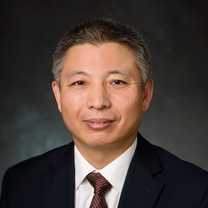 Hongjun Wang合作论文数Department of Biomedical Engineering, Charles V. Schaefer, Jr. School of Engineering and Science, Stevens Institute of Technology;Center for Healthcare Innovation, Stevens Institute of Technology5
 Wei Zhang (张伟)合作论文数Department of Neurosurgery, Beijing Tiantan Hospital, Capital Medical University;Graduate School of Capital Medical University5
 Xiaofeng Wang (王晓峰)合作论文数Department of Oral and Maxillofacial Surgery, The Second Affiliated Hospital of Harbin Medical University5Yanwei Liu合作论文数5Yuqiong Cui (崔玉琼)合作论文数5Haibao Peng合作论文数4Shuangquan Yu合作论文数4Haixia Cheng (程海霞)合作论文数4
 Jianlong Li合作论文数4Kun Yao合作论文数4Chan Aden Ka-Yin合作论文数Prince of Wales Hospital, The Chinese University of Hong Kong4Chi Yudan合作论文数4
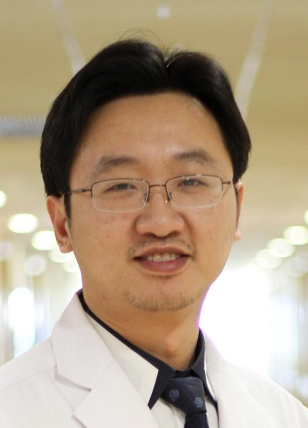 Gan You (游赣)合作论文数Beijing Tiantan Hospital, Capital Medical University4Tang Chao合作论文数Huashan Hospital, Fudan University4
 Ho-Keung Ng (吳浩強)合作论文数Department of Anatomical and Cellular Pathology, Faculty of Medicine, The Chinese University of Hong Kong4
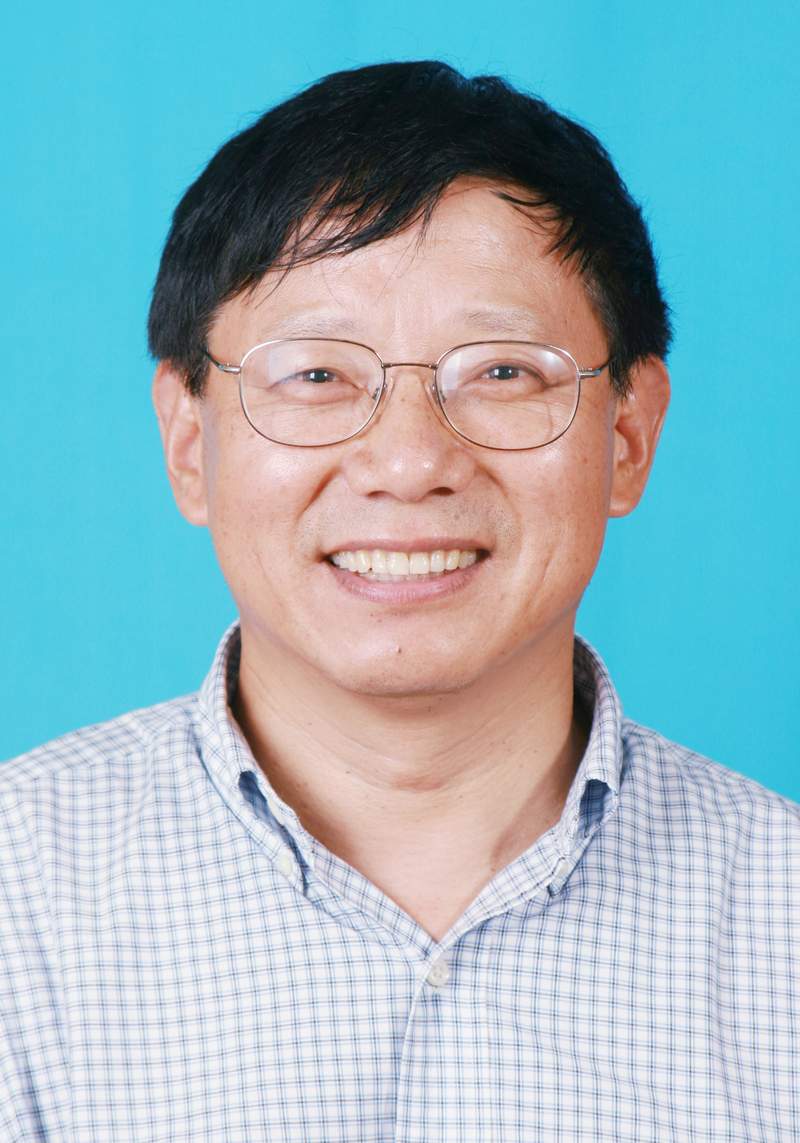 Zhenyu Zhang (张振宇)合作论文数University of Science and Technology of China;Institute of Quantum Materials and Physics, Henan Academy of Sciences4
 Yongri Zheng (郑永日)合作论文数Department of cerebral surgery,the second Affiliated Hospital of Harbin Medical University,Harbin,4
 Zhaoshi Bao (保肇实)合作论文数Beijing Tiantan Hospital, Capital Medical University;Graduate School of Capital Medical University4
 Minbiao Ji (季敏标)合作论文数Department of Physics, Fudan University;State Key Laboratory of Surface Physics, Fudan University;Institute of Biomedical Engineering and Technology, Fudan University4




