Context or problem: Decapitation causes axillary bud outgrowth in plants, but the effects of decapitation on yieldrelated traits in soybean (Glycine max) and the underlying mechanisms are not completely clear. Such information would be useful for developing strategies for breeding soybean cultivars with varying degrees of shoot branching in different production systems. Objectives: We aimed to identify the effects of decapitation on axillary bud outgrowth in soybean, including effects on yield-related traits and gene expression. Methods: We examined changes in yield-related traits, including plant height, branch number, node number per single branch and stem, and total node number per plant, in decapitated soybean plants grown in the field and under artificial conditions. We examined these traits in three soybean varieties with different plant architectures grown under normal and dense planting conditions. We also identified differentially expressed genes between decapitation and control conditions to explore the molecular mechanism underlying the effects of removing apical dominance on soybean. Results: Decapitation promoted bud outgrowth in soybean, which increased total node number per plant, thereby improving yields. This effect depended on both the cultivar and planting density. Genes related to phytohormones that inhibit bud outgrowth, such as the strigolactone- and auxin biosynthesis-related genes CAROTENOID CLEAVAGE DIOXYGENASE 8/MORE AXILLARY BRANCHING 4 and YUCCA 8, respectively, were downregulated in response to decapitation treatment. Conversely, genes related to phytohormones that promote bud outgrowth, such as cytokinin biosynthesis-related isopentenyltransferase genes and brassinosteroid signaling pathway genes XYLOGLUCAN ENDOTRANSGLUCOSYLASE/HYDROLASE 23 s, were upregulated after decapitation. Conclusions: Branch architecture is controlled by both genetic and environmental factors. Removing apical dominance at the early seedling stage increased the formation of long branches in some varieties, thereby increasing pod number, seed number, and grain yield per plant. Decapitation caused axillary bud outgrowth, at least in part, by regulating the expression of various genes involved in plant hormone signal transduction and biosynthesis. Implications or significance: These results provide a theoretical basis for the effect of decapitation on soybean yield. In addition, they shed light on the molecular mechanism of axillary bud outgrowth and branch development in soybean, laying the foundation for improving plant architecture via breeding.
Flowering time is a key agronomic trait that directly affects soybean yield. Both APETALA1 (AP1) and SUPPRESSOR OF OVEREXPRESSION OF CO 1 (SOC1) regulate flowering time in soybean, but their genetic and regulatory relationships have not been clarified. Here, we report that AP1c physically interacted with two SOC1 proteins, SOC1a and SOC1b, and that these SOC1s upregulated the expression of AP1c, promoting flowering. Moreover, AP1c repressed the expression of the SOC1s by directly binding to their promoters, thus preventing plants from flowering too early. These findings indicate that AP1c and SOC1s form a regulatory feedback loop that regulates flowering time. Importantly, we identified an exceptional allele, AP1cG, that was selected for during soybean domestication and promotes the early-flowering phenotype in cultivated soybean. Collectively, our work identifies a previously unknown allelic combination potentially useful for both classical and molecular soybean breeding.
The development of soybean (Glycine max) is regulated by the photoperiod, with genes related to photoperiod sensitivity primarily focused on the flowering time. However, their roles in post-flowering reproductive development and the mechanisms by which the photoperiod affects them are not yet determined. In this study, we found that pod formation is sensitive to the photoperiod. Long-day conditions tended to extend the time from flowering to pod formation, and the first wave of flowers tended to fall off. Additionally, the photoperiod affected the pistil morphology; under short-day conditions, the stigma had a curved hook-like structure that facilitated better interaction with the filaments when pollen was released, ultimately influencing the timing of pod formation. Photoperiod-insensitive mutants, lacking E1 family and Evening Complex (EC) genes, showed no difference in the pod formation time under long-day or short-day conditions. Hormone content analysis and transcriptome data analysis indicated that various hormones, reactive oxygen species (ROS) burst pathway signals, and the application of sucrose solution in vitro might influence floral organ abscission.
Soybean is a photoperiod-sensitive short-day crop whose reproductive period and yield are markedly affected by day-length changes. Seed weight is one of the key traits determining the soybean yield; however, the prominent genes that control the final seed weight of soybean and the mechanisms underlying the photoperiod's effect on this trait remain poorly understood. In this study, we identify SW19 as a major locus controlling soybean seed weight by QTL mapping and determine Dt1, an orthologous gene of Arabidopsis TFL1 that is known to govern the soybean growth habit, as the causal gene of the SW19 locus. We showed that Dt1 is highly expressed in developing seeds and regulates photoperiod-dependent seed weight in soybean. Further analyses revealed that the Dt1 protein physically interacts with the sucrose transporter GmSWEET10a to negatively regulate the import of sucrose from seed coat to the embryo, thus modulating seed weight under long days. However, Dt1 does not function in seed development under short days due to its very low expression. Importantly, we discovered a novel natural allelic variant of Dt1 (H4 haplotype) that decouples its pleiotropic effects on seed size and growth habit; i.e., this variant remains functional in seed development but fails to regulate the stem growth habit of soybean. Collectively, our findings provide new insights into how soybean seed development responds to photoperiod at different latitudes, offering an ideal genetic component for improving soybean's yield by manipulating its seed weight and growth habit.
Soybean is a photoperiod-sensitive staple crop. Its photoperiodic flowering has major consequences for latitudinal adaptation and grain yield. Here, we identify and characterise a flowering locus named Time of flower 4b (Tof4b), which encodes E1-Like b (E1Lb), a homologue of the key soybean floral repressor E1. Tof4b protein physically associates with the promoters of two FLOWERING LOCUS T (FT) genes to repress their transcription and delay flowering to impart soybean adaptation to high latitudes. Three E1 homologues undergo subfunctionalisation and show differential subcellular localisation. Moreover, they all possess self-repression capability and each suppresses the two homologous counterparts. Subfunctionalisation and the transcriptional regulation of E1 genes collectively finetune flowering time and high-latitude adaptation in soybean. We propose a model for the functional fate of the three E1 genes after the soybean whole-genome duplication events, refine the molecular mechanisms underlying high-latitude adaption, and provide a potential molecular-breeding resource.
Shading in combination with extended photoperiods can cause exaggerated stem elongation (ESE) in soybean, leading to lodging and reduced yields when planted at high-density in high-latitude regions. However, the genetic basis of plant height in adaptation to these regions remains unclear. Here, through a genome-wide association study, we identify a plant height regulating gene on chromosome 13 ( PH13 ) encoding a WD40 protein with three main haplotypes in natural populations. We find that an insertion of a Ty1/Copia -like retrotransposon in the haplotype 3 leads to a truncated PH13 H3 with reduced interaction with GmCOP1s, resulting in accumulation of STF1/2, and reduced plant height. In addition, PH13 H3 allele has been strongly selected for genetic improvement at high latitudes. Deletion of both PH13 and its paralogue PHP can prevent shade-induced ESE and allow high-density planting. This study provides insights into the mechanism of shade-resistance and offers potential solutions for breeding high-yielding soybean cultivar for high-latitude regions.
Major cereal crops have benefitted from Green Revolution traits such as shorter and more compact plants that permit high-density planting, but soybean has remained relatively overlooked. To balance ideal soybean yield with plant height under dense planting, shortening of internodes without reducing the number of nodes and pods is desired. Here, we characterized a short-internode soybean mutant, reduced internode 1 ( rin1 ). Partial loss of SUPPRESSOR OF PHYA 105 3a ( SPA3a ) underlies rin1 . RIN1 physically interacts with two homologs of ELONGATED HYPOCOTYL 5 (HY5), STF1 and STF2, to promote their degradation. RIN1 regulates gibberellin metabolism to control internode development through a STF1/STF2– GA2ox7 regulatory module. In field trials, rin1 significantly enhances grain yield under high-density planting conditions comparing to its wild type of elite cultivar. rin1 mutants therefore could serve as valuable resources for improving grain yield under high-density cultivation and in soybean–maize intercropping systems.
In many plants, flowering time is influenced by daylength as an adaptive response. In soybean (Glycine max) cultivars, however, photoperiodic flowering reduces crop yield and quality in high-latitude regions. Under-standing the genetic basis of wild soybean (Glycine soja) adaptation to high latitudes could aid breeding of improved cultivars. Here, we identify the Tof4 (Time of flowering 4) locus, which encodes by an E1-like pro-tein, E1La, that represses flowering and enhances adaptation to high latitudes in wild soybean. Moreover, we found that Tof4 physically associates with the promoters of two important FLOWERING LOCUS T (FT2a and FT5a) and with Tof5 to inhibit their transcription under long photoperiods. The effect of Tof4 on flowering and maturity is mediated by FT2a and FT5a proteins. Intriguingly, Tof4 and the key flowering repressor E1 inde-pendently but additively regulate flowering time, maturity, and grain yield in soybean. We determined that weak alleles of Tof4 have undergone natural selection, facilitating adaptation to high latitudes in wild soybean. Notably, over 71.5% of wild soybean accessions harbor the mutated alleles of Tof4 or a previously reported gain-of-function allele Tof5H2, suggesting that these two loci are the genetic basis of wild soybean adaptation to high latitudes. Almost no cultivated soybean carries the mutated tof4 allele. Introgression of the tof4-1 and Tof5H2 alleles into modern soybean or editing E1 family genes thus represents promising avenues to obtain early-maturity soybean, thereby improving productivity in high latitudes.
Plant height and node number are important agronomic traits that influence yield in soybean (Glycine max L.). Here, to better understand the genetic basis of the traits, we used two recombinant inbred line (RIL) populations to detect quantitative trait loci (QTLs) associated with plant height and node number in different environments. This analysis detected 9 and 21 QTLs that control plant height and node number, respectively. Among them, we identified two genomic regions that overlap with Determinate stem 1 (Dt1) and Dt2, which are known to influence both plant height and node number. Furthermore, different combinations of Dt1 and Dt2 alleles were enriched in distinct latitudes. In addition, we determined that the QTLs qPH-13-SE and qPH-13-DW in the two RIL populations overlap with genomic intervals associated with plant height and the QTL qNN-04-DW overlaps with an interval associated with node number. Combining the dwarf allele of qPH-13-SE/qPH-13-DW and the multiple-node allele of qNN-04-DW produced plants with ideal plant architecture, i.e., shorter main stems with more nodes. This plant type may help increase yield at high planting density. This study thus provides candidate loci for breeding elite soybean cultivars for plant height and node number.
Summary Photoperiod‐mediated flowering determines the phenological adaptability of crops including soybean ( Glycine max ). A genome‐wide association study (GWAS) identified a new flowering time locus, Time of flowering 13 ( Tof13 ), which defined a gene encoding an AP2/ERF transcription factor. This new transcription factor, which we named TOE4b, is localized in the nucleus. TOE4b has been selected for soybean latitude adaptability. The existing natural variant TOE4b H4 was rare in wild soybean accessions but occurred more frequently in landraces and cultivars. Notably, TOE4b H4 improved high‐latitude adaptation of soybean to some extent. The gene‐edited TOE4b knockout mutant exhibited earlier flowering, conversely, TOE4b overexpression delayed flowering time. TOE4b is directly bound to the promoters and gene bodies of the key flowering integration factor genes FT2a and FT5a to inhibit their transcription. Importantly, TOE4b overexpression lines in field trials not only showed late flowering but also altered plant architecture, including shorter internode length, more internodes, more branches and pod number per plant, and finally boosted grain yield per plant by 60% in Guangzhou and 87% in Shijiazhuang. Our findings therefore identified TOE4b as a pleiotropic gene to increase yield potential per plant in soybean, and these results provide a promising option for breeding a soybean variety with an idealized plant architecture that promotes high yields.
Photoperiod responsiveness is a key factor limiting the geographic distribution of cultivated soybean and its wild ancestor. In particular, the genetic basis of the adaptation in wild soybean remains poorly understood. In this study, by combining whole-genome resequencing and genome-wide association studies we identified a novel locus, Time of Flowering 5 (Tof5), which promotes flowering and enhances adaptation to high latitudes in both wild and cultivated soybean. By genomic, genetic and transgenic analyses we showed that Tof5 encodes a homolog of Arabidopsis thaliana FRUITFULL (FUL). Importantly, further analyses suggested that different alleles of Tof5 have undergone parallel selection. The Tof5(H1) allele was strongly selected by humans after the early domestication of cultivated soybean, while Tof5(H2) allele was naturally selected in wild soybean, and in each case facilitating adaptation to high latitudes. Moreover, we found that the key flowering repressor E1 suppresses the transcription of Tof5 by binding to its promoter. In turn, Tof5 physically associates with the promoters of two important FLOWERING LOCUS T (FT), FT2a and FT5a, to upregulate their transcription and promote flowering under long photoperiods. Collectively, our findings provide insights into how wild soybean adapted to high latitudes through natural selection and indicate that cultivated soybean underwent changes in the same gene but evolved a distinct allele that was artificially selected after domestication.
Photoperiod responsiveness is important to soybean production potential and adaptation to local environments. Varieties from temperate regions generally mature early and exhibit extremely low yield when grown under inductive short-day (SD) conditions. The long-juvenile (LJ) trait is essentially a reduction and has been introduced into soybean cultivars to improve yield in tropical environments. In this study, we used next-generation sequencing (NGS)-based bulked segregant analysis (BSA) to simultaneously map qualitative genes controlling the LJ trait in soybean. We identified two genomic regions on scaffold_32 and chromosome 18 harboring loci LJ32 and LJ18, respectively. Further, we identified LJ32 on the 228.7-kb scaffold_32 as the soybean pseudo-response-regulator gene Tof11 and LJ18 on a 301-kb region of chromosome 18 as a novel PROTEIN FLOWERING LOCUS T-RELATED gene, Glyma.18G298800. Natural variants of both genes contribute to LJ trait regulation in tropical regions. The molecular identification and functional characterization of Tof11 and LJ18 will enhance understanding of the molecular mechanisms underlying the LJ trait and provide useful genetic resources for soybean molecular breeding in tropical regions.
Salt stress and flowering time are major factors limiting geographic adaptation and yield productivity in soybean (Glycine max). Although improving crop salt tolerance and latitude adaptation are essential for efficient agricultural production, whether and how these two traits are integrated remains largely unknown. Here, we used a genome-wide association study to identify a major salt-tolerance locus controlled by E2, an ortholog of Arabidopsis thaliana GIGANTEA (GI). Loss of E2 function not only shortened flowering time and maturity, but also enhanced salt-tolerance in soybean. E2 delayed soybean flowering by enhancing the transcription of the core flowering suppressor gene E1, thereby repressing Flowering Locus T (FT) expression. An E2 knockout mutant e2CR displayed reduced accumulation of reactive oxygen species (ROS) during the response to salt stress by releasing peroxidase, which functions in ROS scavenging to avoid cytotoxicity. Evolutionary and population genetic analyses also suggested that loss-of-function e2 alleles have been artificially selected during breeding for soybean adaptation to high-latitude regions with greater salt stress. Our findings provide insights into the coupled selection for adaptation to both latitude and salt stress in soybean; and offer an ideal target for molecular breeding of early-maturing and salt-tolerant cultivars.
Soybean (Glycine max) grows in a wide range of latitudes, but it is extremely sensitive to photoperiod, which reduces its yield and ability to adapt to different environments. Therefore, understanding of the genetic basis of soybean adaptation is of great significance for breeding and improvement. Here, we characterized Tof18 (SOC1a) that conditions early flowering and growth habit under both short-day and long-day conditions. Molecular analysis confirmed that the two SOC1 homologs present in soybeans (SOC1a and SOC1b) underwent evolutionary functional divergence, with SOC1a having stronger effects on flowering time and stem node number than SOC1b due to transcriptional differences. soc1a soc1b double mutants showed stronger functional effects than either of the single mutants, perhaps due to the formation of SOC1a and SOC1b homodimers or heterodimers. Additionally, Tof18/SOC1a improves the latitudinal adaptation of cultivated soybeans, highlighting the functional importance of SOC1a. The Tof18G allele facilitates adaptation to high latitudes, whereas Tof18A facilitates adaptation to low latitudes. We demonstrated that SOC1s contribute to floral induction in both leaves and shoot apex through inter-regulation with FTs. The SOC1a-SOC1b-Dt2 complex plays essential roles in stem growth habit by directly binding to the regulatory sequence of Dt1, making the genes encoding these proteins potential targets for genome editing to improve soybean yield via molecular breeding. Since the natural Tof18A allele increases node number, introgressing this allele into modern cultivars could improve yields, which would help optimize land use for food production in the face of population growth and global warming.
Soybean (Glycine max (L.) Merrill) is one of the most important crop plants in the world as an important source of protein for both human consumption and livestock fodder. As flowering time contributes to yield, finding new QTLs and further identifying candidate genes associated with various flowering time are fundamental to enhancing soybean yield. In this study, a set of 120 recombinant inbred lines (RILs) which was developed from a cross of two soybean cultivars, Suinong4 (SN4) and ZK168, were genotyped by genotyping-by-sequencing (GBS) approach and phenotyped to expand the cognitive of flowering time by quantitative trait loci (QTL) analysis. Eventually, three stable QTLs related to flowering time which were detected separately located on chromosome 14, 18, and 19 under long-day (LD) conditions. We predicted candidate genes for each QTL and carried out association analyses between the putative causal alleles and flowering time. Moreover, a transient transfection assay was performed and showed that NUCLEAR FACTOR YA 1b (GmNF-YA1b) as a strong candidate for the QTL on chromosome 19 might affect flowering time by suppressing the expression of FLOWERING LOCUS T (GmFT) genes in soybean. QTLs detected in this study would provide fundamental resources for finding candidate genes and clarify the mechanisms of flowering which would be helpful for breeding novel high-yielding soybean cultivars.
Soybean (Glycine max) serves as a major source of protein and edible oils worldwide. The genetic and genomic bases of the adaptation of soybean to tropical regions remain largely unclear. Here, we identify the novel locus Time of Flowering 16 (Tof16), which confers delay flowering and improve yield at low latitudes and determines that it harbors the soybean homolog of LATE ELONGATED HYPOCOTYL (LHY). Tof16 and the previously identified J locus genetically additively but independently control yield under short-day conditions. More than 80% accessions in low latitude harbor the mutations of tof16 and j, which suggests that loss of functions of Tof16 and J are the major genetic basis of soybean adaptation into tropics. We suggest that maturity and yield traits can be quantitatively improved by modulating the genetic complexity of various alleles of the LHY homologs, J and E1. Our findings uncover the adaptation trajectory of soybean from its temperate origin to the tropics.
Soybean ( Glycine max (L.) Merrill) is an important legume crop worldwide. Plant height (PH) is a quantitative trait that is closely related to node number (NN) and internode length (IL) on the main stem, which together affect soybean yield. To identify candidate genes controlling these three traits in soybean, we examined a recombinant inbred line (RIL) population derived from a cross between two soybean varieties with semi-determinate stems ( Dt1Dt1Dt2Dt2 ), JKK378 and HXW. A quantitative trait locus (QTL) named qPH18 was identified that simultaneously controls PH, NN, and IL; this region harbors the semi-determinant gene Dt2 . Sequencing of the Dt2 promoter from JKK378 identified three polymorphisms relative to HXW, including two single nucleotide polymorphism (SNPs) and an 18-bp insertion/deletion polymorphism (Indel). Dt2 expression was lower in the qPH18 JKK378 group than in the qPH18 HXW group, whereas the expression level of the downstream gene Dt1 showed the opposite tendency. A transient transfection assay confirmed that Dt2 promoter activity is lower in JKK378 compared to HXW. We propose that the polymorphisms in the dominant Dt2 promoter underlie the differences in Dt2 expression and its downstream gene Dt1 in the two parents, thereby affecting PH, NN, IL, and grain weight per plant without altering stem growth habit. Compared to the PH18 HXW allele, the qPH18 JKK378 allele suppresses Dt2 expression, which releases the inhibition of Dt1 expression, thus enhancing NN and grain yield. Our findings shed light on the mechanism underlying NN and PH in soybean and provide a molecular marker to facilitate breeding.
Soybean [Glycine max (L.) Merrill] is very sensitive to changes in photoperiod as a typical short-day plant. Photoperiodic flowering influences soybean latitudinal adaptability and yield to a considerable degree. Identifying new quantitative trait loci (QTLs) controlling flowering time is a powerful initial approach for elucidating the mechanisms underlying flowering time and adaptation to different latitudes in soybean. In this study, we developed a Recombinant Inbred Lines (RILs) population and recorded flowering time under natural long-day conditions. We also constructed a high-density genetic map by genotyping-by-sequencing and used it for QTL mapping. In total, we detected twelve QTLs, four of which are stable and named by qR1-2, qR1-4, qR1-6.1, and qR1-10, respectively. Among these four QTLs, qR1-4 and qR1-6.1 are novel. QTL mapping in two sub-populations classified by the genotype of the maturity locus E2, genetic interaction evaluation between E2 and qR1-2, and qRT-PCR indicated that E2 has an epistatic effect on qR1-2, and that causal gene of qR1-2 acts upstream of E2. We presumed the most likely candidate genes according to the resequencing data and briefly analyzed the geographic distributions of these genes. These findings will be beneficial for our understanding of the mechanisms underlying photoperiodic flowering in soybean, contribute to further investigate of E2, and provide genetic resources for molecular breeding of soybean.
Soybean (Glycine max) is an important legume crop that was domesticated in temperate regions. Soybean varieties from these regions generally mature early and exhibit extremely low yield when grown under inductive short-day (SD) conditions at low latitudes. The long-juvenile (LJ) trait, which is characterized by delayed flowering and maturity, and improved yield under SD conditions, allowed the cultivation of soybean to expand to lower latitudes. Two major loci control the LJ trait: J and E6. In the current study, positional cloning, sequence analysis, and transgenic complementation confirmed that E6 is a novel allele of J, the ortholog of Arabidopsis thaliana EARLY FLOWERING 3 (ELF3). The mutant allele e6PG , which carries a Ty1/Copia-like retrotransposon insertion, does not suppress the legume-specific flowering repressor E1, allowing E1 to inhibit Flowering Locus T (FT) expression and thus delaying flowering and increasing yields under SD conditions. The e6PG allele is a rare allele that has not been incorporated into modern breeding programs. The dysfunction of J might have greatly facilitated the adaptation of soybean to low latitudes. Our findings increase our understanding of the molecular mechanisms underlying the LJ trait and provide valuable resources for soybean breeding.
Adaptive changes in plant phenology are often considered to be a feature of the so-called ‘domestication syndrome’ that distinguishes modern crops from their wild progenitors, but little detailed evidence supports this idea. In soybean, a major legume crop, flowering time variation is well characterized within domesticated germplasm and is critical for modern production, but its importance during domestication is unclear. Here, we identify sequential contributions of two homeologous pseudo-response-regulator genes, Tof12 and Tof11 , to ancient flowering time adaptation, and demonstrate that they act via LHY homologs to promote expression of the legume-specific E1 gene and delay flowering under long photoperiods. We show that Tof12 -dependent acceleration of maturity accompanied a reduction in dormancy and seed dispersal during soybean domestication, possibly predisposing the incipient crop to latitudinal expansion. Better understanding of this early phase of crop evolution will help to identify functional variation lost during domestication and exploit its potential for future crop improvement.
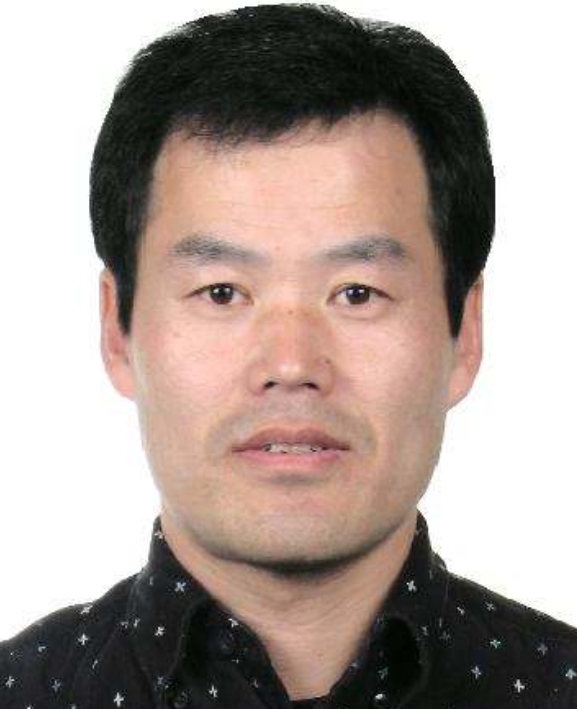 Fanjiang Kong (孔凡江)合作论文数Laboratory of Soybean Molecular Breeding, Northeast Institute of Geography and Agroecology, Chinese Academy of Sciences26
 Baohui Liu (刘宝辉)合作论文数University of Chinese Academy of Sciences;Northeast Institute of Geography and Agricultural, Chinese Academy of Sciences24
 Sijia Lu (芦思佳)合作论文数Guangzhou University21
 Haiyang li合作论文数Nanjing Agr Univ, Dept Plant Pathol, Nanjing 210095, Jiangsu, Peoples R China14
 Tong Su合作论文数Chinese Acad Sci, Innovat Acad Seed Design, Northeast Inst Geog & Agroecol, Key Lab Soybean Mol Design Breeding, Harbin, Peoples R China13
 Lidong Dong (董利东)合作论文数School of Life Sciences, Guangzhou University13
 chaofang (方超)合作论文数广州大学12
 Qun Cheng合作论文数12
 Liyu Chen (陈力予)合作论文数福建农林大学经济与管理学院11
 Shichen Li合作论文数10
 Chao Fang合作论文数Chinese Academy of Sciences, China University of Chinese Academy of Sciences10Xiaohui Zhao (赵晓辉)合作论文数10Haiyang Nan (南海洋)合作论文数10Lingshuang Wang合作论文数Chinese Acad Sci, Northeast Inst Geog & Agroecol, Key Lab Soybean Mol Design Breeding, Innovat Acad Seed Design, Harbin, Peoples R China9
 Zhihong Hou合作论文数School of Life Sciences, Guangzhou University, Guangzhou, China8
 Xiaohui Yuan (袁晓辉)合作论文数College of Plant Protection, Jilin Agricultural University8
 Xiaoya Lin (林晓雅)合作论文数School of Life Sciences, Guangzhou University6Kun Kou合作论文数Chinese Acad Sci, Northeast Inst Geog & Agroecol, Key Lab Soybean Mol Design Breeding, Innovat Acad Seed Design, Harbin, Peoples R China6Xiaoming Li合作论文数5
 Yanping Wang (王艳平)合作论文数College of Horticulture & Forestry Sciences of Huazhong Agricultural University5Milan He合作论文数4
 Haiping Du合作论文数4Fengge Zhang合作论文数4
 Yang Tang合作论文数4Lin Yue合作论文数Guangzhou Univ, Innovat Ctr Mol Genet & Evolut, Sch Life Sci, Guangzhou 510006, Peoples R China4Yongli Li合作论文数Guangzhou Univ, Innovat Ctr Mol Genet & Evolut, Sch Life Sci, Guangzhou, Peoples R China4
 Yuhang Zhang合作论文数Innovative Center of Molecular Genetics and Evolution, School of Life Sciences, Guangzhou University, Guangzhou 510405, China.4Zhihui Sun合作论文数3
 Xinyi Shi合作论文数3Tai Li合作论文数3
 Hao Du (都浩)合作论文数College of Agriculture and Biotechnology, Zhejiang University3
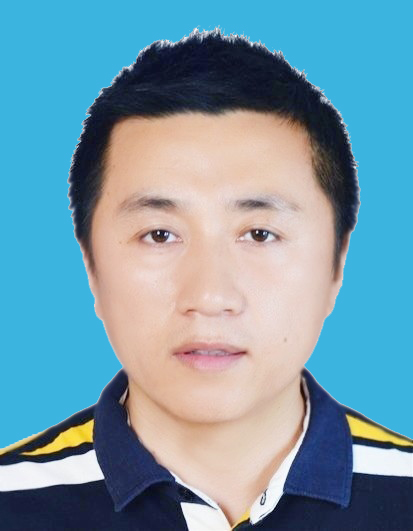 Xingliang Hou (侯兴亮)合作论文数South China Botanical Garden, Chinese Academy of Sciences3
 Chunbao Zhang (张春宝)合作论文数吉林省农业科学院3
 Zhixi Tian (田志喜)合作论文数State Key Laboratory of Plant Cell and Chromosome Engineering, Institute of Genetics and Developmental Biology, Chinese Academy of Sciences;University of Chinese Academy of Sciences3
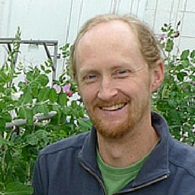 James L. Weller合作论文数University of Tasmania3
 Yilong Hu (胡一龙)合作论文数South China Botanical Garden, Chinese Academy of Sciences2Shuangrong Liu合作论文数2Chunmei Liao合作论文数2Yaru Li合作论文数2
 Shulin Liu (刘术林)合作论文数Institute of High Energy Physics, Chinese Academy of Sciences;University of Chinese Academy of Sciences2Zhuoran Gan合作论文数2Tingyu Li合作论文数2Chao Qin合作论文数2
 Elroy R. Cober合作论文数Agriculture and Agri-Food Canada, Ottawa Research and Development Center2YingDong Bi (毕影东)合作论文数2
 Yongcai Lai (来永才)合作论文数Heilongjiang Academy of Agricultural Sciences2
 Dong Cao合作论文数ByteDance AI Lab2Wang Fan合作论文数2Feifei Wang合作论文数2




