The interfacial heat resistance of carbon fiber reinforced polyether ketone ketone (CF/PEKK) composites plays a critical role in their high-temperature applications. In this study, polyetherimide (PEI), polysulfone (PSF) and polyethersulfone (PES) resins were selected as sizing agents for carbon fibers to investigate their effects on the interfacial heat resistance of CF/PEKK composites. Results show that all three sizing resins possess high thermal stability suitable for CF/PEKK composite processing and effectively enhance the interfacial shear strength (IFSS). PEI resin exhibited the best compatibility with the PEKK matrix. The PEI-sized CF/PEKK composites achieved the highest interfacial properties, with an IFSS value of 100.5 MPa, representing a 26.6 % improvement over desized composites. Analysis of interfacial heat resistance further revealed that composites modified with 1 wt% PEI retained the highest IFSS of 74.4 MPa at 140 degrees C, which is 31.7 % higher than that of desized composites under the same conditions. This enhancement primarily stems from the good compatibility and high heat resistance, which simultaneously improve the interfacial adhesion strength and thermal stability of CF/PEKK composites. These advantages help broaden the application prospects of CF/PEKK composites in high-temperature environments.
Cryogenic low-noise amplifiers (CLNAs) are of particular interest for applications such as radio astronomy and quantum information science. Here we report on the design and characterization of low-power-dissipation wideband CLNAs for a terahertz spectrometer onboard China's Space Station Telescope (CSST). A simple small-signal and noise model is established based on the DC and RF characteristics of SiGe heterojunction-bipolar-transistors (HBTs) adopted for this development. The developed SiGe HBT CLNAs at 4 K demonstrate an average noise temperature of 4.5 K and a gain of exceeding 35 dB in the frequency range of 0.1 GHz-1.1 GHz. With the power dissipation as low as 3 mW, the average noise temperature is still as low as 6.8 K. The combination of low power dissipation and low noise temperature is rather beneficial to applications in space instruments and complex systems.
Terahertz (THz) spectroscopy holds significant importance owing to the abundance of molecular and atomic fingerprint lines within this frequency range, enabling impactful applications in materials science, biology, and astronomy. Building on recent advancements in metasurface technology, we have developed a THz spectrometer that integrates a phase grating with two transmissive metasurfaces on a single platform. By mitigating chromatic dispersion and angular response limitations, the system incorporates a parallel focusing plane, simplifying integration with detector arrays, enhancing robustness, and reducing the requirement for incident light. Operating within the 1.23-1.43 THz range, the spectrometer achieves a theoretical resolution of 21 GHz, with a frequency resolution of 63 (f/Delta f). This compact terahertz spectrometer offers scalable solutions for hyperspectral imaging and THz astronomical observation, demonstrating the transformative potential of metasurface technology for miniaturizing high-performance THz spectroscopy systems.
In the traditional extrusion-based fused deposition modeling (FDM) process, the intrinsic voids generated in the monofilament preparation process will inherit into the printed components, which seriously deteriorates their mechanical and fatigue properties. The present investigation proposed a novel UV laser-assisted method to reduce these inherent voids of short-carbon-fiber-reinforced polyether ether ketone (SCF/PEEK) composites. Moreover, associated mechanisms were discussed with respect to the potential effects of irradiation temperature on material extrusion. It was found that the elliptic cavities induced by ruptures of the extrudate surface were attributed to the combination effects of molecular disentanglements and bubble expansions after exceeding the nozzle end-face. The bubble coalescence in the liquefier brings about a significant increment of the void dimensions at extrudate interior. Extensive round cavities covered by thin wrinkles emerged at the irradiated region, and these porous structures result from directional migrations of coalesced bubbles. These migrated bubbles were extruded during the formal deposition process, significantly reducing the porosity of printed straight lines. Specifically, the porosity of the straight line at laser preheat temperature T x = 296 degrees C decreases by 47.7%, compared with that of the monofilament.
The cycling of carbon between its ionized, atomic, and molecular phases shapes the chemical compositions and physical conditions of the interstellar medium (ISM). However, ground-based studies of the full carbon cycle have been limited by atmospheric absorption. Dome A, the most promising site for submillimeter astronomy, has long resisted successful submillimeter astronomical observations. Using the 60-centimeter Antarctic Terahertz Explorer, we present the first successful CO (4-3) and [CI] ([Formula: see text]) mapping observations of two archetypal triggered massive star-formation regions at Dome A. These data, together with archival [CII], provide the first complete characterization of all three carbon phases in these environments. We find elevated C0/CO abundance ratios in high-extinction regions, plausibly driven by deep penetration of intense radiation fields from massive stars into a clumpy ISM. These findings mark a major milestone for submillimeter astronomy at Dome A and offer valuable insights into the impact of massive star feedback on the surrounding ISM.
The terahertz (THz) frequency range is a vital window for modern astronomy, rich in atomic and molecular transitions that reveal the physical conditions of the interstellar medium and trace key stages of galaxy evolution. Superconducting detectors offer the sensitivity required in this band, but current systems rely mainly on low-temperature superconductors (LTS) such as aluminum, niobium, and niobium nitride. Their required operating temperatures below 4 K necessitate bulky and power-intensive cryogenic systems, greatly limiting the scalability and deployment of large detector arrays, especially for space missions or remote observatories. To overcome these limitations, this work investigates copper-based high-temperature superconductors (HTS), focusing on yttrium barium copper oxide (YBCO). With a critical temperature over 90 K, YBCO devices could, in principle, operate with simpler liquid-nitrogen cooling, reducing system complexity and cost. Here, we evaluate the conductive loss characteristics of YBCO thin films in the W-band (75-110 GHz), an essential step toward developing practical HTS THz detectors. We fabricated half-wavelength microstrip resonators from YBCO thin films grown on magnesium oxide (MgO) substrates and developed a dedicated waveguide-coupled measurement system operating from 4.5 K to 120 K. The setup combines a terahertz vector network analyzer with a closed-cycle 4 K cryocooler. Stainless-steel waveguides with goldplated interiors were employed and thermally anchored to balance transmission loss against heat conduction. A custom vacuum-seal flange with a thin Mylar membrane maintained the cryogenic vacuum while permitting efficient THz transmission. The measured insertion loss of the complete system was approximately 12 dB across 90-105 GHz. Initial measurements at 4.5 K showed clear resonance peaks whose frequencies agreed well with simulations. The extracted unloaded quality factor (Q approximate to 140) was comparable to gold resonators tested under identical conditions, confirming the basic operability of YBCO in the W-band. A pronounced temperature dependence was observed: the Qfactor remained stable between 4 K and 10 K but degraded rapidly above 30 K, indicating strong high-frequency loss mechanisms that differ from microwave behaviors and are not explained by the YBCO energy gap alone. In summary, this work establishes a robust methodology for characterizing HTS thin films in the millimeter-wave regime and demonstrates the initial feasibility of YBCO resonators at W-band frequencies. The results provide essential insight into temperature-dependent losses and lay the foundation for future optimization of YBCO film quality, fabrication techniques, and resonator design, with the long-term goal of enabling practical, high-performance HTS THz detectors.
Structural supercapacitors employing carbon fiber (CF)-based electrodes offer simultaneous load-bearing capability and energy storage, making them highly attractive for portable electronics and electric vehicles. However, the inherently low specific surface area of as-received CF significantly restricts the electrochemical performance of such devices. In this work, vertical carbon nanosheets (VCN) were grown on the CF surface, followed by the introduction of heteroatom-doped porous carbon (HDPC) derived from polyphosphazene with the assistance of a biomass-derived binder, forming a novel CF-based electrode through a synergistic modification strategy. Structural supercapacitors were subsequently assembled using the co-modified CF electrodes, a separator, and a homogeneous polymer electrolyte, and their electrochemical and mechanical properties were systematically evaluated. The results demonstrate that the specific surface area and electrochemical activity of the activated carbon materials modified (CF)-based electrode were significantly enhanced, yielding a maximum areal capacitance of 146.0 mF cm(-2) of structural supercapacitors. Meanwhile, the fabricated structural super-capacitor exhibits a flexural strength of 21.2 MPa and a flexural modulus of 1.6 GPa. Notably, the incorporation of biomass materials as a binder provides a sustainable and effective pathway for developing high-performance structural supercapacitors.
A terahertz (THz) waveguide directional coupler with weak coupling based on a single quartz chip is proposed in this letter. Three radial microstrip probes are adopted to offer a weak coupling, meanwhile corrugated structures are used to prevent the crosstalk between probes. Both probes and decoupling circuits have been integrated on the single quartz chip to replace the un-machinable waveguide branches in a traditional weak coupler. Besides, the angle and radius of each radial probe can be adjusted to obtain different coupling coefficients. Two quartz chip prototypes with different coupling coefficients of -20 and -17 dB have been produced and mounted in the WR-3.4 waveguide blocks. The measured coupling coefficients are -18 +/- 2 dB and -15 +/- 2 dB, respectively, which agree well with the simulation across the wideband of 200-290 GHz. This exploitation of a single quartz chip with adjustable coupling has exemplified the innovation of weak coupler design, which can meet the application requirements of THz sideband-separating receivers.
Predicting the flow-induced fiber deformation that limits the double-belt press (DBP) lamination of organosheets is critical for manufacturing high-performance composites. This work develops a dual-mechanism squeeze flow model that explicitly couples macroscopic squeeze flow with mesoscopic resin percolation, and an associated predictive framework, including a power-law criterion for instability initiation and a dimensionless Instability Index, to quantify the resulting fiber deformation. The developed squeeze flow model is validated against laboratory-scale experiments, and the Instability Index shows a strong positive correlation (, ) with measured fiber deformation in industrial-scale trials covering temperatures of 230 degrees C-270 degrees C, belt speeds of 2-6 mm/s and roller gaps of 2.0-2.4 mm. Furthermore, the influence of DBP process parameters, such as temperature, belt speed, and roll gap, on the mechanical properties of the final organosheets is analyzed, associating the observed non-monotonic trends with the fiber instability predicted by the framework. This validated framework provides a quantitative and practical tool for DBP process optimization, offering physical insight into process dependent instability and enabling high precision forming process simulation and performance control.
The boron catalytic graphitization mechanism is significant for increasing graphite crystallite size of carbon- based materials in thermal management and electromagnetic interference (EMI) shielding, which is urgently required for the consumer electronics and aerospace industries. However, because of the lack of an in-depth recognition of the boron catalytic graphitization, the optimization of intrinsic structure is hindered and the design of carbon materials for thermal management and EMI shielding is restricted. Herein, we systematically unveil of boron species, their geometrical and electronic structures on reactivity of graphitization. BC3 configuration enhances edge electron activity, facilitating the fusion of the graphene sheets. The migration of carbon atoms, causes transformation of the BC3 configuration into B4C intermediate, as evidenced by the X-ray absorption near edge structure (XANES) and density functional theory (DFT) calculations. Owing to the B4C via graphene proposing reactive wetting process, part of liquid state B4C is gradually removed via capillary channels from boron-assistant catalytic graphene films (GBF). Based on the mechanism, the prepared GBF finally possess high thermal conductivity (1223 W.m-1.K-1) and EMI shielding effectiveness (SE) of 112 dB in X band. This work reveals the graphitization process in microscale and paves the way for the development of carbon-based functional materials.
A novel terahertz (THz) waveguide directional coupler with weak coupling based on single quartz chip is proposed in this paper. Three radial microstrip probes are adopted to offer a weak coupling, meanwhile corrugated structures are used to prevent the cross-talk between probes. Both probes and decoupling circuits have been integrated on the single quartz chip to replace the un-machinable waveguide branches in traditional weak coupler. Besides, the angle and radius of each radial probe can be adjusted to obtain different coupling coefficients. Two quartz chip prototypes with different coupling coefficient of -20 dB and -17 dB have been produced and mounted in the WR-3.4 waveguide blocks. The measured coupling coefficients are -18±2 dB and -15±2 dB, respectively, which are agreement well with the simulation across the wideband of 200290 GHz. This exploitation of single quartz chip with adjustable coupling has exemplified the innovation of weak coupler design, which can meet the application requirements of terahertz sideband-separating receivers.
Understanding interfacial bonding strength formation mechanisms in overmolded hybrid composites is critical for designing high-performance structural components, as bond integrity governs overall structural performance. This work investigates interfacial bonding mechanisms of overmolded thermoplastic composites. An approach integrating experiments with a predictive framework incorporating crystallization kinetics into fusion bonding theory was employed. The results reveal that interfacial strength is governed by two coupled mechanisms: multi-scale mechanical interlocking and polymer healing with crystallization effects, which are influenced by material, surface, process, and geometric parameters. Framework validation demonstrated the critical role of polymer healing with crystallization effects in thermally driven phenomena. Furthermore, integrated analysis of simulation and experimental results revealed that for geometrically complex parts, macro-scale pressure-induced mechanical interlocking can be the dominant mechanism compared to molecular-level healing. This study provides mechanistic insight and a validated numerical tool for the design and optimization of overmolded thermoplastic composites.
500 GHz video transmission over 1.2 km is achieved using an astronomical telescope equipped with a quantum-limited superconducting SIS receiver.
Addressing the lack of high fidelity mechanism-informed models for pivotal electrochemical oxidation modification step of the inert carbonized carbon fiber surface, both the pristine and anodic oxidized PAN-derived industrial high strength carbon fiber modeling frameworks with refined internal structures are constructed for better surface molecular engineering regulations and furnishing the composites interface with more sophisticated building blocks. The internal chemical structure transitions for the carbon fiber surface layer are deduced considering the charge transfer in redox reactions, oxidation pathways driven by nascent deprotonation/oxygen-insertion active groups under the acidic or alkaline medium as well as organic named reactions. The proposed mechanism-integrated anodic oxidized carbon fiber surface model, based on the functionality of the desized T700 carbon fibers, as well as oxidative etching kinetics for the crystalline and the amorphous CF region, successfully reproduces the site-matching reactions and partitioned intercalation etching (SMR-PIE) attributes. The computational results of spontaneous sub-nanometer grooving morphology patterns after functionalization rearrangement, specific surface areas and the polar/non polar surface energy densities from intrinsic thermodynamics definitions are reconciled with reported experimental values.
The noise of a cryogenic low-noise amplifier (cryo-LNA) directly impacts the sensitivity of a terahertz superconducting heterodyne receiver. This paper aims to evaluate the noise temperature of a cryo-LNA and its suitability as the first stage IF amplifier for the heterodyne receiver, specifically the high-sensitivity terahertz detection module for the China Space Station Survey Telescope. Both the Cold Attenuator (CA) Method and the Variable Temperature Load (VTL) Method are employed to ensure confidence in the measured values. The maximum difference in results is 1K within the frequency range of 0.1-2 GHz, contributing to an uncertainty of 4K in the receiver's noise temperature. The measurement accuracy of the noise temperature is analyzed in detail, with particular emphasis on the influence of the cryogenic attenuator and the noise contribution from the connecting cable with a temperature gradient. Additionally, the dependence of the cryo-LNA's noise temperature on physical temperature and radiation hardness are verified to assess suitability for space applications.
 Yingdan Zhu (祝颖丹)合作论文数Ningbo Institute of Industrial Technology, Chinese Academy of Sciences64
 Chun Yan (颜春)合作论文数57
 Shengcai Shi (史生才)合作论文数Purple Mountain Observatory, Chinese Academy of Sciences51
 Haibing Xu (徐海兵)合作论文数中国科学院大学宁波材料所43
 Gang Chen (陈刚)合作论文数中国科学院宁波材料技术与工程研究所37
 Jing Li (李婧)合作论文数Purple Mountain Observatory, Chinese Academy of Sciences;University of Chinese Academy of Sciences;University of Science and Technology of China26
 Zheng Wang (王铮)合作论文数中国科学院大学高能物理研究所18
 Wei Miao (缪巍)合作论文数Purple Mountain Observatory, Chinese Academy of Sciences16Ming Yao合作论文数14
 Qijun Yao (姚骑均)合作论文数Purple Mountain Observatory, Chinese Academy of Sciences14
 Mingda Chen (陈明达)合作论文数中国科学院大学宁波材料所14Pengcheng Shi合作论文数13
 Lijing Xie (谢莉婧)合作论文数Institute of Coal Chemistry, Chinese Academy of Sciences12
 Wen Zhang (张文)合作论文数Antarctic Astronomy and Radio Astronomy, Purple Mountain Observatory, Chinese Academy of Sciences12
 Ping Chen (陈平)合作论文数School of Chemical Engineering, Dalian University of Technology11Hui Jia合作论文数10
 Dongxi Lv合作论文数10Bo-Liang Liu合作论文数10
 K.M. Zhou合作论文数10
 Chengmeng Chen (陈成猛)合作论文数Institute of Coal Chemistry, Chinese Academy of Sciences10
 Zhenhui Lin (林镇辉)合作论文数Purple Mountain Obsefvatory, Chinese Academy of Sciences9
 Jiangqiao Ding (丁江乔)合作论文数School of Electronics & Information Engineering, Nanjing University of Information Science & Technology9Qingqiang Kong合作论文数9
 Yuan Ren (任远)合作论文数Purple Mountain Observatory, Chinese Academy of Sciences9
 Jie Hu (胡杰)合作论文数Meituan8
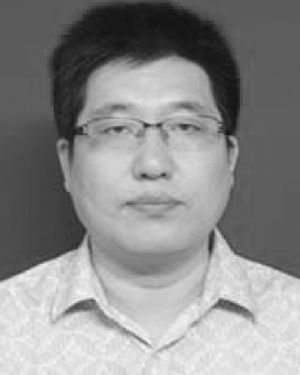 Wenying Duan合作论文数8
 Imran Ali合作论文数Dept Mech Mechatron & Mfg Engn, Univ Engn & Technol Lahore6
 Xiang Chen (陈想)合作论文数College of Computer Science and Technology, Zhejiang University;College of Computer Science, Zhejiang University;School of Computer Science and Technology, Zhejiang University6
 Jiaqiang Zhong合作论文数6
 Zechao Tao (陶则超)合作论文数University of Chinese Academy of Sciences;Institute of Coal Chemistry, Chinese Academy of Sciences5Shijie Qi合作论文数5Kun Zhang合作论文数5
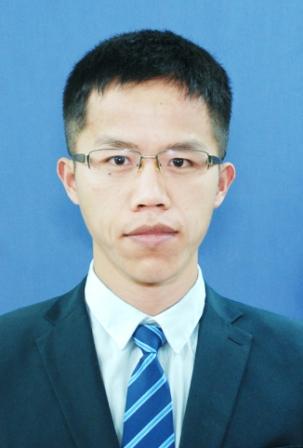 Feng Wu (吴峰)合作论文数Wuhan National Laboratory for Optoelectronics, Huazhong University of Science and Technology5
 Dong Jiang (姜东)合作论文数Institute of Coal Chemistry, Chinese Academy of Sciences5Youqiang Yao合作论文数5GuoAo Xie合作论文数4Yunyun Ma合作论文数4
 Zhang Kun合作论文数4Jia Quan合作论文数4Junda Jin合作论文数4
 Guangbin Cai合作论文数4Mingxin Chen合作论文数4LiYan Tu (涂丽艳)合作论文数4
 Xiaofei Wu合作论文数4Yilong Zhang合作论文数Mm & Submm Lab, Purple Mountain Observatory4Xinyao Lin合作论文数4Zhe Liu合作论文数4
 Wen Wu (吴文)合作论文数School of Electronic and Optical Engineering, Nanjing University of Science and Technology4
 Zheng Lou (娄正)合作论文数Institute of Semiconductors, Chinese Academy of Sciences4




