Transcriptome-wide association study (TWAS) is a powerful strategy for elucidating the molecular mechanisms behind the genetic loci of complex phenotypes. However, TWAS analysis is still daunting in many species due to the complication of the TWAS analysis pipeline, including the construction of the gene expression reference panel, gene expression prediction, and the subsequent association analysis in the large cohorts of genome-wide association study (GWAS). Farm animals are major protein sources and biomedical models for humans. To facilitate the translation of genetic findings across species, here we provide an interactive and easy-to-use multi-species TWAS web server for the entire community, called the FarmGTEx TWAS-server ( http://twas.farmgtex.org ), which is based on the GTEx and FarmGTEx projects. It includes gene expression data from 49, 34, and 23 tissues in 838 humans, 5,457 pigs, and 4,889 cattle, representing 38,180, 21,037, and 17,942 distinct eGenes in prediction models for humans, pigs, and cattle, respectively. It allows users to conduct gene expression prediction for any individuals with genotypes, GWAS summary statistics imputation, customized TWAS, and popular downstream functional annotation. It also provides 479,203, 1,208, and 657 tissue-gene-trait association trios for the research community, representing 1,129 human traits, 41 cattle traits, and 11 pig traits. In summary, the FarmGTEx TWAS-server is a one-stop solution for performing TWAS analysis for researchers without programming skills in both human and farm animal research communities. It will be maintained and updated timely within the FarmGTEx project to facilitate gene mapping and phenotype prediction within and across species.
To complete the genome-to-phenome map, transcriptome-wide association studies (TWAS) are performed to correlate genetically predicted gene expression with observed phenotypic measurements. However, the relatively small training population assayed with gene expression could limit the accuracy of TWAS. We propose Genetic Score Omics Regression (GSOR) correlating observed gene expression with genetically predicted phenotype, i.e., genetic score. The score, calculated using variants near genes with assayed expression, provides a powerful association test between cis-effects on gene expression and the trait. In simulated and real data, GSOR outperforms TWAS in detecting causal/informative genes. Applying GSOR to transcriptomes of 16 tissue (N∼5000) and 37 traits in ∼120,000 cattle, multi-trait meta-analyses of omics-associations (MTAO) found that, on average, each significant gene expression and splicing mediates cis-genetic effects on 8∼10 traits. Supported by Mendelian Randomisation, MTAO prioritised genes/splicing show increased evolutionary constraints. Many newly discovered genes/splicing regions underlie previously thought single-gene loci to influence multiple traits.
The cross-species characterization of evolutionary changes in the functional genome can facilitate the translation of genetic findings across species and the interpretation of the evolutionary basis underlying complex phenotypes. Yet, this has not been fully explored between cattle, sheep, goats, and other mammals. Here, we systematically characterized the evolutionary dynamics of DNA methylation and gene expression in 3 somatic tissues (i.e. brain, liver, and skeletal muscle) and sperm across 7 mammalian species, including 3 ruminant livestock species (cattle, sheep, and goats), humans, pigs, mice, and dogs, by generating and integrating 160 DNA methylation and transcriptomic data sets. We demonstrate dynamic changes of DNA hypomethylated regions and hypermethylated regions in tissue-type manner across cattle, sheep, and goats. Specifically, based on the phylo-epigenetic model of DNA methylome, we identified a total of 25,074 hypomethylated region extension events specific to cattle, which participated in rewiring tissue-specific regulatory network. Furthermore, by integrating genome-wide association studies of 50 cattle traits, we provided novel insights into the genetic and evolutionary basis of complex phenotypes in cattle. Overall, our study provides a valuable resource for exploring the evolutionary dynamics of the functional genome and highlights the importance of cross-species characterization of multiomics data sets for the evolutionary interpretation of complex phenotypes in cattle livestock.
The Farm Animal Genotype-Tissue Expression (FarmGTEx) project has been established to develop a public resource of genetic regulatory variants in livestock, which is essential for linking genetic polymorphisms to variation in phenotypes, helping fundamental biological discovery and exploitation in animal breeding and human biomedicine. Here we show results from the pilot phase of PigGTEx by processing 5,457 RNA-sequencing and 1,602 whole-genome sequencing samples passing quality control from pigs. We build a pig genotype imputation panel and associate millions of genetic variants with five types of transcriptomic phenotypes in 34 tissues. We evaluate tissue specificity of regulatory effects and elucidate molecular mechanisms of their action using multi-omics data. Leveraging this resource, we decipher regulatory mechanisms underlying 207 pig complex phenotypes and demonstrate the similarity of pigs to humans in gene expression and the genetic regulation behind complex phenotypes, supporting the importance of pigs as a human biomedical model.
BACKGROUND:African cattle represent a unique resource of genetic diversity in response to adaptation to numerous environmental challenges. Characterising the genetic landscape of indigenous African cattle and identifying genomic regions and genes of functional importance can contribute to targeted breeding and tackle the loss of genetic diversity. However, pinpointing the adaptive variant and determining underlying functional mechanisms of adaptation remains challenging. RESULTS:In this study, we use selection signatures from whole-genome sequence data of eight indigenous African cattle breeds in combination with gene expression and quantitative trait loci (QTL) databases to characterise genomic targets of artificial selection and environmental adaptation and to identify the underlying functional candidate genes. In general, the trait-association analyses of selection signatures suggest the innate and adaptive immune system and production traits as important selection targets. For example, a large genomic region, with selection signatures identified for all breeds except N'Dama, was located on BTA27, including multiple defensin DEFB coding-genes. Out of 22 analysed tissues, genes under putative selection were significantly enriched for those overexpressed in adipose tissue, blood, lung, testis and uterus. Our results further suggest that cis-eQTL are themselves selection targets; for most tissues, we found a positive correlation between allele frequency differences and cis-eQTL effect size, suggesting that positive selection acts directly on regulatory variants. CONCLUSIONS:By combining selection signatures with information on gene expression and QTL, we were able to reveal compelling candidate selection targets that did not stand out from selection signature results alone (e.g. GIMAP8 for tick resistance and NDUFS3 for heat adaptation). Insights from this study will help to inform breeding and maintain diversity of locally adapted, and hence important, breeds.
Butyrate contributes epigenetically to the changes in cellular function and tissue development of the rumen in ruminant animals, which might be achieved by its genetic or epigenetic regulation of gene expression. To explore the role of butyrate on bovine rumen epithelial function and development, this study characterized genome-wide H3K27ac modification changes and super-enhancer profiles in rumen epithelial primary cells (REPC) induced with butyrate by ChIP-seq, and analyzed its effects on gene expression and functional pathways by integrating RNA-seq data. The results showed that genome-wide acetylation modification was observed in the REPC with 94,675 and 48,688 peaks in the butyrate treatment and control group, respectively. A total of 9750 and 5020 genes with increased modification (H3K27ac-gain) and decreased modification (H3K27ac-loss) were detected in the treatment group. The super-enhancer associated genes in the butyrate-induction group were involved in the AMPK signaling pathway, MAPK signaling pathway, and ECM-receptor interaction. Finally, the up-regulated genes (PLCG1, CLEC3B, IGSF23, OTOP3, ADTRP) with H3K27ac gain modification by butyrate were involved in cholesterol metabolism, lysosome, cell adhesion molecules, and the PI3K-Akt signaling pathway. Butyrate treatment has the role of genome-wide H3K27ac acetylation on bovine REPC, and affects the changes in gene expression. The effect of butyrate on gene expression correlates with the acetylation of the H3K27ac level. Identifying genome-wide acetylation modifications and expressed genes of butyrate in bovine REPC cells will expand the understanding of the biological role of butyrate and its acetylation.
Abstract Chicken is a valuable model for understanding fundamental biology and vertebrate evolution, as well as a major source of nutrient-dense and lean-protein-enriched food globally. Although it is the first non-mammalian amniote genome to be sequenced, the chicken genome still lacks a systematic characterization of functional variation. Here, through integrating bulk RNA-Seq of 7,015 samples, single-cell RNA-Seq of 127,598 cells and 2,869 whole-genome sequences, we presented an atlas of regulatory variants across 28 chicken tissues and 43 cell types, including millions of regulatory effects on primary expression (protein-coding genes, lncRNA and exon) and post-transcriptional modifications (alternative splicing and 3’ untranslated region alternative polyadenylation). We highlighted distinct molecular mechanisms underlying these regulatory variants and their context dependence and utility in interpreting genome-wide associations of 108 chicken complex traits. Finally, we illustrated lineage-specific features of gene regulation between chickens and mammals, and demonstrated how this resource can assist with cross-species gene mapping of complex traits.
Many quantitative trait loci (QTLs) are in non-coding regions. Therefore, QTLs are assumed to affect gene regulation. Gene expression and RNA splicing are primary steps of transcription, so DNA variants changing gene expression (eVariants) or RNA splicing (sVariants) are expected to significantly affect phenotypes. We quantify the contribution of eVariants and sVariants detected from 16 tissues (n = 4,725) to 37 traits of 120,000 cattle (average magnitude of genetic correlation between traits = 0.13). Analyzed in Bayesian mixture models, averaged across 37 traits, cis and trans eVariants and sVariants detected from 16 tissues jointly explain 69.2% (SE = 0.5%) of heritability, 44% more than expected from the same number of random variants. This 69.2% includes an average of 24% from trans e-/sVariants (14% more than expected). Averaged across 56 lipidomic traits, multi-tissue cis and trans e-/sVariants also explain 71.5% (SE = 0.3%) of heritability, demonstrating the essential role of proximal and distal regulatory variants in shaping mammalian phenotypes.
Understanding the molecular and cellular mechanisms that underlie complex traits in pigs is crucial for enhancing their genetic improvement program and unleashing their substantial potentials in human biomedicine research. Here, we conducted a meta-GWAS analysis for 232 complex traits with 28.3 million imputed whole-genome sequence variants in 70,328 individuals from 14 pig breeds. We identified a total of 6,878 genomic regions associated with 139 complex traits. By integrating with the Pig Genotype-Tissue Expression (PigGTEx) resource, we systemically explored the biological context and regulatory circuits through which these trait-associated variants act and finally prioritized 16,664 variant-gene-tissue-trait circuits. For instance, rs344053754 regulates the expression of UGT2B31 in the liver by affecting the activity of regulatory elements and ultimately influences litter weight at weaning. Furthermore, we investigated the conservation of genetic and regulatory mechanisms underlying 136 human traits and 232 pig traits. Overall, our multi-breed meta-GWAS in pigs provides invaluable resources and novel insights for understanding the regulatory and evolutionary mechanisms of complex traits in both pigs and humans.
Abstract Considering that artificial insemination is the most widely used assisted reproductive technique in the dairy industry, the semen quality of bulls is very important for selecting excellent stud bulls. Sperm motility is one of the important traits of semen quality, and related genes may be regulated by environmental factors. Seminal plasma can affect sperm cell transcriptome and further affect sperm motility through exosome or other processes. However, the molecular regulation mechanism of bull sperm motility has not been studied by combining the sperm cell transcriptome with seminal plasma metabolome. The number of motile sperm per ejaculate (NMSPE) is an integrated indicator for assessing sperm motility in stud bulls. In the present study, we selected 7 bulls with higher NMSPE (5,698.55 million +/− 945.40 million) as group H and 7 bulls with lower NMSPE (2,279.76 million +/− 1,305.69 million) as group L from 53 Holstein stud bulls. The differentially expressed genes (DEGs) in sperm cells were evaluated between the two groups (H vs. L). We conducted gene co-expression network analysis (WGCNA) on H and L groups of bulls, as well as two monozygotic twin Holstein bulls with different NMSPE values, to screen candidate genes for NMSPE. The regulatory effect of seminal plasma metabolome on the candidate genes of NMSPE was also investigated. A total of 1,099 DEGs were identified in the sperm cells of H and L groups. These DEGs were primarily concentrated in energy metabolism and sperm cell transcription. The significantly enriched Kyoto encyclopedia of genes and genomes (KEGG) pathways of the 57 differential metabolites were the aminoacyl–tRNA biosynthesis pathway and vitamin B6 metabolism pathway. Our study discovered 14 genes as the potential candidate markers for sperm motility, including FBXO39. We observed a broad correlation between transcriptome of sperm cells and seminal plasma metabolome, such as three metabolites, namely, mesaconic acid, 2-coumaric acid, and 4-formylaminoantipyrine, might regulate FBXO39 expression through potential pathways. The genes related to seminal plasma metabolites expressed in sperm cells are not only located near the quantitative trait loci of reproductive traits, but also enriched in the genome-wide association study signal of sire conception rate. Collectively, this study was the first to investigate the interplays among transcriptome of sperm cells and seminal plasma metabolome from Holstein stud bulls with different sperm motility.
Despite the clear potential of livestock models of human functional variants to provide important insights into the biological mechanisms driving human diseases and traits, their use to date has been limited. Generating such models via genome editing is costly and time consuming, and it is unclear which variants will have conserved effects across species. In this study we address these issues by studying naturally occurring livestock models of human functional variants. We show that orthologues of over 1.6 million human variants are already segregating in domesticated mammalian species, including several hundred previously directly linked to human traits and diseases. Models of variants linked to particular phenotypes, including metabolomic disorders and height, are preferentially shared across species, meaning studying the genetic basis of these phenotypes is particularly tractable in livestock. Using machine learning we demonstrate it is possible to identify human variants that are more likely to have an existing livestock orthologue, and, importantly, we show that the effects of functional variants are often conserved in livestock, acting on orthologous genes with the same direction of effect. Consequently, this work demonstrates the substantial potential of naturally occurring livestock carriers of orthologues of human functional variants to disentangle their functional impacts.
Characterization of genetic regulatory variants acting on livestock gene expression is essential for interpreting the molecular mechanisms underlying traits of economic value and for increasing the rate of genetic gain through artificial selection. Here we build a Cattle Genotype–Tissue Expression atlas (CattleGTEx) as part of the pilot phase of the Farm animal GTEx (FarmGTEx) project for the research community based on 7,180 publicly available RNA-sequencing (RNA-seq) samples. We describe the transcriptomic landscape of more than 100 tissues/cell types and report hundreds of thousands of genetic associations with gene expression and alternative splicing for 23 distinct tissues. We evaluate the tissue-sharing patterns of these genetic regulatory effects, and functionally annotate them using multiomics data. Finally, we link gene expression in different tissues to 43 economically important traits using both transcriptome-wide association and colocalization analyses to decipher the molecular regulatory mechanisms underpinning such agronomic traits in cattle. The cattle Genotype–Tissue Expression atlas of expression and splicing QTLs is generated from 7,180 uniformly re-processed RNA-seq samples. Integration with GWAS identifies candidate genes and variants associated with economically important traits.
Background Insights into the genetic basis of complex traits and disease in both human and livestock species have been achieved over the past decade through detection of genetic variants in genome-wide association studies (GWAS). A majority of such variants were found located in noncoding genomic regions, and though the involvement of numerous regulatory elements (REs) has been predicted across multiple tissues in domesticated animals, their evolutionary conservation and effects on complex traits have not been fully elucidated, particularly in ruminants. Here, we systematically analyzed 137 epigenomic and transcriptomic datasets of six mammals, including cattle, sheep, goats, pigs, mice, and humans, and then integrated them with large-scale GWAS of complex traits. Results Using 40 ChIP-seq datasets of H3K4me3 and H3K27ac, we detected 68,479, 58,562, 63,273, 97,244, 111,881, and 87,049 REs in the liver of cattle, sheep, goats, pigs, humans and mice, respectively. We then systematically characterized the dynamic functional landscapes of these REs by integrating multi-omics datasets, including gene expression, chromatin accessibility, and DNA methylation. We identified a core set ( n = 6359) of ruminant-specific REs that are involved in liver development, metabolism, and immune processes. Genes with more complex cis-REs exhibited higher gene expression levels and stronger conservation across species. Furthermore, we integrated expression quantitative trait loci (eQTLs) and GWAS from 44 and 52 complex traits/diseases in cattle and humans, respectively. These results demonstrated that REs with different degrees of evolutionary conservation across species exhibited distinct enrichments for GWAS signals of complex traits. Conclusions We systematically annotated genome-wide functional REs in liver across six mammals and demonstrated the evolution of REs and their associations with transcriptional output and conservation. Detecting lineage-specific REs allows us to decipher the evolutionary and genetic basis of complex phenotypes in livestock and humans, which may benefit the discovery of potential biomedical models for functional variants and genes of specific human diseases.
Comparing transcriptome can help us reveal the genetic and evolutionary architecture underlying complex phenotypes within and between species. Here, by analyzing 386 publicly available RNA sequencing samples using a uniform bioinformatics pipeline, we systematically compared expression profiles of 10 immune-relevant tissues across humans, mice, pigs, cattle, sheep, and chickens. In general, we demonstrated that gene expression of orthologous genes was conserved within tissues across species. By integrating our findings with results of genome-wide association studies (GWAS) from 17 health-relevant traits in humans and 16,539 health-relevant quantitative trait loci (QTLs) in animals, we found that transcriptionally conserved genes were significantly enriched for more heritability of complex traits, compared to species-specific genes. In conclusion, our results advanced the knowledge of the transcriptome evolution of immune tissues and demonstrated that multi-species transcriptome comparison is highly informative for understanding the genetics of complex traits/disease.
We profiled landscapes of bovine regulatory elements and explored dynamic changes of chromatin states in rumen development during weaning. The regulatory elements (15 chromatin states) and their coordinated activities in cattle were defined through genome-wide profiling of four histone modifications, CTCF-binding, DNA accessibility, DNA methylation, and transcriptome in rumen epithelial tissues. Each chromatin state presented specific enrichment for sequence ontology, methylation, trait-associated variants, transcription, gene expression-associated variants, selection signatures, and evolutionarily conserved elements. During weaning, weak enhancers and flanking active transcriptional start sites (TSS) were the most dynamic chromatin states and occurred in tandem with significant variations in gene expression and DNA methylation, significantly associated with stature, production, and reproduction economic traits. By comparing with in vitro cultured epithelial cells and in vivo rumen tissues, we showed the commonness and uniqueness of these results, especially the roles of cell interactions and mitochondrial activities in tissue development.
Background Cross-species comparison of transcriptomes is important for elucidating evolutionary molecular mechanisms underpinning phenotypic variation between and within species, yet to date it has been essentially limited to model organisms with relatively small sample sizes. Results Here, we systematically analyze and compare 10,830 and 4866 publicly available RNA-seq samples in humans and cattle, respectively, representing 20 common tissues. Focusing on 17,315 orthologous genes, we demonstrate that mean/median gene expression, inter-individual variation of expression, expression quantitative trait loci, and gene co-expression networks are generally conserved between humans and cattle. By examining large-scale genome-wide association studies for 46 human traits (average n = 327,973) and 45 cattle traits (average n = 24,635), we reveal that the heritability of complex traits in both species is significantly more enriched in transcriptionally conserved than diverged genes across tissues. Conclusions In summary, our study provides a comprehensive comparison of transcriptomes between humans and cattle, which might help decipher the genetic and evolutionary basis of complex traits in both species.
Background Meiotic recombination is one of the important phenomena contributing to gamete genome diversity. However, except for human and a few model organisms, it is not well studied in livestock, including cattle. Results To investigate their distributions in the cattle sperm genome, we sequenced 143 single sperms from two Holstein bulls. We mapped meiotic recombination events at high resolution based on phased heterozygous single nucleotide polymorphism (SNP). In the absence of evolutionary selection pressure in fertilization and survival, recombination events in sperm are enriched near distal chromosomal ends, revealing that such a pattern is intrinsic to the molecular mechanism of meiosis. Furthermore, we further validated these findings in single sperms with results derived from sequencing its family trio of diploid genomes and our previous studies of recombination in cattle. Conclusions To our knowledge, this is the first large-scale single sperm whole-genome sequencing effort in livestock, which provided useful information for future studies of recombination, genome instability, and male infertility.
Identifying epigenetic changes is essential for an in-depth understanding of phenotypic diversity and pigs as the human medical model for anatomizing complex diseases. Abnormal sperm DNA methylation can lead to male infertility, fetal development failure, and affect the phenotypic traits of offspring. However, the whole genome epigenome map in pig sperm is lacking to date. In this study, we profiled methylation levels of cytosine in three commercial pig breeds, Landrace, Duroc, and Large White using whole-genome bisulfite sequencing (WGBS). The results showed that the correlation of methylation levels between Landrace and Large White pigs was higher. We found that 1,040–1,666 breed-specific hypomethylated regions (HMRs) were associated with embryonic developmental and economically complex traits for each breed. By integrating reduced representation bisulfite sequencing (RRBS) public data of pig testis, 1743 conservated HMRs between sperm and testis were defined, which may play a role in spermatogenesis. In addition, we found that the DNA methylation patterns of human and pig sperm showed high similarity by integrating public data from WGBS and chromatin immunoprecipitation sequencing (ChIP-seq) in other mammals, such as human and mouse. We identified 2,733 conserved HMRs between human and pig involved in organ development and brain-related traits, such as NLGN1 (neuroligin 1) containing a conserved-HMR between human and pig. Our results revealed the similarities and diversity of sperm methylation patterns among three commercial pig breeds and between human and pig. These findings are beneficial for elucidating the mechanism of male fertility, and the changes in commercial traits that undergo strong selection.
Background Characterization of the molecular mechanisms underlying hair follicle development is of paramount importance in the genetic improvement of wool-related traits in sheep and skin-related traits in humans. The Merino is the most important breed of fine-wooled sheep in the world. In this study, we systematically investigated the complexity of sheep hair follicle development by integrating transcriptome and methylome datasets from Merino sheep skin. Results We analysed 72 sequence datasets, including DNA methylome and the whole transcriptome of four gene types, i.e. protein-coding genes (PCGs), lncRNAs, circRNAs, and miRNAs, across four embryonic days (E65, E85, E105, and E135) and two postnatal days (P7 and P30) from the skin tissue of 18 Merino sheep. We revealed distinct expression profiles of these four gene types across six hair follicle developmental stages, and demonstrated their complex interactions with DNA methylation. PCGs with stage-specific expression or regulated by stage-specific lncRNAs, circRNAs, and miRNAs were significantly enriched in epithelial differentiation and hair follicle morphogenesis. Regulatory network and gene co-expression analyses identified key transcripts controlling hair follicle development. We further predicted transcriptional factors (e.g. KLF4, LEF1, HOXC13, RBPJ, VDR, RARA, and STAT3) with stage-specific involvement in hair follicle morphogenesis. Through integrating these stage-specific genomic features with results from genome-wide association studies (GWAS) of five wool-related traits in 7135 Merino sheep, we detected developmental stages and genes that were relevant with wool-related traits in sheep. For instance, genes that were specifically upregulated at E105 were significantly associated with most of wool-related traits. A phenome-wide association study (PheWAS) demonstrated that candidate genes of wool-related traits (e.g. SPHK1, GHR, PPP1R27, CSRP2, EEF1A2, and PTPN1) in sheep were also significantly associated with dermatological, metabolic, and immune traits in humans. Conclusions Our study provides novel insights into the molecular basis of hair follicle morphogenesis and will serve as a foundation to improve breeding for wool traits in sheep. It also indicates the importance of studying gene expression in the normal development of organs in understanding the genetic architecture of economically important traits in livestock. The datasets generated here are useful resources for functionally annotating the sheep genome, and for elucidating early skin development in mammals, including humans.
Epigenetic modification plays a critical role in establishing and maintaining cell differentiation, embryo development, tumorigenesis and many complex diseases. However, little is known about the epigenetic regulatory mechanisms for milk production in dairy cattle. Here, we conducted an epigenome-wide study, together with gene expression profiles to identify important epigenetic candidate genes related to the milk production traits in dairy cattle. Whole-genome bisulphite sequencing and RNA sequencing were employed to detect differentially methylated genes (DMG) and differentially expressed genes (DEG) in blood samples in dry period and lactation period between two groups of cows with extremely high and low milk production performance. A total of 10,877 and 6,617 differentially methylated regions were identified between the two groups in the two periods, which corresponded to 3,601 and 2,802 DMGs, respectively. Furthermore, 156 DEGs overlap with DMGs in comparison of the two groups, and 131 DEGs overlap with DMGs in comparison of the two periods. By integrating methylome, transcriptome and GWAS data, some potential candidate genes for milk production traits in dairy cattle were suggested, such as DOCK1, PTK2 and PIK3R1. Our studies may contribute to a better understanding of epigenetic modification on milk production traits of dairy cattle.
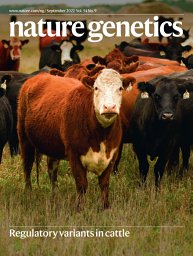 Lingzhao Fang合作论文数Univ Edinburgh, Inst Genet & Canc, MRC Human Genet Unit, Edinburgh, Midlothian, Scotland30
 George Liu合作论文数United States Department of Agriculture27
 Shengli Zhang (张胜利)合作论文数College of Animal Science and Technology, China Agricultural University21
 Ying Yu (俞英)合作论文数College of Animal Science and Technology, China Agricultural University15
 Li Ma合作论文数Department of Statistical Science, Duke University;Department of Biostatistics & Bioinformatics, Duke University14Congjun Li合作论文数ARS, USDA13
 John B Cole合作论文数Animal Genomics and Improvement Laboratory,
Henry A. Wallace Beltsville Research Center, Agricultural Research Service, USDA12
John B Cole合作论文数Animal Genomics and Improvement Laboratory,
Henry A. Wallace Beltsville Research Center, Agricultural Research Service, USDA12 Wentao Cai合作论文数Institute of Animal Science, Chinese Academy of Agricultural Sciences10
 Bingjie Li合作论文数10
 Siqian Chen (陈思倩)合作论文数College of Animal Science and Technology, China Agricultural University8Hongwei Yin合作论文数8Xiang Ruidong合作论文数Robinson Research Institute, The University of Adelaide;School of Animal and Veterinary Sciences, The University of Adelaide;The University of Adelaide, The University of Adelaide8Albert Tenesa合作论文数8
 Benjamin Rosen合作论文数Department of Radiation Oncology, Faculty of Physics, University of Michigan Medical School7
 Cong Li (李聪)合作论文数College of Animal Science and Technology, Northwest A&F University7
 Xiaolong Kang (康晓龙)合作论文数Ningxia University7
 Curtis P Van Tassell合作论文数Animal Genomics and Improvement Laboratory, Beltsville Agricultural Research Center, U.S. Department of Agriculture, Agricultural Research Service7Chenghao Zhou合作论文数6Mei Liu合作论文数6
 Yuelin Yao合作论文数MRC Human Genetics Unit, University of Edinburgh6Randy Baldwin合作论文数Animal Genomics and Improvement Laboratory, United States Department of Agriculture, Agricultural Research Service6
 Yahui Gao (高亚辉)合作论文数School of Life Sciences, Xiamen University6Shaolei Shi合作论文数5
 Amanda J. Chamberlain合作论文数Agriculture Victoria, AgriBio, Centre for AgriBiosciences5
 Xiangdong Ding (丁向东)合作论文数College of Animal Science and Technology, China Agricultural University5
 Yang Zhou (周扬)合作论文数Huazhong Agricultural University5
 Qin Zhang (张勤)合作论文数College of Animal Science, Inner Mongolia Agricultural University;College of Animal Science and Technology, Shandong Agricultural University5
 Bingru Zhao合作论文数4
 Zhonghao Bai合作论文数4
 Qing Lin合作论文数4
 Jinyan Teng合作论文数South China Agricultural University4
 Charley Xia合作论文数Univ Edinburgh, Inst Genet & Mol Med, MRC Human Genet Unit, Edinburgh EH4 2XU, Midlothian, Scotland4
 Xiujin Li合作论文数4
 Cao Mingyue (曹明月)合作论文数4Dominique Rocha合作论文数AgroParisTech, Paris-Saclay University4
 Sheng Wang合作论文数Zelixir Biotech4Wenlong Li合作论文数4Steven G Schroeder (Steve)合作论文数Animal Genomics and Improvement Laboratory, Beltsville Agricultural Research Center, Agricultural Research Service, U.S. Department of Agriculture4
 E. E. Connor合作论文数Department of Fisheries and Wildlife Sciences;Virginia Polytechnic Institute, State University;Department of Fisheries and Wildlife Sciences, Virginia Polytechnic Institute and State University4
 Konrad Rawlik合作论文数Roslin Institute, University of Edinburgh4
 Oriol Canela-Xandri合作论文数4
 Mi Siyuan合作论文数3Yongjie Tang合作论文数3
 Shuqi Diao合作论文数College of Animal Science, South China Agricultural University3
 Lin Shudai合作论文数3
 Erola Pairo-Castineira合作论文数The University of Edinburgh3Ze Yan合作论文数3




