Metallothioneins (MTs) comprise an exceptionally heterogeneous protein family with cysteine-rich domains playing crucial roles in metal detoxification for eukaryotes, including protists. Although Paramecium, a well-known ciliated protozoan, is an ideal model for metal stress studies, its MT gene family remains poorly characterized. Here, we characterized 21 putative MT genes from 13 Paramecium species, classifying them into subfamily 7a. On average, approximately two MT genes were identified per species, with numbers ranging from one to five across the genus. These MTs exhibit distinctive traits such as higher molecular weight (14.98-75.83 kDa), relatively high cysteine content (20.71-30.04 %), diverse cysteine clusters (CXC, XCX, and CC), and good metal-binding capacity (10-73 Cd2+/molecule). We performed acute toxicity tests on the model Paramecium tetraurelia using cadmium/copper and determined 24 h LC50 value of 0.7 mg/L for Cd2+ and 3.96 mg/L for Cu2+. Transcriptomic and proteomic analyses revealed time-dependent expression of P. tetraurelia MT (PtetMT) under metal stress, being more sensitive to Cd than Cu. The calculated tertiary structure and predicted biological functions of PtetMT showed two domains known as the dumbbell-like or yoyo-like structure. Overexpression of PtetMT enhanced metal tolerance: for Cd, it promoted accumulation and activated antioxidant enzymes (SOD, CAT, GPX), reducing ROS; for Cu, it likely facilitated detoxification via interactions with copper transport proteins, decreasing intracellular content. This study presents the first genome-wide insight into the MT family in Paramecium, delivering proteomic and molecular evidence to elucidate its metal-responsive role.
During the periparturient phase, dairy cows undergo profound physiological, metabolic, and immunological changes that affect their health, productivity, and reproductive efficiency, with the liver playing a central role in adaptation. In this study, liver transcriptomic changes were assessed in six multiparous Holstein cows by targeting samples approximately 21 d before expected calving date (D-21) and 7 d after calving (D+7) using RNA sequencing. A total of 198 differentially expressed genes (DEGs) were identified between D-21 and D+7 (140 upregulated and 58 downregulated) using |log(2)[fold-change (FC)]|> 1 and a Benjamini-Hochberg-adjusted P-value < 0.05. At D+7, genes associated with lipid handling, energy metabolism, gluconeogenesis, and cell division were activated, reflecting the elevated energy demands of early lactation. In contrast, genes involved in glycogen, polysaccharide, and ketone metabolism were repressed, indicating metabolic prioritization of energy production overgrowth and storage. KEGG pathway analysis revealed activation of endocrine, digestive, and metabolic pathways, while the p53 signaling pathway controlling the cell cycle and DNA damage response was downregulated, likely promoting cell survival and adaptation. Co-expression network analysis further confirmed activation of these biological processes and pathways. In conclusion, these findings provide insights into liver transcriptomic adaptations that enable periparturient Holstein cows to meet the heightened metabolic demands of early lactation, offering potential targets for improving health and productivity during this critical period.
Pangenomes of several species have been assembled recently, facilitating the detection and genotyping of structural variants. As part of the FarmGTEx Project, we previously constructed a Holstein pangenome (H20D) based on 40 phased haploid assemblies. Here, we use this breed specific pangenome to genotype 93,059 structural variants from whole-genome sequences of 1,571 cattle. We then develop a Holstein pangenome variation imputation reference panel we name HolPIP. Leveraging HolPIP, we impute 86.65% (68,354/78,886) of structural variants for 50,299 bulls with Beagle R² ≥ 0.8. Using these imputed structural variants and phenotypes for 43 complex traits, we conduct GWAS, identifying 1,225 structural variant-trait associations. We next use fine-mapping to prioritize 32 high-confidence candidate structural variants, including a 75-bp deletion in ANKRD11 linked to dairy form, rump width, and stature, as well as an insertion in DHX32 associated with RNA metabolism. Compared to SNPs across various functional annotations, structural variants show a stronger genome-wide enrichment across most complex traits in cattle, suggesting that structural variants may have an important contribution to the genetic basis of dairy traits.
Structural variants are an underexplored source of genetic diversity. As part of the FarmGTEx Project, here we report a Holstein breed-specific pangenome graph (H20D) using Minigraph-Cactus and 40 phased haploid assemblies from 20 cows. H20D outperforms both assembly- and read-based long-read callers, and far exceeds short-read approaches, identifying over 10,000 additional structural variants per sample. It also significantly improves structural variant detection and genotyping relative to graphs built across breeds or from fewer/unphased assemblies, with particular advantages in complex regions. Using H20D, we genotype variants in 173 cattle and performed a GWAS, where a larger fraction of structural variants than SNPs reach genome-wide significance, implicating them as potential causal variants. Together, these results demonstrate the power of phased, within-breed pangenome graphs for accurate SV genotyping and trait mapping in dairy cattle.
Hexafluoropropylene oxide dimer acid (HFPO-DA) has come into use as an alternative to perfluorooctanoic acid (PFOA), but it remains elusive whether their comparative toxicities in aquatic organisms under co-occurring heavy metals like cadmium (Cd), particularly one ecologically important microorganism, the protists. Here, we compared the combined toxicity of PFOA and HFPO-DA in euryhaline ciliate Paramecium duboscqui under Cd-contaminated conditions. Chronic exposure (14 days) to field-realistic concentrations of Cd (50 μg/L) and PFOA/HFPO-DA (1 μg/L) revealed similarly adverse effects on growth performance. When combined with Cd, HFPO-DA caused greater disruption to membrane permeability thus enhancing Cd availability in ciliates, and amplifying oxidative stress and apoptosis activation. Moreover, combining HFPO-DA and Cd significantly reduced the motility distance, mean and max velocity in ciliates compared to PFOA. Transcriptomic analysis consequently revealed that disruptions in the core energy metabolism pathways were likely responsible for the insufficient supply of ATP energy in P. duboscqui. Additionally, the simultaneous downregulation of ciliary motility-related gene set and pathway, with the most pronounced suppression observed under HFPO-DA and Cd co-exposure mechanistically linked transcriptional changes to behavioral consequences. Our findings suggest that the combined effects of PFOA/HFPO-DA and Cd pose compounded ecological risks, underscoring the need to consider PFOA and its alternative HFPO-DA in regulatory frameworks along with heavy metals.
The bovine liver is a highly compartmentalized organ that plays essential roles in continuous gluconeogenesis and nitrogen recycling; however, its spatial molecular architecture has remained largely uncharacterized due to the limitations of traditional bulk and single-cell approaches. To address this gap, Spatial Enhanced Resolution Omics-sequencing (Stereo-seq) was utilized to generate a subcellular-resolution (500 nm) transcriptomic map of an adult Holstein cattle liver, and a refined reference-guided workflow was implemented to overcome standard annotation limitations in livestock. Raw sequencing data were processed using the Stereo-seq Analysis Workflow and analyzed with Stereopy, Seurat, SingleR, and reference-guided workflows. Spatial aggregation was evaluated at Bin20, Bin50, Bin100, Bin150, and Bin200. Increasing bin size increased molecular identifier counts and detected-gene complexity while progressively reducing spatial granularity. Bin50, corresponding to 50 × 50 DNA nanoballs and an approximate nominal footprint of 25 × 25 µm, was therefore selected as a practical intermediate aggregation level for the primary analyses. Quality-control assessment, Leiden clustering, UMAP visualization, reference-based cell-type annotation, cluster-marker analysis, and spatial mapping of canonical hepatic genes demonstrated preservation of biologically interpretable liver transcriptional organization. Raw sequencing data processed spatial matrices, annotated objects, and analysis code are publicly available to support reanalysis and computational benchmarking. In summary, we present a Stereo-seq spatial transcriptomic resource generated from liver tissue of an adult Holstein cow. This initial resource provides a valuable foundation for future studies of bovine liver biology, comparative genomics, and the spatial basis of livestock health and production traits.
Understanding the genetic and molecular architecture of complex traits and artificial selection is crucial for advancing sustainable precision breeding in cattle and other livestock. Yet, how genetic variation affects cellular gene expression remains elusive in cattle. Here, by integrating 8,866 bulk RNA-seq samples and 999,192 single cells of 81 cell types in 22 bovine tissues, we presented a comprehensive atlas of regulatory variants at the cell type resolution in cattle. By colocalizing with bulk-tissue expression quantitative trait loci (beQTL), we detected 57,043 novel cell-type stratified eQTL and cell-type/state interaction eQTL in 18,153 genes, which also exhibited a stronger tissue/cell-type specificity than beQTL. By examining genome-wide associations (GWAS) of 44 complex traits, these cell-resolved eQTL were colocalized with 505 (24%) additional GWAS loci compared to beQTL. Through integrating this resource with selection signatures between dairy and beef cattle, we provided tissue/cell-specific regulatory insights into cattle breeding. Overall, the current atlas of cell-type-specific regulatory variants will serve as an invaluable resource for cattle genomics and selective breeding.
Genetic mutation and drift, coupled with natural and human-mediated selection and migration, have produced a wide variety of genotypes and phenotypes in farmed animals. We here introduce the Farm Animal Genotype-Tissue Expression (FarmGTEx) Project, which aims to elucidate the genetic determinants of gene expression across 16 terrestrial and aquatic domestic species under diverse biological and environmental contexts. For each species, we aim to collect multiomics data, particularly genomics and transcriptomics, from 50 tissues of 1,000 healthy adults and 200 additional animals representing a specific context. This Perspective provides an overview of the priorities of FarmGTEx and advocates for coordinated strategies of data analysis and resource-sharing initiatives. FarmGTEx aims to serve as a platform for investigating context-specific regulatory effects, which will deepen our understanding of molecular mechanisms underlying complex phenotypes. The knowledge and insights provided by FarmGTEx will contribute to improving sustainable agriculture-based food systems, comparative biology and eventual human biomedicine.
Ostertagia ostertagi, also known as the brown stomach worm, causes significant pathology in the abomasum, resulting in production and nutritional losses in cattle. Alternative control measures, such as vaccination, are urgently needed because of rapidly growing anthelmintic drug resistance. There is a need to understand host responses to the infection, especially immune responses, to advance vaccine discovery and design. Therefore, the present study investigated comprehensive changes in gene transcription in the abomasal mucosa of cattle infected with O. ostertagi at 0, 3-5, 7-9, 10, and 21 days post-infection (dpi) using RNA sequencing (RNA-seq). Compared to uninfected controls, infected animals exhibited significant increases in differentially expressed genes (DEGs) throughout the infection period. Infection induced more upregulated than downregulated genes in the abomasal fundic mucosa (FUN) when compared to the abomasal pyloric mucosa (PYL). The largest transcriptional changes occurred between 7-9 and 10 dpi during the final development of the L4 and their emergence from the gastric glands. Most DEGs are associated with host immunity, cellular reorganization, cell migration, and proliferation. Tuft/epithelial cell response to the infection was atypical, lacking an anticipated increase in key alarmin cytokine genes. Numerous genes associated with T helper (Th) 1, Th2, and Th17 responses and T cell exhaustion were upregulated, suggesting altered immune regulation. The data collectively indicate that O. ostertagi infection elicits massive host responses, particularly immune responses, which are intertwined with the parasite's disruption of abomasal function, which likely impairs the nutrient utilization of the host. The infection is characterized by the absence of a dominant Th response and displaying a mixed activation of Th1, Th2, and Th17 pathways. Elevated expression of T cell exhaustion genes and lack of increase in epithelial alarmin cytokine genes suggest a downregulation of, or a deficiency in initiating, effective host immunity to the infection. Understanding mechanisms of parasite-mediated immune evasion and their nutritional consequences will facilitate the rational design of protective vaccines against infections of complex nematode parasites.
Understanding the mechanisms of follicular recruitment is essential for improving laying hen and broiler breeder productivity, as it directly influences egg production. Despite advancements in poultry breeding for enhanced egg production, the factors driving successful ovarian follicle maturation remain inadequately understood. This study investigates the genetic drivers mediating the transition of pre-recruitment follicles to the pre-ovulatory phase, a crucial stage before ovulation. Using RNA sequencing and bioinformatics approaches such as a differential gene expression analysis, we compared pre-recruitment follicles with the recently recruited F5 pre-ovulatory follicle to identify key genes and upstream regulators involved in this transition. Further validation through qRT-PCR confirmed these findings. Using Qiagen's Ingenuity Pathway Analysis we identified MYC proto-oncogene (C-Myc) as a pivotal upstream regulator, controlling genes essential for cell proliferation and differentiation. Additionally, TGFβ1 emerged as a key regulator, influencing pathways involving SMAD3, TNF, and TP53. The study highlights the intricate regulatory network involving MYC and other transcription factors such as CTNNB1, crucial for follicular development. These findings provide valuable insights into the molecular mechanisms governing follicular selection and maturation, which are essential for enhancing egg production efficiency. Future research should explore the roles of MYC, CTNNB1, and other driver genes in follicular development to further understand and improve reproductive efficiency in poultry.
Sheep (Ovis aries) represent one of the most important livestock species for global animal protein and wool production. However, little is known about the genetic and biological basis of ovine phenotypes, particularly those with high economic value and environmental impact. Here, by integrating 1413 RNA sequencing (RNA-seq) samples from 51 distinct tissues across 14 developmental time points, representing early-prenatal, late-prenatal, neonatal, lamb, juvenile, adult, and elderly stages, we constructed a high-resolution Developmental Gene Expression Atlas (dGEA) in sheep. We observed dynamic patterns of gene expression and regulatory networks across tissues and developmental stages. Leveraging this resource to interpret genetic associations for 48 monogenic and 12 complex traits in sheep, we found that genes upregulated at prenatal developmental stages played more important roles in shaping these phenotypes than those upregulated at postnatal stages. For instance, genetic associations of crimp number, mean staple length (MSL), and individual birthweight were significantly enriched in the prenatal rather than postnatal skin and immune tissues. By comprehensively integrating genome-wide association study (GWAS) fine-mapping results with the sheep dGEA, we identified several candidate genes for complex traits in sheep, such as SOX9 for MSL, GNRHR for litter size at birth, and PRKDC for live weight. These results provide novel insights into the developmental and molecular architecture of ovine phenotypes. The dGEA (https://sheepdgea.njau.edu.cn/) will serve as an invaluable resource for sheep developmental biology, genetics, genomics, and selective breeding.
MicroRNAs (miRNAs) are small, non-coding RNAs encoded by eukaryotic genomes that exhibit tissue-specific and temporal expression patterns. They play multifaceted roles in regulating gene expression across various tissues and developmental stages through several regulatory pathways. miR-144 has been implicated in cellular development in multiple species. However, its specific role in bovine skeletal muscle satellite cells (BSMSCs) remains unclear. The study aimed to elucidate the function of miR-144 in BSMSC development. The findings indicate that miR-144 inhibits BSMSC proliferation while promoting its differentiation. miR-144 overexpression led to the identification of 476 differentially expressed genes (DEGs) through RNA sequencing (RNA-seq), which were primarily involved in adrenergic, MAPK, and PI3K-AKT signaling pathways. Dual luciferase reporter assays confirmed that NACC1 is a target of bta-miR-144. Further analysis revealed that NACC1 promotes BSMSC proliferation and suppresses its differentiation. Collectively, these results suggest that miR-144 modulates BSMSC development by negatively regulating the NACC1 gene.
Cadmium (Cd) is one of the major heavy metal pollutants. High concentrations of Cd in surface sediments have led to serious damage to marine ecosystems and threatened the health of marine organisms. Euplotes vannus, a marine epiphytic ciliate, is susceptible to Cd in sediments as a model unicellular eukaryote without the cell wall. This study used Euplotes vannus as a test organism to investigate the biotoxicity of Cd and the response mechanisms of marine microorganisms to Cd. The results showed that Euplotes vannus showed high tolerance to Cd2+ (24 h-LC50 = 38.75 mg/L). We found that Cd inhibited the population growth of E. vannus in a dose-dependent manner. This may be due to the cellular Cd2+ uptake leads to a series of negative cellular effects, including DNA damage, protein damage and mitochondrial disruption. These oxidative damages led to a rapidly increased activities of four antioxidant enzymes (SOD, CAT, POD and GSH-PX) in Euplotes vannus. Furthermore, transcriptome analysis indicated that transporter proteins could be involved in Cd2+ efflux, and the expression of genes for DNA repair, energy metabolism, and protein synthesis was also significantly changed. These play a crucial role in stabilizing cellular gene expression, providing energy support and maintaining cell growth. In addition, we found that ribosome biogenesis, glutathione metabolism and mitochondrial biogenesis pathways were significantly enriched. The differential expression of these genes indicates that Cd exposure induces a wide range of post-transcriptional regulatory mechanisms in Euplotes vannus to enhance tolerance to Cd.
The regulation of residual feed intake (RFI) in beef cattle involves brain-gut mechanisms due to the interaction between neural signals in the brain and hunger or satiety in the gut. RNA-Seq data contain an extensive resource of untapped SNPs. Therefore, hypothalamic and duodenal tissues from ten extreme RFI individuals were collected, and transcriptome sequenced in this study. All the alignment data were combined according to RFI, and the SNPs in the same group were identified. A total of 270,410 SNPs were found in the high RFI group, and 255,120 SNPs were found in the low RFI group. Most SNPs were detected in the intronic region, followed by the intergenic region, and the exon region accounts for 1.11% and 1.38% in the high and low RFI groups, respectively. Prediction of high-impact SNPs and annotation of the genes in which they are located yielded 83 and 97 genes in the high-RFI and low-RFI groups, respectively. GO enrichment analysis of these genes revealed multiple NADH/NADPH-related pathways, with ND4, ND5, and ND6 significantly enriched as core subunits of NADH dehydrogenase (complex I), and is closely related to mitochondrial function. KEGG enrichment analysis of ND4, ND5, and ND6 genes was enriched in the thermogenic pathway. Multiple genes, such as ATP1A2, SLC9A4, and PLA2G5, were reported to be associated with RFI energy metabolism in the concurrent enrichment analysis. Protein-protein interaction analysis identified multiple potential candidate genes related to energy metabolism that were hypothesized to be potentially associated with the RFI phenotype. The results of this study will help to increase our understanding of identifying SNPs with significant genetic effects and their potential biological functions.
Systematic characterization of the molecular states of cells in livestock tissues is essential for understanding the cellular and genetic mechanisms underlying economically and ecologically important physiological traits. Here, as part of the Farm Animal Genotype-Tissue Expression (FarmGTEx) project, we describe a comprehensive reference map including 1,793,854 cells from 59 bovine tissues in calves and adult cattle, spanning both sexes, which reveals intra-tissue and inter-tissue cellular heterogeneity in gene expression, transcription factor regulation and intercellular communication. Integrative analysis with genetic variants that underpin bovine monogenic and complex traits uncovers cell types of relevance, such as spermatocytes, responsible for sperm motility and excitatory neurons for milk fat yield. Comparative analysis reveals similarities in gene expression between cattle and humans, allowing for the detection of relevant cell types to study human complex phenotypes. This Cattle Cell Atlas will serve as a key resource for cattle genetics and genomics, selective breeding and comparative biology.
Cadmium (Cd) pollution is a widespread threat to aquatic life, and ongoing freshwater acidification (FA) can be expected to interact with Cd compounds to disrupt freshwater ecosystems. However, the effects of FA on Cd biotoxicity remain unclear. Herein, the model ciliate Paramecium tetraurelia, a model unicellular eukaryotic organism, was used to explore the response to environmental relevant concentrations of Cd under acidification conditions. We show for the first time that exposure to acidified freshwater accelerated Cd bioaccumulation and enhanced Cd bioavailability in P. tetraurelia, suggesting the synergistic interaction of Cd and FA. The co-exposure greatly reduced the abundance and carbon biomass, altered lysosomal membrane stability, induced oxidative stress, and consumed more ATP in exposed ciliates. Transcriptome plasticity enabled P. tetraurelia to develop a Cd stress-adaptive transcriptional profile (upregulation of transport and detoxification and downregulation of energy metabolism) under acidification. With a concomitant inhibition in energy production, the exposed ciliates might have diverted the energy from growth and cell replication to compensate for the energetic cost from stress response and detoxification. Collectively, acidified freshwater could aggravate Cd toxicity, which, in turn, arouses the response strategy of ciliates to cope with stress, providing a mechanistic understanding of the interaction between freshwater acidification and Cd pollution in the basic trophic level ciliated protozoa in freshwater ecosystems.
DNA methylation is crucial in gene expression regulation and tissue differentiation in livestock. However, genome-wide methylation patterns among tissues remain underexplored in cattle, one of the world’s most important farm animals. This study investigates sex- and tissue-specific DNA methylation in cattle using CpG site methylation data generated by an Infinium DNA Methylation array (HorvathMammalMethyl-Chip40) across seven tissues. Our analysis revealed significant tissue-specific methylation differences, with reproductive tissues/cells, such as the sperm, exhibiting distinct profiles compared to somatic tissues like hair and blood. Principal component analysis (PCA) highlighted tissue differentiation as the primary driver of methylation variability. We also identified 222 CpG sites with significant sex-based methylation differences, particularly on the X chromosome, suggesting the potential epigenetic regulation of sex-specific traits. The Gene Ontology (GO) enrichment analysis indicated that these methylation patterns may influence biological processes such as epithelial cell proliferation and blood vessel remodeling. Overall, this study provides important insights into sex- and tissue-specific epigenetic regulation in cattle, with implications for improving livestock breeding strategies through integrating epigenetic data.
The ecological risks of microplastics (MPs) and nanoplastics (NPs) in aquatic ecosystems demand urgent investigation, particularly their molecular-level impacts on microorganisms. This study examines polystyrene micro/nanoplastic (PS-MNP) toxicity using Paramecium tetraurelia, a protozoan model for aquatic toxicology. Through multi-level analyses of cells exposed to PS particles (50 nm, 500 nm, 5 μm), we identified size-dependent toxicity mechanisms. Our findings revealed that PS-MNPs significantly impaired growth kinetics, reducing cell volume and biomass. Physiological assays demonstrated all particles induced ROS surges, activating superoxide dismutase and catalase defenses. Transcriptomic profiling revealed PS-MNPs disrupted DNA repair pathways, induced protein structural damage, and dysregulated energy metabolism networks. Notably, 500 nm particles exhibited maximum toxicity, causing more significant adaptive shift than other sizes. Weighted gene co-expression network analysis (WGCNA) identified three hub genes (pss2, acsf2, tubgcp3) strongly correlated with oxidative damage markers and growth inhibition. These findings demonstrate a size-related toxicity pattern (500 nm > 50 nm > 5 μm) and clarify the impacts of PS-MNPs across phenotypic and molecular levels. The integrated framework advances risk assessment of plastic pollutants, offering mechanistic insights into protistan responses to particulate contaminants.
ObjectiveAs one of the most important ruminant breeds, Holstein cattle supply a significant portion of milk and dairy for human consumption, playing a crucial role in agribusiness. The goal of our study was to examine the molecular adaptation of gastrointestinal tissues that facilitate milk synthesis in dairy cattle.Data descriptionWe performed RNA-seq analysis on epithelial cells from the rumen, duodenum, and colon at eight different time points: Days 3, 14, 28, 45, 120, 220, and 305 in milk, as well as the dry period. Samples were taken from five multiparous dairy cows as biological replicates per tissue per stage, except for Days 14 and 28, for which the sample size was three. These tissues each serve critical and distinct roles in the digestion and absorption of nutrients and are all vital for providing the necessary substrates required for milk production. Understanding the intricate connections between the tissues involved in providing nutrients necessary to support milk synthesis and their role in digestion can deepen the understanding of lactation physiology. This resource aims to deliver in-depth insights into cattle lactation, highlighting the distinct traits of gastrointestinal tissues and illuminating the intricate transcriptomic dynamics throughout the lactation period.
Introduction Most SV studies in livestock rely on short-read sequencing, posing challenges in accurately characterizing large genomic variants due to their limited read length. Objectives Our goal is to reveal structural variation and novel sequences specific to Holstein and Jersey cattle breeds using long-read and pan-genome analyses. Methods We sequenced 20 Holsteins and 8 Jersey cattle using PacBio HiFi to 20×, and integrated five read-based and one assembly-based SV caller to determine SVs. Results We assembled the 28 genomes averaging 3.25 Gb with a contig N50 of 69.36 Mb and using the ARS-UCD1.2 reference, we acquired Holstein/Jersey SV catalogs with 74,068/54,689 events spanning 202/135 Mb (7.43 %/4.97 % of the genome). SVs were enriched in less conserved, non-coding, and non-regulatory regions. Comparing Holsteins with differing feed efficiency (FE), SVs unique to high FE were linked to energy metabolism and olfactory receptors, while those specific to low FE were associated with material transport. We constructed Holstein/Jersey pangenome graphs with 148,598/105,875 nodes and 208,891/147,990 edges, representing 47,028/37,137 biallelic and multi-allelic events, and 63.75/42.34 Mb of novel sequence. We observed SV count saturation with 20 Holsteins, while adding Jerseys significantly increased the SV count, highlighting breed-specific SV events. Conclusion Our long-read data and SV catalogs are valuable resources, revealing that the cattle genome is more complex than previously thought.
 George Liu合作论文数United States Department of Agriculture46
 Robert W. Li合作论文数Beltsville Agricultural Research Center, United States Department of Agriculture35Randy Baldwin合作论文数Animal Genomics and Improvement Laboratory, United States Department of Agriculture, Agricultural Research Service35
 Lingzhao Fang合作论文数Univ Edinburgh, Inst Genet & Canc, MRC Human Genet Unit, Edinburgh, Midlothian, Scotland26Ted H. Elsasser合作论文数USDA Growth Biology Laboratory, Animal and Natural Resources Institute19
 Li Ma合作论文数Department of Statistical Science, Duke University;Department of Biostatistics & Bioinformatics, Duke University18
 Curtis P Van Tassell合作论文数Animal Genomics and Improvement Laboratory, Beltsville Agricultural Research Center, U.S. Department of Agriculture, Agricultural Research Service14Shuli Liu合作论文数13
 E. E. Connor合作论文数Department of Fisheries and Wildlife Sciences;Virginia Polytechnic Institute, State University;Department of Fisheries and Wildlife Sciences, Virginia Polytechnic Institute and State University13
 Xiaolong Kang (康晓龙)合作论文数Ningxia University11
 John B Cole合作论文数Animal Genomics and Improvement Laboratory,
Henry A. Wallace Beltsville Research Center, Agricultural Research Service, USDA11
John B Cole合作论文数Animal Genomics and Improvement Laboratory,
Henry A. Wallace Beltsville Research Center, Agricultural Research Service, USDA11 Chuzhao Lei (雷初朝)合作论文数College of Animal Science and Technology, Northwest A&F University11
 Yahui Gao (高亚辉)合作论文数School of Life Sciences, Xiamen University11
 Yang Zhou (周扬)合作论文数Huazhong Agricultural University10
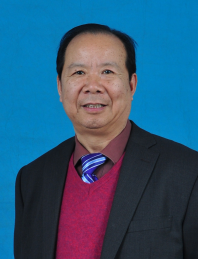 Hong Chen (陈宏)合作论文数College of Animal Science and Technology, Northwest A&F University10
 Bingjie Li合作论文数9S. Kahl合作论文数9
 Clarissa Boschiero合作论文数9S Kahl合作论文数8
 Benjamin Rosen合作论文数Department of Radiation Oncology, Faculty of Physics, University of Michigan Medical School8
 Yali Hou (侯娅丽)合作论文数Beijing Institute of Genomics, Chinese Academy of Sciences8
 Xianyong Lan (蓝贤勇)合作论文数College of Animal Science and Technology, Northwest A&F University8
 Weizhong Li合作论文数J. Craig Venter Institute8
 Sitao Wu合作论文数Ambry Genetics8
 Lin Shudai合作论文数7
 Yang Liu (刘杨)合作论文数College of Animal Science & Technology, Nanjing Agricultural University7
 Derek Bickhart合作论文数Hendrix Genetics7Xiang Ruidong合作论文数Robinson Research Institute, The University of Adelaide;School of Animal and Veterinary Sciences, The University of Adelaide;The University of Adelaide, The University of Adelaide7
 Mingxun Li (李明勋)合作论文数7Theodore H. Elsasser合作论文数7Lili Song合作论文数6
 Yongzhen Huang (黄永震)合作论文数College of Animal Science and Technology, Northwest A&F University;College of Agricultural and Animal Husbandry, Qinghai University6Yuangang Shi (史远刚)合作论文数School of Agriculture, Ningxia University6
 Lifang Li (李丽芳)合作论文数Marine College, Shandong University, Weihai6
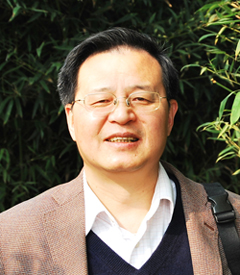 Shicui Zhang (张士璀)合作论文数Institute of Evolution and Marine Biodiversity, Ocean University of China;College of Marine Life Sciences, Ocean University of China6Chenglong Li合作论文数5
 Eleni Gentekaki合作论文数Gut Microbiome Research Group, Mae Fah Luang University5
 Charley Xia合作论文数Univ Edinburgh, Inst Genet & Mol Med, MRC Human Genet Unit, Edinburgh EH4 2XU, Midlothian, Scotland5Yanling Ding合作论文数5
 Ying Yu (俞英)合作论文数College of Animal Science and Technology, China Agricultural University5
 Xin Zhao (赵辛)合作论文数Faculty of Agricultural and Environmental Sciences, McGill University5
 Shengli Zhang (张胜利)合作论文数College of Animal Science and Technology, China Agricultural University5
 Melvin L. Depamphilis合作论文数Eunice Kennedy Shriver National Institute of Child Health and Human Development, National Institutes of Health5Albert Tenesa合作论文数5Liangzhi Zhang合作论文数5
 Goutam Sahana合作论文数Danish Institute of Animal Sciences5
 Konrad Rawlik合作论文数Roslin Institute, University of Edinburgh5
 Oriol Canela-Xandri合作论文数5




