Matrix-assisted laser desorption ionization mass spectrometry (MALDI MS) is widely valued for its speed and sensitivity in biomolecular analysis, yet the inherently nonquantitative nature hampers its use in many applications including high-throughput screening. Here, we introduce an iodo-based labeling strategy that enables accurate quantification of peptides and peptide libraries using high-resolution MALDI FT-ICR MS. The peptides are coupled at the N-terminus with benzoic acid (BA) or 4-iodobenzoic acid (IBA) to generate the analyte and its internal standard, respectively, differing only by a single iodine substitution. This new labeling strategy was first validated using a simple four-peptide mixture, and subsequently applied to quantitatively evaluate glycine-zipper peptide libraries containing up to 125 members for the discovery of bacterial-binding peptides. Screening of these libraries against Gram-negative Escherichia coli and Gram-positive Bacillus subtilis revealed peptides with strong and selective interactions with the bacteria. This universally applicable, cost-effective, and straightforward approach for peptide quantification significantly enhances the reliability and accuracy of high-throughput peptide screening via MALDI FT-ICR MS.
An overview of the applications of the ambient mass spectrometry techniques Desorption Electrospray Ionisation (DESI) and Direct Analysis in Real Time (DART) in the field of cultural heritage is given. These techniques were first used for heritage science studies in the 2010s, but did not become common in the field until recent years. Investigation of the composition of objects, the analysis of surface residues and material degradation are discussed alongside the use of data obtained by DESI and DART for planning better conservation interventions. Heritage science studies using other ambient mass spectrometry techniques such as Paper Spray mass spectrometry (PS)-MS, Surface Acoustic Wave Nebulisation (SAWN)-MS, and Laser Ablation Electrospray Ionisation (LAESI)-MS are also briefly described. The analysis of a variety of artefacts and materials including paper, wood, oil paintings and pottery are included, and potential future developments in the field are explored, highlighting the current exciting expansion of the application of ambient mass spectrometry techniques to heritage science questions.
Lignin is a complex heteroaromatic polymer which is one of the most abundant and diverse biopolymers on the planet. It comprises approximately one third of all woody plant matter, making it an attractive candidate as an alternative, renewable feedstock to petrochemicals to produce fine chemicals. However, the inherent complexity of lignin makes it difficult to analyse and characterise using common analytical techniques, proving a hindrance to the utilisation of lignin as a green chemical feedstock. Herein we outline the tracking of lignin degradation by an alkaliphilic laccase in a semi-quantitative manner using a combined chemical analysis approach using Fourier transform ion cyclotron resonance mass spectrometry (FT-ICR MS) to characterise shifts in chemical diversity and relative abundance of ions, and NMR to highlight changes in the structure of lignin. Specifically, an alkaliphilic laccase was used to degrade an industrially relevant lignin, with compounds such as syringaresinol being almost wholly removed (95%) after 24 hours of treatment. Structural analyses reinforced these findings, indicating a >50% loss of NMR signal relating to beta-beta linkages, of which syringaresinol is representative. Ultimately, this work underlines a combined analytical approach that can be used to gain a broader semi-quantitative understanding of the enzymatic activity of laccases within a complex, non-model mixture.
BACKGROUND AND AIMS:The softening of ripening fruit involves partial depolymerization of cell-wall pectin by three types of reaction: enzymic hydrolysis, enzymic elimination (lyase-catalysed) and non-enzymic oxidative scission. Two known lyase activities are pectate lyase and rhamnogalacturonan lyase (RGL), potentially causing mid-chain cleavage of homogalacturonan and rhamnogalacturonan-I (RG-I) domains of pectin respectively. However, the important biological question of whether RGL exhibits action in vivo had not been tested. METHODS:We developed a method for specifically and sensitively detecting in-vivo RGL products, based on Driselase digestion of cell walls and detection of a characteristic unsaturated 'fingerprint' product (tetrasaccharide) of RGL action. KEY RESULTS:In model experiments, potato RG-I that had been partially cleaved in vitro by commercial RGL was digested by Driselase, releasing an unsaturated tetrasaccharide ('ΔUA-Rha-GalA-Rha'), taken as diagnostic of RGL action. This highly acidic fingerprint compound was separated from monosaccharides (galacturonate, galactose, rhamnose, etc.) by electrophoresis at pH 2, then separated from ΔUA-GalA (the fingerprint of pectate lyase action) by thin-layer chromatography. The 'ΔUA-Rha-GalA-Rha' was confirmed as 4-deoxy-β-l-threo-hex-4-enopyranuronosyl-(1→2)-l-rhamnosyl-(1→4)-d-galacturonosyl-(1→2)-l-rhamnose by mass spectrometry and acid hydrolysis. Driselase digestion of cell walls from diverse ripe fruits [date, sea buckthorn, cranberry, yew (arils), mango, plum, blackberry, apple, pear and strawberry] yielded the same fingerprint compound, demonstrating that RGL had been acting in vivo in these fruits prior to harvest. The 'fingerprint' : (galacturonate + rhamnose) ratio in digests from ripe dates was approximately 1 : 72 (mol/mol), indicating that ~1.4 % of the backbone Rha→GalA bonds in endogenous RG-I had been cleaved by in-vivo RGL action. CONCLUSIONS:The results provide the first demonstration that RGL, previously known from studies of fruit gene expression, proteomic studies and in-vitro enzyme activity, exhibits enzyme action in the walls of soft fruits and may thus be proposed to contribute to fruit softening.
Site-specific covalent conjugation offers a powerful tool to identify and understand protein-protein interactions. In this study, we discover that sulfur fluoride exchange (SuFEx) warheads effectively crosslink the Escherichia coli acyl carrier protein (AcpP) with its partner BioF, a key pyridoxal 5 '-phosphate (PLP)-dependent enzyme in the early steps of biotin biosynthesis by targeting a tyrosine residue proximal to the active site. We identify the site of crosslink by MS/MS analysis of the peptide originating from both partners. We further evaluate the BioF-AcpP interface through protein crystallography and mutational studies. Among the AcpP-interacting BioF surface residues, three critical arginine residues appear to be involved in AcpP recognition so that pimeloyl-AcpP can serve as the acyl donor for PLP-mediated catalysis. These findings validate an evolutionary gain-of-function for BioF, allowing the organism to build biotin directly from fatty acid biosynthesis through surface modifications selective for salt bridge formation with acidic AcpP residues.
11β-Hydroxysteroid dehydrogenase 1 (11βHSD1) is a drug target to attenuate adverse effects of chronic glucocorticoid excess. It catalyses intracellular regeneration of active glucocorticoids in tissues including brain, liver and adipose tissue (coupled to hexose-6-phosphate dehydrogenase, H6PDH). 11βHSD1 activity in individual tissues is thought to contribute significantly to glucocorticoid levels at those sites, but its local contribution vs glucocorticoid delivery via the circulation is unknown. Here, we hypothesised that hepatic 11βHSD1 would contribute significantly to the circulating pool. This was studied in mice with Cre-mediated disruption of Hsd11b1 in liver ( Alac -Cre) vs adipose tissue ( aP2 -Cre) or whole-body disruption of H6pdh . Regeneration of [9,12,12- 2 H 3 ]-cortisol (d3F) from [9,12,12- 2 H 3 ]-cortisone (d3E), measuring 11βHSD1 reductase activity was assessed at steady state following infusion of [9,11,12,12- 2 H 4 ]-cortisol (d4F) in male mice. Concentrations of steroids in plasma and amounts in liver, adipose tissue and brain were measured using mass spectrometry interfaced with matrix-assisted laser desorption ionisation or liquid chromatography. Amounts of d3F were higher in liver, compared with brain and adipose tissue. Rates of appearance of d3F were ~6-fold slower in H6pdh −/− mice, showing the importance for whole-body 11βHSD1 reductase activity. Disruption of liver 11βHSD1 reduced the amounts of d3F in liver (by ~36%), without changes elsewhere. In contrast disruption of 11βHSD1 in adipose tissue reduced rates of appearance of circulating d3F (by ~67%) and also reduced regenerated of d3F in liver and brain (both by ~30%). Thus, the contribution of hepatic 11βHSD1 to circulating glucocorticoid levels and amounts in other tissues is less than that of adipose tissue.
A desorption electrospray ionization (DESI) source was built and attached to a Bruker 7T SolariX FT-ICR-MS for the in situ analysis of 14 early synthetic dyestuffs. Optimization using silk and wool cloths dyed with rhodamine B concluded that when using a commercial electrospray emitter (part number: 0601815, Bruker Daltonik), a nebulizing gas (N2) pressure of 3.9 bar and a sprayer voltage of 4.5 kV (positive ionization mode) or 4.2 kV (negative ionization mode), a solvent system of 3:1 v/v ACN:H2O, and a sprayer incident angle, α, of 35° gave the highest signal-to-noise ratios on both silk and wool for the samples investigated. The system was applied to modern early synthetic dye references on silk and wool as well as historical samples from the 1893 edition of Adolf Lehne's Tabellarische Übersicht über die künstliche organischen Farbstoffe und ihre Anwendung in Färberei und Zeugdruck [Tabular overview of the synthetic organic dyestuffs and their use in dyeing and printing]. The successful analysis of six chemically different dye families in both negative and positive modes showed the presence of known degradation products and byproducts arising from the original synthetic processes in the historical samples. This study demonstrates the applicability and potential of DESI-MS to the field of historical dye analysis.
We report here the synthesis of polyureas from the dehydrogenative coupling of diamines and diformamides. The reaction is catalysed by a manganese pincer complex and releases H-2 gas as the only by-product making the process atom-economic and sustainable. The reported method is greener in comparison to the current state-of-the-art production routes that involve diisocyanate and phosgene feedstock. We also report here the physical, morphological, and mechanical properties of synthesized polyureas. Based on our mechanistic studies, we suggest that the reaction proceeds via isocyanate intermediates formed by the manganese catalysed dehydrogenation of formamides.
Lignin is a complex heteroaromatic polymer which is one of the most abundant and diverse biopolymers on the planet. It comprises approximately one third of all woody plant matter, making it an attractive candidate as an alternative, renewable feedstock to petrochemicals to produce fine chemicals. However, the inherent complexity of lignin makes it difficult to analyse and characterise using common analytical techniques, proving a hindrance to the utilisation of lignin as a green chemical feedstock. Herein we outline the comprehensive tracking of lignin degradation by an alkaliphilic laccase in a semi-quantitative manner using a combined chemical analysis approach utilising Fourier transform ion cyclotron resonance mass spectrometry (FT-ICR MS) to characterise shifts in chemical diversity and relative abundance of ions, and NMR to highlight changes in the structure of lignin. Specifically, an alkaliphilic laccase was used to degrade an industrially relevant lignin, with compounds such as syringaresinol being almost wholly removed (95%) after 24 hours of treatment. Additionally, structural analyses reinforced these findings, indicating a >50% loss of signal relating to β-β linkages, of which syringaresinol is representative. Ultimately, this work underlines a combined analytical approach that can be used to gain a broader semi-quantitative understanding of the enzymatic activity of laccases within a complex, non-model mixture.
α-Synuclein (αSyn), a 140-residue intrinsically disordered protein, comprises the primary proteinaceous component of pathology-associated Lewy body inclusions in Parkinson's disease (PD). Due to its association with PD, αSyn is studied extensively; however, the endogenous structure and physiological roles of this protein are yet to be fully understood. Here, ion mobility-mass spectrometry and native top-down electron capture dissociation fragmentation have been used to elucidate the structural properties associated with a stable, naturally occurring dimeric species of αSyn. This stable dimer appears in both wild-type (WT) αSyn and the PD-associated variant A53E. Furthermore, we integrated a novel method for generating isotopically depleted protein into our native top-down workflow. Isotope depletion increases signal-to-noise ratio and reduces the spectral complexity of fragmentation data, enabling the monoisotopic peak of low abundant fragment ions to be observed. This enables the accurate and confident assignment of fragments unique to the αSyn dimer to be assigned and structural information about this species to be inferred. Using this approach, we were able to identify fragments unique to the dimer, which demonstrates a C-terminal to C-terminal interaction between the monomer subunits. The approach in this study holds promise for further investigation into the structural properties of endogenous multimeric species of αSyn.
Desorption electrospray ionization mass spectrometry (DESI-MS) is an ambient mass spectrometry technique that shows great potential for the analysis of fragile heritage objects in situ. This article focuses on the application of a recently built DESI source to characterize natural dyestuffs in historical textiles and a presentation of initial imaging experiments. Optimization of the instrumental settings, geometrical parameters, and solvent system on the DESI-MS analysis was conducted on rhodamine B samples. Some variables, including an increased flow rate, a narrower range of optimized geometrical variables and a solvent system without additives, were applicable to both early synthetic and natural dyes. Direct dye turmeric (Curcuma longa L.) could be reliably analyzed on both silk and wool, as could anthraquinone standards without mordanting. These preliminary results suggest that the dye application process (direct, mordant, vat) has a large impact on the ionization efficiency of DESI-MS. Imaging trials highlighted the suitability of DESI-MS for the analysis of patterned textiles that are difficult to sample, such as calico fabrics, or other currently inaccessible objects.
Searchable abstracts of presentations at key conferences in endocrinology ISSN 1470-3947 (print) | ISSN 1479-6848 (online)
Mass spectrometry imaging (MSI) combines molecular and spatial information in a valuable tool for a wide range of applications. Matrix-assisted laser desorption/ionization (MALDI) is at the forefront of MSI ionization due to its wide availability and increasing improvement in spatial resolution and analysis speed. However, ionization suppression, low concentrations, and endogenous and methodological interferences cause visualization problems for certain molecules. Chemical derivatization (CD) has proven a viable solution to these issues when applied in mass spectrometry platforms. Chemical tagging of target analytes with larger, precharged moieties aids ionization efficiency and removes analytes from areas of potential isobaric interferences. Here, we address the application of CD on tissue samples for MSI analysis, termed on-tissue chemical derivatization (OTCD). MALDI MSI will remain the focus platform due to its popularity, however, alternative ionization techniques such as liquid extraction surface analysis and desorption electrospray ionization will also be recognized. OTCD reagent selection, application, and optimization methods will be discussed in detail. MSI with OTCD is a powerful tool to study the spatial distribution of poorly ionizable molecules within tissues. Most importantly, the use of OTCD-MSI facilitates the analysis of previously inaccessible biologically relevant molecules through the adaptation of existing CD methods. Though further experimental optimization steps are necessary, the benefits of this technique are extensive.
Diabetic nephropathy (DN) is the leading cause of end-stage renal disease. Limitations in current diagnosis and screening methods have sparked a search for more specific and conclusive biomarkers. Hyperglycemic conditions generate a plethora of harmful molecules in circulation and within tissues. Oxidative stress generates reactive α-dicarbonyls and β-unsaturated hydroxyhexenals, which react with proteins to form advanced glycation end products. Mass spectrometry imaging (MSI) enables the detection and spatial localization of molecules in biological tissue sections. Here, for the first time, the localization and semiquantitative analysis of “reactive aldehydes” (RAs) 4-hydroxyhexenal (4-HHE), 4-hydroxynonenal (4-HNE), and 4-oxo-2-nonenal (4-ONE) in the kidney tissues of a diabetic mouse model is presented. Ionization efficiency was enhanced through on-tissue chemical derivatization (OTCD) using Girard’s reagent T (GT), forming positively charged hydrazone derivatives. MSI analysis was performed using matrix-assisted laser desorption ionization (MALDI) coupled with Fourier-transform ion cyclotron resonance mass spectrometry (FT-ICR). RA levels were elevated in diabetic kidney tissues compared to lean controls and localized throughout the kidney sections at a spatial resolution of 100 µm. This was confirmed by liquid extraction surface analysis–MSI (LESA-MSI) and liquid chromatography–mass spectrometry (LC–MS). This method identified β-unsaturated aldehydes as “potential” biomarkers of DN and demonstrated the capability of OTCD-MSI for detection and localization of poorly ionizable molecules by adapting existing chemical derivatization methods. Untargeted exploratory distribution analysis of some precursor lipids was also assessed using MALDI-FT-ICR-MSI.
Contemporary medicinal chemistry considers fragment-based drug discovery (FBDD) and inhibition of Protein-Protein Interactions (PPI), as important means of expanding druggable chemical space. However, the ability to robustly identify valid fragments and PPI inhibitors is an enormous challenge, requiring the application of sensitive biophysical methodology. Accordingly, in this study, we exploited the speed and sensitivity of nano-ESI native mass spectrometry to identify a small collection of fragments, which bind to the TPR2AB domain of HOP. Further biological assessment of a small selection of binding fragments showed that this binding translated into PPI inhibitory activity between the TPR2A domain of HOP and the HSP90- C terminal domain. An in silico assessment of binding fragments, at the PPI interfacial region provided valuable structural insight for future fragment elaboration strategies, including the identification of losartan as a weak, albeit dose dependent inhibitor of the target PPI.
Encapsulins are protein nanocompartments that house various cargo enzymes, including a family of decameric ferritin-like proteins. Here, we study a recombinant Haliangium ochraceum encapsulin:encapsulated ferritin complex using cryo-electron microscopy and hydrogen/deuterium exchange mass spectrometry to gain insight into the structural relationship between the encapsulin shell and its protein cargo. An asymmetric single-particle reconstruction reveals four encapsulated ferritin decamers in a tetrahedral arrangement within the encapsulin nanocompartment. This leads to a symmetry mismatch between the protein cargo and the icosahedral encapsulin shell. The encapsulated ferritin decamers are offset from the interior face of the encapsulin shell. Using hydrogen/deuterium exchange mass spectrometry, we observed the dynamic behavior of the major fivefold pore in the encapsulin shell and show the pore opening via the movement of the encapsulin A-domain. These data will accelerate efforts to engineer the encapsulation of heterologous cargo proteins and to alter the permeability of the encapsulin shell via pore modifications.
Purpose: To evaluate the therapeutic benefit of a novel peptide, ALM201, in ocular pathologic vascularization.Design: Experimental study in mouse, rat, and rabbit animal models. Participants: Ten-week-old Lister Hooded male rats, 8-week-old Brown Norway male rats, 9-day-old C57BL/6J mice, and 12-month-old New Zealand male rabbits.Methods: Corneal vascularization was scored for vessel density and vessel distance to suture in a rat corneal suture model. Ocular penetration and biodistribution were evaluated by matrix-assisted laser desorption/ioni-zation mass spectrometry imaging after topical ALM201 application to rabbit eyes. A mouse choroidal sprouting assay, with aflibercept as positive control, was used to evaluate choroidal neovascularization (CNV) in the posterior segment tissue. Efficacy of topical ALM201 was assessed using a rat laser CNV model of neovascular age-related macular degeneration.Main Outcome Measures: Clinical scoring and histologic analysis of vascularized corneas, sprouting area, lesion size, and vessel leakiness in posterior segments.Results: Assessment of ALM201 treatment in the rat corneal suture model showed a significant decrease in vessel density (P = 0.0065) and vessel distance to suture (P = 0.021) compared with vehicle control (phosphate -buffered saline [PBS]). Infiltration of inflammatory cells into the corneal stroma also was reduced significantly compared with PBS (724.5 & PLUSMN; 122 cells/mm2 vs. 1837 & PLUSMN; 195.9 cells/mm2, respectively; P = 0.0029). Bio-distribution in rabbit eyes confirmed ALM201 bioavailability in anterior and posterior ocular segments 1 hour after topical instillation. ALM201 treatment significantly suppressed choroid vessel sprouting when compared with PBS treatment (44.5 & PLUSMN; 14.31 pixels vs. 120.9 & PLUSMN; 33.37 pixels, respectively; P = 0.04) and was not inferior to aflibercept (65.63 & PLUSMN; 11.86 pixels; P = 0.7459). Furthermore, topical ALM201 significantly improved vessel leakiness (leakage scores: 2.1 & PLUSMN; 0.7 vs. 2.9 & PLUSMN; 0.1; P = 0.0274) and lesion size (144,729 & PLUSMN; 33,239 mm3 vs. 187,923 & PLUSMN; 28,575 mm3; P = 0.03) in the rat laser CNV model when compared with topical PBS vehicle.Conclusions: ALM201 is a promising novel molecule with anti-inflammatory and antivascularization activity and is a strong candidate to meet the clinical need of a new, topically delivered therapeutic agent for treating inflammation and pathologic vascularization in the anterior and posterior segments of the eye. Ophthalmology Science 2022;2:100150 & COPY; 2022 by the American Academy of Ophthalmology. This is an open access article under the CC BY license (http://creativecommons.org/licenses/by/4.0/).
Herein we describe a native mass spectromery protein-peptide model as a competent surrogate for the HOP-HSP90 protein-protein interaction (PPI), application of which led to the qualititive identification of two new peptides capable of in vitro PPI disruption. This proof of concept study offers a viable alternative for PPI inhibitor screening.
 David J. Clarke合作论文数School of Chemistry, The University of Edinburgh44
 Patrick R. R. Langridge-Smith合作论文数15Cobice Diego F合作论文数Queen's Medical Research Institute, University of Edinburgh15
 Adam A. Stokes合作论文数13Goodwin Richard J A合作论文数Department of Pharmaceutical Biosciences, Uppsala University12Pat R. R. Langridge-Smith合作论文数10
 Pat Langridge-Smith合作论文数School of Chemistry, The University of Edinburgh10Stefan K. Weidt合作论文数School of Chemistry, University of Edinburgh10
 Ruth Morgan合作论文数Centre for Cardiovascular Science, The University of Edinburgh9
 Marles-Wright Jon合作论文数Struct Biol Lab, Univ Newcastle9
 Anthony Walton合作论文数School of Engineering, University of Edinburgh8
 Ted Hupp合作论文数University of Gdansk;Masaryk Memorial Cancer Institute;Cancer Research UK Edinburgh Centre, MRC Institute of Genetics & Molecular Medicine, The University of Edinburgh;Wellcome Sanger Institute8Kevin J. Waldron合作论文数Medical School, University of Newcastle Institute for Cell and Molecular Biosciences8
 Dominic Campopiano合作论文数School of Chemistry, The University of Edinburgh7Cruickshank Faye L合作论文数7
 David P A Kilgour合作论文数Department of Electronics, University of York7Kelly J. Gallagher合作论文数6
 Cecilia Piergentili合作论文数6Per E Andren合作论文数6
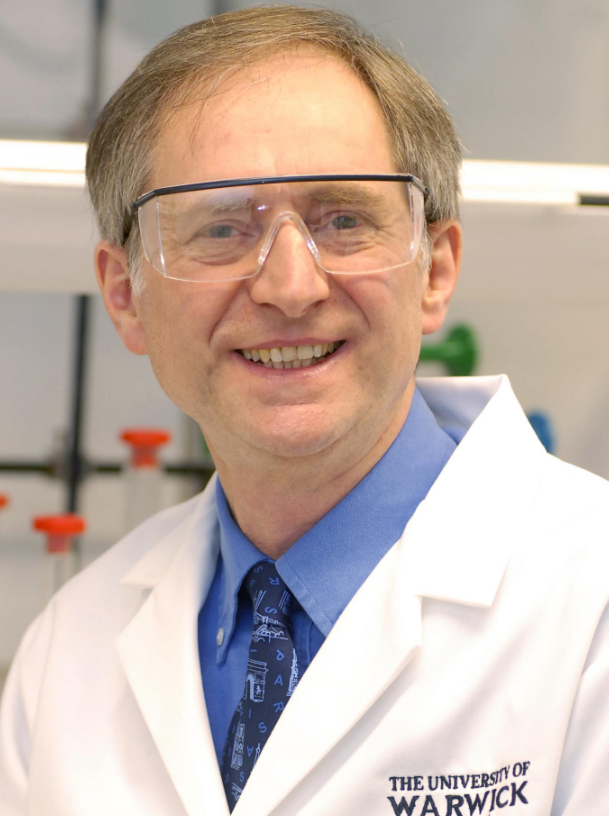 Peter Sadler合作论文数Department of Chemistry, University of Warwick6
 Brian Walker合作论文数Faculty of Medical Sciences, Newcastle University6Anna Nilsson合作论文数5
 Didi He合作论文数5Jennifer Ross合作论文数5
 Louise Horsfall合作论文数School of Biological Sciences, The University of Edinburgh5
 William Parkes合作论文数5
 David Harrison合作论文数School of Medicine, University of St Andrews;Sir James Mackenzie Institute for Early Diagnosis, University of St Andrews;ILC Therapeutics Ltd;NuCana plc5Scott P. Webster合作论文数5Sam Hughes合作论文数4
 Edith Sandstrom合作论文数4Maria Mateos-Jimenez合作论文数4
 Ondrej Masek合作论文数Earth and Planetary Science, School of GeoSciences, The University of Edinburgh4
 Alison Hulme合作论文数School of Chemistry, The University of Edinburgh4
 Perdita Barran合作论文数Michael Barber Collaborative Centre for Mass Spectrometry, University of Manchester;Manchester Institute of Biotechnology, University of Manchester4
 Veale Clinton G L合作论文数Department of Chemistry, Rhodes University4
 Shazia Khan合作论文数Biomass Conversion Research Center, COMSATS Institute of Information Technology4
 Stephen C Fry合作论文数Institute of Molecular Plant Sciences, School of Biological Sciences, The University of Edinburgh4Euan Murray合作论文数4
 Karl A. Smith合作论文数School of Engineering Education, Purdue University4Thomas Lambert合作论文数3Fiona J. Flett合作论文数3
 Michaelone Vaaltyn合作论文数3Zak McIver合作论文数3Jakub Faktor合作论文数3William Kew合作论文数Environm Mol Sci Lab, Pacific Northwest Natl Lab3
 Jasmine Hertzog合作论文数Université de Rouen, Normandie Université3Frédéric Aubriet合作论文数LCP A2MC, Univ Lorraine3
 Colin Campbell合作论文数School of Chemistry, The University of Edinburgh3
 Mark Bradley合作论文数Queen Mary University of London3




