Efficient excitation energy transfer (EET) is essential for energy harvesting, optoelectronics, luminescence bioimaging and photothermal medicine. Recent advances in optimised multistep EET systems have expanded the potential of these applications, offering large Stokes shifts, long-range energy transfer, and a broader tuning range for excitation and emission. However, the energy transfer efficiency of these systems rarely exceeds 90%, suggesting room for further improvement. Seeking low-cost solutions to this global problem, we show that a worldwide commercial orange highlighter ink produces both direct and multistep EET with near-unity efficiency (94.4%) among the highest recorded in the literature. We reveal that this efficiency results from a stable monodisperse dispersion of dye-loaded polymer nanoparticles in a water-glycerol medium. We identified the main dyes involved, elucidated the two-step energy transfer sequence, and demonstrated that orange highlighter particle dispersions can serve as an efficient water-ethanol sensor through monitoring variations in EET efficiency. This work presents a low-cost and readily available material exhibiting exceptionally high multistep EET efficiency, offering broad application potential.
Since the 1950s, radiocarbon dating of archeological remains has evolved significantly with the advent of new instruments, protocols, and redesigned concepts. Here, we show that the recovery of chronological information "stored" locally can be achieved by the selective dating of carbonates present in adjacent mineralized organic materials. We present results from the iconic Iron Age site of Creney-le-Paradis (Aube, France). The 14C ages extracted using an innovative selective strategy provide new evidence for the chronology of the foundation of the site. We show that the copper carbonate accretions retained the signature of an anthropogenic humus layer, accurately dated between 808 and 790 BC, allowing us to infer human activity associated with the foundation of the burial mound. This work opens the way for the development of spatially resolved dating imagery within sites, where the analysis of series of microsamples could document the chronology of their formation.
State-of-the-art spectral imaging techniques using high-brilliance sources face an inherent trade-off between signal intensity and sample integrity, particularly in hyperspectral and multispectral imaging. Traditionally, optimizing acquisition parameters, such as source wavelength, intensity, and exposure time, relies on empirical adjustments to enhance image contrast. Here, we introduce a digital twin methodology to overcome these limitations. Focusing on x-ray Raman imaging, a powerful yet underutilized speciation probe constrained by low quantum efficiency, we demonstrate its application to sensitive organic samples. Our approach enabled a 10-fold reduction in acquisition time while maintaining operation below the damage threshold, paving the way for high-fidelity spectral imaging with minimal sample degradation.
Following the industrial revolution and the modernization of chemistry, purple became one of the most popular colors in the palettes of late 19th- to 20th-century painters. Among them, Robert Delaunay (1885-1941) was one of the key artists of the avant-garde movement in France in the early 20th century. Although widely used in modern and contemporary paintings, inorganic purple pigments of the cobalt phosphate and cobalt arsenate families have been little studied chemically until now. The diversity of emerging chemical syntheses resulted in a wide range of products, characterized by a high diversity of hues, function of their respective composition, and crystal structures. The present work combines structural and optical analyses to probe the purple pigments used by Delaunay. Reference materials synthesized in the laboratory were characterized via synchrotron radiation-based high-angular-resolution X-ray powder diffraction and UV-vis-NIR spectroscopy. Structure-color relationships were established for the first time for several inorganic compounds of the Co-P/As family. Two of Robert Delaunay's earliest masterpieces conserved at the Centre Pompidou in Paris were probed in situ via X-ray powder diffraction in imaging mode and fiber optic UV-vis-NIR reflectance spectroscopy. The results highlight the decisive effect of their structural chemistry on the palettes of modern and contemporary painters.
Advancing the study, conservation, and interpretation of medieval manuscripts requires innovative techniques to investigate and reproduce the materials used in these works. One such material is lac dye, a natural pigment vital to the brightness and color saturation of medieval illuminated manuscripts. In this study, historically accurate lac dye paints were reconstructed according to the Strasbourg, Ibn Bādīs, and Mappae Clavicula medieval treatises. Reference samples and the reconstructed paints were analyzed first using innovative methods and then through advanced synchrotron spectroscopy techniques, an approach rarely applied to cultural heritage research. Valuable results were obtained from synchrotron analyses, including maps from imaging in the ultraviolet and in the mid- and far-infrared spectral ranges. The use of chemometrics (principal component analysis) provided additional analytical depth. Data from the SOLEIL synchrotron facility, which combines molecular fluorescence mapping and vibrational spectromicroscopy, demonstrates the potential of synchrotron-based techniques for analyzing reference samples and historically accurate reproductions of medieval paints, enabling precise and reliable comparison of results.
The Uden-Slabroek cemetery yielded one of the richest Early Iron Age burials found in the Netherlands: an inhumation grave of a person wearing elaborate bronze and iron ornaments (ca. 8th century BC). Exceptionally mineralised fragments of wool textiles were found inside the corrosion layer of the bronze anklets and bracelets. Advanced multidisciplinary analysis of these textiles identified them as the remains of the oldest garment of the Netherlands, made from a bright red and blue wool twill fabric woven in a shepherd's check pattern. Advanced mass spectrometry analysis provided direct identification of dyes, including cochineal - the earliest evidence of a red dye for the entire region (especially the precious insect dye variant). Virtual synchrotron-based 3D analysis of the fragments documented the textile weave types and the morphometry of surface and buried layers. The correlation of the two approaches makes it possible to recover an entire, now-vanished, colour pattern from highly altered fabrics.
Since the 1950s, radiocarbon dating of archaeological remains has evolved significantly with the advent of new instruments, protocols, and redesigned concepts. Here, we show that the re- covery of chronological information ‘stored’ locally can be achieved by the selective dating of carbonates present in adjacent mineralised organic materials. We present results from the iconic Iron Age site of Creney-le-Paradis (Aube, France). The 14C ages extracted using an innovative selective strategy provide new evidence for the chronology of the foundation of the site. We show that the copper carbonates accretions retained the signature of an anthropogenic humus layer, accurately dated between 808 and 790 BC, allowing us to infer human activity associated with the foundation of the burial mound. This work opens the way for the development of spa- tially resolved dating imagery within sites, where the analysis of series of micro-samples could document the chronology of their formation.
(Text in French) Chemistry of the color of cobalt violet pigments used in painting in the early 20th century. Following the industrial revolution and the modernization of chemistry, purple became one of the most popular colors in the palettes of modern painters. The diversity of emerging chemical syntheses resulted in a wide range of purple pigments, characterized by a high diversity of hues. Robert Delaunay (1885-1941), one of the key artists of the avant-garde movement in France, used these materials extensively in his artworks. Despite their importance in modern and contemporary paintings, cobalt-based inorganic purple pigments have been little studied chemically until now. The present work combines structural and optical analyses to probe the purple pigments used by Delaunay. Following the characterization of reference materials synthesized in laboratory via synchrotron radiation-based high-angular-resolution X-ray powder diffraction and UV-Vis-NIR spectroscopy, it was possible to establish precise structure-color relationships for several inorganic compounds of the Co-P/As family. In parallel, two of Robert Delaunay’s earliest masterpieces conserved at the Centre Pompidou in Paris were analyzed in situ via X-ray powder diffraction in imaging mode. The results highlight the decisive effect of the structural chemistry of inorganic pigments on the palettes of modern painters.
Mineralised textiles — altered remnants of organic textiles preserved by the diffusion of metallic cations from nearby artefacts or the environment — have gradually emerged as an essential source of information on the production and use of textiles in prehistoric and antique societies, as well as on their implication on the economy, technological developments and trade. In many contexts, they are the only evidence of productions known either indirectly through tools or not at all. In this review, we highlight the contribution of analytical methods in recent years to their study, an evolution that began with the emerging use of optical and then electron microscopy in the 1960s and 1970s. In particular, we describe the most recent period, which has seen (i) the widespread use of digital optical microscopy in laboratories and museums, (ii) the adoption of approaches aimed at characterising molecular signatures, even for highly altered textiles, and (iii) the development of micro-imaging methods, particularly using synchrotron radiation or laser sources. We are finding that these methods are making an increasing contribution to the field of archaeology. We outline possible prospects for the research and documentation of mineralised textiles and the possible impact of imaging methods on museum displays.
Identifying evidence of human modification of extinct animal remains, such as Pleistocene megafauna, is challenging due to the similarity of anthropogenic and non-anthropogenic taphonomic features observed under optical microscopy. Here, we re-investigate a Late Pleistocene ground sloth tooth from northeast Brazil, previously suggested as human-modified based only on optical observation. To characterize the macro- and micro-morphological characteristics of the marks preserved in this tooth and evaluate potential human modification, we used stereomicroscope and scanning electron microscopy (SEM) supplemented by energy dispersive spectroscopy (EDS), UV photoluminescence (UV/PL), synchrotron-based X-ray fluorescence (SR-XRF), and synchrotron micro-computed tomography (SR-µCT). These methods allowed us to discriminate non-anthropogenic taphonomic features (root and sedimentary damage), anthropogenic marks, and histological features. The latter shows the infiltration of exogenous elements into the dentine from the sediments. Our evidence demonstrates the sequence of anthropogenic and non-anthropogenic taphonomic modification of this tooth and supports its initial intentional modification by humans. We highlight the benefits of emerging imaging and spectral imaging techniques to investigate and diagnose human modification in fossil and archaeological records and propose that human modification of tooth tissues should be further considered when studying possibly anthropogenically altered fossil remains.
Over the last few decades, significant research efforts have been devoted to developing new cleaning systems aimed at preserving cultural heritage. One of the main objectives is to selectively remove aged or undesirable coatings from painted surfaces while preventing the cleaning solvent from permeating and engaging with the pictorial layers. In this work, we propose the use of electrospun polyamide 6,6 nonwovens in conjunction with a green solvent (dimethyl carbonate). By adjusting the electrospinning parameters, we produced three distinct nonwovens with varying average fiber diameters, ranging from 0.4 mu m to 2 mu m. These samples were characterized and tested for their efficacy in removing dammar varnish from painted surfaces. In particular, the cleaning process was monitored using macroscale PL (photoluminescence) imaging in real-time, while postapplication examination of the mats was performed through scanning electron microscopy. The solvent evaporation rate from the different nonwovens was evaluated using gravimetric analysis and Proton Transfer Reaction- Time -of -Flight. It was observed that the application of the nonwovens with small or intermediate pore sizes for the removal of the terpenic varnish resulted in the swollen resin being absorbed into the mats, showcasing a peel -off effect. Thus, this protocol eliminates the need for further potentially detrimental removal procedures involving cotton swabs. The experimental data suggests that the peel -off effect relates to the microporosity of the mats, which enhances the capillary rise of the swollen varnish. Furthermore, the application of these systems to historical paintings underwent preliminary validation using a real painting from the 20th century.
The letters from Victor Jean-Louis to Pierre Schaeffer were written in 1957 during a mission by sound engineer Jean-Louis on behalf of the SORAFOM (Société de radiodiffusion de la France d’outre-mer) in several African countries. They constitute an original unpublished document that can be read as an archive of the history of the SORAFOM, offering a unique perspective since Jean-Louis criticizes the colonial power by adopting the point of view of Africans and the colonized. But these letters can also be read as a source of the novels that this engineer of West Indian origin, fascinated by the representation of Africa, published under the pen name Jean-Louis Baghio’o. This article offers a cross-reading of both aspects.
Cette contribution part de l’expérience de nombreuses « manips » entre 2006 et 2014, dans le cadre d’un projet portant sur l’étude des techniques de vernissage dans la fabrication des instruments de musique en Europe entre le xvie et le xviiie siècle. Ces travaux qui occupaient alors les équipes du musée de la Musique, du laboratoire IPANEMA et des autres partenaires concernaient l’étude à micro-échelle de prélèvements de vernis de certains instruments de musique anciens, notamment sur grand instrument. Rétrospectivement, cette période apparaît aux auteurs comme celle où ils ont réinterrogé des méthodologies du « travail de la recherche » qui pouvaient sembler acquises dans le domaine des objets du patrimoine : questions d’hétérogénéité au regard des développements des méthodes d’imagerie, ou bien d’analyse ponctuelle, de représentativité ; questions de terminologies, de concepts – de langage. Nous discutons la manière dont cette expérience commune conduit à questionner le rôle du lieu de l’expérience pour favoriser la production d’une réflexion sur les méthodes, et le rôle de l’écriture – la mise en mots, en schémas, en figures – comme mode de construction d’une interdisciplinarité pratique : le travail progressif de coalescence, au sein d’une équipe interdisciplinaire traversée d’enjeux collectifs comme individuels, de concordances et de discordances, d’une expression des idées et concepts, d’un propos qui fait consensus.
Simon Hantai (1922-2008) was a highly influential postwar painter in Paris whose innovative serial practice, creative curiosity and theoretical convictions inspired a number of his contemporaries. His art media are typical of the period, consisting of commercial artists' products, sold in tubes and cans, which were available to artists in Europe and beyond. We have studied a series of samples from the brands Lefebvre-Foinet, Lefranc & Bourgeois and Valor using a combination of optical and electron microscopy, accelerator-mass spectrometry carbon -14 dating, infrared spectroscopy, structural analysis, chromatographic and mass spectrometry techniques. Of particular interest is the rare access to a coherent artist's studio collection and its dating in relation to the painter's works. We gained precise information on paint formulations, including main binders and pigments, as well as additives, such as free metal soaps, beeswax and pine resin. This suggests the value of further research into paint formulations and their identification in paintings from the second half of the 20th century. These materials were studied for their capacity as possible references for future analysis of the painter's artworks. The high degree of hydrolysis of the oil binder and alteration, notably by saponification, leads us to question the significance of these materials and the handling of the data generated towards comparative studies. These samples have a history; considering them as pristine references for comparative studies with the works of artists of the period cannot be done at the expense of their own materiality - and in particular their physicochemical evolution over time in their specific environment (c) 2023 Consiglio Nazionale delle Ricerche (CNR). Published by Elsevier Masson SAS. All rights reserved.
Low-energy resonances in inelastic X-ray scattering spectroscopy can be used to distinguish common pigments. In the example of titanium white, we demonstrate the agreement between experimental spectra and dynamic structure factor modeling.
The PUMA beamline, created for the heritage community and accessible by all fields of science, welcomed its first users in 2019. Its optical layout uses a horizontal focusing mirror to prefocus the light emitted from the wiggler source for the experimental endstation. It provides a 5 µm × 7 µm microbeam for XRF, XAS, XRD and XEOL analysis or a wide 20 × 5 mm full field when the beam is defocused, and the KB mirrors are retracted. An extremely stable fixed-exit Si(111) monochromator is used to select the wavelength. Many experiments have been performed at PUMA, particularly in archaeology, paleontology, conservation, art history and in identifying safer conditions of irradiation for precious heritage samples. XRF analysis has been used, for example, to show the effects of the interaction of Palaeolithic ivory with soil; to identify the elemental composition of mineralized textiles and to reveal hidden morphologies of fossils.
Looting and plough damage to the eighth–fifth centuries BC tumulus of Creney-le-Paradis, France, hinders interpretation of this potentially significant site. Nevertheless, application of novel microtomographic techniques in combination with optical and scanning electron microscopy allows the first detailed examination of 99 textile fragments recovered from the central pit. The authors argue that the diversity of textiles revealed—at least 16 different items—and the quality of weaving involved confirm earlier interpretations of the high status of this burial, which is comparable, at least in terms of textiles and metal urns, with other ‘aristocratic’ tombs of the European Iron Age.
 Mathieu Thoury合作论文数Scientific Research Department, National Gallery of Art35Gueriau Pierre合作论文数MNHN, UPMC;IPANEMA;USR 3461 CNRS, MCC22Serge X. Cohen合作论文数18
 Uwe Bergmann合作论文数Department of Materials Science and Engineering, University of Wisconsin-Madison/Department of Physics, University of Wisconsin-Madison/SLAC National Accelerator Laboratory12
 Jean-Philippe Echard合作论文数Centre de Recherche sur la Conservation des Collections, Muséum National d’Histoire Naturelle11sebastian schoder合作论文数Synchrotron SOLEIL10Sylvain Bernard合作论文数9Anheim Etienne合作论文数9Luc Robbiola合作论文数9
 Clemence Iacconi合作论文数8Andrew King合作论文数Synchrotron SOLEIL, St-Aubin 91192, France8
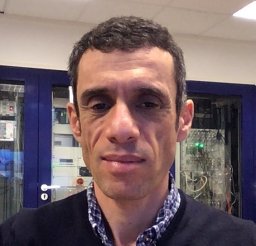 Jean-Pascal Rueff合作论文数Synchrotron SOLEIL;Laboratoire de Chimie Physique - Matière et Rayonnement8Cristian Mocuta合作论文数8
 Christophe Moulherat合作论文数8Sophie David合作论文数7Corentin Reynaud合作论文数7Marieangelique Languille合作论文数7Solenn Reguer合作论文数7
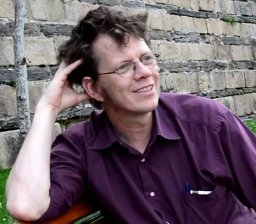 Matthieu Réfrégiers合作论文数Centre de Biophysique Moléculaire-CNRS7Ariane Thomas合作论文数6Philippe Walter合作论文数Architecture et réactivité de l'ARN, UPR 9002 CNRS, Institut de Biologie Moléculaire et Cellulaire, 15 rue René Descartes, 67084 Strasbourg, France6
 Anne-Solenn Le Ho合作论文数6Laurianne Robinet合作论文数6
 Claire Gervais合作论文数Department of Chemistry and Biochemistry, University of Berne6Rafaella Georgiou合作论文数Synchrotron SOLEIL5Jiayi Li合作论文数5
 Christoph Sahle合作论文数Experiments Division, European Synchrotron Radiation Facility5
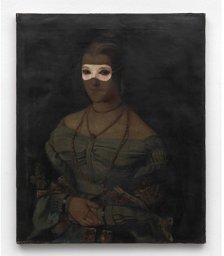 Balthazar Soulier合作论文数Institut für Technologie der Malerei, Staatliche Akademie der Bildenden Künste5Agnes Lattuati-Derieux合作论文数5Marta Castillejo合作论文数4Dimosthenis Sokaras合作论文数4
 Phil K. Cook合作论文数Univ Waterloo, Dept Chem, Waterloo, ON N2L 3G1, Canada4
 Roy A. Wogelius合作论文数School of Earth and Environmental Sciences, The University of Manchester4
 Elise Dufour合作论文数4Stephanie Leroy合作论文数4
 Over Koen Janssens合作论文数Department of Chemistry, Faculty of Science, University of Antwerp4Ludovic Bellot-Gurlet合作论文数Laboratoire de dynamique, interactions et réactivité (LADIR) UMR 7075, université Pierre-et-Marie-Curie Paris 64
 Ineke Joosten合作论文数Netherlands Institute for Cultural Heritage (ICN)4
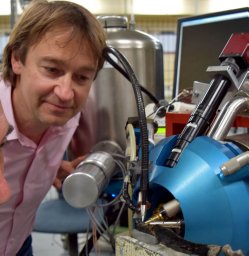 Thomas Calligaro合作论文数Laboratoire de Recherche des Musées de France4
 Demetrios Anglos合作论文数Department of Chemistry, University of Crete4George Tsoucaris合作论文数4
 Ina Reiche合作论文数4Bertrand Lavedrine合作论文数4StéPhane Vaiedelich合作论文数4
 Hilde De Clercq合作论文数4
 Philippe Dillmann合作论文数4Sylvie Thao合作论文数4Jean Doucet合作论文数4Céline Paris合作论文数4




