This chapter reviews the fundamental relationship between copyright and publishing, including contracts and licences, piracy and enforcement, among other legal issues. Coverage of the management of rights in the digital age and the ‘orphan works’ question are discussed in depth, alongside publishing agreements, creative commons and other licensing arrangements.
Copyright law is intended to be “technology neutral.” Despite that, technological development is clearly putting pressure on certain aspects of copyright. Readily available technological tools make digital copying and distribution simple and seamless. This can make the legal “obstacles” to the full use of those tools resulting from the need to comply with copyright seem inconvenient and archaic. In particular, the issues arising in connection with mass digitization projects, where compliance can require identifying and locating large numbers of copyright owners and seeking appropriate permissions, are complicated. We hear often about the potential benefits that could be derived from mass digitization projects; we hear less often about some of the risks they may create. But the widespread interest in facilitating such projects, at least for certain purposes, is clear. Collective licensing schemes may be one way to accomplish that; targeted exceptions to copyright may be another. Either may require making changes to current copyright law. Many discussions about issues related to current copyright law are taking place. There are discussions about extensive, overall “reform” and about less “global” approaches as well. Significant work has been done with respect to several aspects of the present law that are relevant to mass digitization initiatives. The orphan works study, report and legislative recommendations of the Copyright Office
 June M. Besek合作论文数2
 Giuseppe Mazziotti合作论文数2
 Jonathan Band合作论文数2
 Pamela Samuelson合作论文数School of Law, University of California, Berkeley;School of Information, University of California, Berkeley2Judith Finell合作论文数1
 Alain Strowel合作论文数Munich Intellectual Property Law Center;Université Saint-Louis1
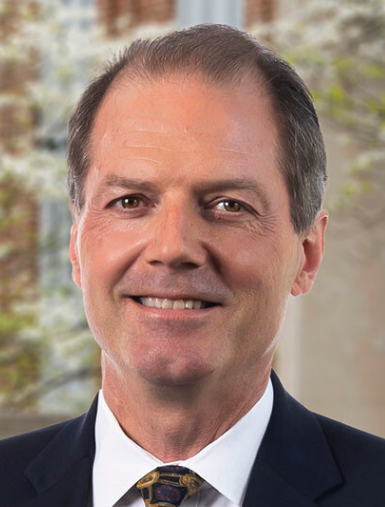 Daniel J. Gervais合作论文数Law School, Vanderbilt University;College of Arts & Science, Vanderbilt University1David Nimmer合作论文数1
 John Palfrey合作论文数John D. and Catherine T. MacArthur Foundation1H. B. Abrams合作论文数1jane c ginsburg合作论文数1
 Michael A. Heller合作论文数Department of Psychology, Amherst College1Eric J. Schwartz合作论文数From the Department of Urology, New York University School of Medicine1




