Out-of-distribution (OOD) detection serves as an unknown-handling mechanism for open-world classification, enabling the identification of OOD data that diverge semantically from in-distribution (ID) data. The learning strategy known as outlier exposure (OE) enhances this process by incorporating OODdataduring model training, directly making models learn to discern between ID and OOD patterns. However, in practice, the collected OOD data often contain many ID semantics, of which the scenario is commonly referred to as wild OOD detection. It can markedly compromise the reliability of models in OOD detection, yet few studies have addressed this critical issue. In this paper, we theoretically analyze wild OOD detection from the instance and distribution facets, respectively, to better comprehend its challenges and accordingly introduce two general solutions. At the instance facet, ID/OOD indicators contain errors due to the wild nature, where some data are of OOD labels yet should be assigned as ID. Hence, we introduce a general framework that can dynamically estimate the true ID/OOD indicators solely based on wild OOD data, thereby mitigating their negative impacts. At the distribution facet, the wild OOD distribution is a mixture of ID and OOD distributions, where the ID sub-distribution can mislead the model. We therefore propose a resampling scheme to remove the potential ID sub distribution, with resampling probabilities estimated from the known ID distribution, enabling OE training to better address wild OOD detection. We provide theoretical guarantees for both solutions and develop algorithms that enhance their practical efficacy, ultimately integrating them into a unified framework that leverages their complementary strengths. Ultimately, we validate our approaches through comprehensive empirical evaluations across a range of wild OOD detection scenarios, clearly demonstrating the superior performance and reliability of our methods when compared to advanced counterparts.
Multimodal Large Language Models (MLLMs) are increasingly used to interpret Earth observation data, yet their capability to support real-world disaster emergency response remains insufficiently evaluated. Existing remote sensing benchmarks largely rely on static, post-hoc, and expert-processed products, such as gridded reanalysis data, which are difficult to align with operational disaster scenarios where hazards evolve rapidly and decisions must be made under strict time constraints. To bridge this gap, we introduce Obshazard-bench, a real-time, observation-driven benchmark for evaluating disaster intelligence in MLLMs. Unlike image-centric or post-event benchmarks, Obshazard-bench directly integrates raw, high-frequency satellite sounding streams from diverse satellite sensors with concurrent ground-station observations, historical disaster records, and socio-economic indicators, bypassing delayed expert-processing and physical-inversion pipelines. The benchmark covers 8 major disaster categories and 28 sub-categories across more than 60 countries, incorporating over 120 historically documented extreme-event cases and thousands of lifecycle-oriented VQA samples. Moreover, Obshazard-bench further defines a three-stage evaluation taxonomy aligned with the operational disaster workflow: Predictive Crisis Anticipation for pre-disaster risk detection and early forecasting, Active Evolution Reasoning for in-situ disaster tracking and termination prediction, and Multi-faceted Impact Quantification for post-disaster magnitude deduction, humanitarian burden estimation, and socio-economic impact assessment. Experiments on representative general-purpose and Earth-focused foundation models reveal substantial limitations in transforming raw multi-channel physical observations into temporally grounded and decision-relevant disaster reasoning.
Referring multi-object tracking (RMOT) is an emerging cross-modal task that aims to locate an arbitrary number of target objects and maintain their identities referred by a language expression in a video. This intricate task involves the reasoning of linguistic and visual modalities, along with the temporal association of target objects. However, the seminal work relies on loose feature fusion and neglects long-term information. In this study, we introduce a compact Transformer-based method, termed TenRMOT. We conduct feature fusion at both encoding and decoding stages to fully exploit the advantages of Transformer architecture. Specifically, we incrementally perform cross-modal fusion layer-by-layer during the encoding phase. In the decoding phase, we utilize language-guided queries to probe memory features for accurate prediction of the desired objects. Moreover, we introduce a query update module that explicitly leverages temporal prior information of the tracked objects to enhance the consistency of their trajectories. In addition, we introduce a novel task called Referring Multi-Object Tracking and Segmentation (RMOTS) and construct a new dataset named Ref-KITTI Segmentation. Our dataset consists of 18 videos with 818 expressions, and each expression averages 10.7 masks, which poses a greater challenge compared to the typical single mask in most existing referring video segmentation datasets. TenRMOT demonstrates superior performance on both the referring multi-object tracking and the segmentation tasks.
Multimodal reasoning for ultra-high-resolution (UHR) remote sensing (RS) is usually bottlenecked by visual evidence acquisition: the model necessities localizing tiny task-relevant regions in massive pixel spaces. While Agentic Reinforcement Learning with Verifiable Rewards (RLVR) using zoom-in tools offers a path forward, we find that standard reinforcement learning struggles to navigate these vast visual spaces without structured domain priors. In this paper, we investigate the interplay between post-training paradigms: comparing Cold-start Supervised Fine-Tuning (SFT), RLVR, and Agentic RLVR on the UHR RS benchmark. Our controlled studies yield a counter-intuitive finding: high-quality Earth-science text-only QA is a primary driver of UHR visual reasoning gains. Despite lacking images, domain-specific text injects the concepts, mechanistic explanations, and decision rules necessary to guide visual evidence retrieval. Based on this, we propose a staged knowledge injection recipe: (1) cold-starting with scalable, knowledge-graph-verified Earth-science text QA to instill reasoning structures; and (2) "pre-warming'' on the same hard UHR image–text examples during SFT to stabilize and amplify subsequent tool-based RL. This approach achieves a 60.04\% Pass@1 on XLRS-Bench, significantly outperforming larger general-purpose models (e.g., GPT-5.2, Gemini 3.0 Pro, Intern-S1) and establishing a new state-of-the-art. We provide both the automated data pipeline and the rigorous ablation studies that validate this "Text-Before-Vision'' paradigm. Datasets and code will be released.
High-quality 3D vehicle assets are essential for autonomous driving simulation. Although multi-view diffusion-based paradigms enable controllable single-image reconstruction, they typically produce limited viewpoints and exhibit cross-view geometric inconsistencies, thereby reducing reconstruction fidelity in real-world scenarios. In this work, we introduce 3DCarGen, a scalable single-view 3D car generation framework designed for real-world images by synthesizing an arbitrary number of 3D-consistent multi-view images. Specifically, given a single image as input, we first synthesize a set of images from fixed viewpoints. These images are then fed into a feed-forward reconstruction model, resulting in a coarse 3D representation based on 3D Gaussian Splatting. Conditioned on this explicit 3D prior, our multi-view diffusion model generates 3D-consistent images from arbitrary camera viewpoints. We further extend a fast mesh reconstruction algorithm by incorporating color-normal joint optimization to recover detailed and coherent 3D vehicle models from the synthesized dense views. Extensive experiments on synthetic and real-world datasets demonstrate that our approach achieves robust geometric consistency and reconstruction fidelity compared to existing methods. Code and models will be released.
Knowledge Distillation (KD) is a widely popular model compression technique that can effectively transfer knowledge from a pre-trained, large-scale teacher model to a more compact and lightweight student model. Traditional KD methods aim to improve the student’s representation capability by mimicking the teacher’s features, e.g., minimizing the \(\mathcal{L}_{2}\) distance between their intermediate features. However, due to the capacity gap between the student and the teacher, student often struggles to precisely mimic the features of the teacher. To address this challenge, we propose to boost the knowledge distillation for the visual recognition tasks via Direction Alignment and Discrepancy Standardization ( DADS) , which exploits the feature scaling technique to distill from both the feature direction and feature discrepancy. To this end, we devise an efficient feature alignment module to align the dimensions of teacher and student features. Moreover, we align the direction of student features and teacher features, which are pre-processed by normalization. Furthermore, we leverage the Kullback–Leibler (KL) divergence to refine the features alignment, minimizing discrepancy in the distribution of features across samples, which is pre-processed by \(\mathcal{Z}\) -score standardization. In this way, our proposed approach can effectively transfer the knowledge from the teacher to the student, facilitating the downstream visual recognition applications, such as image classification and semantic segmentation. Extensive experimental analyses clearly validate the effectiveness of DADS . Compared with previous KD methods, our approach sets a new benchmark, achieving state-of-the-art results on visual recognition tasks.
Existing 3D vehicle generation methods often suffer from low geometric fidelity and blurry textures, hindering their downstream applications. While recent works adopt multi-view diffusion models for high-fidelity texture, they are often constrained by fixed viewpoints, limited resolution, and a reliance on costly fine-tuning to achieve cross-view consistency. In this paper, we propose HiFiVe, a training-free framework for high-fidelity vehicle modeling through joint texture and geometry enhancement by imposing 3D geometric constraints to anchor 2D generative priors. Specifically, we propose an auto-regressive texture refinement pipeline that progressively synthesizes high-resolution textures from arbitrary viewpoints. To ensure cross-view consistency, the coarse geometry serves as a synchronization prior, conditioning each generation step on previously synthesized frames via depth-based warping and multi-view texture fusion. Moreover, the inherent symmetry of vehicles is exploited to mitigate error accumulation. Finally, high-frequency surface details are recovered by refining the mesh geometry using normal maps estimated from the enhanced textures. Extensive experiments on synthetic and real-world vehicle datasets demonstrate that our method significantly improves both geometric detail and texture quality compared to state-of-the-art baselines.
In the field of visual object tracking, one-stream pipelines have become the mainstream framework due to their efficient integration of feature extraction and relationship modeling. However, existing methods still face the issue of semantic misalignment: firstly, during feature extraction, the interaction of position encoding between the template and the search image branches leads to a misalignment between feature semantics and position encoding; secondly, traditional attention mechanisms indiscriminately sum the weights of various features, overlooking the complex interactions between them. To address these issues, we propose an Enhanced Semantic Alignment Transformer Tracker (ESAT) from both positional encoding and attention levels. At position embedding level, by leveraging Dual-Label Supervised Position Encoding Semantic Alignment Module (DLSPE-SAM), ESAT separately learns the position information of the target and search branches and distinguishes whether the position belongs to the target area or the background, thereby enhancing the semantic consistency between position and features. At attention level, ESAT incorporates a repulsion-attraction mechanism applied to the self-attention module, named Force-Directed Attention Semantic Alignment Module (FDA-SAM), adjusting attention scores and enhancing semantic relationships among features. Extensive experiments on multiple public tracking datasets show that our method outperforms many pipelines and achieves superior performance on five challenging benchmarks.
Object detection is a critical task in computer vision, with applications in various domains such as autonomous driving and urban scene monitoring. However, deep learning-based approaches often demand large volumes of annotated data, which are costly and difficult to acquire, particularly in complex and unpredictable real-world environments. This dependency significantly hampers the generalization capability of existing object detection techniques. To address this issue, we introduce a novel single-domain object detection generalization method, named GoDiff, which leverages a pre-trained model to enhance generalization in unseen domains. Central to our approach is the Pseudo Target Data Generation (PTDG) module, which employs a latent diffusion model to generate pseudo-target domain data that preserves source domain characteristics while introducing stylistic variations. By integrating this pseudo data with source domain data, we diversify the training dataset. Furthermore, we introduce a cross-style instance normalization technique to blend style features from different domains generated by the PTDG module, thereby increasing the detector's robustness. Experimental results demonstrate that our method not only enhances the generalization ability of existing detectors but also functions as a plug-and-play enhancement for other single-domain generalization methods, achieving state-of-the-art performance in autonomous driving scenarios.
Single Domain Generalization (SDG) aims to train models that maintain consistent performance across diverse scenarios using data from a single source. While latent diffusion models (LDMs) show promise for augmenting limited source data, our analysis reveals that directly employing synthetic data may not only fail to provide benefits but can actually compromise performance due to substantial feature distribution discrepancies between synthetic and real target domains. To address this issue, we propose Discriminative Domain Reassembly and Soft-Fusion (DRSF), a training framework leveraging synthetic data to improve model generalization. We employ LDMs to produce diverse pseudo-target domain samples and introduce two key modules to handle distribution bias. First, Discriminative Feature Decoupling and Reassembly (DFDR) module uses entropy-guided attention to recalibrate channel-level features, suppressing synthetic noise while preserving semantic consistency. Second, Multi-pseudo-domain Soft Fusion (MDSF) module uses adversarial training with latent-space feature interpolation, creating continuous feature transitions between domains. Extensive SDG experiments on image classification, object detection, and semantic segmentation demonstrate that DRSF delivers substantial performance gains with only marginal computational overhead. Notably, DRSF's plug-and-play architecture enables seamless integration with unsupervised domain adaptation paradigms, underscoring its broad applicability to diverse, real-world domain challenges.
The "thinking-with-images" paradigm enables multimodal large language models (MLLMs) to actively explore visual scenes via zoom-in tools. This is essential for ultra-high-resolution (UHR) remote sensing VQA, where task-relevant cues are sparse and tiny. However, we observe a consistent failure mode in existing zoom-enabled MLLMs: Tool Usage Homogenization, where tool calls collapse into task-agnostic patterns, limiting effective evidence acquisition. To address this, we propose GeoEyes, a staged training framework consisting of (1) a cold-start SFT dataset, UHR Chain-of-Zoom (UHR-CoZ), which covers diverse zooming regimes, and (2) an agentic reinforcement learning method, AdaZoom-GRPO, that explicitly rewards evidence gain and answer improvement during zoom interactions. The resulting model learns on-demand zooming with proper stopping behavior and achieves substantial improvements on UHR remote sensing benchmarks, with 54.23
Multimodal Large Language Models (MLLMs) have demonstrated immense potential in Earth observation. However, the massive visual tokens generated when processing Ultra-High-Resolution (UHR) imagery introduce prohibitive computational overhead, severely bottlenecking their inference efficiency. Existing visual token compression methods predominantly adopt static and uniform compression strategies, neglecting the inherent "Semantic-Geometric Duality" in remote sensing interpretation tasks. Specifically, object semantic tasks focus on the abstract semantics of objects and benefit from aggressive background pruning, whereas scene geometric tasks critically rely on the integrity of spatial topology. To address this challenge, we propose DualComp, a task-adaptive dual-stream token compression framework. Dynamically guided by a lightweight pre-trained router, DualComp decouples feature processing into two dedicated pathways. In the object semantic stream, the Spatially-Contiguous Semantic Aggregator (SCSA) utilizes size-adaptive clustering to aggregates redundant background while protecting small object. In the scene geometric stream, the Instruction-Guided Structure Recoverer (IGSR) introduces a greedy path-tracing topology completion mechanism to reconstruct spatial skeletons. Experiments on the UHR remote sensing benchmark XLRS-Bench demonstrate that DualComp accomplishes high-fidelity remote sensing interpretation at an exceptionally low computational cost, achieving simultaneous improvements in both efficiency and accuracy.
Out-of-distribution (OOD) detection plays a crucial role as a mechanism for handling anomalies in computer vision systems. Among existing approaches, outlier exposure (OE), which trains the model with an additional auxiliary OOD dataset, has demonstrated strong effectiveness. However, acquiring clean and well-curated auxiliary OOD data is often infeasible, particularly within large and complex systems. Alternatively, wild outliers, i.e., unlabeled samples collected directly in deployment environments, are abundant and easy to obtain, and recent studies have shown that they can substantially benefit OOD detection learning. Nevertheless, wild outliers typically contain a mixture of in-distribution (ID) and OOD samples. Directly using them as auxiliary OOD data unavoidably exposes the model to adverse supervision signals arising from the contained ID samples. Yet existing methods still lack an effective strategy that can fully leverage wild outliers while suppressing the negative influence introduced by their ID subset. To this end, we propose a simple yet effective method named Clustering for Wild Outlier Exposure (C-WOE), which alleviates the adverse effect of the ID samples contained within wild outliers by reweighting them. Specifically, C-WOE assigns higher weights to real OOD samples and lower weights to ID samples and dynamically updates these weights during training. Theoretically, we establish solid guarantees for the proposed method. Empirically, extensive experiments conducted on various real-world benchmarks and simulated datasets demonstrate that C-WOE notably achieves superior performance compared with state-of-the-art methods, validating its reliability in image processing applications.
Monocular depth estimation (MDE) is particularly challenging on Transparent or Mirror (ToM) surfaces, where reflections and transparency introduce severe ambiguities. We present DepthShield, a lightweight framework that combines mask-aware learning with blur refinement to improve robustness in these regions. A detection head trained with pseudo masks provides explicit ToM awareness, while a Gaussian blur module suppresses spurious structures without distorting surrounding geometry. Unlike prior approaches, DepthShield requires no ground-truth ToM annotations, enabling strong generalization under complex visual conditions. Trained on Hypersim and evaluated on Booster and NYU, our method consistently surpasses baselines and achieves state-of-the-art accuracy on ToM surfaces. These results demonstrate the importance of explicitly modeling ToM ambiguity for reliable depth estimation. DepthShield delivers a simple yet effective framework that improves spatial perception and can be readily applied to robotics, autonomous driving, and 3D reconstruction. The code is released at https://github.com/SeracoZ/DepthShield.
Text-to-image (T2I) diffusion models typically require substantial computational resources and cloud infrastructure, posing significant challenges for edge deployment in terms of latency, cost, and user privacy. We present JuZhou 1.0, an ultra-lightweight T2I foundation model designed for fully offline, on-device execution. JuZhou 1.0 achieves its efficiency through four key designs: (1) a compact image-generation backbone consisting of a 0.385B-parameter denoising U-Net and a 1.90M-parameter distilled decoder, totaling approximately 0.387B parameters; (2) Rectified Flow training combined with DMD2 distillation, reducing inference to 4 sampling steps; (3) Chinese semantic alignment trained on 9M curated image-text pairs, enabling direct Chinese prompting without external translation at inference time; and (4) a training and distillation pipeline completed on domestically developed Sugon K100 AI accelerators without relying on NVIDIA GPUs for training or distillation. Despite its compact scale, the 28-step base model of JuZhou 1.0 achieves an overall GenEval score of 0.69, outperforming published baselines including SDXL (2.6B, 0.55), SD3-Medium (2B, 0.62), and IF-XL (4.3B, 0.61). We further validate the full poetry-to-image pipeline on Android and the core CLIP-U-Net-VAE generation branch on iOS. On a smartphone powered by the Snapdragon 8 Elite Gen 5 Mobile Platform, the 4-step U-Net denoising branch runs in approximately 1.6 seconds, while the full Android poetry-to-image pipeline takes 4.5 seconds with on-device prompt refinement on Xiaomi 17 Pro Max. These results position JuZhou 1.0 as a practical approach to mobile text-to-image generation and provide a concrete reference for Chinese-native generation, domestic-compute training, and fully offline on-device deployment after one-time installation.
Unsupervised person re-identification addresses the task of associating individuals across disjoint camera views in the absence of annotated training data. While current methods often focus on hard samples to learn discriminative features, these hard samples are more prone to label noise, which can negatively impact model performance. To address this issue, we propose an information-complementary hybrid contrastive learning framework that consists of two branches for extracting richer semantic information. Specifically, the first branch performs cluster-level contrastive learning to capture general semantic patterns, while the second branch employs relation-guided instance-level contrastive learning, which leverages local structures to mine hard samples for more discriminative representations. To mitigate label noise during hard sample mining, we introduce a temporal-guided dynamic weighting module that uses temporal clustering results to evaluate the reliability of the mined hard samples. This module generates instance-level weights to reduce the impact of unreliable samples, ensuring more stable training. Extensive experiments on four popular benchmarks demonstrate the superiority of our method compared to state-of-the-art approaches.
Knowledge distillation (KD) is an effective strategy to transfer learned representations from a pre-trained teacher model to a smaller student model. Current methods for knowledge transfer from convolutional neural networks (CNNs) to vision transformers (ViTs) mainly align output logits. However, such approaches often overlook the rich semantic structures encoded in CNN features, thereby restricting ViTs from effectively inheriting the inductive biases inherent in convolutional architectures. To this end, this paper proposes a Feature-based CNN-to-ViT Structural Knowledge Distillation framework, dubbed FSKD, which combines the semantic structural knowledge embedded in CNN (teacher) features with the strength of ViT (student) in capturing long-range dependencies. Specifically, this framework includes a feature alignment module to bridge the representational gap between CNN and ViT features, and it incorporates a global feature alignment loss. Additionally, we develop patch-wise and attention-wise distillation losses to transfer inter-patch similarity and attention distribution, facilitating semantic structural knowledge transfer from CNNs to ViTs. Experimental results demonstrate that the proposed method considerably enhances ViT performance in visual recognition tasks, particularly under scenarios with limited data. Code is available at Github.
 Xiang Zhang (张翔)合作论文数School of Information and Communication Engineering, University of Electronic Science and Technology of China71
 Zhigang Luo (罗志刚)合作论文数School of Food Science and Engineering, South China University of Technology68
 Wenjing Yang合作论文数Xi an Jiaotong Univ, Xi an Jiaotong Univ44
 Xiao Teng合作论文数College of Computer, National University of Defense Technology20
 Mengzhu Wang (汪梦竹)合作论文数School of Artificial Intelligence, Hebei University of Technology;People's Liberation Army Academy of Military Sciences19
 Haotian Wang合作论文数College of Computer, National University of Defense Technology16
 Haoang Chi合作论文数National University of Defense Technology15
 Jing Zhang (张敬)合作论文数School of Computer Science, Wuhan University15
 Xinwang Liu (刘新旺)合作论文数School of Computer, National University of Defense Technology15
 Bo Han (韓波)合作论文数Department of Computer Science, Faculty of Science, Hong Kong Baptist University13
 Huibin Tan合作论文数13
 Xuhui Huang (黄旭辉)合作论文数Department of Chemistry, University of Wisconsin-Madison13
 Wanrong Huang合作论文数Natl Univ Def Technol, Coll Comp, State Key Lab High Performance Comp HPCL, 137 Yanwachi St, Changsha 410073, Hunan, Peoples R China12
 Tongliang Liu合作论文数Sydney Artificial Intelligence Centre, Faculty of Engineering, The University of Sydney;School of Computer Science, Faculty of Engineering, The University of Sydney12
 Dacheng Tao (陶大程)合作论文数College of Computing & Data Science, Nanyang Technological University;Lee Kong Chian School of Medicine, Nanyang Technological University;DaXiao Robot12
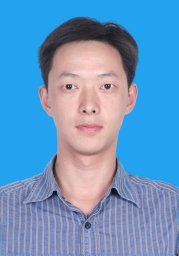 Naiyang Guan (管乃洋)合作论文数College of Computer, National University of Defense Technology;Artificial Intelligence Research Center, National Innovation Institute of Defense Technology12
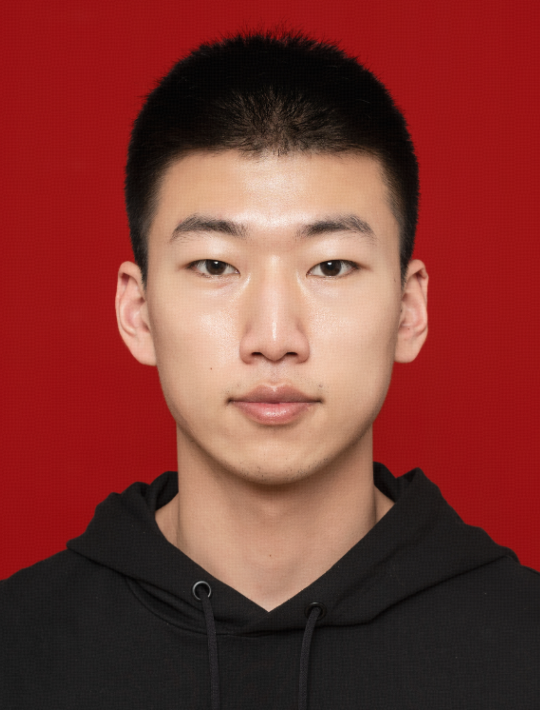 Fengxiang Wang合作论文数College of Computer Science and Technology, National University of Defense Technology10
 Guohua Dong合作论文数Ctr Computat Biol, Beijing Inst Basic Med Sci10Chuanfu Xu合作论文数National University of Defense Technology10
 Huayue Cai合作论文数9
 Feng Liu (刘峰)合作论文数School of Computing and Information Systems, Faculty of Engineering and Information Technology, The University of Melbourne9
 Shaowu Yang合作论文数Faculty of Science, University of Tuebingen8
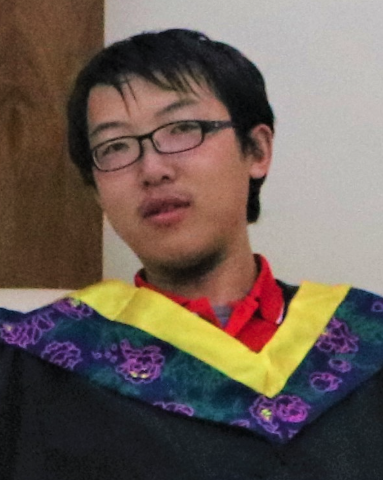 Di Wang合作论文数iFlytek7Hengzhu Liu (刘衡竹)合作论文数National University of Defense Technology7
 Jing Zhao合作论文数Department of Intelligent Data Science, College of Computer Science, National University of Defense Technology6Changcheng Xiao合作论文数6xueqiong li (李雪琼)合作论文数6
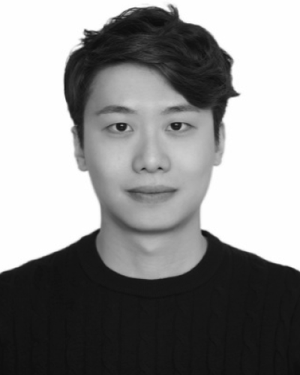 Tianyi Liang合作论文数6
 Xingyu Shen合作论文数6
 Yudong Zhang (张煜东)合作论文数School of Informatics, University of Leicester6
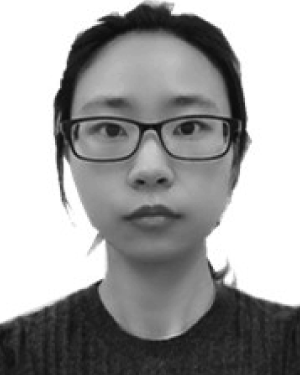 Wang Shiwei合作论文数6
 Shanshan Wang (王姗姗)合作论文数Institutes of Physical Science and Information Technology, Anhui University;Institute of Bioinspired Intelligence and Mining Knowledge, Anhui University6
 Yuhua Tang (唐玉华)合作论文数National University of Defense Technology6
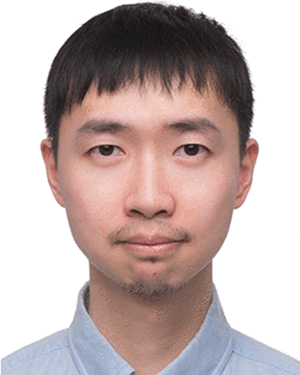 Yibing Zhan (詹忆冰)合作论文数JD Explore Academy6
 Nan Yin合作论文数Mohamed Bin Zayed University of Artificial Intelligence5
 Dingyao Chen合作论文数5Husam Lahza合作论文数5
 Yulin Wang (王语霖)合作论文数Department of Automation, Tsinghua University5
 Kele Xu (许可乐)合作论文数College of Computer Science and Technology, National University of Defense Technology;National Key Laboratory of Parallel and Distributed Computing, National University of Defense Technology;State Key Laboratory of Complex & Critical Software Environment, National University of Defense Technology5
 Xiaobo Shen (沈肖波)合作论文数School of Computer Science and Engineering, Nanjing University of Science and Technology5
 Wenju Zhang合作论文数Sci. & Technuingy on Parallel & Distrib. Proccasmg Lab., Nat. Univ. of Defense Tbchnology;c5
 Qing Liao (廖清)合作论文数Department of Computer Science and Technology, School of Computer Science and Technology, College of Informatics, Harbin Institute of Technology, Shenzhen;Institute of Cyberspace Security, Harbin Institute of Technology, Shenzhen5
 Li Shen (沈力)合作论文数School of Cyber Science and Technology, Sun Yat-sen University;Center for AI Theoretical Foundation and Systems, Shenzhen Loop Area Institute5
 Chaoyue Wang合作论文数JD Explore Academy5
 Xiang Li合作论文数College of Electronic Science and Technology, National University of Defense Technology5
 Zonghao Guo合作论文数Learning and Machine Perception Laboratory, School of Electronic, Electrical and Communication Engineering, University of Chinese Academy of Sciences4
 Ke Liang合作论文数College of Computer Science and Technology, National University of Defense Technology4
 Tuo Wang合作论文数4
 Liang Yang (杨亮)合作论文数School of Artificial Intelligence, Hebei University of Technology;School of Computer Science and Engineering, Hebei University of Technology4




