Environmental DNA (eDNA) sequencing from water samples has emerged as a promising and cost-effective approach to collect comprehensive freshwater biodiversity data. However, critics might highlight potential shortcomings, such as the possibility of false positives (detection of absent species) and false negatives (failing to detect a species that is present). Misconceptions and misunderstandings may also stem from the complexity of the scientific approach and technical language, with implications for decision-makers and potentially hindering conservation. In the present article, we propose an analogy of eating a pizza to simplify messaging and increase understanding of detection probability within typical eDNA metabarcoding workflows. The pizza represents a site, slices represent water samples, bites represent PCR replicates, toppings represent species and olives represent a low-abundance species. Overall, the pizza analogy provides a novel, lighthearted and memorable way to communicate complex eDNA workflows to a broad spectrum of biological scientists and practitioners.
Reintroduction of keystone species is considered part of the solution to the current biodiversity crisis. The Eurasian beaver (Castor fiber) is one such species, shaping its habitat by felling trees, building dams and creating wetlands. However, whilst the potential benefits to aquatic biodiversity and ecological functioning have been studied on a local scale, the impacts of beavers on catchment-scale processes such as fish migration remain understudied. Sequencing of environmental DNA (eDNA metabarcoding) from water samples is a cost-effective method to study species distributions across large geographical scales. Here, eDNA samples (n = 426) were collected from 142 sites across Britain's oldest and largest established wild beaver population, located on Tayside, East Scotland and analysed using a vertebrate-specific metabarcoding assay. We combined detection/non-detection data from eDNA results with other environmental and anthropogenic variables to model the effects of beaver eDNA detections on the distribution of three migratory fish species. Using generalised linear models, we found no effects of the current beaver eDNA detections on the distribution of Atlantic salmon or lamprey, but a positive co-occurrence with European eel at the catchment scale. Model outputs also reinforced previous findings on the impact of barriers to migration and other abiotic and biotic factors on fish species, demonstrating the effectiveness of eDNA sampling in rivers for understanding species distributions at a catchment scale. Synthesis and applications. This study provides novel insights into the catchment-scale co-distribution of beavers and migratory fish, and there was no evidence of negative effects on the catchment-scale distribution of migratory fish species. More generally, this study highlights how catchment-wide eDNA monitoring can be applied by environmental managers to aid decision-making and impact assessment of multiple priority species at the catchment scale.
Landscape-scale restoration is needed to reverse declines in biodiversity, but the ecological processes that sustain biodiversity by boosting heterogeneity are often overlooked. Large herbivores are important drivers of heterogeneity and are increasingly being used to restore lost dynamic processes. With beaver populations recovering from a historic low, we test what their ecosystem engineering potential means for biodiversity and ecosystem functioning at multiple scales. We quantified 10 taxonomic groups at sample, site and landscape scale via in-situ surveys (plants and water beetles) and eDNA sampling (invertebrate and vertebrates) from nine beaver-created wetlands and nine wetlands unmodified by beavers (control wetlands) in Evo, Finland. Per taxonomic group, the mean and total number of taxa at sample and site-scale was mostly similar between wetland types, though significantly higher in beaver wetlands at sample (true flies) and site-scale (plants and true flies). 63
Abstract Effective biodiversity monitoring is essential for understanding taxonomic, functional and trophic dynamics in changing ecosystems. Non‐invasive tools such as environmental DNA (eDNA) metabarcoding, passive acoustic monitoring (PAM) and camera trapping offer complementary strengths, yet their relative effectiveness for assessing biodiversity, in particular functional diversity and trophic structure, remains underexplored. These approaches are particularly valuable in rewilding landscapes, where restoration actions create heterogeneous, rapidly changing habitats that require scalable monitoring solutions. We applied an integrated monitoring approach at a rewilding site in Scotland, comparing vertebrate diversity detected by metabarcoding four eDNA sample types (water, soil, tree rolling and scat) with PAM and camera traps. Each method was evaluated for taxonomic richness, community composition, functional diversity via trait‐based analyses and trophic complexity through co‐occurrence networks, metrics rarely assessed together across methods. In total, 79 vertebrate taxa were detected: PAM captured 52 taxa, eDNA 44 and camera traps 12. Of the eDNA substrates, water and tree‐rolling samples had the highest richness. Each method detected unique species, with birds and bats best covered by PAM, and small mammals by eDNA. Community composition varied between methods, with eDNA substrates capturing broader communities. PAM revealed the strongest community differences between wooded and open habitats. Tree rolling and water eDNA captured the greatest functional diversity, while PAM showed higher redundancy. No single method captured all functional traits. Integrating eDNA methods with PAM produced the most complete trophic network. PAM provided the most complete network but missed key terrestrial interactions that were filled by eDNA. Practical implication . Rewilding and restoration programmes require an integrated multi‐method ‘toolkit’ to comprehensively capture vertebrate richness, functional diversity and trophic complexity. We recommend combining PAM with either tree rolling or water eDNA sampling as an optimal monitoring strategy, balancing their complementary strengths in taxonomic and functional coverage.
Abstract Context Pumping stations pose a threat to fish globally through land use change, habitat fragmentation and entrainment risk, with the catadromous and critically endangered European eel particularly impacted. Objectives/methods Establish, model, assess and understand the present-day distribution of European eel and resident fishes in 152 pumping station catchments in a once extensive wetland (The Fens) using eDNA metabarcoding (855 samples over two and half years), with specific focus on anthropogenic influences on hydrological connectivity and habitat quality. A removal survey design maximised confidence in negative results while minimising time and consumable costs. Results Eel occurrence upstream of pumping stations was low (occupancy = 28.3%) and positively associated with catchment area, fish species richness and natural hydrological connectivity (gravity drainage or flooding) and negatively associated with distance from the tidal limit. Fish species richness replaced catchment area and improved model performance, potentially acting as a biotic indicator of habitat quality and connectivity. Pumped catchments with manually operated upstream water transfers had reduced eel presence, potentially linked to the direction of water flow or the timing of operation. By contrast, fish species richness increased in these catchments during summer, suggesting displacement into unsuitable long-term habitats. Physical habitat maintenance had no detectable effect on eel occurrence or fish species richness. Conclusions This study provides the first landscape-scale assessment of European eel distribution and drivers of occurrence in pumped river catchments. The highly novel and comprehensive insights have implications for European eel conservation as well as infrastructure and catchment management, including compliance with legislation (EC Regulation No. 1100/2007).
Achieving global biodiversity goals requires assessing, attributing and reversing the ongoing, unprecedented biodiversity decline in aquatic ecosystems, and relies on adequate data to inform policy and action. Analysis of environmental DNA (eDNA) has become established as a novel and powerful approach to assess the state and functioning of aquatic ecosystems, and although increasingly implemented by stakeholders its potential is not yet fully tapped. In this Perspective, we review the current state of aquatic eDNA research, focusing in particular on the policy relevance of eDNA and its utility in contributing towards the Kunming–Montreal Global Biodiversity Framework. We summarize key technological developments in eDNA science to measure organismal diversity, its potential for spatial and temporal upscaling to become a key reference for local to global biodiversity action, and the next steps needed to effectively implement eDNA for decision-making and reaching biodiversity targets. Using eDNA to support biodiversity assessment will particularly benefit the understanding of understudied ecosystems and allow the direct calculation of ecological indices and implementation of FAIR (findable, accessible, interoperable and reusable) and inclusive data curation. Important next steps for eDNA require proper method standardization and commonly agreed quality standards, populating reference databases, and overcoming methodological constraints in retrofitting novel eDNA-based approaches to existing biodiversity monitoring approaches. Aquatic eDNA-based technologies offer the potential for universal and standardized biodiversity monitoring. In this Perspective, Altermatt et al. discuss how these technologies can help to achieve the targets of the Kunming–Montreal Global Biodiversity Framework through informing appropriate policy and actions, and describe the next steps required for widespread and equitable use of these technologies.
1. Rewilding, the restoration of natural processes to create self-sustaining and resilient ecosystems, is an increasingly popular conservation approach. However, outcomes are often unpredictable, and effective ecological monitoring is critical for understanding impacts. Integrating environmental DNA (eDNA) metabarcoding with other non-invasive tools may help provide more comprehensive assessments of taxonomic and functional diversity and trophic complexity. 2. We applied an integrated monitoring approach at a rewilding site in Scotland, comparing vertebrate diversity detected by metabarcoding four eDNA sample types (water, soil, tree rolling, scat) with passive acoustic monitoring (PAM) and camera trapping. Each method was evaluated for taxonomic richness, community composition, functional diversity using trait-based analyses, and trophic complexity through co-occurrence networks. The comparative effectiveness of these methods is rarely explored beyond basic taxonomic diversity metrics. 3. In total, 79 vertebrate taxa were detected: PAM captured 52 taxa, eDNA 44, and camera traps 17. Of the eDNA substrates, water and tree-rolling samples had the highest richness. Each method detected unique species, with birds and bats best covered by PAM, and small mammals by eDNA. Community composition varied between methods, with eDNA substrates capturing broader communities. PAM revealed the most pronounced community differences between wooded and open habitats. 4. Tree rolling and water eDNA captured the greatest functional diversity, while PAM showed higher redundancy, detecting species with similar ecological roles. No single method captured all functional traits. Integrating eDNA methods with PAM produced the most complete trophic network. PAM provided the most complete network but missed key terrestrial interactions that were filled by eDNA. 5. Synthesis and applications: Our findings highlight the necessity of an integrated multi-method ‘toolkit’ for practitioners to comprehensively capture vertebrate richness, functional diversity, and trophic complexity, particularly in rewilding contexts. We recommend combining PAM with either tree rolling or water eDNA sampling as an optimal monitoring strategy, balancing their complementary strengths in taxonomic and functional coverage. ### Competing Interest Statement The authors have declared no competing interest.
IntroductionRewilding, the facilitation of self-sustaining and resilient ecosystems by restoring natural processes, is an increasingly popular conservation approach and potential solution to the biodiversity and climate crises. Outcomes of rewilding can be unpredictable, and monitoring is essential to determine whether ecosystems are recovering. Metabarcoding, particularly of environmental DNA (eDNA), is revolutionizing biodiversity monitoring and could play an important role in understanding the impacts of rewilding but has mostly been applied within aquatic systems.MethodsThis systematic review focuses on the applications of eDNA metabarcoding in terrestrial monitoring, with additional insights from metabarcoding of bulk and ingested DNA. We examine publication trends, choice of sampling substrate and focal taxa, and investigate how well metabarcoding performs compared to other monitoring methods (e.g. camera trapping).ResultsTerrestrial ecosystems represented a small proportion of total papers, with forests the most studied system, soil and water the most popular substrates, and vertebrates the most targeted taxa. Most studies focused on measuring species richness, and few included analyzes of functional diversity. Greater species richness was found when using multiple substrates, but few studies took this approach. Metabarcoding did not consistently outperform other methods in terms of the number of vertebrate taxa detected, and this was likely influenced by choice of marker, sampling substrate and habitat.DiscussionOur findings indicate that metabarcoding, particularly of eDNA, has the potential to play a key role in the monitoring of terrestrial rewilding, but that further ground- truthing is needed to establish the most appropriate sampling and experimental pipelines for the target taxa and terrestrial system of interest.Systematic Review Registrationhttps://osf.io/38w9q/?view_only=47fdab224a7a43d298eccbe578f1fcf0, identifier 38w9q.
Hybridization plays a pivotal role in evolution, influencing local adaptation and speciation. However, it can also reduce biodiversity, which is especially damaging when native and non-native species meet. Hybridization can threaten native species via competition (with vigorous hybrids), reproductive resource wastage and gene introgression. The latter, in particular, could result in increased fitness in invasive species, decreased fitness of natives and compromise reintroduction or recovery conservation practices. In this study, we use a combination of RAD sequencing and microsatellites for a range-wide sample set of 1366 fish to evaluate the potential for hybridization and introgression between native crucian carp (Carassius carassius) and three non-native taxa (Carassius auratus auratus, Carassius auratus gibelio and Cyprinus carpio) in European water bodies. We found hybridization between native and non-native taxa in 82% of populations with non-natives present, highlighting the potential for substantial ecological impacts from hybrids on crucian carp populations. However, despite such high rates of hybridization, we could find no evidence of introgression between these taxa. The presence of triploid backcrosses in at least two populations suggests that the lack of introgression among these taxa is likely due to meiotic dysfunction in hybrids, leading to the production of polyploid offspring which are unable to reproduce sexually. This result is promising for crucian reintroduction programs, as it implies limited risk to the genetic integrity of source populations. Future research should investigate the reproductive potential of triploid hybrids and the ecological pressures hybrids impose on C. carassius.
Estuarine ecosystems are threatened by numerous anthropogenic pressures. Fish assemblages are a dominant component of estuarine macrofauna and serve as indicators for the health of these transitional water ecosystems. Environmental DNA (eDNA) metabarcoding is increasingly used to assess the biodiversity of fishes in estuaries. However, there is a need to further establish how effective eDNA metabarcoding can be relative to conventional fish sampling methods across multiple estuaries and seasons. This study compared fish assemblages detected via eDNA metabarcoding of surface water samples to contemporary sampling with conventional fishing gears in three temperate estuaries (UK), during early summer and autumn. Most species caught by fishing were detected by eDNA. Species richness estimates from eDNA were two to ten times higher than estimates based on fishing, and included taxa of conservation importance and a non-native species. The eDNA assemblage composition was significantly different to the assemblage detected by seine nets. Importantly, eDNA methods could effectively discriminate between fish assemblages of different estuaries and seasons. Fish assemblages in estuaries are often not monitored due to resource constraints. The dynamic nature of estuaries may make fishing gear deployment difficult and inconsistent. The findings indicate that eDNA metabarcoding is suited to gathering large amounts of information on fish biodiversity, at a relatively low sampling effort, compared to established fishing methods. Therefore, eDNA shows promise as an assessment tool for fish assemblage structure and ecosystem health in estuarine environments, with application to statutory monitoring.
Environmental DNA (eDNA) metabarcoding is transforming biodiversity monitoring in aquatic environments. Such an approach has been developed and deployed for monitoring lake fish communities in Great Britain, where the method has repeatedly shown a comparable or better performance than conventional approaches. Previous analyses indicated that 20 water samples per lake are sufficient to reliably estimate fish species richness, but it is unclear how reduced eDNA sampling effort affects richness, or other biodiversity estimates and metrics. As the number of samples strongly influences the cost of monitoring programmes, it is essential that sampling effort is optimised for a specific monitoring objective. The aim of this project was to explore the effect of reduced eDNA sampling effort on biodiversity metrics (namely species richness and community composition) using algorithmic and statistical resampling techniques of a data set from 101 lakes, covering a wide spectrum of lake types and ecological quality. The results showed that reliable estimation of lake fish species richness could, in fact, usually be achieved with a much lower number of samples. For example, in almost 90% of lakes, 95% of complete fish richness could be detected with only 10 water samples, regardless of lake area. Similarly, other measures of alpha and beta-diversity were not greatly affected by a reduction in sample size from 20 to 10 samples. We also found that there is no significant difference in detected species richness between shoreline and offshore sampling transects, allowing for simplified field logistics. This could potentially allow the effective sampling of a larger number of lakes within a given monitoring budget. However, rare species were more often missed with fewer samples, with potential implications for monitoring of invasive or endangered species. These results should inform the design of eDNA sampling strategies, so that these can be optimised to achieve specific monitoring goals.
AbstractAnthropogenically forced changes in global freshwater biodiversity demand more efficient monitoring approaches. Consequently, environmental DNA (eDNA) analysis is enabling ecosystem-scale biodiversity assessment, yet the appropriate spatio-temporal resolution of robust biodiversity assessment remains ambiguous. Here, using intensive, spatio-temporal eDNA sampling across space (five rivers in Europe and North America, with an upper range of 20–35 km between samples), time (19 timepoints between 2017 and 2018) and environmental conditions (river flow, pH, conductivity, temperature and rainfall), we characterise the resolution at which information on diversity across the animal kingdom can be gathered from rivers using eDNA. In space, beta diversity was mainly dictated by turnover, on a scale of tens of kilometres, highlighting that diversity measures are not confounded by eDNA from upstream. Fish communities showed nested assemblages along some rivers, coinciding with habitat use. Across time, seasonal life history events, including salmon and eel migration, were detected. Finally, effects of environmental conditions were taxon-specific, reflecting habitat filtering of communities rather than effects on DNA molecules. We conclude that riverine eDNA metabarcoding can measure biodiversity at spatio-temporal scales relevant to species and community ecology, demonstrating its utility in delivering insights into river community ecology during a time of environmental change.
Context The contribution of volunteers in recording invasive alien species (IAS) has been fostered by technological developments such as social media, apps, low-cost sensors, search engines and predictive analytics. These technology developments, an increased attention to citizen science and a cultural change towards collaboration and openness in research within the policy agenda should increase the contribution of volunteer recording. Within the framework of the COST Action CA17122 Increasing Understanding of Alien Species through Citizen Science (Roy et al. 2018) a group of researchers explored the value of emerging technologies for citizen science in the context of alien species, recognizing the contribution of volunteers and reviewing their potential to engage broad audiences, motivate volunteers, improve data collection, increase data quality etc. Survey The following criteria were then used to evaluate the potential of these technologies for alien species citizen science through a dedicated survey: ● Audience: the technology can attract new target audiences for IAS citizen science and/or support more inclusivity in IAS citizen science (can overcome inequalities in participation, attract under-privileged audiences/those underrepresented in the scientific enterprise, allow participation of sensory/cognitive/otherwise impaired...) ● Engagement with others: the technology supports better connections with other participants, helpful in building a community ● Engagement via feedback: the technology increases the quality, amount or rate of feedback (including supporting learning) to participants ● Application: the technology can be embedded in everyday life and therefore has the potential for wide, generic application ● New data: the technology yields new types of data that would not be available without the technology (improved the detectability of IAS, new types of data, species interactions, new information sources) ● Extends data: the technology expands the scope of data collection or analysis (e.g. better coverage spatially, temporally) ● Improves data quality: the technology improves species ID, reduces uncertainty, improves validation ● Improves the flow of data: the technology increases the speed of record transmission (e.g. for early warning) ● Improves the curation of data: the technology itself allows for improved data curation (better metadata, sustainability and long term preservation data, open data, tracked provenance of data, FAIR data management, enable to better credit citizen scientists for their data contributions) Dataset description This dataset represents the list of technologies (in the broadest sense, including approaches) that were identified collectively by the experts as being relevant technologies in the framework of (alien species) citizen science. The dataset includes the following fields: Name: name of the approach/technology Category: broad categorisation of the approach/technology (Hardware and infrastructure, data collection and analysis tools, tools to improve user experience). If some approaches are combinations this is mentioned in description. Description: a definition and/or description of the approach/technology Reference: a reference on the approach/technology (e.g. paper, online reference), mostly with a doi Example: an example of the approach/technology, mostly with reference to an (alien species) citizen science project that applied it Notes: any further remarks
Invasive non-native species (INNS) pose a worldwide environmental threat, negatively impacting invaded ecosystems on an ecological and economical scale. In recent decades, quagga mussels ( Dreissena rostriformis bugensis ) have successfully invaded several countries in Western Europe from the Ponto-Caspian region, being recorded for the first time in Great Britain (GB) in 2014, in Wraysbury, near London. In recent years, environmental DNA (eDNA) analysis has proven to be a sensitive and effective method for early detection and monitoring of a number of INNS. Previously, a dye-based quantitative PCR (qPCR) assay was developed for the detection of quagga mussels from eDNA samples. Here, a target-specific probe was designed to further increase the specificity of this assay and used to obtain an updated distribution of this species in GB. Twenty-four sites were sampled, including sites with established populations near London and sites spread across the East Midlands and East Anglia regions. Positive detections were obtained for 11 of the 24 sites, and these were widely spread, as far as Nottingham (East Midlands) and Norfolk (East Anglia). Detection rates were 100% at the three sites with known established populations, while rates were lower (3-50% of positive replicates) in the eight newly-identified sites, consistent with an early stage of invasion. Of particular concern was the detection of quagga mussels in major waterways and in popular recreational sites, highlighting urgent measures are needed to control pathways and spread. Our study demonstrates that quagga mussels are considerably more widespread in GB than previously thought and provides a much-needed step towards operational use of eDNA for monitoring quagga mussels. ### Competing Interest Statement The authors have declared no competing interest.
Fishes are a dominant component of the macrofauna in estuaries and are important for assessing the health of these threatened ecosystems. Several studies have applied environmental DNA (eDNA) metabarcoding to assess the biodiversity of fishes in estuaries. However, none have combined measurement of physicochemical variables with a spatially extensive sampling design across the full salinity gradient. This study aimed to compare spatial fish assemblage composition detected via eDNA metabarcoding of surface water samples with conventional fishing gear surveys in a macrotidal estuary (river Dee, North Wales, UK). In addition, eDNA assemblage composition across seasons was investigated. In autumn 2018, triplicate eDNA samples were taken at 13 stations in a spatially systematic design alongside seine, fyke and beam trawl sampling. In summer 2019, eDNA samples from eight of the 13 original stations were collected again in the upper and lower estuary. DNA was extracted from samples and subjected to metabarcoding analysis using an established assay targeting teleost fishes. The key findings were that in autumn, eDNA detected 17 of the 26 (71%) species caught by fishing gears, which included the most abundant species. Overall, eDNA detected a greater species richness, per 30 samples, than seine or fyke nets (but not beam trawling). Additionally, there was a clear correlation between salinity and assemblage composition, which was consistent across seasons. Overall, the study indicates that eDNA metabarcoding could enhance existing fish sampling methods, by generating a more comprehensive picture of estuarine fish biodiversity and providing additional information for ecological inference and management actions.
Determining the timing and location of fish reproductive events is crucial for the implementation of correct management and conservation schemes. Conventional methods used to monitor these events are often unable to assess the spawning activity directly or can be invasive and therefore problematic. This is especially the case when threatened fish populations are the study subject, such as the Arctic charr (Salvelinus alpinus L.) populations in Windermere (Cumbria, UK). Arctic charr populations have been studied in this lake since the 1940s, and the locations and characteristics of spawning grounds have been described in detail using techniques such as hydroacoustics, as well as physical and visual surveys of the lake bottom. Here, in conjunction with established netting surveys, we added an environmental DNA (eDNA) metabarcoding approach to assess the spatial distribution of Arctic charr in the lake throughout the year to test whether this tool could allow us to identify spawning locations and activity. Sampling was carried out between October 2017 and July 2018 at three locations in the lake, covering putative and known spawning sites. eDNA metabarcoding provided accurate spatial and temporal characterization of Arctic charr spawning events. Peaks of Arctic charr relative read counts from eDNA metabarcoding were observed during the spawning season and at specific locations of both putative and known spawning sites. Net catches of mature Arctic charr individuals confirmed the association between the Arctic charr spawning activity and the peaks of eDNA metabarcoding relative read counts. This study demonstrates the ability of eDNA metabarcoding to effectively and efficiently characterize the spatial and temporal nature of fish spawning in lentic systems.
Abstract Here, we report on eDNA week, an international conference held online as a five‐day series of webinars from January 17, 2022, to January 21, 2022. The conference was organized by the UK DNA working group, which has witnessed considerable growth and application of eDNA research since its founding and first conference in 2014. The 2022 event, held online due to the COVID‐19 pandemic, provided an opportunity to invite international researchers who are leading the field, without the usual constraints of conference location. Compared with the previous UK‐based in‐person conferences, there was greater international participation amongst the 514 people who registered to attend the event. To emphasize the importance of collaboration between sectors in driving forward DNA monitoring, a session was devoted to presentations by participants from governmental agencies, and another to those from commercial companies developing and utilizing DNA tools. The industry and stakeholder sessions were accompanied by state‐of‐the‐art presentations delivered by a global group of DNA/eDNA researchers from 11 countries. These sessions were complemented by an open forum session for reflection and discussion.
People make an important contribution to the study and management of biological invasions, as many monitoring and control projects rely heavily on volunteer assistance. Understanding the reasons why people participate in such projects is critical for successful recruitment and retention of volunteers. We used a meta-synthesis approach to extract, analyze and synthesize the available information from 28 selected studies investigating motivations of volunteers to engage in monitoring and control of invasive alien species (IAS). Our findings show how motivations fit three broad themes, reflecting environmental concerns, social motivations, and personal reasons. An important outcome of this study is the description of motivations that are unique to the IAS context: supporting IAS management, protecting native species and habitats, and livelihood/food/income protection or opportunities. In addition, our study reflects on important methodological choices for investigating volunteer motivations as well as ethical issues that may arise in practice. We conclude with a set of recommendations for project design and future research on volunteer motivations in IAS contexts, emphasizing the importance of collaboration with social scientists.
 Bernd Hänfling合作论文数Umweltforschungszentrum Leipzig-Halle GmbH29
 Lynsey R. Harper合作论文数Sch Biol Environm Sci, Liverpool John Moores Univ15
 Helen E Roy合作论文数NERC Centre for Ecology and Hydrology – Monks Wood14
 Rosetta C. Blackman合作论文数Eawag, Swiss Federal Institute of Aquatic Science and Technology11
 Jianlong Li (李建龙)合作论文数School of Marine Biology and Fisheries, Hainan University10
 Peter Michael James Brown合作论文数7
 Marco Benucci合作论文数7Graham S Sellers合作论文数Hardy Building, University of Hull Hull7
 Hahn Christoph合作论文数Natural History Museum, University of Oslo7
 Eric Lombaert合作论文数Unité de Lutte Biologique, INRA Centre de Recherches de Sophia Antipolis6
 Ian J Winfield (Ian Winfield)合作论文数Lake Ecosystems Group, Centre for Ecology & Hydrology6
 Arnaud Estoup合作论文数6
 Carl Sayer合作论文数Department of Geography, University College London6Remy L. Poland合作论文数5
 Cristina Di Muri合作论文数Italian Natl Res Council, Univ Salento5
 Cathleen E. Thomas合作论文数University of Hull, University of Hull5
 Jeffries Daniel L合作论文数Department of Biological Sciences, University of Hull5
 Tim Adriaens合作论文数INBO, Research Institute for Nature and Forest5
 Bean Colin W.合作论文数Scottish Natural Heritage Caspian House5
 Helen C Rees合作论文数Department of Microbiology and Immunology, University of Leicester University5Hayley V. Watson合作论文数4Peter Brotherton合作论文数4Helen S. Kimbell合作论文数4
 Ana A. Anđelkovic合作论文数Dept Weed Res, Inst Plant Protect & Environm4
 richard f comont合作论文数NERC Ctr Ecol & Hydrol, Crowmarsh Gifford OX10 8BB, Oxon, England4
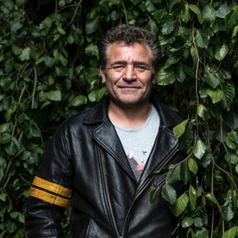 Francois Balloux合作论文数Genetics Institute, University College London;Department of Genetics, Evolution and Environment, University College London4
 Stefano Mariani合作论文数UCD School of Biology and Environmental Science, University College Dublin4
 Neil Boonham合作论文数Central Science Laboratory4
 Nicolas Perrin合作论文数Department of Ecology and Evolution, Faculty of Biology and Medicine, University of Lausanne4
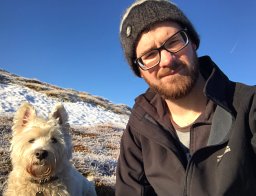 Alan Law合作论文数The Dental Specialists4
 Elizabete Marchante合作论文数Department of Botany Cal, University of Coimbra Centre for Functional Ecology4
 Elena Tricarico合作论文数Dipartimento di Biologia Animale e Genetica “Leo Pardi”4
 Tristan Hatton-Ellis合作论文数4
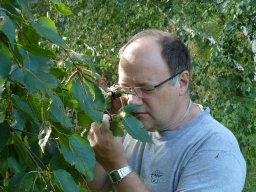 Marc Kenis合作论文数CABI Europe-Switzerland4
 Simon Creer合作论文数4
 Kerry Brian Walsh (Kerry Walsh)合作论文数Institute for Future Farming Systems, School of Health, Medical and Applied Sciences, Central Queensland University4
 Laura N H Verbrugge合作论文数Water and Development Research Group, Aalto University3
 Patrick De Clercq合作论文数Department of Plants and Crops, Faculty of Bioscience Engineering, Universiteit Gent3
 Dirk Babendreier合作论文数Agroscope Reckenholz-Tänikon Research Station ART3I. P. Adams合作论文数The Food and Environment Research Agency Sand Hutton3
 Andrea Manica合作论文数Department of Zoology, University of Cambridge3Graeme Peirson合作论文数3
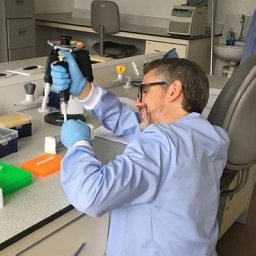 Allan D McDevitt合作论文数School of Biology and Environmental Science, University College Dublin3
 Charles Baillie合作论文数2Thomas I. Gibson合作论文数2Robert Donnelly合作论文数2
 Emma Rhule合作论文数International Institute for Global Health, United Nations University2a aebi合作论文数2Erin Lewis合作论文数2




