After liver transplantation, steroid therapy is often used to prevent rejection. However, long-term steroid use can lead to serious side effects, therefore, this study aimed to evaluate the feasibility of peripheral regulatory T cell profiles for steroid discontinuation after liver transplantation through cellular thermal modeling and real-time monitoring of intracellular thermodynamics. In this study, cellular thermal modeling techniques were used to simulate the thermodynamic characteristics of peripheral TREgs under different conditions. The dynamic changes of peripheral Treg in liver transplantation animal models were monitored by flow cytometry and molecular biology. Significant changes in peripheral Treg profiles were observed after initiation of steroid therapy, especially in the discontinuation group, and these changes were strongly associated with the restoration of immune homeostasis. Real-time monitoring of the thermodynamic data revealed that peripheral Treg activity showed a specific temperature dependence in the cellular thermal model. Cell thermal modeling combined with real-time monitoring of intracellular thermodynamics provides a new perspective for evaluating the feasibility of peripheral regulatory T cell profiles for steroid discontinuation after liver transplantation. Strengthening the dynamic monitoring of peripheral Treg spectrum provides an important basis for the formulation of personalized immunosuppression strategies, and improves the therapeutic effect and quality of life of liver transplant patients.
Tibial cortex transverse distraction is a surgical method for treating severe diabetic foot ulcers (DFUs), but the underlying mechanism is unclear. We show that antioxidant proteins and small extracellular vesicles (sEVs) with multiple-tissue regenerative potential are released during bone transport (BT) in humans and rats. These vesicles accumulate in diabetic wounds and are enriched with microRNAs (miRNAs) (e.g., miR-494-3p) that have high regenerative activities that improve the circulation of ischemic lower limbs while also promoting neovascularization, fibroblast migration, and nerve fiber regeneration. Deletion of miR-494-3p in rats reduces the beneficial effects of BT on diabetic wounds, while hydrogels containing miR-494-3p and reduced glutathione (GSH) effectively repair them. Importantly, the ginsenoside Rg1 can upregulate miR-494-3p, and a randomized controlled trial verifies that the regimen of oral Rg1 and GSH accelerates wound healing in refractory DFU patients. These findings identify potential functional factors for tissue regeneration and suggest a potential therapy for DFUs.
Inflammation is crucial to tumorigenesis and the development of metastasis. Hepatic ischemia/reperfusion injury (IRI) is an unresolved problem in liver resection and transplantation which often establishes and remodels the inflammatory microenvironment in liver. More and more experimental and clinical evidence unmasks the role of hepatic IRI and associated inflammation in promoting the recurrence of hepatocellular carcinoma (HCC). Meanwhile, approaches aimed at alleviating hepatic IRI, such as machine perfusion, regulating the gut-liver axis, and targeting key inflammatory components, have been proved to prevent HCC recurrence. This review article highlights the underlying mechanisms and promising therapeutic strategies to reduce tumor recurrence through alleviating inflammation induced by hepatic IRI.
Wound healing is a highly orchestrated process involving a variety of cells, including immune cells. Developing immunomodulatory biomaterials for regenerative engineering applications, such as bone regeneration, is an appealing strategy. Herein, inspired by the immunomodulatory effects of gastrodin (a bioactive component in traditional Chinese herbal medicine), a series of new immunomodulatory gastrodin-comprising biodegradable polyurethane (gastrodin-PU) and nano-hydroxyapatite (n-HA) (gastrodin-PU/n-HA) composites were developed. RAW 264.7 macrophages, rat bone marrow mesenchymal stem cells (rBMSCs), and human umbilical vein endothelial cells (HUVECs) were cultured with gastrodin-PU/n-HA containing different concentrations of gastrodin (0.5%, 1%, and 2%) to decipher their immunomodulatory effects on osteogenesis and angiogenesis in vitro. Results demonstrated that, compared with PU/n-HA, gastrodin-PU/n-HA induced macrophage polarization toward the M2 phenotype, as evidenced by the higher expression level of pro-regenerative cytokines (CD206, Arg-1) and the lower expression of pro-inflammatory cytokines (iNOS). The expression levels of osteogenesis-related factors (BMP-2 and ALP) in the rBMSCs and angiogenesis-related factors (VEGF and BFGF) in the HUVECs were significantly up-regulated in gastrodin-PU/n-HA/macrophage-conditioned medium. The immunomodulatory effects of gastrodin-PU/n-HA to reprogram macrophages from a pro-inflammatory (M1) phenotype to an anti-inflammatory and pro-healing (M2) phenotype were validated in a rat subcutaneous implantation model. And the 2% gastrodin-PU/n-HA significantly decreased fibrous capsule formation and enhanced angiogenesis. Additionally, 2% gastrodin-PU/n-HA scaffolds implanted in the rat femoral condyle defect model showed accelerated osteogenesis and angiogenesis. Thus, the novel gastrodin-PU/n-HA scaffold may represent a new and promising immunomodulatory biomaterial for bone repair and regeneration.
BackgroundThe trabecular pattern is one of the most common features of hepatocellular carcinoma (HCC). In this study, we aimed to identify the molecular mechanisms underlying different trabecular patterns in HCC, and their interaction with current therapies.MethodsTo screen potential biomarkers of different trabecular patterns, we first linked gene expression data to haematoxylin and eosin (H&E) images from The Cancer Genome Atlas (TCGA). The Gene Expression Omnibus (GEO) database was used to explore potential targets of sorafenib treatment. Selected candidate biomarkers were further verified by immunohistochemistry, and their relationship with sorafenib efficacy was evaluated in 107 HCC samples with trabecular patterns.ResultsAnalysis of RNA sequencing data from TCGA showed that the increasing number of cells in the trabecular structure correlated with increase in the expression of related signalling pathways—Ras, Rap1, IL17, TNF, AGE-RAGE, oestrogen, toll-like receptor signalling, and ubiquitin-mediated proteolysis—and genes related to response to oxygen levels and neoangiogenesis. In contrast, the expression of bile acid and carton, tryptophan, butanoate, and lipid metabolism-related pathways was reduced. The GEO database showed that RAP1GAP, TOB1, ACO2, and SCNN1D expression levels were selectively up-regulated in sorafenib non-responders. Based on the combined analysis of the two datasets and our previous studies, two candidate biomarkers, RAP1GAP and HIF1α, were selected. Immunohistochemical staining showed that RAP1GAP and HIF1α were expressed in the tumour tissues. Interestingly, RAP1GAP was also expressed in the tumour sinusoids. Overexpression of RAP1GAP in sinusoids were associated with trabecular patterns. Multivariate analysis also showed that RAP1GAP expression in the sinusoid was an independent predictor of progressive free survival (PFS) and overall survival (OS) in response to sorafenib treatment.ConclusionsRAP1GAP is an essential microenvironment marker in the trabecular structure of HCC and exhibits an adverse association with outcome in sorafenib treatment.
The impairment of autophagic flux has been widely recognized in myocardial ischemia-reperfusion (I/R) injury, but its underlying mechanism contributing to impaired autophagic flux is poorly understood. As celluar major degradation systems, autophagy and ubiquitin proteasome system (UPS) participate in the multitudinous pro-gression of disease by interactive relationship. Especially UBE2D3, one of the ubiquitin-binding enzyme E2 family, is closely related to the regulation impairment of autophagic flux under I/R in our study. Therefore, this study aims to further explore the regulatory mechanism of UBE2D3 in I/R induced autophagy. We determined interference with UBE2D3 alleviated injury of myocardial cells both in vivo and in vitro. Conversely, when inhibiting proteasome function by injecting MG-132, myocardial infarct size of rats became increasingly enhanced, along with the high expression levels of LDH and CK-MB in serum, compared with myocardial I/R injury without treatment of MG-132. This had been caused by UBE2D3 promoting p62/SQSTM1(p62) ubiq-uitination(Ub), which lead to worsen the impairment of autophagic flux induced by myocardial I/R injury. In addition, UBE2D3 could also participate in the regulation of autophagy by negatively regulating mTOR. But more surprisingly, this mechanism was independent of the known mTOR-beclin1 pathway. These results suggested that in myocardial I/R injury, UBE2D3 promoted p62 ubiquitination to aggravate the impairment of autophagic flux. Moreover, mTOR was also involved in its regulation of autophagic flux in a way escaped from beclin1.
Circular RNA (circRNA), a novel type of non-coding RNA that consists of a circular loop, has been demonstrated to act as a “sponge” for microRNAs (miRNAs). However, the role of circRNAs in keloid remains unknown. In this study, we investigated circRNA expression profiles in keloid to identify potential diagnostic and therapeutic circRNAs. We performed a circRNA microarray assay to determine circRNA expression in keloid and paired normal skin tissues. Quantitative reverse transcription polymerase chain reaction was used to evaluate the expression levels of candidate circRNAs. The most significantly over-expressed circRNA was used to predict putative miRNA targets and the binding sites of miRNAs with this circRNA. Finally, we constructed a circRNA–miRNA interaction network and carried out gene ontology (GO) and Kyoto Encyclopedia of Genes and Genomes (KEGG) pathway analyses. We found 52 significantly upregulated and 24 downregulated circRNAs in keloid compared with normal skin tissue. We confirmed that hsa_circ_0057452, hsa_circ_0007482, hsa_circ_0020792, hsa_circ_0057342, and hsa_circ_0043688 were significantly upregulated in keloid tissues. Analysis of the circRNA–miRNA interaction network revealed that circRNAs could interact with miRNAs, including miRNA-29a, miRNA-23a-5p and miRNA-1976. GO and KEGG analyses indicated that these target genes were involved in biological functions and signaling pathways that may play vital roles in the pathogenesis of keloid. This study revealed that circRNAs are potentially implicated in the development of keloid and could serve as novel diagnostic and therapeutic targets.
AIM:Glutamine synthetase (GS) levels increase gradually with the development of hepatocellular carcinogenesis. In this study, we aimed to investigate the clinical significance of GS and the underlying mechanism of GS promoting hepatocellular carcinoma (HCC) invasion.METHODS:Serum concentration of GS and α-fetoprotein (AFP) in HCC patients, liver cirrhosis patients, and healthy individuals were detected. The GS-mRNA level and its prognostic value were explored in an independent HCC cohort from The Cancer Genome Atlas database. GS expression in HCC tissue and matched para-tumor tissue was determined. The effect of GS on HCC invasion was assessed in vitro and in vivo.RESULTS:The serum GS and AFP level in HCC patients was higher than that in healthy controls and liver cirrhosis patients. The area under the receiver operating characteristic curve for HCC diagnosis was 0.848 and 0.861 for GS and AFP, respectively. The area under the receiver operating characteristic curve of GS for diagnosis of AFP-negative HCC was 0.913. Combining GS with AFP achieved a diagnostic sensitivity and specificity of 82.5% and 93%, respectively. The GS level was higher in tumor tissues than that in para-tumor tissues. High GS expression was associated with poor prognosis of moderately differentiated HCC patients. In vitro, GS exerted an influence on HCC cell migration by mediating epithelial-mesenchymal transition. The lung and liver metastatic model of HCC further confirmed that GS expression affected the invasion of HCC cells in vivo.CONCLUSIONS:GS is a useful biomarker for HCC diagnosis, especially for AFP-negative patients. In addition, GS affects HCC metastasis through mediating epithelial-mesenchymal transition.
BACKGROUND/OBJECTIVES:Malnutrition has multiple impacts on surgical success, postoperative complications, duration of hospital stay, and costs, particularly for cancer patients. There are various nutrition risk screening tools available for clinical use. Herein, we aim to determine the most appropriate nutritional risk screening system for esophageal cancer (EC) patients in China.SUBJECTS/METHODS:In total, 138 EC patients were enrolled in this study and evaluated by experienced nurses using three different nutritional screening tools, the Nutrition Risk Screening 2002 tool (NRS2002), the Patient-generated Subjective Globe Assessment (PG-SGA), and the Nutrition Risk Index (NRI).We compared sensitivity, specificity, positive and negative likelihood ratios, and Youden index generated by each of the three screening tools. Finally, cut-off points for all three tools were re-defined to optimize and validate the best nutritional risk screening tool for assessing EC patients.RESULTS:Our data suggested that all three screening tools were 100% sensitive for EC patients, while the specificities were 44.4%, 2.96%, and 59.26% for NRS 2002, PG-SGA, and NRI, respectively. NRI had a higher positive likelihood ratio as well as a higher area under the receiver operating characteristic curve compared to those of NRS 2002 and PG-SGA; although, all three tools had null negative likelihood ratios. After adjusting the cut-off points, the specificity and accuracy for all tools were significantly improved, however, the NRI remained the most appropriate nutritional risk screening system for EC patients.CONCLUSIONS:The NRI is the most suitable (highest sensitivity and accuracy) nutritional risk screening tool for EC patients. The performance of the NRI can be significantly improved if the cut-off point is modified according to the results obtained using MedCalc software.
We thank Dr. Sugawara Y and Dr. Kim R for their insightful comments on our recent study (1). Organ allocation and selection of eligible candidates have always been a dilemma in liver transplantation for hepatocellular carcinoma (HCC). Milan criteria successfully defined a subset of patients with acceptable outcomes. However, several groups have presented excellent outcomes when extending Milan criteria. And strict adherence to Milan criteria denies access to a possible curative liver transplant in around 1/3 of potential recipients (2). To approach an optimized patient selection criteria, our group proposed Hangzhou criteria, which use a strategy combining tumor biological behavior and morphology (3). About Hangzhou criteria, both the two commentaries provide interesting but incisive insights, which are noteworthy.
AIM To investigate the impact of renal and graft function on post-transplant hyperlipidemia (PTHL) in living donor liver transplantation (LDLT). METHODS A total of 115 adult patients undergoing LDLT from January 2007 to May 2009 at a single center were enrolled. Data were collected and analyzed by the China Liver Transplant Registry retrospectively. PTHL was defined as serum triglycerides ≥ 150 mg/dL or serum cholesterol ≥ 200 mg/dL or the need for pharmacologic treatment at the sixth month after LDLT. Early renal dysfunction (ERD) was defined as serum creatinine ≥ 2 mg/dL and/or the need for renal replacement therapy in the first post-transplant week. RESULTS In 115 eligible patients, the incidence of PTHL was 24.3%. Recipients with PTHL showed a higher incidence of post-transplant cardiovascular events compared to those without PTHL (17.9% vs 4.6%, P = 0.037). Serum creatinine showed significant positive correlations with total serum triglycerides, both at post-transplant month 1 and 3 (P < 0.01). Patients with ERD had much higher pre-transplant serum creatinine levels (P < 0.001) and longer duration of pre-transplant renal insufficiency (P < 0.001) than those without ERD. Pre-transplant serum creatinine, graft-to-recipient weight ratio, graft volume/standard liver volume ratio, body mass index (BMI) and ERD were identified as risk factors for PTHL by univariate analysis. Furthermore, ERD [odds ratio (OR) = 9.593, P < 0.001] and BMI (OR = 6.358, P = 0.002) were identified as independent risk factors for PTHL by multivariate analysis. CONCLUSION Renal function is closely associated with the development of PTHL in LDLT. Post-transplant renal dysfunction, which mainly results from pre-transplant renal insufficiency, contributes to PTHL.
Background Microglial activation plays an important role in neurodegenerative diseases by producing several proinflammatory enzymes and proinflammatory cytokines. The phenolic glucoside gastrodin, a main constituent of a Chinese herbal medicine, has been known to display anti-inflammatory properties. The current study investigates the potential mechanisms whereby gastrodin affects the expression of potentially pro-inflammatory proteins by cultured murine microglial BV-2 cells stimulated with lipopolysaccharide (LPS). Methodology/Principal Findings BV-2 cells were pretreated with gastrodin (30, 40, and 60 µM) for 1 h and then stimulated with LPS (1 µg/ml) for another 4 h. The effects on proinflammatory enzymes, inducible nitric oxide synthase (iNOS) and cyclooxygenase-2 (COX-2), and proinflammatory cytokines, tumor necrosis factor-α (TNF-α), and interleukin-1β (IL-1β), are analysed by double-immunofluorescence labeling and RT-PCR assay. To reveal the mechanisms of action of gastrodin we investigated the involvement of mitogen-activated protein kinases (MAPKs) cascades and their downstream transcription factors, nuclear factor-κB (NF-κB) and cyclic AMP-responsive element (CRE)-binding protein (CREB). Gastrodin significantly reduced the LPS-induced protein and mRNA expression levels of iNOS, COX-2, TNF-α, IL-1β and NF-κB. LPS (1 µg/ml, 30 min)-induced phosphorylation of extracellular signal-regulated kinase 1/2 (ERK1/2), c-Jun N-terminal protein kinase (JNK) and p38 mitogen-activated protein kinase (p38 MAPK) and this was inhibited by pretreatment of BV-2 cells with different concentrations of gastrodin (30, 40, and 60 µM). In addition, gastrodin blocked LPS-induced phosphorylation of inhibitor κB-α (IκB-α) (and hence the activation of NF-κB) and of CREB, respectively. Conclusion and Implications This study indicates that gastrodin significantly attenuate levels of neurotoxic proinflammatory mediators and proinflammatory cytokines by inhibition of the NF-κB signaling pathway and phosphorylation of MAPKs in LPS-stimulated microglial cells. Arising from the above, we suggest that gastrodin has a potential as an anti-inflammatory drug candidate in neurodegenerative diseases.
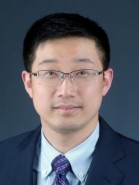 Xiao Xu (徐骁)合作论文数Affiliated Hangzhou First People’s Hospital, Zhejiang University School of Medicine;The First Affiliated Hospital, Zhejiang University School of Medicine7
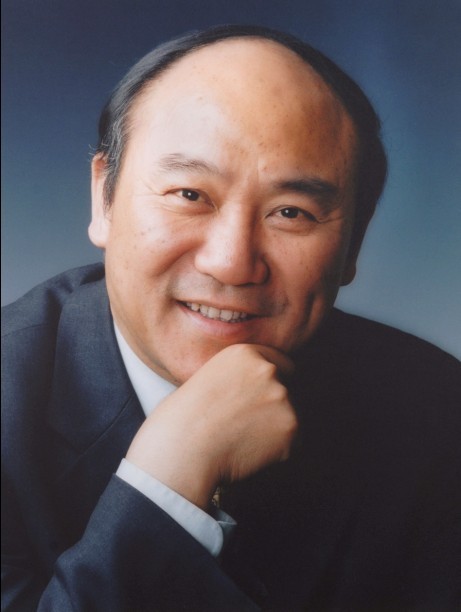 Shusen Zheng (郑树森)合作论文数The First Affiliated Hospital, Zhejiang University School of Medicine5
 Xuyong Wei合作论文数2Zuyuan Lin合作论文数2Nan Wang合作论文数2Sunbin Ling (凌孙彬)合作论文数2
 Wen Dong合作论文数School of Computer Science and Technology, Dalian University of Technology1Ruijun Lai合作论文数1Jingpei Shi合作论文数1
 Jie Li (李婕)合作论文数The Affiliated Hospital of Nanjing University Medicine School;Medical School of Nanjing University1JiNan Dai合作论文数1Weiqiang Wu合作论文数1Yazhou Xu合作论文数1Xiaoqian Lan (蓝晓倩)合作论文数1Shuluan Yao合作论文数1Yingrui Hu (胡应瑞)合作论文数1Jianhong Hou合作论文数1Linhui Pan合作论文数1Yuanxun Gong合作论文数1Zhihang Hu合作论文数1Yongjing He合作论文数1L. Wang合作论文数1Yu Zhao合作论文数1
 Kunkai Su合作论文数1Kun Wang合作论文数1Huigang Li合作论文数1Chiyu He合作论文数1Peng Rao合作论文数1Xun Wang合作论文数1
 Abdulahad Al-Ameri合作论文数Department of Surgery, First Affiliated Hospital, School of Medicine, Zhejiang University1Xiguang Liu合作论文数1Wenshi Jiang合作论文数1
 Modan Yang合作论文数1Jianyong Zhuo合作论文数1Xiangxiang He合作论文数1Siyi Dong合作论文数1Mei Li合作论文数1Chengliang Yang合作论文数1Lin Yang合作论文数1Hai Zhu合作论文数1Yuan Yang合作论文数1Jing Xie合作论文数1LIN Xiaozhen (林小珍)合作论文数1Xinyu Tan合作论文数1Limei Li (李丽梅)合作论文数1Haijun Guo合作论文数1Xinyu Yang合作论文数1Sheng Zhang合作论文数1Yongliang Jiang合作论文数1




