Chiral alcohols are not only important building blocks of various bioactive natural compounds and pharmaceuticals, but can serve as synthetic precursors for other valuable organic chemicals, thus the synthesis of these products is of great importance. Bio-catalysis represents one effective way to obtain these molecules, however, the weak stability and high cost of enzymes often hinder its broad application. In this work, we designed a biological nanoreactor by embedding alcohol dehydrogenase (ADH) and glucose dehydrogenase (GDH) in metal-organic-framework ZIF-8. The biocatalyst ADH&GDH@ZIF-8 could be applied to the asymmetric reduction of a series of ketones to give chiral alcohols in high yields (up to 99 %) and with excellent enantioselectivities (>99 %). In addition, the heterogeneous biocatalyst could be recycled and reused at least four times with slight activity decline. Moreover, E. coli containing ADH and GDH was immobilized by ZIF-8 to form biocatalyst E. coli@ZIF-8, which also exhibits good catalytic behaviours. Finally, the chiral alcohols are further converted to marketed drugs (R)-Fendiline, (S)-Rivastigmine and NPS R-568 respectively.
Bio-catalysis represents a highly efficient and stereoselective method for the synthesis of valuable chiral compounds, however, the poor stability and limited reaction types of free enzymes restrict their wide application in industrial production. In this work, to overcome these problems, a multifunctional photoenzymatic nanoreactor CALB@COF-Ir was developed through the encapsulation of Candida antarctica lipase B (CALB) in a photosensitive covalent organic framework COF-Ir . This bio-nanocluster serves as efficient catalysts in asymmetric dynamic kinetic resolution (DKR) of secondary amines to give a series of chiral amines in high yields (up to 99 %) and enantioselectivities (up to 99 % ee). The well-designed COF-Ir not only acts as safety cover to prevent CALB from deactivation but promotes racemization of secondary amines via photo-induced hydrogen atom transfer (HAT) process. Photoelectric characterization and TDDFT calculation revealed that (ppy) 2 Ir units in COF-Ir play crucial role in this photocatalytic system which enhance its photo-redox properties through facilitating the separation between photoelectrons (e − ) and holes (h + ). Furthermore, the heterogeneous photoenzymatic nanoreactor could be recycled for five rounds with slight decline of catalytic reactivity.
Rivastigmine is one of the several pharmaceuticals widely prescribed for the treatment of Alzheimer's disease. However, its practical synthesis still faces many issues, such as the involvement of toxic metals and harsh reaction conditions. Herein, we report a chemo-enzymatic synthesis of Rivastigmine. The key chiral intermediate was synthesized by an engineered alcohol dehydrogenase from Lactobacillus brevis (LbADH). A semi-rational approach was employed to improve its catalytic activity and thermal stability. Several LbADH variants were obtained with a remarkable increase in activity and melting temperature. Exploration of the substrate scope of these variants demonstrated improved activities toward various ketones, especially acetophenone analogs. To further recycle and reuse the biocatalyst, one LbADH variant and glucose dehydrogenase were co-immobilized on nanoparticles. By integrating enzymatic and chemical steps, Rivastigmine was successfully synthesized with an overall yield of 66 %. This study offers an efficient chemo-enzymatic route for Rivastigmine and provides several efficient LbADH variants with a broad range of potential applications.
The classic Curtius rearrangement provides an efficient method for converting carboxylic acids into amine derivatives but has safety concerns. Herein, we report a general and powerful method for the direct decarboxylative C-N coupling of alkyl and aryl carboxylic acids with dioxazolones in the presence of a base. A diverse array of amides, especially acylated chiral amines, can be synthesized under transition-metal-free conditions at room temperature, offering an alternative to the classic Curtius rearrangement. On the basis of mechanistic investigations, a distinctive mechanism involving multiple nucleophilic addition-eliminations, acyl transfers and a Lossen-type rearrangement is proposed for this unpredicted stereoretentive transformation. By reacting carboxylic acids with dioxazolones in the presence of a base, a wide variety of amides, particularly acylated chiral amines, can be synthesized through decarboxylative amidation.
Chiral pyrrolidinyl units are important building blocks in biologically active natural products and drugs, and the development of efficient methods for the synthesis of diverse structured pyrrolidine derivatives is of great importance. Meanwhile, incorporating fluorine containing groups into small molecules often changes their activities to a great extent due to the special physicochemical properties of fluorine atoms. Herein, we report an efficient route to obtain enantioenriched 3,3-difluoro- and 3,3,4-trifluoropyrrolidinyl derivatives by Cu(i)-catalysed enantioselective 1,3-dipolar cycloaddition of azomethine ylides with less active 1,1-difluoro- and 1,1,2-trifluorostyrenes. A series of new fluorinated pyrrolidines have been prepared in high yields (up to 96%) and with excellent stereoselectivities (up to >20 : 1 dr and 97% ee), and these unique structural blocks could be readily introduced into some natural compounds and pharmaceuticals. Additionally, antifungal activity investigation against four common plant fungi showed that some products possess general and high biological activities; comparison with the low antifungal activities of corresponding nonfluorinated compounds revealed that the fluorine atoms at the pyrrolidinyl rings play a crucial role in the antifungal activity.
 Huailong Teng (滕怀龙)合作论文数College of Science of Huazhong Agricultural University4
 Zhenyan Yang合作论文数2Ding-ce YAN (严定策)合作论文数2Yanqiu Zhu合作论文数1Longzhu Bao合作论文数1Yuxing Zhang合作论文数1Huaji Pang合作论文数1Huanyu Cai合作论文数1Yu Chen合作论文数1Xiao Xu合作论文数1
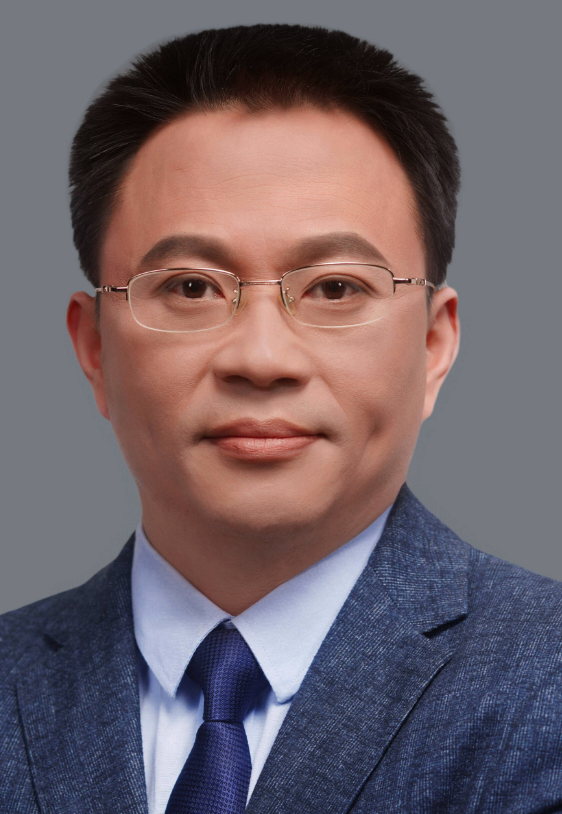 Chun-Jiang Wang (王春江)合作论文数Institute of Organic Chemistry, College of Chemistry and Molecular Sciences, Wuhan University1
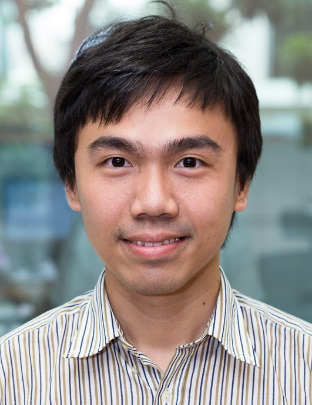 Shuke Wu (吴淑可)合作论文数College of Life Science and Technology of Huazhong Agricultural University1
 Hong Jiang (江洪)合作论文数College of Science of Huazhong Agricultural University 1
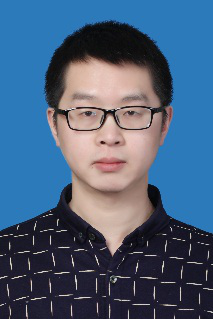 Wanmin Cheng (成万民)合作论文数Huazhong Agricultural University1
 Yonggang Xiang (项勇刚)合作论文数Huazhong Agricultural University1
 Yuan-Ye Jiang合作论文数1




