A new species of Megaphragma Timberlake (Hymenoptera: Chalcidoidea: Trichogrammatidae), Megaphragma wolfi Lahey & Polaszek, is described from Costa Rica and the southeastern United States. Both sexes are completely apterous (wingless), representing the first occurrence of this phenomenon in the genus and the first apterous female of the family Trichogrammatidae. Morphological features, and a molecular analysis of two gene sequences (28S rDNA, COI mtDNA), place the new species in the recently established M. polychaetum-group.
Aim: Illuminating the evolutionary history of Austropotamobius crayfish by uncovering patterns of biodiversity and biogeographical processes, thereby providing a foundation for accurate taxonomy and targeted conservation strategies. Location: Europe. Time Period: Miocene to present. Major Taxa Studied: The crayfish genus Austropotamobius. Methods: We synthesised existing knowledge and conducted additional analyses to resolve uncertainties in lineage divergence and distribution. Genetic variation across geographical regions was assessed using mitochondrial COI haplotypes, paired with accurate geolocation data from literature. Divergence times were estimated using a genus-specific molecular clock calibrated to the tectonic-driven separation of Austropotamobius bihariensis from its Dinaric relatives, based on 936 base pairs of concatenated COI and 16S mitochondrial sequences. To reconstruct historical connectivity and gene flow direction among regional populations, we applied coalescent-based models comparing alternative scenarios. Results: Our analysis suggests the common ancestor of Austropotamobius diverged similar to 30 Ma, coinciding with the temporary fragmentation of Balkanatolia from Western Europe, forming two major evolutionary lineages. In the west, between the Alps and Pyrenees, A. pallipes showed low genetic diversity and broad distribution. From this lineage, A. fulcisianus emerged around 14 Ma during an Alpine embayment, colonising the forming Italian Peninsula and later expanding into the southern Dinarides during the Messinian Salinity Crisis. Human-mediated translocations further extended its range into Western and Northern Europe. The second major lineage, A. torrentium, spans Central and Eastern Europe and includes eight ancient, monophyletic and endemic lineages concentrated in the north-central Dinarides (NCD), except for the most basal branch, A. bihariensis, located in the Apuseni Mountains. Two younger lineages expanded across the Balkans and Central Europe, likely beginning around 6.8 Ma with the formation of the Palaeo-Danube system. Main Conclusions: This study refines the evolutionary trajectory of Austropotamobius, highlights taxonomic clarification and underscores the need to reassess several lineages to support genuine, evolutionarily informed conservation strategies.
The distribution of Osmoderma barnabita Motschulsky in Romania is summarised based on publications, museum collections and citizen science projects, with new records for the north-eastern part of the country. We found that the distribution gap in east Romania, as depicted on several published maps, is an artefact. To examine the temporal distribution of the records, four maps are provided, one for each of the historical periods that were delimited based on the socio-political context. Out of the about 100 mapped localities, we identified only five where the species was recorded before the mid-20th century and where it is still present. A unique and comparatively divergent mitochondrial haplotype was identified east of the Carpathians, highlighting the importance of these populations for the conservation of the genetic diversity of the species. Key Words: Forests, hermit beetle, Natura 2000 species, citizen science, DNA barcoding
The introduction of the biological control agent Torymus sinensis Kamijo (Hymenoptera, Chalcidoidea, Torymidae) to control the populations of the chestnut gall wasp Dryocosmus kuriphilus Yasumatsu (Hymenoptera, Cynipidae) is considered one of the successful programs in biological control. The species was involved in interspecific hybridisation in Japan and the specimens imported into Europe were derived from this hybrid lineage, showing signs of introgression. The discovery of mitochondrial haplotypes or possible Enolase haplotypes from T. beneficus or of specimens with shorter ovipositor does not necessarily imply that T. beneficus is present in Europe, only that the European specimens are of hybrid origin. Of the native European Torymus species associated with D. kuriphilus , the molecular and morphometric results indicate Torymus notatus (Walker) as the closest species to T. sinensis . The two are part of the same species-group ( cyaneus group), are nested together in the multivariate ratio analysis and are the closest genetically based on all three nuclear markers: Enolase (1.5% divergence), Wingless (2%) and ITS2 (13%). However, on the mitochondrial marker COI the closest species is Torymus rubi (Schrank) at 9.9% divergence. As such, T. notatus is the most likely candidate for accidental interspecific hybridisation if this is to happen in Europe. We provide an illustrated identification key for the European species of Torymus associated with D. kuriphilus , an important but lacking tool for biological control programs.
Leptoomidae Gibson fam. nov. (Chalcidoidea) is described for the Eocene Baltic amber fossil genera Leptoomus Gibson, type genus, reassigned from Tanaostigmatidae, and Neanaperiallus Gibson, reassigned from Neanastatinae (Chalcidoidea: Eupelmidae) sensu Gibson (2009). One new species of Neanaperiallus, N. defunctus Fusu sp. nov., is described. The new family is differentiated from other families of Chalcidoidea that are partly characterized by a greatly enlarged acropleuron. In species of Leptoomidae the prepectus is anteriorly rounded to angulate and extends to or slightly over the posterolateral margin of the pronotum, with the dorsal prepectal margin intersecting the base of the tegula distinctly anterior to and forming an almost right-angle with the posterior margin of prepectus, and the posterior margin truncate along the anterior margin of the acropleuron. This prepectal structure is similar to that in Tanaostigmatidae and Cynipencyrtidae, except the prepectus is elongated anteriorly exterior to the pronotum in Tanaostigmatidae and interior to the lateral surface of the pronotum in Cynipencyrtidae. A difference in prepectal structure also indicates that an anteriorly elongated mesoscutal process internal to the pronotum in Encyrtidae is convergent to that of Cynipencyrtidae, and similarity in shape of the prepectus among Encyrtidae, Eopelma Gibson and Neanastatus Girault might be functionally correlated with an anterior elongation of the mesoscutal process. New or corrected morphological data are provided for the two included genera. Of other Eocene fossil genera originally classified in Neanastatinae, Brevivulva Gibson and Propelma Trjapitzin, are assigned to Neanastatidae sensu Burks et al. (2022) based on similar mesoscutellar structures. Possible relationships of Aspidopleura Gibson, a taxon with a puzzling combination of features, are discussed. Because Aspidopleura cannot be placed with confidence in any extinct or extant higher taxon it is treated as incertae sedis at family level within Chalcidoidea.
A new species of encyrtid wasp, Ooencyrtus pitosina Polaszek, Noyes & Fusu sp. n., (Hymenoptera: Encyrtidae: Encyrtinae) is described as a gregarious parasitoid in the eggs of the endemic Samoan swallowtail butterfly Papilio godeffroyi (Lepidoptera: Papilionidae) in the Samoan archipelago. It is described here because it is an important natural enemy of this butterfly, and to facilitate identification for future work with this parasitoid and its host.
Chalcidoidea are mostly parasitoid wasps that include as many as 500 000 estimated species. Capturing phylogenetic signal from such a massive radiation can be daunting. Chalcidoidea is an excellent example of a hyperdiverse group that has remained recalcitrant to phylogenetic resolution. We combined 1007 exons obtained with Anchored Hybrid Enrichment with 1048 ultra-conserved elements (UCEs) for 433 taxa including all extant families, >95% of all subfamilies, and 356 genera chosen to represent the vast diversity of the superfamily. Going back and forth between the molecular results and our collective knowledge of morphology and biology, we detected bias in the analyses that was driven by the saturation of nucleotide data. Our final results are based on a concatenated analysis of the least saturated exons and UCE datasets (2054 loci, 284 106 sites). Our analyses support an expected sister relationship with Mymarommatoidea. Seven previously recognized families were not monophyletic, so support for a new classification is discussed. Natural history in some cases would appear to be more informative than morphology, as illustrated by the elucidation of a clade of plant gall associates and a clade of taxa with planidial first-instar larvae. The phylogeny suggests a transition from smaller soft-bodied wasps to larger and more heavily sclerotized wasps, with egg parasitism as potentially ancestral for the entire superfamily. Deep divergences in Chalcidoidea coincide with an increase in insect families in the fossil record, and an early shift to phytophagy corresponds with the beginning of the "Angiosperm Terrestrial Revolution". Our dating analyses suggest a middle Jurassic origin of 174 Ma (167.3-180.5 Ma) and a crown age of 162.2 Ma (153.9-169.8 Ma) for Chalcidoidea. During the Cretaceous, Chalcidoidea may have undergone a rapid radiation in southern Gondwana with subsequent dispersals to the Northern Hemisphere. This scenario is discussed with regard to knowledge about the host taxa of chalcid wasps, their fossil record and Earth's palaeogeographic history.
Ooencyrtus mirus Triapitsyn & Power (Hymenoptera, Encyrtidae) is recorded for the first time in Europe. It was found parasitising eggs of the invasive true bug Halyomorpha halys Stål (Hemiptera, Pentatomidae). This parasitoid is part of the Ooencyrtus telenomicida species complex where accurate species identification requires molecular data. Using morphology, the identification of the Ooencyrtus species parasitising brown marmorated stink bug eggs in Greece is ambiguous, but the sequences of the standard DNA barcode region ( COI ) and ITS2 place them in O. mirus .
Previously considered as a thelytokous parthenogenetic species, the widespread ant cricket Myrmecophilus acervorum actually turns out to have a mixed reproductive system: our recent surveys in the central part of its distribution area has revealed the presence of both sexes. Detailed morphological and morphometric descriptions of the previously unknown males are here provided. New data on species distribution in south-eastern Europe are presented, including the first records of M. balcanicus in Bulgaria and of M. nonveilleri in Bulgaria and Hungary. Phylogenetic and phylogeographic analyses have revealed several haplotypes of M. acervorum in Europe, with six of them forming a parthenogenetic clade in populations distributed west of the Carpathians. We tested our samples for bacterial infection by Wolbachia and, surprisingly, Wolbachia was identified only in populations with both sexes and no amplification was obtained from parthenogenetic populations. Phylogenetic analyses performed with sequences pertaining to five nominal species related to M. acervorum, yielded topological congruent trees with four well-supported groups: one group with M. acervorum samples, the second group with M. nonveilleri samples, the third group with M. fuscus and M. gallicus samples, and the fourth group with samples of M. balcanicus. We performed species delineation tests on our sequences, which delimited between four to seven putative species.
The family Pteromalidae (Hymenoptera: Chalcidoidea) is reviewed with the goal of providing nomenclatural changes and morphological diagnoses in preparation for a new molecular phylogeny and a book on world fauna that will contain keys to identification. Most subfamilies and some tribes of Pteromalidae are elevated to family level or transferred elsewhere in the superfamily. The resulting classification is a compromise, with the aim of preserving the validity and diagnosability of other, well-established families of Chalcidoidea. The following former subfamilies and tribes of Pteromalidae are elevated to family rank: Boucekiidae, Ceidae, Cerocephalidae, Chalcedectidae, Cleonymidae, Coelocybidae, Diparidae, Epichrysomallidae, Eunotidae, Herbertiidae, Hetreulophidae, Heydeniidae, Idioporidae, Lyciscidae, Macromesidae, Melanosomellidae, Moranilidae, Neodiparidae, Ooderidae, Pelecinellidae (senior synonym of Leptofoeninae), Pirenidae, Spalangiidae, and Systasidae. The following subfamilies are transferred from Pteromalidae: Chromeurytominae and Keiraninae to Megastigmidae, Elatoidinae to Neodiparidae, Nefoeninae to Pelecinellidae, and Erotolepsiinae to Spalangiidae. The subfamily Sycophaginae is transferred to Pteromalidae. The formerly incertae sedis tribe Lieparini is abolished and its single genus Liepara is transferred to Coelocybidae. The former tribe Tomocerodini is transferred to Moranilidae and elevated to subfamily status. The former synonym Tridyminae (Pirenidae) is treated as valid. The following former Pteromalidae are removed from the family and, due to phylogenetic uncertainty, placed as incertae sedis subfamilies or genera within Chalcidoidea: Austrosystasinae, Ditropinotellinae, Keryinae, Louriciinae, Micradelinae, Parasaphodinae, Rivasia, and Storeyinae. Within the remaining Pteromalidae, Miscogastrinae and Ormocerinae are confirmed as separate from Pteromalinae, the former tribe Trigonoderini is elevated to subfamily status, the former synonym Pachyneurinae is recognized as a distinct subfamily, and as the senior synonym of Austroterobiinae. The tribe Termolampini is synonymized under Pteromalini, and the tribe Uzkini is synonymized under Colotrechnini. Most former Otitesellinae, Sycoecinae, and Sycoryctinae are retained in the tribe Otitesellini, which is transferred to Pteromalinae, and all other genera of Pteromalinae are treated as Pteromalini. Eriaporidae is synonymized with Pirenidae, with Eriaporinae and Euryischiinae retained as subfamilies. Other nomenclatural acts performed here outside of Pteromalidae are as follows: Calesidae: elevation to family rank. Eulophidae: transfer of Boucekelimini and Platytetracampini to Opheliminae, and abolishment of the tribes Elasmini and Gyrolasomyiini. Baeomorphidae is recognized as the senior synonym of Rotoitidae. Khutelchalcididae is formally excluded from Chalcidoidea and placed as incertae sedis within Apocrita. Metapelmatidae and Neanastatidae are removed from Eupelmidae and treated as distinct families. Eopelma is removed from Eupelmidae and treated as an incertae sedis genus in Chalcidoidea. The following subfamilies and tribes are described as new: Cecidellinae (in Pirenidae), Enoggerinae (incertae sedis in Chalcidoidea), Erixestinae (in Pteromalidae), Eusandalinae (in Eupelmidae), Neapterolelapinae (incertae sedis in Chalcidoidea), Solenurinae (in Lyciscidae), Trisecodinae (in Systasidae), Diconocarini (in Pteromalidae: Miscogastrinae), and Trigonoderopsini (in Pteromalidae: Colotrechninae). A complete generic classification for discussed taxa is provided.
ABSTRACT Capturing phylogenetic signal from a massive radiation can be daunting. The superfamily Chalcidoidea is an excellent example of a hyperdiverse group that has remained recalcitrant to phylogenetic resolution. Chalcidoidea are mostly parasitoid wasps that until now included 27 families, 87 subfamilies and as many as 500,000 estimated species. We combined 1007 exons obtained with Anchored Hybrid Enrichment with 1048 Ultra-Conserved Elements (UCEs) for 433 taxa including all extant families, over 95% of all subfamilies and 356 genera chosen to represent the vast diversity of the superfamily. Going back and forth between molecular results and our collective morphological and biological knowledge, we detected insidious bias driven by the saturation of nucleotide data and highlighted morphological convergences. Our final results are based on a concatenated analysis of the least saturated exons and UCE data sets (2054 loci, 284,106 sites). Our analyses support a sister relationship with Mymarommatoidea. Seven of the previously recognized families were not monophyletic, so foundations for a new classification are discussed. Biology appears potentially more informative than morphology, as illustrated by the elucidation of a clade of plant gall associates and a clade of taxa with planidial first-instar larvae. The phylogeny suggests a shift from smaller soft-bodied wasps to larger and more heavily sclerotized wasps. Deep divergences in Chalcidoidea coincide with an increase in insect families in the fossil record, and an early shift to phytophagy corresponds with the beginning of the “Angiosperm Terrestrial Revolution”. Our dating analyses suggest a Middle Jurassic origin of 174 Ma (167.3-180.5 Ma) and a crown age of 162.2 Ma (153.9–169.8 Ma) for Chalcidoidea. During the Cretaceous, Chalcidoidea underwent a rapid radiation in southern Gondwana with subsequent dispersals to the Northern Hemisphere. This scenario is discussed with regard to knowledge about host taxa of chalcid wasps, their fossil record, and Earth’s paleogeographic history.
 Mircea-Dan Mitroiu合作论文数Faculty of Biology35
 Jean-Yves Rasplus合作论文数Centre de biologie et de gestion;Campus International de Baillarguet;Centre de biologie et de gestion, Campus International de Baillarguet29
 Astrid Cruaud合作论文数INRA-UMR Centre de Biologie et de Gestion des Populations, (INRA/IRD/CIRAD/Montpellier SupAgro),28
 Burks Roger A合作论文数Department of Evolution, Ecology, and Organismal Biology, The Ohio State University24
 Petr Jansta合作论文数Faculty of Science, Charles University24
 John M. Heraty合作论文数Department of Entomology and the Institute for Integrative Genome Biology, University of California24
 James B. Woolley合作论文数Texas A and M University23
 Ekaterina Tselikh合作论文数Zoological Institute, Russian Academy of Sciences22Natalie Dale-Skey合作论文数21
 Ralph S. Peters合作论文数Arthropoda Department, Leibniz Institute for the Analysis of Biodiversity Change, Museum Koenig Bonn21
 Simon van Noort合作论文数Natural History Department, Iziko South African Museum21
 Hannes Baur合作论文数21
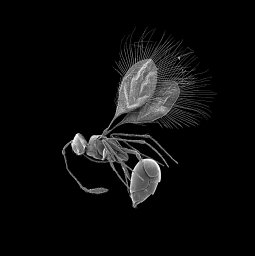 Lars Krogmann合作论文数21Steve Heydon合作论文数19
 Michael Haas合作论文数19D. Christopher Darling合作论文数Department of Entomology;Royal Ontario Museum;Department of Ecology and Evolutionary Biology;University of Toronto;Department of Entomology, University of Toronto14
 Ovidiu Alin Popovici合作论文数Faculty of Biology, University 'Al. I. Cuza' Iasi;Romania.;Faculty of Biology, University 'Al. I. Cuza' Iasi12
 Andrew Polaszek合作论文数International Institute of Entomology12
 Ioan Tausan合作论文数Lucian Blaga University of Sibiu11
 Ionut Stefan Iorgu合作论文数11
 Ioan Alexandru Radac合作论文数Dept Biol Chem, West Univ Timisoara9SZEKELY Levente合作论文数8POPA Alexandra Florina合作论文数8PETRESCU Ana Maria合作论文数8FUSU Maria-Magdalena合作论文数8
 Andreea Catalina Draghici合作论文数Entomol Dept, Grigore Antipa Natl Museum Nat Hist8Voichiţa Gheoca合作论文数Appl Ecol Res Ctr, Lucian Blaga Univ Sibiu8Minodora Manu合作论文数Romanian Acad, Inst Biol Bucharest8
 Costica Adam合作论文数"Grigore Antipa&National Museum of Natural History;Email: unknown.8
 Constantinescu Ioana Cristina合作论文数"Grigore Antipa&National Museum of Natural History;Email: cristinactinescu@yahoo.com.;"Grigore Antipa" National Museum of Natural History8
 Sahlean Tiberiu C合作论文数Faculty of Biology, University of Bucharest;Department of Terrestrial Fauna;Grigore Antipa"National Museum of Natural History;Faculty of Biology, University of Bucharest8Sanda Maican合作论文数Institutl de Biologie, Academic Românã8STANCIU Cătălin Răzvan合作论文数7IRIMIA Angel Gabriel合作论文数7MANCI Cosmin Ovidiu合作论文数7
 Alexandru Pintilioaie合作论文数Faculty of Biology, “Alexandru Ioan Cuza” University of Iași7Gérard Delvare合作论文数7
 Nicolas Ris合作论文数7PRUNAR Florin Vasile合作论文数6TÖRÖK Sergiu-Cornel合作论文数6POPESCU Irinel Eugen合作论文数6ZAHARIA Lăcrămioara Gabriela合作论文数6TOMOZII Ionuț Bogdan合作论文数6
 Adrian Ruicănescu合作论文数Branch Cluj Napoca, Natl Inst Res & Dev Biol Sci6
 Cristian Sitar合作论文数Romanian Institute of Science and Technology6Nicolas Borowiec合作论文数6Nidelet Sabine合作论文数6
 Alex Gumovsky合作论文数6
 Gary A. P. Gibson合作论文数Integrated Pest Management6




