BACKGROUND:Since discovering the glymphatic system, there has been a looming interest in exploring its relationship with psychiatric disorders. Recently, increasing evidence suggests an involvement of the glymphatic system in the pathophysiology of psychiatric disorders. However, clear data are still lacking. In this context, this rapid comprehensive PRISMA-ScR (Preferred Reporting Items for Systematic Reviews and Meta-Analyses extension for Scoping Reviews) scoping review aims to identify and analyze current evidence about the relation between the glymphatic system and psychiatric disorders. METHODS:We conducted a comprehensive review of the literature and then proceeded to discuss the findings narratively. Tables were then constructed and articles were sorted according to authors, year, title, location of study, sample size, psychiatric disorder, the aim of the study, principal findings, implications. RESULTS:Twenty papers were identified as eligible, among which 2 articles on Schizophrenia, 1 on Autism Spectrum Disorders, 2 on Depression, 1 on Depression and Trauma-related Disorders, 1 on Depression and Anxiety, 2 on Anxiety and Sleep Disorders, 8 on Sleep Disorders, 2 on Alcohol use disorder and 1 on Cocaine Use Disorder. CONCLUSION:This review suggests a correlation between the glymphatic system and several psychiatric disorders: Schizophrenia, Depression, Anxiety Disorders, Sleep Disorders, Alcohol Use Disorder, Cocaine Use Disorder, Trauma-Related Disorders, and Autism Spectrum Disorders. Impairment of the glymphatic system could play a role in Trauma-Related Disorders, Alcohol Use Disorders, Cocaine Use Disorders, Sleep Disorders, Depression, and Autism Spectrum Disorders. It is important to implement research on this topic and adopt standardized markers and radio diagnostic tools.
Cariprazine is a novel antipsychotic drug that exerts partial agonism of dopamine D2/D3 receptors with preferential binding to the D3 receptor, antagonism of 5HT2B receptors, and partial agonism of 5HT1A. Currently, cariprazine has shown clinical efficacy in patients with schizophrenia and with bipolar disorder, as well as adjunctive treatment in patients with Major Depressive Disorder (MDD) and drug-resistant MDD. In the present case series, we report on two patients with treatment-resistant schizophrenia and partial response to clozapine who benefit from combination with cariprazine. The effects of cariprazine combination were remarkable also concerning the adverse metabolic effects of clozapine.
BACKGROUND Schizophrenia is frequently complicated by the occurrence of depressive symptoms, anhedonia, obsessions and compulsions, suicidal ideation, and substance abuse, that causes exacerbations and remissions and, in several cases, sustained morbidity and disability. AIM The present study aimed to evaluate the effect of paliperidone palmitate once-monthly long-acting injection (PP-LAI) mainly on "non-core" symptoms in persons with recent diagnosis schizophrenia, during a follow-up period of almost 12 months (T1) in the context of the "real world" everyday clinical practice. RESULTS Concerning core symptoms of schizophrenia, PP-LAI was effective in reducing all symptoms at T1 as measured by Positive and Negative Syndrome Scale (PANSS), including depressive symptoms, and increased the functioning. Moreover, concerning the non-core symptoms of schizophrenia, PP-LAI treatment was effective in reducing scores of anhedonia, suicidal ideation and obsessive-compulsive symptoms at T1. However, the levels of alexithymia remained relatively stable, even if reduced. DISCUSSION The present retrospective, multicenter, non-sponsored, collaborative study showed that early PP-LAI treatment was effective in improving almost all the core dimensions and "non-core" symptoms of schizophrenia, and this may have positive repercussions on both functioning and quality of life. CONCLUSIONS PP-LAI treatment should be offered earlier as possible and was effective on "non-core" symptoms of schizophrenia at follow-up, but had a little effect on alexithymia. However, study' limitations must be considered and future researches are needed to confirm these interesting findings.
Objective: Selective serotonin reuptake inhibitors (SSRIs) are the cornerstone of treatment of major depressive disorder (MDD). However, non-response is common, often necessitating combination strategies. The present study assessed the efficacy of vortioxetine as an add-on therapy in patients with SSRI-resistant MDD. Methods: The charts of 36 adult outpatients with DSM-IV-TR MDD who had not achieved a response after at least 8 weeks of treatment with an SSRI were reviewed retrospectively. Subjects were treated with vortioxetine (5-20 mg/day) for 8 weeks added to the current SSRI. The main outcome measures were change from baseline in total Hamilton Scale for Depression (HAM-D) score and the rate of response (a 50% or greater reduction in HAM-D score and a Clinical Global Impression ‐ Improvement module [CGI-I] score of 1 or 2 at endpoint). HAM-D scores ≤ 7 were considered as remission. Additional outcome measures included the Snaith-Hamilton Pleasure Scale (SHAPS) and the Scale for Suicide Ideation (SSI). Results: 32 patients completed the 8 weeks of treatment. At 8 weeks, a significant reduction in HAM-D score was observed (p ≤ 0.001), with response obtained by 41.7% and remission by 33.3% of patients. Significant reductions in SHAPS and SSI were also observed (p ≤ 0.001 for both scales). Conclusions: Adjunctive vortioxetine may be useful and well-tolerated in stage I treatment-resistant depression. However, the limitations of this study (such as small sample size, absence of randomization and control group, retrospective design, etc.) must be considered.
Background. This study aimed to evaluate the potential relationships between religious coping, hopelessness, and suicide ideation in adult outpatients with the first episode of major depressive disorder (MDD). Methods. Ninety-four adult outpatients with MDD were assessed through the Hamilton Depression Rating Scale (HAM-D), the Beck Hopelessness Scale (BHS), and the Scale of Suicide Ideation (SSI). Religious coping was assessed with the Italian version of the Brief RCOPE scale, consisting of seven positive coping items (PosCop) and seven negative coping items (NegCop). Results. The results showed that the Brief RCOPE PosCop scale exhibited a strong inverse correlation with HAM-D, BHS, and SSI, whereas HAM-D and BHS were positively correlated with SSI. Brief RCOPE NegCop scores were positively correlated only with SSI. Regression analysis with SSI as the dependent variable showed that higher Brief RCOPE PosCop scores were associated with lower suicide ideation, whereas higher HAM-D and BHS scores were associated with higher suicide ideation. Conclusion. Positive religious coping may be a protective factor against the development of suicide ideation, perhaps counteracting the severity of depressive symptoms and hopelessness. The evaluation of religious coping should be performed in all subjects with MDD in everyday clinical practice. However, this study was preliminary, and limitations must be considered.
The decision made in the year 2004 by the U.S. Food and Drug Administration (FDA) to require a boxed warning on antidepressants regarding the risk of suicidality in young adults still represents a matter of controversy. The FDA warning was grounded on industry-sponsored trials carried one decade ago or earlier. However, within the past decade, an increasing number of reports have questioned the actual validity of the FDA warning, especially considering a decline in the prescription of the antidepressant drugs associated with an increase in the rate of suicidal events among people with severe depression. The present report provides an overview of the FDA black box warning, also documenting two Major Depressive Disorder patients whose refusal to undergo a pharmacological antidepressant treatment possibly led to an increased risk for suicidal behaviors. The concerns raised by the FDA black box warning need to be considered in real-world clinical practice, stating the associated clinical and public health implications.
Alexithymia, suicide ideation, affective temperaments and homocysteine levels in drug naïve patients with post-traumatic stress disorder: an exploratory study in the everyday ‘real world’ clinical practice Objective: The present exploratory study aimed to investigate relationships between alexithymia, suicide ideation, affective temperaments and homocysteine levels among drug-naïve adult outpatients with Post- Traumatic Stress Disorder (PTSD) in an everyday ‘real world’ clinical setting. Method: Sixty-four adult outpatients with PTSD were evaluated using the Davidson Trauma Scale (DTS), the Toronto Alexithymia Scale (TAS–20), the Scale of Suicide Ideation (SSI), the Temperament Evaluation of the Memphis, Pisa, Paris and San Diego-Autoquestionnaire. As well, homocysteine levels were measured. Results: Alexithymic subjects showed higher values on all scales but not homocysteine levels. Partial correlations showed that almost all studied variables were correlated with each other, except homocysteine levels. Regression analysis showed that higher disorder severity as measured by DTS and TAS-20 ‘Difficulty in Identifying Feelings’ dimension was associated with higher SSI scores. Conclusions: In conclusion, alexithymic PTSD outpatients may be characterised by higher disorder severity and difficulty in identifying feelings that may be linked to increased suicide ideation, regardless of affective temperaments or homocysteine levels. Homocysteine levels were not related to any studied variable. However, study limitations are discussed and must be considered.
Clozapine, a dibenzodiazepine developed in 1961, is a multireceptorial atypical antipsychotic approved for the treatment of resistant schizophrenia. Since its introduction, it has remained the drug of choice in treatment-resistant schizophrenia, despite a wide range of adverse effects, as it is a very effective drug in everyday clinical practice. However, clozapine is not considered as a top-of-the-line treatment because it may often be difficult for some patients to tolerate as some adverse effects can be particularly bothersome (i.e. sedation, weight gain, sialorrhea etc.) and it has some other potentially dangerous and life-threatening side effects (i.e. myocarditis, seizures, agranulocytosis or granulocytopenia, gastrointestinal hypomotility etc.). As poor treatment adherence in patients with resistant schizophrenia may increase the risk of a psychotic relapse, which may further lead to impaired social and cognitive functioning, psychiatric hospitalizations and increased treatment costs, clozapine adverse effects are a common reason for discontinuing this medication. Therefore, every effort should be made to monitor and minimize these adverse effects in order to improve their early detection and management. The aim of this paper is to briefly summarize and provide an update on major clozapine adverse effects, especially focusing on those that are severe and potentially life threatening, even if most of the latter are relatively uncommon.
Clozapine may be associated with cardiovascular adverse effects including QTc prolongation and, more rarely, with myocarditis and pericarditis. Although rare, these latter cardiovascular adverse effects may be life-threatening and must be immediately recognized and treated. Several cases of clozapine related-pericarditis have been described and often it has a subtle and insidious onset with symptoms that may be often misdiagnosed with psychiatric manifestations (e.g. anxiety, panic or somatization) leading to a delayed correct diagnosis with potential fatal consequences. In the present report we describe the case of a 27-year-old girl with schizoaffective disorder taking long acting aripiprazole and valproate who developed a sudden onset clozapine-related pericarditis during titration phase that resolved with immediate clozapine discontinuation and indomethacin administration. We underline the importance of an early diagnosis of clozapine-related pericarditis and the need to have monitoring protocols to prevent this potentially fatal adverse effect especially when polypharmacy is administered to patients taking clozapine.
BACKGROUND:Schizophrenia is a complex illness in which genetic, environmental, and epigenetic components have been implicated. However, recently, psychiatric disorders appear to be related to a chronic inflammatory state, at the level of specific cerebral areas which have been found as well impaired and responsible for schizophrenia symptomatology. Hence, a role of inflammatory mediators and cytokines has been as well defined. Accordingly, the role of an acute inflammatory phase protein, the C-reactive protein (CRP) has been recently investigated. OBJECTIVE:The objective of the present study is to evaluate how PCR may represent a biomarker in schizophrenia, i.e. correlated with illness phases and/or clinical manifestation and/or psychopathological severity. METHODS:A systematic review was here carried out by searching the following keywords ((C-reactive protein AND ((schizophrenia) OR (psychotic disorder))) for the topics 'PCR' and 'Schizophrenia', by using MESH terms. RESULTS:An immune dysfunction and inflammation have been described amongst schizophrenic patients. Findings reported elevated CRP levels in schizophrenia, mainly correlated with the severity of illness and during the recrudescent phase. CRP levels are higher when catatonic features, negative symptomatology and aggressiveness are associated. CRP levels appeared not to be related to suicidal behaviour and ideation. CONCLUSION:CRP and its blood levels have been reported higher amongst schizophrenic patients, by suggesting a role of inflammation in the pathogenesis of schizophrenia. Further studies are needed to better understand if CRP may be considered a biomarker in schizophrenia.
De Berardis, Domenico MD, PhD; Olivieri, Luigi MD; Nappi, Francesco MD; Rapini, Gabriella MD; Vellante, Federica MD; Matarazzo, Ilaria MD; Serroni, Nicola MD; Di Giannantonio, Massimo MD Author Information
Major depressive disorder is a chronic and invalidating psychiatric illness and is associated with a greater risk of suicidal behaviors. In recent decades many data have supported a biological link between depressive states and inflammation. Pro-inflammatory cytokines have been found to rise, first of all TNF-α and IL-6. Suicidal behaviors have been consistently associated with increased levels of IL-6 and decreased levels of IL-2. The aim of this review is to investigate the relationship between inflammatory markers in depressed patients with or without suicidal attempts compared to healthy controls.
Agomelatine, a melatonergic antidepressant with a rapid onset of action, is one of the most recent drugs in the antidepressant category. Agomelatine’s antidepressant actions are attributed to its sleep-promoting and chronobiotic actions mediated by MT1 and MT2 receptors present in the suprachiasmatic nucleus, as well as to its effects on the blockade of 5-HT2c receptors. Blockade of 5-HT2c receptors causes release of both noradrenaline and dopamine at the fronto-cortical dopaminergic and noradrenergic pathways. The combined actions of agomelatine on MT1/MT2 and 5-HT2c receptors facilitate the resynchronization of altered circadian rhythms and abnormal sleep patterns. Agomelatine appeared to be effective in treating major depression. Moreover, evidence exists that points out a possible efficacy of such drug in the treatment of bipolar depression, anxiety disorders, alcohol dependence, migraines etc. Thus, the aim of this narrative review was to elucidate current evidences on the role of agomelatine in disorders other than major depression.
De Berardis, Domenico MD, PhD; Campanella, Daniela MD, PhD; Serroni, Nicola MD; Rapini, Gabriella MD; Olivieri, Luigi MD; Fornaro, Michele MD, PhD; Valchera, Alessandro MD, PhD; Iasevoli, Felice MD, PhD; Napoletano, Cosimo MD; Martinotti, Giovanni MD, PhD; Giannantonio, Massimo Di MD Author Information
AIMS:Obsessive-compulsive disorder (OCD) is psychiatric disorder with a significant suicide risk, and the presence of alexithymia may increase this risk. As several studies attribute an important role, in OCD, to responsibility, the aims of this study were to evaluate possible clinical differences between patients positive or not for alexithymia concerning disorder severity, responsibility attitudes and suicide ideation and investigate which variables were associated with increased suicide ideation.METHODS:104 adult outpatients with OCD were recruited. Alexithymia was measured with Toronto Alexithymia Scale (TAS-20), attitude about responsibility was tested with Responsibility Attitude Scale (RAS), suicide ideation was assessed with Scale of Suicide Ideation (SSI) and depressive symptoms were evaluated with Montgomery Åsberg Depression Rating Scale (MADRS). Score of item #11 on the Y-BOCS was considered as a measure of insight.RESULTS:Patients positive for alexithymia showed higher responsibility attitudes and more severe suicide ideation. In a blockwise regression model, the presence of lower insight, higher RAS scores and difficulty in identifying feelings dimension of TAS-20 were associated with higher SSI scores.CONCLUSIONS:OCD patients with alexithymia may show higher disorder severity, lower insight and inflated responsibility, all related to suicide ideation, independently from depressive symptoms. Implications were discussed and study limitations considered and reported.
Major Depressive Disorder (MDD) is among the most frequent comorbidities occurring in the course of Parkinson's disease (PD), and therefore, most PD patients receive antidepressant drugs. Agomelatine is a recently introduced antidepressant drug acting as an MT1/MT2 melatonergic receptor agonist and 5HT2C/5HT2B serotonergic antagonist. The aim of this case series was to evaluate the role of agomelatine in the treatment of MDD associated with PD.
Behçet's disease (BD) is a recurrent inflammatory disorder involving multisystems of the body. Neuropsychiatric symptoms, like psychosis and depression, often occur in BD, but the safety and efficacy of combined clozapine–azathioprine treatment have never been assessed. We here report on a 37-year-old man with BD and treatment-resistant schizophrenia who obtained an improvement following the introduction of clozapine in addition to azathioprine, without developing agranulocytosis or other severe adverse side effects during a 2-year follow-up.
Clozapine, an atypical antipsychotic, is a dibenzodiazepine derivative and its therapeutic effects are probably mediated by dopaminergic and serotonergic activity. In accordance to several studies, it appears to be the most effective antipsychotic drug for treatment-resistant schizophrenia. Moreover, clozapine appears to be particularly beneficial in patients with schizophrenia who are suicidal and in those with comorbid substance use disorder. However, despite its efficacy, the general use of clozapine in clinical practice is somewhat limited because of the risk of several serious adverse effects such as agranulocytosis and thromboembolism. Clozapine may be associated with fatal myocarditis and cardiomyopathy in physically healthy young adults. Consequently, the FDA and the drug's manufacturer have strengthened warnings to include that a potentially fatal myocarditis may occur when taking clozapine. In the present paper the literature on clozapine-related myocardis will be reviewed and practical advice will be given concerning the diagnosis and management of such potentially fatal adverse effect.
To the Editors: Obsessive-compulsive disorder (OCD) is a chronic condition characterized by obsessions or compulsions that cause distress or interfere with functioning. Although there is extensive evidence pointing to the efficacy of clomipramine and selective serotonin reuptake inhibitors in the treatment of OCD, both antidepressant drugs are associated with numerous adverse effects (such as weight gain and sexual dysfunctions) that may significantly impact on patient quality of life. Agomelatine is a novel antidepressant drug with melatonergic and serotonergic properties that acts as a full agonist at the melatonin MT1 and MT2 receptors and binds to the serotonin 5-HT2C, 5-HT2B, and 5-HT1A receptors, without causing clinically significant sexual adverse effects or weight gain. Moreover, agomelatine increases dopamine and noradrenaline levels in the frontal cortex and stimulates cell proliferation and neurogenesis. In a recent case series, agomelatine has been reported to lead to a significant improvement in OCD symptoms. In the present case report, we describe the case of a young female patient with severe OCD who remitted as a result of the initiation of agomelatine monotherapy.
 Domenico De Berardis合作论文数23
 Massimo Di Giannantonio合作论文数22
 Nicola Serroni合作论文数Psychiat Serv Diag & Treatment, Natl Hlth Serv18
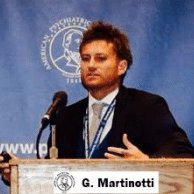 Giovanni Martinotti合作论文数Institute of Psychiatry, Catholic University of the Sacred Heart16
 Michele Fornaro合作论文数14
 Alessandro Valchera合作论文数13Rapini Gabriella合作论文数13
 Federica Vellante合作论文数11Alessandro Carano合作论文数11
 Giampaolo Perna合作论文数10
 Laura Orsolini合作论文数9
 Daniela Campanella合作论文数Department of Mental Health, “G. Mazzini” Hospital9Moschetta Francesco Saverio合作论文数7
 Felice Iasevoli合作论文数Laboratory of Molecular Psychiatry and Psychopharmacotherapeutics, University School of Medicine “Federico II”,7
 Carmine Tomasetti合作论文数Laboratory of Molecular Psychiatry and Psychopharmacotherapeutics, University School of Medicine “Federico II”,6
 Maurizio Pompili合作论文数Dipartimento di Neuroscienze Salute Mentale e Organi di Senso, Sapienza Università di Roma5Cavuto Marilde合作论文数5Marco Di Nicola合作论文数5
 Gianluca Serafini合作论文数Sant'Andrea Hospital, Sapienza University of Rome5Massimiliano Bustini合作论文数4
 Monica Mazza合作论文数4
 Stefano Marini合作论文数Department of Experimental Medicine and Biochemistry Science, University of Rome TorVergata4Srinivasan Venkataramanujam合作论文数3
 Anastasia Annalisa合作论文数3
 Ilaria Matarazzo合作论文数3
 Antonio Ventriglio合作论文数Department of Clinical and Experimental Medicine, University of Foggia3Ida De Lauretis合作论文数2Sabatino Trotta合作论文数2Cosimo Napoletano合作论文数2Marco Alessandrini合作论文数2Francesco Nappi合作论文数2
 Silvia Fraticelli合作论文数2Giuseppe Di Iorio合作论文数2Acciavatti Tiziano合作论文数2
 Monica Piersanti合作论文数2
 Pio Conti合作论文数Institute of Experimental Medicine, University of Chieti2
 Conti Chiara合作论文数Dipartimento Di Psicologia, Universita Degli Studi "G. D'annunzio” Chieti — Pescara2C. Ranalli合作论文数2Viviana Marasco合作论文数2Chiara D'Amelio合作论文数1Serena Di Natale合作论文数1Paola Annunziata Varasano合作论文数1T. Acciavatti合作论文数1Gabriella Lucidi Pressanti合作论文数1Simone De Persis合作论文数1
 Luigi Janiri合作论文数1Tommaso Barlattani合作论文数1Vassilis Martiadis合作论文数1Roberta Testa合作论文数1




