Natural aerosols provide large uncertainties regarding the quantification of the climate effects of aerosols,especially those related to aerosol-cloud interactions[1].Advancing research on the interaction of natural aerosols and climate can provide a better assessment of the climate impacts of anthropogenic activities.As one of the most dominant natural aerosols,sea salt has the highest proportion of mass in natural aerosols[2].
Aerosol nonsea-salt sulfate (NSS sulfate) forms in the atmosphere by secondary reactions of emissions from marine phytoplankton and shipping, with gas-phase as well as cloud and aerosol aqueous reactions controlling production. Twelve months of Atmospheric Radiation Measurements (ARM) during the Eastern Pacific Cloud Aerosol Precipitation Experiment (EPCAPE) at Scripps Pier in La Jolla, California, showed the highest NSS sulfate mass concentrations occurred for the northwesterly back-trajectories over 64% of the year, with an average of 0.90 μg/m3 that contributed 76% of annual NSS sulfate concentration. Multiple Linear Regression (MLR) and a refractory black carbon tracer method attributed 76-80% of the regionally emitted sulfur dioxide (SO2) sources of submicron NSS sulfate to marine biogenic emissions and 20-24% to shipping emissions. MLR for oxidation processes explained 21% of the variability with Downwelling Shortwave Radiation (DSW) driving photochemical reactions to account for 34% of annual regional sulfate production, Upwind Cloud Vertical Fraction (UCVF) controlling cloud-associated oxidation to account for 29%, and relative humidity (RH) describing aerosol-phase oxidation to account for 36%. NSS sulfate was correlated moderately to UCVF during April-June and August but to RH in October-January. These findings show the apportionment of SO2 emissions to biogenic and shipping sources and provide observational constraints for the mechanisms for sulfate production from SO2 in the atmosphere.
The Twomey effect brightens clouds by increasing aerosol concentrations, which activates more droplets and decreases cloud supersaturation in response to more competition for water vapor. To quantify this competition response, we used marine low cloud observations in clean and smoky conditions at Ascension Island in the tropical South Atlantic during the Layered Aerosol Smoke Interactions with Cloud (LASIC) campaign. These observations show similar increases in droplet number for increased accumulation-mode particles from surface-based and satellite cloud retrievals, demonstrating the importance of below-cloud aerosol measurements for retrieving aerosol-cloud interactions (ACI) in clean and smoky aerosol conditions. Four methods for estimating cloud supersaturation from aerosol-cloud measurements were compared, with cloud scene-based and parcel-based methods showing sufficient variability for a strong dependence on both aerosol accumulation number concentration and cloud-base updraft velocities. Decomposing aerosol-related changes in cloud albedo and optical depth shows the calculated competition response accounts for dampening the activation response by 12 to 35%, explaining the diminished Twomey effect at high aerosol concentrations observed for smoky conditions at LASIC and previously around the world. This result was consistent for independent supersaturation retrievals by cloud scene-based droplet number and cloud condensation nuclei and parcel-based multimode size-resolving Lagrangian methods. Translating aerosol effects to local radiative forcing with clean conditions as a proxy for preindustrial and smoky conditions for present-day showed that the competition response reduces cooling from the Twomey radiative forcing by 12 to 35%, providing an essential process-specific constraint for improving the representation of aerosol competition in climate model simulation of indirect aerosol forcing.
Amidst the rising prevalence of respiratory diseases, the importance of effective lung treatment modalities is more critical than ever. However, current drug delivery systems face significant limitations that impede their efficacy and therapeutic outcome. Biohybrid microrobots have shown considerable promise for active in vivo drug delivery, especially for pulmonary applications via intratracheal routes. However, the invasive nature of intratracheal administration poses barriers to its clinical translation. Herein, we report on an efficient non-invasive inhalation-based method of delivering microrobots to the lungs. A nebulizer is employed to encapsulate picoeukaryote algae microrobots within small aerosol particles, enabling them to reach the lower respiratory tract. Post nebulization, the microrobots retain their motility ( 55 μm s-1) to help achieve a homogeneous lung distribution and long-term retention exceeding five days in the lungs. Therapeutic efficacy is demonstrated in a mouse model of acute methicillin-resistant Staphylococcus aureus pneumonia using this pulmonary inhalation approach to deliver microrobots functionalized with platelet membrane-coated polymeric nanoparticles loaded with vancomycin. These promising findings underscore the benefits of inhalable biohybrid microrobots in a setting that does not require anesthesia, highlighting the substantial translational potential of this delivery system for routine clinical applications. Reaching the depths of the respiratory tract is hard even with vapor-based drug delivery. Here, the authors devise inhalable biohybrid microrobots that, thanks to their motility, reach deeper regions of the lungs.
Ground-based instruments offer unique capabilities such as detailed atmospheric, thermodynamic, cloud, and aerosol profiling at a high temporal sampling rate. The U.S. Department of Energy Atmospheric Radiation Measurement (ARM) user facility provides comprehensive datasets from key locations around the globe, facilitating long-term characterization and process-level understanding of clouds, aerosol, and aerosol–cloud interactions. However, as with other ground-based datasets, the fixed (Eulerian) nature of these measurements often introduces a knowledge gap in relating those observations with air-mass hysteresis. Here, we describe ARMTRAJ (https://doi.org/10.5439/2309851, Silber, 2024a; https://doi.org/10.5439/2309849, Silber, 2024b; https://doi.org/10.5439/2309850, Silber, 2024c; https://doi.org/10.5439/2309848, Silber, 2024d), a set of multipurpose trajectory datasets that helps close this gap in ARM deployments. Each dataset targets a different aspect of atmospheric research, including the analysis of surface, planetary boundary layer, distinct liquid-bearing cloud layers, and (primary) cloud decks. Trajectories are calculated using the Hybrid Single-Particle Lagrangian Integrated Trajectory (HYSPLIT) model informed by the European Centre for Medium-Range Weather Forecasts ERA5 reanalysis dataset at its highest spatial resolution (0.25°) and are initialized using ARM datasets. The trajectory datasets include information about air-mass coordinates and state variables extracted from ERA5 before and after the ARM site overpass. Ensemble runs generated for each model initialization enhance trajectory consistency, while ensemble variability serves as a valuable uncertainty metric for those reported air-mass coordinates and state variables. Following the description of dataset processing and structure, we demonstrate applications of ARMTRAJ to a case study and a few bulk analyses of observations collected during ARM's Eastern Pacific Cloud Aerosol Precipitation Experiment (EPCAPE) field deployment. ARMTRAJ will soon become a near real-time product accompanying new ARM deployments and an augmenting product to ongoing and previous deployments, promoting reaching science goals of research relying on ARM observations.
Abstract On behalf of the journal, AGU, and the scientific community, the editors of Geophysical Research Letters would like to sincerely thank those who reviewed manuscripts in 2024. The hours reading and commenting on manuscripts not only improve the manuscripts but also increase the scientific rigor of future research in the field. With the advent of AGU's data policy, many reviewers have also helped immensely to evaluate the accessibility and availability of data, and many have provided insightful comments that helped to improve the data presentation and quality. We greatly appreciate the assistance of the reviewers in advancing open science, which is a key objective of AGU's data policy. We particularly appreciate the timely reviews in light of the demands imposed by the rapid review process at Geophysical Research Letters. We received 5,225 submissions in 2024, and 5,597 reviewers contributed to their evaluation by providing 9,697 reviews in total. We deeply appreciate their contributions. We would also like to acknowledge the passing of our beloved colleague, Harihar Rajaram. An AGU Fellow and longtime affiliate of AGU's Hydrology Section, Hari was the Editor‐in‐Chief of Geophysical Research Letters since 2019, a former editor on Water Resources Research, and served on the AGU Publications Committee.
Accurate long-term marine-derived biogenic sulfur aerosol concentrations at high spatial and temporal resolutions are critical for a wide range of studies, including climatology, trend analysis, and model evaluation; this information is also imperative for the accurate investigation of the contribution of marine-derived biogenic sulfur aerosol concentrations to the aerosol burden, for the elucidation of their radiative impacts, and to provide boundary conditions for regional models. By applying machine learning algorithms, we constructed the first publicly available daily gridded dataset of in situ-produced biogenic methanesulfonic acid (MSA) and non-sea-salt sulfate (nss-SO4=) concentrations covering the North Atlantic. The dataset is of high spatial resolution (0.25° × 0.25°) and spans 25 years (1998–2022), far exceeding what observations alone could achieve both spatially and temporally. The machine learning models were generated by combining in situ observations of sulfur aerosol data from Mace Head Atmospheric Research Station, located on the west coast of Ireland, and from the North Atlantic Aerosols and Marine Ecosystems Study (NAAMES) cruises in the northwestern Atlantic with the constructed sea-to-air dimethylsulfide flux (FDMS) and ECMWF ERA5 reanalysis datasets. To determine the optimal method for regression, we employed five machine learning model types: support vector machines, decision tree, regression ensemble, Gaussian process regression, and artificial neural networks. A comparison of the mean absolute error (MAE), root-mean-square error (RMSE), and coefficient of determination (R2) revealed that Gaussian process regression (GPR) was the most effective algorithm, outperforming the other models with respect to simulating the biogenic MSA and nss-SO4= concentrations. For predicting daily MSA (nss-SO4=), GPR displayed the highest R2 value of 0.86 (0.72) and the lowest MAE of 0.014 (0.10) µg m−3. GPR partial dependence analysis suggests that the relationships between predictors and MSA and nss-SO4= concentrations are complex rather than linear. Using the GPR algorithm, we produced a high-resolution daily dataset of in situ-produced biogenic MSA and nss-SO4= sea-level concentrations over the North Atlantic, which we named “In-situ Produced Biogenic Methanesulfonic Acid and Sulfate over the North Atlantic” (IPB-MSA&SO4). The obtained IPB-MSA&SO4 data allowed us to analyze the spatiotemporal patterns of MSA and nss-SO4= as well as the ratio between them (MSA:nss-SO4=). A comparison with the existing Copernicus Atmosphere Monitoring Service ECMWF Atmospheric Composition Reanalysis 4 (CAMS-EAC4) reanalysis suggested that our high-resolution dataset reproduces the spatial and temporal patterns of the biogenic sulfur aerosol concentration with high accuracy and has high consistency with independent measurements in the Atlantic Ocean. IPB-MSA&SO4 is publicly available at https://doi.org/10.17632/j8bzd5dvpx.1 (Mansour et al., 2023b).
New observations show that bottom-up tracking of CFC-12 emissions from China are underestimated, illustrating the need for better accounting for reductions from the Montreal Protocol.
On behalf of the journal, AGU, and the scientific community, the editors of Geophysical Research Letters would like to sincerely thank those who reviewed manuscripts for us in 2023. The hours reading and commenting on manuscripts not only improve the manuscripts, but also increase the scientific rigor of future research in the field. With the advent of AGU's data policy, many reviewers have also helped immensely to evaluate the accessibility and availability of data, and many have provided insightful comments that helped to improve the data presentation and quality. We greatly appreciate the assistance of the reviewers in advancing open science, which is a key objective of AGU's data policy. We particularly appreciate the timely reviews in light of the demands imposed by the rapid review process at Geophysical Research Letters. We received 4,512 submissions in 2023 and 5,112 reviewers contributed to their evaluation by providing 8,587 reviews in total. We deeply appreciate their contributions.
Marine cloud brightening (MCB) is the deliberate injection of aerosol particles into shallow marine clouds to increase their reflection of solar radiation and reduce the amount of energy absorbed by the climate system. From the physical science perspective, the consensus of a broad international group of scientists is that the viability of MCB will ultimately depend on whether observations and models can robustly assess the scale-up of local-to-global brightening in today’s climate and identify strategies that will ensure an equitable geographical distribution of the benefits and risks associated with projected regional changes in temperature and precipitation. To address the physical science knowledge gaps required to assess the societal implications of MCB, we propose a substantial and targeted program of research—field and laboratory experiments, monitoring, and numerical modeling across a range of scales.
The aerosol particles serving as cloud condensation and ice nuclei contribute to key cloud processes associated with cold-air outbreak (CAO) events but are poorly constrained in climate models due to sparse observations. Here we retrieve aerosol number size distribution modes from measurements at Andenes, Norway, during the Cold-Air Outbreaks in the Marine Boundary Layer Experiment (COMBLE) and at Zeppelin Observatory, approximately 1000 km upwind from Andenes at Svalbard. During CAO events at Andenes, the sea-spray-mode number concentration is correlated with strong over-ocean winds with a mean of 8 +/- 4 cm-3 that is 71 % higher than during non-CAO conditions. Additionally, during CAO events at Andenes, the mean Hoppel minimum diameter is 6 nm smaller than during non-CAO conditions, though the estimated supersaturation is lower, and the mean number concentration of particles that likely activated in-cloud is 109 +/- 61 cm-3 with no statistically significant difference from the non-CAO mean of 99 +/- 66 cm-3. For CAO trajectories between Zeppelin Observatory and Andenes, the upwind-to-downwind change in number concentration is the largest for the accumulation mode with a mean decrease of 93 +/- 95 cm-3, likely attributable primarily to precipitation scavenging. These characteristic properties of aerosol number size distributions during CAO events provide guidance for evaluating CAO aerosol-cloud interaction processes in models.
 Patricia K. Quinn合作论文数Pacific Marine Environmental Laboratory, National Oceanic and Atmospheric Administration, United States Department of Commerce65
 Timothy S. Bates合作论文数College of the Environment, University of Washington60
 John H. Seinfeld合作论文数Division of Chemistry and Chemical Engineering, California Institute of Technology45
 Frossard Amanda A合作论文数Scripps Institution, University of California40W. Richard Leaitch合作论文数33
 Shang Liu (刘尚)合作论文数University of Science and Technology of China28
 Allen H. Goldstein合作论文数Department of Environmental Science, Policy, and Management, Rausser College of Natural Resources, University of California, Berkeley;Department of Civil and Environmental Engineering, University of California, Berkeley;Energy Analysis & Environmental Impacts Division, Lawrence Berkeley National Laboratory28s takahama合作论文数26
 Richard C. Flagan合作论文数Division of Enigneering and Applied Sciences, California Institute of Technology;Division of Chemistry and Chemical Engineering, California Institute of Technology26
 Jose-Luis Jimenez合作论文数Department of Chemistry, College of Arts and Sciences, University of Colorado Boulder25a l corrigan合作论文数23
 Doug Day合作论文数Cooperative Institute for Research in Environmental Sciences, University of Colorado Boulder;Department of Chemistry, University of Colorado Boulder23
 Kevin Sanchez合作论文数22
 James Allan合作论文数Centre for Atmospheric Science, School of Earth, Atmospheric and Environmental Sciences, The University of Manchester;Department of Earth and Environmental Sciences, School of Natural Sciences, Faculty of Science and Engineering, The University of Manchester;National Centre for Atmospheric Science21
 Armin Sorooshian合作论文数Department of Chemical and Environmental Engineering, College of Engineering, University of Arizona21
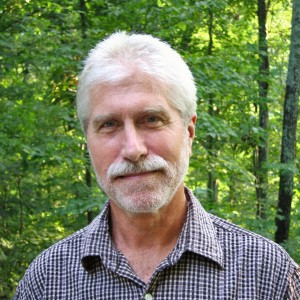 William C. Keene合作论文数Department of Environmental Sciences, School of Medicine, University of Virginia20
 Stefania Gilardoni合作论文数Institute of Polar Sciences, Italian National Research Council20
 Douglas Worsnop合作论文数Aerodyne Research;Department of Physics, University of Helsinki19
 Robin L. Modini合作论文数Lab Atmospher Chem, Paul Scherrer Inst18
 Georges Saliba合作论文数Carnegie Mellon Univ, Ctr Atmospher Particle Studies, Pittsburgh, PA 15213 USA18
 Steven Ghan合作论文数Pacific Northwest National Laboratory18
 Jun Liu合作论文数Bay Area Air Quality Management District16
 Gregory Roberts合作论文数Centre National de Recherches Météorologiques, Centre National de la Recherche Scientifique16
 Alex Lee合作论文数Department of Civil and Environmental Engineering, National University of Singapore;Environment and Climate Change Canada16
 Ranjit Bahadur合作论文数16
 Christopher D. Cappa合作论文数Department of Civil and Environmental Engineering, University of California, Davis;College of Engineering, University of California, Davis15
 Crosbie Ewan合作论文数Department of Atmospheric Sciences, University of Arizona15
 A. M. Macdonald合作论文数15John Liggio合作论文数Department of Chemistry and Centre for Atmospheric Chemistry York University15
 Lars Ahlm合作论文数15
 Luke Ziemba合作论文数NASA Langley Research Center15
 Dan Lubin合作论文数Scripps Institution of Oceanography, University of California, San Diego14
 Richard H. Moore合作论文数NASA Langley Research Center14
 Scot T. Martin合作论文数Department of Earth and Planetary Sciences, Harvard University;Harvard John A. Paulson School of Engineering and Applied Sciences14
 Jason D. Surratt合作论文数Department of Chemistry, Gillings School of Global Public Health, University of North Carolina at Chapel Hill;Department of Environmental Sciences and Engineering, Gillings School of Global Public Health, University of North Carolina at Chapel Hill14
 David J. Kieber合作论文数College of Environmental Science and Forestry, State University of New York14
 Jonathan Abbatt合作论文数Department of Chemistry, Faculty of Arts and Science, University of Toronto14Taylor Shingler合作论文数Lidar Sciences Branch, Science Directorate, NASA Langley Research Center13
 Chia-Li Chen合作论文数Dept Atmospher Sci, Natl Taiwan Univ13
 Kevin J. Noone合作论文数13
 Haflidi Jonsson合作论文数Department of Meteorology, Naval Postgraduate School13
 Satoshi Takahama合作论文数School of Architecture, Civil and Environmental Engineering, École Polytechnique Fédérale de Lausanne12
 Peter Buseck合作论文数School of Molecular Sciences, Arizona State University;School of Earth and Space Exploration, Arizona State University12
 Susannah Burrows合作论文数Max-Planck-Institut für Chemie, Max Planck Institute for Chemistry12Michael Shook合作论文数Langley Res Ctr, NASA11
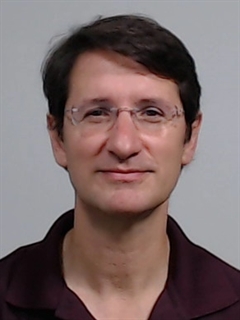 Athanasios Nenes合作论文数Laboratory of Atmospheric Processes and their Impacts, School of Architecture, Civil & Environmental Engineering, Ecole Polytechnique Federale de Lausanne11
 Gentner Drew R合作论文数Dept Civil & Environm Engn, Univ Calif Berkeley11
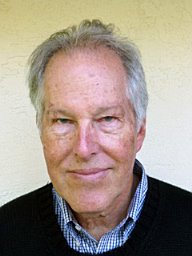 Richard Chapin James Somerville合作论文数Scripps Institution of Oceanography;University of California , San Diego;Scripps Institution of Oceanography, University of California , San Diego11Cynthia H. Twohy合作论文数University of Oregon11




