This research presents a novel deep learning model that effectively customizes treatment regimens for patients diagnosed with colorectal cancer, yielding exceptional results. The model's 97% success rate in predicting treatment reactions on the “The Cancer Genome Atlas (TCGA)” dataset provides evidence of its effectiveness. The model demonstrates its capacity to reduce false positives and negatives through its recall of 0.86 and accuracy of 0.91. The model exhibited exceptional discriminatory capability, as evidenced by its AUC-ROC value of 0.89. A balanced measure of accuracy and recall, the F1-score of 0.88, further suggests that the model successfully attained consistent performance across all treatment categories. The results of this research illustrate the immense potential of deep learning to transform the field of colorectal cancer treatment through the provision of tailored recommendations. This research makes a valuable contribution to the field of precision medicine by illuminating the transformative potential of data-driven models in enhancing patient outcomes and quality of life.
In the human body, organs segmentation is the most imperative issues in therapeutic applications. The challenges are connected with medicinal image segmentation and low complexity between required organ and incorporating tissues. There exist a wide range of methodologies for how a segmentation problem can be comprehended. These methods want to have a spot specific region of individual bones. The particular part remains a test for spinal cord segmentation. As a result of the beforehand expressed downsides of the current spinal cord segmentation procedures, this paper proposes a modified spatial fuzzy C clustering with level set segmentation method to incorporate Neumann Boundary Condition, a third function, called by the level set evolution. Neumann Boundary Condition is utilized to specify the normal derivative of the function present on any surface. The proposed method gives better results of segmentation of the spinal cord organs. The execution of the proposed method proves its superiority in term of accuracy as compared with the other methods.
Radiation therapy necessitates precise delineation of target structures such as the spinal cord, yet automated segmentation from CT images remains challenging due to complexities inherent in spinal cord anatomy and surrounding tissue. Addressing this, a novel approach leveraging Kernel-based Fuzzy C Means (KFCM) for spinal cord segmentation is introduced in this study. KFCM employs a kernel function to map data into a higher-dimensional space, facilitating effective separation within the feature space. This algorithm clusters voxels based on their distances from cluster centers in this transformed space, thereby enabling accurate segmentation. The proposed method is rigorously evaluated using a dataset comprising 20 CT images, with performance benchmarked against two leading segmentation algorithms. Notably, the results demonstrate superior segmentation accuracy and computational efficiency of the KFCM algorithm. Through qualitative analysis, it is evident that the KFCM-based segmentation yields finer delineation of the spinal cord, even amidst complexities introduced by materials like the spinal canal. Quantitative assessment further underscores the efficacy of the proposed approach, with commendable segmentation accuracy values observed. These findings underscore the potential of the KFCM algorithm as a robust tool for medical image segmentation, particularly in applications demanding precise delineation of anatomical structures for radiation therapy planning. The successful deployment of this methodology signifies a significant advancement in medical image analysis, offering clinicians a reliable tool for enhancing treatment planning and patient outcomes. Moving forward continued refinement and validation of the KFCM algorithm hold promise for broader integration into clinical practice, ultimately contributing to improved healthcare delivery and outcomes for patients undergoing radiation therapy.
Plants are acknowledged as being crucial because they are the main source of human energy generation due to their nutritional, therapeutic, and other benefits. Therefore, it is necessary to increase crop productivity. One of these significant factors contributing to reduced agricultural yields is the prevalence of bacterial, fungal, and viral illnesses. Applying techniques for plant disease identification can stop and treat these diseases. So, numerous machine learning (ML) and deep learning (DL) methods were created and tested by researchers to identify plant diseases. Therefore, this study gives a detailed discussion of the various research studies conducted in plant disease detection utilizing ML and DL-based techniques. This review offers research advancements in plant disease recognition from ML to DL techniques. Additionally, many datasets about plant diseases are thoroughly examined. It also addresses the difficulties and issues with the current systems.
Difference differential amplifiers (DDA), which were built on FinFET and carbon nanotube FET (CNTFET), are frequently used for signal processing owing to their advantages of low-power dissipation and reduced device dimension. In this work, high-performance DDA was established using CNTFET model parameters as well as FinFET 7 nm and 14 nm technology. The DDA circuit used in this scenario was identically the same to the one used previously. With the use of Verilog AMS code-based Stanford model parameters applied CNTFET and 7 nm and 14 nm FinFETs, schematic capture and simulations of the DDA were carried out in the Symica environment. The mostly used measurements for assessing the performance of operational amplifiers were also adopted for DDA. The CNTFET-based difference differential amplifiers have slew rates of 10.8 V/femtosecond and 11.2 mV/femtosecond, respectively, with settling times of 0.65 femtosecond and 0.43 femtosecond, respectively. The power supply rejection ratio (PSRR) is 2.53 dB with a dynamic range of 198 mV and 6 mV for CNTFET DDA operating at 0.6 V DC. The incentives of CNTFET appropriateness for DDA designed in this study for any analogue front end were further demonstrated by using CNTFET for DDA with the achievement of open loop differential gain of 116.03 dB with BW of 4 GHz and phase margin of 270 and common mode gain of -28.65 dB with BW of 55.14 MHz and phase margin of 270.
Increased electric vehicle fleet and renewable energy resources penetration in power systems can directly affect the system reliability and impose additional complexities due to their uncertainties. In this paper, a complete methodology for performing a reliability-oriented distribution system analysis is proposed while capturing the complex interactions between electric vehicles and photovoltaic power production. Stochastic models have been used to emulate the uncertain nature of loads and generation pertained to electric vehicle charging and photovoltaic power availability. Monte Carlo simulation is used to analyze a range of best to worst-case scenarios for more optimal outcomes. Various computational models such as the electric vehicle charging station model, reliability evaluation model, and economic evaluation model are proposed to support the reliability and economic evaluation with necessary inputs. A sensitivity analysis is performed to illustrate the reliability and economic impact due to electric vehicle charging, photovoltaic power production and various operating strategies. Finally, an optimization algorithm is used to choose the optimal resource sizes considering the minimization of charging station related cost and cost of unreliability.
The practise of recognising unauthorised abnormal actions on computer systems is referred to as intrusion detection. The primary goal of an Intrusion Detection System (IDS) is to identify user behaviours as normal or abnormal based on the data they communicate. Firewalls, data encryption, and authentication techniques were all employed in traditional security systems. Current intrusion scenarios, on the other hand, are very complex and capable of readily breaching the security measures provided by previous protection systems. However, current intrusion scenarios are highly sophisticated and are capable of easily breaking the security mechanisms imposed by the traditional protection systems. Detecting intrusions is a challenging aspect especially in networked environments, as the system designed for such a scenario should be able to handle the huge volume and velocity associated with the domain. This research presents three models, APID (Adaptive Parallelized Intrusion Detection), HBM (Heterogeneous Bagging Model) and MLDN (Multi Layered Deep learning Network) that can be used for fast and efficient detection of intrusions in networked environments. The deep learning model has been constructed using the Keras library. The training data is preprocessed and segregated to fit the processing architecture of neural networks. The network is constructed with multiple layers and the other required parameters for the network are set in accordance with the input data. The trained model is validated using the validation data that has been specifically segregated for this purpose.
The core theme of this project is to assess the economic impact of climate change on Indian agriculture. Climate change is caused due to the emission of greenhouse gases like carbon dioxide (CO2), methane (CH4), and nitrous oxide from various industrial sources. Neyveli, being the source of heavy megawatt-generating stations, let out flue gases, which contain CO2, carbon monoxide, oxides of sulfur, CH4, and oxides of nitrogen. These harmful gases are responsible for depletion of the ozone layer, which has a significant effect on variation in weather and agricultural output and sometimes even produces acid rainfall. Considering the probable effects of climatic change on agriculture has motivated a vital change in the yield of agricultural products, livestock yields and also changes in the food production pattern and prices. This estimation of chlorophyll content can be done by extracting green colored pixels from the satellite images or images captured by the vision sensors and soil moisture sensor placed in the Indian agricultural area. These images are preprocessed for noise removal using edge detection technique. From the preprocessed images, feature descriptors like histogram of oriented gradients (HoG) are extracted. The HoG values are fused with the information gathered from soil moisture sensor. The extracted features are reduced using principal component analysis (PCA). The feature set is thereafter used as inputs to artificial neural networks using feed-forward structure trained with backpropagation algorithm (BPA). These estimates done using data analytics will lend a helping hand to the farmers to adapt themselves to the year within annual weather shocks. It can be inferred that the estimates, derived from short term, are capable of predicting the short- and medium-term impacts of climate change, which would direct the farmers to adapt rapidly to the changing climatic conditions. These short- and medium-term impacts of climate change are found to reduce the agricultural productivity by 4%–6% and 6%–9%, respectively. Hence it is inferred that the climate change entails significant impact on the revenue of the Indian economy until and unless the farmers can promptly identify and adjust to decreasing rainfalls and increasing atmospheric temperatures. The first challenge lies in analyzing the satellite images of the farmlands using efficient image processing algorithms to extract useful and meaningful information. This data extracted would be of a very large quantity and needs to be handled using some data analytics algorithm like BPA, whose prediction efficiency will be determined and also validated. The second challenge lies in mapping the emission of greenhouse gases with the images of the farmlands under three categories, namely, highly productive farmlands, medium productive farmlands, and less productive farmlands and correlating the yield of farmlands with respect to emission levels of greenhouse gases in particular environment under study.
Tinospora cordifolia stem powder (TCSP) is well known for its hepatoprotective, antioxidant and immunomodulatory properties and it could be used as a phytogenic feed additive to enhance the production and health response of ruminants. The study was conducted to determine the effects of TCSP supplementation on growth, blood biochemicals, immunity, antioxidant and endocrine parameters of growing Sahiwal heifers. Eighteen growing Sahiwal heifers were randomly allocated into three groups on body weight and age basis. Feeding regimen was similar in all the groups except that treatment groups were supplemented with 0.0 (CON), 0.5 (T1), and 1.0 (T2) percent of dry matter intake (DMI), TCSP in three respective groups, for 90 days period. Dietary supplementation of TCSP at different levels did not show any significant (P>0.05) effect on DMI, average daily gain, and feed conversion efficiency of growing heifers. Total cholesterol and triglycerides level were significantly lower (P<0.05) in the T2 group. SOD was significantly higher (P<0.001) whereas, LPO decreased linearly (P<0.05) in T2 group. Plasma total antioxidant status (TAS) also increased linearly (P<0.05) in T2 group. IgG levels increased linearly (P<0.001) in the T2 group; however, total Ig was significantly (P<0.05) higher in the treatment groups. No effect on the concentration of plasma IGF-1, T3 and T4 was reported. Hence, TCSP at a 1.0% level of inclusion could be used as a phytogenic feed additive to boost the health status in terms of improved immunity and antioxidant response in Sahiwal heifers.
Security now constitutes a big concern for a day & is rising fast every day. Save your house, records, money & other valuable things like jewellery is vital to all. The methodologies used by offenders have now strengthened with the advancement of very recent technology. Therefore, the appropriate monitoring strategies for global transformation are very critical to develop. Video detection and tracking system are the latest and powerful technologies used against burglary and stealing. However, some individuals can not bear the cost of building and running such devices. A new and efficient system has been suggested for motion detection rather than applying different complex algorithms. When the PIR sensor senses the action, it records the image with the camera & sends it to the user. The cost of construction can be that, and the energy-efficient program can be used with this approach.
The present experiment was aimed to study differential expression of miRNAs and related mRNAs during heat stress (HS) in buffalo heifers. Twelve Murrah buffalo heifers aged between 1.5 and 2.0 years, weighting between 250 and 300 Kg were randomly assigned into two equal groups. The animals were kept in the psychrometric chamber under Thermo-neutral (TN; THI = 72) and HS (THI = 87-90) conditions for 6 h every day between 1000 and 1600 h for 21 days. The blood sampling was done at 1500 h on 15th day of the experiment and physiological parameters viz. pulse rate (PR), respiratory rate (RR) and rectal temperature (RT) were recorded at 1500 h on day -5, -3, -1, 0, +1, +3, +5 with respect to blood sampling. PBMCs were used for extraction of miRNAs and total RNA; and first strand cDNA was synthesized. qPCR was performed for relative gene expression studies. Physiological, hematological (erythrocytic indices), biochemical (triglycerides, urea, ALT, AST, LDH), redox (SOD, ROS) and endocrine parameters (T-4) altered significantly (P < 0.05) during HS as compared to TN. Out of eight targeted miRNAs only four were expressed in buffalo heifers. The relative expression of bta-mir-142, btamir-1248 and bta-mir-2332 was significantly (P < 0.05) up-regulated whereas expression of bta-mir-2478 was significantly (P < 0.05) down-regulated during HS as compared to TN. The relative expression of the predicted target genes i.e. HSF1, HSP60, HSP70, HSPA8 and HSP90 were significantly (P < 0.05) up-regulated whereas HSF4 expression was significantly (P < 0.05) down-regulated during HS as compared to TN. It can be concluded that a THI of 87-90 could lead to a moderate HS in buffalo heifers. Differential expression studies of miRNAs and related mRNAs in present study deciphers the role of miRNAs in the heat tolerance in buffalo heifers.
A large number of medical images with skin blisters are stored on distributed and centralized servers and are referred for knowledge, teaching, information, and diagnosis. The Content-Based Image Retrieval (CBIR) system is used to locate images in vast databases. Images are indexed and retrieved with a set of features. The CBIR model, on receipt of query, extracts same set of features of query, matches with indexed features index, and retrieves similar images from database. Thus, the system performance mainly depends on the features adopted for indexing. Features selected must require lesser storage, retrieval time, cost of retrieval model, and must support different classifier algorithms. Feature set adopted here consists of Local Binary Pattern (LBP) and the power spectrum coefficients from Discrete Fourier Transform (DFT), which provides support to improve the performance of the skin cancer detection system. The chapter briefs the strength of LBP values in fusion with the DFT coefficients for categorizing blisters as highly cancerous (malignant) and noncancerous (benign) from the database. The medical images of skin cancer are taken for analysis from DermIS and DermQuest. The results presented in this chapter are obtained by using a clustering technique like Self Organizing Maps (SOM), which uses the distance measures like L1 or Manhattan distance measure (L1), Euclidean distance measure (L2), d1 distance measure, and Canberra distance measures, respectively. The results prove to have a good prospectus for fusion of LBP features and variance values apart from considering DFT coefficients for clustering. The Identification Efficacy (IE) is in the range of 85% to 99.5%. Melanoma is a deadly form of skin cancer. This serves as the cause for the development of a highly cancerous tumor on the skin. The dermatological photographs are used to detect the skin cancer. The objective of this project is to develop a structured scheme to analyze and evaluate the probabilities of melanoma with the help of a typical user-friendly camera. The novelty of this project is that it has a well-developed strategy for skin cancer detection that uses high-performance image-based machine learning algorithms to extract the Fourier coefficients followed by the formation of LBP values for the region of interest, the lesions on the skin surface. This method uses images from the open source database like DermIS and DermQuest. The power spectrum extracted using Discrete Fourier Transform of the MR images is evaluated and they play an important role in increasing the sensitivity for identifying the highly cancerous blisters on the skin. These power spectrum coefficients are used as distinct input features that are used as a dataset for training SOM to detect and identify the highly cancerous lesions on the skin surface.
In the last century, remote treatment surveillance grew rapidly, along with the increasing number of internet users with things (IoT). Health management, especially because early disease diagnosis can minimize distress and treatment costs, is very important for prevention. The diagnosis and timely care of multiple conditions will dramatically boost patient treatment alternatives: Wireless Clinical Management and Monitoring Device for Patients. Wireless health surveillance system or patient surveillance system requires remotely tracking the critical patients through computers, which transmit patient data wirelessly to distant locations. Health networks based on IoT seek to increase the quality of healthcare services via data collection and analysis in real-time. Nonetheless, conventional IoT systems have several drawbacks. In areas with a weak or unreliable Internet, for example, they cannot operate effectively. Low power large area network (LPWAN) technologies such as long-range network components like LoRa are a viable solution for showing the issue of Internet services. In diagnostic techniques and therapies, monitoring system plays an essential part.
The present study was attempted to identify an appropriate THI model and threshold THI for goats of semi-arid regions of India. Sixty non-pregnant goats each from Jamunapari and Barbari breeds were selected for the study. The study was conducted from last week of February to first week of June, during which average THI ranged between 53 and 92. Pulse rate (PR), respiration rate (RR) and rectal temperature (RT) were recorded at 1430 h on alternate days from six goats of each breed randomly during the experiment. Nine THI models were used to calculate THI. An appropriate THI model was predicted on the basis of correlation between THIs calculated from each model and physiological responses. The data of physiological parameters were linked to the THI calculated from identified THI model and threshold THI for each parameter was determined using segmented regression analysis (SegReg Software). The THI models; THI1{(1.8 ? Tdb+32)- [(0.55?0.0055 ? RH) ? (1.8 ? Tdb- 26.8)]} and THI8{(0.8 ? Tdb)+[(RH/100) ? (Tdb-14.4)]+46.4)} were found to be equally appropriate for assessing environmental heat stress. Threshold THIs with respect to PR, RR and RT in Jamunapari goat were 71.78, 75.14 and 85.94, respectively and in Barbari goats, threshold THIs for PR and RR were 79.48 and 84.40, respectively. A threshold THI could not be identified for RT in Barbari goats. It can be concluded that THI1 and THI8 were the appropriate THI models for measuring environmental heat stress in goats. Results suggested that PR is the first physiological parameter which alters after the onset of heat stress and is followed by changes in RR and RT. On the basis of differential threshold THIs, it can be concluded that Barbari is better adapted than Jamunapari goats in semi-arid regions of India.
Magnetic resonance imaging is a standard modality used in medicine for bone diagnosis and treatment. It offers the advantage to be a non-invasive technique that enables the analysis of bone tissues. The early detection of tumor in the bone leads on saving the patients' life through proper care. The accurate detection of tumor in the MRI scans are very easy to perform. Furthermore, the tumor detection in an image is useful not only for medical experts, but also for other purposes like segmentation and 3D reconstruction. The manual delineation and visual inspection will be limited to avoid time consumption by medical doctors. The bone tumor tissue detection allows localizing a mass of abnormal cells in a slice of magnetic resonance (MR).
 V. Malathy合作论文数9
 Athula D. Rajapakse合作论文数University of Manitoba6
 Ajay Taneja合作论文数School of Chemical Sciences, St. John’s College6Rf Baddour合作论文数5N Shilpa合作论文数5
 Robert E. Cohen合作论文数Department of Chemical Engineering, Massachusetts Institute of Technology5
 Sujatha .k合作论文数5
 Weerakorn Ongsakul合作论文数Energy Field of Study;School of environment;Asian Institute of Technology;School of environment, Asian Institute of Technology5A. K. Shukla合作论文数4N. Kastury合作论文数4K Periyarselvam合作论文数4B. Raja合作论文数4
 Aparna Sharma合作论文数4
 Sarvajeet Yadav合作论文数4Govindasamy Kottur合作论文数UPASI Tea Research Foundation, Tea Research Institute4Yati Chugh合作论文数4V. S. Yadav合作论文数3V. Srividhya合作论文数3A. K. Madan合作论文数3K. S. Thivya合作论文数3R Elavarasi合作论文数3Shalini Vaswani合作论文数Dept Anim Nutr, DUVASU3Manikandan, G.合作论文数3Firdous, A.合作论文数ECE Dept., Dr. M.G.R. Educ. & Res. Inst. Univ., Chennai, India;c;ECE Dept., Dr. M.G.R. Educ. & Res. Inst. Univ., Chennai, India|c|3
 Singh, L.K.合作论文数3Rakesh Chandra Chaurasia合作论文数Department of Pharmacology, Moti Lal Nehru Medical College3
 Priyanka Agarwal合作论文数Department of Radiology, University of Michigan3
 Jai Govind Singh合作论文数3Subramanian Murugesan合作论文数3N C Sendhilkumar合作论文数2N P G Bhavani合作论文数2Sudhesh, K.M.合作论文数2M. Janaki Rani合作论文数2
 Rajendra Prasad Ch.合作论文数2
 Rakesh Kumar Saroj合作论文数Sikkim Manipal Institute of Medical Sciences, Sikkim Manipal University2r k s kushwaha合作论文数2C. Malarvizhi合作论文数2Rajeswary Hari合作论文数2G. Durgadevi合作论文数2Sreedhar Reddy Kollem合作论文数SR Univ, Sch Engn, Dept ECE, Warangal 506371, Telangana, India2
 Backenson P Bryon合作论文数Bureau of Communicable Diseases Control, New York State Department of Health2
 Sajjad Golshannavaz合作论文数2Atul Saxena合作论文数2
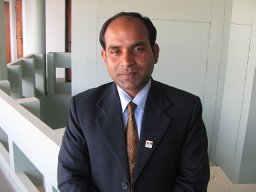 Brijesh Kumar Yadav合作论文数2Ponmagal R.S.合作论文数2Prem Kishore Mehrotra合作论文数2
 Neeraj Mathur合作论文数Developmental Toxicology Division, Industrial Toxicology Research Centre2G. Vinudevi合作论文数1M. Lenin Kumar合作论文数1




