A 70-year-old man with a 9.1 cm infiltrative right renal mass involving the inferior vena cava (IVC), with retroperitoneal lymphadenopathy and pulmonary nodules, received 27 months of lenvatinib and 6 months of pembrolizumab after biopsy confirmed metastatic clear cell renal cell carcinoma (ccRCC). Restaging imaging demonstrated a reduction of the renal mass to 3.6 cm, resolution of IVC thrombus, lymphadenopathy, and pulmonary metastases. He underwent right robotic cytoreductive radical nephrectomy. Final pathology was ypT0Nx. To our knowledge, this is the first reported case of complete pathologic and radiographic response of metastatic ccRCC predominantly on lenvatinib, with brief duration of pembrolizumab.
We describe a robotic technique for bilateral ureteral reconstruction using a U-shaped ileal interposition in the setting of retroperitoneal fibrosis and vascular encasement. A 77-year-old man with chronic kidney disease, prior orchiectomy with retroperitoneal radiation for testicular cancer, radical prostatectomy, and spine surgery, presented with retroperitoneal fibrosis, bilateral mid-ureteral strictures, and nephrostomy dependence. After adhesiolysis, both ureters were identified at the pelvic brim, dissected off the great vessels, and proximally spatulated. A 25-cm ileal segment was isolated, configured in a U-shape, and anastomosed to the bladder dome at its apex. Each ureter was reimplanted mucosa-to-mucosa to a separate ileal limb over double-J stents, with additional single-J stents placed across the vesico-ileal anastomosis.
Cytoreductive radical prostatectomy (CRP) involves removing the primary tumor in men with de novo metastatic prostate cancer, particularly those with resectable primary, good response to systemic therapy, and good performance status. Emerging evidence suggests CRP may reduce tumor burden, enhance systemic therapy efficacy, and improve survival in select patients. Robot-assisted approaches are increasingly favored for their lower complication rates. CRP can better prevent local complications than radiotherapy but carries higher risks of incontinence and erectile dysfunction. CRP has been shown to be safe in early trials, and is currently being investigated in larger randomized studies to confirm its potential benefits.
PURPOSE:To assess factors associated with patients' self-assessed pain scores during prostate biopsy (PBx) performed exclusively under local anesthesia (LA). MATERIALS AND METHODS:Consecutive patients who underwent MRI followed by a transperineal (TP) or transrectal (TR) PBx under LA were prospectively assessed. Race and ethnicity were self-reported according to NIH standards. Socioeconomic status was assessed using the Distressed Community Index (DCI). Pain was evaluated with a visual analog scale (0-10) after the procedure. Univariable and multivariable linear regression analyses were performed to correlate clinical parameters related to pain. RESULTS:A total of 419 patients underwent TP (77%) or TR (23%) PBx. Overall, 14% of patients were Asian, 5% Black, 17% Latino, 12% Others, and 53% White. Of the cohort, 20% of Black and 27% of Latino patients were most distressed (DCI 80-100) compared with 4% of Asian, 9% of Other, and 5% of White patients (p<0.001). The median (IQR) self-assessed pain levels were higher for Black 5 (2-5) and Latino 4 (3-5) compared to Asian 3 (2-4), Other 3 (2-5), and White 3 (2-4) patients (p=0.01). On multivariable analysis, younger patients, Black or Latino patients, and the number of lesions on MRI were independent predictors for pain levels. CONCLUSIONS:PBx under LA alone are generally well tolerated; however, there is a subset of patients who experience more pain, including Black and Latino, younger patients, and those with more MRI suspicious lesions. Discussion of these pain risk factors is important for patients when choosing to have a biopsy performed under LA versus sedation.
752 Background: Data is limited on the possible impact of urinary diversion (UD) type on post cystectomy complications, particularly in women. This study aims to investigate this issue and identify predictors of post-cystectomy complications in female population. Methods: We utilized our prospectively maintained IRB-approved radical cystectomy (RC) database (#HS-01B014) to identify all female patients who underwent RC between 2003 and 2021. Patients were categorized into three groups based on their UD type: ileal conduit (IC), neobladder (NB) and continence cutaneous diversion (CCD). Demographics, baseline characteristics and postoperative complications were compared across the three groups. A multivariate logistic regression analysis was used to assess the predictors of complications at 90 days postoperatively. Results: A total of 531 female patients were included: 263 (49.5%) with IC, 206 (38.8%) with NB, and 62 (11.7%) with CCD. The table outlines the patients' demographics and perioperative characteristics. The overall 30-day complication rates were comparable across groups: 54.9% for NB, 51.6% for CCD, and 61.6% for IC (p = .195). Similarly, 90-day complication rates were also comparable (NB = 65.5%, CCD = 64.5%, IC = 70.3%; p = .456). 90-day complication subgroups including cardiac, pulmonary, gastrointestinal, hematologic, infectious, and neurologic were comparable between different UDs. However, genitourinary complications were significantly higher in CCD (32.3%) compared to IC (13.3%) and NB (14.6%) (p < .001). Multivariate analysis showed that patients with CCD had increased odds of 90-day genitourinary complications compared to NB (OR = 2.83 [95%CI: 1.38, 5.72], p= .001), while preoperative eGFR was protective (OR = 0.987 [95%CI; 0.977, 0.997], p = .010). Conclusions: Our results suggested that UD type has minimal influence on cumulative 30- and 90- day post-cystectomy complications. However, CCD was associated with an increased odds of 90-day genitourinary complications. Demographics and perioperative characteristics of patients stratified by urinary diversion type. Patient characteristics Neobladder(N = 206) Continent Cutaneous Diversion (N =62) Ileal conduit(N = 263) p Age (yrs.) 64.4 ± 9.8 64.2 ± 10.5 73.5 ± 10.4 <.001 Charleson Comorbidity Index 0 80 (38.8%) 25 (40.3%) 41 (15.6%) <.001 1 63 (30.6%) 11 (17.8%) 60 (22.8%) >=2 63 (30.6%) 26 (41.9%) 162 (61.6%) Preoperative eGFR (mL/min) 73.2 ± 24.7 72.3 ± 32.0 63.8 ± 29.0 <.001 Surgical Approach Open 196 (95.1%) 60 (96.8%) 177 (67.3%) <.001 Robotic assisted 10 (4.9%) 2 (3.2%) 86 (32.7%) Pathological Staging OC (< (y)pT2; pN0) 166 (80.6%) 44 (71.0%) 168 (63.9%) .002 EV (> (y)pT2; pN0) 26 (12.6%) 9 (14.5%) 62 (23.6%) LN+ (pN+) 14 (6.8%) 9 (14.5%) 33 (12.5%)
PURPOSE:To assess the impact of urinary diversion (UD) type on complications following radical cystectomy (RC) in female patients. METHODS:We retrospectively reviewed our RC database for all female RCs between 2003 and 2024. Patients were categorized by UD type: ileal conduit (IC), neobladder (NB), and continent cutaneous diversion (CCD). Postoperative complications were compared across UDs. The contemporary sub-cohort (2012-2024) was assessed to identify the determinants of genitourinary (GU) complications. RESULTS:A total of 531 female patients underwent RC with UD (IC: 263 [49.5%], NB: 206 [38.8%], and CCD: 62 [11.7%]). The overall 30 (NB: 54.9%, CCD: 51.6%, IC: 61.6%) and 90 day (NB: 65.5%, CCD: 64.5%, IC: 70.3%) complication rates were comparable (p = 0.195, and 0.456, respectively). All 90 day complication subtypes-including infectious, gastrointestinal, and cardiac-were comparable, except for GU complications, which were significantly more frequent in CCD compared to IC and NB (32.3%, 13.3%, and 14.6%, respectively, p < 0.001). Assessment of the contemporary sub-cohort (n = 320 with IC: 187 [58.4%], NB: 99 [30.9%] and CCD: 34 [10.6%]) confirmed these findings (90 day GU complications rate: CCD: 41.2%, NB: 21.2%, and IC: 17.7%; p = 0.009). After adjusting for age, comorbidities, and surgical approach, CCD UD remained associated with higher odds of 90 day GU complications (ref: IC; odds ratio: 3.79, 95% CI: 1.58-9.10, p = 0.011). CONCLUSIONS:UD type had minimal impact on overall 30 and 90 day postoperative complications in female RC patients. However, CCD was associated with significantly increased odds of 90 day GU complications.
Objectives:We aim to compare salvage robotic radical prostatectomy (sRRP) for recurrent prostate cancer (PCa) after primary radiation (RT) versus focal therapy (FT). Materials and Methods:Patients who underwent sRRP following primary local therapy for PCa were identified. Perioperative findings and functional/oncologic outcomes were compared in RT versus FT groups. Results:Overall, 112 patients were included, with 84 receiving RT and 28 FT as primary treatment. Median age and PSA were 68 years and 5.4 ng/mL, respectively. There was one rectal injury in the RT group. The overall 90-day complications were significantly higher in RT group (33% vs. 11%, p = 0.03). On multivariable analysis, history of RT and prolonged operative time were associated with a higher rate of 90-day complications. The 6- and 12-month continence rates were higher in FT group (50% vs. 20%, p = 0.02 and 69% vs. 33%, p = 0.03). Potency at 12 months was better preserved in FT group (46% vs. 12%, p = 0.01). On final sRRP pathology, the rates of grade group ≥ 4 (51% vs. 36%, p = 0.2), pT3 (69% vs. 75%, p = 0.6), positive nodes (30% vs. 18%, p = 0.2) and positive margins (33% vs. 39%, p = 0.5) were similar for RT versus FT, respectively. The 3-year biochemical recurrence-free survival was 86% for RT versus 94% for FT (p = 0.6).Conclusion: sRRP for recurrent PCa after FT is associated with lower complications and higher urinary continence and potency rates than patients who received primary RT.
PURPOSE:Neoadjuvant cisplatin-based chemotherapy before radical cystectomy (RC) has been standard-of-care treatment for muscle-invasive bladder cancer (MIBC) for over two decades. The study aimed to explore the outcomes of systemic therapy for MIBC. METHODS:A cohort analysis of patients treated with RC for MIBC across the United States was performed using the National Cancer Database. The primary outcome measure was overall survival (OS), defined as the time from the date of initial diagnosis to the date of death from any cause. Additional variables including patient characteristics, pathologic complete response (pCR), clinical complete response (cCR), surgical margins, and the impact of surgical volume were also explored. RESULTS:Between 2006 and 2021, 47,983 patients who underwent RC for MIBC were included: 14,730 (31%) received neoadjuvant systemic therapy before RC. With a median follow-up of 82 months, the median OS was 61.1 months (95% CI, 59.3 to 62.59). Pathologic T0 and downstaging to ≤pT2 were associated with improved OS. Immunotherapy monotherapy was 55%-66% less likely to induce a pCR but was associated with improved OS compared with multiagent chemotherapy. Treatment at facilities at 90th+ percentile of surgical volume was associated with improved OS. Neoadjuvant systemic therapy was associated with improved OS compared with adjuvant systemic therapy. CONCLUSION:These results support the use of neoadjuvant systemic therapy and underscore that in addition to pT0, ypTis carcinoma in situ (CIS) and ypT1 are associated with improved OS. Perioperative systemic therapy maybe more effective before rather than after surgery. Future studies should focus on whether patients with no evidence of muscle-invasive disease (<cT2) after neoadjuvant therapy are candidates for bladder-preserving strategies.
INTRODUCTION:Widespread adoption of robotic-assisted radical cystectomy (RARC) with totally intracorporeal neobladder urinary diversion (UD) has not been achieved, and there is a dearth of literature exploring its short-term and long-term safety. We aim to present perioperative, complications, and oncologic outcomes for this procedure. MATERIALS AND METHODS:Data from patients who underwent RARC with intracorporeal neobladder UD for bladder cancer between 2003 and 2022 from our multi-institutional cohort was prospectively collected. A retrospective review of this data was performed. The primary outcome was the number of days the patient was alive and outside of the hospital within 90 days postoperatively. Secondary outcomes were recurrence-free survival (RFS), cancer-specific survival (CSS), and overall survival (OS) at 24-months estimated by Kaplan-Meier plots, and 30-day and 90-day overall and major (Clavien ≥III) complication rates. RESULTS:Of 410 patients (370 [90%] male), median (IQR) age was 64.2 (58.0, 69.4) and BMI was 26.8 (23.9, 29.1) kg/m2. The cohort included 2 (0.5%) cT0, 46 (11%) cTa or cTis, 109 (7%) cT1, 202 (49%) cT2, 47 (11%) cT3, and 4 (1.0%) cT4 tumors preoperatively. Median (IQR) follow-up was 37.6 (11.1, 81.0) months. Surgical margins were positive in 8 (2.0%) patients. Median number of days alive and outside hospital within 90 days postoperatively was 82 (77,85). Clavien III-IV complications occurred in 63 (15%) and 88 (21%) patients within 30 and 90 days, respectively. Clavien V complications occurred in 1 (0.2%) and 2 (0.5%) patients within 30 and 90 days, respectively. Kaplan-Meier estimates for RFS, CSS, and OS at 24-months were 78%, 88%, and 86%, respectively. DISCUSSION:RARC with intracorporeal neobladder UD led to favorable recovery with increased days alive and out of the hospital within 90-days of surgery compared to open RC series, and major complication rates and oncologic outcomes were in line with prior open RC series.
You have accessJournal of UrologyProstate Cancer: Detection & Screening I (MP19)1 May 2024MP19-06 PROSPECTIVE EVALUATION OF THE LEARNING CURVE FOR TRANSPERINEAL MRI/TRUS FUSION-GUIDED PROSTATE BIOPSY Masatomo Kaneko, Lorenzo Storino Ramacciotti, Divyangi Paralkar, Donya S. Jadvar, Giovanni E. Cacciamani, Mihir Desai, Monish Aron, Manju Aron, Michelle Hopstone, Inderbir S. Gill, and Andre Luis Abreu Masatomo KanekoMasatomo Kaneko , Lorenzo Storino RamacciottiLorenzo Storino Ramacciotti , Divyangi ParalkarDivyangi Paralkar , Donya S. JadvarDonya S. Jadvar , Giovanni E. CacciamaniGiovanni E. Cacciamani , Mihir DesaiMihir Desai , Monish AronMonish Aron , Manju AronManju Aron , Michelle HopstoneMichelle Hopstone , Inderbir S. GillInderbir S. Gill , and Andre Luis AbreuAndre Luis Abreu View All Author Informationhttps://doi.org/10.1097/01.JU.0001008716.22569.77.06AboutPDF ToolsAdd to favoritesDownload CitationsTrack CitationsPermissionsReprints ShareFacebookLinked InTwitterEmail Abstract INTRODUCTION AND OBJECTIVE: To determine the learning curve of transperineal (TP) magnetic resonance imaging (MRI) and transrectal ultrasound (TRUS) fusion prostate biopsy (PBx). METHODS: Consecutive men who underwent MRI followed by TP PBx were prospectively enrolled (IRB# HS-13-00663) and divided into five chronological quintiles. All patients underwent MRI followed by 12-14 core systematic biopsy (SB). A minimum of additional two targeted biopsy (TB) cores were taken per PIRADS ≥3. TP MRI/TRUS fusion biopsy was performed using an image fusion system (Koelis, TRINITY). The 1st quintile underwent TP PBx under sedation, and the 2nd to 5th quintiles under local anesthesia. The inflection point analysis was used to determine the number of cases to reach proficiency levels for operative time. Clinically significant PCa (CSPCa) if Grade Group ³ 2. Statistically significant if p<0.05. RESULTS: A total of 370 patients met the inclusion criteria and were divided into quintiles of 74 men each. The CSPCa detection rates on SB+TB weren't different across the quintiles: PIRADS 1-5 (35-50%; p=0.27); PIRADS 1-2 (0-18%; p=0.25); PIRADS 3-5 groups (46-70%; p=0.12). Similar was found on TB alone (41-66%; p=0.08) (Figure 1). Age, PSA density, PIRADS 3-5, and number of core biopsy were independent predictors for CSPCa detection; however, chronological quintiles were not an independent predictor. The operative time significantly decreased from the 1st to 5th quintiles (45 min to 19 min; p<0.01), reaching a plateau after 147 cases. This was consistent across PIRADS 1-2 (33 min to 13 min; p<0.01) and PIRADS 3-5 groups (48 min to 19 min; p<0.01). The independent predictors for longer operative time were the number of MRI lesions and the earlier quintile. The median patients' self-assessed pain (visual analog scale 0-10) immediately after PBx was not significantly different from the 2nd to 5th quintiles (4, 3, 3, and 3; p=0.14). Complications were also similar between the quintiles (2.7%, 0%, 1.4%, 1.4%, and 1.4%; p=0.7). CONCLUSIONS: The CSPCa detection is adequate from the beginning of learning for TP MRI/TRUS fusion biopsy. However, the operative time significantly improved demonstrating proficiency after 147 cases. Download PPT Source of Funding: None © 2024 by American Urological Association Education and Research, Inc.FiguresReferencesRelatedDetails Volume 211Issue 5SMay 2024Page: e312 Advertisement Copyright & Permissions© 2024 by American Urological Association Education and Research, Inc.Metrics Author Information Masatomo Kaneko More articles by this author Lorenzo Storino Ramacciotti More articles by this author Divyangi Paralkar More articles by this author Donya S. Jadvar More articles by this author Giovanni E. Cacciamani More articles by this author Mihir Desai More articles by this author Monish Aron More articles by this author Manju Aron More articles by this author Michelle Hopstone More articles by this author Inderbir S. Gill More articles by this author Andre Luis Abreu More articles by this author Expand All Advertisement PDF downloadLoading ...
You have accessJournal of UrologyProstate Cancer: Advanced (including Drug Therapy) I (PD01)1 May 2024PD01-10 SALVAGE ROBOTIC RADICAL PROSTATECTOMY FOLLOWING RADIATION VS FOCAL THERAPY Alireza Ghoreifi, Lorenzo Storino Ramacciotti, Masatomo Kaneko, Giovanni E. Cacciamani, Hooman Djaladat, Rene Sotelo, Mihir M. Desai, Inderbir Gill, Monish Aron, and Andre Luis Abreu Alireza GhoreifiAlireza Ghoreifi , Lorenzo Storino RamacciottiLorenzo Storino Ramacciotti , Masatomo KanekoMasatomo Kaneko , Giovanni E. CacciamaniGiovanni E. Cacciamani , Hooman DjaladatHooman Djaladat , Rene SoteloRene Sotelo , Mihir M. DesaiMihir M. Desai , Inderbir GillInderbir Gill , Monish AronMonish Aron , and Andre Luis AbreuAndre Luis Abreu View All Author Informationhttps://doi.org/10.1097/01.JU.0001009540.33579.43.10AboutPDF ToolsAdd to favoritesDownload CitationsTrack CitationsPermissionsReprints ShareFacebookLinked InTwitterEmail Abstract INTRODUCTION AND OBJECTIVE: To evaluate the outcomes of salvage robotic radical prostatectomy (sRRP) after primary focal therapy (FT) vs radiation therapy (RT) for prostate cancer (PCa). METHODS: From an IRB-approved PCa database (IRB HS-012030), we identified patients who underwent transperitoneal sRRP (DaVinci Si or Xi) following primary local therapy for PCa between Jan 2010 and Dec 2022. Patients with concomitant procedures were excluded. Perioperative findings and long-term outcomes were compared according to the initial PCa treatment as FT vs RT. RESULTS: A total of 112 patients with a median (IQR) age of 68 (63-74) years were included (Table 1). Of these, 84 received RT (brachytherapy=26, external beam=55, both=3) and 28 FT (Cryoablation=15, High-Intensity Focused Ultrasound=11, both=1, focal laser ablation=1) as primary treatment. The median (IQR) time between the primary treatment and sRRP was 67M (37-108), (RT=83 vs FT = 38M, p<0.001). The median pre-sRRP PSA for RT vs FT was 5.0 and 7.3 ng/mL, respectively (p=0.09). Pre-sRRP biopsy showed a significantly higher rate of high-grade (Grade Group≥4) PCa in RT compared to FT (47% vs. 21%, p=0.02). All surgeries were accomplished successfully robotically. There was 1 rectal injury in the RT group. The overall and high-grade (Clavien-Dindo ≥ 3) 90-day complications were significantly higher in RT vs FT (33% vs. 11%, p=0.49 and 11% vs. 0%, p=0.03), respectively. The 6- and 12M continence rates (defined as no pad usage) were higher in FT compared to RT (50% vs. 20%, p=0.02 and 69% vs. 33%, p=0.03). Potency (IIEF≥18) at 12M was better preserved in FT (46% vs 12%, p=0.01). A total of 31 patients underwent artificial urethral sphincter placement (RT=29 vs FT=2, p=0.006). In a median (IQR) follow-up of 28M (7-64) (RT = 30M vs FT = 26M; p=0.9), 3yr biochemical recurrence (PSA>0.2ng/mL) free survival rate was as follows: RT=86% vs FT=94% (p=0.63). On multivariable analysis, history of RT and prolonged operative time were associated with a higher rate of 90-day complications. CONCLUSIONS: Salvage robotic radical prostatectomy for recurrent PCa after focal therapy is associated with lower 90-day complications and higher urinary continence and potency rates than patients who received primary radiotherapy. Source of Funding: None © 2024 by American Urological Association Education and Research, Inc.FiguresReferencesRelatedDetails Volume 211Issue 5SMay 2024Page: e67 Advertisement Copyright & Permissions© 2024 by American Urological Association Education and Research, Inc.Metrics Author Information Alireza Ghoreifi More articles by this author Lorenzo Storino Ramacciotti More articles by this author Masatomo Kaneko More articles by this author Giovanni E. Cacciamani More articles by this author Hooman Djaladat More articles by this author Rene Sotelo More articles by this author Mihir M. Desai More articles by this author Inderbir Gill More articles by this author Monish Aron More articles by this author Andre Luis Abreu More articles by this author Expand All Advertisement PDF downloadLoading ...
Introduction: Limited data are available regarding the effect of enhanced recovery after surgery (ERAS) protocols on the long-term outcomes of radical cystectomy (RC) in bladder cancer patients. The aim of this study is to evaluate the oncological outcomes in patients who underwent RC with ERAS protocol. Methods: We reviewed the records of patients who underwent RC for primary urothelial bladder carcinoma with curative intent from January 2003 to August 2022. The primary and secondary outcomes were recurrence-free (RFS) and overall survival (OS). Multivariable Cox regression analysis was performed to evaluate the effect of ERAS on oncological outcomes. Results: A total of 967 ERAS patients and 1144 non-ERAS patients were included in this study. The RFS rates at 1, 3, and 5 years after RC were 81%, 71.5%, and 69% in the ERAS cohort, respectively. This rate in the non-ERAS group was 81%, 71%, and 67% at 1, 3, and 5 years after RC, respectively (P = 0.50). However, ERAS patients had significantly better OS with 86%, 73%, and 67% survival rates at 1, 3, and 5 years compared to 84%, 68%, and 59.5% survival rates in the non-ERAS group, respectively (P = 0.002). In multivariable analysis adjusting for other relevant factors, ERAS was no longer independently associated with recurrence-free (HR = 0.96, 95% CI 0.76 -1.22, P = 0.75) or overall survival (HR = 0.84, 95% CI 0.66 -1.09, P = 0.28) following RC. Conclusion: ERAS protocols are associated with a shorter hospital stay, yet with no impact on long-term oncologic outcomes in patients undergoing RC for bladder cancer.
PURPOSE:To compare transperineal (TP) vs transrectal (TR) magnetic resonance imaging (MRI) and transrectal ultrasound (TRUS) fusion-guided prostate biopsy (PBx) in a large, ethnically diverse and multiracial cohort. MATERIALS AND METHODS:Consecutive patients who underwent multiparametric (mp) MRI followed by TP or TR TRUS-fusion guided PBx, were identified from a prospective database (IRB #HS-13-00663). All patients underwent mpMRI followed by 12-14 core systematic PBx. A minimum of two additional target-biopsy cores were taken per PIRADS≥3 lesion. The endpoint was the detection of clinically significant prostate cancer (CSPCa; Grade Group, GG≥2). Statistical significance was defined as p<0.05. RESULTS:A total of 1491 patients met inclusion criteria, with 480 undergoing TP and 1011 TR PBx. Overall, 11% of patients were Asians, 5% African Americans, 14% Hispanic, 14% Others, and 56% White, similar between TP and TR (p=0.4). For PIRADS 3-5, the TP PBx CSPCa detection was significantly higher (61% vs 54%, p=0.03) than TR PBx, but not for PIRADS 1-2 (13% vs 13%, p=1.0). After adjusting for confounders on multivariable analysis, Black race, but not the PBx approach (TP vs TR), was an independent predictor of CSPCa detection. The median maximum cancer core length (11 vs 8mm; p<0.001) and percent (80% vs 60%; p<0.001) were greater for TP PBx even after adjusting for confounders. CONCLUSIONS:In a large and diverse cohort, Black race, but not the biopsy approach, was an independent predictor for CSPCa detection. TP and TR PBx yielded similar CSPCa detection rates; however the TP PBx was histologically more informative.
 Inderbir S. Gill合作论文数Keck School of Medicine, University of Southern California316
 Mihir M. Desai合作论文数Keck School of Medicine, University of Southern California;Center for Advanced Robotics, University of Southern California268
 Andre Berger合作论文数145
 Haber Georges-Pascal合作论文数98
 Andre Abreu合作论文数Keck School of Medicine, University of Southern California;University of Southern California Kenneth Norris Jr. Cancer Hospital87
 Osamu Ukimura合作论文数Department of Urology, Kyoto Prefectural University of Medicine84
 Jihad Kaouk合作论文数Department of Urology, Cleveland Clinic;Cleveland Clinic Lerner College of Medicine, Case Western Reserve University82
 Hooman Djaladat合作论文数Department of Urology, Norris Cancer Center, University of Southern California65
 Rene Javier Sotelo合作论文数Institute of Urology, University of Southern California;USC Kenneth Norris Jr. Cancer Hospital;Centro de Medicina Keck de la Universidad del Sur de California54
 Cacciamani Giovanni合作论文数Keck School of Medicine, University of Southern California53
 Siamak Daneshmand合作论文数Catherine and Joseph Aresty Department of Urology, Keck School of Medicine, University of Southern California49Chopra Sameer合作论文数46
 Kazumi Kamoi合作论文数45Jie Cai合作论文数44I. Gill合作论文数43
 Gus Miranda合作论文数University of Southern California42
 Akbar Ashrafi合作论文数Department of Urology, Ipswich General Hospital41Robert J Stein合作论文数39Alvin C. Goh合作论文数Scott Department of Urology, Baylor College of Medicine39
 David Canes合作论文数Burlington38Andrew J. Hung合作论文数37
 Narmada Prasad Gupta合作论文数Kidney and Urology Institute37
 Anne Schuckman合作论文数37Gill Inderbir S合作论文数35
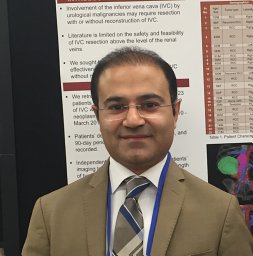 Alireza Ghoreifi合作论文数Mashhad University of Medical Sciences35
 Leslie Scott合作论文数34M Desai合作论文数33
 Vinay Anant Duddalwar合作论文数Keck School of Medicine, University of Southern California;Los Angeles General Medical Center32
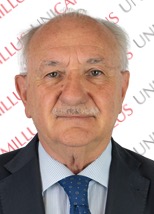 Michele Vito Mario Gallucci合作论文数UniCamillus - International Medical University in Rome;Department of the Policlinico, Casilino Hospital31
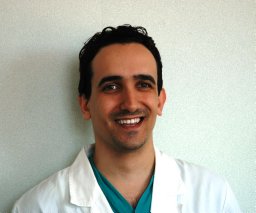 Giuseppe Simone合作论文数Rome29
 Alexandre Mottrie合作论文数OLV Ziekenhuis;Urological Department, University Hospital of Homburg-Saar;Department of Urology, OLV Hospital Aalst28Mike M. Nguyen合作论文数27Burak Turna合作论文数26
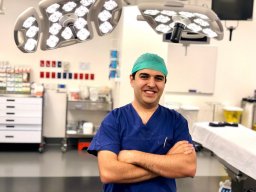 Nariman Ahmadi合作论文数Department of Urology, Chris O'Brien Lifehouse24Ricardo Brandina合作论文数24
 Ben Challacombe合作论文数The Urology Centre, Guy’s Hospital;Guy's and St Thomas' Hospitals NHS Foundation Trust and Kings College24
 Prokar Dasgupta合作论文数King’s College London24
 Amlesh Seth合作论文数Department of Urology, All India Institute of Medical Sciences22Raed A. Azhar合作论文数22A. K. Hemal合作论文数21
 Troy Gianduzzo合作论文数North Hampshire Hospital21
 Raj Satkunasivam合作论文数Department of Urology, Weill Cornell Medical College20
 Jason Hafron合作论文数Department of Urology, Beaumont Health System;Oakland University William Beaumont School of Medicine20
 Riccardo Autorino合作论文数Virginia Commonwealth University20Sunao Shoji合作论文数Ha20
 Jose R Colombo合作论文数20Premnath Dogra合作论文数20
 Sebastien Crouzet合作论文数Lyon19




