By nearly every conventional metric, Indigenous Peoples globally experience disproportionately high rates of food insecurity. Conventional approaches to measuring food security rely primarily on economic indicators to assess barriers to food access. This limits the utility of these tools when applied to Indigenous Peoples because conventional approaches do not account for additional sociocultural and biophysical variables associated with the harvest of traditional foods, and lack the ability to identify vulnerability to future food insecurity. Applying a holistic framework, such as One Health, to a vulnerability analysis of food insecurity may be a means to bridge these gaps. The objective of this scoping review was to evaluate the use of this approach when measuring food security in Indigenous populations. Following the Joanna Briggs Institute guidelines, a scoping review of English-language scholarly and gray literature was conducted to evaluate how food security has been measured in Indigenous populations that harvest traditional foods around the world. We defined the harvest of “traditional foods” as a way of living off the land to fulfil economic, physical, cultural, and spiritual needs, which include hunting, fishing, gathering, and cultivating one’s food to obtain a significant portion of one’s food, shelter, clothing, and tools. Peer-reviewed literature was retrieved from PubMed, Scopus, Wiley Online Library, Web of Science, and ProQuest. Gray literature was retrieved through searches on government pages and public health and nutrition assistance-related program websites. Results included 43 documents (39 peer-reviewed, two reports, and two graduate theses). A majority of the documents used a food security measurement tool that incorporated indicators of traditional food access (n = 38; 88
Wildfire activity is increasing globally due to climate change, with implications for air quality and public health. Fine particulate matter (PM _2.5 ) from wildfire smoke contributes to cardiorespiratory morbidity and mortality, adverse birth outcomes, mental health stressors, and disruptions to food security and traditional livelihoods. However, quantifying health risks remains difficult due to sparse monitoring, challenges in isolating wildfire-specific pollution, and limited long-term exposure assessments. We developed a historical air quality dataset for Alaska using a hybrid approach that integrates GEOS-Chem atmospheric modeling with ground-based data to estimate daily wildfire-attributable PM _2.5 at a 0.625° × 0.5° resolution from 2003 to 2020. We aggregated these estimates by census tract and derived metrics to quantify long-term wildfire smoke exposure, then combined these estimates with social vulnerability data to identify populations disproportionately affected. Alaskans experienced an average of 3.5 million person-days of moderate and >800 000 person-days of dense smoke exposure annually. In years when over 2 million acres burned, 86%–98% of census tracts recorded at least 1 d of moderate smoke, and up to 73% experienced dense smoke. Northern Interior Alaska had over 300 cumulative days of poor air quality (∼10% of summer days) over the 18 year period, with smoke waves lasting as long as 43 d. Tracts identified as having high smoke exposure and high smoke vulnerability were generally in rural Interior Alaska; however, urban tracts in Interior and Southcentral were also identified. High-exposure census tracts had statistically greater proportions of housing cost-burdened residents and women of childbearing age. This study highlights the need to move beyond traditional fire metrics and adopt measures that better capture the full scope of human exposure. Our approach provides a framework for assessing health risks and integrating public health into climate adaptation and fire management especially in wildfire-prone regions where observations are sparse.
Introduction Preterm birth (PTB) affects 1 in 10 births in the USA and is associated with near-term and long-term health consequences. This study assesses social and geographical disparities in adverse birth outcomes and associated risk factors in Alaska.Methods We examined birth records for 218 222 singleton live births in Alaska between 2000 and 2020. We described the distribution of PTB, very PTB, and low birth weight by geographical region, assessed risk factors for adverse birth outcomes, investigated how racial and ethnic differences in birth outcomes may be related to behavioural and social risk factors, and investigated how the unique transportation network in the state may affect adverse birth outcomes.Results There was an increased risk of PTB among births to mothers over 35 years of age (adjusted OR, AOR: 1.26; 95% CI: 1.20, 1.33), with prepregnancy diabetes (AOR: 3.42; 95% CI: 3.00, 3.90) or hypertension (AOR: 2.28; 95% CI: 2.08, 2.51), who used tobacco during pregnancy (AOR: 1.33; 95% CI: 1.27, 1.40), and who received <11 prenatal care visits (AOR: 2.66; 95% CI: 2.56, 2.77). Racial disparities in PTB persisted after adjustment for behavioural and healthcare-related risk factors. Nearly 40% of births took place outside the mother’s community of residence, and there was an increased risk of PTB associated with travelling for birth.Conclusions PTB continues to be a persistent issue in Alaska, particularly among non-white mothers. Our findings regarding prenatal care utilisation, pre-existing health conditions, and tobacco use during pregnancy can support public health interventions to decrease the risk of adverse birth outcomes.
Lyme disease (LD) is the most common vector-borne disease in the United States (U.S.). This paper assesses how climate change may influence LD incidence in the eastern and upper Midwestern U.S. and the associated economic burden. We estimated future Ixodes scapularis habitat suitability and LD incidence with a by-degree approach using variables from an ensemble of multiple climate models. We then applied estimates for present-day and projected habitat suitability for I. scapularis, present-day presence of Borrelia burgdorferi, and projected climatological variables to model reported LD incidence at the county level among adults, children, and the total population. Finally, we applied an estimate of healthcare expenses to project economic impacts. We show an overall increase in LD cases with regional variation. We estimate an increase in incidence in New England and the upper Midwestern U.S. and a concurrent decrease in incidence in Virginia and North Carolina. At 3°C of national warming from the 1986–2015 baseline climate, we project approximately 55,000 LD cases, a 38-percent increase from present-day estimates. At 6°C of warming, our most extreme scenario, we project approximately 92,000 LD cases in the region, an increase of 145 percent relative to current levels. Annual LD-related healthcare expenses at 3°C of warming are estimated to be 236 million (2021 dollars), approximately 38 percent greater than present-day. These results may inform decision-makers tasked with addressing climate risks, the public, and healthcare professionals preparing for treatment and prevention of LD.
Pandemics are regularly occurring events, and there are foundational principles of pandemic preparation upon which communities, regions, states, and nations may draw upon for elevated preparedness against an inevitable future infectious disease threat. Many disciplines within the social sciences can provide crucial insight and transdisciplinary thinking for the development of preparedness measures. In 2023, the National Science Foundation funded a conference of circumpolar researchers and Indigenous partners to reflect on COVID-19-related research. In this article, we synthesise our diverse social science perspectives to: (1) identify potential areas of future pandemic-related research in Alaska, and (2) pose new research questions that elevate the needs of Alaska and its people, pursuant of a specific body of pandemic knowledge that takes into account the ecological and sociocultural contexts of the region. In doing so, we highlight important domains of research in the social sciences from transdisciplinary perspectives, including the centering of Indigenous knowledges and needs, the contexts of risk perception and resilience, food and housing security, and more. We highlight the contributions of social sciences to pandemic knowledge and provide a foundation for future pandemic-related research in Alaska.
Vaccine hesitancy is an ongoing barrier to achieve sufficient COVID-19 vaccination coverage. Although there are many studies globally of vaccine hesitancy based on large survey samples, there are fewer in-depth qualitative studies that explore vaccine hesitancy and acceptance as a spectrum of decision-making. In this paper, we begin to describe vaccination decision-making among 58 adults living in remote Alaska based on three waves of online surveys and follow-up semi-structured interviews conducted between November 2020 and November 2021. The survey question of intention was not a predictor of adoption for about one third of the interviewees who were unvaccinated when they took the survey (n=12, 35%). Over half of all interviewees (n=37, 64%) had vaccine-related concerns, including 25 vaccinated individuals (representing 57% of vaccinated interviewees). Most interviewees reported that they learned about COVID-19 vaccines through interpersonal interactions (n=30, 52%) and/or a variety of media sources (n=29, 50%). The major facilitators of acceptance were trust in the information source (n=20, 48% of the 42 who responded), and learning from the experiences of family, friends, and the broader community (n=12, 29%). Further, trust and having a sense of agency appears to be important to interviewee decision-making, regardless of vaccination status and intention.
Two inaccurate reference citations were included in the Discussion section of the originally published paper. First, the citation to Ref. 44 in the sentence “Climate scientists predict that northern climates will experience the most dramatic effects of climate change” should instead be Ref. 43: “Climate scientists predict that northern climates will experience the most dramatic effects of climate change.” Second, the citation to Ref. 35 in the sentence “Given that this is the average maximum summer temperature in Fairbanks and above average in Anchorage, it is likely that many Alaskans are not physically adapted to extreme heat above this threshold” should instead be Ref. 34: “Given that this is the average maximum summer temperature in Fairbanks and above average in Anchorage, it is likely that many Alaskans are not physically adapted to extreme heat above this threshold.” EHP regrets these errors.
Previous studies have linked wildfires to a range of adverse mental health outcomes, but there has been limited research on the mental health impacts of wildfire in Alaska, an area undergoing rapid environmental change. We used a multi-level qualitative approach to identify mental health and psychosocial problems, coping, existing support, and gaps in support among communities who were affected by the Swan Lake and McKinley fires in Alaska in 2019. We recruited 39 community members from Anchorage and the Kenai Peninsula to participate in free list interviews, a community ranking workshop, and in-depth interviews, and we recruited 12 professional key informants including wildland firefighters, mental health providers, community advocates, policy makers, and public health professionals to participate in in-depth interviews and a discussion-based workshop. There were several locally-defined categories of mental health issues identified in relation to wildfires in southcentral Alaska in 2019. Key informants who work in the region identified a package of communications-related interventions as being the most impactful and actionable support for wildfire-related mental health concerns. Additional highly rated mental health supports centered around leadership acknowledging the connection between wildfire and mental health, connecting community members to formal or informal systems of mental health care, enhancing the emergency shelter system, and providing crises debriefing during wildfire evacuations. The results of this study can be utilized to facilitate implementation of prevention and response activities to support mental health resilience during wildfires in Alaska and other wildfire-affected regions.
Rapid environmental change in Alaska and other regions of the Arctic and sub-Arctic has raised concerns about increasing human exposure to ticks and the pathogens they carry. We tested a sample of ticks collected through a combination of passive and active surveillance from humans, domestic animals, and wildlife hosts in Alaska for a panel of the most common tick-borne pathogens in the contiguous United States to characterize the diversity of microbes present in this region. We tested 189 pooled tick samples collected in 2019-2020 for Borrelia spp., Anaplasma spp., Ehrlichia spp., and Babesia spp. using a multiplex PCR amplicon sequencing assay. We found established populations of Ixodes angustus Neumann (Acari: Ixodidae), Ixodes uriae White (Acari: Ixodidae), and Haemaphysalis leporispalustris Packard (Acari: Ixodidae) in Alaska, with I. angustus found on a variety of hosts including domestic companion animals (dogs and cats), small wild mammals, and humans. Ixodes angustus were active from April through October with peaks in adult and nymphal activity observed in summer months (mainly July). Although no known human pathogens were detected, Babesia microti-like parasites and candidatus Ehrlichia khabarensis were identified in ticks and small mammals. The only human pathogen detected (B. burgdorferi s.s.) was found in a tick associated with a dog that had recently traveled to New York, where Lyme disease is endemic. This study highlights the value of a combined passive and active tick surveillance system to detect introduced tick species and pathogens and to assess which tick species and microbes are locally established.
Achieving sufficient COVID-19 vaccination coverage has been hindered in many areas by vaccine hesitancy. Many studies based on large survey samples have characterized vaccine refusal, but there are fewer in-depth qualitative studies that explore hesitant adoption: the middle-ground between vaccine acceptance and refusal, and how individuals may move across this continuum depending on their lived experience. For this paper, we use the narratives of 25 adults living in off-road, predominately Alaska Native communities to describe the complex decision-making processes undertaken by 'hesitant adopters', defined in our study as those who completed their initial COVID-19 series despite reporting hesitancy. Interviewees' stories help illustrate how hesitant adopters' decision-making processes involved making sense of information through interactions with trusted individuals, lived experiences, observations, emotions, and personal motivations. For the majority of these hesitant adopters' (n = 20, 80%) interpersonal interactions were key in helping to make the decision to get vaccinated. Over half of the interviewees (n = 14, 56%) described how conversations with individuals they trusted, including healthcare providers, family, friends, and interactions through their professional network made them feel safe. One third of the hesitant adopters (n = 7, 28%) attributed their decision to get vaccinated based on the influence of Alaska Native Elders including their knowledge, personal experiences, as well as being motivated by the desire to protect them. Independent research was also important to about a quarter of hesitant adopters (n = 6, 24%), and for these interviewees it was the process of gathering information on their own and learning from others, especially healthcare providers who could answer their questions and alleviate their concerns. This paper illustrates the temporality of vaccine decision-making: vaccine acceptance for those who are hesitant may be an ongoing process that is influenced by personal experience, relationships, and context.
Responding effectively to intensifying climate change hazards to protect human health in personal and professional settings is an urgent and pressing challenge. This will require collaboration and subject matter expertise of people across the life course and occupations. In this perspective piece, we build on a previously published compilation of climate and health literacy elements to explore tangible opportunities to strengthen climate and health understanding among individuals spanning educational levels, professional settings, and societal needs. Educational materials addressing climate change and health linkages have historically focused on K-12, college, post-graduate education, and continuing medical education, with less attention devoted to reaching students in trade schools and other professional settings. Here, we outline a flexible blueprint for strengthening climate and health literacy among all people by targeting education in a way that is relevant for each age group or profession. In particular, we discuss the idea of professional adaptability as a way to design practical climate and health training for people currently in the workforce.
Objective:This study employs a strengths-based approach to assess food access in remote Alaska during the COVID-19 pandemic, identifying both the negative consequences of the pandemic on store-bought and subsistence/traditional food access and compensatory strategies used. Design:As a part of a larger study on the impacts of COVID-19 on daily life remote Alaskan communities, study data presented here were collected through key informant interviews (KII) and state-wide online surveys from 21 September 2020 to 31 March 2021 among remote Alaska community members. Setting:This study was conducted with residents of remote communities in Alaska, defined as those off the road system. Remote communities often have small or no grocery stores and rely on subsistence or traditional sources of food. Participants:KII participants (n 36) were majority female (78 %) and Alaska Native (57 %). Survey participants (n 615) were also majority female, 25-54 years old and most had had some post-secondary education or training. Results:Survey and interview data revealed that the pandemic had significant negative impacts on store-bought food access in remote Alaskan communities. Individuals also shared that locally available and wild harvested foods acted as a buffer to some of the loss of access to these store-bought foods, with some people sharing that the harvesting of wild and traditional foods served as a coping strategy during times of pandemic-related stress. Conclusions:The results from this study demonstrate that the remoteness of some Alaskan communities has been both a source of vulnerability and protection in terms of food access.
Objective:To assess knowledge, attitudes, and practices (KAP) of veterinary personnel and pet owners regarding ticks and tick-borne diseases in Alaska and to conduct a serosurvey for tick-borne disease pathogens among domestic animals visiting veterinary clinics for preventative care. Sample:Across 8 veterinary clinics, we sampled 31 veterinary personnel, 81 pet owners, 102 client-owned dogs, and 1 client-owned cat. Procedures:Information on KAP among veterinary staff and pet owners was collected via self-administered questionnaires. Tick and tick-borne disease prevalence were assessed via tick checks and benchtop ELISA antibody tests detecting Anaplasma phagocytophilum, Anaplasma platys, Erlichia canis, Erlichia ewingii, and Borrelia burgdorferi. Results:The veterinary personnel KAP survey showed a low average knowledge score (53.5%) but a moderate attitude score (71.7%). In contrast, owner average knowledge score was higher (67.5%) and attitude score was comparatively low (50.6%). Both veterinary personnel and owners had low average practice scores (64.5% and 56.3%, respectively). One dog was positive for anaplasmosis (unknown species) antibody, and 1 dog was positive for B burgdorferi antibody. No ticks were found during the study. Clinical Relevance:This study was the first of its kind in the state and indicated a low prevalence of ticks and tick-borne diseases in the domestic pet population and highlighted significant knowledge gaps that could be targeted by public health efforts. Our results suggest the value of a One Health approach and of the veterinary-client relationship to address ticks and tick-borne diseases.
The “One Health” concept has resulted in a rich research literature that integrates human and animal systems, with a focus on zoonotic diseases; however, this narrow focus is at the expense of one of the leading causes of global human mortality: non-infectious, chronic diseases. Here, we provide a viewpoint that applying the integrated One Health framework to public health issues such as the impact of stressful urban environments on the process of human aging has the potential to elucidate potential causal mechanisms that have previously gone unnoticed. Given the success of the One Health paradigm in studying human health in rural areas, we posit that this model would be a useful tool for studying human, animal, and environmental interactions in urban settings.
The COVID-19 pandemic has introduced novel stressors. Remote/rural communities have experienced additional difficulties, while also potentially benefitting from unique sources of resilience against such stressors. However, very little research has been conducted in remote/rural communities regarding coping and stress/violence. This study examines coping strategies and household stress/violence in remote Alaska communities across the pandemic through three online survey waves (November 2020–September 2021) (total n = 1,020). Across all waves, personal care was reported most frequently followed by social activities, religious activities, and traditional/subsistence activities. Substance use combined (alcohol, nicotine, marijuana) and seeking counselling were less frequently reported, with significant differences across gender and age categories. Less than 10% of individuals reported physical violence towards children and/or other adults within the household. Overall, these findings indicate that individuals are primarily relying on positive coping strategies to contend with additional stress brought into their lives by the COVID-19 pandemic.
Objective: This study evaluated the relationships between the occurrence of recent and recurring natural disasters on the incidence of acute and chronic health outcomes at the census tract level in 500 cities across the United States between 2001 and 2015. Methods: Using the Centers for Disease Control and Prevention (CDC) 500 cities data set, the CDC Social Vulnerability Index, and the US Small Business Administration (SBA) Disaster Loan Database, we modeled the incidence of self-reported, poor mental and physical health, or a clinical diagnosis of high blood pressure or asthma in census tracts (N = 27 204 tracts in 500 cities) that had experienced recent or recurring natural disasters while controlling for social and environmental risk factors. Results: Communities that experienced a natural disaster in the previous 5 years compared to those that had not had a higher incidence of poor mental health (RR: 1.02, 95% CI: 1.01-1.02), poor physical health (RR: 1.03, 95% CI: 1.02-1.04), high blood pressure (RR: 1.04, 95% CI: 1.02-1.05), and asthma (RR: 1.01, 95% CI: 1.01-1.02). The incidence of these poor health outcomes increased 1-2% with each additional year that a community experienced a disaster. Conclusions: Prevention and preparedness plans that work to build resilience in communities before disasters should focus on closing the gap in environmental and social determinants that have been linked with disproportionate health burdens and slow recovery post-disaster.
Ixodes pacificus Cooley & Kohls is the primary vector of Lyme disease spirochetes to humans in the western United States. Although not native to Alaska, this tick species has recently been found on domestic animals in the state. Ixodes pacificus has a known native range within the western contiguous United States and southwest Canada; therefore, it is not clear if introduced individuals can successfully survive and reproduce in the high-latitude climate of Alaska. To identify areas of suitable habitat within Alaska for I. pacificus, we used model parameters from two existing sets of ensemble habitat distribution models calibrated in the contiguous United States. To match the model input covariates, we calculated climatic and land cover covariates for the present (1980-2014) and future (2070-2100) climatologies in Alaska. The present-day habitat suitability maps suggest that the climate and land cover in Southeast Alaska and portions of Southcentral Alaska could support the establishment of I. pacificus populations. Future forecasts suggest an increase in suitable habitat with considerable uncertainty for many areas of the state. Repeated introductions of this non-native tick to Alaska increase the likelihood that resident populations could become established.
Abstract Background Despite leading national rates early in the pandemic, COVID-19 vaccine coverage in Alaska currently ranks 26th nationwide. Prevailing literature primarily reports urban or aggregated data. Here instead, we further characterize the complex decision-making around the COVID-19 vaccine based on in-depth interviews with Alaskans living off the road system. Methods We conducted 38 semi-structured in-depth interviews by phone with remote Alaska residents. Interviewees were survey respondents who had self-selected for a follow-up interview, and were predominately Indigenous, female, with post-secondary education. Interviews occurred in February and July 2021, after emergency use COVID-19 vaccine approval. Results Of 38 interviewees, 16 (42%) were “low intention” or “deliberating” vaccine acceptance based on their survey responses. Of these, 13 (81% of low-intention/deliberating) got vaccinated between the survey and follow-up interview timeframes. Vaccinated interviewees were motivated by individual-level perceptions of benefits (n = 18, 82%), protecting others (n = 6, 27%), and current or potential requirements (n = 7, 32%). Over half (n = 22, 58%) had vaccine-related concerns, including 13 (46%) of those vaccinated. Concerns primarily pertained to safety (n = 18, 47%), especially potential side effects (n = 11, 29%). Interviewees reported using multiple sources to make their decision, including media (n = 18, 49%) and interpersonal interactions (n = 16, 42%). Confidence among vaccinated/high-intention interviewees was attributed to trusting the source and/or information (n = 14, 44%), learning from others (n = 9, 28%), and personal experiences (n = 8, 25%). Scientific knowledge does not appear to have been a dominant factor for decision-making. Unvaccinated/low-intention interviewees (n = 5) desired more time and information. Conclusions This paper illustrates how vaccine hesitancy and acceptance are dynamic decisions that are influenced by complex processes involving knowledge circulation and reception. These results show that even those who respond that they will “definitely not” get vaccinated may change their minds at some future point. Further, vaccinated individuals may still have vaccine-related concerns. These findings indicate that building vaccine confidence involves a combination of consistent messages disseminated through a variety of media, as well as interpersonal interactions and observations. Trusting the source and/or understanding the information, as well as having a sense of agency appears to be important to interviewee decision-making, regardless of vaccination status and intention.
Given the dynamic nature of the ongoing pandemic, public knowledge and perceptions about COVID-19 are evolving. Limited transportation options, inconsistent healthcare resources, and lack of water and sanitation infrastructure in many remote Alaskan communities located off the road system have contributed to the experience of the COVID-19 pandemic in these areas. We used longitudinal surveys to evaluate remote Alaskan residents' early vaccine acceptance, vaccine uptake and motivations, risk perceptions regarding COVID-19 vaccines, and likelihood of getting a booster. Slightly over half of respondents showed early vaccine acceptance (November/December 2020), with the highest rate among those over the age of 65 years. However, by March 2021, 80.7% of participants reported receiving the COVID-19 vaccine or planning to get one. Of the unvaccinated, reasons for not getting a vaccine included concerns about side effects and not trusting the vaccine. By September 2021, 88.5% of people had received two doses of a COVID-19 vaccine and 79.7% said they would get the booster (third dose) when it became available. There were misconceptions about vaccine recommendations for pregnant women and effects on fertility and DNA. Although initial vaccine concerns may have subsided, the booster rollout and forthcoming vaccines for youth under 12 years of age present new hurdles for vaccine communication efforts.
 Rebecca J. Eisen合作论文数10Patricia Cochran合作论文数8
 Ruby Fried合作论文数8
 Laura Eichelberger合作论文数8
 Andy Monaghan合作论文数Center for Research Data and Digital Scholarship, University of Colorado Boulder7
 Jonathan Patz合作论文数Global Health Institute, The University of Wisconsin-Madison;Department of Population Health Sciences, School of Medicine and Public Health, University of Wisconsin-Madison6Gale Disler合作论文数3
 shannon donovan合作论文数Inst Circumpolar Hlth Studies, Univ Alaska Anchorage3
 Christovam Barcellos合作论文数Health Information Research Laboratory, LIS/ICICT/Fiocruz3Rebecca Van Wyck合作论文数2Shane Feirer合作论文数2Amanda Hansen合作论文数2Renate Schlaht合作论文数2
 Meredith Barrett合作论文数Propeller Hlth, San Francisco, CA USA2
 William Pan合作论文数Environmental Sciences & Policy, Nicholas School of the Environment, Duke University2
 Robert S. Lane合作论文数Department of Environmental Science, Policy and Management, College of Natural Resources, University of California, Berkeley2
 Nina Maggi Kelly合作论文数Department of Environmental Sciences, Policy & Management, College of Natural Resources, University of California2
 Gurley Emily S合作论文数Int Ctr Diarrhoeal Dis Res2
 Kerry Padgett合作论文数Calif Dept Publ Hlth, Vector Borne Dis Sect, Richmond, CA USA2Grabow Maggie L合作论文数Nelson Institute, Sustainability and the Global Environment, University of Wisconsin-Madison2Mutebi John-Paul合作论文数2
 Tammi Lynne Johnson合作论文数Centers for Disease Control and Prevention, National Center for Emerging and Zoonotic Infectious Diseases2
 Peter Daszak合作论文数EcoHealth Alliance;Center for Infection and Immunity, Columbia University Mailman School of Public Health2Islam Mohammad S合作论文数2
 Lance A. Durden合作论文数Department of Biology, College of Science and Mathematics, Georgia Southern University2Lars Eisen合作论文数2
 Frank Witmer合作论文数Institute of Behavioral Science;University of Colorado at Boulder;Institute of Behavioral Science, University of Colorado at Boulder2Robert Gerlach合作论文数2
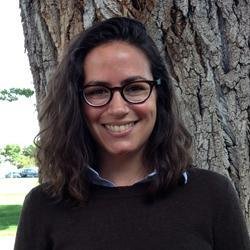 Sheryl Magzamen合作论文数College of Veterinary Medicine and Biomedical Sciences, Colorado State University2
 Christopher Coutts合作论文数University of North Carolina at Chapel Hill;University of South Florida;University of ,;University of South Florida, University of ,2
 Catherine Jarnevich合作论文数United States Geological Survey Fort Collins Science Center2
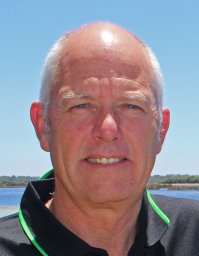 Pierre Horwitz合作论文数Consortium for Health and Ecology;Edith Cowan University;Consortium for Health and Ecology, Edith Cowan University2Harry M. Savage合作论文数2Janet Mcallister合作论文数2
 Mary K. Hayden合作论文数Division of Infectious Diseases, Department of Internal Medicine, Rush Medical College, Rush University;Department of Pathology, Rush Medical College, Rush University2
 Stephen Luby合作论文数Department of Medicine, Stanford University;Woods Institute for the Environment, Stanford University2
 Jonathan A. Epstein合作论文数Department of Medicine, Perelman School of Medicine, University of Pennsylvania;Institute for Regenerative Medicine, University of Pennsylvania2
 Amy Y Vittor合作论文数2
 Jennifer Schmidt合作论文数Department of Molecular;Physiology and Biophysics;University of Iowa;Department of Molecular, University of Iowa2
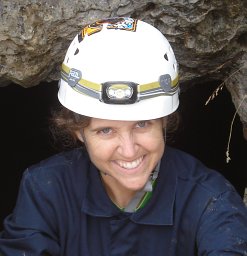 Sarah H. Olson合作论文数Department of Population Health Sciences, University of Wisconsin (at Madison)2Daniel J. Salkeld合作论文数1
 Gerrit Kuiper合作论文数1Tricia Howe合作论文数1Jenna Bjork合作论文数1J-P Mutebi合作论文数1
 Kaitlin J. Mattos合作论文数1Akshay Sood合作论文数1
 Robert Ziel合作论文数1David Neitzel合作论文数1




