Hypothermic potassium cardioplegia is now commonly used to protect the myocardium during surgically induced ischemia. Because the potassium-related membrane depolarization has been shown to increase calcium influx, we undertook this study to define the effects of varying the calcium content in hyperkalemic perfusates and the effects of using magnesium instead of or in addition to potassium as the arresting agent on the ability of hearts to recover normal function after ischemic arrest. We subjected isolated perfused working rat hearts to 60 minutes of cardioplegic arrest followed by 30 minutes of reperfusion, and measured high-energy phosphate levels every 2 1/2 minutes by phosphorus-31 nuclear magnetic resonance spectroscopy. These data were correlated with postischemic recovery of function. Our results show that potassium cardioplegia may be harmful when the calcium concentration is greater than 1 mM. The kalemic injury is significantly reduced when the calcium content is lowered to 0.25 mM and the greatest extent of preservation is provided by a calcium-poor perfusate (0.25 mM) containing 13 mM magnesium. The beneficial effects of magnesium are not enhanced by subsequent addition of potassium. Close correlations were found between all observed metabolic changes during arrest and the degree of recovery of contractile performance after reperfusion. We conclude that the ability of the myocardium to maintain or resynthesize high-energy phosphate after cardioplegic arrest may be an important determinant of postischemic mechanical performance. These results show that phosphorus-31 nuclear magnetic resonance spectroscopy is a valuable method for evaluating interventions to reduce the severity of ischemic damage.
During aortic valve surgery, cardioplegic solution is delivered through direct cannulation of both coronary ostia. Since this approach may cause an intimal injury leading to acute dissection or late ostial stenosis, we have evaluated retrograde coronary sinus perfusion (RCSP) as a means of delivering cardioplegia in 12 patients undergoing aortic valve replacement. The retroperfusion of the cardioplegic solution was performed with a balloon-tipped catheter inserted into the coronary sinus through the right atrium. The perfusion pressure averaged 40 mm Hg. Twelve patients undergoing antegrade coronary perfusion served as controls. Both groups were matched for preoperative and intraoperative data. The postoperative evaluation focused on hemodynamic status, as evidenced by serial measurements of right-sided pressures and cardiac output at 1, 6, 12, 18, and 24 hours after operation. The stroke volume index and the left ventricular and right ventricular systolic stroke work indexes were then calculated. There was no statistically significant difference between the two groups. We conclude that RCSP is a simple, safe, and effective means of cardioplegic protection during aortic valve surgery.
Aorto-left ventricular discontinuity may result from destruction of the aortic ring in aortic valve endocarditis, making solid implantation of a valvular prosthesis difficult. We believe the best technique to be the insertion of a valved Dacron tube from a noninfected area of the left ventricle to the ascending aorta distal to the coronary ostia, the coronary arteries being reimplanted in the tube. This technique implies a relatively dilated aortic ring and the integrity of the supra-annular aortic wall. When these conditions are not fulfilled, the problem has to be solved by supra coronary implantation of an aortic prosthesis with double aorto-coronary bypass grafts. Valved tubes from the left ventricular apex to the abdominal aorta is complex major surgery, the indications for which should be limited to the most mutilating forms of endocarditis causing such severe annular and periannular lesions that the two preceding techniques are impossible. Despite the advances in surgical technique, operative mortality remains high, a problem that could undoubtedly be reduced by early surgery before the association of hemodynamic and infectious complications lead to severe cardiac failure and widespread local lesions.
Coarctations of the thoraco-abdominal aorta are rare malformations. Whilst determining the need for surgery, in general because of hypertension, raises few problems, the choice of surgery tactics gives rise to discussion. The choice must above all take into account the risks of visceral ischaemia, in particular affecting the spinal cord, the causes of which are at one and the same time technical (total aortic clamping, sacrifice of the intercostal arteries) and haemodynamic (blood pressure variations). Under such conditions, it would seem necessary to reject resection-suture. Discussion is thus limited to aortoplasty with a widening patch, which is suitable in particular for short stenoses of easy access and to by-pass from ascending aorta to abdominal aorta, electively more indicated in cases of extensive coarctation with severe periaortitis, though the long-term fate of such by-passes remains uncertain.
Cold K+ cardioplegia is commonly used to preserve the myocardium during surgical ischemia. Since the K+-induced membrane depolarization could cause a Ca2+-mediated breakdown of adenosine triphosphate, this study compared the influence of different electrolytes on high-energy phosphate metabolism during cardioplegic arrest phosphate metabolism during cardioplegic arrest and subsequent recovery of mechanical function. An isolated working heart was subjected to hypothermic ischemia for one hour. Metabolic studies were assessed on phosphorus 31 nuclear magnetic resonance (NMR). Results show that (1) K+ cardioplegia is harmful when the Ca2+ content is equal to 2 mEq/I; (2) deleterious effects of K+ are markedly reduced by lowering the Ca2+ content; (3) the most adequate preservation is provided by a Mg2+-rich-Ca2+-poor perfusate; (4) this protection is not enhanced by addition of K+. Finally, 31P NMR appears particularly appropriate for evaluating myocardial protection techniques since it allows noninvasive serial monitoring of high-energy phosphate content and subsequent correlation with functional recovery after ischemia.
Hypothermic potassium cardioplegia is now widely used for preserving the heart during surgical ischemic arrest. However, the increased intracellular Ca2+ concentration associated with the K+-induced membrane depolarization has been shown to trigger Ca2+-uptake mechanisms (1) with a subsequent breakdown of high-energy phosphates (HEPs). This study was thus undertaken to assess the influence of different electrolytes on HEP metabolism and mechanical recovery after a single period of cardioplegic arrest.
Myocardial protection by a combination of cardiac hypothermia and chemical cardioplegia (high concentration of K+ and Mg++, hyperosmolarity, acid pH), was studied during 20 valve replacements. Essentially assessed on the basis of repeated measurements of postoperative cardiac output, the results were compared with those obtained previously using local hypothermia only (20 patients) and hypothermic cardioplegia using Ringer Lactate (20 patients). Analysis of haemodynamic data, which thus involved 60 patients, indicated the superiority of physicochemical cardioplegia, and this for clamping periods of up to 2 hours, but also showed the desirability of changes in the protection protocol during the ischaemia phase and during reperfusion which might improve the results.
 Armand Piwnica合作论文数53Ch. Dubost合作论文数16
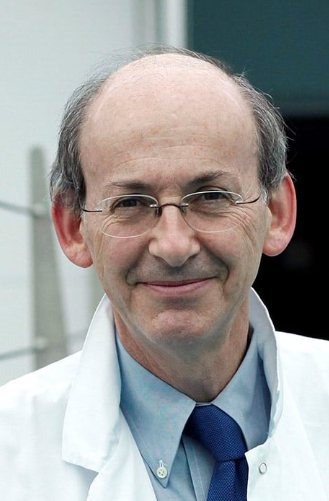 Philippe Menasche合作论文数Department of Cardiovascular Surgery, Hôpital Européen Georges Pompidou;Department of Biomedical Engineering, University of Alabama in Birmingham15
 Remi Nottin合作论文数8Alain Deloche合作论文数8Alain Carpentier合作论文数7A Leguerrier合作论文数5Jp Cachera合作论文数5R Soyer合作论文数5M Mollet合作论文数4annecatherine pernot合作论文数4J Leandri合作论文数4Blondeau P合作论文数4Slama R合作论文数4F MORALES合作论文数4Tricot R合作论文数4J. Bidault合作论文数4M. Appel合作论文数3ET FOSSEL合作论文数3B Eisenmann合作论文数3K Schwartz合作论文数3Lobstein P合作论文数3Bouvier M合作论文数3d' Allaines C合作论文数3Christian Grousset合作论文数3Christiane Masquet合作论文数3G Motte合作论文数3R Gourgon合作论文数3Demendon.M合作论文数2JP BEX合作论文数2P Beaufils合作论文数2Am Baudelot合作论文数2JF TRICOT合作论文数2Md Mendonca合作论文数2M DEMENDONCA合作论文数2S Kural合作论文数2Fabiani F合作论文数2Valere P E合作论文数2H CHAOUCHE合作论文数2Petit J合作论文数2Guérot C合作论文数2Kermarec J合作论文数2Pernod J合作论文数2D Colonna合作论文数2D. Paillette合作论文数2Yves Bouvrain合作论文数2
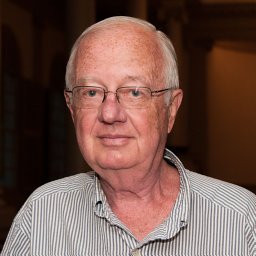 Eric T. Fossel合作论文数Radiology Department Beth Israel Hospital, Harvard Medical School2Pierre Commin合作论文数2D. Masson-Pierre合作论文数2




