Human serum transferrin (hTF) is a single‐chain bilobal glycoprotein (80 kDa) which transports Fe3+ and a variety of other metal ions in blood. Only diferric transferrin, not the apo‐protein, binds strongly to transferrin receptors and is taken up by cells via receptor‐mediated endocytosis. We show here that 2D [1H,13C] NMR studies of recombinant ϵ‐[13C]Met‐hTF allow the order of lobe loading with various metal ions, including Fe3+, to be determined. In particular, the resonance for Met‐464, a residue in the hydrophobic patch of helix 5, is very sensitive to iron binding in the C‐lobe. The selectivity of lobe loading with Fe3+ is compared to loading with Fe2+ (which binds as Fe3+), Al3+, Ga3+ and Bi3+. Similar changes in shifts of the Met residues are observed for these metal ions, suggesting that they induce similar conformational changes in the protein.
Serum transferrin is an 80 kDa glycoprotein which transports Fe3+ and a variety of metal ions of diagnostic, therapeutic and toxic importance. Methods for the study of the differences between the two metal binding sites (the N- and C-lobe sites), and mechanisms for the uptake and release of both metal ions and synergistic anions are discussed. The strength of metal binding to transferrin can be rationalised on the basis of metal ion acidity (strength of hydroxide binding). Similarly the strength of metal binding to the enzymes carbonic anhydrase and carboxypeptidase can be correlated with the binding of the same metal ions to imidazole. Such correlations of metal binding to proteins and low molecular mass ligands may provide insight into the preorganisation of metal binding sites in proteins.
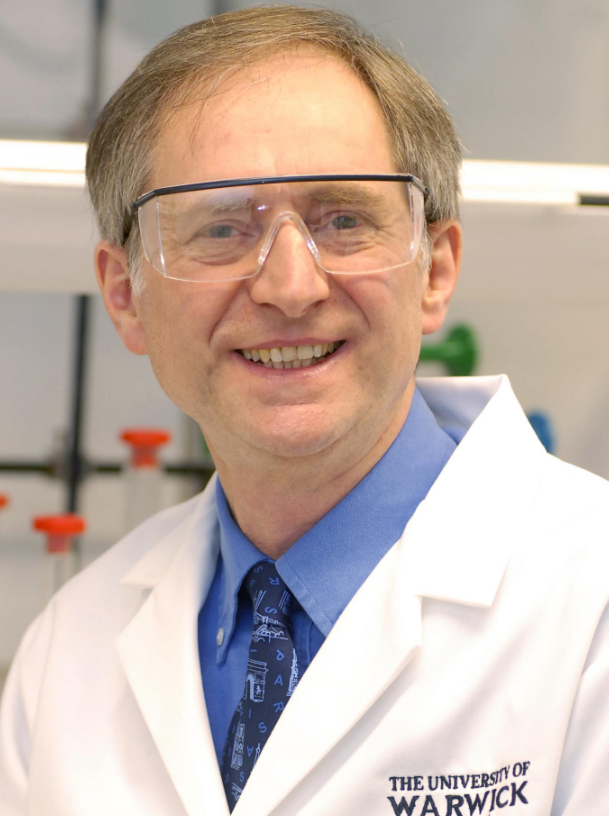 Peter Sadler合作论文数Department of Chemistry, University of Warwick5
 Robert C Woodworth合作论文数4
 Anne B. Mason合作论文数Department of Biochemistry, University of Vermont College of Medicine4Hongyan Li合作论文数2
 Hongzhe Sun (孙红哲)合作论文数Department of Chemistry, The University of Hong Kong;School of Chemistry, Sun Yat-sen University2Ta Frenkiel合作论文数1T.A. Frenkiel合作论文数1Thomas A Frenkiel合作论文数1Jd Hoeschele合作论文数1KJ Barnham合作论文数1
 James Hoeschele合作论文数1A. Tucker合作论文数1Kevin Barnham合作论文数Neurotherapeutics Laboratory, Florey Institute of Neuroscience and Mental Health1
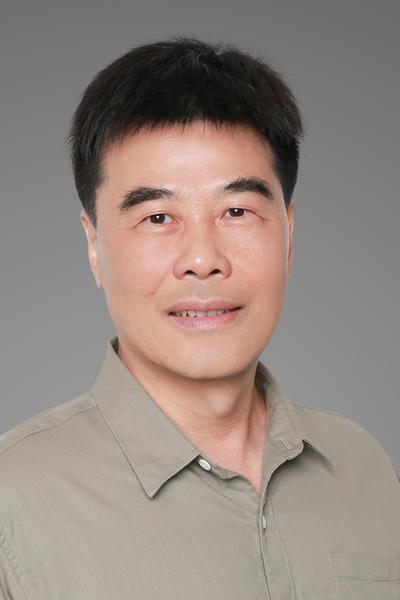 Qingyu He (何庆瑜)合作论文数College of Life Science and Technology, Jinan University;Institute of Life and Health Engineering, Jinan University1Emma J. Beatty合作论文数1




