Proper regulation of gene expression requires the harmonious coordination of transcription with other stages of the mRNA lifecycle. We have previously demonstrated that proteins can bind to nascent transcripts co-transcriptionally – a phenomenon named “mRNA imprinting” because the bound proteins modulate subsequent stages of the mRNA lifecycle. Using a novel high-throughput approach, “PRofiling OF Imprinted Transcripts” (“PROFIT”), to identify proteins involved in mRNA imprinting, we uncovered several dozen candidates. The RNA polymerase II (Pol II) subunit Rpb4, which can itself imprint mRNAs, mediates the imprinting of a large subset of these proteins. Imprinting repertoire and profile is responsive to environmental changes and include HSP70 variants. Interestingly, PROFIT identified proteins previously thought to function mainly or exclusively in the cytoplasm, including a translation factors, mRNA decay factor, protein chaperones, substrate-delivering factors of the proteasome, targeting factors that deliver mRNAs to mitochondria and more. Using proximity labeling, we validated several hits, including two translation initiation factors: eIF4G and the eIF3 component Rpg1. Importantly, we found that the same Rpg1 molecule, which had been transiently localized near Pol II, co-sediments with polyribosomes - similar to the bulk Rpg1. Our results suggest that the transcription machinery can regulate translation by recruiting specific translation factors, which later participate in protein synthesis. mRNA imprinting appears to be a widespread phenomenon, and we speculate that it may not be limited to the transcription stage alone. Interestingly, the PROFIT experiments identified proteins with known cytoplasmic function, including a translation factor (Rpg1), mRNA decay factor (Xrn1), protein chaperones (Ssa1/2), substrate-delivering factors of the proteasome, targeting factors that deliver mRNAs to mitochondria, and actin-binding factors.
RNA imprinting refers to the co-transcriptional binding of (a) factor(s) that remain associated with the RNA as it enters the cytoplasm, where it/they regulate(s) post-transcriptional processes. Transcription factors (TFs), such as yeast Sfp1 and mammalian tristetraprolin, FUS, and Yin-Yang 1, exemplify RNA imprinting by zinc-binding proteins. These TFs contain large intrinsically disordered regions (IDRs) and have the capacity to bind both DNA and RNA. The most prevalent zinc-binding domains among TFs are zinc fingers (ZFs), which recognize nucleic acids through modular tandem arrangements. We hypothesize that the structural organization of ZFs enables switching between DNA and RNA during transcription. The IDRs of these TFs, together with the nascent RNA, contribute to transcription-related biomolecular condensates that may facilitate this switching, enabling their imprinting.
The budding yeast Xrn1 protein shuttles between the nucleus, where it stimulates transcription, and the cytoplasm, where it executes the major cytoplasmic mRNA decay. In the cytoplasm, apart from catalyzing 5’→3’ decay onto non translated mRNAs, Xrn1 can follow the last translating ribosome to degrade the decapped mRNA template, a process known as “cotranslational mRNA decay”. We have previously observed that the import of Xrn1 to the nucleus is required for efficient cytoplasmic mRNA decay. Here by using an Xrn1 mutant that cannot enter the nucleus, but is otherwise functional in ribonuclease activity, we show that nuclear import is necessary for proper global cotranslational decay of mRNAs along coding regions and also affects degradation in the of 5’ region of a large group of mRNAs, which comprise about 20% of the transcriptome. Furthermore, a principal component analysis of the genomic datasets of this mutant and other Xrn1 mutants also shows that lack of a cytoplasmic 5’→3’ exoribonuclease is the primary cause of the physiological defects seen in a xrn1Δ mutant, but also suggests that Xrn1 import into the nucleus is necessary for its full in vivo functions.
To function effectively as an integrated system, the transcriptional and post-transcriptional machineries must communicate through mechanisms that are still poorly understood. Here, we focus on the zinc-finger Sfp1, known to regulate transcription of proliferation-related genes. We show that Sfp1 can regulate transcription either by binding to promoters, like most known transcription activators, or by binding to the transcribed regions (gene bodies), probably via RNA polymerase II (Pol II). We further studied the first mode of Sfp1 activity and found that, following promoter binding, Sfp1 binds to gene bodies and affects Pol II configuration, manifested by dissociation or conformational change of its Rpb4 subunit and increased backtracking. Surprisingly, Sfp1 binds to a subset of mRNAs co-transcriptionally and stabilizes them. The interaction between Sfp1 and its client mRNAs is controlled by their respective promoters and coincides with Sfp1’s dissociation from chromatin. Intriguingly, Sfp1 dissociation from the chromatin correlates with the extent of the backtracked Pol II. We propose that, following promoter recruitment, Sfp1 accompanies Pol II and regulates backtracking. The backtracked Pol II is more compatible with Sfp1’s relocation to the nascent transcripts, whereupon Sfp1 accompanies these mRNAs to the cytoplasm and regulates their stability. Thus, Sfp1’s co-transcriptional binding imprints the mRNA fate, serving as a paradigm for the cross-talk between the synthesis and decay of specific mRNAs, and a paradigm for the dual-role of some zinc-finger proteins. The interplay between Sfp1’s two modes of transcription regulation remains to be examined.
The yeast Saccharomyces cerevisiae and most eukaryotes carry two 5’→3’ exoribonuclease paralogues that are very similar. In yeast, they are called Xrn1, which shuttles between the nucleus and cytoplasm and executes major cytoplasmic mRNA decay, and Rat1, which carries a strong nuclear localization sequence (NLS) and localizes in the nucleus. Xrn1 is 40% homologous to Rat1 but has an extra ~500 amino acids C-terminal extension. In the cytoplasm, Xrn1 can degrade decapped mRNAs during the last round of translation by ribosomes “co-translational mRNA decay”. The division of labor between the two enzymes is still enigmatic and can serve as a paradigm for division of labor of many other paralogues. Here we show that Rat1 is capable of functioning in cytoplasmic mRNA decay, provided that Rat1 remains cytoplasmic due to its NLS disruption (cRat1). This indicates that the actual segregation of the two paralogues plays roles in their specific functions. However, segregation is not sufficient for fully complementing Xrn1 function. Specifically, cRat1 can only partially recover cell volume, mRNA stability, proliferation rate, 5’→3’ decay alterations that characterize xrn1Δ cells. In particular, co-translational decay is only little complemented by cRat1. Adding the Xrn1 C-terminal domain to Rat1 does not improve the phenotypes indicating that lack of C-terminal is not the reason for the partial complementation. Collectively, it seems that during evolution the two paralogues acquire unique features that make the division of work beneficial.
RNA polymerase II (RNAPII) consists of 12 subunits, including Rpb4 and Rpb7, which form a heterodimeric stalk domain. In yeast, assembly of Rpb4/7 with the 10-subunit “core” is substoichiometric. Aside from its role in transcription, Rpb4/7 also binds to mRNAs co-transcriptionally (mRNA imprinting), exits the nucleus together with the mRNA, and modulates subsequent cytoplasmic processes like translation and degradation. However, the mechanisms underlying Rpb4/7 functions and its association with RNAPII remain poorly understood. In this study, we identify five phosphorylation sites in Rpb4 that regulate various steps of mRNA and snoRNA biogenesis, including transcription elongation and the polyadenylation step. We also provide evidence that the kinase Hrr25 and the phosphatase Fcp1, known to target the carboxyl-terminal domain (CTD) of Rpb1 and participate in processes at gene 3′-ends, coordinate Rpb4 phosphorylation. Inefficient Rpb4 phosphorylation leads to increased Rpb4 association with RNAPII, particularly at gene 3′-ends, suggesting that Rpb4-P promotes stalk dissociation from RNAPII either before or during transcription termination. Collectively, our findings underscore the pivotal role of dynamic Rpb4 phosphorylation in regulating Rpb4/7 stoichiometry as well as transcription elongation and termination, with an impact on mRNA imprinting.
mRNA level is controlled by factors that mediate both mRNA synthesis and decay, including the 5' to 3' exonuclease Xrn1. Here we show that nucleocytoplasmic shuttling of several yeast mRNA decay factors plays a key role in determining both mRNA synthesis and decay. Shuttling is regulated by RNA-controlled binding of the karyopherin Kap120 to two nuclear localization sequences (NLSs) in Xrn1, location of one of which is conserved from yeast to human. The decaying RNA binds and masks NLS1, establishing a link between mRNA decay and Xrn1 shuttling. Preventing Xrn1 import, either by deleting KAP120 or mutating the two Xrn1 NLSs, compromises transcription and, unexpectedly, also cytoplasmic decay, uncovering a cytoplasmic decay pathway that initiates in the nucleus. Most mRNAs are degraded by both pathways - the ratio between them represents a full spectrum. Importantly, Xrn1 shuttling is required for proper responses to environmental changes, e.g., fluctuating temperatures, involving proper changes in mRNA abundance and in cell proliferation rate.
Rpb4/7 binds RNA Polymerase II (Pol II) transcripts co-transcriptionally and accompanies them throughout their lives. By virtue of its capacity to interact with key regulators (e.g., Pol II, eIF3, Pat1) both temporarily and spatially, Rpb4/7 regulates the major stages of the mRNA lifecycle. Here we show that Rpb4/7 can undergo over 100 combinations of post-translational modifications (PTMs). Remarkably, the Rpb4/7 PTMs repertoire changes as the mRNA/Rpb4/7 complex progresses from one stage to the next. A mutagenesis approach in residues that undergo PTMs suggests that temporal Rpb4 PTMs regulate its interactions with key regulators of gene expression that control transcriptional and post-transcriptional stages. Moreover, one mutant type specifically affects mRNA synthesis despite its normal association with Pol II, whereas the other affects both mRNA synthesis and decay; both types disrupt the balance between mRNA synthesis and decay (‘mRNA buffering’) and the cell’s capacity to respond to the environment. Taken together, we propose that temporal Rpb4/7 PTMs are involved in cross talks among the various stages of the mRNA lifecycle.
mRNA levels are determined by the balance between mRNA synthesis and decay. Protein factors that mediate both processes, including the 5'-3' exonuclease Xrn1, are responsible for a cross-talk between the two processes that buffers steady-state mRNA levels. However, the roles of these proteins in transcription remain elusive and controversial. Applying native elongating transcript sequencing (NET-seq) to yeast cells, we show that Xrn1 functions mainly as a transcriptional activator and that its disruption manifests as a reduction of RNA polymerase II (Pol II) occupancy downstream of transcription start sites. By combining our sequencing data and mathematical modeling of transcription, we found that Xrn1 modulates transcription initiation and elongation of its target genes. Furthermore, Pol II occupancy markedly increased near cleavage and polyadenylation sites in xrn1Δ cells, whereas its activity decreased, a characteristic feature of backtracked Pol II. We also provide indirect evidence that Xrn1 is involved in transcription termination downstream of polyadenylation sites. We noted that two additional decay factors, Dhh1 and Lsm1, seem to function similarly to Xrn1 in transcription, perhaps as a complex, and that the decay factors Ccr4 and Rpb4 also perturb transcription in other ways. Interestingly, the decay factors could differentiate between SAGA- and TFIID-dominated promoters. These two classes of genes responded differently to XRN1 deletion in mRNA synthesis and were differentially regulated by mRNA decay pathways, raising the possibility that one distinction between these two gene classes lies in the mechanisms that balance mRNA synthesis with mRNA decay.
mRNA levels are determined by the balance between mRNA synthesis and decay. Factors that mediate both processes, including the 5’ to 3’ exonuclease Xrn1, are responsible for the cross talk between the two processes in a manner that buffers steady-state mRNA levels. However, these proteins’ roles in transcription remain elusive and controversial. Applying NET-seq to yeast cells, we show that Xrn1 functions mainly as a transcriptional activator and that its disruption manifests via the reduction of RNA polymerase II (Pol II) occupancy downstream of transcription start sites. We combine our data and novel mathematical modeling of transcription to suggest that transcription initiation and elongation of targeted genes is modulated by Xrn1. Furthermore, Pol II occupancy markedly increases near cleavage and polyadenylation sites in xrn 1Δ cells while its activity decreases, a characteristic feature of backtracked Pol II. We also provide indirect evidence that Xrn1 is involved in transcription termination downstream of polyadenylation sites. Two additional decay factors, Dhh1 and Lsm1, seem to function similarly to Xrn1 in transcription, perhaps as a complex, while the decay factors Ccr4 and Rpb4 also perturb transcription in other ways. Interestingly, DFs are capable of differentiating between SAGA- and TFIID-dominated promoters. These two classes of genes respond differently to XRN 1 deletion in mRNA synthesis and differentially utilize mRNA decay pathways, raising the possibility that one distinction between the two types of genes lies in the mechanism(s) that balance these processes.
The highly conserved 5’–3’ exonuclease Xrn1 regulates gene expression in eukaryotes by coupling nuclear DNA transcription to cytosolic mRNA decay. By integrating transcriptome-wide analyses of translation with biochemical and functional studies, we demonstrate an unanticipated regulatory role of Xrn1 in protein synthesis. Xrn1 promotes translation of a specific group of transcripts encoding membrane proteins. Xrn1-dependence for translation is linked to poor structural RNA contexts for translation initiation, is mediated by interactions with components of the translation initiation machinery and correlates with an Xrn1-dependence for mRNA localization at the endoplasmic reticulum, the translation compartment of membrane proteins. Importantly, for this group of mRNAs, Xrn1 stimulates transcription, mRNA translation and decay. Our results uncover a crosstalk between the three major stages of gene expression coordinated by Xrn1 to maintain appropriate levels of membrane proteins.
Rpb4 is an RNA polymerase II (Pol II) subunit that binds Pol II transcripts co-transcriptionally, accompanies them to the cytoplasm and modulates mRNA export, translation and decay by interacting with cytoplasmic RNA modulators. The importance of the cytoplasmic roles of Rpb4 was challenged by a study reporting that the phenotype of rpb2Δ rpb4Δ cells can be rescued by an Rpb2-Rpb4 fusion protein, assuming that its Rpb4 moiety cannot dissociate from Pol II and functions in the cytoplasm. Here we demonstrate that although the fusion protein supports normal transcription, it adversely affects mRNA decay, cell proliferation and adaptability–e.g., response to stress. These defects are similar, albeit milder, than the defects that characterize rpb4Δ cells. At least two mechanisms alleviate the deleterious effect of the fusion protein. First, a portion of this fusion protein is cleaved into free Rpb2 and Rpb4. The free Rpb4 is functional, as it binds mRNAs and polysomes, like WT Rpb4. Second, the fusion protein is also capable of binding poly(A)+ mRNAs in the cytoplasm, in an Rpb7-mediated manner, probably complementing the functions of the diminished Rpb4. Collectively, normal coupling between mRNA synthesis and decay requires wild-type configuration of Rpb4, and fusing Rpb4 to Rpb2 compromises this coupling.
ABSTRACTModeling plays an increasingly important role in the lifecycle of systems. Complex dynamic systems are difficult to model, preventing users from deeply understanding their intricate behavior. Existing conceptual modeling languages contain behavioral diagrams aimed to describe how the modeled system changes over time. However, most of these diagram types are static and do not directly reflect the system's behavior in space and time in a manner that is close to conceived reality. Models that are inherently visual and dynamic can potentially provide system architects and designers, as well as prospective customers, with profound understanding of the behavior of the system under development without requiring knowledge of any specific modeling language. Based on this conjecture, which is supported by cognitive neuroscience, we present Vivid Object‐Process Methodology (OPM), a software module that generates and plays a “video clip” of the system under development from its OPM conceptual model. While requiring relatively little effort on the side of the modeler, this option explicates how the system behaves over time, providing a powerful tool for understanding and communicating complex systems dynamics. Testing Vivid OPM with human subjects, we found that it enhances the understandability of the system under study, especially in complex situations, where interaction is involved. The preliminary animation application we present can evolve into a powerful model‐based 3‐dimensional tool for visualizing systems of increasing complexity and sophistication, serving scientists,systems engineers, and students at all levels.
The 5’ to 3’ exoribonuclease Xrn1 is a large protein involved in cytoplasmatic mRNA degradation as a critical component of the major decaysome. Its deletion in the yeast Saccharomyces cerevisiae is not lethal, but it has multiple physiological effects. In a previous study, our group showed that deletion of all tested components of the yeast major decaysome, including XRN1, results in a decrease in the synthetic rate and an increase in half-life of most mRNAs in a compensatory manner. Furthermore, the same study showed that the all tested decaysome components are also nuclear proteins that bind to the 5’ region of a number of genes. In the present work, we show that disruption of Xrn1 activity preferentially affects both the synthesis and decay of a distinct subpopulation of mRNAs. The most affected mRNAs are the transcripts of the highly transcribed genes, mainly those encoding ribosome biogenesis and translation factors. Previously, we proposed that synthegradases play a key role in regulating both mRNA synthesis and degradation. Evidently, Xrn1 functions as a synthegradase, whose selectivity might help coordinating the expression of the protein synthetic machinery. We propose to name the most affected genes Xrn1 synthegradon.
Biologists are required to integrate large amounts of data to construct a working model of the system under investigation. This model is often informal and stored mentally or textually, making it prone to contain undetected inconsistencies, inaccuracies, or even contradictions, not much less than a representation in free natural language. Using Object-Process Methodology (OPM), a formal yet visual and humanly accessible conceptual modeling language, we have created an executable working model of the mRNA decay process in Saccharomyces cerevisiae, as well as the import of its components to the nucleus following mRNA decay. We show how our model, which incorporates knowledge from 43 articles, can reproduce outcomes that match the experimental findings, evaluate hypotheses, and predict new possible outcomes. Moreover, we were able to analyze the effects of the mRNA decay model perturbations related to gene and interaction deletions, and predict the nuclear import of certain decay factors, which we then verified experimentally. In particular, we verified experimentally the hypothesis that Rpb4p, Lsm1p, and Pan2p remain bound to the RNA 3'-untranslated region during the entire process of the 5' to 3' degradation of the RNA open reading frame. The model has also highlighted erroneous hypotheses that indeed were not in line with the experimental outcomes. Beyond the scientific value of these specific findings, this work demonstrates the value of the conceptual model as an in silico vehicle for hypotheses generation and testing, which can reinforce, and often even replace, risky, costlier wet lab experiments.
mRNA concentration depends on the balance between transcription and degradation rates. On both sides of the equilibrium, synthesis and degradation show, however, interesting differences that have conditioned the evolution of gene regulatory mechanisms. Here, we discuss recent genome-wide methods for determining mRNA half-lives in eukaryotes. We also review pre- and posttranscriptional regulons that coordinate the fate of functionally related mRNAs by using protein- or RNA-based trans factors. Some of these factors can regulate both transcription and decay rates, thereby maintaining proper mRNA homeostasis during eukaryotic cell life.
Maintaining proper mRNA levels is a key aspect in the regulation of gene expression. The balance between mRNA synthesis and decay determines these levels. We demonstrate that most yeast mRNAs are degraded by the cytoplasmic 5'-to-3' pathway (the "decaysome"), as proposed previously. Unexpectedly, the level of these mRNAs is highly robust to perturbations in this major pathway because defects in various decaysome components lead to transcription downregulation. Moreover, these components shuttle between the cytoplasm and the nucleus, in a manner dependent on proper mRNA degradation. In the nucleus, they associate with chromatin-preferentially ∼30 bp upstream of transcription start-sites-and directly stimulate transcription initiation and elongation. The nuclear role of the decaysome in transcription is linked to its cytoplasmic role in mRNA decay; linkage, in turn, seems to depend on proper shuttling of its components. The gene expression process is therefore circular, whereby the hitherto first and last stages are interconnected.
Recent years have seen a rise in publications demonstrating coupling between transcription and mRNA decay. This coupling most often accompanies cellular processes that involve transitions in gene expression patterns, for example during mitotic division and cellular differentiation and in response to cellular stress. Transcription can affect the mRNA fate by multiple mechanisms. The most novel finding is the process of co-transcriptional imprinting of mRNAs with proteins, which in turn regulate cytoplasmic mRNA stability. Transcription therefore is not only a catalyst of mRNA synthesis but also provides a platform that enables imprinting, which coordinates between transcription and mRNA decay. Here we present an overview of the literature, which provides the evidence of coupling between transcription and decay, review the mechanisms and regulators by which the two processes are coupled, discuss why such coupling is beneficial and present a new model for regulation of gene expression. This article is part of a Special Issue entitled: RNA Decay mechanisms.
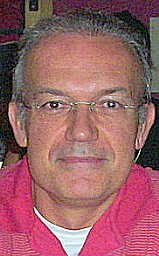 Jose E Perez-Ortin合作论文数Dept Bioquim & Biol Mol, Univ Valencia12
 Gal Haimovich合作论文数Rappaport Faculty of Medicine, Technion-Israel Institute of Technology11
 Lea Duek合作论文数9Oren Barkai合作论文数8
 Chavez Sebastian合作论文数Departamento de Genética, Universidad de Sevilla8Rona Lotan合作论文数7I Paz合作论文数5Michael Selitrennik合作论文数5
 Jose Garcia-Martinez合作论文数Univ Valencia, Dept Genet, Valencia, Spain5
 Antonio Jordan-Pla合作论文数5Eli Sprecher合作论文数5Liat Harel-Sharvit合作论文数5Jonathan Fischer合作论文数4Y Aloni合作论文数Department of Genetics, The Weizmann Institute of Science, Rehovot, Israel4
 Dov Dori合作论文数Faculty of Data and Decision Sciences, Technion Israel Institute of Technology;Enterprise Systems Modeling Laboratory, Faculty of Industrial Engineering and Management, Technion Israel Institute of Technology4Indelman Margarita合作论文数3
 Chattopadhyay Shiladitya合作论文数Division of Virology, National Institute of Cholera and Enteric Diseases3Bar-On Vicky Goler合作论文数3
 Daniel Medina合作论文数Department of Molecular and Cellular Biology, Baylor College of Medicine3
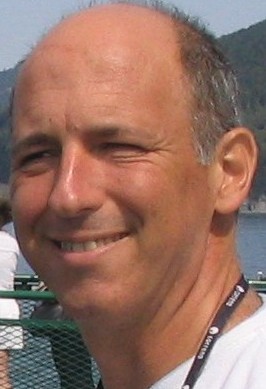 Dan Geiger合作论文数Computer Science Department, Technion - Israel Institute of Technology3
 Elisabetta Balzi合作论文数3Adi Guterman合作论文数3
 Ronit Weisman合作论文数3Mazal Varon合作论文数3V. Goler-Baron合作论文数3
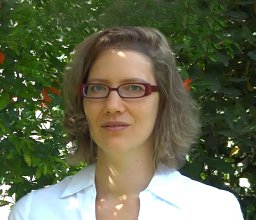 Judith (Yudit) Somekh合作论文数Faculty of Industrial Engineering and Management, Israel Institute of Technology3Ron Elran合作论文数2Leire de Campos-Mata合作论文数2
 Stephen Richard合作论文数Krieger Eye Res Lab, Technion Israel Inst Technol2
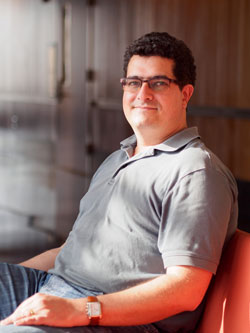 Xavier Darzacq合作论文数Genetics, Genomics & Development Faculty, Department of Molecular and Cell Biology, University of California, Berkeley2
 Yun S. Song合作论文数Department of Electrical Engineering and Computer Sciences, University of California, Berkeley;Department of Statistics, University of California, Berkeley2
 di Iulio Julia合作论文数Univ Hosp Ctr, Univ Lausanne2Churchman L Stirling合作论文数2
 Nir Yosef合作论文数Department of Systems Immunology, Weizmann Institute of Science;Center for Computational Biology, UC Berkeley2Millán-Zambrano Gonzalo合作论文数Universidad de Sevilla, Universidad de Sevilla2
 Richard Bergman合作论文数Department of Biomedical Sciences, Cedars-Sinai;Cedars-Sinai Medical Center2Meunier J R合作论文数2
 Sebastien Causse合作论文数Institut de Biologie de l’ENS, IBENS2
 Jouni Uitto合作论文数Department of Dermatology and Cutaneous Biology, Jefferson Medical College;Jefferson Institute of Molecular Medicine, Thomas Jefferson University2
 Stavit Shalev合作论文数Russell Berrie Nanotechnology Institute, Technion-Israel Institute of Technology;Rappaport Faculty of Medicine, Technion-Israel Institute of Technology;Bruce and Ruth Rappaport Cancer Research Center2Juana Diez合作论文数Molecular Virology group2
 Vicent Pelechano合作论文数European Molecular Biology Laboratory, Meyerhofstrasse 1, Heidelberg, Germany2Andre Goffeau合作论文数2
 Ilana Chefetz合作论文数Diagnostic Technologies Ltd2
 Noam Adir合作论文数Department of Chemistry and Institute of Catalysis, Science and Technology, Technion – Israel Institute of Technology2Charles N. Cole合作论文数2Daniel Melamed合作论文数2Orit Topaz合作论文数2Etienne Capieaux合作论文数2




