Three-axis inertially stabilized gimbals are widely employed in multi-rotor platforms to capture stable and level videos. However, the kinematic effects of gimbal movement can induce image roll. Another significant challenge is gyro bias, which leads to undesired gimbal motion and inaccurate estimations. In this study, a compound control strategy, integrating both feedback and feedforward controllers, is proposed for image leveling control loop. The incorporation of feedforward control in addition to feedback control enhances robustness against disturbances generated by gimbal motion. By formulating specific equations, the relationship between gyro bias and control output is derived. Based on these equations, a gyro bias estimation method based on Kalman filter is developed. This estimator determines all three components of the gyro bias vector using only accelerometer and gyroscope measurements, eliminating the need for a magnetometer. Simulation results for a three-axis gimbal demonstrate that the proposed methods are effective. Finally, the feedforward control and gyro bias estimator are implemented and validated experimentally under practical conditions
A refined mathematical framework is developed to investigate the ability of shape memory alloy (SMA) nanofibers to control the shear instability of a hybrid small-scale plate made of three layers containing nanofibers. The middle layer is reinforced by SMA nanofibers, while typical nanofibers are utilized to reinforce other layers. Using the Brinson theory, the nonlocal theory and the principle of virtual work, the scale-dependent coupled equations of the reinforced ultrasmall plate are presented. A differential quadrature technique is then applied as a solution procedure for different edge conditions. The influences of various factors, including the coefficients of the polymer matrix, the recovery stress, orientation and volume fraction of SMA nanofibers on the control ability are studied. It is concluded that the shear instability capacity of small-scale plates can be reasonably controlled by using SMA nanofibers. Particularly, higher recovery stresses result in higher critical shear loads. As the SMA volume fraction increases, the shear instability load remarkably increases.
To recover steady, straight-level flight of a high-angle-of-attack aircraft from its oscillatory spin, a MIMO super-twisting sliding control approach is proposed in this study. Since at high angles of attack, the aerodynamics governing the aircraft is highly nonlinear, tabulated data are utilised to ensure the validity of the results up to an angle of attack of 90 degrees. Regarding uncertain aerodynamic coefficients, the robustness of the control approach is necessary. It is shown that the first-order classical sliding control and power rate reaching law methods are successful approaches to recover an aircraft from its state of spin in the absence of aerodynamic parameter uncertainties. However, in the presence of these uncertainties, chattering affects their performance and the altitude required to perform the recovery manoeuvre, referred to as altitude gain, significantly increases. To overcome these issues, a second-order sliding control algorithm is proposed in this study. The system outputs are considered as roll, pitch, rate of yaw change to attain level flight, and rate of change of altitude to assure straight flight. Thus, a 4 x 4 super-twisting SMC scheme is developed. Finite-time convergence of sliding variables, which guarantees asymptotic stability of the aircraft control system, is proven via the Lyapunov direct method. Simulation results illustrate that the proposed control algorithm serves not only as a reliable approach to perform the recovery manoeuvre but also as a highly effective method to overcome aerodynamic uncertainties without inducing chattering in control inputs. In addition, it enables the recovery manoeuvre to be performed with lower altitude gain.
Noise reduction is very important for cavities such as long ventilation ducts, and train and airplane cabins. This paper seeks to develop, design, and implement an active noise control system to globally reduce narrowband and broadband acoustic noises inside a cylindrical cavity using the Modal FxLMS algorithm along with canceling the feedback effect of the actuator on the reference microphone. In addition, the efficiency of the proposed algorithm is compared to the conventional FxLMS algorithm for broadband noises in terms of acoustic potential energy and energy consumption of the actuators. To this end, the natural frequencies and mode shapes are derived using experimental methods and finite element simulation, and the results are compared. The modal data are used to design and implement a modal filter. The filter output is fed to the Modal FxLMS algorithm as the error signal for updating controller coefficients. Due to the presence of a reference microphone for the proposed algorithm and the effect of the control loudspeaker, it is required to remove the feedback effect. An experimental setup is developed, and an FPGA board and LabVIEW software are adopted to implement and verify the effectiveness of the proposed algorithm. The results indicate that the controller could effectively attenuate the narrowband and broadband acoustic noises globally. Furthermore, although the conventional FxLMS algorithm can suppress the noise around acoustic modes, it produces a larger control signal than the Modal FxLMS algorithm and consumes more energy.
Abstract This paper presents a model predictive control (MPC) approach based on the extended disturbance observer (EDOB) for trajectory tracking of a coaxial octorotor unmanned aerial vehicle (UAV). First, the system dynamic model is derived using Newton–Euler relations in the presence of time‐varying centre of gravity (COG); then, a two‐loop cascade structure is presented to perform the trajectory tracking task. Both loops are controlled using MPC with feedforward compensation based on the EDOB to improve disturbance rejection abilities. When the mass changes, the moment of inertia and COG are affected. The EDOB simultaneously estimates the effects of time‐varying mass, external disturbances, and parametric uncertainties in six degrees of freedom. After obtaining virtual control inputs using designed controllers, constrained control allocation is used to obtain rotors speed in a valid range. The proposed control scheme is evaluated using simulation. The simulation results show the ability of the developed control strategy in accurate trajectory tracking and stable flight in different conditions and being robust to uncertainty and disturbance.
Design and verification of a distributed backward control approach which solves task assignment problem of an under-actuated nonlinear multi-agent system is investigated in this paper. This under-actuated nonlinear multi-agent system includes several quadrotors work together to transport a load aerially. All quadrotors are connected to the load by cables. In this paper, these cables are modelled as several series of masses, springs and dampers to consider their masses and curvatures. There is no real control on the load and cable masses. Therefore, a backward control approach is presented which is based on some virtual controls considered for the load and masses of the cables. By using this control approach, path tracking of the load is performed by controlling formation of the quadrotors during transportation. Solving consensus, formation control and task assignment problems in the case study in less than respectively one, six and five seconds, is the result of using the proposed approach. An Integral BackStepping-Sliding Mode controller is used for formation tracking of a multi-quadrotor system in the presence of external disturbances. Two theorems are presented to guarantee the stability and convergence of the proposed control systems. In addition, simulation example is used to illustrate the effectiveness of the presented control approach.
Abstract Herein, a control system and a fault tolerance method for the rotor positionable quadrotor are proposed. Quadrotors that have a variable structure are made for different purposes. The rotor‐positionable quadrotor studied here, is a type of drone with a variable structure that has the ability to change the position of its rotors linearly along the axis of each arm. It can be seen that this capability can improve the drone robustness against disturbances and faults in comparison with regular quadcopters. Due to the over‐actuated dynamics of this type of quadrotor, the control allocation scheme based on log‐barrier optimization is employed to obtain the position and speed of each rotor. In this study, it is experimentally shown that rotor positioning not only reduces power consumption but also increases roll and pitch control inputs magnitude. Furthermore, when a fault occurs as a decrease in rotor speed, a fuzzy method is proposed to position the rotors which tolerates the fault. Finally, numerical simulations and experimental tests verified that rotor positioning can bring more robustness, reduction in power consumption, and fault tolerance in some rotor faults capabilities for quadrotors.
The trajectory tracking control of a quadrotor unmanned aerial vehicle is done in this paper in the presence of changes in the center of gravity due to the variations of a connected load mass and its position, external disturbances, and parametric uncertainties. At first, dynamic equations are obtained using Newton-Euler relations, and then a two-loop control architecture is designed for the trajectory tracking task. Backstepping and model predictive control are used in the inner and outer loops, respectively. An extended disturbance observer is adopted to improve disturbance rejection capabilities in both loops. For the six-degrees-of-freedom unmanned aerial vehicle, the effects of time-varying mass, which leads to the change in the moment of inertia and center of gravity of the system, together with external disturbances and parametric uncertainties are taken into account. It is possible to mount an arbitrary number of different point masses at arbitrary positions on the unmanned aerial vehicle. The proposed control scheme is evaluated using simulation in the presence of uncertainties and external disturbances. According to the simulation results, the developed control scheme can achieve stable flight under different conditions.
Attitude consensus and formation tracking control of a multi-agent system with quadrotors as its agents are discussed in this paper. For controlling formation and consensus, two control loops are designed: inner loop and outer loop. A multi-agent control protocol is developed based on two control approaches. One approach is used for the inner loop, and another is used for the outer loop of the multi-agent system. Each approach is based on a combination of integral backstepping control and sliding mode control for using their advantages. In addition, both leader–follower-based and virtual structure-based formation protocols are studied here. Effectiveness of the proposed protocol is confirmed by stability proof and some simulations. Comparing the presented control protocol with three other protocols shows its superior performance. Finally, comparing the leader–follower structure and virtual structure is conducted to demonstrate the advantages of this protocol in both structures.
In this paper, first, quadrotor dynamical equations are derived, and then, an auto-landing algorithm is designed to land a quadrotor UAV on a specified location. A double-loop control structure with inner and outer loops is presented to stabilize the system in the presence of external time-varying disturbances and wind gusts. In the inner loop, a controller is utilized based on the super-twisting second-order sliding mode control (ST-SOSMC) approach to control the rotational dynamics. The outer loop comprises proportional-derivative (PD) controllers to stabilize the translational dynamics of the system. In the designed auto-landing algorithm, an interpolation-based method is adopted to generate desired trajectories which then the proposed PD-(ST-SOSMC) scheme is used to perform the trajectory tracking task. Compared to the classical first-order SMC, the ST-SOSMC can solve the chattering problem besides providing robustness against modeling errors, uncertainties, and different disturbances. Simulation results show the feasibility and effectiveness of the proposed auto-landing algorithm and control scheme in desired path following and disturbance rejection.
The main challenge in the design of radar-absorbing composite structures (RASs) is that there is a variety of different parameters affecting the absorbing performance. In this study, these parameters are categorized into: (1) reinforcing materials including fabric types (i.e., glass fabric, carbon fabric, and 3D fabric) and filler types (i.e., carbon black, carbonyl iron, and polyaniline); (2) geometric parameters including layer thickness and stacking sequences; and (3) manufacturing methods. Up to now, the effect of all these parameters has not been simultaneously investigated and optimized on the X-band radar-absorbing feature of composite structures. Therefore, the influence of all these parameters is first experimentally investigated using waveguide tests; then, a new multi-objective optimization algorithm based on NSGA II technique is developed to simultaneously optimize the effective parameters for high-performance RAS with maximum average reflection loss and minimum weight, while considering structural limitations. Finally, the proposed algorithm is evaluated by experimental results.
In this paper, first the full dynamics of aerial transportation of a rigid body with arbitrary number of quadrotors is derived. Then a control strategy is proposed to convey the nonuniform rigid body appropriately to the desired trajectory. In the dynamical model of this transportation system, not only the load is considered as a nonuniform and non-homogeneous rigid body but also mass, flexibility, and tension of the cables are considered. Each cable is modeled as successive masses, springs, and dampers where each mass, spring, and damper has 4 degrees of freedom (DOF). The Euler-Lagrange equations are used to derive the motion equation. The control strategy includes three loops of attitude control, formation control, and navigation control. The sliding mode control is designed based on multi-agent systems for the formation control where the controller is proven to be asymptotically stable. The navigation control loop, based on the load states, guarantees that the load reaches the desired location. Finally, numerical examples and simulations are presented to verify the appropriate operation of the proposed system for transporting both homogeneous and non-homogeneous bodies by spreading quadrotors according to mass distribution of the body.
Active tilting control is now one of the technologies utilized widely in high-speed railway vehicles. This paper tries to decrease the lateral acceleration on passengers (caused by high-speed motion in a curve) using an electrical anti-roll bar (ARB) that provides a limited amount of carbody tilt. A dynamic model is employed for a modern railway vehicle with its active anti-roll bar (AARB). Moreover, an attempt is made to design three control approaches of Kalman filter-based Model Predictive Control, Linear Quadratic Gaussian servo control, and proportional-integral regulator in such a way to be robust against noise and simultaneously improve ride comfort and vehicle dynamic performance. The active anti-roll bar acts as an actuator with a brushless DC (BLDC) motor, permitting active tilt control. Finally, the performance of the tilting vehicle and electric actuation system employing different control structures is assessed based on numerical simulations. Furthermore, a helpful comparison is drawn between the optimal and other simulated control approaches concerning ride comfort. The simulation results reveal better competency of Kalman filter-based Model Predictive Control in achieving the reference pursuit plus noise canceling and improving ride comfort.
One of the most important applications of electromagnetic wave absorption is in stealth aircrafts and electromagnetic protection of avionic systems. The main limitations in the design of these structures are aerodynamics, thickness or weight, mechanical strength, manufacturing process, and reasonable cost. In this study, a novel three-layer woven fabric composite laminate (with a total thickness of about 3 mm) is proposed which each layer is reinforced by individual polyaniline, carbonyl iron, or (PANI + CI) core-shell fillers. The developed Non-dominated Sorting Genetic Algorithm II optimization algorithm suggests the stacking sequence of layers, the appropriate thickness of each layer, and the filler weight fraction in each layer to achieve a broadband absorption. Due to using both dielectric and magnetic absorbing fillers, this structure shows well-impedance matching and approximately absorbs 80% of the X-band (8-12 GHz) electromagnetic waves. The maximum reflection loss is about −14dB. Finally, the effect of the addition of absorbent particles on the mechanical properties has been investigated. Experimental results showed that the tensile modulus and strength decrease by about 21.5% and 20.6%, respectively, and the flexural modulus and strength reduce by 21.7% and 19.7%, respectively. However, the (PANI + CI) core-shell filler can be introduced as a high performance absorber filler because it suggests maximum reflection loss with low weight fraction compared to other fillers and consequently the minimum reduction in mechanical properties.
Background and Objectives: E-learning is a method for designing, , editing, presenting, and evaluating education that utilizes electronic capabilities and facilities to aid learning that educational institutions and learners have welcomed over the past three decades. However, because of the COVID-19 epidemic, e-learning has become the focus of wider public and political attention. Therefore, the study of learners' behavior in confrontation with e-learning and its various dimensions have been taken into consideration. In this research, the authors investigate the factors affecting the user's continued use of e-learning by utilizing the Information Systems Success Model and Flow Theory.Methods: The present study is descriptive-correlative in terms of data collection method and applied research in terms of purpose. The variables of this research have been studied using a standard questionnaire. Furthermore, in this study, sampling was done using designed questionnaires distributed and filled out both online and physically among virtual students admitted to three universities in 2019 and before that (Tehran, Allameh Tabatabai, and Alzahra) located in Tehran. Finally, about 450 questionnaires were distributed in person and electronically among the virtual courses’ students of these three universities among which 23 questionnaires were either not returned or returned without answers, and about 30 cases were deleted due to being incomplete. On the whole, data from 390 questionnaires were analyzed in this study. The obtained data were analyzed using SPSS and Smart PLS software.Findings: The results of this study indicate complete confirmation of the four hypotheses and their significance (T-Value more than 1.96) and complete rejection of the four hypotheses (T-Value less than 1.96). Approved hypotheses include confirming the positive and significant effect of information quality on user satisfaction, service quality on user satisfaction, enjoyment on user satisfaction, user satisfaction on user, information quality on user intention, system quality on user intention, and enjoyment on user continues continuous intention to use e-learning systems. According to this analysis, the most influential factor in the user's continued intention to use e-learning systems is the user's enjoyment of using the e-learning system. In addition, enjoyment has the most significant impact on user satisfaction. The hypotheses that have not been confirmed include the effect of system quality on user satisfaction, the effect of concentration on user satisfaction, the effect of service quality on the user’s continued intention to use e-learning systems, and the effect of concentration on the user continued to use e-learning systems.Conclusion: In this study, the researchers have evaluated and studied the main components affecting the subject of the study in the context of e-learning in Iran, specifically among students of virtual courses at three universities in Tehran. Researchers have identified satisfaction as the key factor influencing the user's continued intention to use e-learning systems. So, the researchers have have identified and studied the factors affecting user satisfaction in using e-learning. The satisfaction variable is considered as a mediating variable, and its impact on the user's continued intention to use e-learning systems has been examined. Among the factors affecting user satisfaction, information quality, service quality, system quality, enjoyment, and concentration have been studied. According to the results, system quality and concentration did not affect user satisfaction. Also, service quality and concentration on the user's continued intention to use e-learning systems have not been significant.
Maneuverability is one of the most important performance characteristics of submarines. Before constructing a designed AUV, the hydrodynamic model can be used to determine its inherent motion behavior. Standard submarine motion equations (SSME) are the most widely used hydrodynamic model in which more than 100 coefficients must be estimated. These coefficients are usually determined through conventional experimental and analytical methods. The most common method today is captive model tests, but the separately determining approach is time-consuming and makes it difficult to assess the reliability of the model. This paper proposes an efficient approach for estimating hydrodynamic coefficients (HCs) using computational fluid dynamics (CFD). Instead of captive model tests, the proposed virtual free-running test can provide all the information required to determine all the HCs in only one simulation. Kalman filter estimation methods are used to determine the HCs. Sensitivity analysis and statistical results show that in a typical AUV maneuvering, SSME can be simplified. The final simplified equations of motion have much fewer components than the original model while fitting accuracy remains. Using the experimental data of the well-known DARPA-SUBOFF underwater vehicle, it is shown the proposed virtual free-running and the simplification approaches are effective and reliable.
Distributed formation tracking control of a multi-quadrotor system based on sliding mode and a rate bounded PID controller in the presence of internal perturbation and external disturbance
A joint analysis method is proposed for source separation from multiple datasets. In this method, sources with the greatest impact on the multiple datasets are identified and then are sequentially separated. The method utilizes the advantage of structure singular value decomposition through a novel approach that extracts only one unified left eigenvector. The Lagrangian multipliers are determined in two steps. In the first step, a projection procedure on optimal subspaces provides dimension reduction through singular value decomposition. In the second step, the number of main sources is automatically derived by minimizing the mean square error between the desired noiseless eigenvalues and estimated eigenvalues of the observations. The results show that the highest accuracy in source separation belongs to the proposed unified left eigenvector (ULEV) method compared to some of most popular approaches including ICA, jICA, MCCA and jICA+MCCA.
In this article, the aerial load transportation of an unknown slung payload in a windy environment is investigated. First, a full dynamics of the load and quadrotor is derived through the Euler-Lagrange method where the rotational and transitional drag forces are considered. Then, a robust sliding mode control is designed for the transitional movements to cope with both disturbances such as the wind forces and payload swings, and uncertainties such as the length of the cable and the mass of the load. In addition, the PD control method is presented for the quadrotor attitude control. Finally, numerical results show that the appropriate performance of the controllers during the transporting mission despite disturbances. Moreover, the Dryden wind model is utilized to model the real condition of wind velocity.
This paper introduces a positionable rotor structure for a quadcopter allowing each of its rotors to be positioned independently in a finite course and in forward and backward movement to increase robustness against disturbances such as wind. At first, the quadrotor motion dynamics are analyzed, and its dynamic model is derived by calculating translational and angular momenta. A hybrid controller with dual interconnected units is designed to achieve acceptable performance. The primary unit determines the common quadruplet control inputs of the quadrotor by an adaptive finite-time sliding-mode algorithm for all the translational and rotational degrees of freedom. The secondary unit uses primary controller outputs to specify each rotor's suitable position to enhance the drone performance and robustness. Some correction steps are used to calculate more feasible rotor positions. Besides showing the proposed control system's performance, simulations verify the effectiveness of rotor positioning on the quadrotor stability in harsh conditions. For the case study, up to 70% increase in the capacity of disturbance rejection and an over 30% reduction in power consumption compared to conventional drones are observed.
 Mehdi Keshmiri合作论文数16
 Farid Sheikholeslam合作论文数Department of Electrical and Computer Engineering, Isfahan University of Technology10
 Mostafa Ghayour合作论文数Department of Mechanical Engineering, Isfahan University of Technology9
 Ehsan Abbasi合作论文数Department of Mechanical Engineering, Isfahan University of Technology8
 Ali Loghmani合作论文数Isfahan University of Technology7
 Chengwei Qiu (仇成伟)合作论文数Department of Electrical and Computer Engineering, College of Design and Engineering, National University of Singapore7
 Jafar Ghaisari合作论文数Dept Elect & Comp Engn, Isfahan Univ Technol5
 Peyman Amiri合作论文数Isfahan University of Technology4
 Ehsan Taheri合作论文数4Hassan Moosavi合作论文数3Ehsan Khalili合作论文数3
 Seyed Kazem Alavipanah合作论文数Faculty of Geography, University of Tehran3
 Farsam Farzadpour合作论文数3
 Ali Farajpour合作论文数Young Researchers and Elites Club, Islamic Azad University3
 Mohammad Ebrahimi合作论文数Razi Vaccine and Serum Research Institute3
 Hosseinali Bahrami合作论文数3
 Morteza Akbari合作论文数3
 Maryam Zekri合作论文数Department of Electrical and Computer Engineering, Isfahan University of Technology3
 Moon K. Kwak合作论文数Department of Mechanical, Robotics and Energy Engineering, Dongguk University3Nasrin Naderi Samani合作论文数2seyed m torklarki合作论文数2
 Mohammad Hussein Yoosefian Nooshabadi合作论文数2Ali Akbar Rezaei Lori合作论文数2Liubiao Zhong合作论文数2
 Nima Sina合作论文数Department of Mechanical Engineering, Islamic Azad University2
 Mohsen Parsa合作论文数Dept. of Electr. Eng., Iran Univ. of Sci. & Technol.;c;Dept. of Electr. Eng., Iran Univ. of Sci. & Technol.2
 Fattahi, Ali合作论文数2Aaron Danner合作论文数Department of Electrical & Computer Engineering, National University of Singapore2
 Loueipour, Mehdi合作论文数2Seyed Ali Mohamad Dehghan合作论文数2
 Akbarzadeh Alireza合作论文数Department of Electrical and Computer Engineering, National University of Singapore2
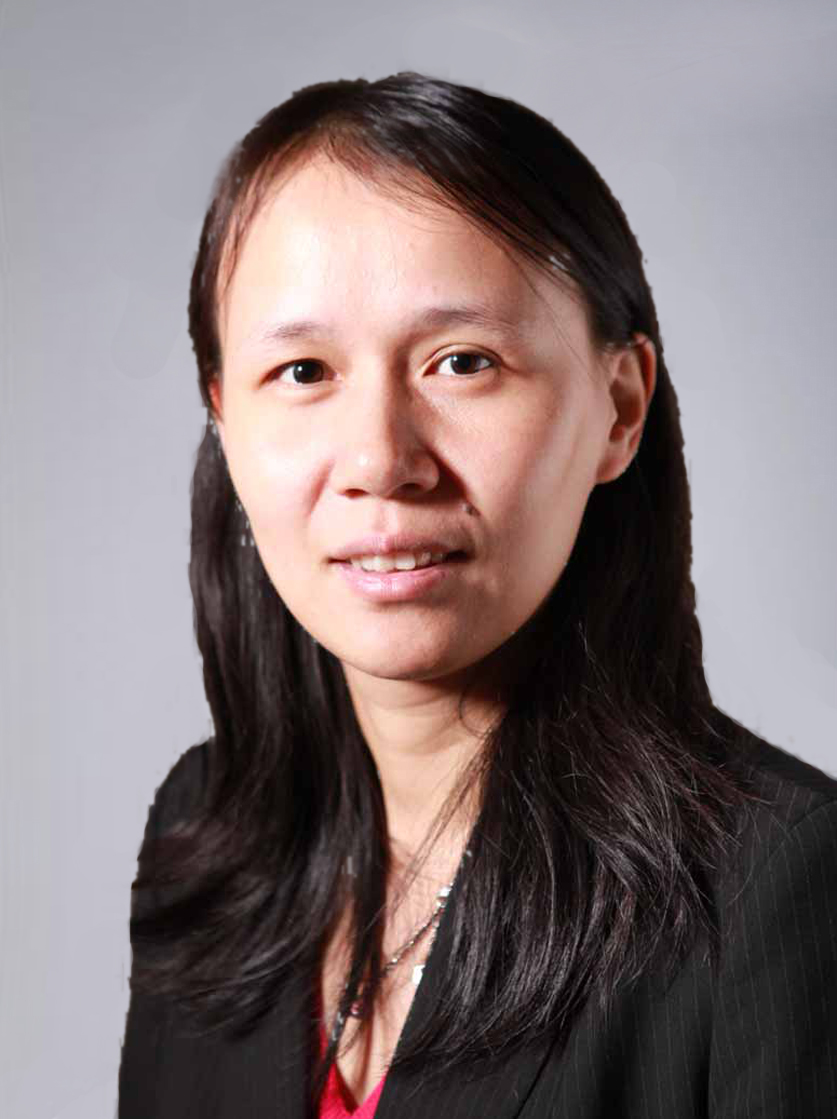 Lin Jiang (江林)合作论文数College of Nano Science & Technology, Soochow University2
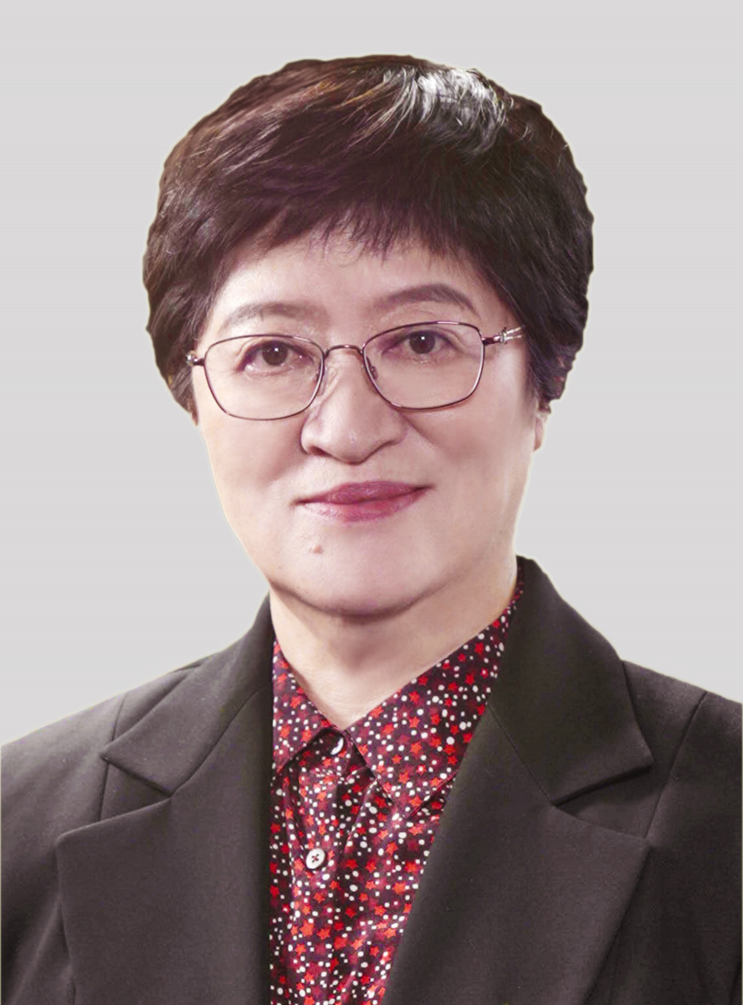 Lifeng Chi (迟力峰)合作论文数College of Nano Science & Technology, Soochow University2Mohammad Hossein Ferdowsi合作论文数2
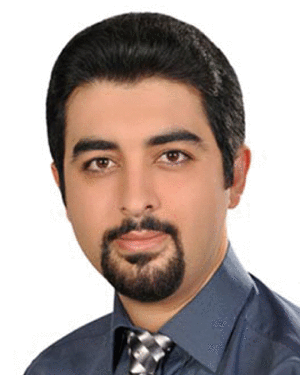 Mohammad Jafarinasab合作论文数mcmaster university2
 Mohammad Heidari-Rarani合作论文数Center of Excellence in Experimental Solid Mechanics and Dynamics, Iran University of Science and Technology2
 Ali Akbar Noroozi合作论文数Members of Scientific Board Soil Conservation and Watershed Management Research Institute2
 Hamid Khademhosseini Beheshti合作论文数Faculty of Engineering, University of Isfahan2
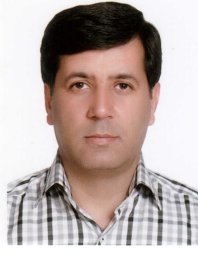 Aminollah Mohammadi合作论文数Educational Workshops Center, Isfahan University of Technology2Hamid Azizan合作论文数2
 Qiaoliang Bao (鲍桥梁)合作论文数Department of Materials Science and Engineering, Monash University;Institute of Functional Nano and Soft Materials, Soochow University2
 Farshad Bayat合作论文数Electrical Engineering Department, Iran University of Science and Technology2
 Moslem Mohammadi合作论文数Faculty of Chemistry, Tarbiat Moallem University2S. Dadashi合作论文数1ziqiang liang合作论文数1Benyamin Anafjeh合作论文数1Milad Iranpour合作论文数1h meshkin kelk合作论文数1




