PURPOSEThe Global Oncology Enrichment Program (GOEP) is a collaborative initiative designed to address disparities in access to global oncology education for cancer health professionals and is hosted on the Princess Margaret (PM) Cancer Campus. This study evaluates GOEP's impact and sustainability across two delivery formats: a mixed synchronous/asynchronous model and an asynchronous-only model.MATERIALS AND METHODSThis was a retrospective analysis of participants from 2020 to 2024. Participants completed pre- and post-course surveys assessing demographics, motivations and barriers in accessing global oncology education, and confidence in global oncology topics. Course engagement data were tracked and extracted from PM Cancer Campus' learning management system. Statistical tests compared demographics and evaluated changes in confidence and importance in course objectives.RESULTSAmong 256 participants who completed the precourse survey, 219 enrolled in a mixed format of the course (September 2020-November 2022) and 37 in an asynchronous-only format (December 2022-September 2024). The mixed-format cohort had significantly higher completion rates of at least seven of 10 course units (91.1% v 8.9%, P = .04). They were more likely to cite networking (77.6% v 0%) and mentorship (69.4% v 0%) as key motivators. Despite greater access to global oncology programs, the mixed-format cohort more often reported barriers, including limited faculty interest and lack of mentorship. Among those completing pre- and post-surveys (n = 99), confidence improved significantly across all topics, particularly among those already involved in global oncology.CONCLUSIONGOEP was associated with improved confidence among participants who completed both surveys. Although asynchronous delivery improves scalability, the mixed format supports stronger engagement and completion. These findings suggest a need for hybrid learning models that balance scalability with engagement, ensuring global oncology education reaches more learners, while supporting mentorship, connection, and long-term capacity building.
This scoping review synthesizes findings from 25 articles examining health literacy (HL) and clinical trials (CTs). Key factors contributing to low HL include poverty, limited education, older age, and limited English proficiency. Three thematic categories emerged: 1) barriers to recruitment and participation, 2) perceptions and comprehension of CT processes, and 3) interventions to improve knowledge and participation. Health literacy was found to influence willingness to participate in CTs, with higher HL associated with greater participation, especially in lower-burden trials. Misconceptions about CTs were prevalent among underserved populations. Interventions such as animated videos and simplified consent forms showed mixed effectiveness. A mapping exercise revealed gaps in existing HL frameworks, including provider bias and lack of target population involvement in trial design. Addressing these gaps through inclusive, culturally responsive strategies may improve comprehension, trust, and participation among underserved populations. Further research is needed to refine and evaluate HL interventions across CT contexts.
Background and purpose:Artificial intelligence (AI) auto-segmentation is increasingly used in radiotherapy to reduce contouring time, with physician review required before clinical use. These tools reliably achieve high geometric and dose agreement with manual organ of interest (OOI) contours, but whether such agreement predicts clinical acceptability on structured physician review is not well characterized. Materials and methods:We analyzed twenty-three lung cancer cases using manual contours and AI-generated contours [Ethos-2 and RayStation (RS) 2023B] for the lungs, heart, esophagus, and spinal canal. We assessed quantitative agreement using Dice similarity coefficient (DSC), distance-to-agreement, and volumetric differences, as well as dose differences by comparing mean and maximum dose. For qualitative assessment, ten thoracic radiation oncologists each blindly reviewed ten cases, noting preferred and unacceptable contours, and differences were evaluated using Cochran's Q and pairwise McNemar tests. Results:Both AI platforms showed high geometric agreement with manual contours (DSC > 0.9 in over 70% of cases) and negligible dose differences across OOIs. However, reviewers more often found AI contours unacceptable for the esophagus (RS2023B) and the heart (Ethos-2). The most common reason for a contour being deemed unacceptable was insufficient anatomic accuracy rather than safety concerns. Conclusions:While AI-based auto-segmentation performed well on geometric and dose metrics, differences in physician acceptability persisted for some OOIs. These findings indicate that quantitative agreement is not a reliable predictor of clinical acceptability.
The care for patients using radiation therapy is, at its core, an educational enterprise. Every radiotherapy treatment course is the product of sustained learning from the healthcare team, the patients and caregivers. The educational mandate of radiation medicine is beyond medical residency training, continuing professional development or patient navigation. It sits at the intersection of complex, multi-disciplinary decision making, precise technical delivery and long-term supportive care. Education remains the primary mechanism by which quality care is determined, delivered and improved. This edition of Seminars in Radiation Oncology features a series of articles which are motivated by a common premise: education in radiation oncology deserves the same scientific rigor as our clinical trials and technology assessments. Taken all together, these articles illustrate the breadth and depth of medical education in radiation oncology. They serve as strong examples of scholarship and should stimulate the reader to observe medical education in their own setting, identify potential gaps, and thoughtfully approach ways to improve radiation oncology medical education. Consider this a call to action to our specialty, to expand our horizons and the rigor of radiation oncology medical education research, noting its fundamental place in oncology care.
Cancer is the leading cause of death in Canada, and care for cancer patients is becoming increasingly complex. Oncology education, particularly for internal medicine trainees, has been shown to be lacking in both a Canadian and global context. In Canada, residency training is now delivered through a competence-based medical education system. Trainees achieve competency by completing "tasks" called Entrustable Professional Activities (EPAs). Using document analysis, 27 EPAs encompassing 401 observations were identified in the general internal medicine residency curriculum. These were mapped to 17 subspecialties. Cardiology and general medicine EPAs comprised the highest proportions at 12% and 10% respectively. However, oncology-related objectives comprised only 6% of all EPAs, ranking 9th in representation among the subspecialties. We believe updated efforts are needed to improve oncology education within internal medicine training given increasing public health needs. Creating a national curriculum with standardized learning objectives that may complement the Competence by Design (CBD) curriculum could satisfy this educational need.
Understanding what motivates medical students towards Radiation Oncology (RO) is an important factor in recruiting residents, which is necessary to meet the rising demand for radiation oncologists. The CARO-CROF Pamela Catton Studentship Award supports Canadian medical students to gain RO experiences. This study identifies themes present in the application essays to this program to explore the reasons for their interest in pursuing a RO studentship. Essays from 66 CARO-CROF studentship applications were anonymized and evaluated using a grounded theory approach. Themes and sub-themes were identified using constant comparative analysis over iterative reads. A randomized subset of essays was independently analyzed with discrepancies resolved by discussion amongst three independent coders. Exemplary quotes illustrated key findings. Major themes driving interest in RO included the following: (1) alignment of the professional, clinical, and technical aspects of RO with career goals (82
Approximately one in five newly diagnosed cancer patients is between the typical childrearing ages of 20 and 54. As such, a significant portion of cancer patients are also parents to young children (age < 18). This study aims to characterize the need for childcare support for cancer patients from the perspective of healthcare professionals providing care at a major Canadian cancer center. Healthcare providers (HCP) were invited to partake in semi-structured telephone interviews, which were conducted using an interview guide. The interviews explored what specific benefits supportive childcare interventions could offer, as well as what might constitute optimal delivery. Interview transcript data was interpreted using thematic analysis. In total, 28 HCPs participated in interviews between April and May 2022. A wide range of providers was engaged, including physicians, nurses, and allied health professionals. Providers indicated that the introduction of supportive childcare services could have benefits including reduced stress for their patients, improved system efficiency and treatment compliance, and reduction of provider burnout. These findings indicate that childcare issues are perceived by HCPs as a source of stress for cancer patients with children, and that benefits may be associated with the introduction of supportive childcare services. As such, cancer centers could consider the implementation of such services as a way of providing patient-centered care.
The provision of information is critical to the care and support for cancer patients. Relevant information leads to lower anxiety, increased patient control and involvement in decision-making, greater satisfaction, and improved coping skills. To identify the unique needs of lung cancer patients and their caregivers (LPCs), a needs assessment was conducted. LPCs who attended lung cancer clinic completed a self-report survey that assessed informational needs across 6 domains: medical, physical, practical, social, emotional, and spiritual. The questionnaire investigated the importance of information as well as the preferred mode of delivery. One hundred three patients and 96 caregivers completed the survey. Most patients were female (57
BACKGROUND Populations with limited English proficiency (LEP) face comprehension barriers with health information as navigating healthcare systems involves encountering health information that is written at high reading grade levels, utilizes complex medical jargon, and unfamiliar or abstract terms and concepts. Despite the serious consequences of language discordance there is limited funding available for the translation of patient education material in the public healthcare setting. In response to the imperative need to provide equal access to patient education materials to all patients, regardless of English language proficiency, some have raised the feasibility of leveraging machine translation software. This study investigates the feasibility and utility of using machine translation (Google Translate) to translate patient education materials written in plain language. METHODS A sample of 5 patient education pamphlets were selected for inclusion based on their high usage and importance. These were assessed for their readability and translated by both human translators and using Google Translate into Spanish, Portuguese, Punjabi, Simplified Chinese, and Vietnamese. Medical translators conducted blinded appraisal of both sets of translations on four domains. RESULTS Spanish and Vietnamese language pamphlets achieved the highest overall scores. There were significant differences between human and machine translation in favour of the former for all of the languages, although machine translation scored above 3/5 in 90% of the domains tested. There was no correlation between readability scores and translation scores. DISCUSSION Google Translate performs well in multiple translation domains despite its continued inferiority relative to professional human translation. The high scoring of machine translated pamphlets, particularly in the most crucial domain of severity however, points to its potential adoption in a limited capacity in healthcare settings, with processes in place, like pre-screening for high-risk content that may pose a threat to patient well-being.
OBJECTIVES:Most patients with small cell lung cancer present with extensive-stage (ES-SCLC) disease. An international randomised trial demonstrated a survival benefit in patients treated with consolidative thoracic radiotherapy (cTRT). We report our institutional experience with this regimen. METHODS:A retrospective review was conducted on patients with ES-SCLC who were candidates for cTRT at our institution between 2013 and 2022. The patients included in our study had biopsy-proven ES-SCLC, received ≥4 cycles of chemotherapy and achieved complete response, partial response or stable disease as per Response Evaluation Criteria in Solid Tumors V.1.1. Overall survival, progression-free survival (PFS) and recurrence patterns were compared between patients who received cTRT and those who did not. For patients who received cTRT, treatment tolerability was assessed. RESULTS:We identified 123 patients with ES-SCLC who received ≥4 cycles of chemotherapy and were candidates for cTRT. Of those, 49 patients received cTRT, and 74 patients did not. From the end of chemotherapy, the control group had a median OS of 0.6 years with a 1- and 2-year OS of 23.5% and 11.0%. Within the cTRT group, the median OS was 0.9 years with a 1- and 2-year OS of 46.7% and 26.3%. Within the control group, the median PFS was 0.2 years compared with 0.4 years within the cTRT group. Intrathoracic failures in the cTRT group were lower compared with the control group (16.3% vs 29.7%). cTRT was well tolerated with no grade 3+ toxicities. CONCLUSION:The improved clinical outcomes of cTRT for patients with ES-SCLC were comparable to the reported the Chest Radiotherapy Extensive-Stage Small Cell Lung Cancer Trial (CREST) outcome, with a low rate of side effects in our study cohort.
Health literacy (HL) significantly impacts how people experience care, how they communicate with healthcare providers (HCPs), their information-seeking behavior, and their confidence in participating in decision-making. Despite the centrality of HL to these functions, the term HL is notably absent from discussions on how to improve patient experience (PEX). The purpose of this review is to explore the intersection of HL and PEX. This review followed the Joanna Briggs Institute Manual for Evidence Synthesis. Seven databases were searched, and articles between 1992 and May 2023 were included. Title/abstract screening and full-text review were conducted independently by two reviewers, and a third resolved disagreements. Article details were summarized numerically. The Aspects of Patient Experience framework was used to structure thematic analysis. The review protocol was registered with the Open Science Framework on September 3, 2024, registration number/Doi ( https://doi.org/10.17605/OSF.IO/N8WBH ). A total of 78,186 articles were identified, and 38,989 duplicates removed. The remaining 39,197 articles underwent title/abstract screening, and 65 underwent full-text review. Twenty articles met inclusion criteria. Most studies employed quantitative designs (n = 14, 70
Background:The role of prophylactic cranial irradiation (PCI) is not well-defined in extensive-stage SCLC (ES-SCLC), with conflicting results from randomized trials and a lack of relevant data for patients who received consolidative thoracic radiotherapy (CTRT). We sought to evaluate the impact of PCI on the outcomes of ES-SCLC patients who were all treated with CTRT. Methods:A retrospective analysis of ES-SCLC patients without brain metastases who were all treated with CTRT between 2013-2021 at our institution was conducted. Overall survival (OS) and incidence of brain failure (BFR) were estimated using Kaplan-Meier estimation and cumulative incidence function. Multivariable Cox or Fine-Gray's proportional hazard regression analysis (MVA) were performed to determine association between PCI and OS. Results:47 patients met inclusion criteria and were theoretically eligible for PCI, 27 (57.4 %) received PCI and CTRT while 20 (42.6 %) received CTRT alone. Baseline characteristics were similar except for age, where patients receiving PCI were younger (median age 62) compared to patients who did not receive PCI (median age 72). Median OS with PCI was 19.2 months, compared to 10.8 months without PCI (P = 0.0334). This improved OS remained apparent in patients who received post-chemotherapy MRI restaging (P = 0.0245). BFR was reduced with PCI (HR = 0.22 [0.09-0.52], P = 0.0004). On MVA, PCI was significantly and independently associated with improved OS (HR = 0.39 [0.19-0.80], P = 0.01) and reduced BFR (HR = 0.20 [0.09-0.44], P = < 0.001). Conclusion:This real-world study found PCI was independently associated with improved OS and reduced BFR in ES-SCLC patients treated with CTRT compared to patients treated with CTRT not receiving PCI, including after post-chemotherapy brain MRI. The role of PCI with CTRT should be evaluated in prospective studies.
Background:Reirradiation is an increasingly common challenge with limited prospective evidence to guide practice, which varies internationally. This paper presents the patterns of practice in thoracic reirradiation within a high-volume academic center. Methods:Thoracic reirradiation cases, discussed at the thoracic radiotherapy quality assurance (QA) meeting, were prospectively collected over 12 months between April 2024 and March 2025. Data collected included patient demographics, primary tumor site, details of previous and current planned radiotherapy, the extent and type of overlap and any treatment plan modifications. The data was analyzed using descriptive statistics. Results:85 (18.2 % of 466 cases) reirradiation cases were identified at 26 QA meetings. Most reirradiation plans (68.2 %) were of radical intent, with dose overlap (89.4 %, n = 76). Challenges included unreliable registration of prior radiotherapy datasets (16.5 %) and deciding appropriate plan modifications to improve safety: 24.7 % optimized dose distribution to an OAR, 23.5 % involved dose reductions from standard prescriptions and 15.3 % compromised target volume coverage. The most frequently identified dose-limiting OARs were the proximal bronchial tree, esophagus, and spinal cord. Concerns about a lack of normal tissue recovery arose in 7.1 % of cases. In 10.6 % of cases there was explicit discussion of a dose discount for OARs for presumed partial tissue recovery. Peer-review prompted revision of the treatment plan in 11.8 % of cases. Conclusion:These findings underscore the complexity of thoracic reirradiation and highlight the need for further guidance in the area and the role of QA rounds in optimizing safety and treatment decisions while best practice remains uncertain.
PURPOSE:Interstitial lung disease (ILD) has been correlated with an increased risk for radiation pneumonitis (RP) following lung SBRT, but the degree to which locally advanced NSCLC (LA-NSCLC) patients are affected has yet to be quantified. An algorithm to identify patients at high risk for RP may help clinicians mitigate risk. METHODS:All LA-NSCLC patients treated with definitive radiotherapy at our institution from 2006 to 2021 were retrospectively assessed. A convolutional neural network was previously developed to identify patients with radiographic ILD using planning computed tomography (CT) images. All screen-positive (AI-ILD + ) patients were reviewed by a thoracic radiologist to identify true radiographic ILD (r-ILD). The association between the algorithm output, clinical and dosimetric variables, and the outcomes of grade ≥3 RP and mortality were assessed using univariate (UVA) and multivariable (MVA) logistic regression, and Kaplan-Meier survival analysis. RESULTS:698 patients were included in the analysis. Grade (G) 0-5 RP was reported in 51 %, 27 %, 17 %, 4.4 %, 0.14 % and 0.57 % of patients, respectively. Overall, 23 % of patients were classified as AI-ILD+. On MVA, only AI-ILD status (OR 2.15, p = 0.03) and AI-ILD score (OR 35.27, p < 0.01) were significant predictors of G3+RP. Median OS was 3.6 years in AI-ILD- patients and 2.3 years in AI-ILD+patients (NS). Patients with r-ILD had significantly higher rates of severe toxicities, with G3+RP 25 % and G5 RP 7 %. R-ILD was associated with an increased risk for G3+RP on MVA (OR 5.42, p < 0.01). CONCLUSION:Our AI-ILD algorithm detects patients with significantly increased risk for G3+RP.
BackgroundMany national medical governing bodies encourage physicians to engage in continuing professional development (CPD) activities to cultivate their knowledge and skills to ensure their clinical practice reflects the current standards and evidence base. However, physicians often encounter various barriers that hinder their participation in CPD programs, such as time constraints, a lack of centralized coordination, and limited opportunities for self-assessment. The literature has highlighted the strength of using question-based learning interventions to augment physician learning and further enable change in practice. CPD By the Minute (CPD-Min) is a smartphone-enabled web-based app that was developed to address self-assessment gaps and barriers to engagement in CPD activities. ObjectiveThis study aimed to assess the app using four objectives: (1) engagement and use of the app throughout the study, (2) effectiveness of this tool as a CPD activity, (3) relevance of the disseminated information to physicians’ practice, and (4) acceptability to physicians of this novel tool as an educational initiative. MethodsThe CPD-Min app disseminated 2 multiple-choice questions (1-min each) each week with feedback and references. Participants included licensed staff physicians, fellows, and residents across Canada. A concurrent multimethods study was conducted, consisting of preintervention and postintervention surveys, semistructured interviews, and app analytics. Guided by the Reach, Effectiveness, Adoption, Implementation, and Maintenance framework, the qualitative data were analyzed deductively and inductively. ResultsOf the 105 Canadian anesthesiologists participating in the study, 89 (84.8%) were staff physicians, 12 (11.4%) were fellows, and 4 (3.8%) were residents. Participants completed 110 questions each over the course of 52 weeks, with an average completion rate of 75% (SD 33%). In total, 40.9% (43/105) of participants answered >90% of the questions, including 15.2% (16/105) who completed all questions. Moreover, 69% (52/75) of participants reported the app to be an effective and valuable resource for their practice and to enhance continuous learning. Most participants (63/75, 84%) who completed the postsurveys reported that they would likely continue using the app as a CPD tool. These findings were further supported by the interview data. Three key themes were identified: the practical design of the novel educational app facilitates its adoption by clinicians, the app was perceived as a useful knowledge tool for continuous learning, and the app’s low-stakes testing environment cultivated independent learning attitudes. ConclusionsThe findings suggest the potential of the app to improve longitudinal assessments that promote lifelong learning among clinicians. The positive feedback and increased acceptance of the app supports it as an innovative tool for knowledge retention and CPD. Future research efforts should prioritize evaluating the app’s long-term sustainability and its impact on physicians’ practice, as well as exploring alternative approaches (such as artificial intelligence–based tools) for generating questions.
OBJECTIVES:This study aimed to assess changes in unmet needs among patients with head and neck cancer (HNC) from pre-treatment to two years post-treatment and identify factors associated with higher levels of unmet needs. MATERIALS & METHODS:Patients treated for HNC at Princess Margaret Cancer Centre between June 2016 and February 2019 were recruited. Participants completed the Cancer Survivors' Unmet Needs Measure Questionnaire (CaSUN), the Functional Assessment of Cancer Therapy - Head and Neck (FACT-HN) questionnaire, and the EuroQol EQ-5D-5L utility and Visual Analog Scale (EQ-5D-5L and VAS) pre-treatment and at 3, 6, 12, and 24-months post-treatment. RESULTS:Among 332 eligible patients approached, 197 were included. Significant reductions in number of unmet needs were observed between baseline and all follow-ups: 48 % fall at 3 months (p < 0.001), 39 % at 6 (p = 0.001), 54 % at 12 (p < 0.001), and 59 % at 24 months (p < 0.001). Higher education (p = 0.018, RR 1.88 [95 % CI 1.1-3.1]) and lower baseline FACT-HN & EQ-5D-5L VAS scores (p < 0.001, RR 0.98 [95 % CI 0.96-0.99] & p = 0.02, RR 0.99 [95 % CI 0.97-1 respectively]) were associated with higher unmet needs pre-treatment. Younger age (p = 0.041, RR 0.95 [95 %C I 0.9-1]) and lower baseline FACT-HN scores (p = 0.028, RR 0.97 [95 % CI 0.95-1]) were associated with higher unmet needs at 24 months. CONCLUSIONS:Patients with HNC experience unmet needs, but the number declines from pre-treatment to two years post-treatment. Younger age, higher educational level, lower baseline FACT HN and EQ-5D-5L scores were associated with higher levels of unmet needs at various follow-up stages.
 Andrew Hope合作论文数Princess Margaret Cancer Centre;Department of Radiation Oncology, Temerty Faculty of Medicine, University of Toronto;Institute of Medical Science, University of Toronto;Princess Margaret Hospital;University Health Network178
 Jolie Ringash合作论文数Department of Radiation Oncology, Temerty Faculty of Medicine, University of Toronto;Cancer Clinical Research Unit, Princess Margaret Cancer Centre122
 Wei Xu合作论文数Biostatistics Division, Dalla Lana School of Public Health, University of Toronto;Department of Biostatistics, Princess Margaret Cancer Centre;Ontario Cancer Institute117
 John Cho合作论文数Department of Radiation Oncolog, University of Toronto113
 David Goldstein合作论文数Department of Otolaryngology-Head and Neck Surgery, Temerty Faculty of Medicine, University of Toronto;Institute of Medical Science, Temerty Faculty of Medicine, University of Toronto;Department of Surgical Oncology, Princess Margaret Cancer Centre, University Health Network;Women's College Hospital96
 Andrew Bayley合作论文数Department of Radiation Oncology, Temerty Faculty of Medicine, University of Toronto92
 Brian O'Sullivan合作论文数Department of Radiation Oncology, University of Toronto;Princess Margaret Cancer Centre, Princess Margaret Hospital91
 Scott V. Bratman合作论文数Department of Medical Biophysics, Faculty of Medicine, University of Toronto/Adela, Inc.90
 John Waldron合作论文数Department of Radiation Oncology, Temerty Faculty of Medicine, University of Toronto88
 Papadakos Janet合作论文数83
 Andrea Bezjak合作论文数Department of Radiation Oncology, Temerty Faculty of Medicine,, University of Toronto;Princess Margaret Cancer Centre & Krembil Research Institute, University Health Network;Princess Margaret Cancer Centre, University Health Network75
 John Kim合作论文数Department of Radiation Oncology, Temerty Faculty of Medicine, University of Toronto;Princess Margaret Cancer Centre, University Health Network74
 Sophie Huang合作论文数Department of Radiation Oncology, Temerty Faculty of Medicine, University of Toronto63
 Alexander Sun合作论文数Department of Radiation Oncology, Temerty Faculty of Medicine, University of Toronto54Su Jie合作论文数50
 Ali Hosni Ali Abdalaty合作论文数Department of Radiation Oncology, University of Toronto46
 Geoffrey Liu合作论文数Department of Medical Biophysics, Temerty Faculty of Medicine, University of Toronto;Princess Margaret Cancer Centre, University Health Network;Division of Epidemiology, Dalla Lana School of Public Health, University of Toronto;Mount Sinai Hospital;Institute of Medical Science, University of Toronto44
 Aaron Hansen合作论文数University Health Network;Royal Australasian College of Physicians Medical;University of Toronto43
 John De Almeida合作论文数Department of Otolaryngology-Head & Neck Surgery, Temerty Faculty of Medicine, University of Toronto;Institute of Health Policy, Management and Evaluation, University of Toronto;Department of Otolaryngology-Head & Neck Surgery, University Health Network;Mount Sinai Hospital32
 Jennifer Michelle Jones合作论文数Social & Behavioural Health Sciences Division, Della Lana School of Public Health, University of Toronto31
 Anna Spreafico合作论文数University of Toronto;Division of Medical Oncology and Hematology, Princess Margaret Cancer Centre, University Health Network30
 Paris-Ann Ingledew合作论文数Department of Surgery, Faculty of Medicine, The University of British Columbia29
 Lisa W. Le合作论文数Department of Biostatistics, Princess Margaret Cancer Centre, University Health Network28Lawson Eng合作论文数27Ilan Weinreb合作论文数Department of Laboratory Medicine and Pathobiology, Temerty Faculty of Medicine, University of Toronto25
 Jean-Pierre Bissonnette合作论文数Department of Medical Biophysics, Faculty of Medicine, University of Toronto25
 Jonathan Irish合作论文数Department of Otolaryngology-Head and Neck Surgery, Temerty Faculty of Medicine, University of Toronto25
 Srinivas Raman合作论文数Department of Radiation Oncology, Temerty Faculty of Medicine, University of Toronto24
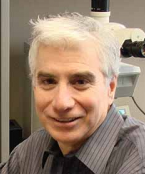 Bayardo Perez-Ordonez合作论文数Department of Laboratory Medicine & Pathobiology, Temerty Faculty of Medicine, University of Toronto;Toronto General Hospital24
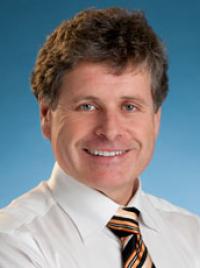 John Nicholas Waldron合作论文数Department of Radiation Oncology, Temerty Faculty of Medicine, University of Toronto24
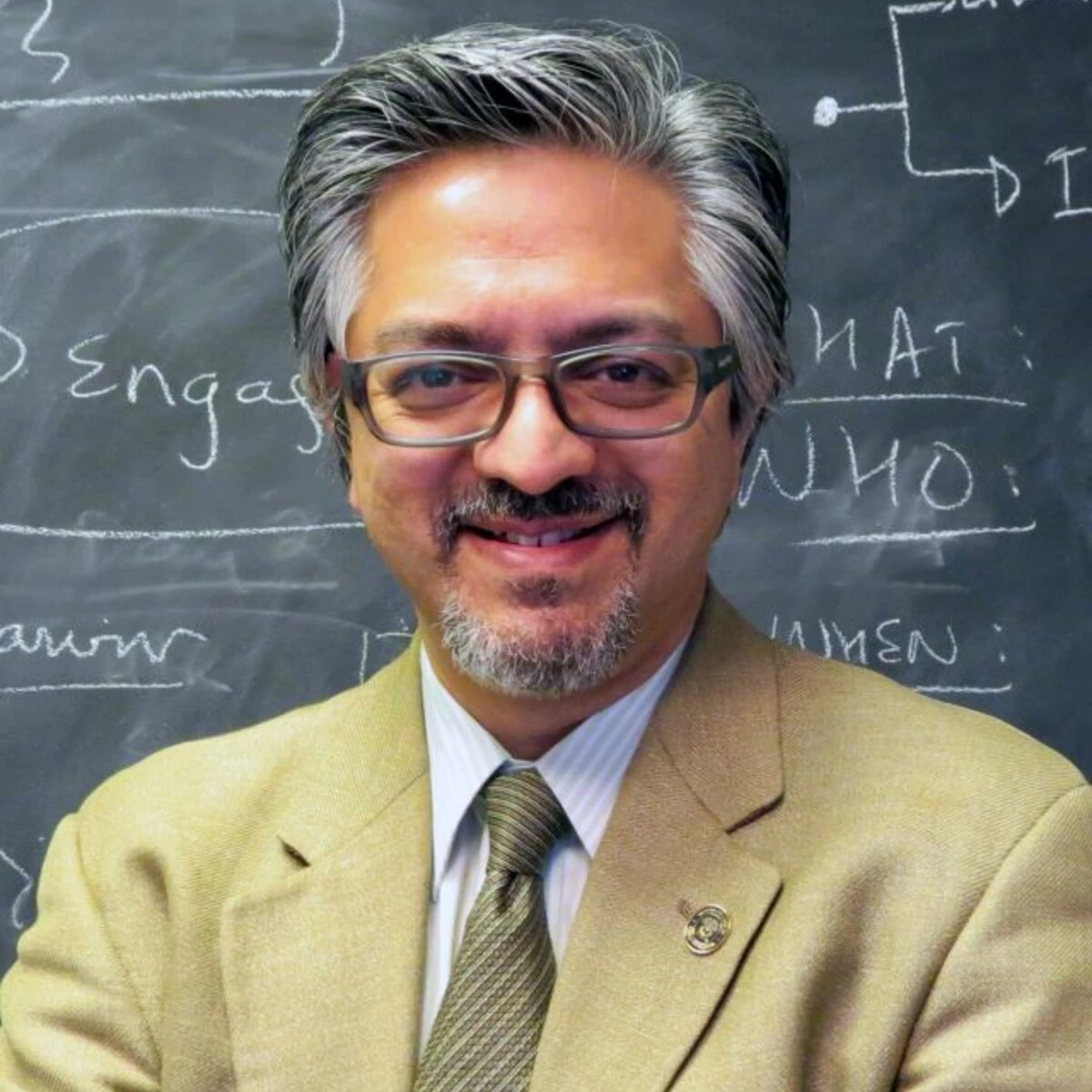 Peter Selby合作论文数Division of Neurosciences and Clinical Translation, Department of Psychiatry, Temerty Faculty of Medicine, University of Toronto;Centre for Addiction & Mental Health, Faculty of Medicine, University of Toronto23
 Andrea McNiven合作论文数Department of Radiation Oncology, University of Toronto23Milton Brown合作论文数23Wong Olive合作论文数23Patricia E. Lindsay合作论文数23
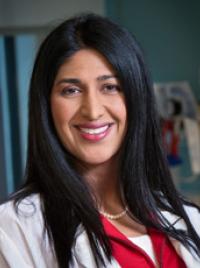 Natasha Leighl合作论文数Department of Medicine, Temerty Faculty of Medicine, University of Toronto22Shao Hui Huang合作论文数21
 Matthias Guckenberger合作论文数Klinik Für Radio-Onkologie, Medizinische Fakultät, Universitats Spital Zurich;Comprehensive Cancer Center Zürich, Universitats Spital Zurich20
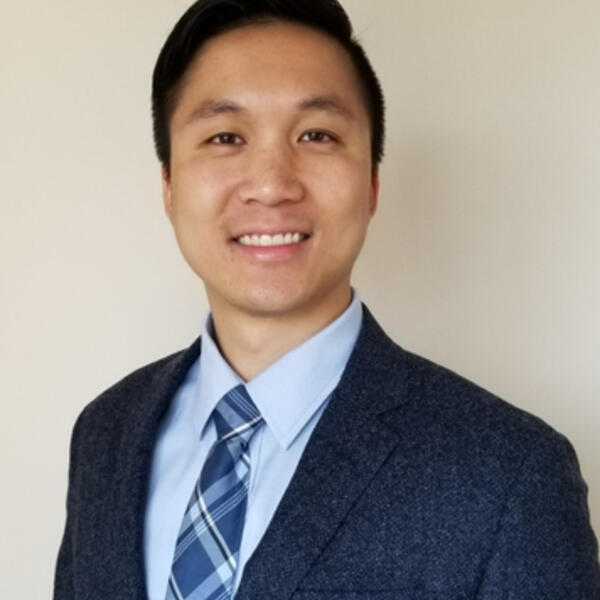 Benjamin Lok合作论文数Department of Medical Biophysics, Temerty Faculty of Medicine, University of Toronto;Princess Margaret Cancer Centre19
 Doris Howell合作论文数Princess Margaret Cancer Centre, University Health Network19Lin Lu合作论文数18
 Douglas Chepeha合作论文数Institute of Medical Science, Temerty Faculty of Medicine, University of Toronto;Mount Sinai Hospita18
 Naa Kwarley L Quartey合作论文数18Milne Robin合作论文数17Tong Li合作论文数17J. Belderbos合作论文数16James D Brierley合作论文数15




