Fungal mycelium has emerged as a promising renewable raw material due to its carbohydrate- and protein-rich cell wall composition, its branched fibrous structure, and its ability to form well-connected fiber networks in materials such as nonwoven fabrics. Despite the potential, the applicability of mycelium-based materials is still limited due to low production throughput and the need for material development to meet performance requirements for demanding end uses. In this work, we investigated the use of mycelium obtained from submerged bioreactor cultivations as a basis for production of nonwoven sheets, with the goal of developing scalable processes toward efficient biomanufacturing. We studied how bioprocess conditions, biomass pretreatment, and formulation additives influence the nonwoven sheet tensile properties. Biodegradation tests, prototyping, and process scale-up trials were used to explore applicability and production feasibility. The mechanical properties of the mycelium sheets were strongly influenced by bioprocess conditions and mycelium pretreatment. Adding nanofibrillated cellulose fibers had a clear reinforcing effect. Formulations with nanofibrillated cellulose and plasticizers produced mycelium nonwoven sheets with ultimate tensile strengths of 11-19 MPa and fracture strains of 9-10%, depending on the mycelium pretreatment process applied. The materials biodegraded in aquatic environments within 28 days and showed rapid disintegration in industrial compost conditions within 1.5 months. Material finishing options were further demonstrated, and a prototype handbag was fabricated. Finally, a roll-to-roll production concept at a meter-scale was established. These results demonstrate that mycelium from submerged fermentation, when combined with a roll-to-roll material-forming process, offers a viable, scalable, and high-output route for efficient biomanufacturing of fiber-reinforced mycelium-based nonwoven fabrics.
Biopolymer chitin has properties such as biocompatibility, strength, chemical functionality, and biodegradability that are attractive for applications. It could be biotechnologically produced using fungi, but the economical feasibility depends on the chitin content in cells. However, chitin content in cells is governed by several cellular regulatory pathways and has complex genetic underpinnings. Here, adaptive laboratory evolution (ALE) in presence of caspofungin (CAS) was successfully devised for selecting chitin overaccumulation in Saccharomyces cerevisiae. After ∼200 generations of independent asexual adaptive evolution of S. cerevisiae lineages originating from wild type (BY4742), kre6Δ0 strain and an UV treated population of wild type cells, all lineages tolerated the highest introduced concentration of CAS and most of them overproduced chitin. The highest specific chitin content was found in the ALE mid-point population of a wild type -based lineage. Whole genome sequencing of parental and evolved populations revealed 88 unique single-nucleotide variants affecting 43 coding sequences. High-frequency variants detected in the evolved population with the highest chitin content (i.e., Fks1 p. Pro647Arg and p. Arg1357Cys, Fks2 p. Arg1203∗, and Ecm21 p. Glu642∗) were re-engineered into the wild type strain. The re-engineering revealed that chitin content in cells could be increased up to 7-fold with a specific variant combination (i.e., Fks1 p. Pro647Arg, Fks2 p. Arg1203∗, and Ecm21 p. Glu642∗). Interestingly, they did not improve CAS tolerance. Biotechnological production requires industrial compatibility which has been proven for S. cerevisiae. The variants identified here form a basis for developing an industrial S. cerevisiae strain for biotechnological production of animal-free chitin.
Polyhydroxyalkanoate (PHA) synthases are a group of complex, dimeric enzymes which catalyze polymerization of R-hydroxyacids into PHAs. PHA properties depend on their monomer composition but enzymes found in nature have limited specificities to certain R-hydroxyacids only. In this study, a conditional variational autoencoder was used for the first time to design novel PHA synthases. The model was trained with native protein sequences obtained from Uniprot and was used for the creation of approximately 10 000 new PHA synthase enzymes. Out of these, 16 sequences were selected for in vivo validation. The selection criteria included the presence of conserved residues such as catalytic amino acids and amino acids in the dimer interface and structural features like the number of [Formula: see text]-helices in the N-terminal part of the enzyme. Two of the 16 novel PHA synthases that had substantial numbers of amino acid substitutions (87 and 98) with respect to the most similar native enzymes were confirmed active and produced poly(hydroxybutyrate) (PHB) when expressed in yeast S. cerevisiae. The results show the power of AI based methods to create active variants of highly complex dimer enzymes.
Anaerobic microbes produce multienzyme complexes known as cellulosomes to enhance the degradation of cellulosic substrates. These complexes localize diverse enzymes onto a protein scaffold, where proteins are anchored by dockerin domains. Although the cellulosomes of anaerobic fungi incorporate a broad array of cellulolytic enzymes, they remain largely unexplored. Notably, some fungal cellulosomes reportedly comprise expansin-like proteins with potential to disrupt cellulose networks. While two bacterial cellulosomal expansin-like proteins have been characterized, no fungal cellulosomal expansin-like proteins have been functionally characterized to date. Sequence analyses of expansin-like proteins from the anaerobic fungus Neocallimastix californiae revealed similar N-terminal domains among proteins with or without appended dockerins. Those without dockerins, however, consistently lacked the first conserved aromatic residue that forms the substrate binding surface of the C-terminal family 63 carbohydrate binding module. One cellulosomal expansin-like protein from N. californiae (NcaEXLX1) was recombinantly expressed with and without (NcaEXLX1tr) the dockerin domains. The adsorption characteristics of NcaEXLX1 and NcaEXLX1tr, and impact on cellulase (Cel7B) activity, were then investigated using quartz crystal microbalance with dissipation (QCM-D). NcaEXLX1 exhibited higher binding to cellulose nanofibrils (CNF) compared to NcaEXLX1tr. Despite the lower binding of NcaEXLX1tr to CNF, both NcaEXLX1 and NcaEXLX1tr enhanced the action of Cel7B to similar extents. This study reports the production and characterization of a fungal cellulosomal expansin-like protein. The corresponding NcaEXLX1 protein and truncated variant were shown to enhance the activity of an endoglucanase, similar to observations made with non-cellulosomal expansin-like proteins. Notably, the improvement in cellulase activity upon the addition of NcaEXLX1 or NcaEXLX1tr was not correlated to extent of substrate binding.
The C5 fraction generated from formic and acetic acid organosolv processes provides a good source of xylose for xylitol production, but the high formic acid content (e.g. 50-100 g L-1) which remains in the fraction is particularly challenging for microbial processes. Although Saccharomyces cerevisiae and Pichia kudriavzevii were able to grow and produce some xylitol in medium containing similar to 20 g L-1 formate at pH 6, this required dilution of the C5 fraction and limited the amount of xylitol produced. By expressing both xylose reductase and formate dehydrogenase genes in S. cerevisiae or P. kudriavzevii, and providing C5 fraction only in the feed, the strains tolerated C5 fraction containing up to 65 g L-1 formic acid in fed batch culture at pH 5.5 to 6.0 and produced 53 to 112 g L-1 xylitol. Formate was oxidized by the strains producing formate dehydrogenase as it was fed into the cultures so that formate concentrations remained low and the cells continued to produce xylitol. The production of xylitol was dependent on the concentration of xylose in the feed, which needed to be >200 g L-1 in order to achieve high (> 100 g L-1) xylitol concentrations. S. cerevisiae H4031 was more productive than P. kudriavzevii H4496 in the C5 fraction, although H4496 had high titre (155 g L-1) and production rate (1.6 g L-1 h(-1)) when provided pure xylose.
Anthraquinones in the emodin family are produced by bacteria, fungi, and plants. They display various biological activities exploited, e.g., for crop protection, and may also be utilized as sustainable, bio-based colorants for the textile, paints, electronics, and cosmetic industries. Anthraquinone pigments from Cortinarius mushrooms have been used for artisan dyeing because they are stable, colorfast, and compatible with various dyeing methods. However, their chemical synthesis is complex and uneconomical, and harvesting wild mushrooms from forests in commercial quantities is not feasible. Here, we use genomics, transcriptomics, and synthetic biology to uncover the biosynthesis of the anthraquinone scaffold compounds emodin and endocrocin, and their methylation to the yellow pigments physcion and dermolutein in Cortinarius semisanguineus and C. sp. KIS-3. Both the nonreducing polyketide synthases (nrPKSs), and the regiospecific, fastidious O-methyltransferases (OMTs) are non-orthologous to their Ascomycete counterparts, suggesting a parallel evolutionary origin for the pathway in Basidiomycetes. The genes for the nrPKS and the OMTs are not all clustered in Cortinarius, revealing metabolic crosstalk among paralogous nrPKS biosynthetic gene clusters. Heterologous biosynthesis of physcion and dermolutein in Saccharomyces cerevisiae opens the way to produce specific Cortinarius anthraquinones, and to modify these scaffolds to tune their chemistry towards their various applications.
Expansins and expansin-like proteins are found in plants and microbes, and can disrupt the cellulosic microfibril network of plant cell walls. While plant expansins play a role in cell wall formation, microbial expansin-like proteins reportedly enhance the activity of lignocellulolytic enzymes. Herein, two novel fungal expansin-like proteins, AmaEXLX1 from Allomyces macrogynus and ApuEXLX1 from Aureobasidium pullulans, were recombinantly produced in Pichia pastoris. While both AmaEXLX1 and ApuEXLX1 retain typical expansin structure, they share low sequence identity (22.5 %) and different predicted pI values (5.8 and 8.8, respectively), which was expected to impact their action on cellulosic substrates. Accordingly, adsorption of the proteins on cellulose nanofibrils (CNF) and the impact of the expansin-like proteins on the hydrolysis of CNF by an endoglucanase (Cel7B) was investigated using quartz crystal microbalance with dissipation (QCM-D). AmaEXLX1 showed higher affinity towards cellulose compared to ApuEXLX1, which was correlated to missing key aromatic residues in the polysaccharide binding surface of ApuEXLX1. The pretreatment of a CNF film with AmaEXLX1 and ApuEXLX1 increased the initial rate of Cel7B activity. This study underscores similarities between the impacts that bacterial and fungal expansin-like proteins can have on the enzymatic deconstruction of cellulose, and sequence properties that could impact expansin performance.
Often, the value of the whole biomass from fermentation processes is not exploited, as commercial interests are focused on the main product that is typically either accumulated within cells or secreted into the medium. One underutilized fraction of yeast cells is the cell wall that contains valuable polysaccharides, such as chitin, known for its biocompatibility and biodegradability, which are thought of as valuable properties in diverse industries. Therefore, the valorization of waste biomass from fermentation to coproduce chitin could significantly improve the overall profitability and sustainability of biomanufacturing processes. Previous studies revealed that environmental stresses trigger the cell wall integrity (CWI) response, leading to an increased level of chitin synthesis as a protective measure. In this study, we evaluated the use of the key regulatory genes of the CWI response, RHO1 and PKC1, and their mutant forms RHO1Q68H and PKC1R398A, to design a genetic switch that provides control over the CWI response to maximize the chitin content in the cell wall. The generated genetic control elements were introduced into different yeast strains, among others, for the coproduction of chitin with either storage lipids or recombinant proteins. Overall, we successfully increased the chitin content in the yeast cell wall up to five times with our optimized setup. Furthermore, similar improvements in chitin production were seen when coproducing chitin with either storage lipids or a secreted acid phosphatase. Our results successfully demonstrated the potential of maximizing the chitin content in the cell wall fraction while producing other intra- or extracellular compounds, showcasing a promising approach for enhancing the efficiency and sustainability of fermentation processes. Moreover, the chitin produced in the cell wall is indistinguishable from the chitin isolated from crustaceans.
Driven by numerous scientific discoveries in biology in the second half of the last century, biotechnology is now set to play an important role as a driver for advanced manufacturing, leveraging the power of living organisms to produce a range of goods and services. Considering this prospect, it is vital that terminology surrounding biotechnology is sufficiently clear to provide a basis for efficient regulation and public buy-in. Despite the apparent clarity of the term biotechnology, its definition is the subject of a longstanding debate and liberal interpretations. Likewise, other more recent terms such as biomanufacturing, synthetic biology and engineering biology also lack consensual definitions despite their use in both scientific and secular circles. Additionally, new terms such as precision fermentation and cellular agriculture, recently introduced in the framework of business-to-business exchanges, appear to call upon imaginaries rather than scientific facts. Herein, we examine the lexical complexity of the biotechnology field and argue that, for the sake of efficient policymaking, it is vital to harmonise the definitions of some core terms, including biotechnology, biomanufacturing, engineering biology and synthetic biology. With this aim in mind, this discussion paper is intended to be useful to policymakers and science communicators, whether in the media or in professional settings.
Heterologous compound production is a complex trait since the native metabolic fluxes supplying the precursors, redox power, and energy are under multilevel cellular regulation. Improving complex traits using targeted engineering needs combinatorially charting the complex genetic underpinnings. While this is laborious, adaptive laboratory evolution (ALE) has been used to improve many traits of microbial strains that are of application relevance such as tolerance of harsh conditions and nutrient utilization. However, in contrast to such traits, heterologous production can seldom be intuitively coupled with cellular fitness.Here, a novel method EvolveXGA was developed for genome-scale metabolic model guided design of strategies combining chemical environments and genetic engineering of the metabolic network to allow ALE of desired traits. Adaptive evolution of traits occurs when the co-variance between the traits and fitness involves a genetic dependency like a flux coupling would indicate. Thus, combinations of chemical environments and metabolic network structures were searched using a genetic algorithm to identify those that render desired traits (i.e., sets of metabolic fluxes) flux-coupled with fitness. The search was performed for the production of 29 heterologous compounds in yeast Saccharomyces cerevisiae. Strategies for coupling the production routes of 13 compounds with fitness were found with four metabolic reaction knock outs and three components in the chemical environment. In addition, strategies for fitness-coupling native fluxes involved in the production was found for the remaining compounds. In addition, a model-guided strategy was implemented for fitness-coupling of heterologous glycolic acid (GA) synthesis in S. cerevisiae via oxaloacetase, oxalyl-CoA synthetase, and oxalyl-CoA reductase (i.e., oxalate pathway). ALE was performed and evolved populations and isolated clones were characterized using whole-genome sequencing and quantitative metabolite analysis. Three out of six isolates had better GA yield from glucose than a non-optimized control strain expressing the oxalate pathway and glyoxylate reductase.EvolveXGA generalizes metabolic model-guided design of strategies to couple production routes with cell fitness. The strategies bring optimizing heterologous production in engineered microbial cells in the realm of ALE. Slow and expensive strain optimization is a major hinder of novel processes using engineered microbial cells reaching industrial realization. Thus, EvolveXGA contributes to biotechnological solutions for the brighter future.
Glycoside phosphorylases are enzymes that are frequently used for polysaccharide synthesis. Some of these enzymes have broad substrate specificity, enabling the synthesis of reducing-end-functionalized glucan chains. Here, we explore the potential of glycoside phosphorylases in synthesizing chromophore-conjugated polysaccharides using commercially available chromophoric model compounds as glycosyl acceptors. Specifically, we report cellulose and β-1,3-glucan synthesis using 2-nitrophenyl β-d-glucopyranoside, 4-nitrophenyl β-d-glucopyranoside, and 2-methoxy-4-(2-nitrovinyl)phenyl β-d-glucopyranoside with Clostridium thermocellum cellodextrin phosphorylase and Thermosipho africanus β-1,3-glucan phosphorylase as catalysts. We demonstrate activity for both enzymes with all assayed chromophoric acceptors and report the crystallization-driven precipitation and detailed structural characterization of the synthesized polysaccharides, i.e., their molar mass distributions and various structural parameters, such as morphology, fibril diameter, lamellar thickness, and crystal form. Our results provide insights for the studies of chromophore-conjugated low molecular weight polysaccharides, glycoside phosphorylases, and the hierarchical assembly of crystalline cellulose and β-1,3-glucan.
Polyhydroxyalkanaoate (PHA) synthases are a group of complex, dimeric enzymes which catalyse polymerization of various R-hydroxyacids into PHAs. In this study, a conditional variational autoencoder was used for the first time to design new-to-nature PHA synthases. The model was trained with natural protein sequences obtained from = Uniprot and was used for the creation of approximately 10 000 new PHA synthase enzymes. Out of these, 16 sequences were selected for in vivo validation. The selection criteria included the presence of conserved residues such as catalytic amino acids and amino acids in the dimer interface and structural features like the number of α-helixes in the N-terminal part of the enzyme. Two of the new-to-nature PHA synthases that had substantial numbers of amino acid substitutions (87 and 98) with respect to the most similar native enzymes were confirmed active and produced PHB when expressed in yeast S. cerevisiae. Ultimately these, or other new-to-nature PHA synthases designed in future, could expand possibilities to polymerize different monomers and adjust PHA material properties to suit new application areas. ### Competing Interest Statement The authors have declared no competing interest.
Engineering or mimicking living materials found in nature has the potential to transform the use of materials. Unlike classic synthetic materials which are typically optimized for static properties, economics, and recently also for sustainability, materials of life are dynamic, feedback-controlled, evolving, and adaptive. Although synthetic materials do not typically exhibit such complicated functionalities, researchers are increasingly challenging this viewpoint and expanding material concepts toward dynamic systems inspired by selected life-like functions. Herein, it is suggested that such materials can be approached from two perspectives: through engineering of biological organisms and their functions to provide the basis for new materials, or by producing synthetic materials with selected rudimentary life-inspired functions. Current advances are discussed from the perspectives of (i) new material features based on built-in memory and associative learning, (ii) emergent structures and self-regulated designs using non-equilibrium systems, and (iii) interfacing living and non-living systems in the form of cellular community control and growth to open new routes for material fabrication. Strategies combining (i)-(iii) provide materials with increasingly life-inspired responses and potential for applications in interactive autonomous devices, helping to realize next-generation sensors, autonomous and interactive soft robots, and external control over the bioproduction of self-organizing structural materials. Engineering or mimicking living materials found in nature has the potential to transform traditional static materials into dynamic systems having selected functions of living organisms. In this perspective, how such materials can be approached is discussed from two perspectives: engineering of biological organism to provide the basis for new materials or producing synthetic materials with life-inspired functions. image
Efforts to engineer high-performance protein-based materials inspired by nature have mostly focused on altering naturally occurring sequences to confer the desired functionalities, whereas de novo design lags significantly behind and calls for unconventional innovative approaches. Here, using partially disordered elastin-like polypeptides (ELPs) as initial building blocks this work shows that de novo engineering of protein materials can be accelerated through hybrid biomimetic design, which this work achieves by integrating computational modeling, deep neural network, and recombinant DNA technology. This generalizable approach involves incorporating a series of de novo-designed sequences with α-helical conformation and genetically encoding them into biologically inspired intrinsically disordered repeating motifs. The new ELP variants maintain structural conformation and showed tunable supramolecular self-assembly out of thermal equilibrium with phase behavior in vitro. This work illustrates the effective translation of the predicted molecular designs in structural and functional materials. The proposed methodology can be applied to a broad range of partially disordered biomacromolecules and potentially pave the way toward the discovery of novel structural proteins.
d -Glucaric acid is a potential biobased platform chemical. Previously mainly Escherichia coli, but also the yeast Saccharomyces cerevisiae, and Pichia pastoris, have been engineered for conversion of d -glucose to d -glucaric acid via myo-inositol. One reason for low yields from the yeast strains is the strong flux towards glycolysis. Thus, to decrease the flux of d -glucose to biomass, and to increase d -glucaric acid yield, the four step d -glucaric acid pathway was introduced into a phosphoglucose isomerase deficient (Pgi1p-deficient) Saccharomyces cerevisiae strain. High d -glucose concentrations are toxic to the Pgi1p-deficient strains, so various feeding strategies and use of polymeric substrates were studied. Uniformly labelled 13 C-glucose confirmed conversion of d -glucose to d -glucaric acid. In batch bioreactor cultures with pulsed d -fructose and ethanol provision 1.3 g d -glucaric acid L −1 was produced. The d -glucaric acid titer (0.71 g d -glucaric acid L −1 ) was lower in nitrogen limited conditions, but the yield, 0.23 g d -glucaric acid [g d -glucose consumed] −1 , was among the highest that has so far been reported from yeast. Accumulation of myo-inositol indicated that myo-inositol oxygenase activity was limiting, and that there would be potential to even higher yield. The Pgi1p-deficiency in S. cerevisiae provides an approach that in combination with other reported modifications and bioprocess strategies would promote the development of high yield d -glucaric acid yeast strains.
Engineered microbial cells can produce sustainable chemistry, but the production competes for resources with growth. Inducible synthetic control over the resource use would enable fast accumulation of sufficient biomass and then divert the resources to production. We developed inducible synthetic resource-use control overSaccharomyces cerevisiae by expressing a bacterial ClpXP proteasome from an inducible promoter. By individually targeting growth-essential metabolic enzymes Aro1, Hom3, and Acc1 to the ClpXP proteasome, cell growth could be efficiently repressed during cultivation. The ClpXP proteasome was specific to the target proteins, and there was no reduction in the targets when ClpXP was not induced. The inducible growth repression improved product yields from glucose (cis,cis-muconic acid) and per biomass (cis,cis-muconic acid and glycolic acid). The inducible ClpXP proteasome tackles uncertainties in strain optimization by enabling model-guided repression of competing, growth-essential, and metabolic enzymes. Most importantly, it allows improving production without compromising biomass accumulation when uninduced; therefore, it is expected to mitigate strain stability and low productivity challenges.
High strength, hardness, and fracture toughness are mechanical properties that are not commonly associated with the fleshy body of a fungus. Here, we show with detailed structural, chemical, and mechanical characterization that Fomes fomentarius is an exception, and its architectural design is a source of inspiration for an emerging class of ultralightweight high-performance materials. Our findings reveal that F. fomentarius is a functionally graded material with three distinct layers that undergo multiscale hierarchical self-assembly. Mycelium is the primary component in all layers. However, in each layer, mycelium exhibits a very distinct microstructure with unique preferential orientation, aspect ratio, density, and branch length. We also show that an extracellular matrix acts as a reinforcing adhesive that differs in each layer in terms of quantity, polymeric content, and interconnectivity. These findings demonstrate how the synergistic interplay of the aforementioned features results in distinct mechanical properties for each layer.
The fully biobased polyhydroxyalkanoate (PHA) polymers provide interesting alternatives for petrochemical derived plastic materials. The mechanical properties of some PHAs, including the common poly(3-hydroxybutyrate) (PHB), are limited, but tunable by addition of other monomers into the polymer chain. In this study we present a precise synthetic biology method to adjust lactate monomer fraction of a polymer by controlling the monomer formation in vivo at gene expression level, independent of cultivation conditions. We used the modified doxycycline-based Tet-On approach to adjust the expression of the stereospecific D-lactate dehydrogenase gene (ldhA) from Leuconostoc mesenteroides to control D-lactic acid formation in yeast Saccharomyces cerevisiae. The synthetic Tet-On transcription factor with a VP16 activation domain was continuously expressed and its binding to a synthetic promoter with eight transcription factor specific binding sites upstream of the ldhA gene was controlled with the doxycycline concentration in the media. The increase in doxycycline concentration correlated positively with ldhA expression, D-lactic acid production, poly(D-lactic acid) (PDLA) accumulation in vivo, and D-lactic acid content in the poly(D-lactate-co-3-hydroxybutyrate) P(LA-3HB) copolymer. We demonstrated that the D-lactic acid content of the P(LA-3HB) copolymer can be adjusted linearly from 6 mol% to 93 mol% in vivo in S. cerevisiae. These results highlight the power of controlling gene expression and monomer formation in the tuning of the polymer composition. In addition, we obtained 5.6% PDLA and 19% P (LA-3HB) of the cell dry weight (CDW), which are over two- and five-fold higher accumulation levels, respectively, than reported in the previous studies with yeast. We also compared two engineered PHA synthases and discovered that in S. cerevisiae the PHA synthase PhaC1437(Ps6-19) produced P(LA-3HB) copolymers with lower D-lactic acid content, but with higher molecular weight, in comparison to the PHA synthase PhaC1Pre.
Engineered microbial cells present a sustainable alternative to fossil-based synthesis of chemicals and fuels. Cellular synthesis routes are readily assembled and introduced into microbial strains using state-of-the-art synthetic biology tools. However, the optimization of the strains required to reach industrially feasible production levels is far less efficient. It typically relies on trial-and-error leading into high uncertainty in total duration and cost. New techniques that can cope with the complexity and limited mechanistic knowledge of the cellular regulation are called for guiding the strain optimization. In this paper, we put forward a multi-agent reinforcement learning (MARL) approach that learns from experiments to tune the metabolic enzyme levels so that the production is improved. Our method is model-free and does not assume prior knowledge of the microbe's metabolic network or its regulation. The multi-agent approach is well-suited to make use of parallel experiments such as multi-well plates commonly used for screening microbial strains. We demonstrate the method's capabilities using the genome-scale kinetic model of Escherichia coli, k-ecoli457, as a surrogate for an in vivo cell behaviour in cultivation experiments. We investigate the method's performance relevant for practical applicability in strain engineering i.e. the speed of convergence towards the optimum response, noise tolerance, and the statistical stability of the solutions found. We further evaluate the proposed MARL approach in improving L-tryptophan production by yeast Saccharomyces cerevisiae, using publicly available experimental data on the performance of a combinatorial strain library. Overall, our results show that multi-agent reinforcement learning is a promising approach for guiding the strain optimization beyond mechanistic knowledge, with the goal of faster and more reliably obtaining industrially attractive production levels. Author summary Engineered microbial cells offer a sustainable alternative solution to chemical production from fossil resources. However, to make the chemical production using microbial cells economically feasible, they need to be substantially optimized. Due to the biological complexity, this optimization to reach sufficiently high production is typically a costly trial and error process. This paper presents an Artificial Intelligence (AI) approach to guide this task. Our tool learns a model from previous experiments and uses the model to suggest improvements to the engineering design, until a satisfactory production performance is reached. This paper evaluates the behaviour of the proposed AI method from several angles, including the amount of experiments needed, the tolerance to noise as well as the stability of the proposed designs.
Replacement of petrochemical-based materials with microbially produced biodegradable alternatives calls for industrially attractive fermentation processes. Lignocellulosic materials offer non-edible alternatives for cultivated sugars, but require often use of expensive sugar releasing enzymes, such as β-glucosidases. These cellulose treatment costs could be reduced if microbial production hosts could use short cellodextrins such as cellobiose directly as their substrates. In this study, we demonstrate production of poly(hydroxybutyrate) (PHB) in yeast Saccharomyces cerevisiae using cellobiose as a sole carbon source. Yeast strains expressing PHB pathway genes from Cupriavidus necator and cellodextrin transporter gene CDT-1 from Neurospora crassa were complemented either with β-glucosidase gene GH1-1 from N. crassa or with cellobiose phosphorylase gene cbp from Ruminococcus flavefaciens. These cellobiose utilization routes either with Gh1-1 or Cbp enzymes differ in energetics and dynamics. However, both routes enabled higher PHB production per consumed sugar and higher PHB accumulation % of cell dry weight (CDW) than use of glucose as a carbon source. As expected, the strains with Gh1-1 consumed cellobiose faster than the strains with Cbp, both in flask and bioreactor batch cultures. In shake flasks, higher final PHB accumulation % of CDW was reached with Cbp route (10.0 ± 0.3%) than with Gh1-1 route (8.1 ± 0.2%). However, a higher PHB accumulation was achieved in better aerated and pH-controlled bioreactors, in comparison to shake flasks, and the relative performance of strains switched. In bioreactors, notable PHB accumulation levels per CDW of 13.4 ± 0.9% and 18.5 ± 3.9% were achieved with Cbp and Gh1-1 routes, respectively. The average molecular weights of accumulated PHB were similar using both routes; approximately 500 kDa and 450 kDa for strains expressing either cbp or GH1-1 genes, respectively. The formation of PHB with high molecular weights, combined with efficient cellobiose conversion, demonstrates a highly potential solution for improving attractiveness of sustainable polymer production using microbial cells.
 Markku Saloheimo合作论文数105Laura Ruohonen合作论文数85
 Peter Richard合作论文数VTT, Technical Research Centre of Finland62Wiebe Marilyn G合作论文数56Mervi Toivari合作论文数52
 Tiina Pakula合作论文数VTT Technical Research Centre of Finland41Marja Ilmen合作论文数37Jaana Uusitalo合作论文数VTT Biotechnology and Food Research36
 Hannu Maaheimo合作论文数VTT Technical Research Centre of Finland30Laura Salusjarvi合作论文数28
 Mikko Arvas合作论文数VTT Technical Research Centre of Finland27Paula Jouhten合作论文数VTT Technical Research Centre of Finland27
 Mari Valkonen合作论文数26Eija Rintala合作论文数23Helena Nevalainen合作论文数Department of Chemistry and Biomolecular Sciences, Macquarie University22Dominik Mojzita合作论文数21John Londesborough合作论文数21
 Anu Koivula合作论文数VTT Biotechnology and Food Research20
 Juha-Pekka Pitkänen合作论文数VTT, Technical Research Centre of Finland20
 Martina Andberg合作论文数VTT Technical Research Centre of Finland18
 Tiina Nakari-Setala合作论文数17Maija Tenkanen合作论文数16
 Jari Rautio合作论文数16Nina Aro合作论文数16
 Outi M Koivistoinen合作论文数15
 Markus B. Linder合作论文数Department of Bioproducts and Biosystems, Aalto University15
 Kari Koivuranta合作论文数15Anne Huuskonen合作论文数15S Keränen合作论文数14pirkko liisa suominen合作论文数14Satu Hilditch合作论文数14
 Merja Oja合作论文数Neural Networks Research Centre, Helsinki University of Technology14
 Aristos Aristidou合作论文数VTT Biotechnology14
 Lucilia Domingues合作论文数Centre of Biological Engineering Campus de Gualtar, Universidade do Minho IBB–Institute for Biotechnology and Bioengineering13Jkc Knowles合作论文数12Matti Siika-Aho合作论文数12
 Ann Westerholm-Parvinen合作论文数12
 Tuula Teeri合作论文数Royal Swedish Academy of Engineering Sciences;KTH Royal Institute of Technology12
 Joosu Kuivanen合作论文数VTT Technical Research Centre of Finland11
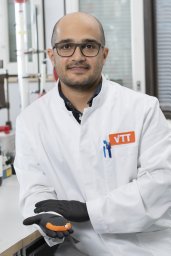 Pezhman Mohammadi合作论文数VTT Tech Res Ctr Finland Ltd10
 Nygård Yvonne合作论文数VTT Technical Research Centre of Finland10Johan Hallborn合作论文数10Mats Walfridsson合作论文数10Vineet Rajgarhia合作论文数10
 Christopher P. Landowski合作论文数Institute of Biochemistry and Molecular Medicine, University of Bern10
 Anu Saloheimo合作论文数9
 Jussi Jantti合作论文数VTT Biotechnology9
 Orquidea Ribeiro合作论文数IBB-Institute for Biotechnology and Bioengineering, Universidade do Minho9
 Marika Vitikainen合作论文数VTT Technical Research Centre of Finland9




