BACKGROUND AND AIMS Right-sided malignant colonic obstruction frequently requires emergent intervention and is associated with high perioperative morbidity and mortality. Self-expanding metallic stents (SEMSs) have been extensively studied in left-sided disease, but their role in right-sided obstruction remains poorly defined. Our aim was to evaluate nationwide trends, patient characteristics, and outcomes associated with SEMS use in right-sided malignant colonic obstruction. METHODS Using the Nationwide Readmissions Database (2016-2022), we identified patients with right-sided malignant colonic obstruction. Patients were stratified by SEMS placement. Weighted univariate and multivariable logistic regression analyses were used to compare demographics, hospital characteristics, and 90-day postoperative outcomes. RESULTS Among 24,146 patients, only 251 (1.0%) underwent SEMS placement. SEMS-treated patients were more likely to be in-state residents (95.0% vs 89.6%), from large metropolitan areas (70.5% vs 53.4%), and from higher-income quartiles (31.0% vs 22.3%; all P < 0.01). SEMS placement was associated with significantly lower stoma rates (<4.0% vs 9.1%; P < 0.01) and higher rates of deep vein thrombosis (8.0% vs 3.8%; P < 0.01). Multivariable analysis showed that SEMS reduced need for stoma (adjusted odds ratio, 0.19; 95% CI, 0.07-0.50), while metastatic disease increased stoma risk (adjusted odds ratio, 2.36; 95% CI, 2.12-2.63). CONCLUSIONS SEMS use in right-sided malignant obstruction was associated with a significantly lower need for stoma formation and comparable short-term outcomes. Despite potential benefits, utilization remains low. Further prospective studies are warranted to better define patient selection criteria and long-term oncologic outcomes.
Patients undergoing ERCP with chronic kidney disease (CKD), congestive heart failure (CHF), or liver cirrhosis (LC) often experience worse outcomes. It is unclear whether these are driven by procedure-related events or underlying comorbidity. We analyzed the National Inpatient Sample to identify adult ERCP cases. High-risk comorbidities were defined as CKD, CHF, or LC. Primary outcomes were inpatient mortality and morbidity. Among 1,171,973 ERCP admissions, 267,739 (22.8
Background and Aims:Pancreatitis during reproductive years in women can have important implications for future gestational outcomes. However, data on reproductive health after acute interstitial pancreatitis (AIP) and necrotizing pancreatitis (NP) remain limited in this population. This study assesses time to subsequent pregnancy and pregnancy complications in a large Norwegian cohort. Methods:We conducted a population-based cohort study using linked data from the Norwegian Medical Birth Registry and Patient Registry (2008-2023), including 552,125 births. Women were categorized as controls or those with prior AIP or NP. We characterized the interval from pancreatitis diagnosis to subsequent pregnancy as a descriptive measure and assessed assisted reproductive technology utilization. Primary analytic outcomes were gestational diabetes mellitus, gestational hypertension, preterm birth, and cesarean delivery. Multivariable logistic regression adjusted for maternal age, body mass index, smoking, and comorbidity. Results:Women with prior pancreatitis had higher rates of obesity, smoking, and comorbidity. Median time from pancreatitis diagnosis to subsequent pregnancy was 18 months (AIP) and 22 months (NP). Rates of gestational diabetes mellitus, gestational hypertension, preterm birth, and cesarean delivery were significantly higher in both pancreatitis groups compared with controls (all P < .001). These associations remained significant after adjustment. Conclusion:A history of pancreatitis is associated with modestly increased risks of adverse gestational outcomes. The observed interval from diagnosis to subsequent pregnancy likely reflects multiple clinical and behavioral factors and should not be interpreted as a direct measure of fertility. These findings provide population-level, hypothesis-generating data to inform future prospective studies.
BACKGROUND:Total pancreatectomy with islet auto-transplantation (TPIAT) alleviates pain and preserves islet function in patients with severe pancreatitis. Although approximately one third of recipients achieve insulin independence, spontaneous hypoglycemia has been observed in this population. Its frequency, risk factors, and management remain poorly characterized. METHODS:Using prospectively collected data on insulin-independent (TPIAT) recipients at the University of Minnesota (2010-2023), we compared patients who developed hypoglycemia (defined as documented blood glucose < 70 mg/dL) to those with no reported hypoglycemia. Demographic, clinical, surgical, and metabolic variables were evaluated, and treatment strategies were reviewed. RESULTS:Among 503 TPIAT recipients, 156 (31%) achieved insulin independence; of these, 45 (28.8%) experienced hypoglycemia, including 32 (20.5%) with level 2 hypoglycemia (< 54 mg/dL). Severe hypoglycemia events requiring external assistance occurred in 25% of affected individuals. Hypoglycemia developed a mean of 2.4 ± 2.2 years posttransplant, most commonly postprandial or exercise-related. Patients who developed hypoglycemia were older at the time of TPIAT (p = 0.036) and had higher preoperative BMI (p = 0.016) and a greater prevalence of malabsorptive disorders (p < 0.001), whereas islet yield and metabolic testing results were similar between patients with and without hypoglycemia. Most patients with hypoglycemia (78%) were managed with non-pharmacological interventions (dietary, continuous glucose monitoring); pharmacologic therapies included acarbose (22%), diazoxide (13%), and minidose glucagon (7%). CONCLUSIONS:Spontaneous hypoglycemia is a frequent, clinically relevant complication among insulin-independent TPIAT recipients. Older age, higher BMI, and malabsorptive disorders were associated with increased susceptibility. Routine surveillance, dietary counseling, and continuous glucose monitoring (CGM) are common components of management.
Background. In total pancreatectomy with islet autotransplantation (TPIAT), a greater number of islets transplanted produces more favorable outcomes. We aimed to determine predictors of islet isolation outcomes. Methods. We investigated factors associated with islet isolation outcomes expressed as islet number (IN), islet equivalents (IEQ; standardized to an islet with 150 mu m diameter), IN/kg, or IEQ/kg using data from the multicenter Prospective Observational Study of TPIAT. Single-predictor linear regression was used to estimate the association of individual patient and disease characteristics with islet isolation outcomes, and augmented backward elimination was used to select variables to include in multivariable analyses. Results. In multivariable analyses, only elevated hemoglobin A1c was associated with worse outcomes for all measures (P < 0.001 for all). Total IEQ obtained for transplant was higher for participants with Hispanic ethnicity (P = 0.002) or overweight status pre-TPIAT (P < 0.001) and lower with non-White race (P = 0.03), genetic pancreatitis (P = 0.02), history of lateral pancreaticojejunostomy (P = 0.03), and presence of atrophy (P = 0.006) or ductal changes (P = 0.014) on imaging. IEQ/kg was higher in females (P = 0.01) and Hispanic participants (P = 0.046) and generally lower with older age (nonlinear association, P < 0.001) and pancreatic atrophy (P < 0.001) on imaging. Total IN and IN/kg showed trends similar, but not identical, to IEQ and IEQ/kg, respectively. Conclusions. Patient demographics and certain pancreatic disease features were associated with outcomes from islet isolation. Hemoglobin A1c before TPIAT was the metabolic testing measure most strongly associated with islet isolation results.
The impact of weight management strategies on mortality and readmission in chronic pancreatitis patients remains unclear. This study uses the Nationwide Readmissions Database to assess the effects of prior bariatric surgery on these outcomes in patients with CP. Patients with CP and severe obesity or history of bariatric surgery were extracted in the NRD from 2016 to 2022. Demographics, hospital/operative factors, and comorbidities were identified as independent risk factors. 90-day readmission and mortality were identified as outcomes. Univariate regressions determined differences in characteristics for patients with and without prior bariatric surgery, and independent risk factors were used to construct multivariable logistic regression models for these outcomes. A total of 40,685 patients with CP and either severe obesity or history of bariatric surgery were identified, with 31.4
Background and Aims: Pancreatic duct (PD) stones and a stenotic pancreaticojejunal anastomosis (PJA) can make ERCP highly challenging, especially in post-Whipple anatomy. EUS-assisted rendezvous (RV) may serve as a salvage approach, but severe stenoses can prevent guidewire passage. We describe a novel dual-wire balloon technique to achieve PD drainage in this setting. Methods: A 67-year-old man with Zollinger-Ellison syndrome and previous Whipple surgery presented with recurrent pancreatitis. Imaging revealed PD stones impacted at the PJA. Multiple enteroscopy-assisted ERCPs and an initial EUS-assisted RV failed. On repeat EUS-assisted RV, a 22-gauge needle was used to puncture the PD, and a 0.018-inch guidewire was advanced antegrade into the jejunum. Standard devices could not achieve dual-wire access. A therapeutic gastroscope was introduced, and a 5.5F balloon catheter was used to dilate the anastomosis. Removing the wire stiffener allowed a second 0.021-inch wire to be placed alongside the first. Results: This approach enabled retrograde cannulation, deep wire access beyond the rendezvous wire through a stenotic PJA precluding larger dual-wire devices, and stent placement. The patient was discharged without adverse events, with stone extraction planned at follow-up. Conclusions: This case demonstrates the utility of a dual-wire balloon technique for EUS-guided PD drainage in severe PJA stenosis.
BACKGROUND:Total pancreatectomy and intraportal islet cell autotransplantation (TPIAT) is increasingly being offered to patients with refractory chronic pancreatitis. Understanding factors that affect islet function over time is critical. STUDY DESIGN:We evaluated factors associated with islet function during 12 years post-TPIAT using mixed meal tolerance testing. Insulin independence and HbA1c were assessed at each time. We compared area under the curve (AUC) C-peptide, AUC glucose, insulin-independent, and hemoglobin A1c patterns over time by patient characteristics using generalized linear mixed models. RESULTS:A total of 555 patients (median age 32 [interquartile range 17 to 45] years, 25% pediatric; 70% women, 41% overweight or obese) undergoing TPIAT were studied. A median islet equivalents per kg (IEQ/kg) transplanted was 3,696 (interquartile range 2,449 to 5,494) with 26% receiving low (less than 2,500 IEQ/kg), 43% moderate (2,500 to 5,000 IEQ/kg), and 31% high islet mass (more than 5,000 IEQ/kg). AUC C-peptide immediately post-TPIAT was lowest in those with low islet mass and remained low over time. AUC C-peptide showed a modest increase in islet function more than 3 to 4 years in moderate or high islet mass, followed by decline (p < 0.0001 for difference in post-TPIAT trajectory by group). Children have better long-term islet function, particularly beyond 5 years post-TPIAT, although the difference did not reach statistical significance (p = 0.0608); and overweight individuals have declining islet function long term, whereas those with normal or low BMI have gains in the first 3 to 5 years (p < 0.0001). Mean hemoglobin A1c was sustained at <7% for 8 years in high islet mass. CONCLUSIONS:In patients with high islet mass transplanted, islet function improves in the first several years after islet autotransplantation. Islet function is sustained longer in children than in adults. Overweight or obese body habitus may be detrimental to long-term islet function, highlighting the importance of maintaining a healthy body weight for TPIAT recipients.
Fully covered self-expandable metal stents (FCSEMSs) have gained popularity in the endoscopic management of pancreatic duct strictures, particularly in refractory cases. Although they may offer potential advantages over other stents, recent studies have raised concerns about increased rates of stent-related complications, including migration, secondary strictures, and bile duct obstruction. We report the case of a 49-year-old male with alcohol-induced chronic pancreatitis who developed a rare and extensive infectious complication, including a scrotal abscess, following FCSEMS placement for a benign pancreatic duct stricture. Imaging and culture data suggested a contiguous spread of infection from the peripancreatic region through the paracolic gutter and inguinal canal. This case illustrates a rare but serious complication of FCSEMS use and reinforces the need to avoid their routine use in benign strictures. It also highlights the importance of recognizing underappreciated risks such as side branch obstruction and extrapancreatic infectious spread.
OBJECTIVE:Total pancreatectomy with islet autotransplantation (TPIAT) is increasingly used as an option for the treatment of chronic and recurrent acute pancreatitis in selected patients. Studies have shown significant improvements in pain, quality of life, and opioid use postoperatively. However, in long-term follow-up, over half of the patients have episodes of abdominal pain following TPIAT. The aim of this work is to describe the array of causes of abdominal pain in this complex and growing patient population. METHODS:We conducted multidisciplinary discussions with experts at our institution and reviewed literature, where available, to identify and describe the diverse causes of abdominal pain following TPIAT. RESULTS:We identify 15 distinct causes of abdominal pain following TPIAT, describing their presentation, workup, and management. CONCLUSION:As more patients undergo TPIAT, we must plan for and address the associated causes of abdominal pain that result from alterations in anatomy and physiology, both in the short and long term.
INTRODUCTION:Hospital readmission rate is a key hospital metric and represents a substantial burden to patients and the healthcare system. Necrotizing pancreatitis (NP) patients are at high risk of unplanned readmission. The aim of this study was to determine the incidence and predictors of 30-day unplanned readmission after index hospitalization for NP. METHODS:Adult NP patients who were managed at a single tertiary referral center between 2009 and 2022 were identified from a prospective database and categorized into 2 groups based on 30-day unplanned readmission after index hospitalization. Patients with no follow-up who died during index admission or within 30 days of discharge were excluded. Baseline data on admission including demographic, clinical, interventional, imaging, and discharge characteristics were compared. Multivariable analysis was completed to identify independent predictors of 30-day readmission. RESULTS:Among 505 patients with NP (male patients-347 [69%], median age-50 years [inter quartile range 37-63]) 191 (37.8%) had at least 1 unplanned readmission. The most common causes of readmission were abdominal pain (40%) and sepsis (27%). On multivariable analysis, independent predictors for early readmission were necrosis collection size ≥ 6 cm (adjusted odds ratio [aOR] 1.91 [1.11-3.30], P < 0.03), stay at outside hospital ≥ 14 days before transfer to tertiary center (aOR 2.89 [1.27-6.60], P < 0.01), and need for percutaneous feeding tube at the time of discharge (aOR 2.06 [1.01-4.21], P < 0.05). DISCUSSION:Readmission after NP is common and associated with greater mortality at 6 months. Expedited transfer to tertiary center for timely intervention, assiduous follow-up of other high-risk patients (large collections and those who need enteral nutrition) could help avoid readmissions and optimize outcomes.
 Guru Trikudanathan合作论文数Department of Internal Medicine, University of Connecticut Medical Center138
 Gregory Beilman合作论文数Department of Surgery, Medical School, University of Minnesota107
 Melena Bellin合作论文数Department of Pediatrics, Medical School, University of Minnesota;Division of Pediatric Endocrinology, University of Minnesota93
 Mustafa A. Arain合作论文数83Shawn Mallery合作论文数80
 Stuart K. Amateau合作论文数Johns Hopkins Medical Institute72
 Rajeev Attam合作论文数69Srinath Chinnakotla合作论文数69Pruett Timothy L合作论文数67
 Sarah Jane Schwarzenberg合作论文数Department of Pediatrics, Medical School, University of Minnesota;Cystic Fibrosis Center, University of Minnesota46
 Ty B. Dunn合作论文数Surgery Faculty, Perelman School of Medicine, University of Pennsylvania45
 Vikesh Singh合作论文数Comprehensive Transplant Center, Johns Hopkins University;Pancreatitis Center, Johns Hopkins University;School of Medicine, Johns Hopkins University35
 Varvara Kirchner合作论文数Schulze Diabetes Institute, University of Minnesota31
 David E. R. Sutherland合作论文数Department of Surgery, University of Minnesota27
 Ahmed Dirweesh合作论文数25
 Martin Wijkstrom合作论文数Diabetes Institute for Immunology and Transplantation, University of Minnesota24
 Elissa M Downs合作论文数Med Sch, Univ Minnesota23Nabeel Azeem合作论文数23
 Jaimie Nathan合作论文数Department of Surgery, Duke University Medical Center23
 Paul Tarnasky合作论文数22
 Bashoo Naziruddin合作论文数Med Ctr, Baylor Univ22
 James Hodges合作论文数Division of Biostatistics, School of Public Health, University of Minnesota21
 Luis F. Lara合作论文数University of Texas Southwestern Medical School21
 Nalini M Guda合作论文数21David M. Radosevich合作论文数21
 Tossapol Kerdsirichairat合作论文数Digestive Disease Center, Bumrungrad International Hospital20
 Piotr Witkowski合作论文数Transplantation Institute, University of Chicago20
 Timothy J. Gardner合作论文数Department of Surgery, Perelman School of Medicine, University of Pennsylvania19
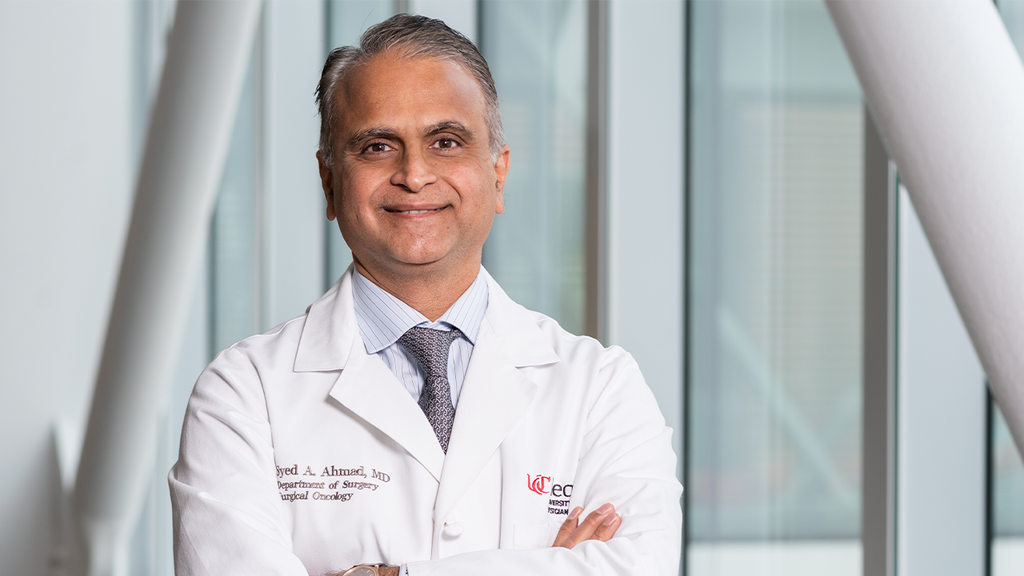 Ahmad Syed A合作论文数18
 Kapil Gupta合作论文数Cedars-Sinai Medical Center Los Angeles18
 Satish Munigala合作论文数18
 Peter Cotton合作论文数College of Medicine, Medical University of South Carolina17
 Evan Fogel合作论文数17Andrew M Posselt合作论文数16
 Bernhard Hering合作论文数Schulze Diabetes Institute, Department of Surgery, Medical School, University of Minnesota16
 Josh Wilhelm合作论文数16
 Richard Kozarek合作论文数Digestive Disease Institute, Virginia Mason Medical Center;Center for Interventional Immunology, Benaroya Research Institute16Timothy P. Kinney合作论文数16
 Marc Besselink合作论文数Department of Surgery, Academisch Medisch Centrum Universiteit van Amsterdam15Douglas B. Nelson合作论文数Minneapolis15Joseph Romagnuolo合作论文数15Karthik Ramanathan合作论文数14Ow Cass合作论文数14
 Timothy B. Gardner合作论文数Department of Medicine, Geisel School of Medicine, Dartmouth College14
 Petr Vanek合作论文数13
 A.N Balamurugan合作论文数13David Adams合作论文数12S Sherman合作论文数12
 Gregory A. Cote合作论文数Gastroenterology, Indiana University12




