replaced by alternative therapies, although many regions of the world are only now starting to utilize telaprevir and boceprevir triple therapies and will likely continue using other interferon-based regimens for some time. The combination of the nucleoside analogue, sofosbuvir, with peginterferon and ribavirin administered for 12 weeks has yielded high rates of sustained virological response for genotype 1 and was approved by regulatory agencies in the US and Europe in 2013. Rates of SVR were generally similar across all subpopulations, although patients with cirrhosis had lower rates of SVR. This regimen is considered the treatment of choice for patients with genotype 1 contemplating interferon-based therapy, according to recent treatment recommendations from AASLD/IDSA and EASL. The treatment recommendations also suggest that triple therapy with simeprevir, a second generation protease inhibitor also recently approved by regulatory authorities, can be considered as alternate therapy for patients with genotype 1 who can tolerate an interferon-based regimen. Combination of simeprevir with peginterferon and ribavirin achieved significantly higher rates of sustained virological response (SVR) compared to peginterferon and ribavirin alone in patents treated for 24–48 weeks. Patients with cirrhosis also had lower rates of SVR compared to non-cirrhotics. This regimen is specifically not recommended for patients with genotype 1a with baseline Q80K polymorphism due to the substantially lower rate of SVR. The EASL guidelines also indicate that combination of peginterferon, ribavirin, and daclatasvir (NS5A inhibitor) may be used to treat HCV specifically genotype 1b in the EU. This drug is currently not available in the U.S. The future role of peginterferon-based regimens will likely depend on many factors which will be specific to different geographic regions of the world, including cost-effectiveness, frequency of favorable IL28B genotype, and accessibility of newer DAA regimens.
The value of adding simeprevir (SMV) vs placebo (PBO) to peginterferon and ribavirin (PR) for treatment of chronic hepatitis C virus infection was examined using patient-reported outcomes (PROs); further, concordance of PROs with virology endpoints and adverse events (AEs) was explored. Patients (n = 768 SMV/PR, n = 393 PBO/PR) rated fatigue (FSS), depressive symptoms (CES-D) and functional impairment (WPAI: Hepatitis C Productivity, Daily Activity and Absenteeism) at baseline and throughout treatment in three randomised, double-blind trials comparing the addition of SMV or PBO during initial 12 weeks of PR. PR was administered for 48 weeks (PBO group) and 24/48 weeks (SMV group) using a response-guided therapy (RGT) approach. Mean PRO scores (except Absenteeism) worsened from baseline to Week 4 to the same extent in both groups but reverted after Week 24 for SMV/PR and only after Week 48 for PBO/PR. Accordingly, there was a significantly lower area under the curve (baseline-Week 60, AUC60 ) and fewer weeks with clinically important worsening of scores in the SMV/PR group at any time point. Incidences of patients with fatigue and anaemia AEs were similar in both groups, but FSS scores showed that clinically important increases in fatigue lasted a mean of 6.9 weeks longer with PBO/PR (P < 0.001). PRO score subgroup analysis indicated better outcomes for patients who met the criteria for RGT or achieved sustained virological response 12 weeks post-treatment (SVR12); differences in mean PRO scores associated with fibrosis level were only observed with PBO/PR. Greater efficacy of SMV/PR enabled reduced treatment duration and reduced time with PR-related AEs without adding to AE severity.
Fatigue is a common symptom of chronic hepatitis C virus (cHCV) infection and a common side effect of interferon-based treatment for cHCV. This study provides confirmatory evidence of the reliability and validity of the Fatigue Severity Scale (FSS) to document fatigue in cHCV research and identifies values that indicate clinically important differences in FSS to aid in interpreting fatigue in cHCV clinical trials.
Fatigue is a common symptom of chronic hepatitis C virus (HCV) infection and a frequent side-effect of peginterferon/ribavirin (PR) therapy for HCV. This study evaluated the impact of adding the oral HCV NS3/4A protease inhibitor simeprevir to PR on patient-reported fatigue and health status among patients with chronic HCV genotype 1 infection enrolled in the Phase IIb PILLAR and ASPIRE trials [NCT00882908; NCT00980330].
The short time between the launch of the first generation protease inhibitors (PIs) (Boceprevir and telaprevir) in 2011 and the recommendation to give up this treatment by both AASLD and EASL in 2014 in genotype 1 (GT-1) patients reflects the unique speedy ‘discovery to cure’ for HCV. Nevertheless, despite the short lifetime of these compounds we have learned a lot in term of efficacy, safety and patient’s management. EFFICACY: The use of the first generation PIs in combination with pegylated interferon and ribavirin (PR) was a major step forward in HCV treatment efficacy with a 30% increase of sustained virological response (SVR) rate in na€ıve GT-1 patients and between 25%—60% increase of SVR rates in treatment-experienced GT-1 patients. Moreover the use of this combination in HIV/HCV co-infected patients, for the first time, gave SVR rates identical to mono-infected HCV patients, filling the SVR gap between these two populations. This increase in term of efficacy allows shortening of the duration of treatment to 24 weeks in at least 50% of na€ıve GT-1 patients and even to 12 weeks in some very well selected population (Na€ıve, IL28b CC). SVR rate was also increased in cirrhotic patients either na€ıve or treatmentexperienced prior relapsers or partial responders. Overall increased efficacy was observed in almost all GT-1 patients with milder benefit, if any, among prior null responder’s cirrhotic patients. These benefits were confirmed in real life cohort, which were rapidly presented very soon after phase III program, and also demonstrated the benefit in special population such as the liver transplanted patients with severe HCV recurrence and hemodialysis patients. SAFETY: The use of the first generation PIs was associated with new side effects, such as dysgeusia with boceprevir and cutaneous rash with telaprevir and an increase incidence of side effects already known with PR such as anemia, which was observed in about half of the patients. Cutaneous rash was described in more than half of the patients on telaprevir but was severe in only less than 5% of patients. Early recognition of this side effect in phase II program leads to the institution of a rash management plan in phase III and IV, which helps physicians and nurses to manage correctly this side effect reducing adverse outcome worldwide. Anemia was more frequent with a more rapid onset with both PIs. However, prevention and management of anemia leads to a new paradigm. Early reduction of ribavirin dose on treatment appears to be the best way to prevent and manage this side effect without affecting SVR rate contrary to what we knew with anemia management with PR regimen. Real-life data on more advanced population, such as cirrhotic treatment-experienced patients in the CUPIC cohort, allows characterizing a subgroup of cirrhotic patients (baseline albumin level <35 g/L and platelets counts <100.000/mm3) in which treatment with triple regimen PI+PR is contraindicated according to a high rate of serious adverse events and a low rate of SVR. PATIENT’S MANAGEMENT: Baseline predictive factors of SVR have been slightly modified by DAA. Age, viral load fibrosis stage and IL28b remain predictive factor of response but their weights are lower. Rapid virological response on treatment remains the best predictive factor of response. Stopping rules on treatment have also been modified and adapted for each treatment (W4 and 12 for telaprevir and W8 and 12 for boceprevir). Drug-drug interaction is a new task that we have to manage with both drugs and the follow-up of the patients during treatments was more time consuming for nurses and physicians in relation with increase side effects. CONCLUSION: Boceprevir and telaprevir represent the first painful step of DAAs use in HCV. Fortunately we move today to IFN-free regimen with combination of DAAs with very high rate of SVR and very few side effects. We hopefully reach the beginning of the end for HCV cure.
was 54 years (range, 32–73; n = 56), 44/56 were male, 50/53 white, and 23/29 IL28B non-CC. Most were infected with HCV GT1 (24 1a; 21 1b), with 1 GT2, 7 GT3, and 2 GT4; 12/51 had HIV coinfection, of whom 3 had HIV/HBV coinfection; 4/51 were liver transplant recipients. 31 and 16 of 47 patients were classified as ChildPugh A and B, respectively; of the few (22) with METAVIR scores, 18 had F4. Of 40 patients with prior treatment data, 10 had failed with boceprevir or telaprevir regimens, 8/10 due to lack of efficacy. Of 49 patients with complete study drug data, 48 received DCV+SOF with RBV and 1 received DCV+SOF without RBV. At baseline, HCV RNA levels were high (>800,000 IU/mL) in 10 of 33 patients with available data. Among 11 patients with data at Week 4, HCV RNA was undetectable in 7 and ≤25 IU/mL in another 3; 4 of these 10 patients had previously failed with telaprevir or boceprevir regimens. Adverse events (AEs) were reported in 13 patients; 4 had AEs considered drug-related (opiate withdrawal symptoms, soft tissue infection, vertigo, nausea); none of these drug-related AEs, for which data were available, was serious or led to discontinuation. One patient died due to liver disease progression. Additional data (including updated safety data) for these patients and others will be available for presentation. CONCLUSION: In this preliminary analysis, DCV+SOF RBV demonstrated antiviral activity at Week 4 and was well tolerated in difficult-to-treat patients with severe liver disease and significant risk of hepatic decompensation or death.
Background We did a phase 3 study in previous non-responders with chronic hepatitis C virus (HCV) genotype 1 infection and compensated liver disease that related to the standard of care for these patients at the time this study was initiated. We investigated whether simeprevir is non-inferior in terms of efficacy to telaprevir, each in combination with peginterferon alfa-2a and ribavirin.Methods We did this randomised, double-blind, phase 3 trial at 169 investigational sites in 24 countries. We enrolled adults (>= 18 years) with chronic HCV genotype 1 infection, compensated liver disease, and plasma HCV RNA higher than 10000 IU/mL who were null or partial responders during at least one previous course of peginterferon alfa-2a and ribavirin treatment. We randomly assigned (1:1) patients (stratified by HCV genotype 1 subtype [1a plus other/1b] and previous treatment response [partial or null]) to receive simeprevir (150 mg once a day) plus telaprevir placebo (three times a day 7-9 h apart) or telaprevir (750 mg three times a day) plus simeprevir placebo (once a day) in combination with peginterferon alfa-2a and ribavirin for 12 weeks followed by 36 weeks of peginterferon alfa-2a and ribavirin alone. The primary efficacy endpoint was sustained virological response 12 weeks after end of treatment (SVR12) in the intention-to-treat and the per-protocol population. We compared groups with the Cochran-Mantel-Haenszel test. We established a non-inferiority margin of 12%. Adverse events were reported descriptively. This trial is registered with ClinicalTrials.gov, number NCT01485991.Findings Patient screening began on Jan 19, 2012, and the last visit was on April 7, 2014. We induded 763 patients (472 previous null responders [62%]). Simeprevir and peginterferon alfa-2a and ribavirin was non-inferior to telaprevir and peginterferon alfa-2a and ribavirin for SVR12 (54% [203/379] vs 55% [210/384]; difference -1.1%, 95% CI -7.8 to 5.5; p=0.0007). SVR12 was achieved in 70% (101/145) versus 68% (100/146) of previous partial responders and 44% (102/234) versus 46% (110/238) of previous null responders with simeprevir and peginterferon alfa-2a and ribavirin and telaprevir and peginterferon alfa-2a and ribavirin treatment, respectively. We recorded differences between treatment groups in simeprevir or telaprevir-related adverse events (69% [261/379] in the simeprevir group vs 86% [330/384] in the telaprevir group), serious adverse events (2% [8/379] vs 9% [33/384]), and adverse events leading to simeprevir or telaprevir discontinuation (2% [7/379] vs 8% [32/384]).Interpretation Simeprevir once a day with peginterferon alfa-2a and ribavirin was well tolerated in HCV genotype 1-infected previous non-responders and was non-inferior to telaprevir, thus providing an alternative treatment in areas of the world where all-oral HCV regimens are not available or accessible.
SummaryThis pooled analysis of five Phase IIb and III studies evaluated the safety and tolerability of simeprevir, a once daily, oral hepatitis C virus (HCV) NS3/4A protease inhibitor. Data were summarised for patients who received simeprevir 150 mg once daily (n = 924) or placebo (n = 540) plus pegylated interferon‐α/ribavirin for 12 weeks. During the first 12 weeks of treatment, few patients discontinued simeprevir or placebo due to adverse events (AEs) (both 2.2%). Pruritus (23.8% vs 17.4%), rash (any; 22.9% vs 16.7%) and photosensitivity (3.2% vs 0.6%) [Correction added on 16 January 2015, after first online publication: In the above sentence, the values in ‘Photosensitivity’ were previously incorrect and have now been changed to 3.2% vs 0.6%.] were more prevalent in the simeprevir vs the placebo groups. Most AEs were grade 1/2 (72.4% for simeprevir vs 71.3% for placebo). All grade 3/4 AEs occurred in <5.0% of patients, except neutropenia (9.8% vs 7.6%). Overall incidence of neutropenia was similar (17.3% vs 15.7%). Incidence of anaemia was 13.2% for simeprevir vs 10.9% for placebo, and incidence of increased bilirubin was 8.4% vs 2.8%. Bilirubin increases were mild‐to‐moderate and transient without concurrent transaminase increases or association with hepatic injury. Safety and tolerability did not vary with METAVIR score, although increased bilirubin and anaemia were more frequent in simeprevir‐treated patients with METAVIR F4 (increased bilirubin, 13.0% vs 3.3%; anaemia, 19.0% vs 14.8%). Serious AEs were infrequent (2.1% for simeprevir vs 3.0% for placebo). No deaths were reported during the first 12 weeks of treatment. Patient‐reported fatigue and other outcomes were comparable for both groups, but were of shorter duration for simeprevir due to the use of response‐guided therapy. Simeprevir is well tolerated in HCV genotype 1‐infected patients.
901 ADDING SIMEPREVIR (TMC435) TO PEGYLATED INTERFERON/ RIBAVIRIN DOES NOT INCREASE PATIENT REPORTED FATIGUE IN TREATMENT-EXPERIENCED PATIENTS WITH CHRONIC HCV INFECTION: RESULTS FROM THE ASPIRE TRIAL J. Scott, K. Rosa, S. Zeuzem, M. Beumont-Mauviel, M. Peeters, K. Cerri, M. Fu, L. Gilles. Janssen Global Services, High Wycombe, UK; University of North Carolina at Wilmington, Wilmington, DE, USA; University Hospital, JW Goethe University, Frankfurt, Germany; Janssen Research and Development, Janssen Pharmaceutica NV, Janssen Pharmaceutica NV, Beerse, Belgium; Janssen Research and Development US, Spring House, PA, USA E-mail: jscott51@its.jnj.com
POSTERSreceiving TPR, 3 required hospitalization (anemia, infection and ascites).Anemia occurred in 50% in both groups but more aggressive management was required in the TPR group.Table: AE profile of BPR & TPR BPR (N = 6) TPR (N = 8) African-Americans 50% 62% Advanced fibrosis 83% 62% Anemia >2 g/dl 50% 50% PRBC transfusion 17% 25% Erythropoetin 50% 75% Ribavirin dose reduction 33% 50%Discussion: Among this difficult to treat HCV and ESRD patients, telaprevir or boceprevir resulted in 50% rate of anemia which could be safely managed.More than 85% completed 12 weeks therapy and are still undergoing response guided therapy.No SAE, discontinuations due to treatment or deaths were noted in our cohort.
Fatigue is the most common side-effect of treatment for chronic hepatitis C virus (CHC) infection with peginterferon-α and ribavirin (PR). Adequacy of the Fatigue Severity Scale (FSS) total scores for evaluating fatigue from the patients’ perspective in CHC trials was assessed using blinded data from two CHC clinical trials 386 treatment-naïve patients (PILLAR) and 462 treatment-experienced patients (ASPIRE) were randomized to receive simeprevir (TMC435), a potent, oral, once-daily, investigational HCV NS3/4A protease inhibitor in Phase III clinical development and PR or placebo/PR. Patients completed the FSS and EQ5D in their native language throughout the 72 week trials. Reliability of the FSS was evaluated using Cronbach’s co-efficient a at Week 24 (internal consistency reliability) and intraclass correlation (ICC) between FSS at Weeks 12 and 24 in stable patients (<0.5 g/dL change in hemoglobin between Weeks 12/24). Concurrent validity was assessed as correlation with the EQ5D visual analog scale (VAS). Known-groups validity of FSS scores was assessed using mean comparison by levels on the EQ5D daily activity item and by clinician-rated fatigue AEs at Week 24. Distribution- and anchor-based methods identified values representing a meaningful change in individual and mean FSS scores FSS scores were highly reliable (Cronbach’s α = 0.95, 0.96 and ICC: 0.74, 0.86 for PILLAR and ASPIRE, respectively). Concurrent validity (correlation of FSS and EQ5D VAS = -0.63, -0.66) and known groups validity (mean FSS scores by EQ5D daily activity levels or fatigue AEs severity (p < 0.05) were confirmed. Analyses suggest that a meaningful change in mean FSS scores ranges from 0.33-0.82, and that a 1 point change is a conservative indicator of an important within-subject change in FSS score The Fatigue Severity Scale provides reliable and valid assessment and quantification of fatigue for clinical trials in patients with CHC infection
To examine the value of adding simeprevir (SMV) to peginterferon and ribavirin (PR) for treatment of chronic hepatitis C virus infection using patient-reported outcomes (PRO) and their concordance with virology endpoints and adverse events (AEs). Patients rated severity of fatigue (FSS), depressive symptoms (CES-D), and impairment in functioning (WPAI:HepC Productivity, Activity, Absenteeism) at baseline and throughout treatment/follow-up in three randomized, double-blind trials comparing addition of SMV or Placebo (PBO) during initial 12 weeks of PR treatment. PR was administered for 48 weeks (PBO group) and either 24 or 48 weeks (SMV group) (response-guided therapy [RGT]). Analysis of pooled data from the trials using a piecewise-linear mixed model compared the area-under-the-curve from baseline to Wk60 (AUC60) between SMV/PR and PBO/PR for each PRO score. Subgroup analyses evaluated impact of Sustained Virologic Response 12 weeks post-treatment (SVR12), fibrosis level, and RGT on PRO scores. Of 1178 patients studied, analyses included 768 SMV/PR- and 393 PBO/PR-treated patients. 87.5% of the SMV/PR group met RGT and completed treatment in 24 weeks. Fatigue and anaemia AEs were comparable in both groups but FSS scores show clinically important increases in fatigue, lasting 6.9 weeks longer with PBO/PR (p <0.001). No significant differences were observed for Absenteeism. Mean scores for all other PRO endpoints worsened from baseline to Wk4 in both groups and remained impaired to Wk24 (SMV/PR) and Wk48 (PBO/PR), resulting in significantly lower AUC60and fewer weeks with clinically important worsening scores with SMV/PR. PRO scores indicated better outcomes for patients who met RGT criteria or achieved SVR12; differences in PRO scores associated with fibrosis level were only observed in the PBO/PR group. Greater efficacy of SMV/PR enabled reduced treatment duration and less time with PR-related side effects without adding to the severity of side-effects during treatment.
 J. Scott合作论文数7W Jessner合作论文数7
 Stefan Zeuzem合作论文数J W Goethe University Hospital7Gilles Leen合作论文数6m beumont mauviel合作论文数5M. Peeters合作论文数4
 Jacob George合作论文数Faculty of Medicine and Health, The University of Sydney4
 K. Rajender (Raj) Reddy合作论文数Department of Medicine, Perelman School of Medicine, University of Pennsylvania;Division of Gastroenterology, University of Pennsylvania4
 Ola Weiland合作论文数Department of Medicine, Huddinge, Karolinska Institutet4Cerri Karin合作论文数4
 Fabien Zoulim合作论文数Universite Claude Bernard Lyon 14
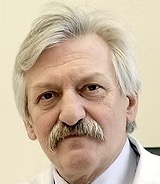 Andrzej Horban合作论文数Department of Infectious Diseases, Warsaw Medical University;Hospital for Infectious Diseases in Warsaw;Klinika Chorób Zakaźnych dla Dorosłych, Wydział Lekarski, Medical University of Warsaw4
 Federico Villamil合作论文数4
 Elaine Brohan合作论文数Institute of Psychiatry, King's College London4Wolfgang Jessner合作论文数3Leen Gilles合作论文数3K Rosa合作论文数3
 Monika Peeters合作论文数3
 Jane Scott合作论文数3
 Verbinnen Thierry合作论文数Janssen Infectious Diseases BVBA3Lenz Oliver合作论文数3Carol Stanciu合作论文数3D. Kurland合作论文数2C. Panter合作论文数2Karin Cerri合作论文数2Kathleen Rosa合作论文数2
 Rob Arbuckle合作论文数2Schlag Michael合作论文数2
 Pietro Andreone合作论文数Dipartimento di Scienze Mediche e Chirurgiche, Materno-Infantili e dell'Adulto, Università Degli Studi Di, Modena E Reggio Emilia2Oliver Lenz合作论文数2
 Gloria Taliani合作论文数Policlinico Umberto I;University of Rome "La Sapienza"2Sivi Ouwerkerk-Mahadevan合作论文数2M. Beumont合作论文数2Maria Beumont-Mauviel合作论文数2U. Sbarigia合作论文数1G. De La Rosa合作论文数1j a scott合作论文数1Evon Donna M合作论文数1Kurland Darryl合作论文数1Dammers Elisabeth合作论文数1
 Steven Blackburn合作论文数School of Health and Related Research, University of Sheffield1Christopher Corbett合作论文数NIHR Centre for Liver Research and Biomedical Research Unit, University of Birmingham1Amatya Ramesh合作论文数1Sinha R合作论文数1
 Michael W. Fried合作论文数Center for Gastrointestinal Biology and Disease, School of Medicine, The University of North Carolina;Division of Gastroenterology and Hepatology, Department of Medicine, The University of North Carolina;Target RWE Health Evidence Solutions1Jeffrey Bubb合作论文数1Kalmeijer Ronald合作论文数1
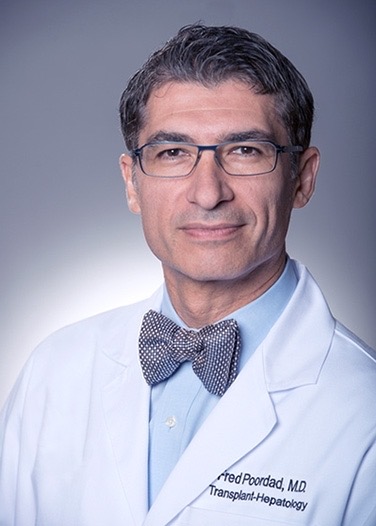 Fred Poordad合作论文数Hepatology University Transplant Center, The University of Texas Health Science Center at San Antonio;Cedars Sinai Medical Center, Department of Hepatology and Liver Transplantation, The University of Texas Health Science Center at San Antonio;Department of Medicine, The University of Texas Health Science Center at San Antonio1




