The practice of mentorship is a critical focus in science, technology, engineering, mathematics, and medicine (STEMM) disciplines. This quasi-experimental study investigated the efficacy of undergraduate mentor training in biomedical sciences programs in the NIH-funded Building Infrastructure Leading to Diversity (BUILD) initiative comprised of research-rising institutions. We used data from the Higher Education Research Institute’s Faculty Survey (2016-17 and 2019-20). In cross-sectional comparisons of 379 BUILD-trained faculty with 755 colleagues who were not BUILD-trained, those who participated in BUILD mentor training reported more engagement with mentees. Utilizing propensity score matching of 314 with longitudinal cases, mentoring confidence and engagement were stronger over time for BUILD-trained faculty. Findings suggest BUILD mentor training yields positive results for undergraduate mentors at research-rising institutions.
The federal government and a number of nonprofit, non-governmental agencies have invested heavily in programs designed to provide research opportunities, financial support, and mentorship to undergraduates in science-related fields. These efforts are aimed at supporting students' matriculation in science majors and into science-related careers. This study used a quasi-experimental design to examine whether college students who participate in a federally sponsored intervention program develop significantly stronger science identities in their first year of college compared to their peers who do not participate in the intervention. Results suggest intervention participants develop significantly stronger science identities compared to their counterparts in the control group, but these benefits are somewhat mitigated after controls for mentoring enter the model.
Objective Mental health among undergraduate students is a growing concern in higher education, but relatively little is known about the mental health of autistic college students. In order to better understand the unique needs of this population, the present study examines whether demographic and psychosocial correlates of anxiety and depression differ in autistic first-year college students and their non-autistic peers. Methods Secondary data analysis was conducted utilizing population-weighted data of full-time college students in their first year attending four-year colleges and universities in 2016, 2018, and 2019. Autistic and non-autistic students who self-identified as having frequent anxiety or depression were compared in terms of demographic characteristics, physical and emotional health, and academic aspirations and achievement. Results The majority of first-year students with frequent anxiety or depression in this sample tended to be white and had parents who completed a bachelor's degree or went to graduate school, with higher rates of male students in the autistic group. While autistic college freshmen with frequent anxiety or depression self-report lower overall quality of physical health (below average or lowest 10% reported by 57.3% vs. 37.1%) and higher rates of learning disabilities (25.3% vs. 4.6%) and psychological disorders (62.3% vs. 29.3%), these students also tend to outperform their non-autistic peers on standardized academic testing. Conclusion As autistic students are investing in themselves through their education and future careers, practitioners and researchers alike should be investing in accessible physical and mental health services in order to help set autistic students up for success in college and beyond.
Although student-faculty interaction is linked to numerous benefits for students, a central puzzle is why not all groups appear to benefit equally from such interaction. Using a sample of 778 science, technology, engineering, and math (STEM) undergraduates from the National Longitudinal Study of Freshmen, we use structural equation modeling to investigate the direct and indirect relationships between key student variables, racial discrimination from faculty, student-faculty interaction, and college grade point average (GPA) among STEM undergraduates. Results suggest that students who interacted more frequently with faculty also were more frequently exposed to experiencing racial discrimination from faculty because of race/ethnicity, which hence negatively affected college GPA. In particular, Black STEM students with higher interaction with faculty were more likely to experience racial discrimination from professors, and student-faculty interaction only had a significant positive effect on college GPA for White students.
INTRODUCTION:A substantial proportion of college students experience challenges transitioning from pediatrics to the adult healthcare system. Combined internal medicine and pediatrics (Med-Peds) providers are frequently tasked with facilitating this transition and promoting the health and well-being of this population. There is an increasing proportion of college students with Attention Deficit Hyperactivity Disorder (ADHD) in the U.S. This population experiences particularly pronounced challenges navigating the healthcare system and, as a result, often contends with fragmented healthcare. These issues are due to a range of factors, including lack of physician training, education, and resources, as well as a dearth of available research that can inform Med-Peds providers' efforts to support college students with ADHD.METHODS:The current study compared a nationally representative sample of U.S. college freshmen with ADHD to those without ADHD on health, academic, and non-academic capacities. This study analyzed population-weighted data from the Cooperative Institutional Research Program's Freshman Survey.RESULTS:Students with ADHD were more likely to report co-occurring conditions and feelings of depression and overwhelm. They were less likely to report emotional health that was above average or in the highest 10th percentile. Although they reported lower overall academic aspirations, they were more likely to rate themselves in the highest 10th percentile on a range of non-academic capacities.CONCLUSION:The results from this study can inform efforts among Med-Peds providers seeking to promote the health and well-being of college students with ADHD.
With an increase in the diagnosis of autism spectrum disorder in the United States, many of whom have higher intellectual ability, there is a predicted increase in the number of college-bound students. Affected young adults face a “Services Cliff” as they transition into adulthood. Our study examined a nationally represented sample of freshman students and found that academic achievements in autistic students are comparable to their peers when they first enter college. The students however have more mental health and physical health problems compared to their non-autistic peers. Poor health maybe a major contributing factor to the lower graduation rates among autistic students. College-bound autistic students may continue to require services through college for them to be successful and graduate.
Calculus is typically one of the first college courses encountered by science, technology, engineering, and mathematics (STEM) majors. Calculus often presents major challenges affecting STEM student persistence, particularly for students from groups historically underrepresented in STEM. For life sciences majors, calculus courses may not offer content that is relevant to biological systems or connect with students' interests in biology. We developed a transformative approach to teaching college-level math, using a dynamical systems perspective that focuses first on demonstrating why students need math to understand living systems, followed by providing quantitative and computational skills, including concepts from calculus, that students need to build and analyze mathematical models representing these systems. We found that students who complete these new math courses perform better in subsequent science courses than their counterparts who take traditional calculus courses. We also provide evidence that the new math curriculum positively impacts students' academic performance, with data that show narrowing of the achievement gap, based on students' math grades, between student subgroups in the new math courses. Moreover, our results indicate that students' interest in the concepts and skills critical to the quantitative preparation of 21st-century life sciences majors increases after completing the new contextualized math curriculum.
Objective:The biomedical/behavioral sciences lag in the recruitment and advancement of students from historically underrepresented backgrounds. In 2014 the NIH created the Diversity Program Consortium (DPC), a prospective, multi-site study comprising 10 Building Infrastructure Leading to Diversity (BUILD) institutional grantees, the National Research Mentoring Network (NRMN) and a Coordination and Evaluation Center (CEC). This article describes baseline characteristics of four incoming, first-year student cohorts at the primary BUILD institutions who completed the Higher Education Research Institute, The Freshmen Survey between 2015-2019. These freshmen are the primary student cohorts for longitudinal analyses comparing outcomes of BUILD program participants and non-participants.Design:Baseline description of first-year students entering college at BUILD institutions during 2015-2019.Setting:Ten colleges/universities that each received <$7.5mil/yr in NIH Research Project Grants and have high proportions of low-income students.Participants:First-year undergraduate students who participated in BUILD-sponsored activities and a sample of non-BUILD students at the same BUILD institutions. A total of 32,963 first-year students were enrolled in the project; 64% were female, 18% Hispanic/Latinx, 19% African American/Black, 2% American Indian/Alaska Native and Native Hawaiian/Pacific Islander, 17% Asian, and 29% White. Twenty-seven percent were from families with an income <$30,000/yr and 25% were their family's first generation in college.Planned Outcomes:Primary student outcomes to be evaluated over time include undergraduate biomedical degree completion, entry into/completion of a graduate biomedical degree program, and evidence of excelling in biomedical research and scholarship.Conclusions:The DPC national evaluation has identified a large, longitudinal cohort of students with many from groups historically underrepresented in the biomedical sciences that will inform institutional/national policy level initiatives to help diversify the biomedical workforce.
Higher Education Research Institute at UCLA, Graduate School of Education & Information Studies
Colleges increasingly emphasize the importance of socioeconomic diversity, but little work examines the link between such diversity and outcomes important to the campus climate. Using a national dataset, we test the link between two measures of socioeconomic diversity and cross-racial interaction, an outcome paramount to triggering the benefits of diversity. Findings indicate that there was no direct effect associated with this form of socioeconomic diversity. However, cross-racial interaction was lowest at institutions with lower structural income diversity and lower structural racial diversity. Comparison of predictors between income groups also identify that middle and upper-income Black students have significantly higher rates of cross-racial interaction. Implications for policymakers and educators are discussed.
Lecture is prominent, but practices vary
Researchers have unpacked the ways in which students participate in democracy through voting and other forms of civic engagement. However, very little empirical work has delved into how students develop socially progressive values, despite their unprecedented importance to young people during their years in higher education. Rooted in a rich historical context of campus demonstration spanning the past 75 years and current events in the United States, this inspection of college students' social progressivism was grounded by Pascarella's model of students' learning and cognitive development, and uses OLS (ordinary least squares) regression to investigate the phenomenon. Analyzing data collected by the Cooperative and Institutional Research Program from 159 institutions across the United States, this study explored the predictive capacity of students' interaction with influential agents of socialization and other variables central to undergraduates' college experiences. Results indicate that socially progressive students tended to interact more with faculty outside of office hours and had a higher cumulative GPA. Additional findings and implications are discussed.
Learning assistant (LA) programs have been implemented at a range of institutions, usually as part of a comprehensive curricular transformation accompanied by a pedagogical switch to active learning. While this shift in pedagogy has led to increased student learning gains, the positive effect of LAs has not yet been distinguished from that of active learning. To determine the effect that LAs would have beyond a student-centered instructional modality that integrated active learning, we introduced an LA program into a large-enrollment introductory molecular biology course that had already undergone a pedagogical transformation to a highly structured, flipped (HSF) format. We used questions from a concept test (CT) and exams to compare student performance in LA-supported HSF courses with student performance in courses without LAs. Students in the LA-supported course did perform better on exam questions common to both HSF course modalities but not on the CT. In particular, LA-supported students' scores were higher on common exam questions requiring higher-order cognitive skills, which LAs were trained to foster. Additionally, underrepresented minority (URM) students particularly benefited from LA implementation. These findings suggest that LAs may provide additional learning benefits to students beyond the use of active learning, especially for URM students.
The final chapter in this issue provides a summary of the key ideas presented throughout the issue and offers recommendations for future research and practice as related to studying and serving veterans in higher education.
Despite evidence of mentoring’s importance in training researchers, studies to date have not yet determined which mentoring relationships have the most impact and what specific factors in those mentoring relationships contribute to key outcomes, such as the commitment to and persistence in research career paths for emerging researchers from diverse populations. Efforts to broaden participation and persistence in biomedical research careers require an understanding of why and how mentoring relationships work and their impact, not only to research training but also to promoting career advancement. This paper proposes core attributes of effective mentoring relationships, as supported by the literature and suggested by theoretical models of academic persistence. In addition, both existing and developing metrics for measuring the effectiveness of these attributes within mentoring relationships across diverse groups are presented, as well as preliminary data on these metrics from the authors’ work.
This study uses multilevel modeling to analyze data from a national sample of full-time, undergraduate faculty at four-year institutions to examine the connections among race, gender, sources of stress, and productivity in the areas of research, teaching, and service. We find that stress due to discrimination has particular negative salience for faculty of color By contrast, stress due to family obligations significantly and positively correlated with faculty's adoption of student-centered teaching practices and participation in civic-minded activities.
 Sylvia Hurtado合作论文数Graduate School of Education and Information Studies, University of California, Los Angeles;lnstitute of the Environment & Sustainability, University of California, Los Angeles15
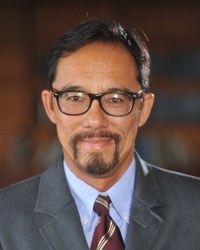 Mitchell Chang合作论文数College of Social Sciences, University of California, Los Angeles9
 Audrey J. Jaeger合作论文数9Monica H. Lin合作论文数5
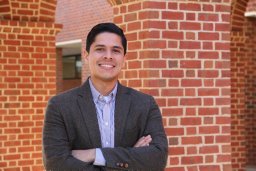 Juan C Garibay合作论文数Dept Educ Leadership Foundat & Policy, Univ Virginia5
 Blaire Van Valkenburgh合作论文数Department of Ecology and Evolutionary Biology, University of California, Los Angeles;Institute of the Environment & Sustainability, University of California, Los Angeles5
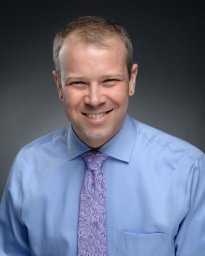 Bryce Hughes合作论文数Department of Education, Montana State University4
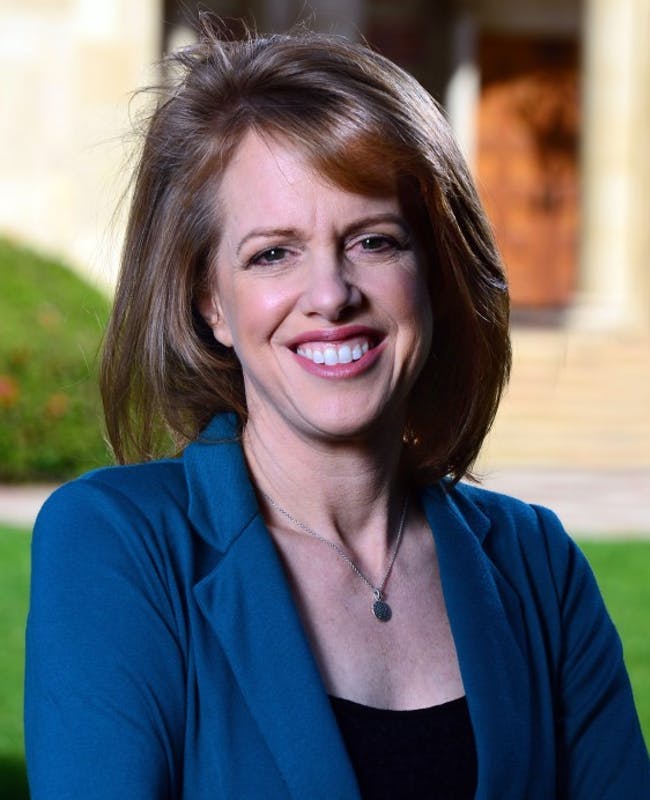 Linda J. Sax合作论文数Department of Education, School of Education & Information Studies, University of California, Los Angeles4
 Gina A Garcia合作论文数4
 Julie J. Park合作论文数Miami University4Marc Levis-Fitzgerald合作论文数3
 Sue Ellen DeChenne-Peters合作论文数Dept Biol, Georgia Southern Univ3Priyanka Fernandes合作论文数3
 Tiffani Riggers-Piehl合作论文数University of Missouri-Kansas City3
 Alice Kuo合作论文数Department of Health Policy and Management Faculty, Fielding School of Public Health, University of California, Los Angeles3
 Stetzer MacKenzie R合作论文数Department of Physics and Astronomy and Maine Center for Research in STEM Education, University of Maine-Orono3Vinson Erin L合作论文数School of Biology and Ecology and Maine Center for Research in STEM Education, University of Maine-Orono3
 Marilyne Stains合作论文数Department of Chemistry;University of Arizona;Department of Chemistry, University of Arizona3
 Ellen Bara Stolzenberg合作论文数3
 Anna Young合作论文数2
 Kashia A Rosenau合作论文数2
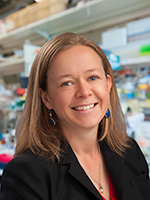 Lisa Mcdonnell合作论文数Cell & Developmental Biology, Division of Biological Sciences, University of California, San Diego2
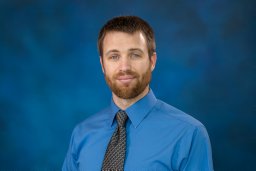 Jordan Harshman合作论文数Dept Chem & Biochem, Auburn Univ2
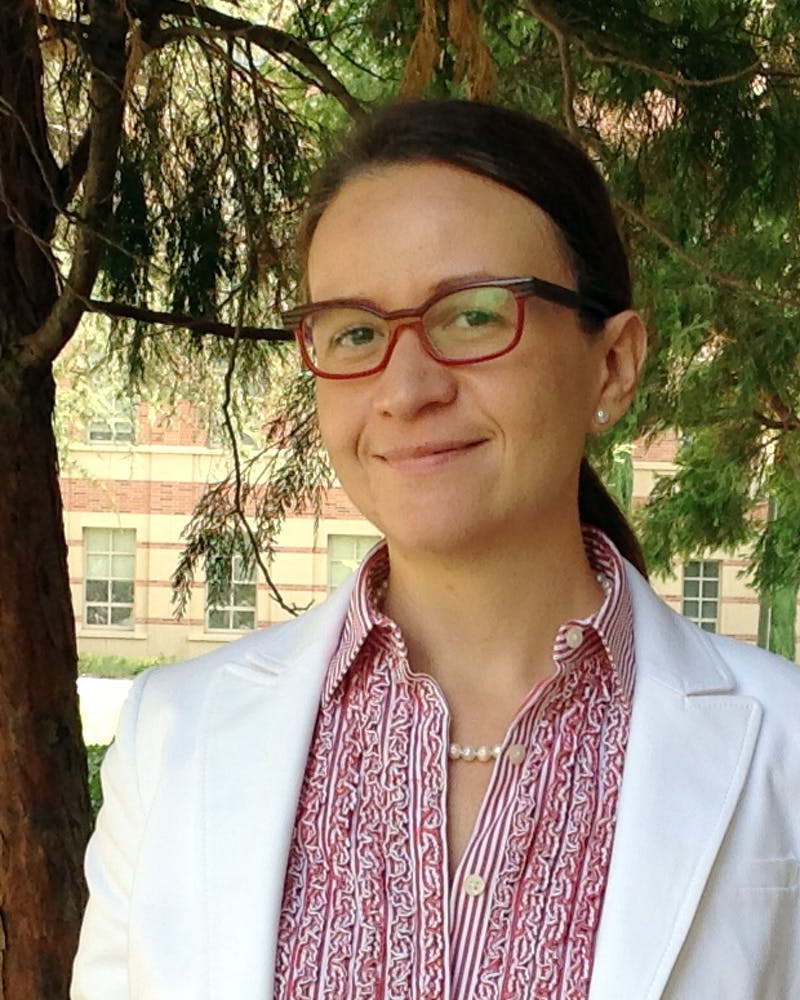 Cecilia Rios Aguilar合作论文数Department of Education, School of Education & Information Studies, University of California, Los Angeles2
 Frank Laski合作论文数Department of Molecular Cell and Developmental Biology, College of Life Sciences, University of California, Los Angeles2
 Alan Garfinkel合作论文数Department of Integrative Biology and Physiology, College of Life Sciences, University of California, Los Angeles2McCreath Heather E合作论文数2Barker Megan K合作论文数Department of Medical Biophysics, University of Toronto2
 Herrera Felisha A合作论文数Oregon State Unviersity.2Hotez Emily合作论文数2
 Lindsay Shea合作论文数A.J. Drexel Autism Institute, Drexel University2Gasiewski Josephine A合作论文数2Shapiro Casey合作论文数2
 Janet L. Branchaw合作论文数Department of Physiology;University of Wisconsin;Medical School;Medical School, University of Wisconsin2Keith C. Norris合作论文数2
 Stephanie Chasteen合作论文数College of Arts and Sciences, University of Colorado Boulder;Chasteen Educational Consulting2Joan Esson合作论文数2Kathryn M. Plank合作论文数2
 Renee S. Cole合作论文数Cole Research Group, Department of Chemistry, College of Liberal Arts and Sciences, The University of Iowa2Paul Joseph Wendel合作论文数2
 Christine Pfund合作论文数2Lourdes R. Guerrero合作论文数1Stephen B. Aley合作论文数1
 Leticia Márquez-Magaña合作论文数Health Equity Research Laboratory, Department of Biology, College of Science and Engineering, San Francisco State University1Ashley Grantham合作论文数1Natalie G Schimpf合作论文数1
 Erin R Sanders合作论文数1Lesley McBain合作论文数1Ana L. Romero合作论文数1




