Background Pressure injuries (PrIs) represent a persistent challenge in nursing homes, with facility-acquired rates of 8.5%. Subepidermal moisture (SEM) technology offers promise for early detection across all skin tones, yet remains underadopted in nursing home environments. Purpose This qualitative study examined nursing home staff perceptions of SEM technology implementation using Rogers’s Diffusion of Innovation theoretical framework to understand the overall adoption process. Methods Seven focus groups were conducted across 5 nursing homes with 50 staff members (registered nurses, licensed practical nurses, and certified nursing assistants) who had used SEM equipment during an 8-month intervention. Two facilities participated in temporal assessments at months 1 and 8. A directed qualitative content analysis was performed using 6 a priori codes derived from Diffusion of Innovation theory: observability, trialability, compatibility, relative advantage, and complexity. Results Analysis of 80 unique participant quotes yielded 132 coded instances across innovation characteristics. Notably, 68% of coded examples reflected negative perceptions of the technology, contrasting sharply with typical health care innovation adoption patterns. Key barriers included poor compatibility with existing workflows (35% of instances), implementation complexity extending beyond device operation (31%), mixed observability of benefits (32%), and concerns about relative advantage amid resource constraints (26%). Technology inflexibility prevented error correction and workflow adaptation (25%), whereas sustainability concerns emerged regarding long-term viability (17%). Temporal assessment revealed declining enthusiasm and compliance rates over the intervention period. Conclusions Despite SEM technology's clinical potential, significant implementation barriers hindered adoption in resource-constrained nursing home environments. Findings highlight the critical importance of addressing workflow integration, organizational context, and staff burden when implementing health care innovations. Future implementation strategies must explicitly address resource constraints and develop comprehensive support systems that minimize workflow disruption while maintaining technology effectiveness.
The practice of mentorship is a critical focus in science, technology, engineering, mathematics, and medicine (STEMM) disciplines. This quasi-experimental study investigated the efficacy of undergraduate mentor training in biomedical sciences programs in the NIH-funded Building Infrastructure Leading to Diversity (BUILD) initiative comprised of research-rising institutions. We used data from the Higher Education Research Institute’s Faculty Survey (2016-17 and 2019-20). In cross-sectional comparisons of 379 BUILD-trained faculty with 755 colleagues who were not BUILD-trained, those who participated in BUILD mentor training reported more engagement with mentees. Utilizing propensity score matching of 314 with longitudinal cases, mentoring confidence and engagement were stronger over time for BUILD-trained faculty. Findings suggest BUILD mentor training yields positive results for undergraduate mentors at research-rising institutions.
OBJECTIVE:To determine if subepidermal moisture (SEM) measures help detect and prevent intraoperative acquired pressure injuries (IAPIs) for prone-position surgery. METHODS:In this clinical trial of patients (n = 39 preintervention, n = 48 intervention, 100 historical control) undergoing prone-position surgery, researchers examined the use of multidimensionally flexible silicone foam (MFSF) dressings applied preoperatively to patients' face, chest, and iliac crests. Visual skin assessments and SEM measures were obtained preoperatively, postoperatively, and daily for up to 5 days or until discharge. Electronic health record review included demographic, medical, and surgery data. RESULTS:Of the 187 total participants, 76 (41%) were women. Participants' mean age was 61.0 ± 15.0 years, and 9.6% were Hispanic (n = 18), 9.6% were Asian (n = 18), 6.9% were Black or African American (n = 13), and 73.8% were White (n = 138). Participants had a mean Scott-Triggers IAPI risk score of 1.5 ± 1.1. Among those with no erythema preoperatively, fewer intervention participants exhibited postoperative erythema on their face and chest than did preintervention participants. Further, fewer intervention participants had SEM-defined IAPIs at all locations in comparison with preintervention participants. The MFSF dressings overcame IAPI risk factors of surgery length, skin tone, and body mass index with fewer IAPIs in intervention participants. CONCLUSIONS:Patients undergoing prone-position surgeries developed fewer IAPIs, and SEM measures indicated no damage when MFSF dressings were applied to sites preoperatively. The SEM measures detected more damage than visual assessment.
INTRODUCTION:A growing number of international population surveys have included measurement of biomarkers, but differ in the type of specimens collected, sample processing procedures, shipment protocols, and laboratory assay platforms. The purpose of this study is to harmonize biomarker data from nine nationally representative studies of people 50 years of age and over by adjusting for assay platforms and type of specimens for total cholesterol (total-C), high-density lipoprotein cholesterol (HDL-C), glycosylated hemoglobin (HbA1c), and C-reactive protein (CRP). METHODS:Sets of 24 identical serum, plasma, whole blood, and dried blood spot harmonization samples with known analyte levels were generated at a reference laboratory, shipped at -80°C to the respective study laboratories, and subsequently assayed following the study laboratory's protocol. Both original and harmonized study data were used to calculate mean values and at-risk prevalence. RESULTS:The correlation coefficients between the biomarker values of the harmonization samples obtained by the study laboratories and the reference laboratory were 0.99 or above for all analytes and laboratories, indicating the high quality of assays at all laboratories. However, using the harmonized data from each study, there were significant differences in the mean values and country ranking of the prevalence of at-risk levels of these four biomarkers. CONCLUSIONS:While the biomarker data from the different study laboratories were highly correlated, indicating very high correlation of rank order of specimens, absolute values did vary significantly. This can have a major impact on assessment of international differences in estimates of risks for chronic morbidity and mortality.
The present study examined whether everyday discrimination relates to the frequency of adolescents' positive and negative daily social interactions and whether these associations are driven by anger and positive emotion. Adolescents (N = 334) participated in a three-wave longitudinal study, in which they completed surveys regarding everyday discrimination, anger, and positive emotion, as well as 15 daily reports of conflict and getting along with friends and family. Higher everyday discrimination was related to more daily conflicts and fewer experiences of getting along with other people. Longitudinal models also provided preliminary evidence that everyday discrimination was associated with daily conflicts 4 years later indirectly through anger. Overall, results suggest everyday discrimination relates to adolescents' daily experiences, potentially through differences in emotion.
Socioeconomic status has been related to poorer eating behaviors, potentially due to feeling of lower status relative to peers. Despite experimental evidence that temporarily feeling of lower status can contribute to greater caloric intake, it remains unclear how feeling of lower social status relate to eating behavior in daily life. This study aimed to test whether lower subjective social status (SSS)-the feeling of having relatively lower social status-in American society and relative to college peers were related to daily food selection. A sample of 131 young adults (Mage = 20.3, SD = 0.8; 60% female; 46% Latinos; 34% European American; 15% Asian American; 5% of other ethnicities) reported their SSS in society and in college and completed 15 daily reports regarding the number of daily servings they had of fruits, vegetables, fried foods, fast foods, desserts, and sugary drinks. Multilevel models with days nested within individuals were used to test whether low SSS in society or college related to daily food intake. Next, we examined whether associations were driven by young adults' perceived stress and daily stressors. Analyses controlled for age, gender, ethnicity, family and personal income, and par-ents' education to test the unique associations between subjective status and food intake. Whereas SSS in society was not related to food intake, young adults with lower SSS in their college consumed fewer daily servings of healthy foods and more daily servings of high-fat/high-sugar foods. Although lower college SSS was related to greater perceived stress, perceived stress and daily stressors were consistently unrelated to daily food intake. Findings suggested that lower SSS in local environments (e.g., college) may impact young adults' daily food choices through processes beyond heightened stress.
While guidance on how to design rigorous evaluation studies abounds, prescriptive guidance on how to include critical process and context measures through the construction of exposure variables is lacking. Capturing nuanced intervention dosage information within a large-scale evaluation is particularly complex. The Building Infrastructure Leading to Diversity (BUILD) initiative is part of the Diversity Program Consortium, which is funded by the National Institutes of Health. It is designed to increase participation in biomedical research careers among individuals from underrepresented groups. This chapter articulates methods employed in defining BUILD student and faculty interventions, tracking nuanced participation in multiple programs and activities, and computing the intensity of exposure. Defining standardized exposure variables (beyond simple treatment group membership) is crucial for equity-focused impact evaluation. Both the process and resulting nuanced dosage variables can inform the design and implementation of large-scale, diversity training program, outcome-focused, evaluation studies.
The National Institutes of Health (NIH) made a sizeable investment in developing a scientific approach to understanding how to best increase diversity in the NIH-funded workforce by fostering inclusive excellence at a national scale through the Diversity Program Consortium (DPC). This chapter provides an overview of the context in which the consortium-wide evaluation study has taken place to provide readers with an understanding of its level of complexity. This evaluation effort is the first large-scale, national, systemic, longitudinal evaluation of harmonized interventions focused on undergraduate biomedical research training programs in the history of the NIH and the National Institute of General Medical Sciences.
IMPORTANCE Few stroke survivors meet recommended cardiovascular goals, particularly among racial/ethnic minority populations, such as Black or Hispanic individuals, or socioeconomically disadvantaged populations. OBJECTIVE To determine if a chronic care model-based, community health worker (CHW), advanced practice clinician (APC; including nurse practitioners or physician assistants), and physician team intervention improves risk factor control after stroke in a safety-net setting (ie, health care setting where all individuals receive care, regardless of health insurance status or ability to pay). DESIGN, SETTING, AND PARTICIPANTS This randomized clinical trial included participants recruited from 5 hospitals serving low-income populations in Los Angeles County, California, as part of the Secondary Stroke Prevention by Uniting Community and Chronic Care Model Teams Early to End Disparities (SUCCEED) clinical trial. Inclusion criteria were age 40 years or older; experience of ischemic or hemorrhagic stroke or transient ischemic attack (TIA) no more than 90 days prior; systolic blood pressure (BP) of 130 mm Hg or greater or 120 to 130 mm Hg with history of hypertension or using hypertensive medications; and English or Spanish language proficiency. The exclusion criterion was inability to consent. Among 887 individuals screened for eligibility, 542 individuals were eligible, and 487 individuals were enrolled and randomized, stratified by stroke type (ischemic or TIA vs hemorrhagic), language (English vs Spanish), and site to usual care vs intervention in a 1:1 fashion. The study was conducted from February 2014 to September 2018, and data were analyzed from October 2018 to November 2020. INTERVENTIONS Participants randomized to intervention were offered a multimodal coordinated care intervention, including hypothesized core components (ie, >= 3 APC clinic visits, >= 3 CHW home visits, and Chronic Disease Self-Management Program workshops), and additional telephone visits, protocol-driven risk factor management, culturally and linguistically tailored education materials, and self-management tools. Participants randomized to the control group received usual care, which varied by site but frequently included a free BP monitor, self-management tools, and linguistically tailored information materials. MAIN OUTCOMES AND MEASURES The primary outcome was change in systolic BP at 12 months. Secondary outcomes were non-high density lipoprotein cholesterol, hemoglobin A(1c), and C-reactive protein (CRP) levels, body mass index, antithrombotic adherence, physical activity level, diet, and smoking status at 12 months. Potential mediators assessed included access to care, health and stroke literacy, self-efficacy, perceptions of care, and BP monitor use. RESULTS Among 487 participants included, the mean (SD) age was 57.1 (8.9) years; 317 (65.1%) were men, and 347 participants (71.3%) were Hispanic, 87 participants (18.3%) were Black, and 30 participants (6.3%) were Asian. A total of 246 participants were randomized to usual care, and 241 participants were randomized to the intervention. Mean (SD) systolic BP improved from 143 (17) mm Hg at baseline to 133 (20) mm Hg at 12 months in the intervention group and from 146 (19) mm Hg at baseline to 137 (22) mm Hg at 12 months in the usual care group, with no significant differences in the change between groups. Compared with the control group, participants in the intervention group had greater improvements in self-reported salt intake (difference, 15.4 [95% CI, 4.4 to 26.0]; P = .004) and serum CRP level (difference in log CRP, -0.4 [95% CI, -0.7 to -0.1] mg/dL; P = .003); there were no differences in other secondary outcomes. Although 216 participants (89.6%) in the intervention group received some of the 3 core components, only 35 participants (14.5%) received the intended full dose. CONCLUSIONS AND RELEVANCE This randomized clinical trial of a complex multilevel, multimodal intervention did not find vascular risk factor improvements beyond that of usual care; however, further studies may consider testing the SUCCEED intervention with modifications to enhance implementation and participant engagement.
The current observational study provides descriptive data on 270 pressure injuries (PrIs) among 142 racially/ethnically diverse nursing home (NH) residents over 16 weeks. Weekly assessments were conducted with the Bates-Jensen Wound Assessment Tool. NH data were obtained from public government websites. NH, resident, and PrI characteristics across race/ethnicity groups were compared using analysis of variance and chi-square. Participants were 62% female and 89% functionally dependent. More Black and Asian individuals had peripheral vascular disease. More Black individuals had persistent trunk and Stage 4 PrIs. Black and Hispanic individuals had normal skin color surrounding PrIs. More Asian individuals had PrIs surrounded by purple/red discolored skin. More Black individuals' heel PrIs were unstageable, necrotic, and showed no granulation. Black and Hispanic individuals exhibited more deep tissue injury. No NH or prevention differences existed. Health disparities found validate administrative data results. Differences in PrI characteristics should be further examined among diverse NH residents. [Journal of Gerontological Nursing, 47(3), 37-46.].
Hypothalamic pituitary adrenal gland (HPA) axis functioning has been linked with daily demands during adolescence. A ubiquitous, yet understudied daily demand in the lives of youth is the commute to school, which may be associated with the diurnal rhythm of cortisol as demonstrated in prior research among adults. The current study hypothesized that longer school commute times would be associated with altered HPA axis functioning as demonstrated by a heightened cortisol awakening response (CAR) and flatter diurnal slope. Additionally, given that the HPA axis follows a diurnal rhythm and adolescence is marked by changes in the circadian rhythm, adolescents with a more evening chronotype were hypothesized to evince even more altered HPA axis functioning in the face of long school commute times. A total of 269 adolescents (M = 16.38 years, SD = 0.74) provided saliva samples at wake, 15-min. post-wake, and 30-min. post-wake for the calculation of CAR and at dinnertime and bedtime for the calculation of diurnal slope, completed up to 8 nights of sleep actigraphy, and self-reported school commute time. Results suggest that more evening chronotype youth with longer school commute times evince a higher CAR, but not an altered diurnal slope. The present findings may have implications for adolescent mental health as higher CAR has been associated poor mental health and heightened stress.
Adolescent sleep research has focused heavily on duration and quality with less work examining chronotype, defined as individual differences in sleep–wake timings driven by the circadian rhythm. This study filled a gap in the literature by utilizing actigraphy-based sleep estimates in an accelerated longitudinal design in order to better understand the developmental trajectory and individual stability of chronotype during adolescence, as well as the associations between chronotype with risky behaviors, substance use, and depressive symptoms. A total of 329 adolescents (57% female; 21% Asian American, 31% European American, 41% Latino, 7% other ethnicity) provided actigraphy-based estimates of sleep and completed questionnaires at up to three time points, two years apart, beginning at 14–17 years of age. Multilevel modeling revealed a non-linear developmental trend in chronotype whereby eveningness increased from 14 to 19 years of age followed by a trend toward morningness. Individual differences in chronotype exhibited modest stability during adolescent development. Furthermore, greater evening chronotype was associated with more risky behaviors and substance use among males, and more substance use among older adolescents, whereas depressive symptoms were not associated with chronotype. The findings from this study may have practical implications for adolescent behavioral health interventions targeted at reducing risky behaviors and substance use among youth.
Objective:To identify which mentoring domains influence publication productivity among early career researchers and trainees and whether publication productivity differs between underrepresented minority (URM) and well-represented groups (WRGs). The mentoring aspects that promote publication productivity remain unclear. Advancing health equity requires a diverse workforce, yet URM trainees are less likely to publish and URM investigators are less likely to obtain federal research grants, relative to WRG counterparts.Methods:A mentoring-focused online follow-up survey was administered to respondents of the NRMN Annual Survey who self-identified as mentees. Publications were identified from a public database and validated with participant CV data. Bivariate and multivariate analyses tested the associations of publication productivity with mentoring domains.Results:URM investigators and trainees had fewer publications (M = 7.3) than their WRG counterparts (M = 13.8). Controlling for career stage and social characteristics, those who worked on funded projects, and received grant-writing or research mentorship, had a higher probability of any publications. Controlling for URM status, gender, and career stage, mentorship on grant-writing and funding was positively associated with publication count (IRR=1.72). Holding career stage, gender, and mentoring experiences constant, WRG investigators and trainees had more publications than their URM counterparts (IRR=1.66).Conclusions:Grant-writing mentorship is particularly important for publication productivity. Future research should investigate whether grant-writing mentorship differentially impacts URM and WRG investigators and should investigate how and why grant-writing mentorship fosters increased publication productivity.
Background: Minority and socioeconomically disadvantaged individuals are underrepresented in secondary stroke prevention trials. Little is known about factors associated with study retention in these populations. Objective: To evaluate the impact of sociodemographic characteristics on retention in the Secondary stroke prevention by Uniting Community and Chronic care model teams Early to End Disparities (SUCCEED) trial. Methods: 487 participants ≥40 years with stroke/TIA were recruited from 4 safety-net hospitals and 1 stroke center serving low income zip codes. Strategies for boosting retention included: having bilingual research assistants from similar cultures establish rapport and follow participants; culturally and linguistically tailoring materials; arranging visits around participants’ schedules; offering transportation, and conducting assessments in the home and community. We compared sociodemographic characteristics among those retained at 12 months (n=412) vs. those not retained (n=75) using t-test, Chi Square, and Fisher exact tests. Independent factors associated with retention were determined using logistic regression. Results: Average age was 57 years, 18% were black, 71% were Hispanic, 58% were Spanish-speaking, and 72% were born outside the US. 12-month retention was 85%. On bivariate analysis, factors associated with retention were: Spanish-speaking, Hispanic ethnicity, younger age, born outside the US, and married status (all p<0.05). After multivariate analysis, study site, younger age (<64 vs ≥65 years OR 2.2, 95% CI 1.1,4.4), married status (OR 2.0, 1.0,4.2), government insurance (vs uninsured OR 25.1, 1.2,5.1), private insurance (vs uninsured, OR 4.6, 1.3,16.4), and inability to afford medical care (OR 2.9, 1.3,6.7) were associated with retention. Discussion: In this secondary prevention trial of stroke survivors from predominantly minority backgrounds, younger age, marriage, and insurance were associated with retention, suggesting that addressing barriers in the elderly, and those without insurance or spousal support may be beneficial. Financial constraints were associated with retention suggesting that study participation appealed to more socioeconomically vulnerable individuals.
Background: Approximately 25 million people in the US are Limited English Proficient (LEP). LEP individuals are more likely to feel dissatisfied with the quality of healthcare when compared to the English proficient, but little is known about LEP stroke survivors. Objective: To evaluate differences in stroke literacy, self-efficacy, and perceptions of healthcare delivery in English and Spanish-speaking individuals enrolled in the Secondary stroke prevention by Uniting Community and Chronic care model teams Early to End Disparities (SUCCEED) trial. Methods: SUCCEED participants were given the option of receiving the intervention in English or Spanish. Baseline differences in stroke literacy (Schneider et al), self-efficacy (General Self-Efficacy Scale), and perceptions of care (Patient Assessment of Chronic Illness Care and Consumer Assessment of Healthcare Providers and Systems) were compared using T-test, Chi Square, and Fisher Exact in individuals who chose Spanish vs. English. Results: Of 487 participants, 207 preferred English and 280 chose Spanish. Despite feeling more worried about having a stroke (77 % vs. 67%), and feeling at risk of having a stroke (63% vs. 45%), Spanish-speakers were less likely to identify 3 stroke risk factors (19% vs. 33%, all p<0.05). Half of Spanish-speakers had difficulty understanding what was being told to them (50% vs. 30%), and less than half felt confident filling out medical forms (40% vs. 70%, both p<0.05). Spanish-speakers responded favorably about the ease of hospital admission or accessing medical care (80% vs. 55% and 72% vs. 53%), but responded negatively about providers spending enough time with them or explaining things in a way that was easy to understand (56% vs. 24% and 52% vs. 28%, all p<0.05). Spanish-speakers were more likely to feel that providers did not listen or respect what they had to say (52% vs. 22% and 44% vs. 17%, both p<0.05). Conclusion: Among stroke survivors, Spanish-speakers were more likely to have low stroke literacy, low self-efficacy, and a negative perception of healthcare delivery despite feeling that healthcare was accessible. Recognizing language barriers as a contributor to healthcare disparities, and tailoring interventions to address these barriers are crucial.
Objective:The biomedical/behavioral sciences lag in the recruitment and advancement of students from historically underrepresented backgrounds. In 2014 the NIH created the Diversity Program Consortium (DPC), a prospective, multi-site study comprising 10 Building Infrastructure Leading to Diversity (BUILD) institutional grantees, the National Research Mentoring Network (NRMN) and a Coordination and Evaluation Center (CEC). This article describes baseline characteristics of four incoming, first-year student cohorts at the primary BUILD institutions who completed the Higher Education Research Institute, The Freshmen Survey between 2015-2019. These freshmen are the primary student cohorts for longitudinal analyses comparing outcomes of BUILD program participants and non-participants.Design:Baseline description of first-year students entering college at BUILD institutions during 2015-2019.Setting:Ten colleges/universities that each received <$7.5mil/yr in NIH Research Project Grants and have high proportions of low-income students.Participants:First-year undergraduate students who participated in BUILD-sponsored activities and a sample of non-BUILD students at the same BUILD institutions. A total of 32,963 first-year students were enrolled in the project; 64% were female, 18% Hispanic/Latinx, 19% African American/Black, 2% American Indian/Alaska Native and Native Hawaiian/Pacific Islander, 17% Asian, and 29% White. Twenty-seven percent were from families with an income <$30,000/yr and 25% were their family's first generation in college.Planned Outcomes:Primary student outcomes to be evaluated over time include undergraduate biomedical degree completion, entry into/completion of a graduate biomedical degree program, and evidence of excelling in biomedical research and scholarship.Conclusions:The DPC national evaluation has identified a large, longitudinal cohort of students with many from groups historically underrepresented in the biomedical sciences that will inform institutional/national policy level initiatives to help diversify the biomedical workforce.
Purpose: This study investigated the extent to which multiple sleep dimensions are associated with inflammation during adolescents' transition to young adulthood, a developmental period when sleep difficulties and systemic inflammation levels are on the rise. Additionally, the moderating roles of socioeconomic status (SES) and ethnicity were explored. Methods: A total of 350 Asian American, Latino, and European American youth participated at two-year intervals in wave 1 (n = 316, M-age = 16.40), wave 2 (n = 248 including 34 new partici-pants to refresh the sample, Mage = 18.31), and wave 3 (n = 180, M-age = 20.29). Sleep duration (weekday and weekend) and variability in duration (nightly and weekday/weekend) were obtained from eight nights of wrist actigraphy. Subjective sleep quality was assessed using the Pittsburgh Sleep Quality Index. Levels of C-reactive protein (CRP), a biomarker of systemic inflammation, were assayed from dried blood spots obtained from finger pricks. Results: Multilevel models demonstrated that greater weekday/weekend sleep variability and worse sleep quality were associated with higher CRP; shorter weekend duration was associated with higher CRP only at younger ages. Shorter weekday duration was associated with higher CRP only among high-SES youth, whereas greater nightly variability was associated with higher CRP only among European American youth. Conclusions: Aspects of poor sleep may contribute to the rise of CRP during adolescents' transition to young adulthood, especially in earlier years. In addition, some sleep-CRP associations may vary as a function of youth's SES and ethnicity. (C) 2020 Society for Adolescent Health and Medicine. All rights reserved.
Sleep disturbance is a symptom of and a well-known risk factor for depression. Further, atypical functioning of the HPA axis has been linked to the pathogenesis of depression. The purpose of this study was to examine the role of adolescent HPA axis functioning in the link between adolescent sleep problems and later depressive symptoms. Methods: A sample of 157 17-18 year old adolescents (61.8% female) completed the Pittsburgh Sleep Quality Inventory (PSQI) and provided salivary cortisol samples throughout the day for three consecutive days. Two years later, adolescents reported their depressive symptoms via the Center for Epidemiological Studies Depression Scale (CES-D). Results: Individuals (age 17-18) with greater sleep disturbance reported greater depressive symptoms two years later (age 19-20). This association occurred through the indirect effect of sleep disturbance on the cortisol awakening response (CAR) (indirect effect = 0.14, 95%CI [.02 -.39]). Conclusions: One pathway through which sleep problems may lead to depressive symptoms is by up-regulating components of the body's physiological stress response system that can be measured through the cortisol awakening response. Behavioral interventions that target sleep disturbance in adolescents may mitigate this neurobiological pathway to depression during this high-risk developmental phase.
 Teresa Seeman合作论文数Geffen School of Medicine, University of California, Los Angeles;Epidemiology Department, Fielding School of Public Health, University of California, Los Angeles15
 Andrew J. Fuligni合作论文数Department of Psychology, College of Life Sciences, University of California, Los Angeles;Semel Institute for Neuroscience and Human Behavior, University of California, Los Angeles;Department of Psychiatry and Biobehavioral Sciences, David Geffen School of Medicine, University of California, Los Angeles15
 Michael R. Irwin合作论文数Department of Psychology, College of Life Sciences, University of California12
 David Reuben合作论文数Division of Geriatrics, Department of Medicine, David Geffen School of Medicine, University of California11
 Barbara M. Bates-Jensen合作论文数School of Nursing, University of California, Los Angeles9
 David M. Almeida合作论文数Center For Healthy Aging, College of Health and Human Development, Pennsylvania State University9
 Julienne E. Bower合作论文数9
 Neil Wenger合作论文数Division of General Internal Medicine, David Geffen School of Medicine, UCLA8
 Jessica Chiang合作论文数Department of Psychology, and7
 Barbara G. Vickrey合作论文数Mount Sinai School of Medicine7Carol P. Roth合作论文数7Tara Dutta合作论文数6
 Frances Barry合作论文数6Monica Ayala-Rivera合作论文数6Phyllis Willis合作论文数6
 Bijal Mehta合作论文数Department of Neurology, University of California, Los Angeles6
 Benjamin C. Sun合作论文数Department of Emergency Medicine, Perelman School of Medicine, University of Pennsylvania6Song Shlee S合作论文数6Li-Jung Liang合作论文数Entomology Research Institute;Loyola College;Entomology Research Institute, Loyola College6David A. Ganz合作论文数6
 Amytis Towfighi合作论文数Keck School of Medicine, Heath Care Consultation Center II6Nerses Sanossian合作论文数6
 Ali Razmara合作论文数6Robert Bryg合作论文数5Weijuan Han合作论文数5
 Robert E. Weiss合作论文数Department of Biostatistics, Fielding School of Public Health, University of California, Los Angeles5
 Renee Hsia合作论文数Department of Emergency Medicine, School of Medicine, University of California, San Francisco5
 Janet C Frank合作论文数5
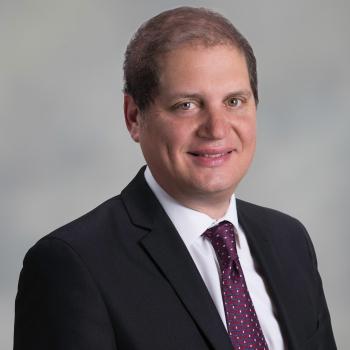 Steven Asch合作论文数Division of Primary Care and Population Health, School of Medicine, Stanford University;Center of Innovation to Implementation, VA Palo Alto Health Care System5Virginia W. Huynh合作论文数University of California , Los Angeles5David S. Zingmond合作论文数5
 Ronald E. Dahl合作论文数School of Public Health, University of California, Berkeley;Institute of Human Development, University of California, Berkeley5Eric M. Cheng合作论文数Department of Neurology, VA Greater Los Angeles Healthcare System5Lourdes R. Guerrero合作论文数4Susan H. Hirsch合作论文数4Anabel Patlan合作论文数4
 Beatrice Martinez合作论文数4Nicole M. G. Maccalla合作论文数4
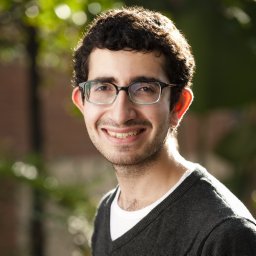 Danny Rahal合作论文数Dept Psychol, Univ Calif Los Angeles4
 Honghu Liu合作论文数Department of Biostatistics, Fielding School of Public Health, University of California, Los Angeles4Park Heejung合作论文数4
 Eileen Crimmins合作论文数Leonard Davis School of Gerontology, University of Southern California4
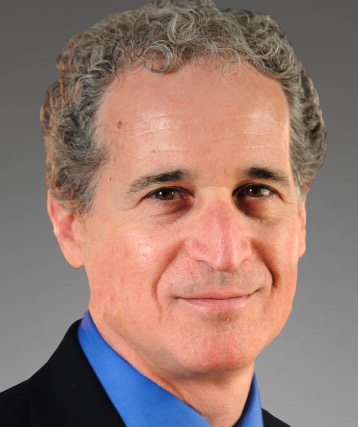 Brian S. Mittman合作论文数Division of Health Services Research & Implementation Science, Kaiser Permanente Department of Research & Evaluation;Clinical and Translational Science Institute, University of California, Los Angeles;University of Southern California4Diane Katz合作论文数3Diane Factor合作论文数3Nancy Ibrahim合作论文数3Jamie Tran合作论文数3Theresa Sivers-Teixeira合作论文数3
 Marilyn Corrales Arevalo合作论文数3




